



























































Reliable Lifting Solutions for Every Automotive Need
Car jacks play a crucial role in both professional workshops and personal garages. They are indispensable when it comes to lifting vehicles safely and efficiently, whether for routine maintenance, tire changes, or more extensive repair work. In modern vehicle maintenance, the importance of a reliable car jack has only increased, as more vehicles require specialized lifting techniques and equipment tailored to specific undercarriage structures. Choosing the right car jack is not merely a matter of convenience but also of safety and suitability for the specific vehicle type and weight. In this category, you will find an extensive selection of lifting devices designed to meet various requirements, including hydraulic car jacks, bottle jacks for cars, trolley jacks, and jack stands.
The diversity in car jacks corresponds to the varied needs of vehicle owners and the increasing complexity of car models. For occasional users, a simple bottle jack may suffice, whereas professional mechanics often rely on more robust solutions like a trolley jack 3 ton or hydraulic lifting jacks that offer higher precision and ease of operation. In addition, the choice of car jack can also be influenced by the type of repairs being undertaken—for instance, brake service requires access to the wheel area, favoring jack stands, whereas fluid checks or exhaust work may be better served with car ramps. It is important to understand the weight capacity, lift range, and application scenarios of these devices before making a choice. The right lifting equipment ensures stable elevation and minimizes the risk of vehicle slippage, contributing significantly to workplace safety and the long-term integrity of the vehicle being serviced.

Hydraulic Support with Adjustable Height
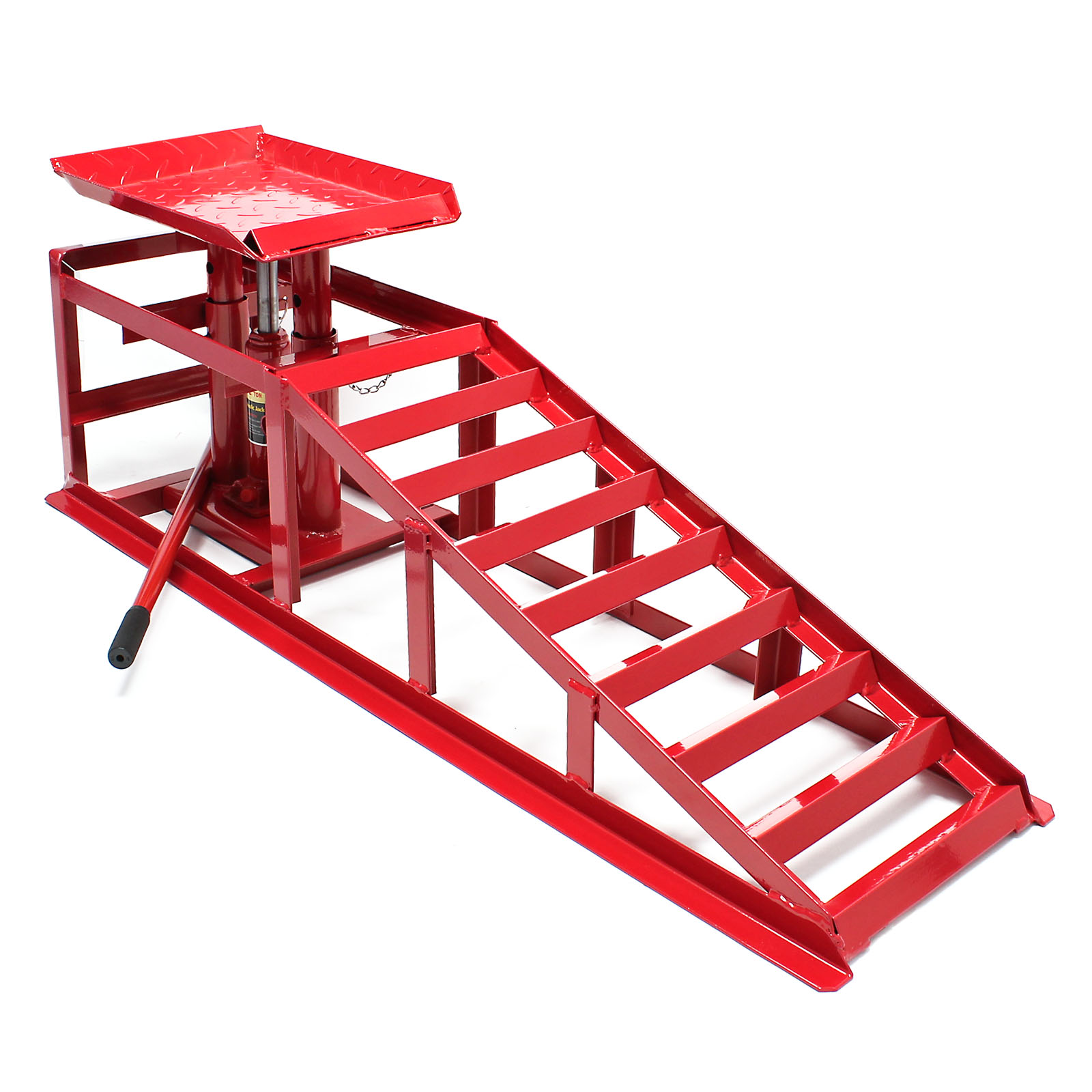
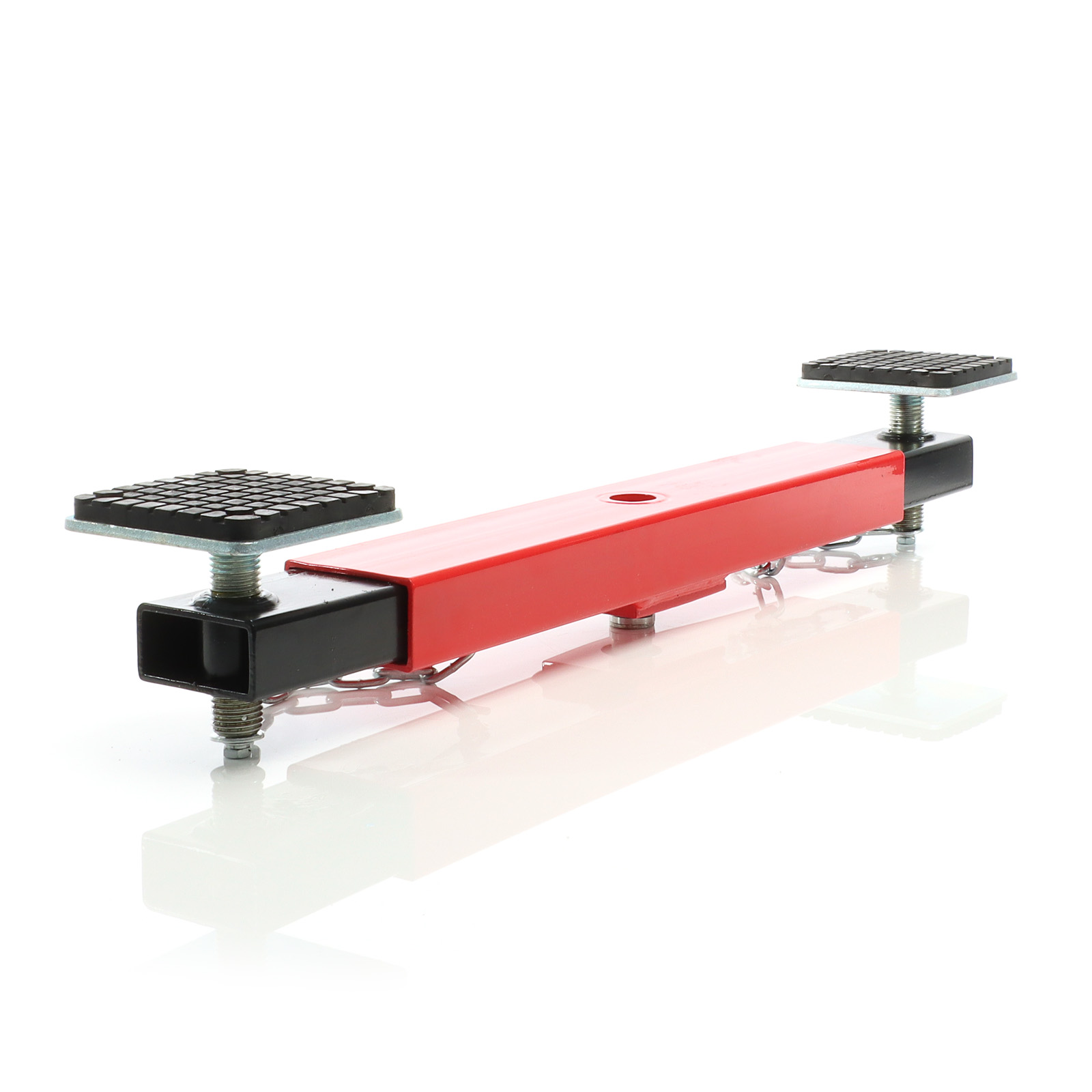
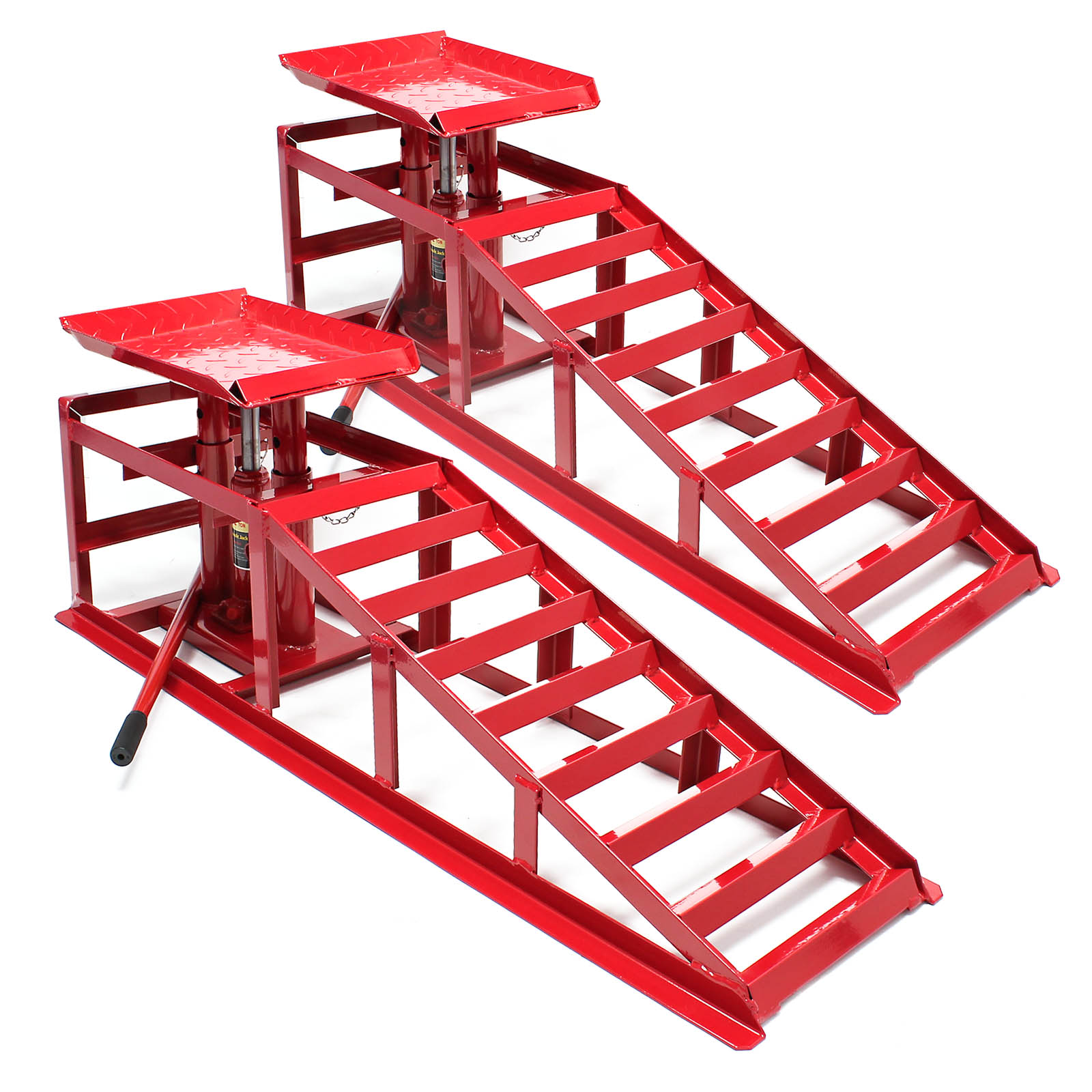
Among the range of lifting aids, the Two Car Ramps with Hydraulic Lifting Jack 2000 kg, Adjustable Height stands out for its practical design and versatility. This product combines the advantages of a ramp and a hydraulic lifting mechanism. With a load-bearing capacity of 2000 kilograms, it offers a reliable solution for raising vehicles for underbody inspections, oil changes, or tire replacements.
The height-adjustable mechanism enhances usability, making it suitable for different car models. Its integrated hydraulic lifting jack ensures smooth and controlled elevation, minimizing manual effort. These ramps are especially useful for users who require stable vehicle elevation over a longer duration and want an alternative to traditional lifting jacks.
Car jacks are used in a broad spectrum of situations, with different types suited to specific applications. Trolley jacks, for instance, are commonly employed in professional garages where the need for fast and reliable lifting is paramount. Their design includes wheels and a long handle, which allows easy positioning under a vehicle. Their flat profile enables them to reach low-clearance areas, and they are particularly effective for repetitive lifting tasks. Vehicles such as SUVs and 4x4s benefit greatly from trolley jacks due to their enhanced lifting capacity and ease of use, making them a preferred choice in commercial environments where speed and stability are crucial. In contrast, hydraulic bottle jacks offer a more compact and portable solution. These are often selected for roadside emergencies or by users with limited storage space, such as drivers of smaller cars or those who prefer minimal tools in their trunks.
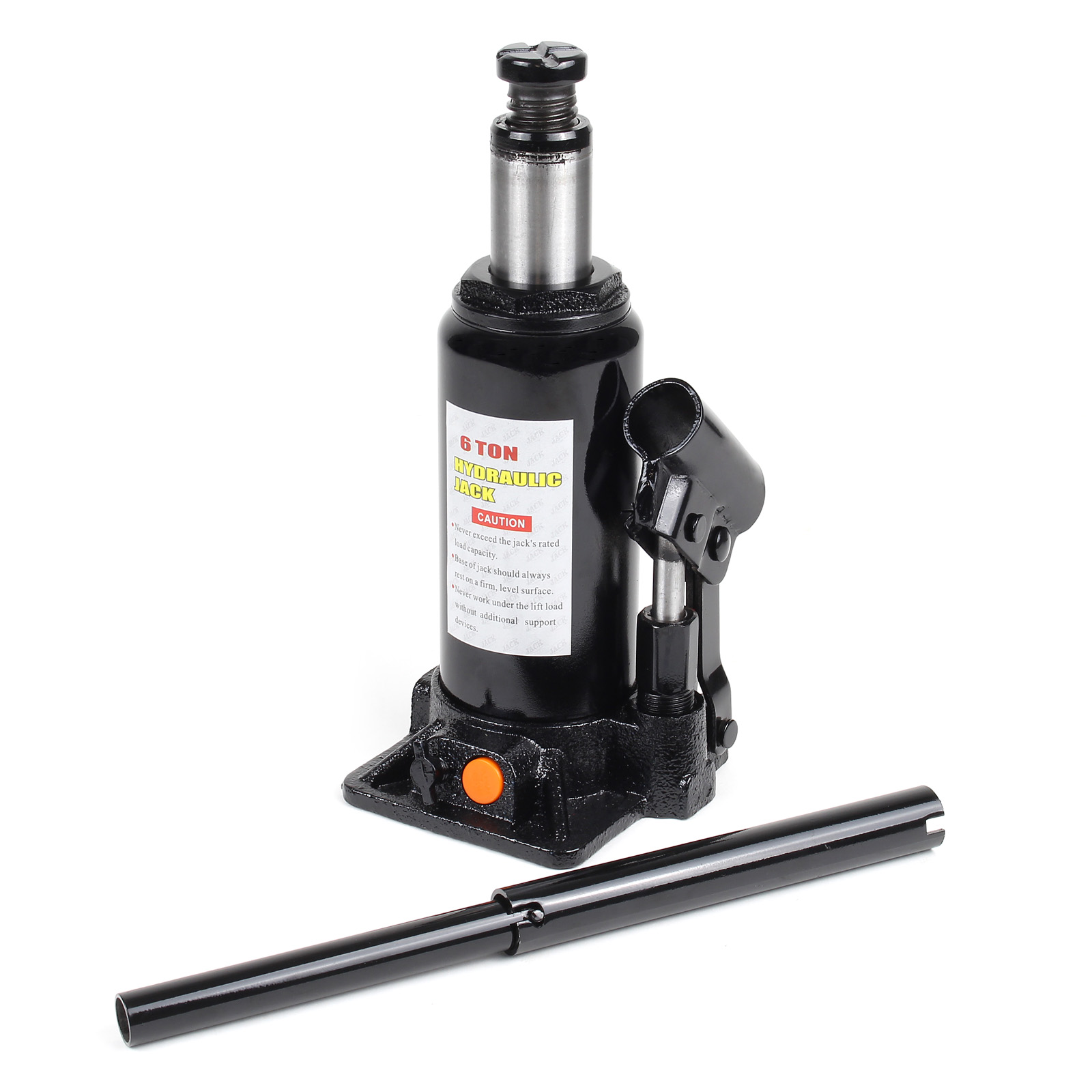
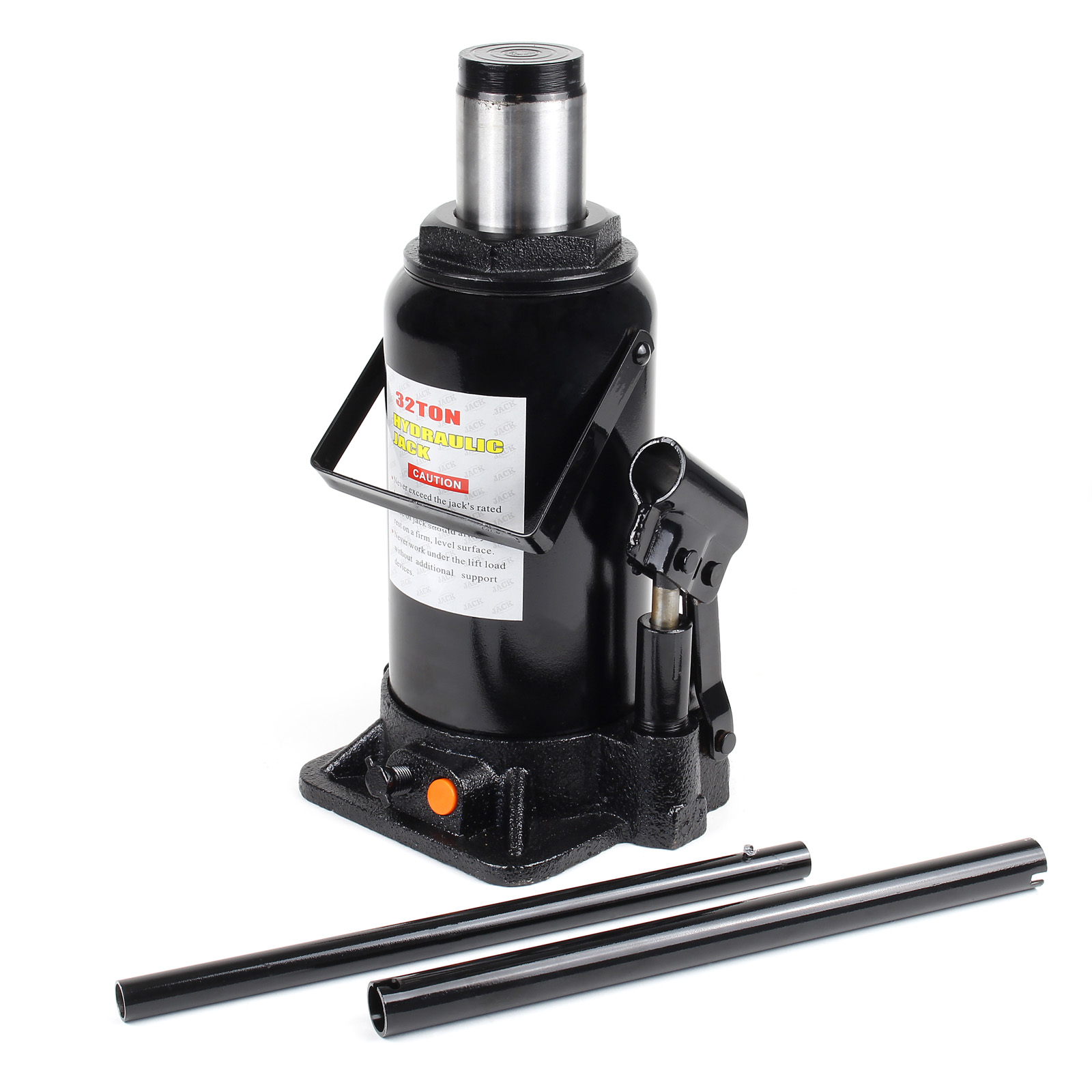
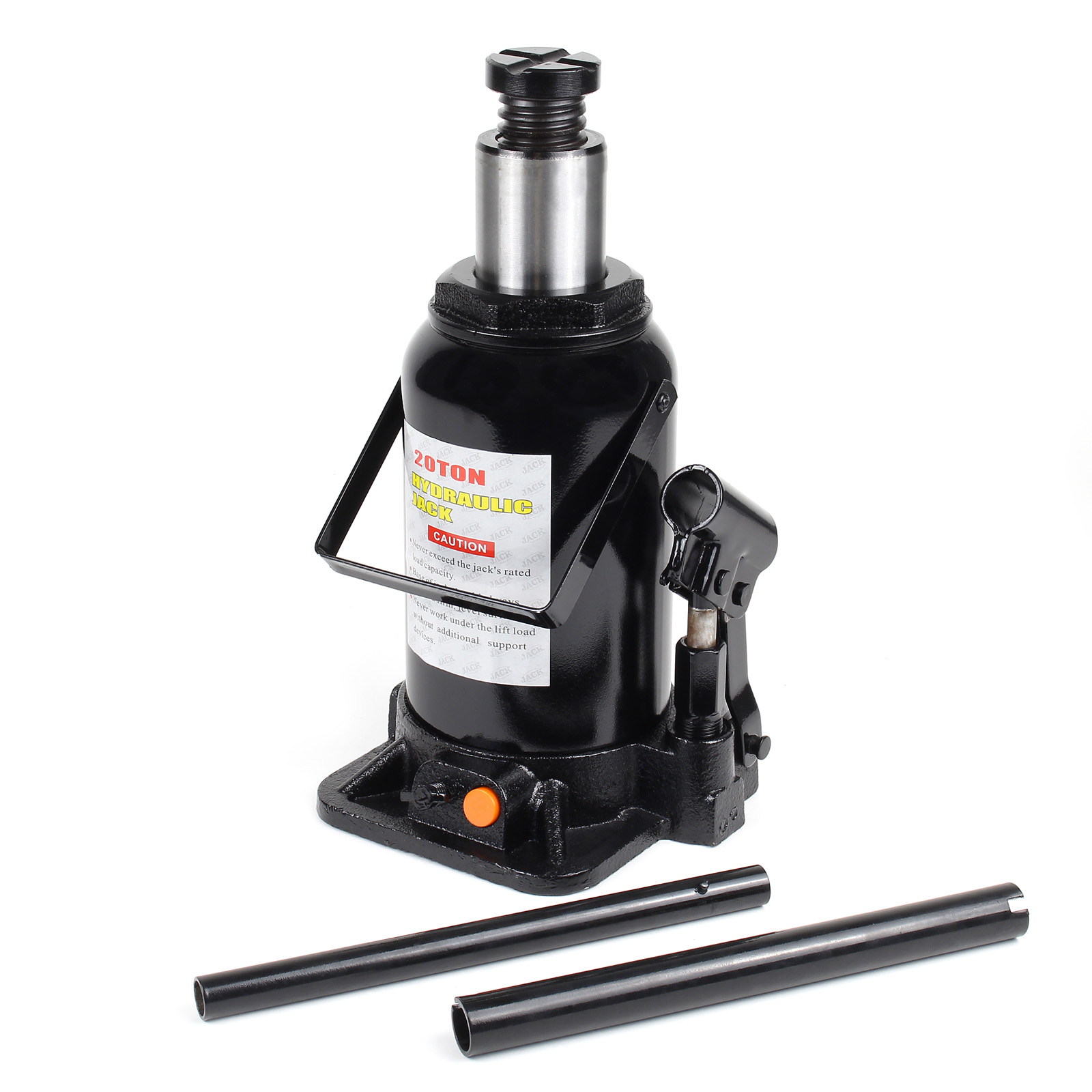
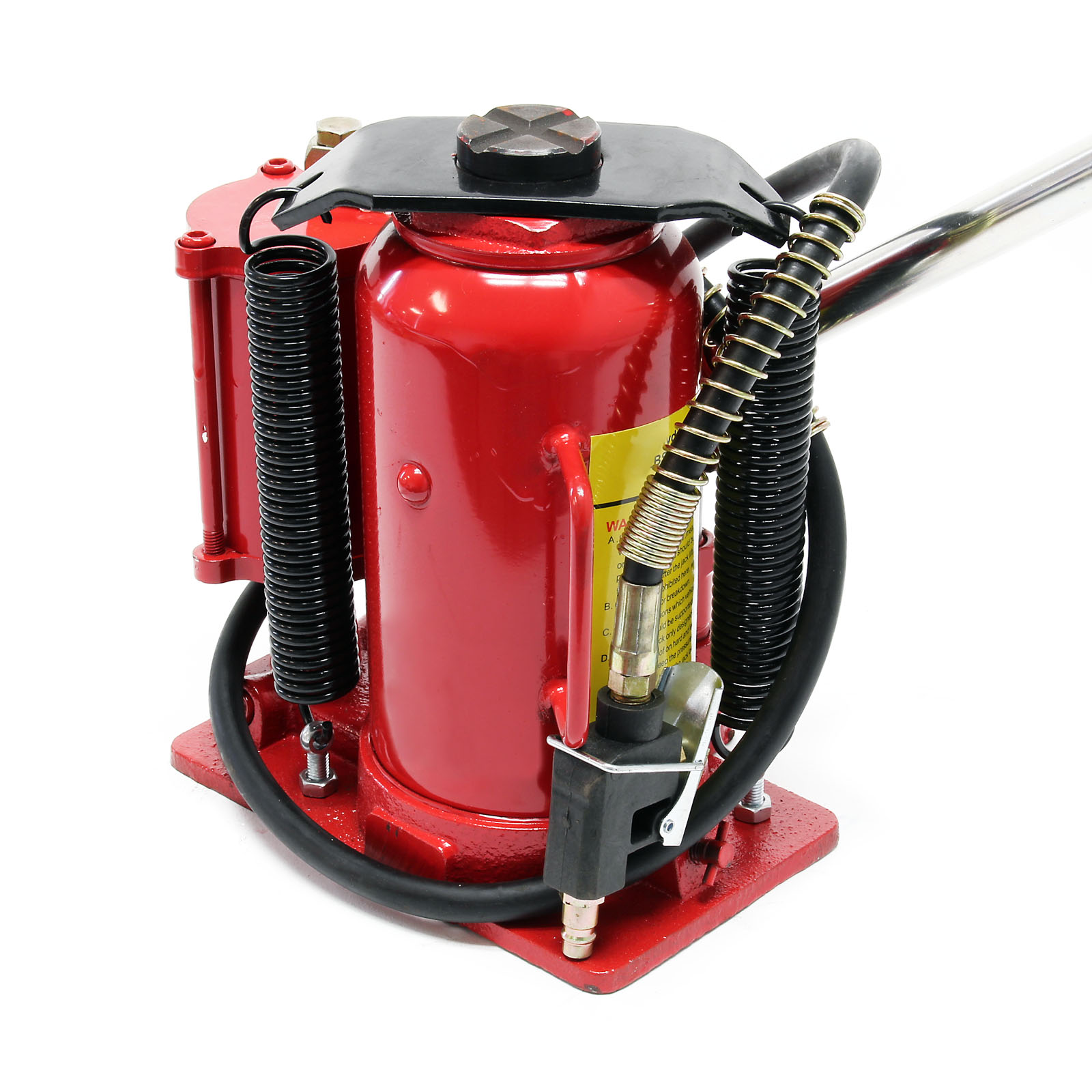
Bottle jacks are notable for their vertical lifting design and robust hydraulic systems, which enable them to raise heavy vehicles with minimal physical exertion. Because of their solid base and upward thrust, they are suitable for heavier loads and are frequently used in personal toolkits and maintenance garages alike. Another important category includes specialized lifting tools such as farm jacks and maneuvering hydraulic jacks. Farm jacks are known for their versatility and rugged construction, making them essential in agricultural settings and for off-road vehicles. These jacks are capable of lifting, pulling, and pushing tasks, offering utility beyond simple elevation. Meanwhile, maneuvering hydraulic jacks are designed for precise alignment and movement of heavy equipment or vehicles, commonly used in industrial or workshop settings where accuracy and positioning are vital. These specialized tools contribute to safer, more effective lifting operations across a wide range of environments.
Compatibility and Fit for Different Vehicles
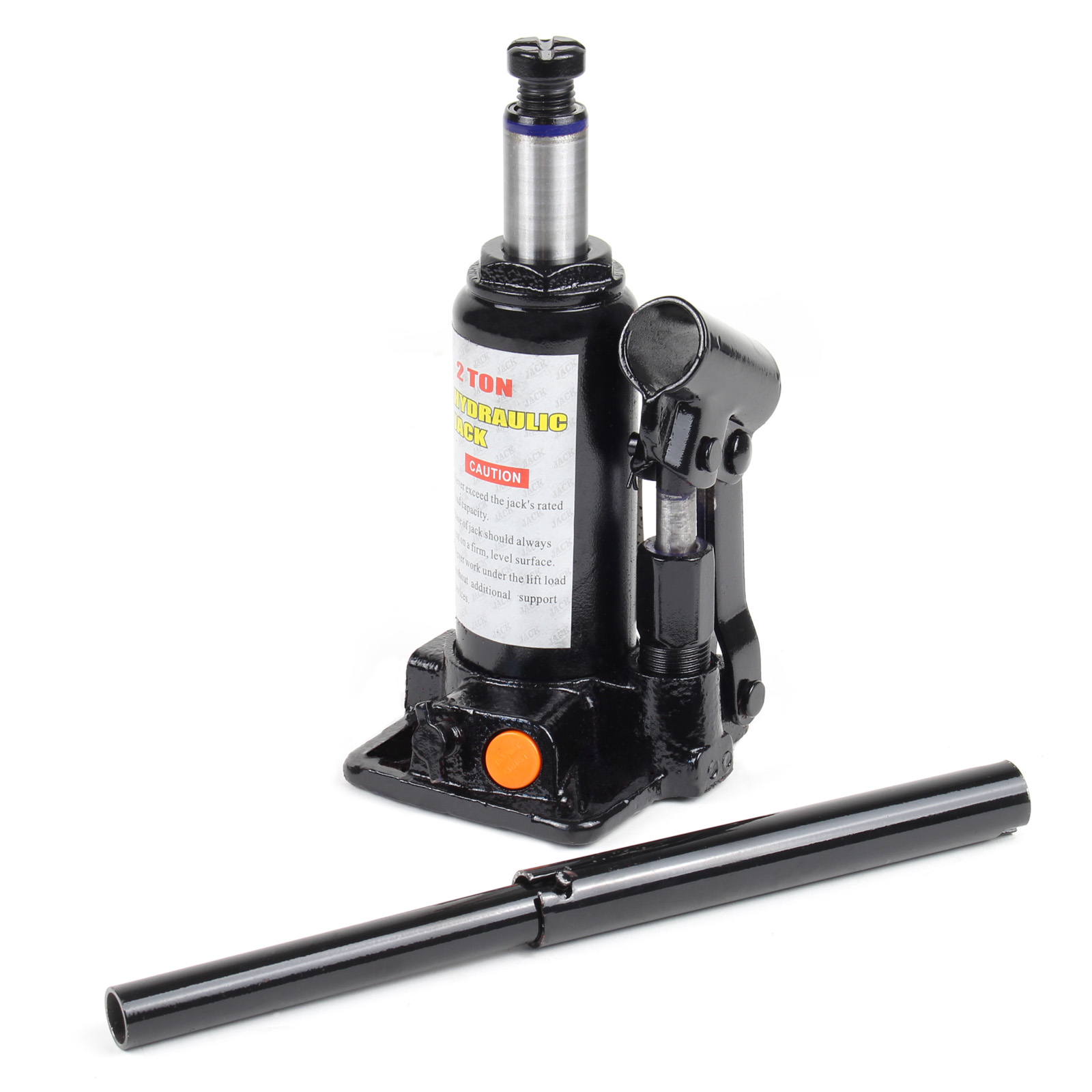
Does a car jack fit any car? The answer depends largely on the type of jack and the vehicle's specifications. While some jacks are marketed as universal, their compatibility is determined by several factors. First and foremost, the lifting capacity must match or exceed the weight of the vehicle. Using an underpowered jack not only compromises safety but may also fail to lift the vehicle entirely. For example, a 3 ton car jack is ideal for heavier vehicles like SUVs and crossovers, whereas a 2-ton jack might be sufficient for smaller sedans and hatchbacks.
Additionally, the design of the car jack should correspond with the structural configuration of the vehicle's underbody. Vehicles have designated jacking points, often reinforced for this purpose, and the jack must be able to interface with these points securely. If the contact area of the jack is too small or the shape does not align properly, the risk of slippage or damage increases. Ground clearance is another consideration—a low-profile jack is needed for sports cars or vehicles with modified suspension. Ultimately, understanding the specific requirements of your vehicle ensures that you select a jack that provides both performance and peace of mind.
Powerful Lifting with High Load Capacity
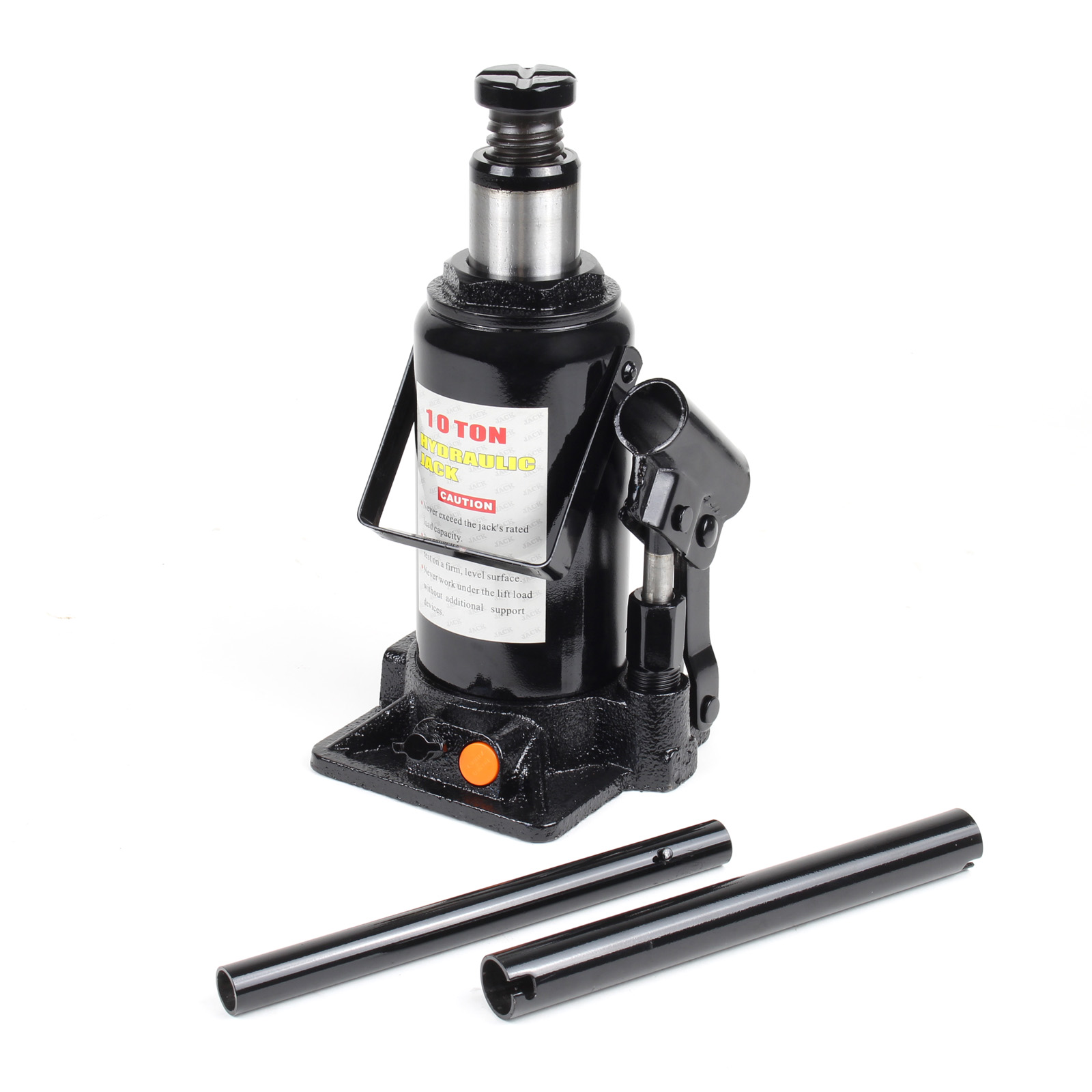
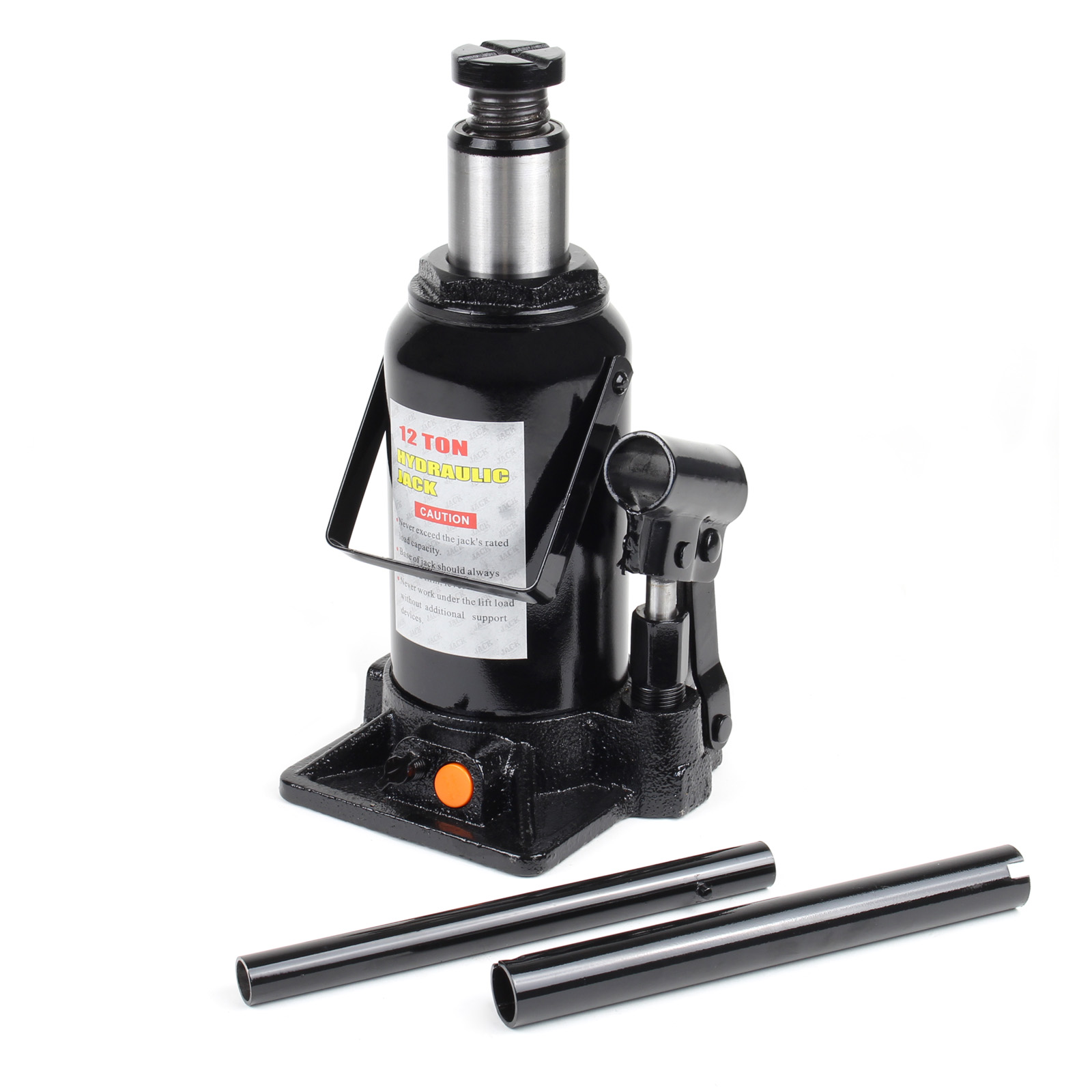
The Hydraulic 12t Bottle Jack with Slow Down Function is an example of lifting strength and safety features in one device. With a lifting range from 215 to 400 millimeters and a 12-ton capacity, this hydraulic bottle jack is well-suited for larger vehicles such as vans or pickup trucks. Its slow down function ensures gradual lowering of the vehicle, adding a critical safety element.
This type of car jack is particularly valued in professional settings where high-capacity lifting is frequently required. The robust construction and reliable hydraulic system make it a trustworthy tool for heavy-duty use. It is also favored for its vertical lift action, which requires minimal ground clearance and provides high lifting precision.
Understanding Weight Requirements
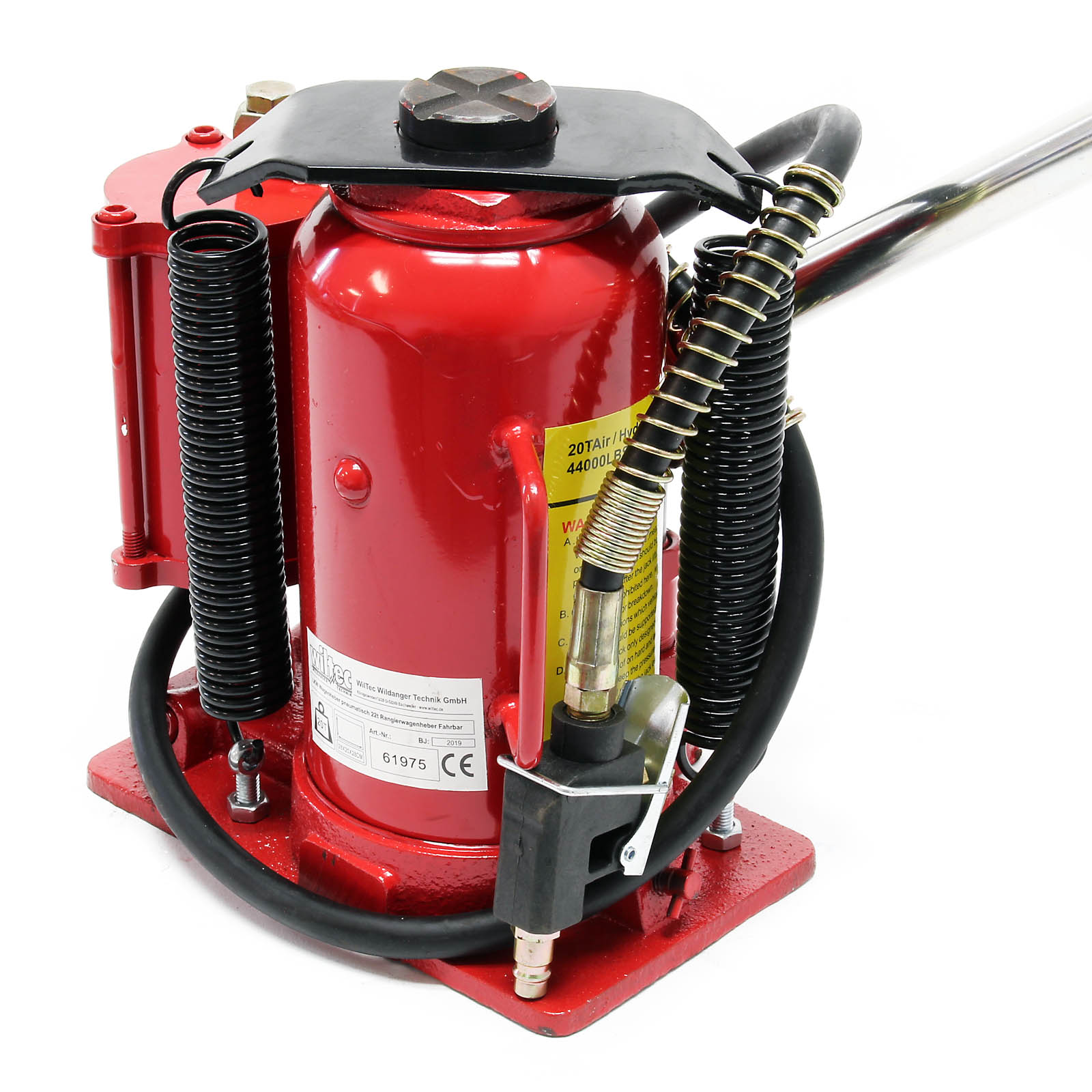
Is a 2 ton jack enough to lift a car? For many compact and mid-size cars, a 2-ton car jack is generally sufficient, particularly when performing basic maintenance tasks like tire changes or inspections. These jacks offer a good balance of portability and lifting power, making them a common inclusion in car emergency kits. They are relatively easy to use, store conveniently in the trunk, and are often included by manufacturers as standard tools. Despite their practicality, it is essential to follow all safety guidelines and ensure the car is on a flat, stable surface during operation. For heavier vehicles such as SUVs, vans, or trucks, a higher capacity jack like a trolley jack 3 ton or a 20 ton bottle jack may be necessary to lift the vehicle safely and without straining the equipment. These jacks are engineered for enhanced strength and are equipped with wider bases for greater stability. They also tend to have extended lifting heights, which are necessary for vehicles with increased ground clearance. It is advisable to not only match the jack's capacity to the vehicle's gross weight but also add a margin for additional load such as cargo or modifications. Investing in a jack with a higher capacity ensures long-term reliability, especially for those performing regular vehicle maintenance or working with larger automobiles.

Factors That Influence Safe Jack Placement
Where do you put a jack under a car? Jack placement is crucial for safety and effectiveness, as improper positioning can lead to serious accidents or vehicle damage. Most vehicles are equipped with designated jacking points, typically located near the wheels or along the reinforced side rails of the chassis. These areas are engineered to withstand the stress of lifting and are often marked for easy identification by either physical markers or symbols embossed into the metal. The vehicle owner's manual provides detailed diagrams and instructions on where to place the jack correctly, which should be consulted before attempting any lifting procedure. In some models, small notches or arrows on the undercarriage help pinpoint the exact jacking locations. Using the wrong part of the vehicle's undercarriage, such as the floor pan or body panels, can result in deformation or structural damage. Furthermore, safety accessories like wheel chocks and jack stands should be used in tandem to prevent movement and provide redundant support. For vehicles with unique frames, such as electric cars or hybrids, special consideration is often required due to the presence of sensitive components like batteries or high-voltage cables. Always ensure the car is parked on a stable, level surface and never rely solely on the jack to support the vehicle during any underbody work.
Comprehensive Overview of Jack Options
Choosing the Right Trolley Jack for 4x4s
What size trolley jack for 4x4? A trolley jack for a 4x4 should typically have a minimum capacity of 3 tons to ensure safe lifting. This is because 4x4 vehicles often have a greater gross weight and increased ground clearance, which necessitate a more robust jack. In addition to weight capacity, the lifting range is equally important. A jack with a higher lift height allows users to reach the chassis comfortably without overextending the device, which is crucial for both safety and ease of use.
Comparing Standard Jacks and Trolley Jacks
What is the difference between a jack and a trolley jack? A jack, such as a bottle jack or scissor jack, is generally compact, lightweight, and used for occasional lifting tasks, often in roadside emergency situations. These are ideal for basic car maintenance and are typically stored in the vehicle itself. A trolley jack, on the other hand, is designed for frequent use. It is mounted on wheels, offering mobility, and features a long handle that provides better leverage. Trolley jacks are commonly found in workshops and home garages where stability and repeat usability are essential.
Maintenance, Functionality, and Use Cases
Is a hydraulic car jack good to lift a car? Yes, a hydraulic car jack is one of the most effective tools for lifting vehicles. It uses fluid pressure to generate lifting force, which significantly reduces the physical effort required. These jacks provide a stable, controlled lift, making them suitable for a wide range of vehicle types.
Why is my trolley jack not lifting? Common causes include low hydraulic fluid levels, which can hinder pressure buildup, air trapped in the hydraulic system that needs to be bled, or worn-out seals that reduce the efficiency of the pump mechanism. Regular maintenance and following manufacturer guidelines can resolve these issues and prolong the lifespan of the equipment.
Are car ramps better than jack stands? Car ramps offer a stable, inclined surface that is ideal for long-duration tasks like oil changes, especially when wheel removal is not required. Jack stands, on the other hand, provide open-wheel access and are preferable for tasks such as brake servicing or suspension work. The optimal choice depends on the specific maintenance job and the type of access needed.

Time-Saving Efficiency
Trolley jacks are highly efficient and save time in lifting tasks, particularly when used frequently in workshops or by individuals maintaining multiple vehicles. Their hydraulic mechanism allows for quick elevation, reducing downtime during repairs or tire changes. In environments where time and precision matter, the speed with which trolley jacks operate becomes a significant advantage.

Stability and Ease of Use
They provide better stability than many other types of jacks and are often equipped with swivel wheels, allowing for smooth maneuverability and precise positioning beneath the vehicle. This flexibility makes them ideal for both standard vehicles and those with modified or low-clearance profiles. The long handle design offers mechanical leverage, further simplifying the lifting process.

Long-Term Reliability
For users working on heavier vehicles or in need of a more robust solution, a trolley jack is a long-term investment in safety and convenience. Their durable construction supports repeated use over time, making them a valuable addition to any professional or well-equipped personal garage. With proper maintenance, a quality trolley jack can provide years of reliable service.
Summary of Lifting Equipment for Vehicles
Importance of Reliable Lifting Tools
Car jacks are essential tools for lifting vehicles in a safe, stable, and efficient manner. Their use spans from routine home maintenance to professional workshop tasks. Beyond lifting, they serve as a cornerstone for creating a secure working environment underneath a vehicle. Whether it's changing a tire, inspecting the undercarriage, or conducting a repair, having a dependable lifting tool is not just a convenience—it's a necessity.
Safety Considerations and Application Contexts
Choosing the right jack depends on the vehicle type, weight, and intended use. A mismatch in capacity or design can lead to unsafe conditions, equipment failure, or damage to the vehicle. Lifting height is another key variable, especially for vehicles with low ground clearance or high wheel arches. Additionally, the location of the jack's placement on the vehicle frame is essential to ensure stability throughout the repair process. Careful attention to these considerations promotes not only operational safety but also preserves the structural integrity of the vehicle.
Enhancing Maintenance Through Informed Use
When applied correctly, car jacks enable more thorough and confident vehicle inspections and repairs. They give access to areas that would otherwise remain unreachable, allowing for comprehensive assessments and maintenance. The effectiveness of a jack is not just in its ability to lift, but in how well it supports work conditions that meet safety and ergonomic standards. By selecting the appropriate jack for the task and using it in combination with other safety tools like wheel chocks and jack stands, users can dramatically improve the efficiency and reliability of their automotive work.