







































































Available, delivery time: 2 - 3 days
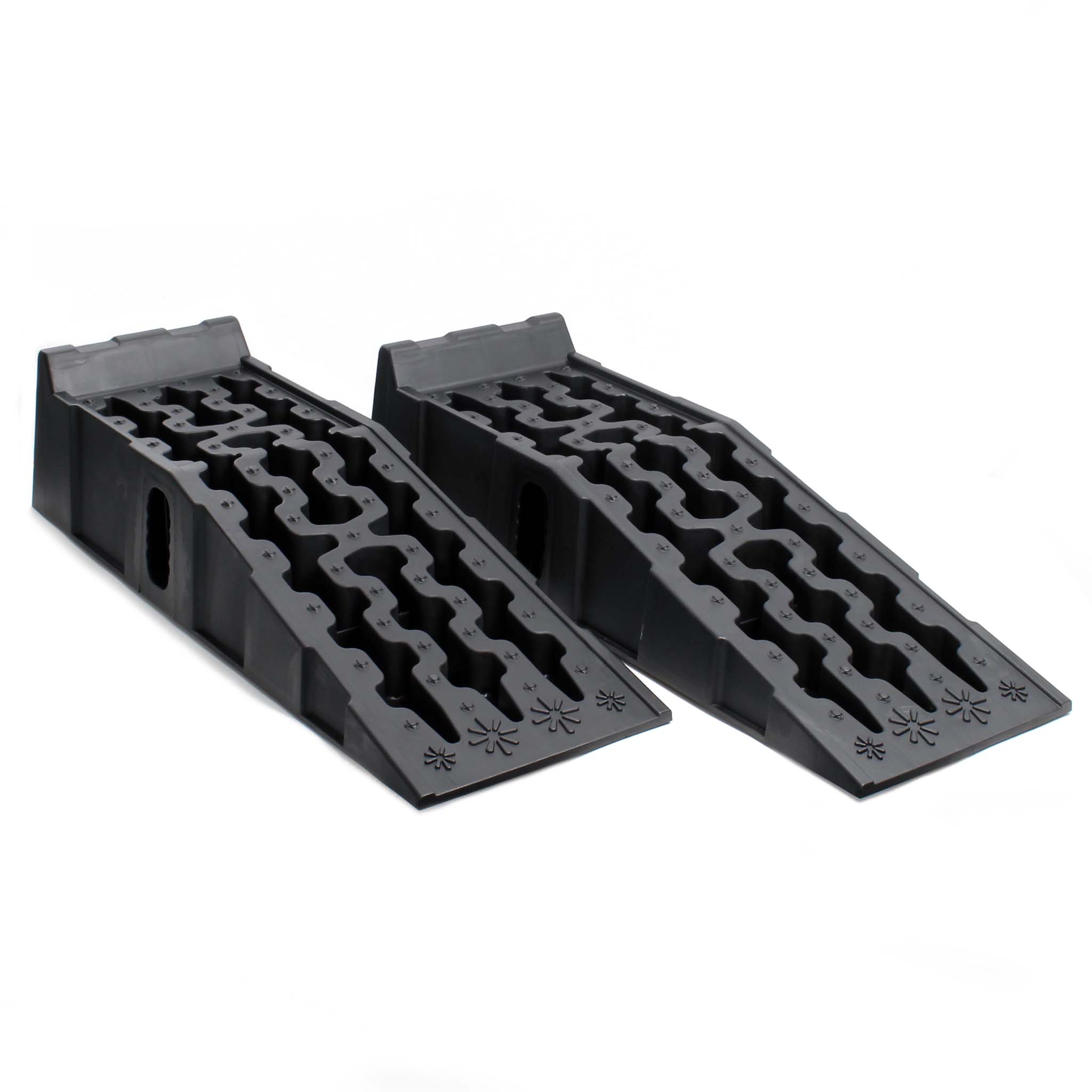
• Sturdy car ramps with a total load capacity of 5t
• Non-slip car ramps made of robust plastic
• Lightweight, easy to transport and stackable to save space
• Kerb ramp lifts cars to carry out work underneath
Available, delivery time: 2 - 3 days
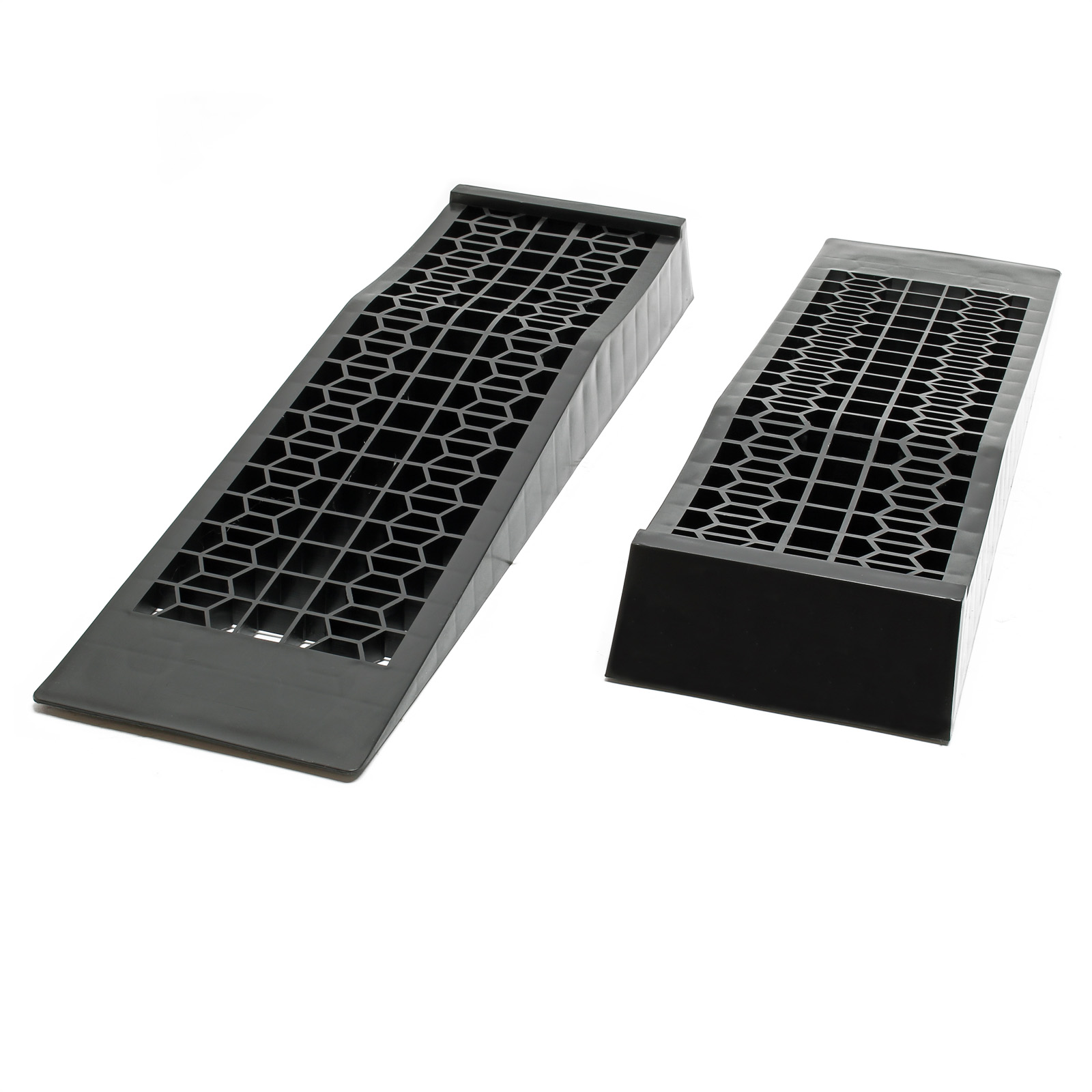
• Capacity: 3000 kg
• Light weight
• Space saving, stackable
• Non-slip
Available in 61 days, delivery time 2 - 3 days
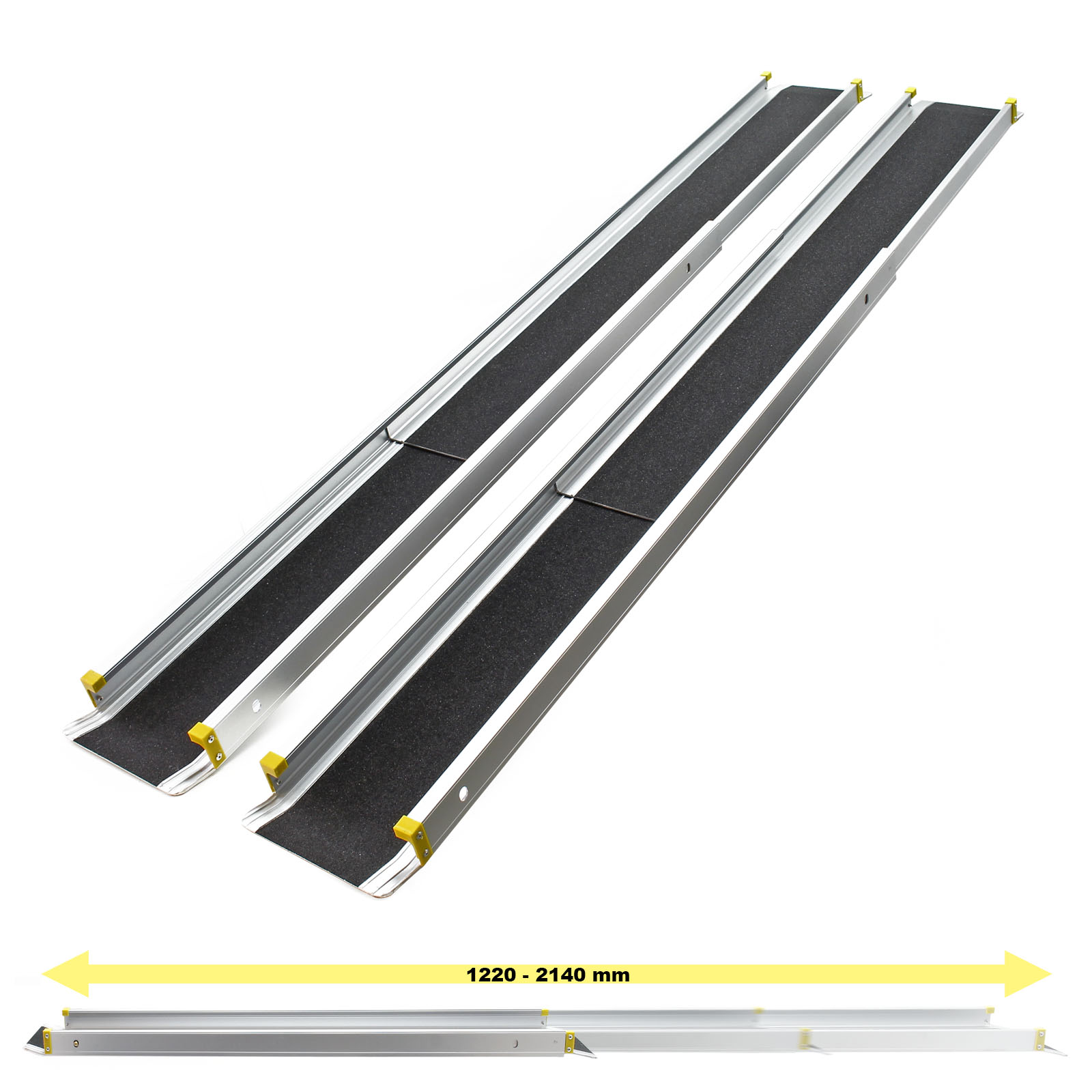
• Made of aluminium
• With lateral bars
• Slip resistant surface
• Loading capacity up to 270 kg
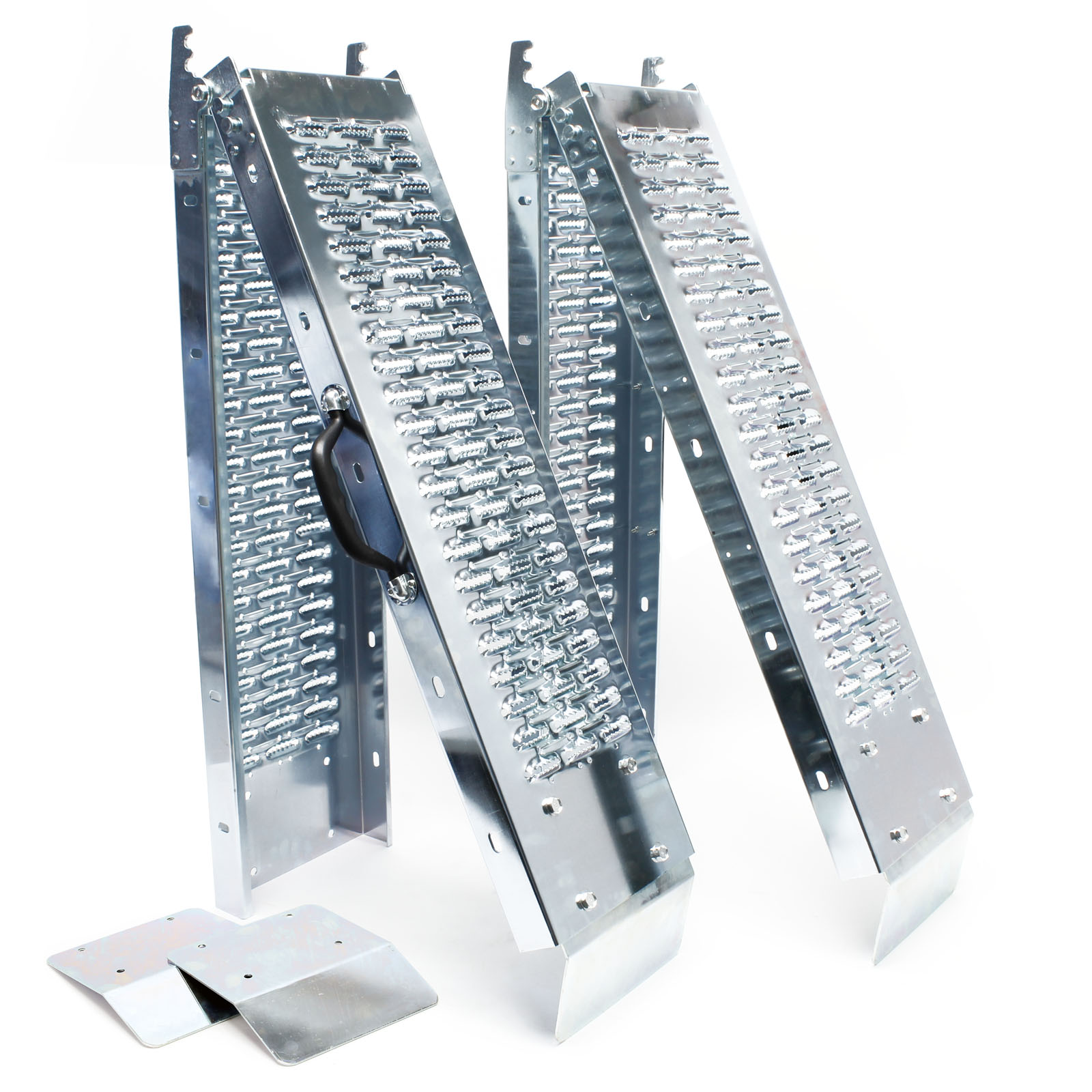
Available, delivery time: 2 - 3 days
• Galvanised steel
• 160 x 22.5 x 4.5 cm
• Loadable up to 400 kg
• 2 drive-on parts included
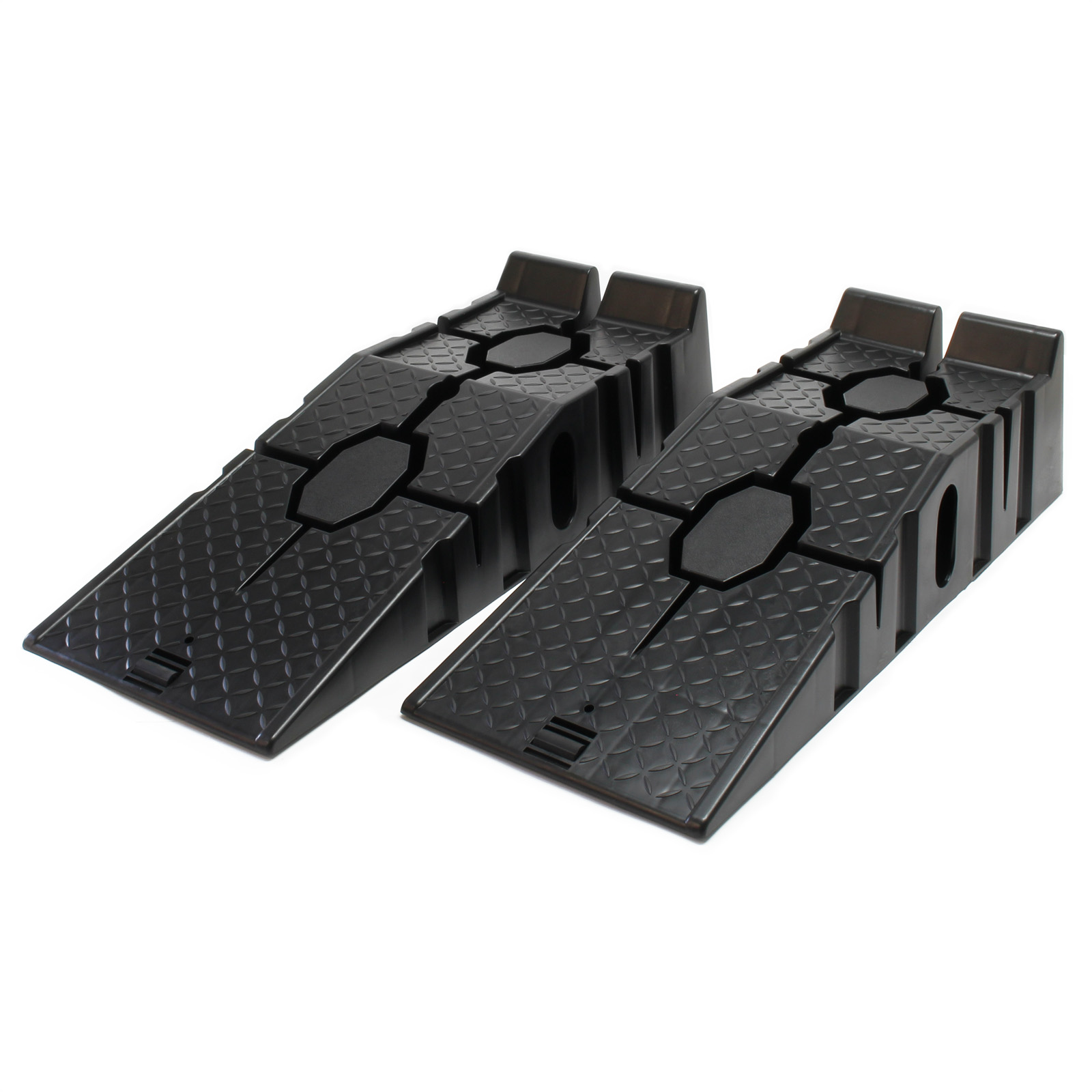
Available, delivery time: 2 - 3 days
• Max. load bearding capacity: 2.5 t
• Weight: 4 kg
• Compact and stackable
• With non-skid surface
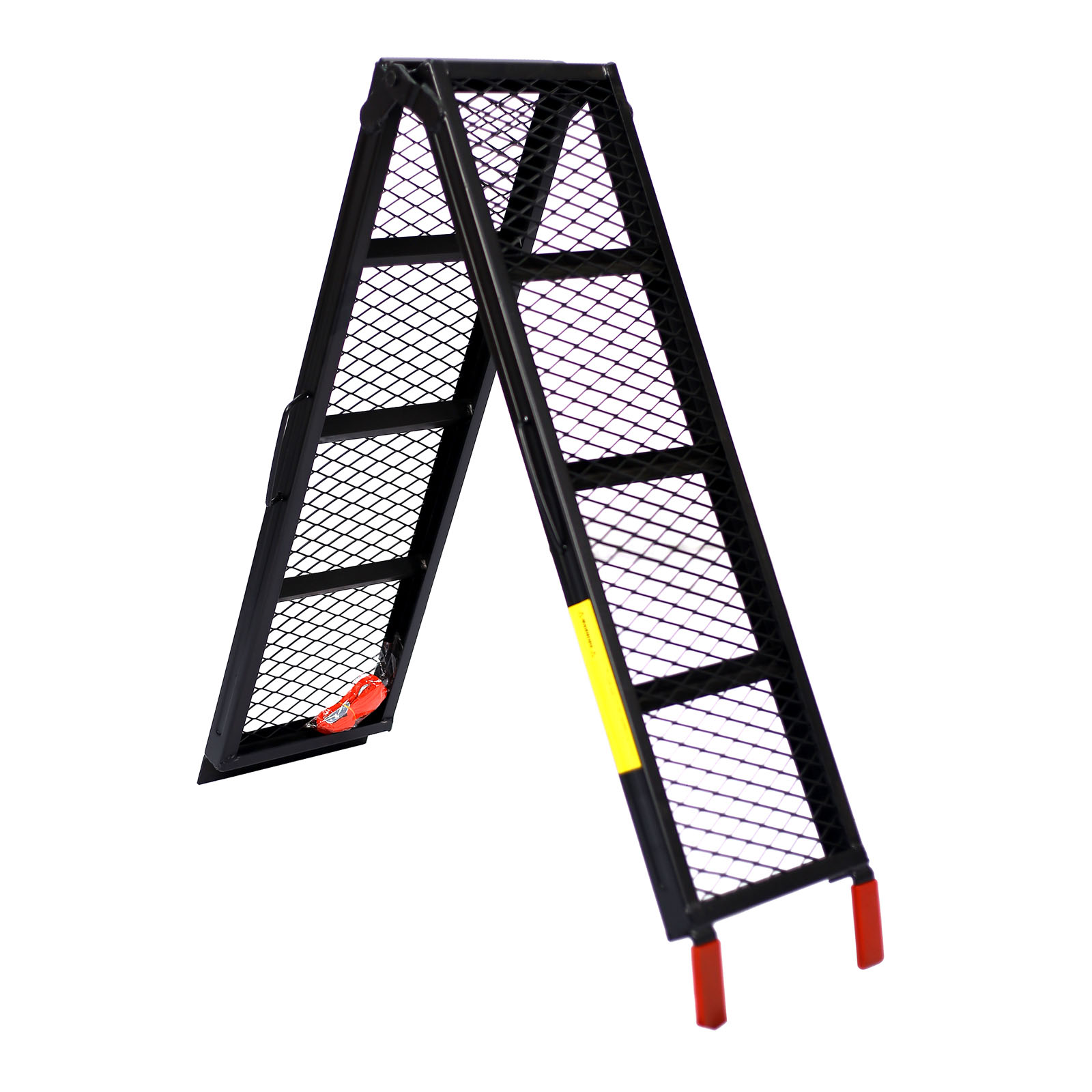
Available, delivery time: 2 - 3 days
• Foldable and easy to transport thanks to handles
• Suitable to bridge a maximum height of 76 cm
• With steel grid on the upper side
• Rubberised support to prevent slipping
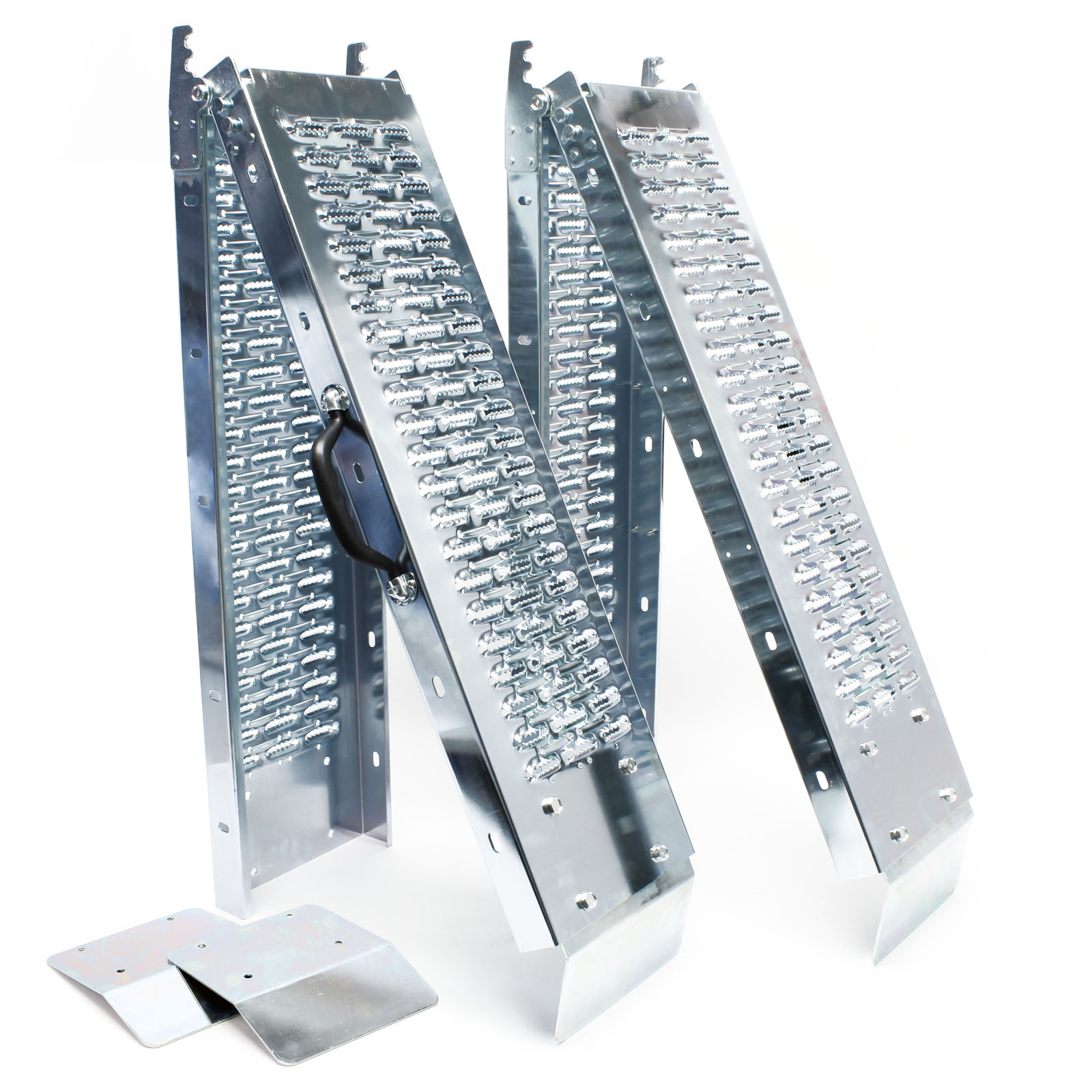
Available, delivery time: 2 - 3 days
• Galvanised steel
• 180 x 22.5 x 4.5 cm
• Loadable up to 400 kg
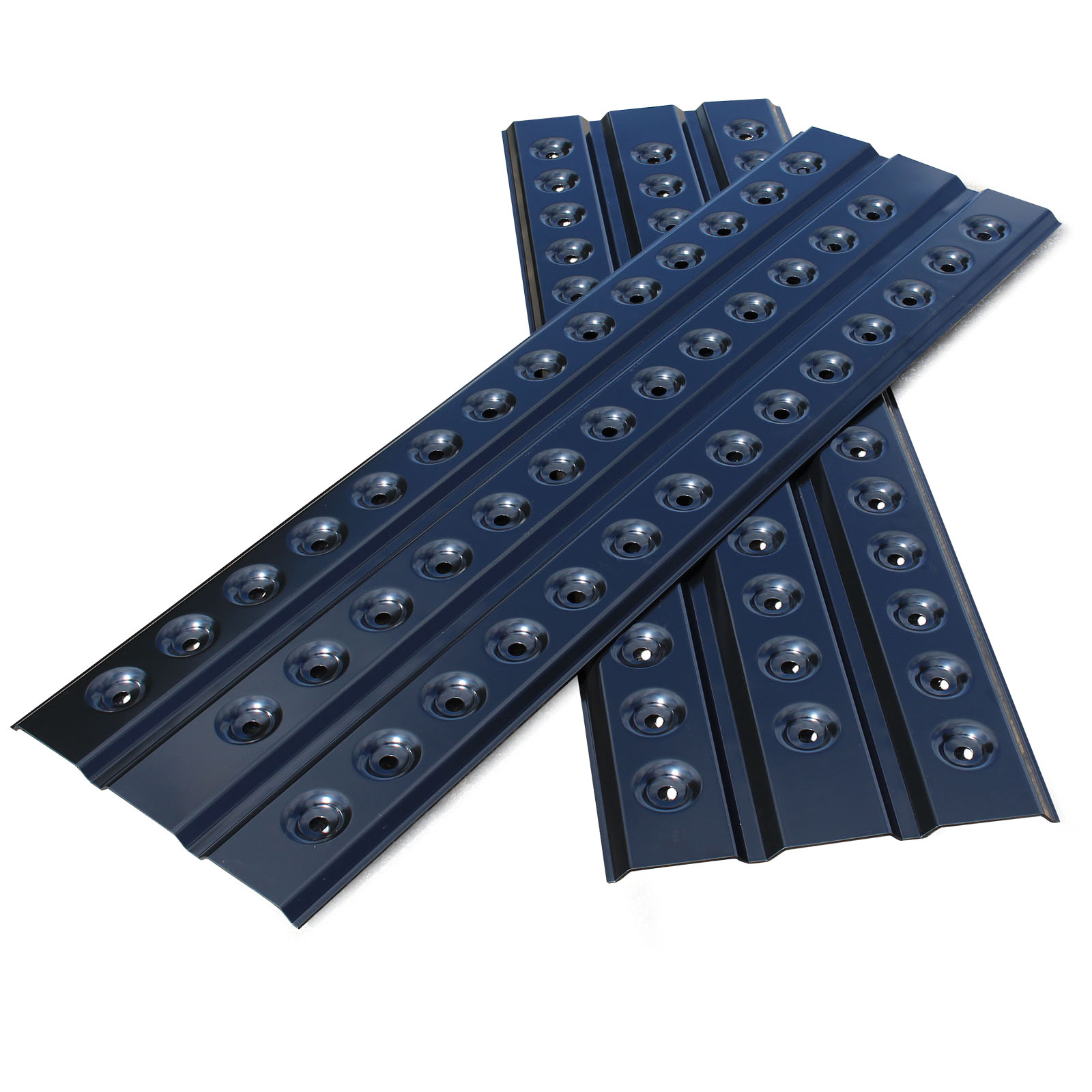
Available, delivery time: 2 - 3 days
• 150 cm length
• Made of sturdy aluminium
• Especially wide wheel area
• Can divide weight of vehicle whilst being on jack
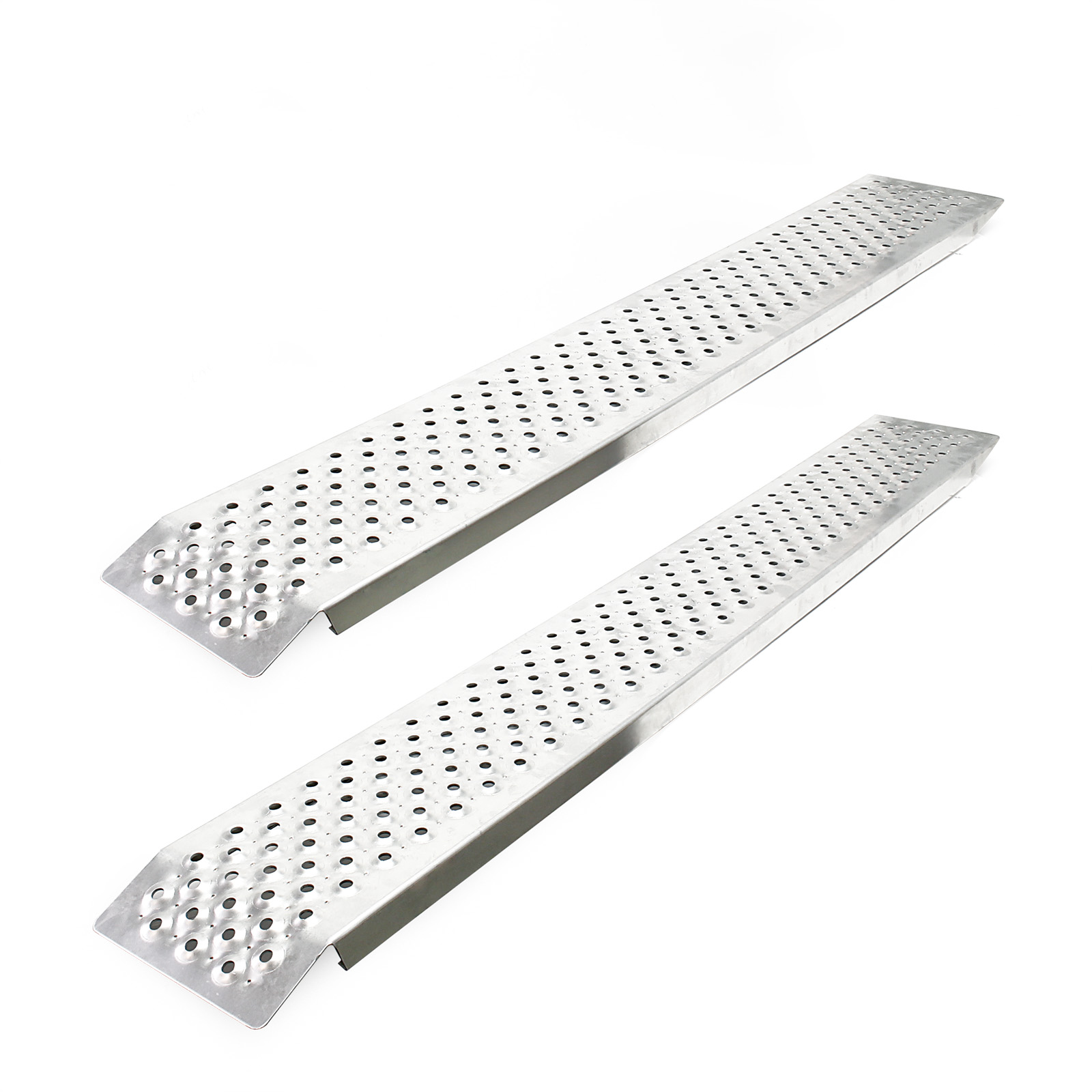
Currently not available
• Sturdy aluminium construction
• Slip resistant surface
• 150 cm length
• 400 kg loading capacity
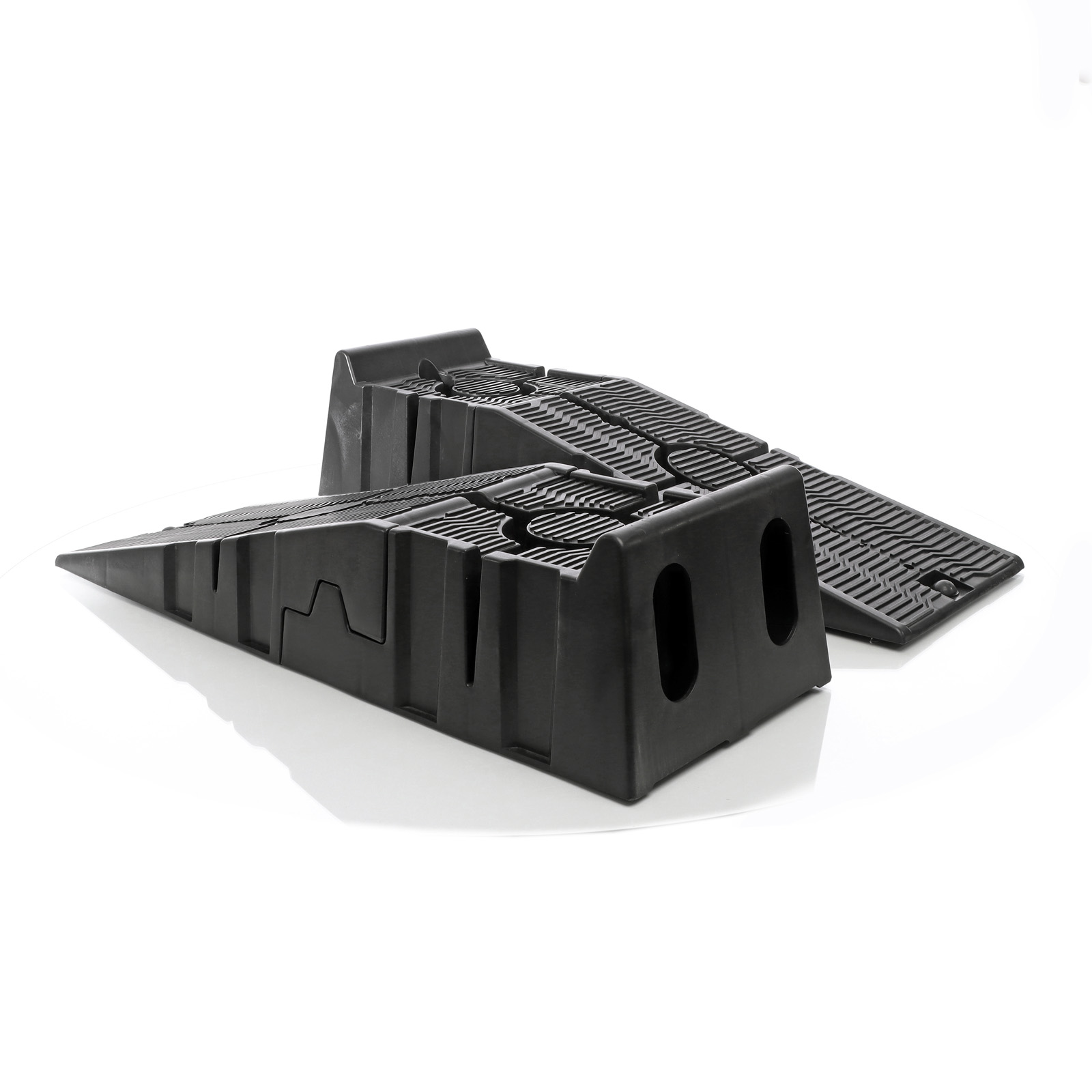
Available, delivery time: 2 - 3 days
• Sturdy car ramps with a load capacity of 2.5 t
• Non-slip car ramps made of robust plastic
• Separable and stackable to save space
• or kerbs and work underneath the car

Available, delivery time: 2 - 3 days
• Flat design – also suitable for lowered cars
• Suitable for tyre widths of up to approx. 210 mm
• Non-skid honeycomb design for more grip
• Made of recycled polypropylene
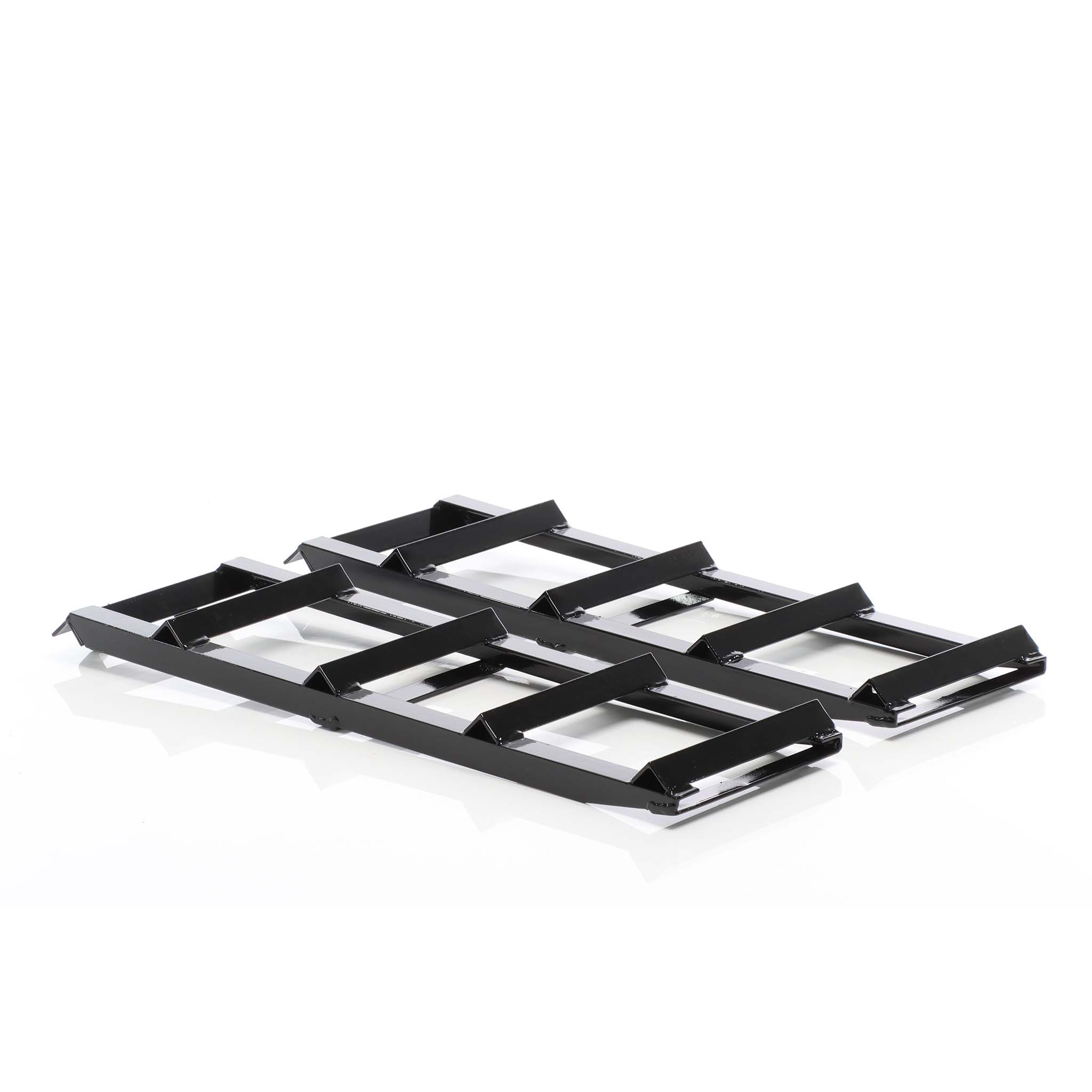
Available, delivery time: 2 - 3 days
• For lowered cars with little ground clearance
• For vehicles up to 800 kg (pairwise use)
• Made of steel, with hooks for easy fastening
• With 650 mm length each and 195 mm drive-on width

Available, delivery time: 2 - 3 days
• Sturdy car ramps with a total load capacity of 5t
• Non-slip car ramps made of robust plastic
• Lightweight, easy to transport and stackable to save space
• Kerb ramp lifts cars to carry out work underneath

Available, delivery time: 2 - 3 days
• Non-slip car ramps made of recycled HDPE
• Sturdy ramps with a load capacity of 3 tons
• Easy transport and space-saving storage
• Caravans, trailers, campervans, lowered cars, etc.
Auffahrrampen für Pkws und Motorräder
Auffahrrampen für Pkws und Motorräder sind die Lösung für Ihr Verlade- und Entladevorhaben. Unsere robusten Auffahrrampen für Pkw und Motorräder sind so konstruiert, dass Sie mühelos auf Anhänger oder in die Garage fahren können. Wenn Sie Schwierigkeiten haben, Bordsteine zu überwinden, sind unsere Bordsteinrampen die Antwort. Ganz gleich, ob Sie Auffahrrampen für Pkw oder spezielle Rampen für Motorräder benötigen, wir haben die passende Lösung für Ihre Bedürfnisse. Vereinfachen Sie Ihr Verladeerlebnis mit unseren hochwertigen Rampen.

Bequemes und müheloses Verladen
Auffahrrampen sind die perfekte Lösung für ein bequemes und müheloses Verladen von Fahrzeugen und schwerem Equipment. Unsere klappbaren Auffahrrampen aus Aluminium sind ein unverzichtbares Werkzeug für Heimwerker, Enthusiasten und Profis gleichermaßen.
Die Nutzung von Auffahrrampen könnte nicht einfacher sein. Legen Sie einfach die Rampe vor Ihr Fahrzeug oder Equipment, und schon können Sie mühelos hinauffahren oder es abladen. Diese praktischen Hilfsmittel sind für eine Vielzahl von Fahrzeugen geeignet, einschließlich Autos, Motorräder, Rollstühle, Roller und mehr.
In unserem Shop finden Sie eine breite Auswahl an Auffahrrampen, darunter verschiedene Modelle aus Aluminium. Unsere klappbaren Auffahrrampen sind besonders beliebt, da sie leicht zu transportieren und platzsparend sind. Sie können sie in Ihrer eigenen Garage, Ihrer Heimwerkstatt, Hobbywerkstatt oder sogar auf Ausstellungen und Messen verwenden.
Eine der wichtigsten Funktionen unserer Auffahrrampen ist die Sicherheit. Sie sind so konzipiert, dass Sie Fahrzeuge sicher anheben können, ohne sich Sorgen um Unfälle oder Beschädigungen machen zu müssen.
Egal, ob Sie ein DIY-Enthusiast sind oder professionell mit Fahrzeugen arbeiten, unsere Auffahrrampen werden das Verladen erheblich erleichtern. Entdecken Sie noch heute unser Sortiment und wählen Sie die passende Auffahrrampe für Ihre Bedürfnisse aus.
Verschiedene Konstruktionen
Es gibt verschiedene Modelle von Auffahrrampen, darunter solche, die speziell für Autos entwickelt wurden. Diese Auffahrrampen für Autos sind in verschiedenen Längen erhältlich, um unterschiedlichen Anforderungen gerecht zu werden. Sie können sowohl kurze Rampen für kleinere Höhenunterschiede als auch längere Rampen für höhere Überwindungen finden.
Die Traglast ist ein wichtiger Faktor bei der Auswahl einer Auffahrrampe. Verschiedene Modelle bieten unterschiedliche Traglastkapazitäten, sodass Sie sicherstellen können, dass sie das Gewicht Ihres Fahrzeugs oder Equipments problemlos bewältigen.
Auffahrrampen sind auch aus verschiedenen Materialien erhältlich, darunter Aluminium und Kunststoff. Aluminium-Auffahrrampen sind leicht und dennoch stabil, während Kunststoff-Auffahrrampen leicht zu reinigen und langlebig sind.Einige Auffahrrampen verfügen über gummierte Kontaktflächen, die zusätzliche Traktion bieten und ein Abrutschen verhindern. Dies ist besonders wichtig bei nassen oder rutschigen Bedingungen.
Insgesamt bieten verschiedene Konstruktionen von Auffahrrampen eine Vielzahl von Optionen, um Ihre spezifischen Bedürfnisse zu erfüllen. Egal, ob Sie eine Auffahrrampe für Ihr Auto, Motorrad oder andere Anwendungen benötigen, es gibt die richtige Lösung für Sie.
Rampen für Autos
Rampen für Autos sind unverzichtbare Werkzeuge, um das Verladen und Entladen von Fahrzeugen zu vereinfachen. Besonders im Zusammenhang mit Alu-Auffahrrampen eröffnen sich vielfältige Möglichkeiten. Bevor Sie jedoch eine PKW-Auffahrrampe erwerben, sollten Sie einige wichtige Aspekte beachten.
Ein entscheidender Faktor ist die zulässige Reifenbreite Ihres Autos. Stellen Sie sicher, dass die ausgewählte Auffahrrampe die Breite Ihrer Reifen problemlos aufnehmen kann, um ein sicheres und stabiles Auffahren zu gewährleisten. Dies ist entscheidend, um Unfälle oder Beschädigungen zu vermeiden
Alu-Auffahrrampen für PKWs sind eine ausgezeichnete Wahl, um Ihr Fahrzeug sicher auf Anhänger oder in die Garage zu befördern. Sie sind leicht, dennoch robust und bieten die notwendige Stabilität für ein problemloses Verladen. Bevor Sie jedoch eine Rampe auswählen, vergewissern Sie sich, dass sie den Anforderungen Ihres Autos entspricht, insbesondere in Bezug auf die Reifenbreite. Mit der richtigen Auffahrrampe wird das Verladen Ihres Autos zu einer mühelosen Aufgabe.
Integrierte Wagenheber
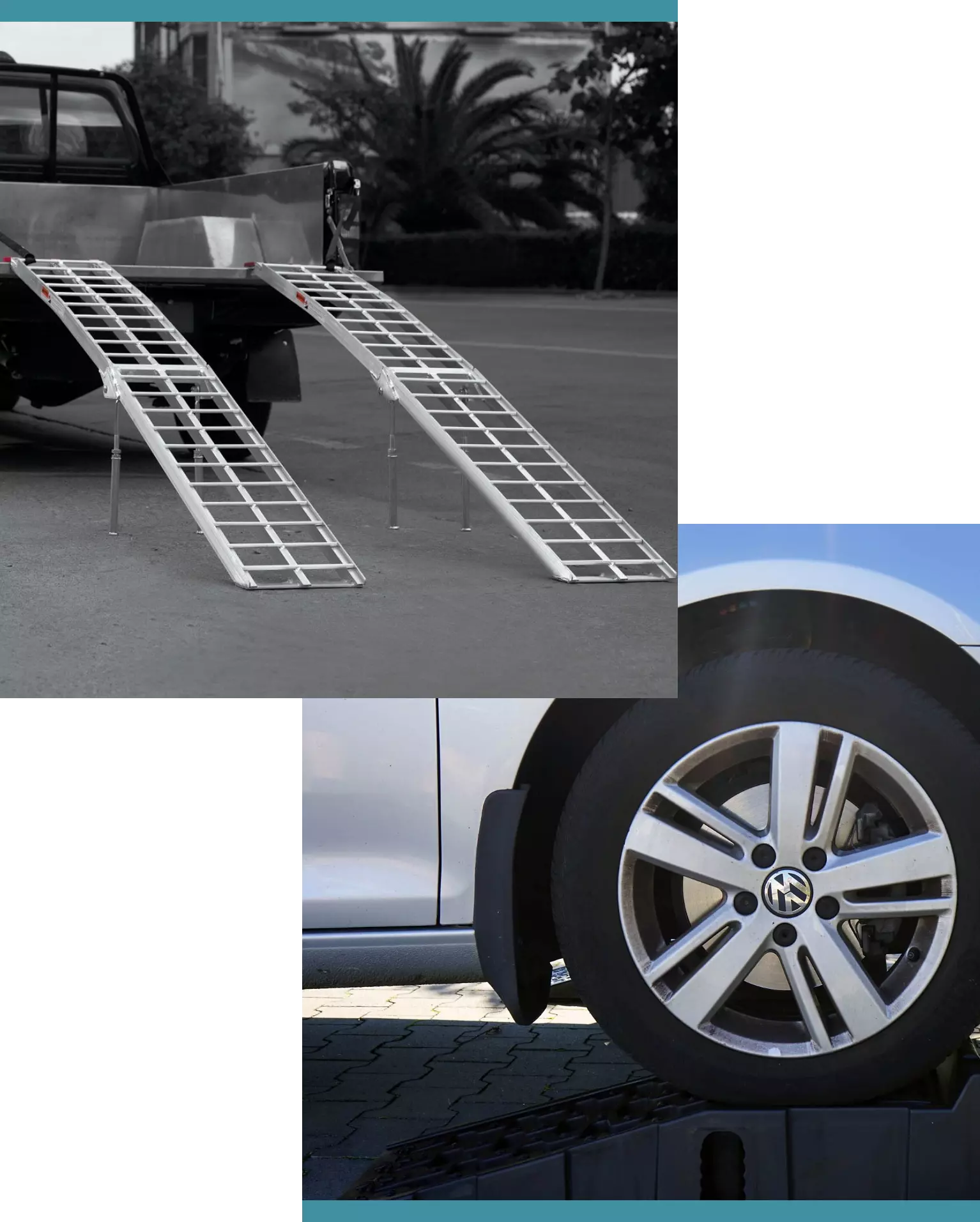
Integrierte Wagenheber in Motorrad-Auffahrrampen sind eine wahre Erleichterung für Motorradenthusiasten. Diese speziell für Motorräder entwickelten Rampen bieten nicht nur die Möglichkeit des mühelosen Verladens, sondern auch eine zuverlässige und stabile Unterstützung während Wartungsarbeiten und Reparaturen.
Eine der herausragenden Eigenschaften dieser Rampen ist ihre Kompaktheit. Oftmals sind sie klappbar und leicht zu transportieren. Diejenigen aus Stahl sollten jedoch vor Rost geschützt werden, um ihre Langlebigkeit zu gewährleisten.
Für Motorradliebhaber sind integrierte Wagenheber eine wertvolle Investition. Sie vereinen die Vorteile einer Auffahrrampe und eines Wagenhebers in einem praktischen Gerät. Mit diesen Rampen können Sie Ihr Motorrad problemlos anheben und sich gleichzeitig auf eine stabile Arbeitsplattform verlassen. Dies macht Wartungsarbeiten, Reparaturen und Ölwechsel zu einer einfachen und sicheren Aufgabe.
Motorradrampen

Diese speziell für Motorräder entwickelte Rampen, bieten eine Vielzahl von Vorteilen für Motorradenthusiasten. Sie sind auf die Bedürfnisse von Motorradfahrern zugeschnitten und wurden entwickelt, um das Verladen, Entladen und Warten auf Ihr Motorrad so einfach und sicher wie möglich zu gestalten.
Diese Motorrad-Auffahrrampen sind äußerst zuverlässig und stabil. Sie bieten eine solide Unterstützung beim Auf- und Abfahren und ermöglichen Ihnen ein sicheres und kontrolliertes Manövrieren Ihres Motorrads. Dies ist besonders wichtig, um Unfälle oder Schäden am Motorrad zu vermeiden.
Ein weiterer Vorteil dieser Rampen ist ihre Kompaktheit. Viele Motorradrampen sind klappbar, was sie leicht zu transportieren und zu lagern macht. Dies ist besonders praktisch für Motorradfahrer, die häufig unterwegs sind.
Wenn Ihre Motorradrampe aus Stahl besteht, ist es wichtig, sie vor Rost zu schützen, um die Lebensdauer der Rampe zu verlängern. Rostschutzmaßnahmen wie regelmäßige Reinigung und Lackierung sollten beachtet werden.
Insgesamt sind Motorradrampen eine wertvolle Investition. Sie erleichtern das Verladen, Entladen und Warten auf Ihr Motorrad erheblich und tragen zur Sicherheit und Langlebigkeit Ihres geliebten Gefährts bei. Entdecken Sie die Vielfalt an Motorradrampen, um diejenige auszuwählen, die am besten zu Ihren Bedürfnissen passt.
Verladeschienen
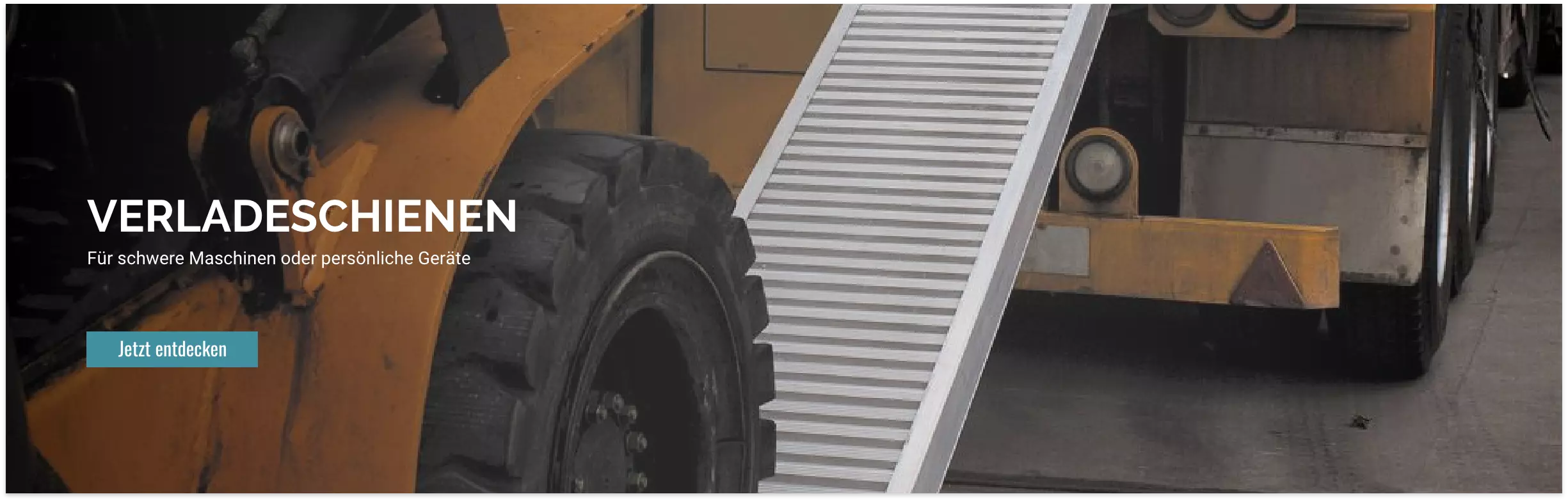
Verladeschienen, auch als Auffahrschienen bekannt, sind unverzichtbare Helfer für den reibungslosen Transport von schweren Maschinen und Geräten von A nach B. Diese Schienen sind vielseitig einsetzbar und finden sowohl im gewerblichen als auch im privaten Bereich Anwendung.
Für schwere Maschinen wie Baufahrzeuge oder landwirtschaftliche Geräte sind Verladeschienen unerlässlich. Sie ermöglichen das sichere Auf- und Abfahren von Fahrzeugen auf Anhänger oder in Transportfahrzeuge, wodurch der Transportprozess erheblich vereinfacht wird.
Die Verwendung von Verladeschienen ist nicht auf den gewerblichen Bereich beschränkt. Auch im privaten Bereich sind sie äußerst nützlich, wenn es darum geht, Garten- oder Hobbygeräte, wie Rasenmäher oder Motorräder, sicher und bequem zu verladen.
Egal, ob Sie schwere Maschinen oder persönliche Geräte transportieren möchten, Verladeschienen sind eine zuverlässige Lösung, um den Transportprozess zu erleichtern und sicherzustellen, dass Ihre Güter sicher an ihr Ziel gelangen.
Bordsteinrampen
Bordsteinrampen, auch als Bordstein-Auffahrrampen oder Bordsteinrampe aus Gummi bekannt, sind die perfekte Lösung, um das Hochfahren von Bordsteinkanten mühelos zu gestalten. Diese speziell entwickelten Rampen ermöglichen ein bequemes Überwinden von Bordsteinkanten und vereinfachen das Verladen von Rollstühlen, Kinderwagen oder anderen Fahrzeugen.
Mit Bordsteinrampen wird das Verladen und Entladen von Gegenständen über Bordsteine hinweg zu einer einfachen Aufgabe. Sie sind leicht zu installieren und bieten eine stabile Unterstützung, um Stürze oder Beschädigungen zu verhindern. Egal, ob Sie im Alltag eine barrierefreie Lösung benötigen oder eine temporäre Rampe für besondere Anlässe verwenden möchten, Bordsteinrampen aus Gummi sind äußerst praktisch und vielseitig einsetzbar.
Faltbar und platzsparend
Faltbare und platzsparende Rampen sind eine äußerst praktische Lösung, um Mobilitätshürden zu überwinden und den Transport von Fahrzeugen oder Geräten zu erleichtern. Diese Rampen bieten eine Vielzahl von Vorteilen, die sie zu einer ausgezeichneten Wahl machen.

Stabilität dieser Rampen:
Obwohl sie klappbar sind, sind sie äußerst robust und zuverlässig. Ihr integrierter Klappmechanismus ermöglicht es, sie bei Bedarf schnell auf- und abzubauen. Dies macht sie ideal für den Transport, da sie leicht in einem Fahrzeug verstaut werden können.

Unkomplizierte Handhabung als Pluspunkt:
Diese Rampen sind einfach ausziehbar und bieten eine rutschfeste Oberfläche für sicheres Auf- und Abfahren. Sie sind vielseitig einsetzbar und eignen sich für eine breite Palette von Anwendungen.
Insgesamt sind faltbare und platzsparende Rampen eine ausgezeichnete Wahl für Menschen, die Mobilitätshürden überwinden müssen oder Fahrzeuge und Geräte transportieren möchten. Ihre Stabilität, der einfache Klappmechanismus und die rutschfeste Oberfläche machen sie zu einer äußerst praktischen Lösung.
Zusammenfassung
Bevor Sie eine Auffahrrampe kaufen, ist es ratsam, die verschiedenen Modelle und Merkmale sorgfältig zu prüfen. Die Auswahl reicht von Auffahrrampen für Autos bis hin zu Motorrad-Laderampen, wie beispielsweise die Auffahrrampen der Marke Wiltec.
Ein entscheidender Faktor ist die Traglast, die unbedingt beachtet werden sollte. Sie muss den Anforderungen Ihres Fahrzeugs oder Equipments gerecht werden. Unterschiedliche Rampen bieten unterschiedliche Tragfähigkeiten.
Die Wahl der richtigen Auffahrrampe kann den Unterschied zwischen einem reibungslosen Verlade- oder Wartungsvorgang und potenziellen Problemen ausmachen. Daher ist es wichtig, vor dem Kauf gründlich zu recherchieren und sicherzustellen, dass die ausgewählte Rampe Ihren spezifischen Anforderungen entspricht.