
















































Filter Sponges: A Comprehensive Overview


Filter sponges are essential for maintaining the cleanliness and health of aquatic environments such as ponds, aquariums, and other water filtration systems. These sponges serve dual purposes in filtration, working as both mechanical and biological filters. Mechanically, they trap debris like leaves, organic waste, and algae, while biologically, they provide a surface for beneficial bacteria that break down harmful substances such as ammonia and nitrates. In ponds, filter sponges play a crucial role in removing large amounts of waste from the water, keeping it clear and free from contaminants. Similarly, in aquariums, filter sponges are responsible for maintaining water quality by efficiently trapping small particles and ensuring a clean environment for aquatic life.

Made from durable, porous materials, filter sponges have a unique structure that allows water to flow through while trapping debris. This ensures consistent and effective filtration without disturbing the balance of the aquatic ecosystem. In many systems, filter sponges are paired with air pumps to enhance circulation and oxygenation, which helps in maintaining both mechanical and biological filtration. These sponges come in various sizes and densities, with finer sponges being better suited for capturing smaller particles and larger, coarser sponges used for trapping bigger debris. Regular maintenance, including cleaning or replacing the sponges when necessary, ensures that they continue to perform optimally, providing the best water quality for both aquariums and ponds.

Filter Sponges

Foam Cartridge for Filter Systems: Effective Filtration Solutions

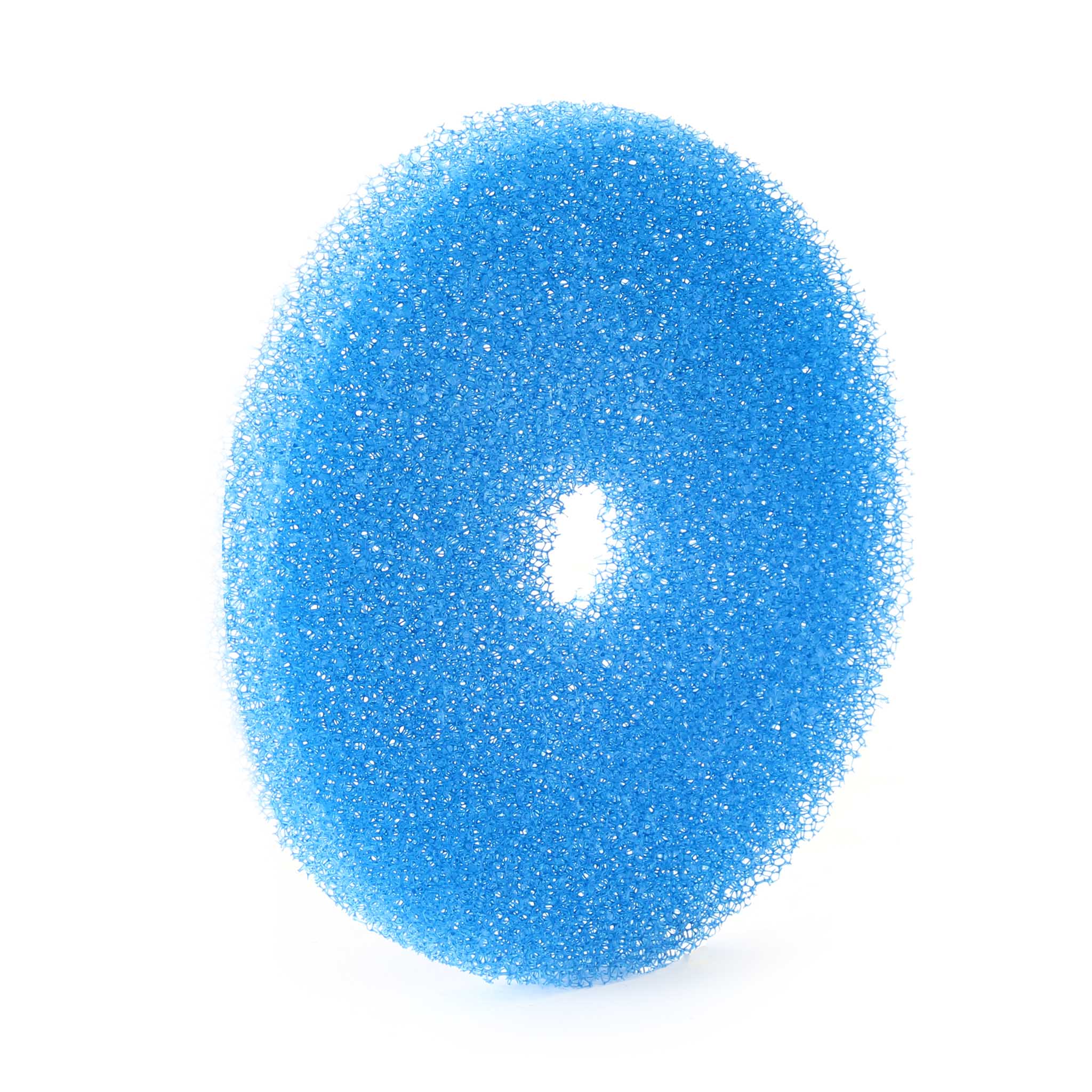
The foam cartridge is a highly efficient filtration product designed for use in existing filter systems, providing long-lasting performance and consistent filtration. One such example is the foam cartridge that measures 9.5 x 9.5 x 50 cm and is made from fine blue filter foam. This product is known for its dense structure, making it highly effective at trapping even small particles and organic matter, which are commonly found in ponds and aquariums. The fine blue foam allows water to flow freely through the cartridge, ensuring effective filtration without obstructing the water flow.

Foam cartridges like this one are especially useful for maintaining a healthy aquatic environment, as they help eliminate contaminants that could otherwise lead to water quality issues. The fine nature of the foam means it can capture debris, organic waste, and particulate matter, all of which can negatively impact water clarity and overall system efficiency. This particular foam cartridge is designed to fit seamlessly into many standard filter systems, providing an easy solution for filtration. Additionally, the foam cartridge’s durable construction ensures a long service life, making it a cost-effective option for regular pond and aquarium maintenance.

Due to its high-density structure, the foam cartridge works efficiently in large filtration systems, such as those required for ponds, where water volume and waste generation are higher. For aquarium systems, the fine blue foam ensures that the water remains crystal clear, supporting the overall health of fish and plants. By using foam cartridges as part of a comprehensive filtration system, you can ensure a consistently clean and healthy aquatic environment.

Filter Sponges

Uses of Filter Sponges in Different Filtration Systems

Filter sponges are widely used in both pond and aquarium filtration systems due to their effectiveness in maintaining water quality. In ponds, filter sponges are typically used in larger filtration systems where the volume of water and the amount of organic waste are considerable. They work by trapping larger debris, such as leaves and fish waste, which would otherwise clog the system. The sponge’s design provides a surface area for beneficial bacteria to grow, which helps break down harmful substances like ammonia and nitrates, thus keeping the pond water clear and safe for aquatic life.

In aquariums, sponge filters are especially valuable for their gentle filtration process, making them ideal for delicate fish or smaller setups where a harsh filtration system could stress the aquatic life. These sponges help in maintaining a healthy environment by effectively removing solid waste and maintaining water clarity.

The porous nature of the sponge allows it to trap debris while letting water pass through easily, which helps maintain good water flow in the system.

Additionally, filter sponges can be used in combination with air pumps, which increase water circulation and oxygenation. This enhances the effectiveness of both mechanical and biological filtration processes. The versatility of filter sponges also means they can be used in different types of filter systems, whether in an established pond, aquarium, or other water treatment applications. Regular maintenance is crucial to ensuring the longevity and efficiency of these sponges, as they can become clogged over time with trapped debris.

Is a Sponge Filter Good for an Aquarium?


Sponge filters are an excellent choice for aquarium filtration, especially in environments where a gentle and consistent filtration process is required. They are particularly beneficial for small to medium-sized aquariums, where the need for a quieter and more controlled filtration system is crucial. One of the primary advantages of sponge filters is that they provide both mechanical and biological filtration. The sponge itself traps solid waste, such as uneaten food, fish waste, and other debris, while also providing a surface for beneficial bacteria to colonize. These bacteria break down harmful substances like ammonia and nitrites, which can be toxic to fish if left unchecked.

Additionally, sponge filters are gentle on aquatic life, making them ideal for sensitive species, such as shrimp, fry, or smaller fish that may be easily disturbed by more powerful filtration systems. The slow, steady flow of water through the sponge ensures that the fish are not subject to strong currents, which can be stressful for them. Another advantage is that sponge filters are easy to clean and maintain, requiring only occasional rinsing or replacement when necessary. They also work well in combination with an air pump, which enhances water circulation and ensures that the aquarium remains oxygenated.

Furthermore, sponge filters are affordable and provide an excellent long-term filtration solution. While they may not be suitable for very large aquariums, they are a cost-effective and efficient choice for smaller tanks, making them one of the most popular filtration options for hobbyists.

Filter Sponges

Filter Fleece Synfil 300: Excellent Filtration for Aquatic Systems

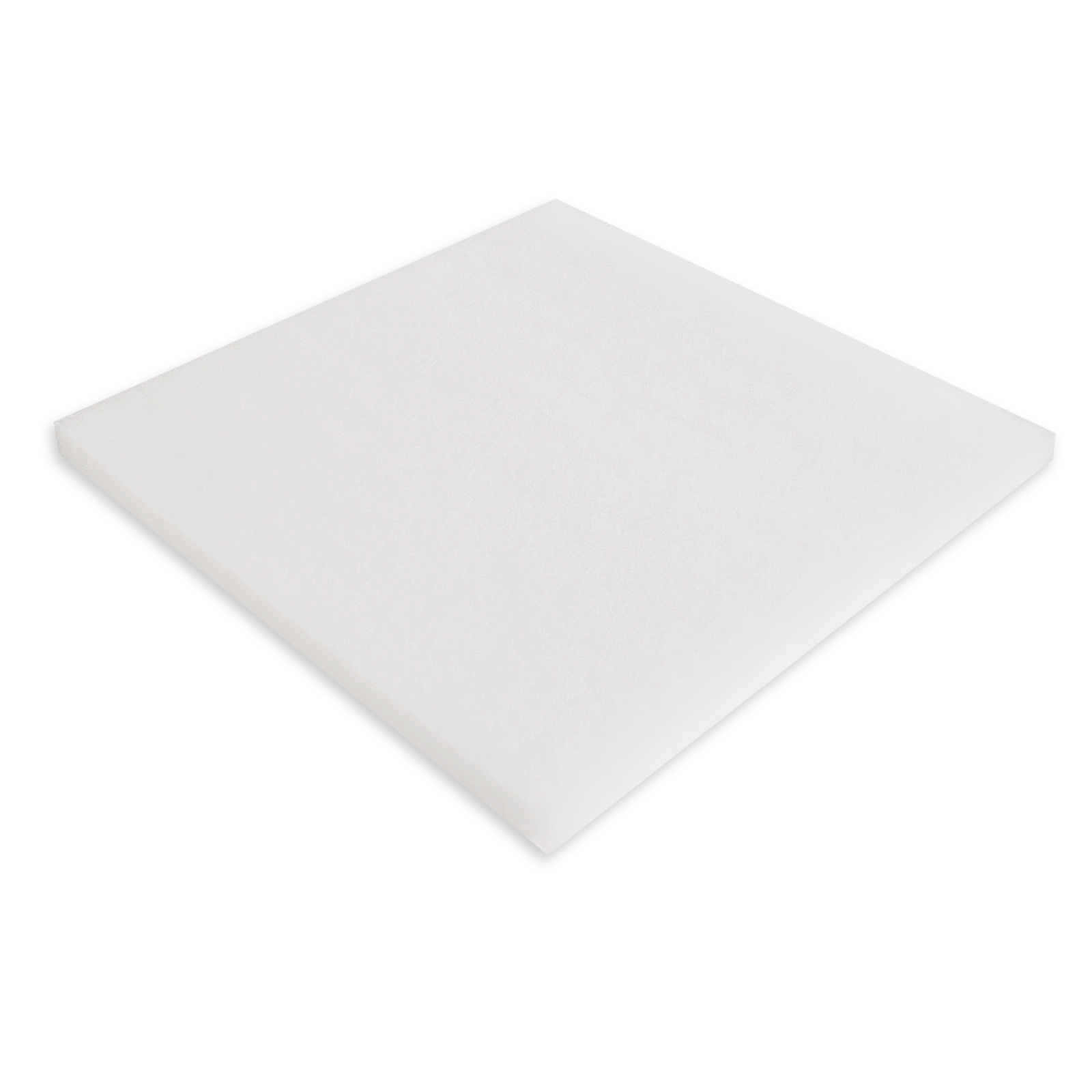
The Filter Fleece Synfil 300 is another excellent filtration product that works well in both pond and aquarium systems. This very fine white fleece, measuring 100x100x2.5 cm, is designed to offer ultra-fine filtration, capturing small particles and debris that other filtration media may miss. The fine nature of this fleece allows it to trap even the tiniest particles, ensuring that the water remains clear and free from contaminants. This makes it an ideal choice for improving water clarity in both ponds and aquariums, particularly when fine filtration is required.

The Filter Fleece Synfil 300 is highly effective at removing suspended debris from the water, ensuring that both the mechanical and biological filtration processes are running smoothly. By trapping small particles that could contribute to cloudiness or contamination, this fleece helps maintain a clean and healthy aquatic environment. It is easy to use, as it can be placed inside most filter systems, and can be used in conjunction with other filtration media, such as foam cartridges and pre-filters, to provide comprehensive filtration. The durability of the filter fleece also ensures that it can be used for an extended period before needing replacement, making it a cost-effective solution for regular pond and aquarium maintenance.

This product is ideal for both novice and experienced aquarium or pond owners who want to ensure their water remains clear and free from harmful particles. Whether used in a small aquarium or a larger pond system, the Filter Fleece Synfil 300 enhances the overall efficiency of the filtration system.

How Often Should I Change Pond Filter Sponges?


Pond filter sponges should generally be changed every 6 to 12 months, depending on the size of the pond, the amount of debris, and the overall condition of the sponge. Over time, the sponge becomes clogged with waste, reducing its effectiveness in trapping debris and allowing for proper water flow. Regular cleaning and maintenance of the sponge can help extend its lifespan, but eventually, it will need to be replaced to maintain optimal filtration performance. In some cases, it may be necessary to replace the sponge sooner if it becomes damaged or too clogged to clean effectively.

When changing the filter sponges, it is essential to inspect the entire filtration system for any other signs of wear or damage. Replacing sponges on a regular schedule helps ensure that the filtration system operates efficiently, keeping the pond water clean and healthy for fish and plants. Regular maintenance also prevents the buildup of harmful substances, such as ammonia and nitrates, which can negatively impact the pond's ecosystem. If you notice that the water quality is deteriorating despite cleaning the sponge, it may be time to replace the filter sponge entirely.

By adhering to a regular maintenance schedule and replacing the filter sponges as needed, pond owners can ensure the longevity of their filtration systems and the health of the aquatic environment.

Filter Sponges

Are Pre-Filter Sponges Good?


Pre-filter sponges are a useful addition to many filtration systems, as they help to prevent larger debris from clogging the main filter. These sponges are placed in front of the main filter media, such as foam cartridges or biological filters, where they trap larger particles such as leaves, twigs, and fish waste before they reach the primary filtration system. This helps to reduce the load on the main filter and ensures that it remains free from clogging.

By trapping larger debris before it reaches the main filter, pre-filter sponges increase the efficiency and lifespan of the primary filter. They are especially useful in pond systems, where larger debris is more common, and they help prevent the main filter from becoming clogged or overwhelmed. Pre-filter sponges are easy to clean and maintain, as they typically just need to be rinsed out regularly to remove trapped debris. Additionally, pre-filter sponges are affordable and provide a cost-effective way to enhance the overall performance of a filtration system.

When used in combination with other filter media, such as foam cartridges and biological filters, pre-filter sponges can significantly improve the overall filtration process, keeping water clear and free from harmful contaminants. They are a valuable tool for pond and aquarium owners looking to maintain a clean and healthy aquatic environment.

What Is the Best Foam for Air Filters?

Summary of Filter Sponges and Their Benefits


Filter sponges play an essential role in maintaining clean and healthy aquatic environments. Whether in ponds or aquariums, these sponges help to trap debris, provide a surface for beneficial bacteria, and promote a balanced ecosystem. By choosing the right filter sponge, such as foam cartridges or filter fleece, and performing regular maintenance, you can ensure that your filtration system operates at peak efficiency.

Regular cleaning, replacing worn-out sponges, and incorporating pre-filters into your system can significantly enhance the overall water quality, ensuring a cleaner and healthier environment for your aquatic life. Whether you're looking to maintain a pond, aquarium, or any other water filtration system, filter sponges are a reliable and effective solution for achieving optimal water quality.