






















































Elegant Safety Solutions for Indoors and Outdoors
Railings and handrails are essential components of both architectural design and safety. They offer support, help define spaces, and add structure to stairways, balconies, and outdoor steps. Whether indoors or outdoors, they contribute to safety and aesthetic value.
Today, there is a wide range of styles, materials, and mounting options. Homeowners and architects can choose between metal handrails for interiors or robust solutions for outdoor use. In multi-level buildings, railings help prevent accidents and support building safety.
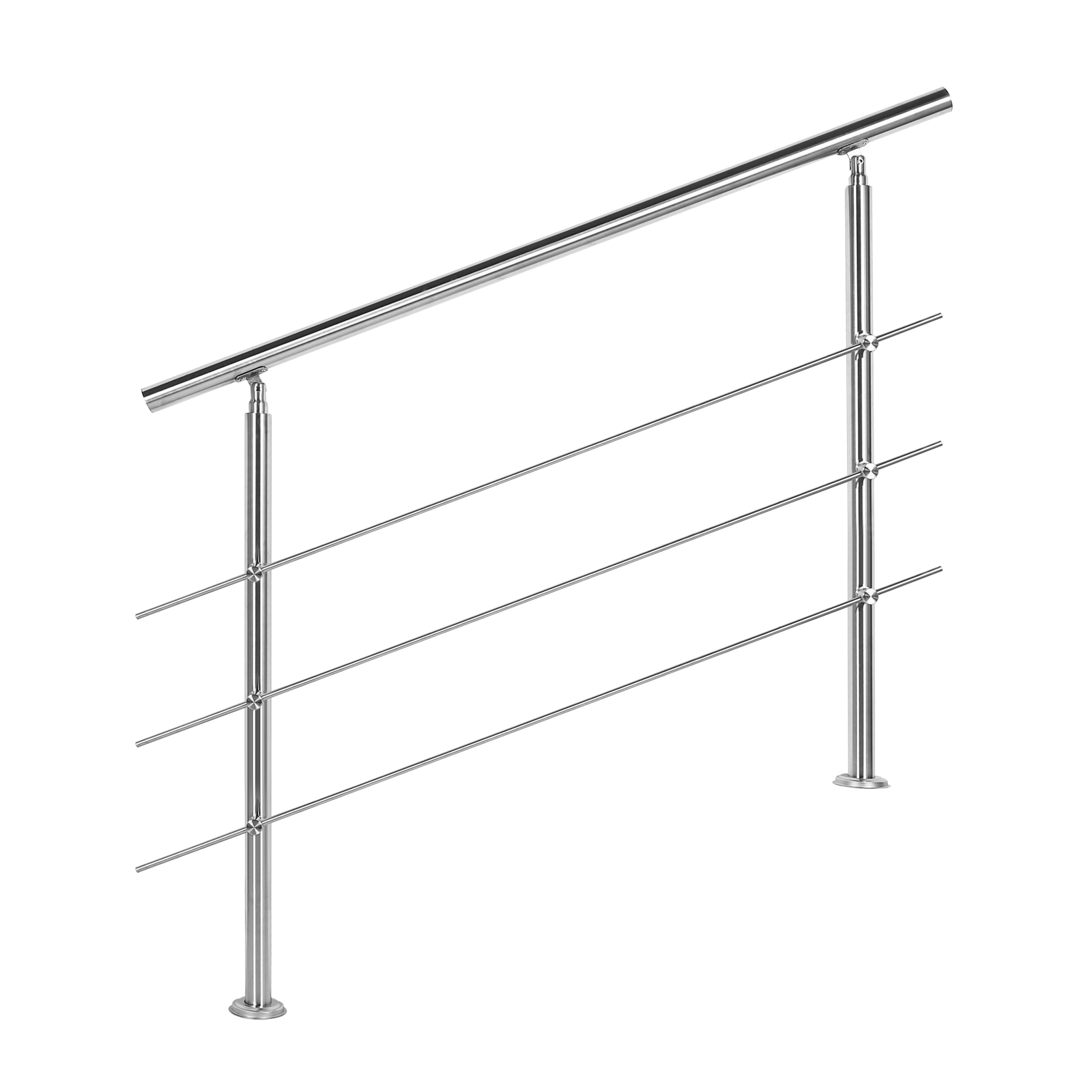
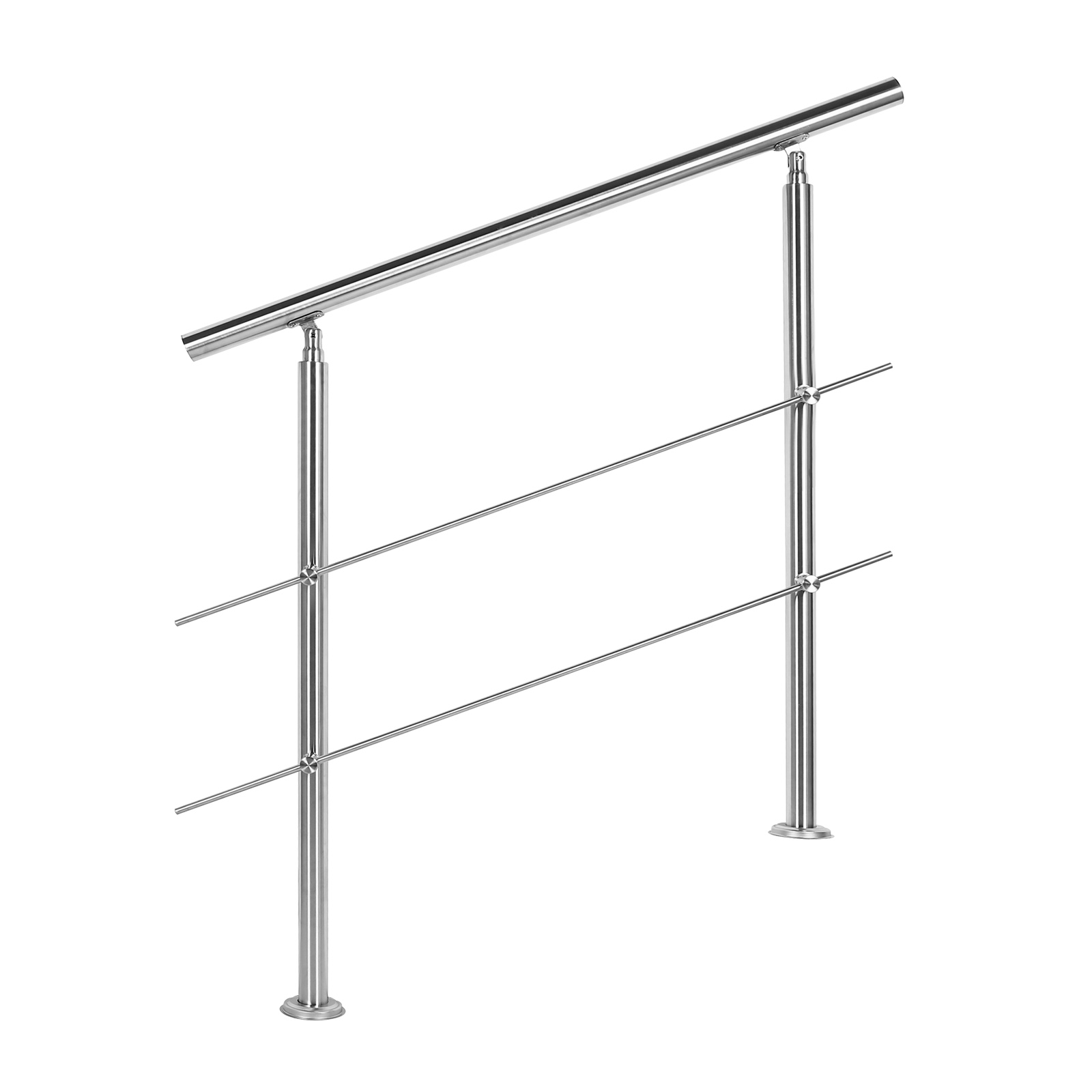
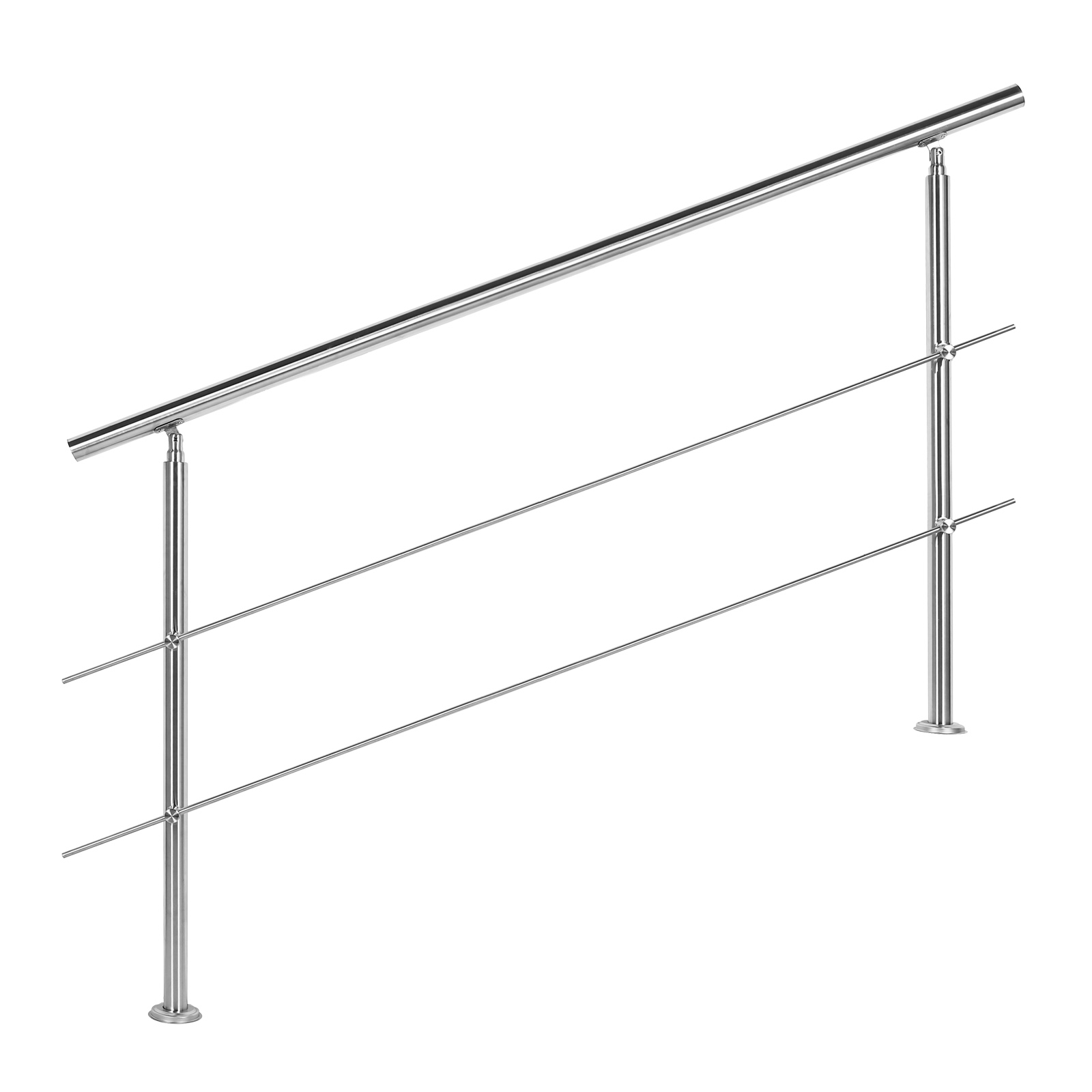
Among the most popular options are stainless steel railings, appreciated for corrosion resistance and minimal maintenance. Outdoor handrails are often made of treated metal to withstand moisture and sun. From stairs to balconies, the right handrail enhances function and design.

Distinctive Balcony Design: The 90x128 cm Stainless Steel Juliet Rail
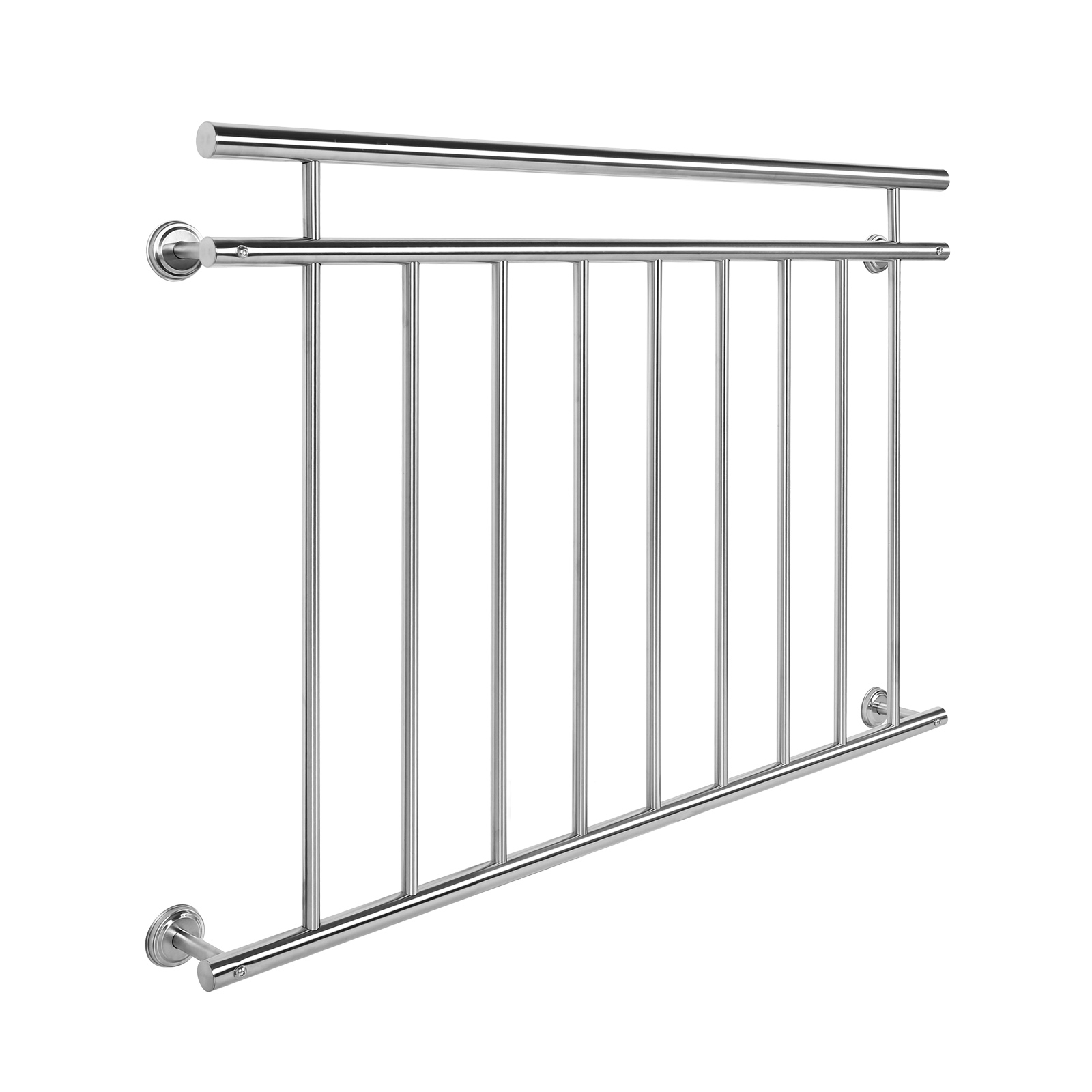
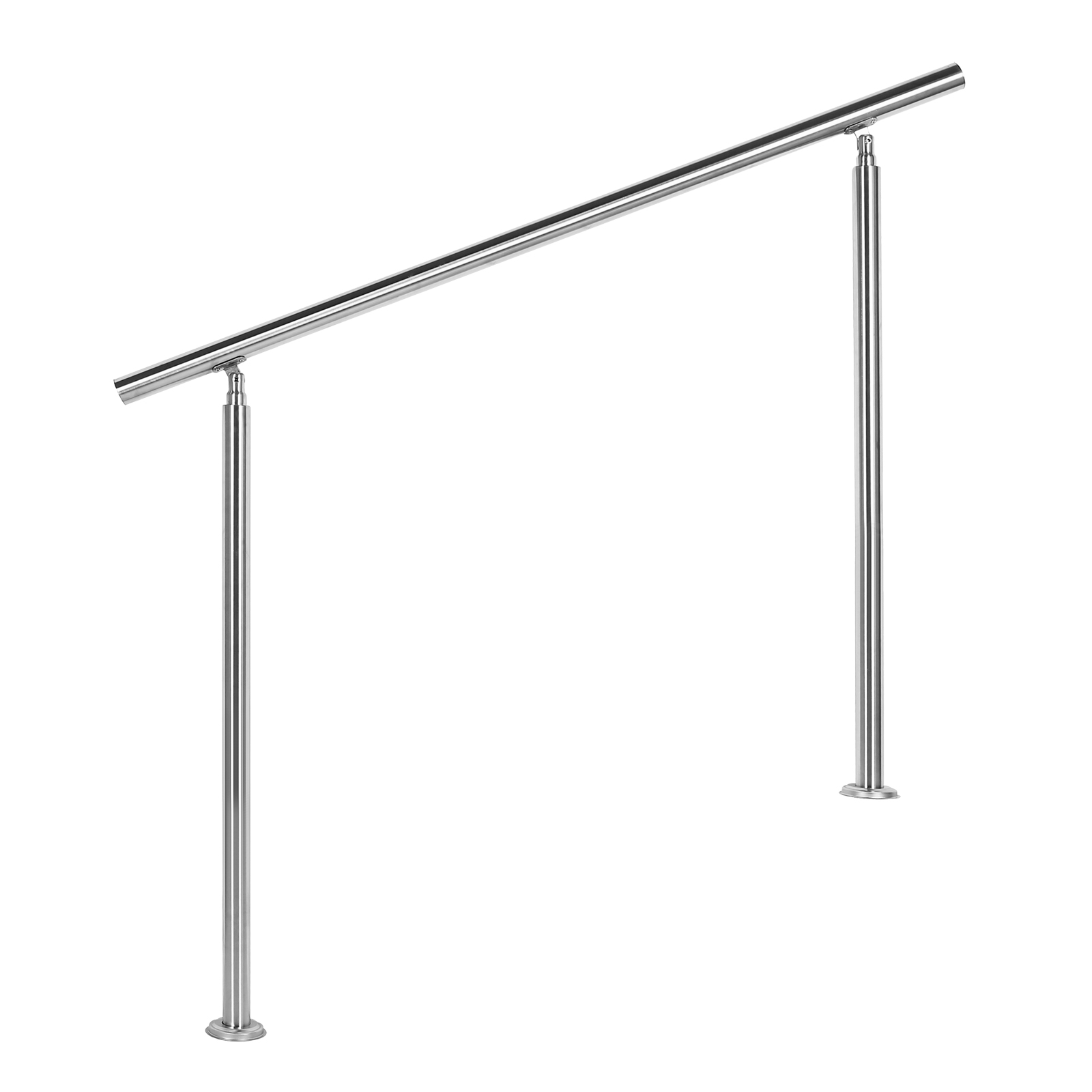
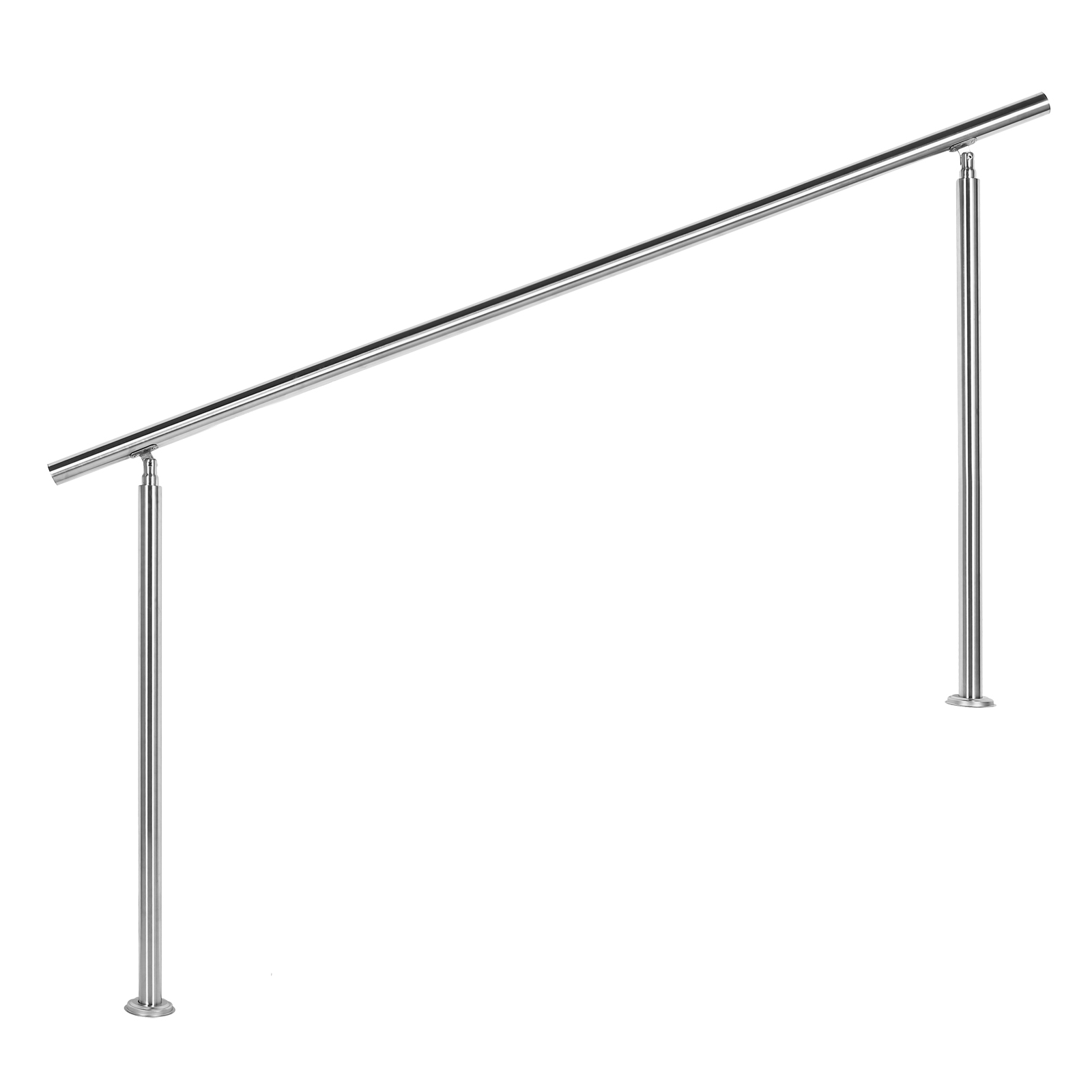
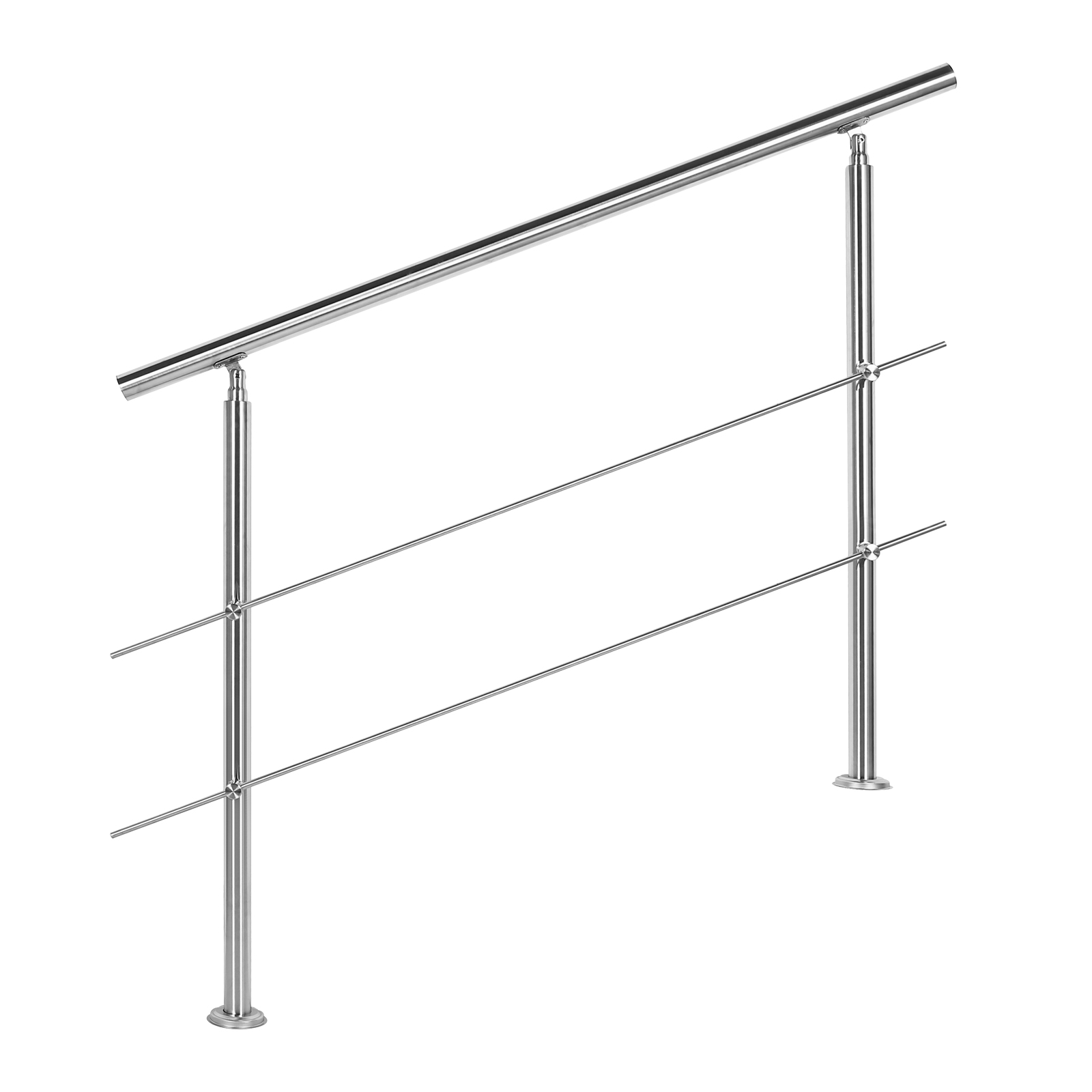
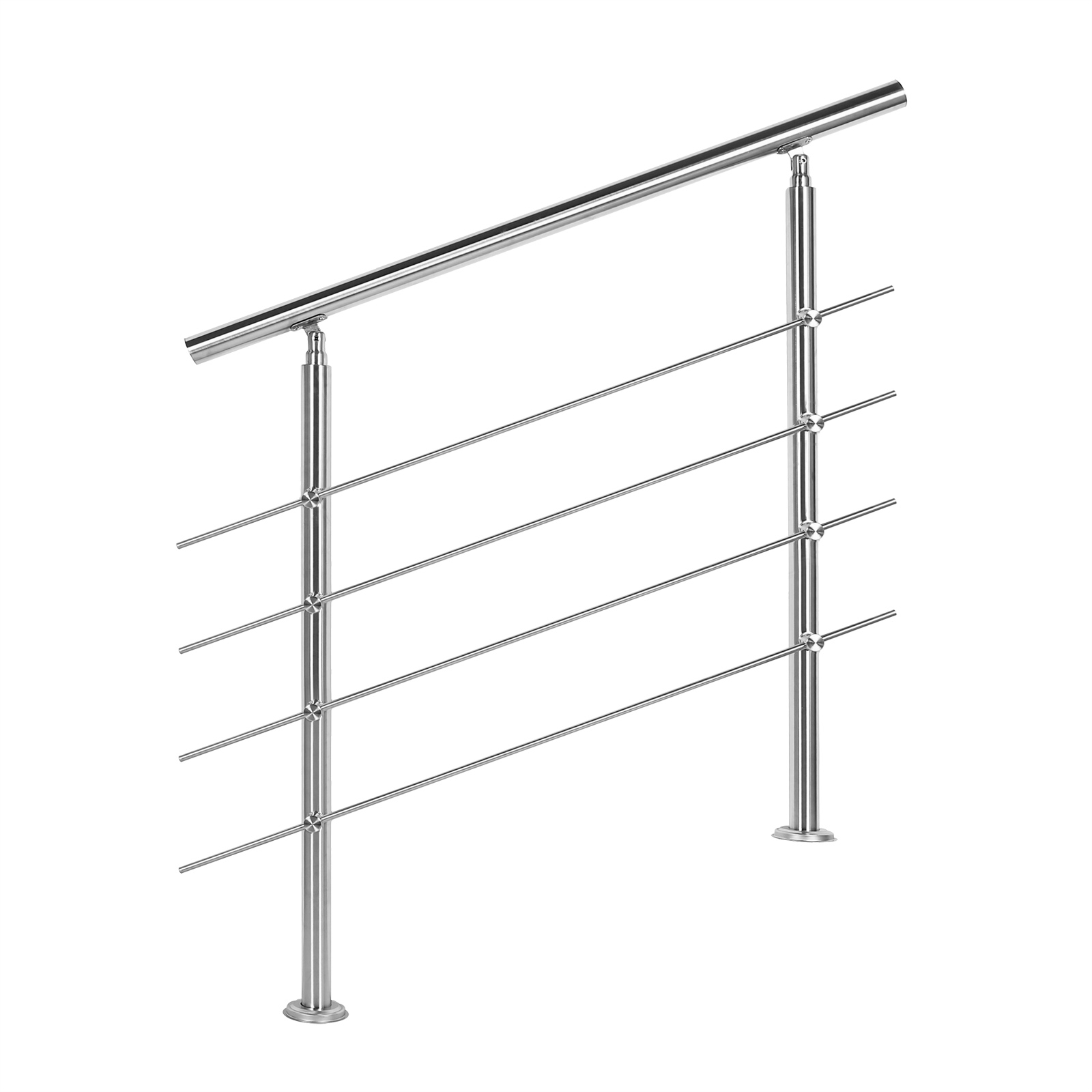
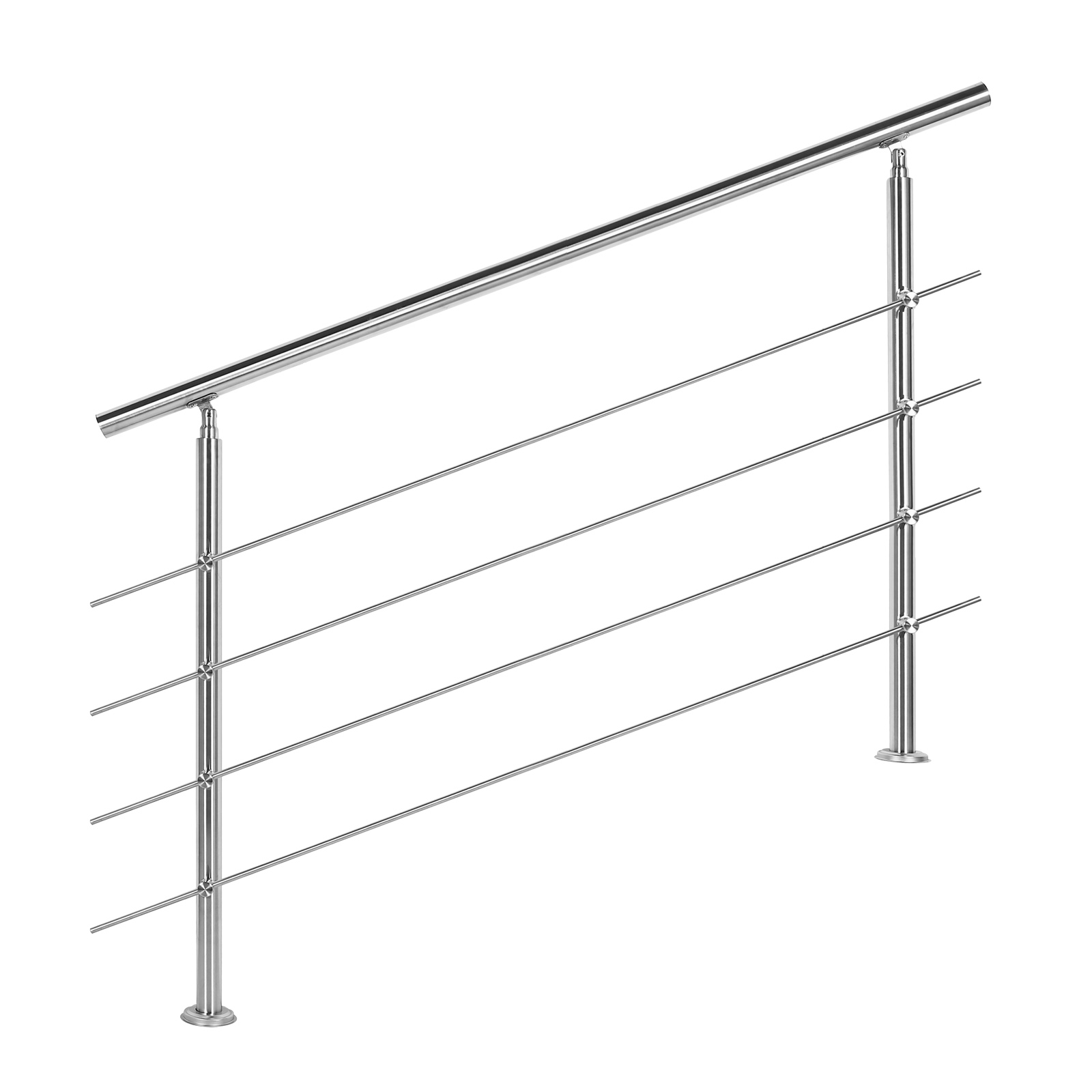
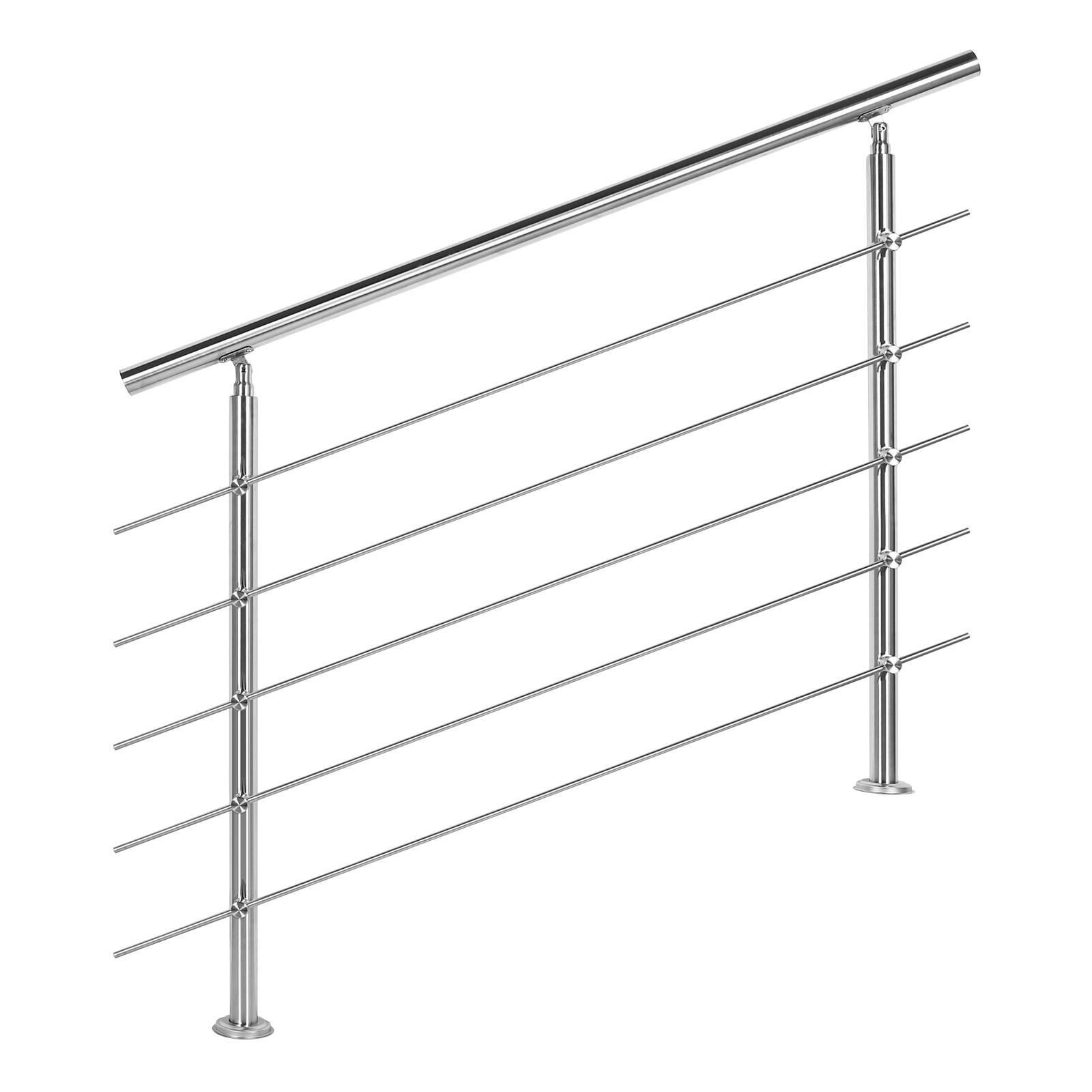
A notable example from this category is the Juliet balcony railing, measuring 90x128 cm. Crafted from high-quality stainless steel, this product combines functionality with minimalist design. The balcony railings of this kind offer a secure barrier while allowing visibility and light flow — a trend in modern architecture.
These balcony railings are mounted externally and serve as a safety guard on French balconies or narrow terraces. They do not obstruct the view. The stainless steel handrails ensure structural strength, and the satin finish adds a modern touch suitable for many facade designs.
Designed for long-term use, this railing is suitable for residential, commercial, and hospitality settings. It withstands weather fluctuations and resists rust, making it ideal for outdoor applications. The durability of the steel and its safety compliance reflect a blend of technical reliability and timeless elegance.
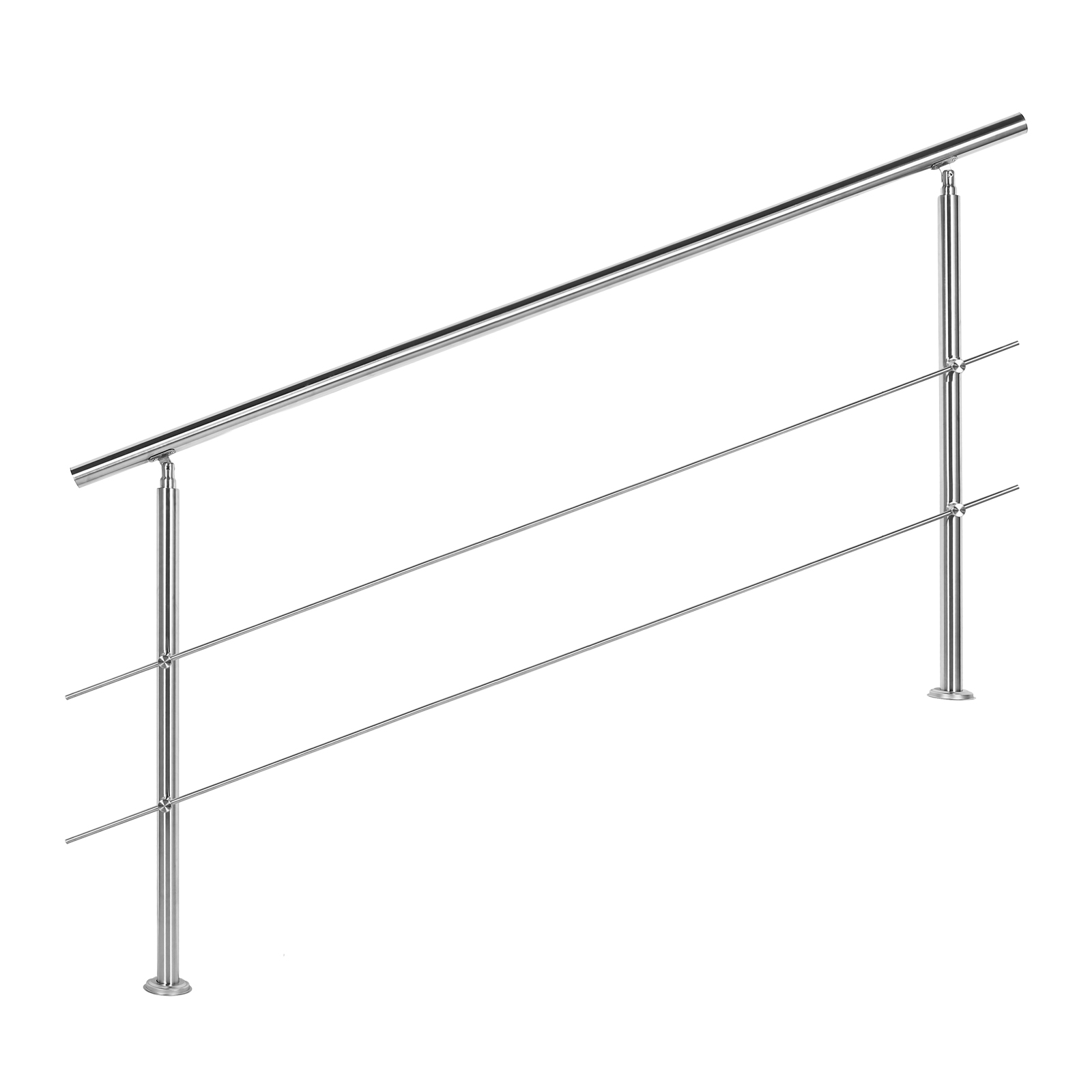
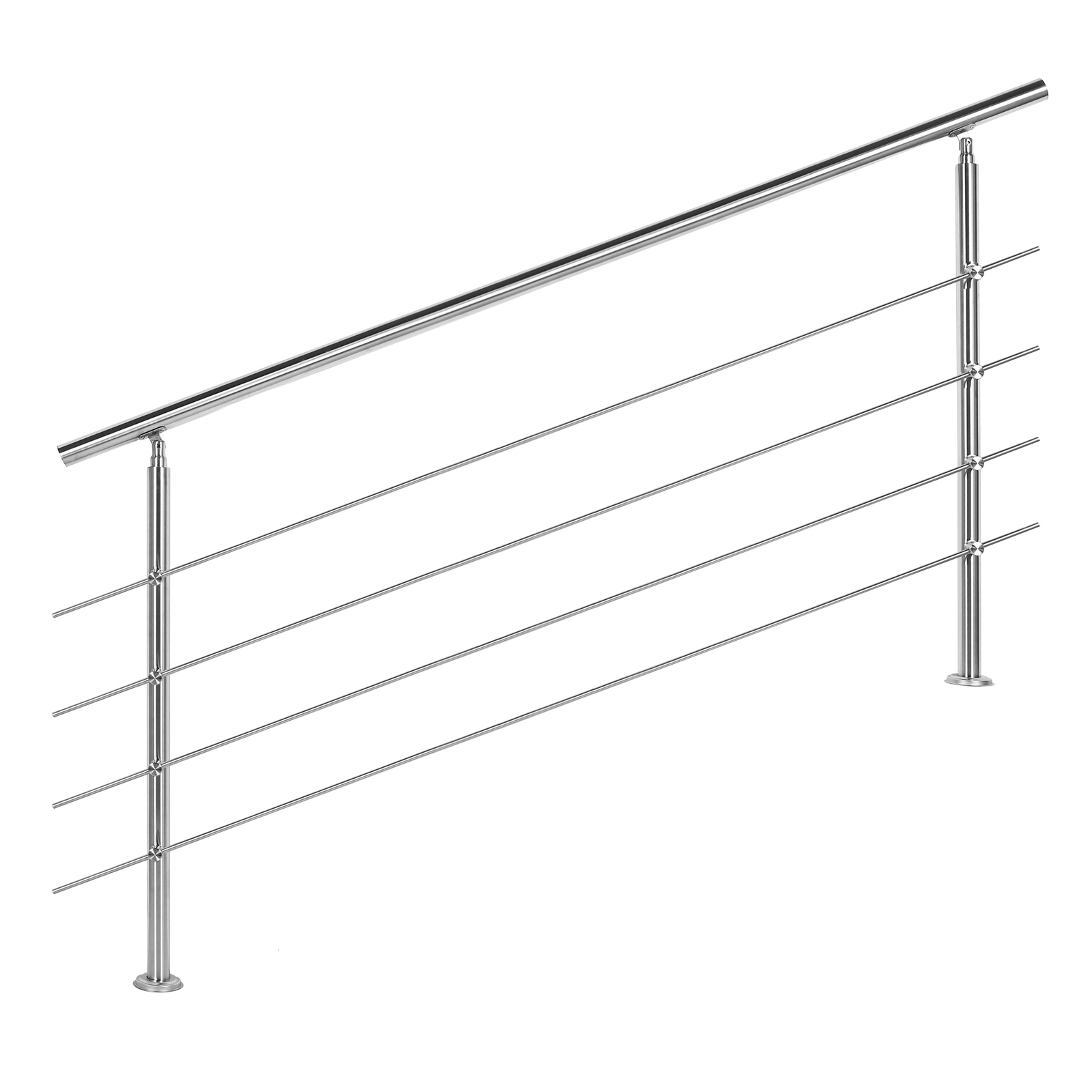
Railings and handrails are widely used in different environments. In residential settings, they appear on staircases, balconies, patios, and entryways. Exterior handrails for steps provide support and stability. Especially in homes with children or the elderly, these features help reduce fall risks.
In commercial properties like offices, restaurants, and retail stores, railings must satisfy aesthetic and legal standards. Stainless steel handrails are favored for their strength and modern design. They balance appearance and functionality in high-traffic settings.
Metal stair handrails interior models suit modern decor while offering a secure and reliable grip. In outdoor environments like parks or schools, heavy-duty railings ensure safety. Galvanized or stainless steel versions resist weather damage and maintain appearance.
Stainless steel balcony railings are ideal for upper-floor balconies, adding safety without blocking views. In marine areas or humid regions, higher-grade stainless steels provide corrosion resistance, ensuring long-term durability in demanding climates.
Material Selection: What Is the Best Metal for Outdoor Railings?
Choosing the right metal is essential for outdoor railings. Among the various materials, stainless steel stands out as the most reliable. Its natural corrosion resistance, particularly in grade 316, makes it ideal for external use.
Aluminum is a lightweight and rust-resistant alternative, suitable for cases with minimal load demands. Galvanized steel offers strength and is more affordable when protected with coatings. Yet, stainless steel remains the top choice for combining durability, minimal upkeep, and long-lasting appearance.
For outdoor applications in coastal or extreme climates, stainless steel ensures your railing maintains its integrity and look over time. It offers a uniform design that suits both residential and commercial projects, making it the best metal for exterior railings.
Function and Form: Stainless Steel Handrail Set with Wall Holder
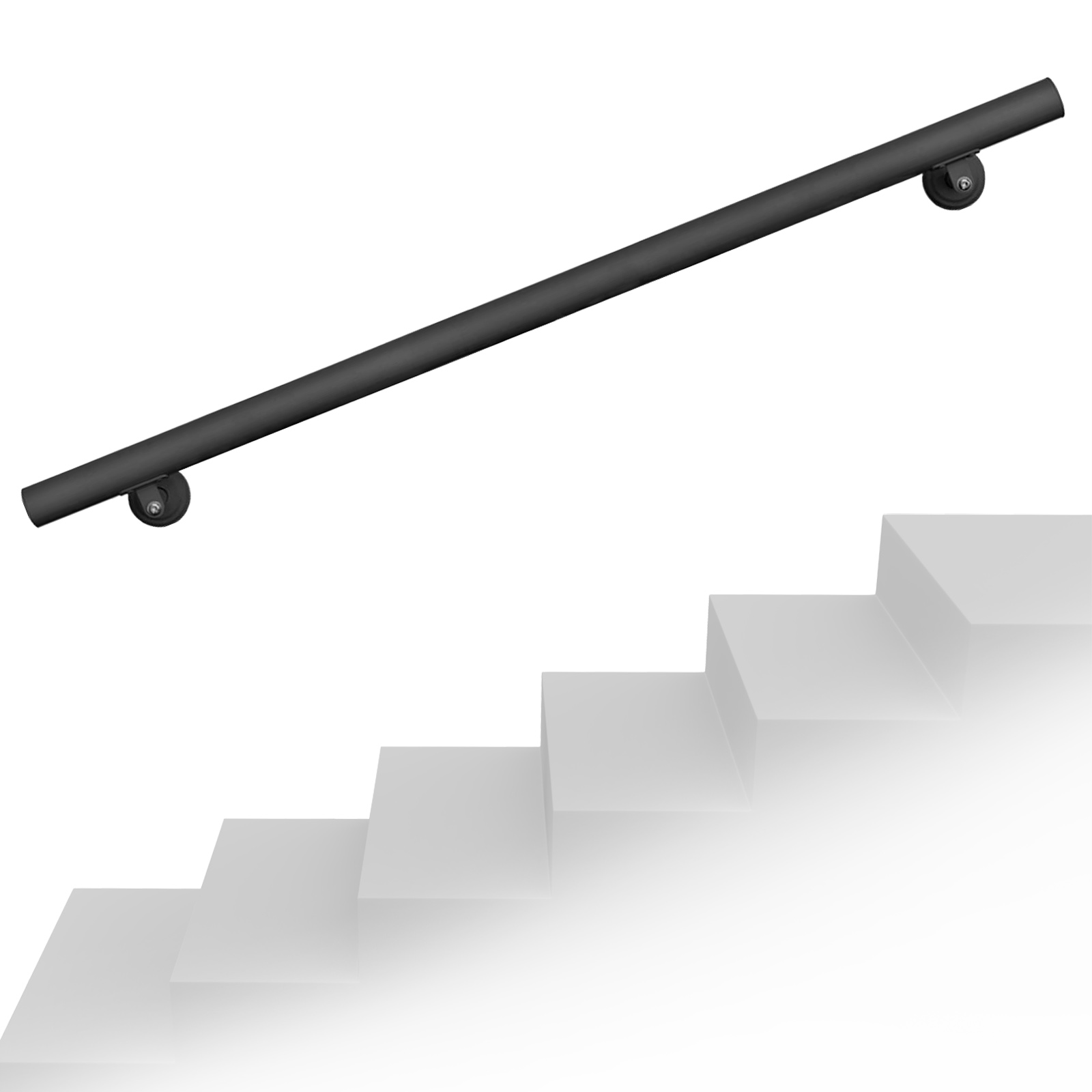
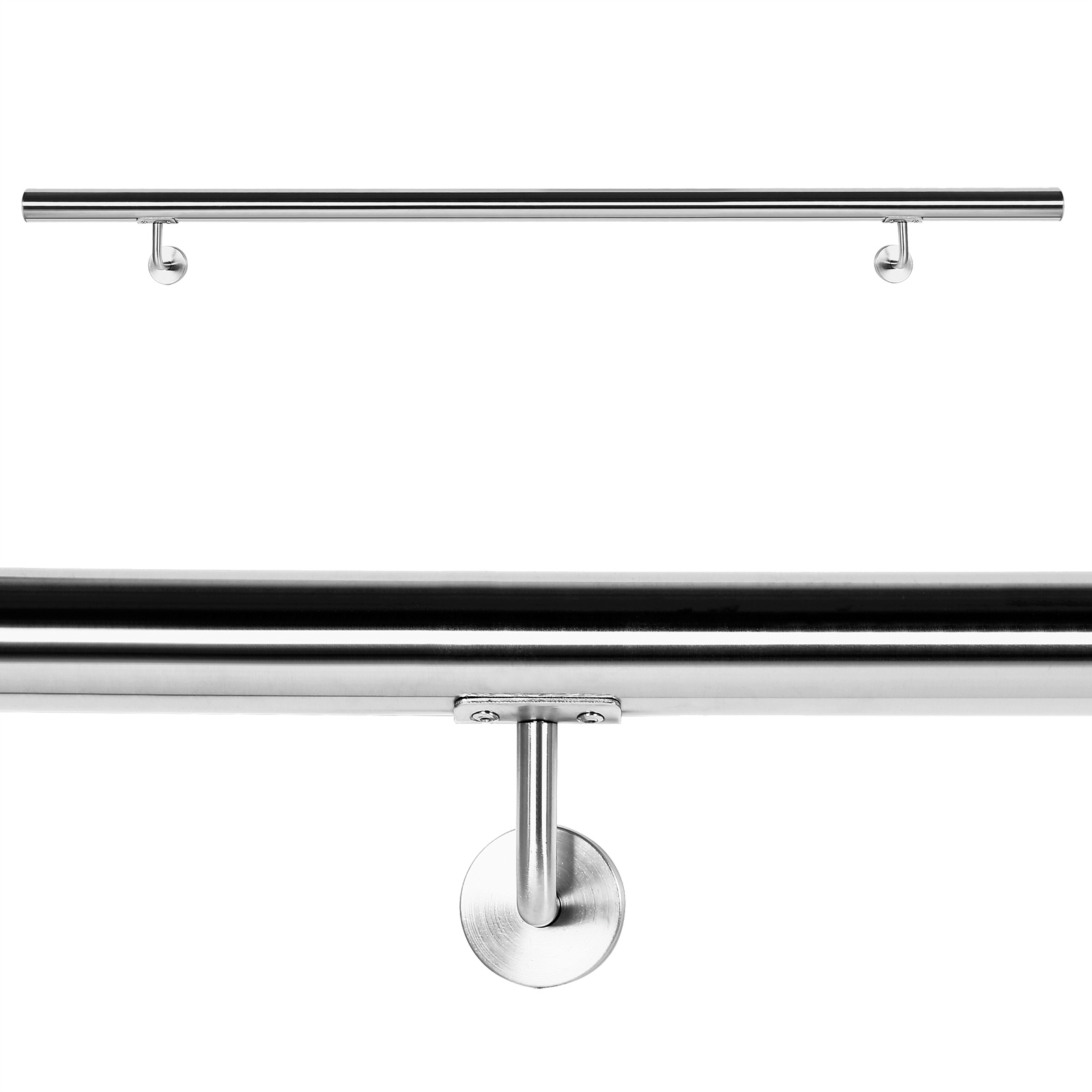
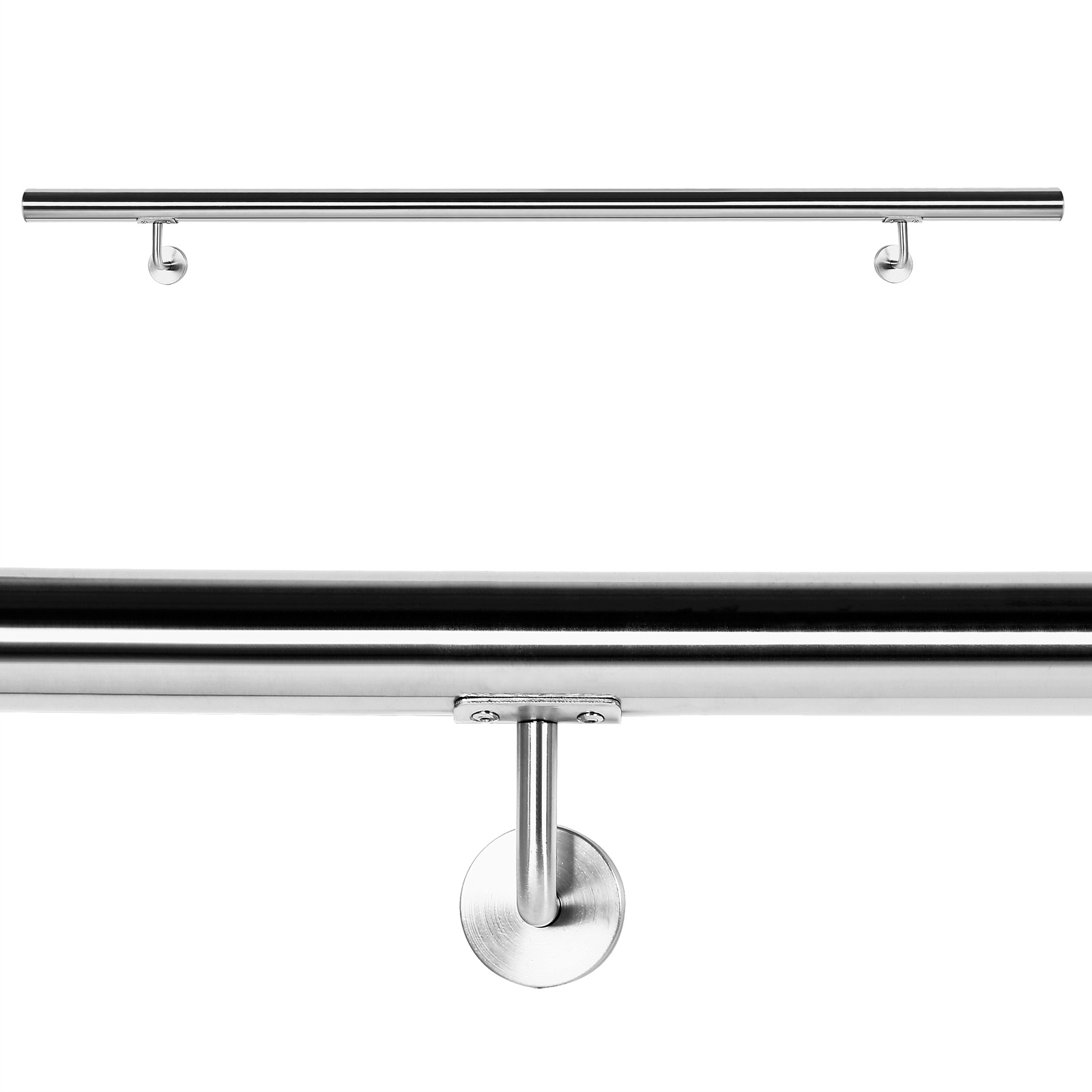
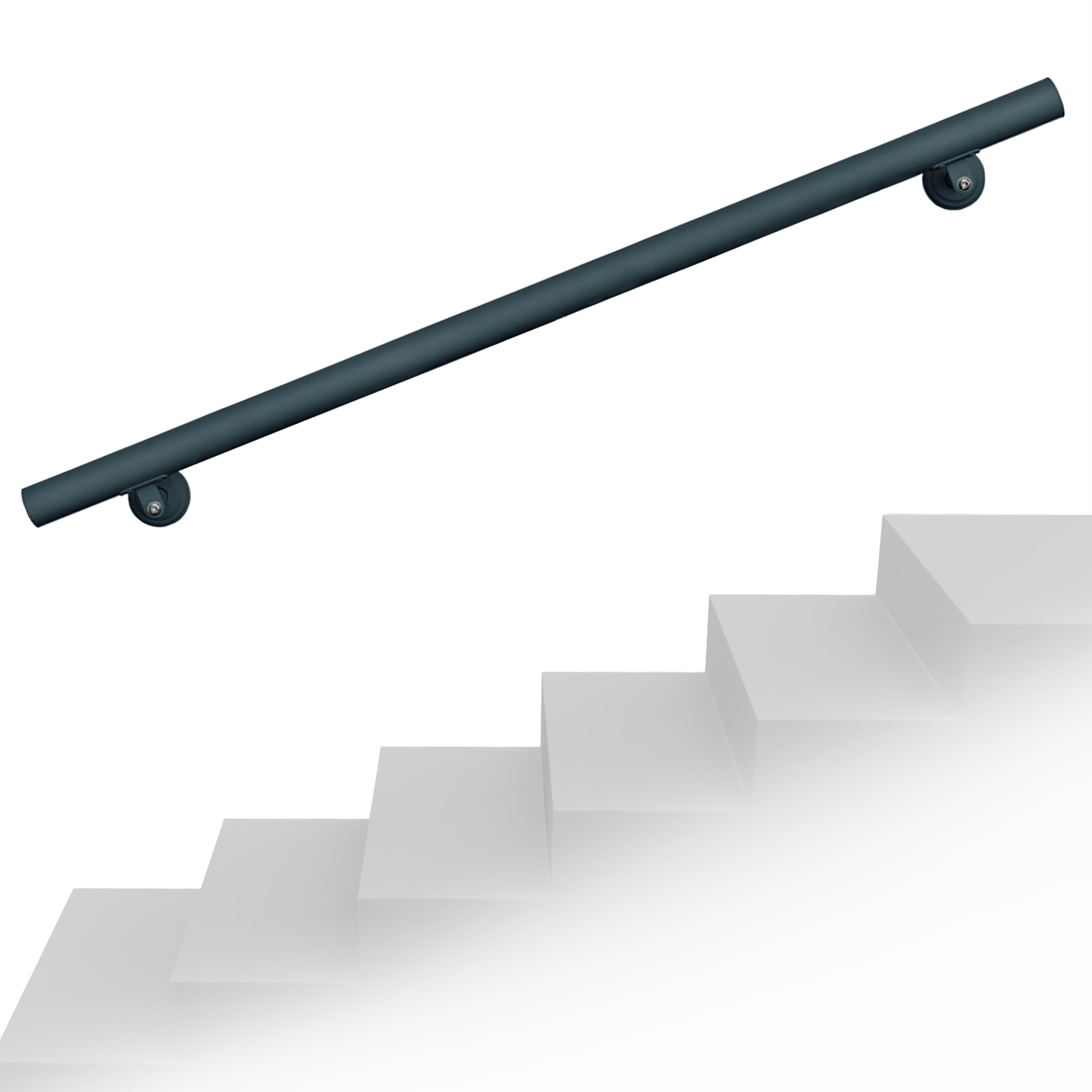
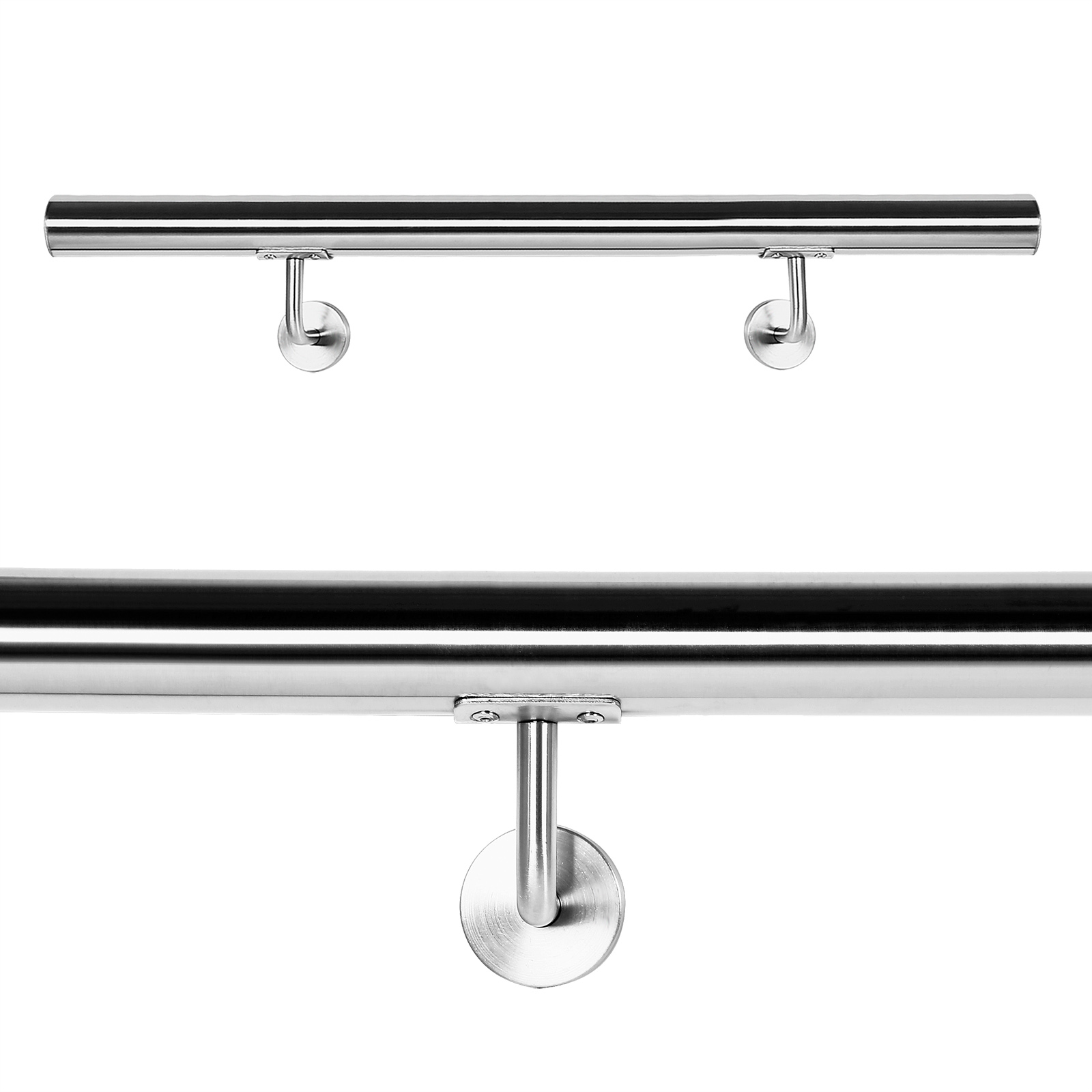
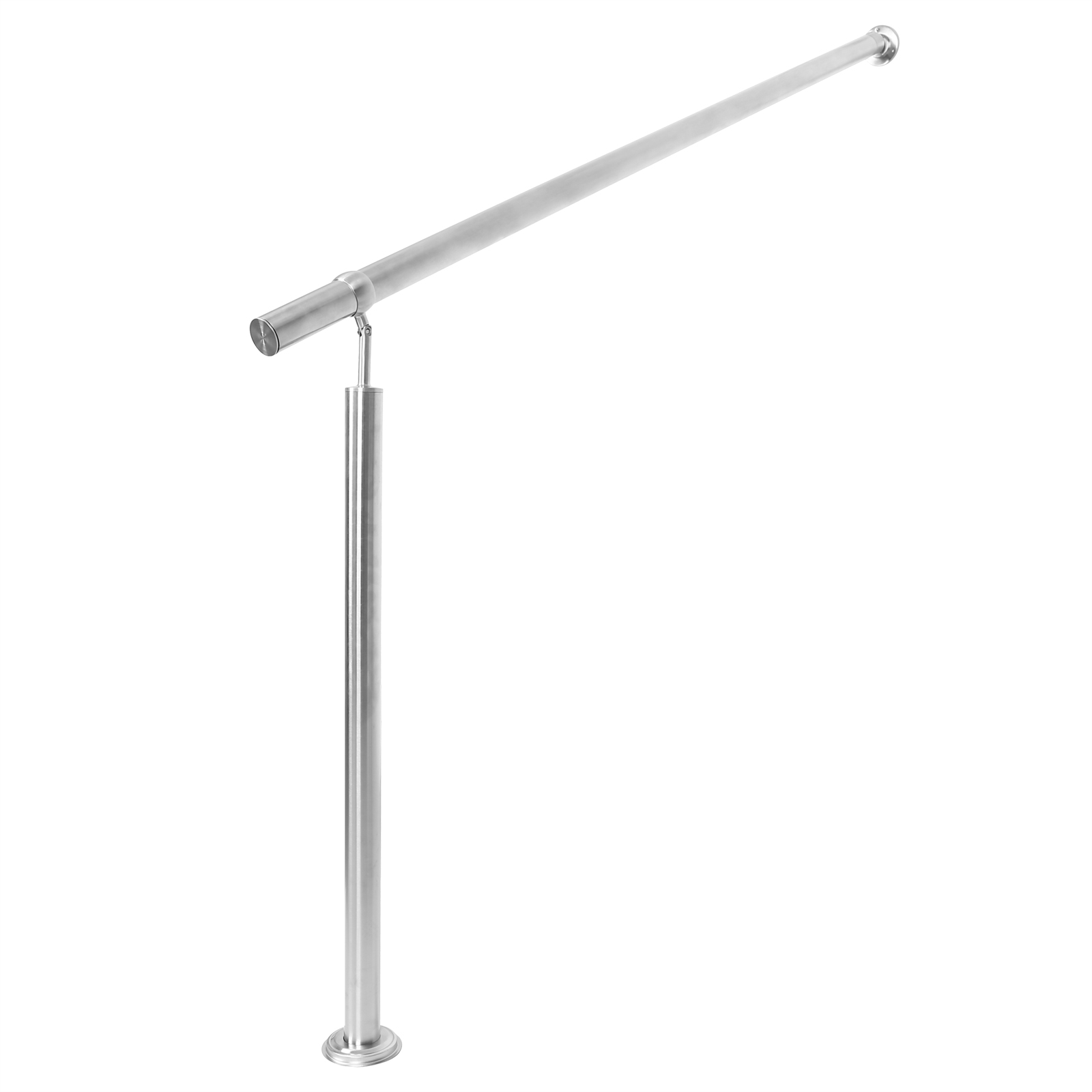
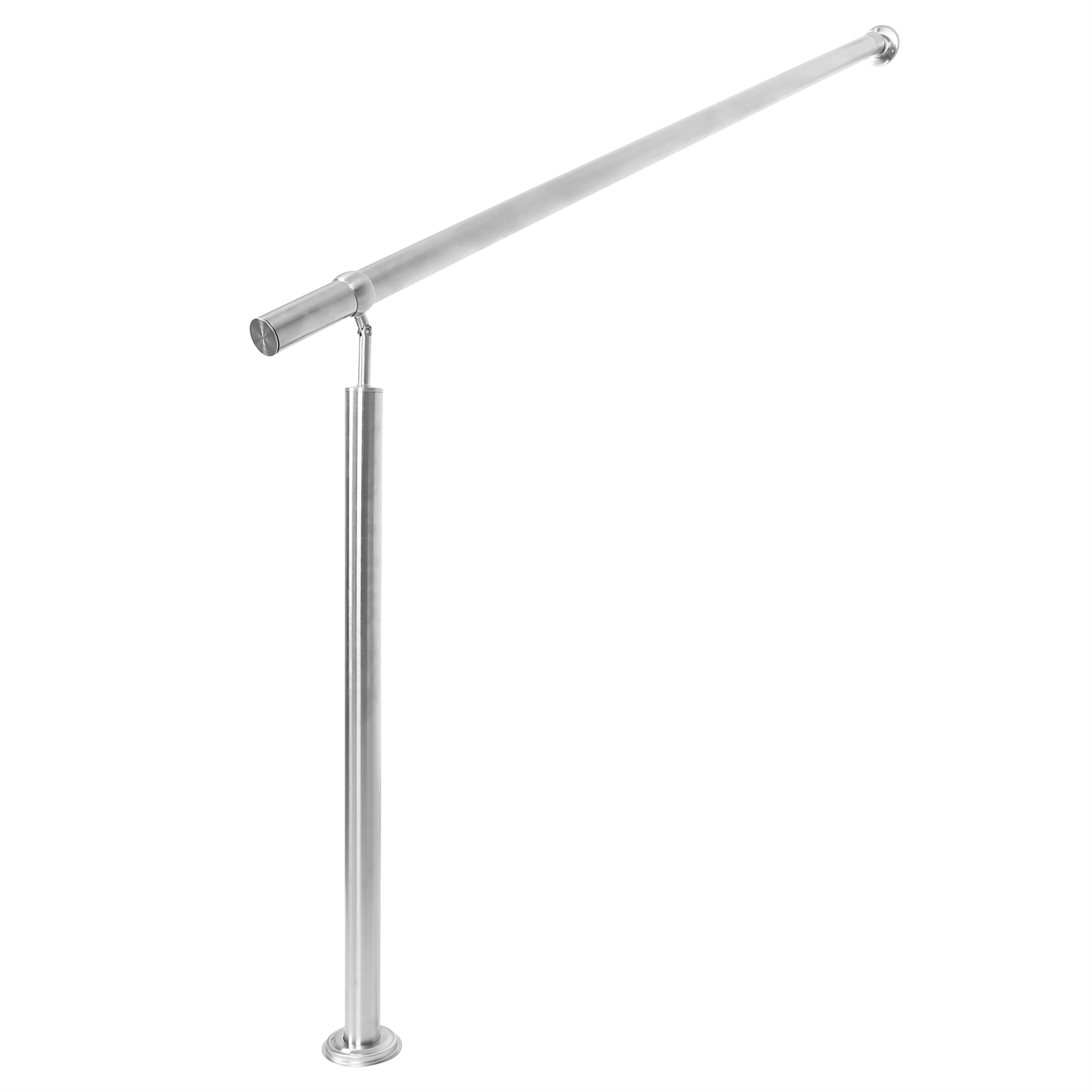
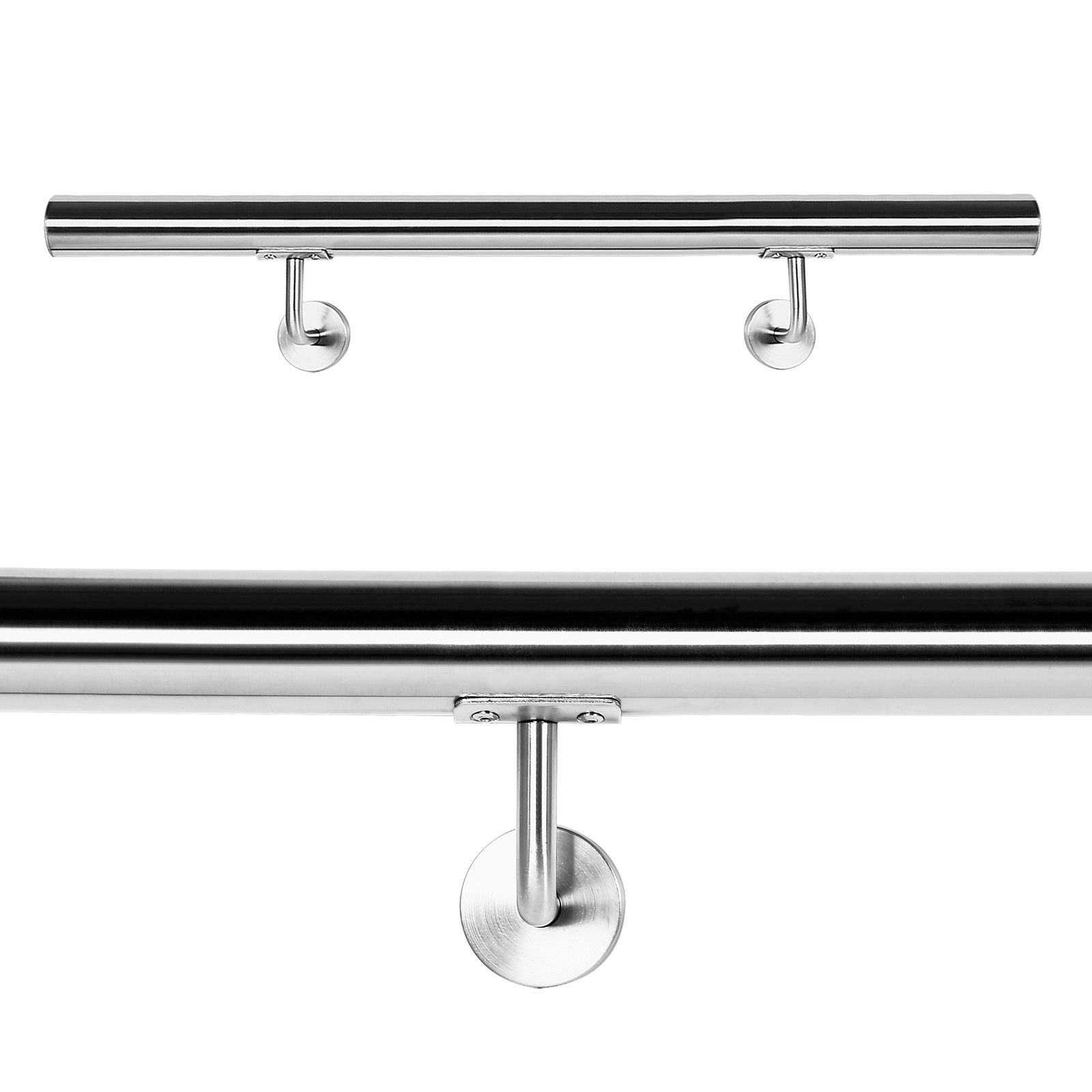
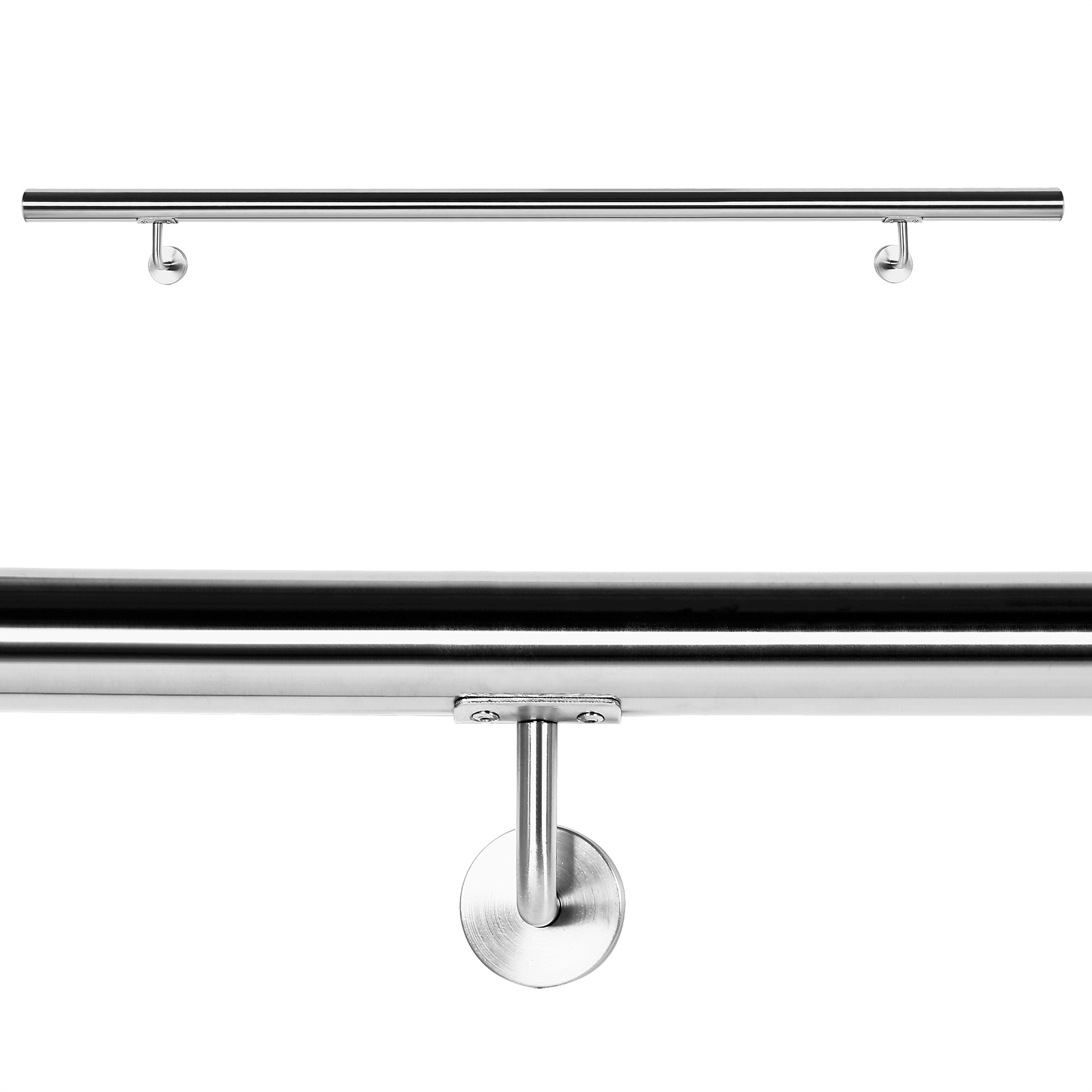
Another notable product in this category is a stainless steel handrail set complete with a wall holder. This 200 cm long system delivers both functionality and aesthetic value. It includes a tubular handrail and strong brackets that anchor it securely to the wall.
This handrail system is ideal for indoor stairs and also for sheltered outdoor areas. The design allows for easy installation and dependable support on stairways or access ramps. Stainless steel V2A ensures resistance to wear and structural reliability over time.
The satin surface finish gives a subtle, non-glossy look that fits in residential and professional interiors. This product shows how steel handrails fulfill both design and technical needs. Whether in homes or offices, the set provides durability and seamless integration.
Compliance and Safety: What Are the Rules for Stair Handrails?
Regulations concerning stair handrails are designed to ensure safety and accessibility. Typically, handrails must be mounted at a height of about 90 cm from the stair nosing. They should be continuous and easy to grasp, with a diameter between 30 and 50 mm.
Building codes often require handrails on at least one side when there are two or more risers. In public buildings or multi-unit residences, rules may call for handrails on both sides. The handrail must not impede natural movement or be too smooth to safely grip.
For commercial and public use, handrails must meet accessibility standards for people with disabilities. This includes proper spacing from the wall and end extensions for additional safety. Understanding these rules promotes both compliance and user well-being.

Design Preferences: Should Handrails Be Gloss or Satin?
The decision between gloss and satin finishes depends on the design context and practical requirements. Satin finishes are often favored for stainless steel handrails. Their matte surface reduces glare and provides better grip, which is crucial for safety.
Gloss finishes, while visually striking, tend to show fingerprints and smudges more easily. They are suitable for decorative environments with a focus on impact. But in cases like metal stair handrails interior or outdoor steps, satin is generally preferred for its subtlety and low maintenance.
Satin surfaces are also more resistant to wear, especially in high-traffic areas. Choosing satin over gloss provides a good balance of appearance, durability, and functionality — ideal for public or shared spaces.
Durability Matters: What Is the Best Wood for Exterior Handrails?
When choosing wood for exterior handrails, it's important to select a species that can handle weather changes. Teak is often considered the best due to its natural oils that resist water and rot. Ipe, redwood, and cedar are also durable choices against decay and insects.
Proper treatment is key to preserving wooden handrails outdoors. Using sealants and protective coatings extends the life and appearance of the wood. Even the best species require regular maintenance to avoid deterioration.
While wooden handrails provide a warm, natural look, they often need more upkeep than metal options. Still, in traditional architecture, wood may complement the environment while ensuring safety and reliable support.
Engineering Excellence: What Is the Best Grade of Stainless Steel for Handrails?
Stainless steel handrails come in various grades, mainly 304 and 316. For indoor use, 304 is generally enough — offering solid corrosion resistance and good structural strength for interior railings and stairways.
For outdoor environments, especially those exposed to moisture or salt, 316 stainless steel is ideal. It contains molybdenum, which enhances its ability to resist corrosion and pitting. Exterior railings and balcony systems often rely on this grade.
The choice of stainless steel grade influences durability, appearance, and maintenance. Although 316 may be more costly upfront, its longevity and weather resistance make it a smart investment for outdoor handrail installations.

The standard handrail diameter ranges between 30 mm and 50 mm, offering a secure grip for most users. This size suits children and elderly individuals alike. Wall clearance is usually around 40 mm, preventing contact and improving usability. These measurements are suitable for homes and public buildings.

For stair handrails, installation height is usually 90 cm from the stair nosing. This matches ergonomic guidelines and supports safe use. In regulated facilities like hospitals or schools, height may be slightly higher to meet diverse user needs.

On balconies or landings, handrails are often part of the railing system and placed at around 100 cm or more. This extra height enhances fall prevention from elevated surfaces. Standard dimensions ensure consistent safety and accessibility in all installations.
A Cohesive Overview of Railings and Handrails
Railings and handrails are vital elements in construction and interior design, ensuring both safety and visual order. Whether it's handrails for outdoor steps, stainless steel balcony railings, or metal stair handrails interior, each serves distinct functional and aesthetic purposes. Items like the Juliet balcony or 200 cm handrail set show how design meets performance.
From 316 stainless steel for enhanced durability to satin finishes for improved grip, this category reflects smart material choices. Compliance with regulations and correct dimensions ensures that handrails are not only decorative but also meet legal safety requirements. Their durability and design contribute to more secure and elegant environments.