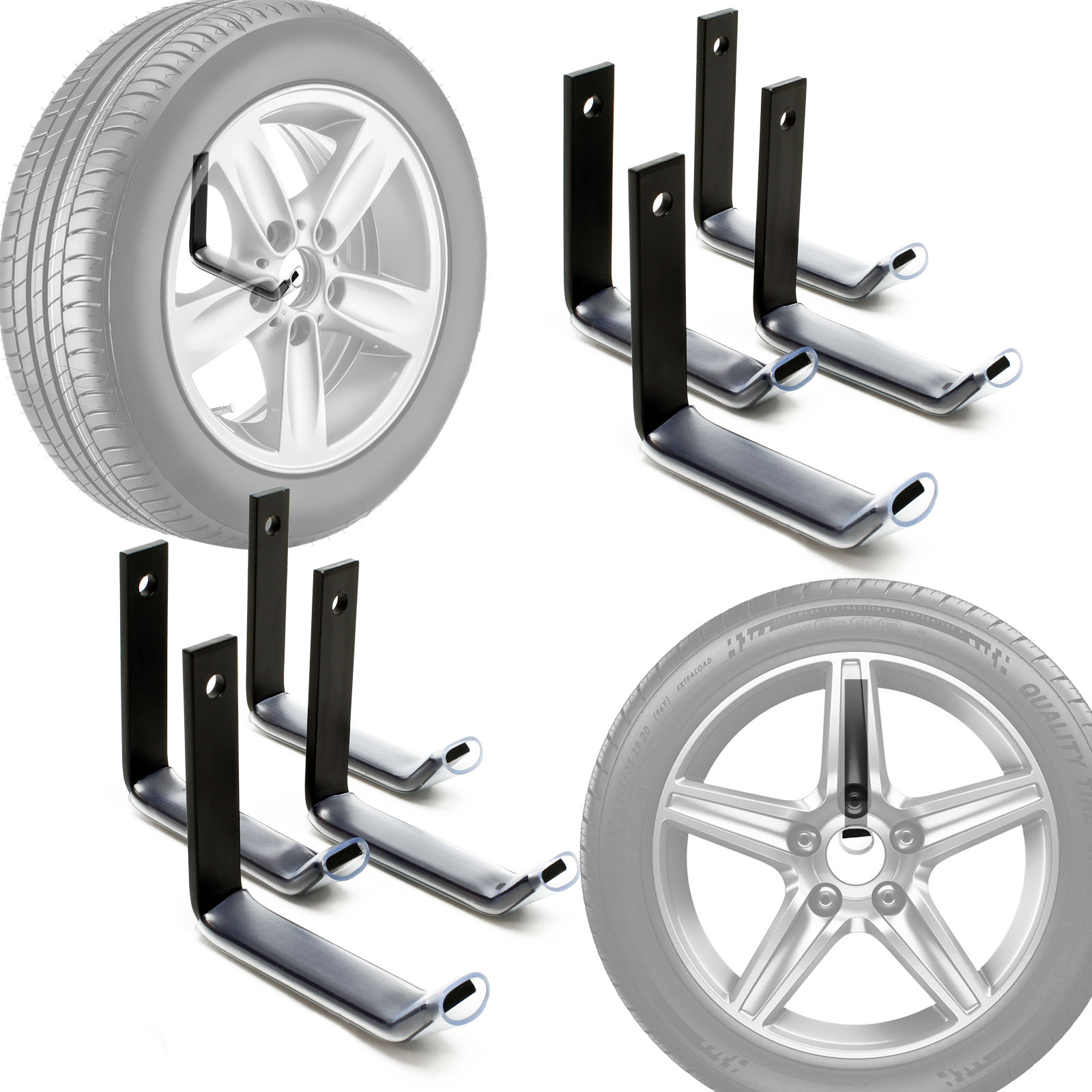
Efficient Organisation of Tyres and Rims with Dedicated Wheel Storage Solutions
Wheel storage is essential for anyone dealing with seasonal tyre changes, spare wheels, or professional vehicle maintenance. A well-structured wheel storage system not only helps keep your garage or workshop tidy but also plays a vital role in prolonging the life of tyres and rims. Exposure to environmental conditions such as humidity, sunlight, and fluctuating temperatures can degrade tyres, even when they are not in use. Using a tyre stand or rim tree minimises these risks by ensuring tyres are elevated, supported evenly, and protected from surface damage.
Modern tyre holders come in various configurations to suit different needs. Some are designed for compact storage in residential garages, while others are tailored for high-volume storage in automotive service centres. These units can be stationary or mobile, with heavy-duty casters allowing easy relocation. Whether upright or stacked, proper tyre positioning is key to preventing warping and pressure marks. Upright storage using a tyre holder is typically recommended for tyres mounted on rims, as this preserves their structural integrity. For unmounted tyres, flat stacking may be acceptable if done correctly.
With an increasing focus on tyre maintenance and safety, having a reliable tyre storage rack or tyre stand ensures tyres are stored in optimal conditions. It also makes inventory management easier, reduces clutter, and enhances safety by eliminating tripping hazards or poorly stacked tyres. In essence, proper wheel storage is not just about order—it's about protecting an investment in vehicle performance and longevity.

Mobile and Versatile: Tyre Stand for Up to 225 mm
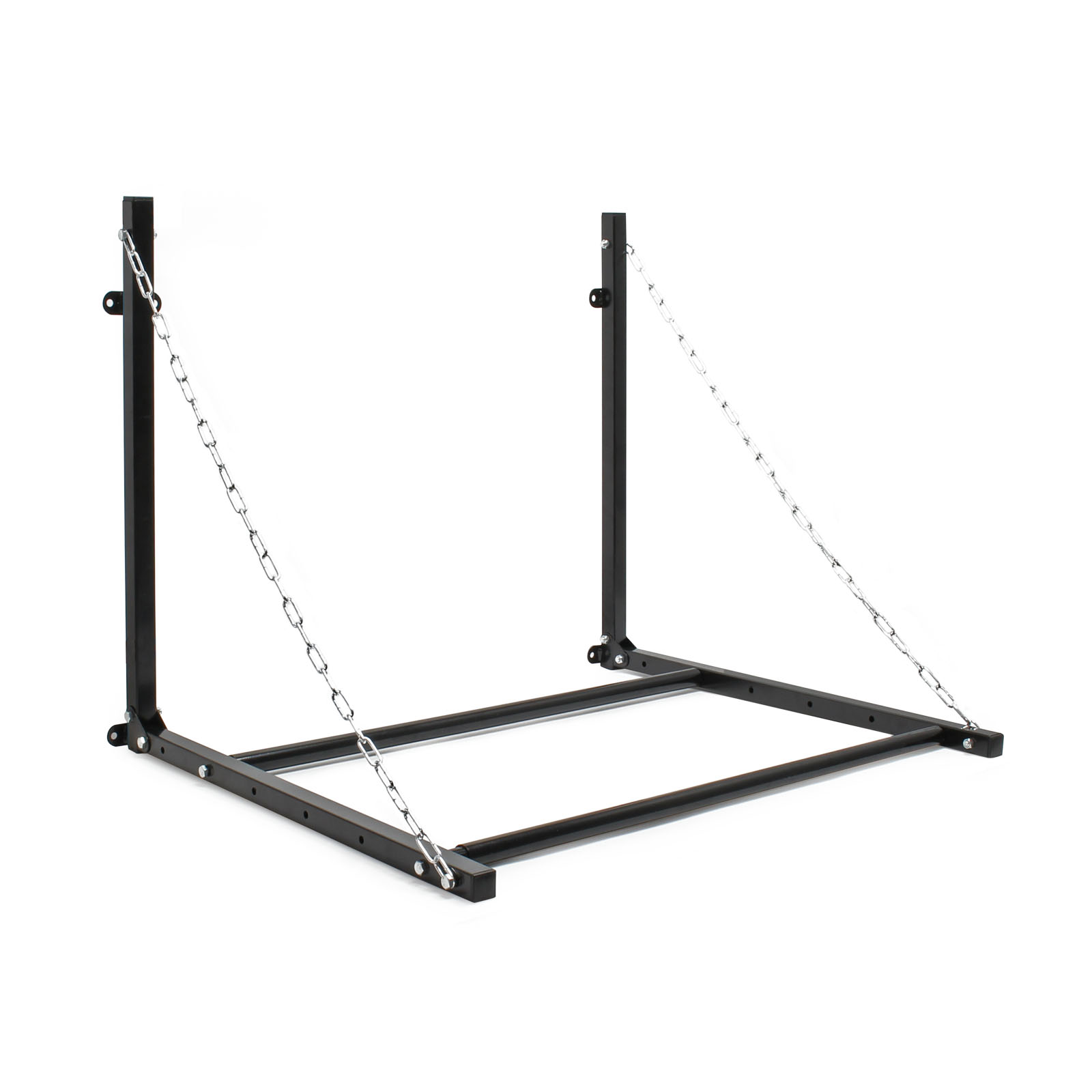
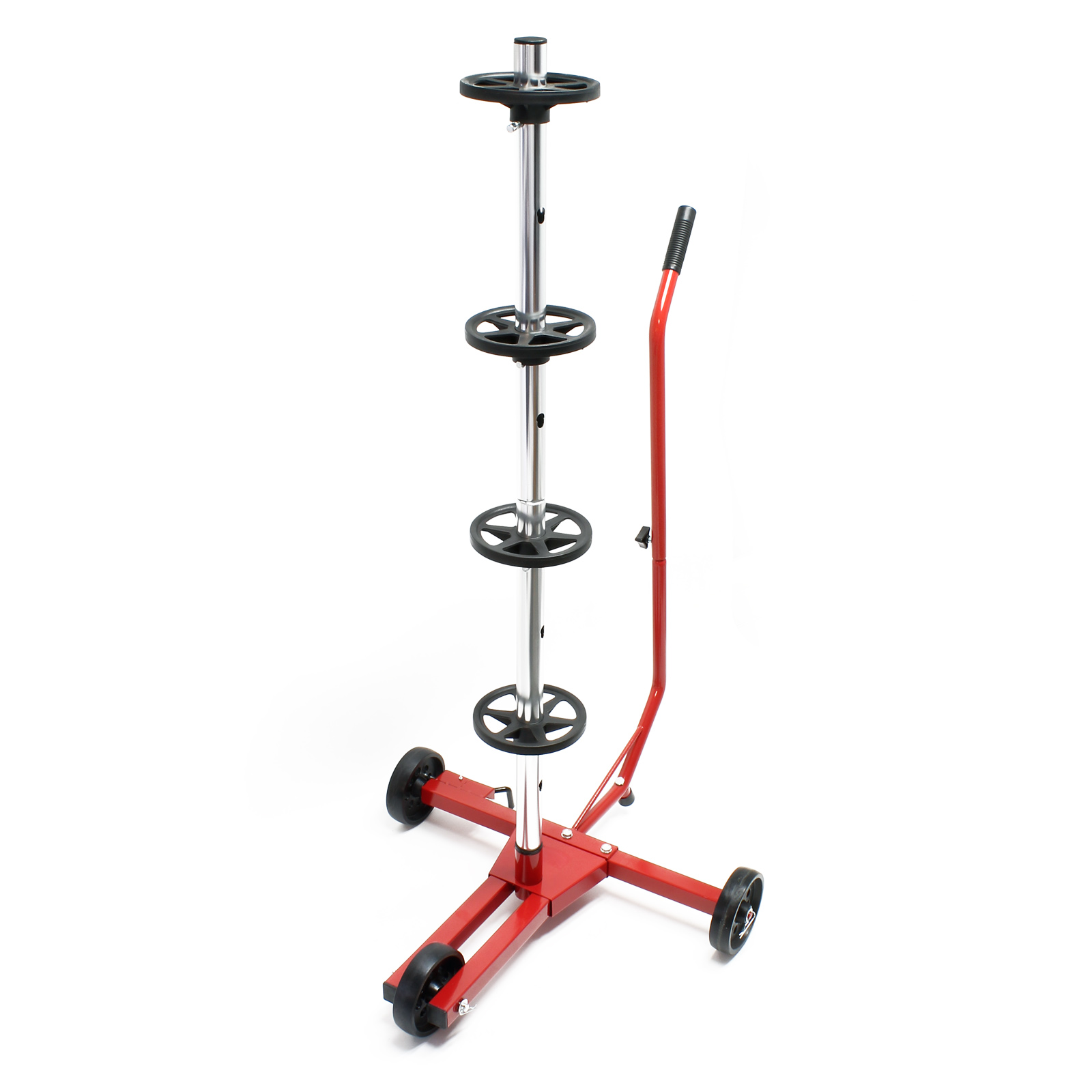
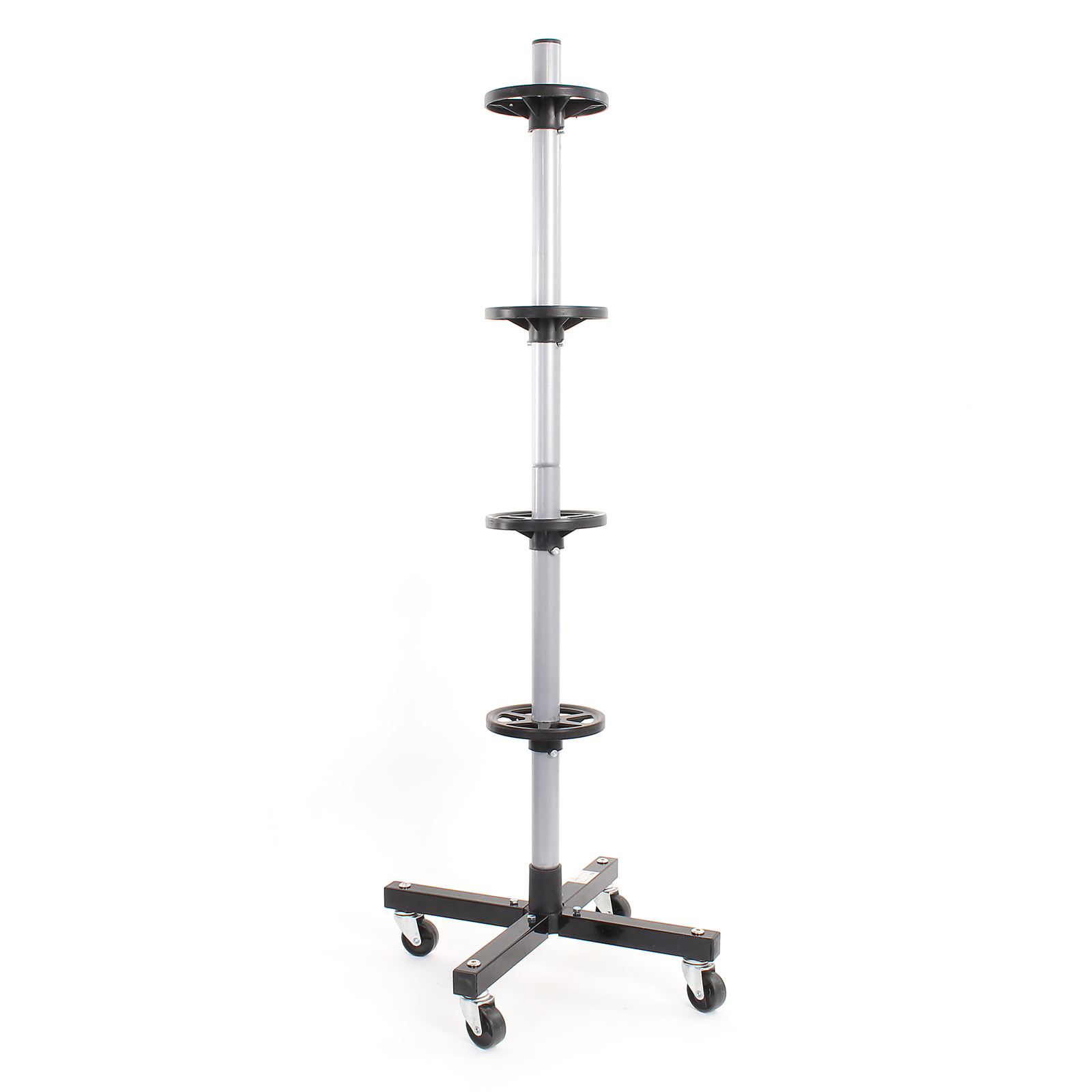
A standout option in wheel storage solutions is the mobile multi tyre stand that accommodates tyres up to 225 mm in width. Designed with both convenience and care in mind, this tyre stand is ideal for individuals and small garages seeking a balance between functionality and ease of use. It supports upright tyre storage, which is particularly effective for preserving the shape of mounted tyres and preventing sidewall damage during extended storage periods.
The mobile stand typically features four robust wheels, allowing users to manoeuvre tyres effortlessly around a garage or workspace. This mobility is especially beneficial during seasonal tyre changes, as it enables quick access and repositioning without unnecessary lifting. Constructed from sturdy, corrosion-resistant materials, the frame ensures durability while protecting tyres from dust, dirt, and moisture accumulation.
One key feature of this tyre holder is the inclusion of spacers between each tyre. These ensure that the rims do not touch, reducing the risk of scratches and abrasions. This thoughtful design maintains the cosmetic and structural condition of wheels, even during long storage intervals. Additionally, the vertical configuration saves floor space and helps maintain order in confined storage areas.
Ideal for domestic and semi-professional use, this wheel holder system exemplifies practical engineering that caters to real-world needs. Whether storing winter tyres in summer or vice versa, it provides a secure and accessible solution. The mobile tyre stand for tyres up to 225 mm is an efficient tool that simplifies seasonal transitions while safeguarding your wheel investment.
Tyre storage systems serve a diverse range of environments, from private households to large-scale commercial operations. In home garages, tyre holders and rim trees offer a space-efficient way to store seasonal tyres, reducing clutter and making routine tyre swaps more manageable. Many homeowners use compact tyre stands to store spare sets for winter or summer, especially in regions with variable climates. These solutions prevent tyres from being left directly on garage floors, where they are exposed to cold, moisture, or chemical spills.
In contrast, professional workshops and car dealerships often rely on larger tyre storage racks designed for volume. These structures are engineered to accommodate dozens of tyres, often across multiple shelves, and built with industrial-grade steel for long-term resilience. Their modular nature allows mechanics to organise tyres by type, size, or vehicle category, streamlining service operations and inventory management.
Additionally, mobile racks on wheels are commonly used to move tyre sets quickly between storage zones and service bays. Fleet managers and logistics companies use tyre storage systems to manage large inventories, ensuring that spare or retired tyres are stored safely until needed. Motorsport teams, too, use high-capacity storage options to maintain performance tyres in optimal condition.
Even car detailing studios benefit from keeping display tyres neatly arranged on visually accessible stands. Whether for maintenance, rotation, or presentation, wheel storage options are integral to various automotive fields. Each setting requires a different level of capacity, mobility, and material durability, which tyre storage systems are designed to accommodate with precision.
Proper Positioning: Should Tyres Be Stored Flat or Upright?
A recurring question in tyre maintenance is whether tyres should be stored flat or upright. The answer depends largely on whether the tyres are mounted on rims. For mounted tyres, upright storage is strongly recommended. This method supports the tyre in its natural shape, prevents deformation of the sidewalls, and facilitates airflow around each tyre, which helps to reduce moisture build-up. Using a tyre stand or rim tree ensures proper alignment and balanced support.
When tyres are not mounted, stacking them flat is generally acceptable, provided they are stacked no more than four high and rotated occasionally. This prevents excessive weight on the bottom tyre, which could cause flat spots or distortion over time. Still, even in this case, a tyre holder that allows horizontal stacking while keeping tyres elevated from the ground can be beneficial.
Flat storage directly on concrete or damp flooring can accelerate deterioration due to moisture, temperature variation, or contaminants. Regardless of the method, tyres should never be stored under heavy loads or in a twisted position. Tyre storage racks offer the advantage of keeping tyres either flat or upright depending on their design, all while protecting them from external harm. In summary, upright storage is best for mounted tyres, while flat stacking is conditionally acceptable for unmounted ones, as long as proper precautions are observed.
High Load Capacity: Durable Rack for Eight Tyres
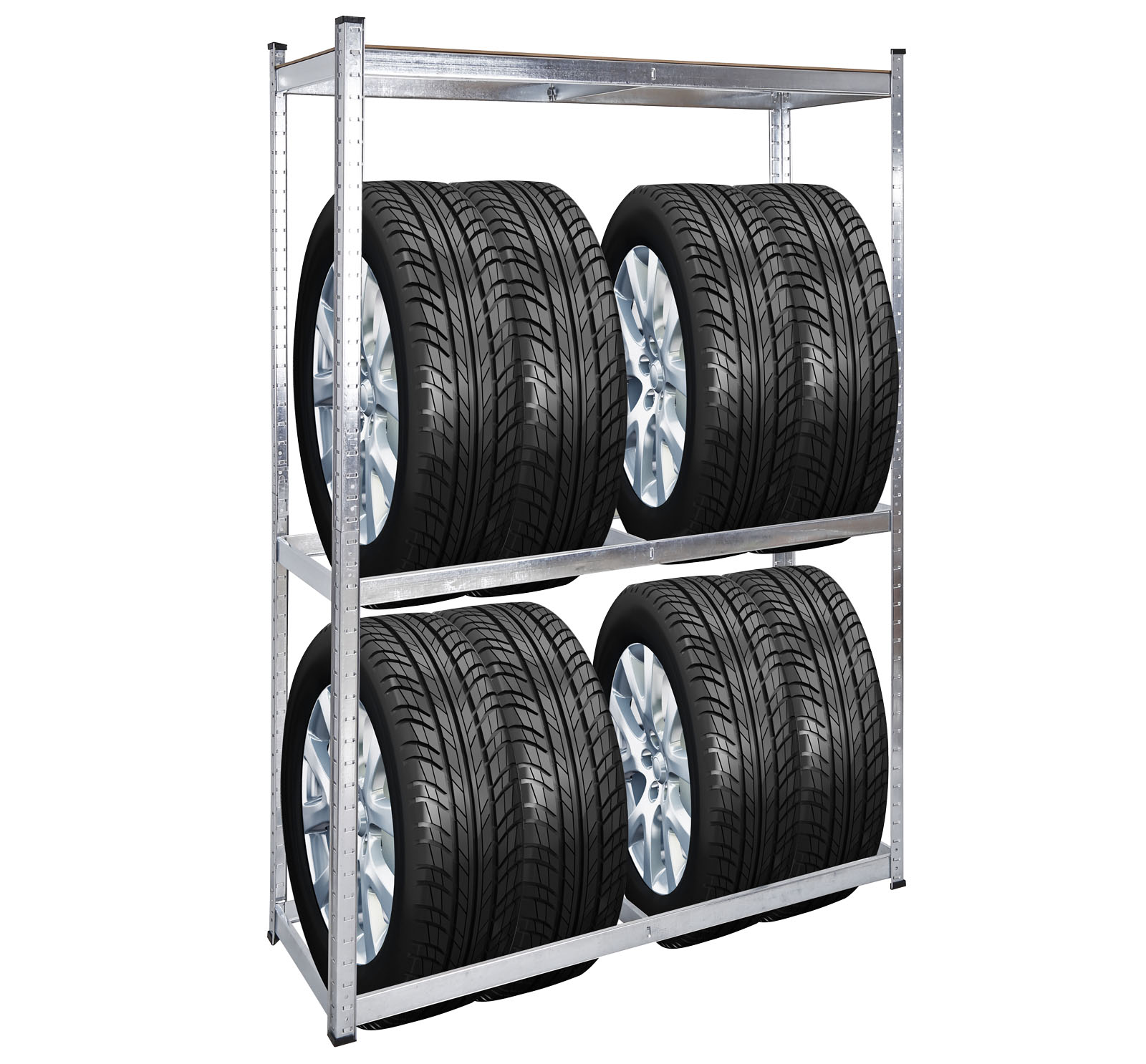
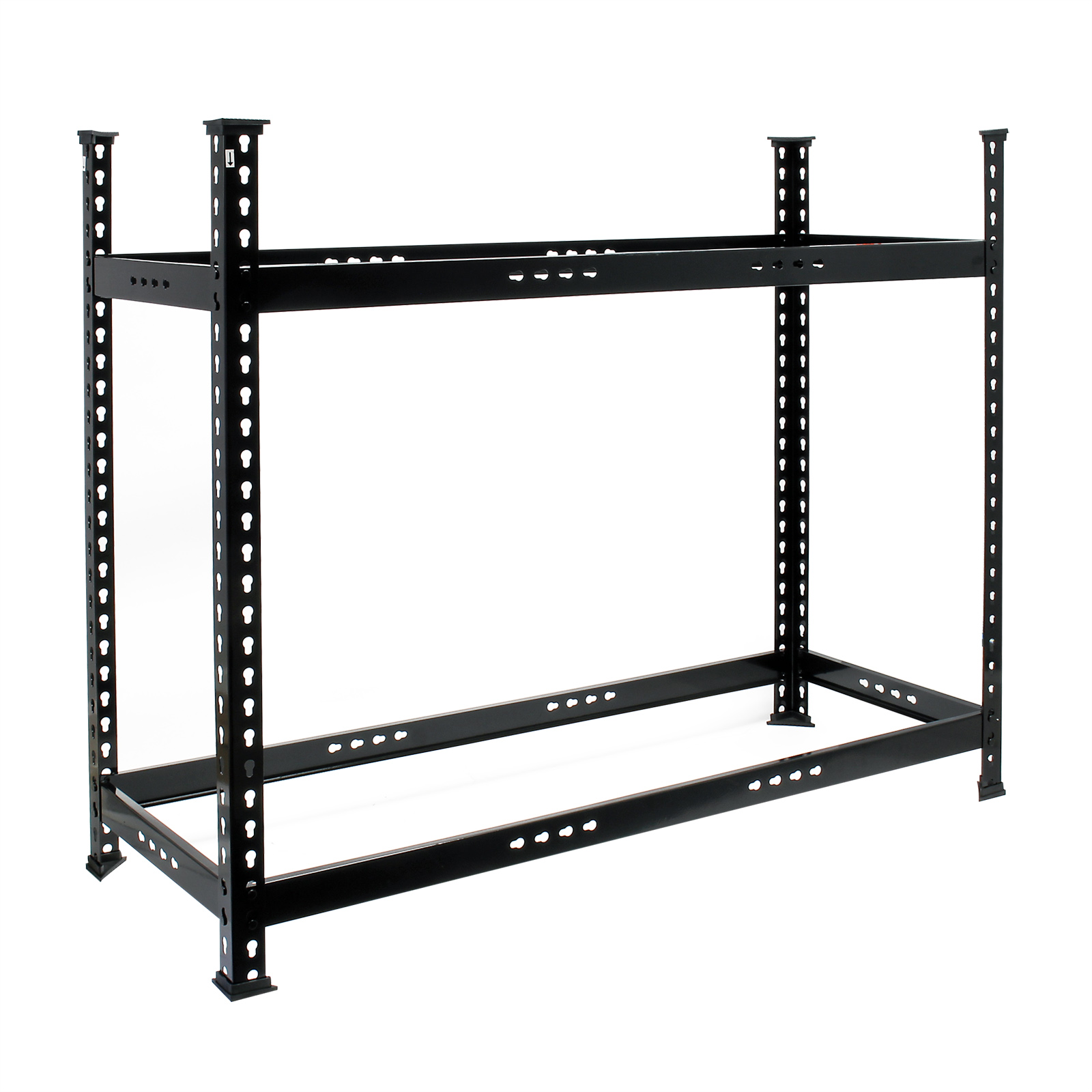
For users seeking a fixed, high-capacity solution, a large tyre storage rack is ideal. With its ability to hold up to 759 kg across a 180x120x40 cm frame, this stand can accommodate up to eight tyres. This design is particularly well-suited for professional workshops, garages, and basement storage areas where stability and accessibility are crucial.
The multiple levels allow for orderly organisation and quick identification of stored tyres. Heavy-duty steel construction ensures durability and resistance against everyday wear. Each level can usually be adjusted in height, offering flexibility depending on tyre dimensions. The open shelving provides ventilation, helping to prevent the formation of mildew or rust, especially important in areas prone to dampness.
Such racks are indispensable where multiple vehicle tyres must be kept in one location without clutter. Additionally, they can serve as semi-permanent fixtures, contributing to structured storage layouts in larger maintenance environments or shared garage spaces.
Tyre Longevity: How Long Can They Be Stored?
Tyres are durable, but their materials are subject to ageing. The length of time tyres can be stored depends significantly on how they are kept. Under ideal conditions, tyres can be stored for up to six years without significant degradation. However, it is essential to understand what constitutes “ideal.” This includes storing tyres in a cool, dry, and dark environment, away from direct sunlight, ozone sources like electric motors, and sharp temperature fluctuations.
Tyres mounted on rims should be stored using a wheel holder or tyre stand in an upright position to preserve their shape. Unmounted tyres, if stacked, should be rotated periodically to prevent compression damage. Even with optimal conditions, tyres should be inspected annually for signs of drying, cracking, or hardening of the rubber compound. These are indications of aging that can compromise safety and performance.
Many manufacturers suggest replacing tyres after ten years from the date of production, regardless of whether they have been used. During storage, avoiding exposure to oils, solvents, and corrosive chemicals is equally important. Tyre storage racks and rim trees offer controlled environments that reduce these risks by lifting tyres off the floor and allowing for better air circulation.
In summary, tyres can be stored safely for several years if correct practices are followed. Regular inspection and proper storage equipment are vital for ensuring that tyres remain roadworthy and retain their performance characteristics throughout their service life.

Ground Protection: What to Put Under Tyres When Storing a Car
When storing a car for an extended period, special attention should be paid to what is placed beneath the tyres. Direct contact with concrete or bare flooring can lead to several issues, including moisture wicking, temperature-induced deformation, and flat spots. To avoid these problems, it is recommended to place protective materials under each tyre. Options include rubber mats, wooden boards, or dense foam pads, which create a barrier between the tyre and the floor.
Using a wheel holder or tyre stand can further elevate tyres, ensuring they remain in their natural shape. In colder climates, insulating pads can be especially useful in maintaining rubber elasticity by minimising exposure to cold concrete surfaces. It is also important that the surface under the tyres is level and clean, free from oil stains or sharp debris that could compromise the tyre structure over time.
In garage environments, some users opt for interlocking tiles or heavy-duty plastic floor mats as an added layer of protection. These solutions are not only effective but also easy to clean and replace. Overall, the aim is to reduce pressure concentration and minimise contact with potentially harmful substances. Proper support during vehicle storage safeguards tyre integrity and helps ensure that the vehicle can be driven safely after prolonged inactivity.
Air Pressure Considerations: Is It Better to Store Tyres with Air or Without?
Understanding how to handle air pressure during tyre storage is critical to preserving tyre shape and internal structure. For tyres that are mounted on rims, maintaining air pressure during storage is generally advisable. It helps the tyres keep their form and reduces the risk of flat spots. However, it is not necessary to keep them at full driving pressure—slightly lower pressure is often recommended, with occasional checks to ensure levels do not drop too far.
For unmounted tyres, inflation is not applicable, but they must still be stored carefully to prevent sidewall collapse or tread flattening. Using a tyre storage rack or tyre stand prevents unnecessary weight distribution issues and helps the rubber remain flexible. In both cases, tyres should be kept away from sources of ozone and heat, as these can accelerate internal degradation regardless of pressure.
Some vehicle owners deflate tyres when storing vehicles long-term, especially when using jacks to lift the vehicle off the ground. In such cases, deflation can reduce stress on the suspension system. However, if tyres remain on the ground, they should not be completely deflated, as this could lead to warping or internal cracking. Rim trees and wheel holders provide reliable structural support that complements proper air pressure practices, contributing to long-term tyre preservation.
Tyre Flatness and Storage: Is It OK to Leave a Tyre Flat?
Leaving a tyre flat during storage is generally discouraged, whether the tyre is mounted or unmounted. A flat tyre lacks the structural support necessary to hold its shape, which can lead to permanent deformation of the sidewall or bead area. This is particularly critical for tyres mounted on rims, as the additional weight can increase stress on specific contact points and result in irreparable damage over time.
Tyres left flat may also develop flat spots, especially in colder environments or when stored on hard surfaces like concrete. Over time, these flat areas can compromise the balance and handling of the tyre, making it unsafe for future use. Tyre holders or storage racks help prevent such issues by keeping tyres elevated and evenly supported.
If a tyre must be stored and cannot be inflated, it should be placed in a position that reduces structural strain, such as upright with protective side supports or nested horizontally with rotation intervals. However, these are suboptimal conditions and should only be used when no other solution is available. Ideally, tyres should retain some level of pressure and be checked periodically throughout the storage period. The best practices always involve proper inflation, protective flooring, and the use of appropriate storage systems like tyre stands or rim trees.

The most critical aspect of tyre storage is selecting an appropriate environment. Tyres should be stored in a cool, dry, and well-ventilated space, away from direct sunlight and sources of ozone such as electric motors. These conditions help prevent rubber hardening, cracking, and other forms of premature ageing. Basements and interior garages are ideal, while outdoor sheds without climate control are generally not recommended. A tyre storage rack can further aid air circulation and organisation.

Handling and positioning tyres correctly is another cornerstone of safe storage. Tyres mounted on rims should be stored upright using a tyre stand or rim tree, which helps maintain their circular shape and sidewall strength. For unmounted tyres, flat stacking may be allowed, but only in short stacks with occasional repositioning. Tyres should never be hung from hooks or exposed to heavy pressure loads. Regular rotation prevents pressure marks and preserves tread integrity.

Cleanliness before storage contributes to tyre longevity. Tyres should be washed to remove dirt, road salt, and chemical residues, then dried thoroughly before being placed in storage. Storing dirty or wet tyres can lead to mould growth or rubber degradation. Using tyre holders also keeps them off dusty or dirty floors. Covering tyres with breathable fabric can protect them from dust while avoiding moisture entrapment. These steps ensure tyres stay in optimal condition during their time off the road.
Summary: Key Points on Wheel Storage Systems and Tyre Care
Wheel storage systems are indispensable for maintaining the integrity, appearance, and performance of tyres during periods of non-use. Whether used in residential garages or professional workshops, these systems—including tyre stands, rim trees, and tyre storage racks—support upright or horizontal storage depending on tyre type and mounting. They prevent deformation, promote air circulation, and protect against environmental hazards such as moisture and UV exposure.
Best practices include maintaining moderate air pressure in mounted tyres, avoiding complete deflation, and using insulating materials or elevation to protect from ground contact. Proper storage environments—cool, dry, and clean—are essential for minimising rubber degradation. Regular inspection, rotation, and cleaning further enhance tyre longevity.
In summary, well-designed tyre storage systems are key components in responsible vehicle maintenance. They provide structure, order, and protection, ensuring that tyres remain safe and serviceable until they are ready to be used again. The investment in a proper wheel holder or storage rack ultimately extends tyre life and contributes to safer, more efficient driving.