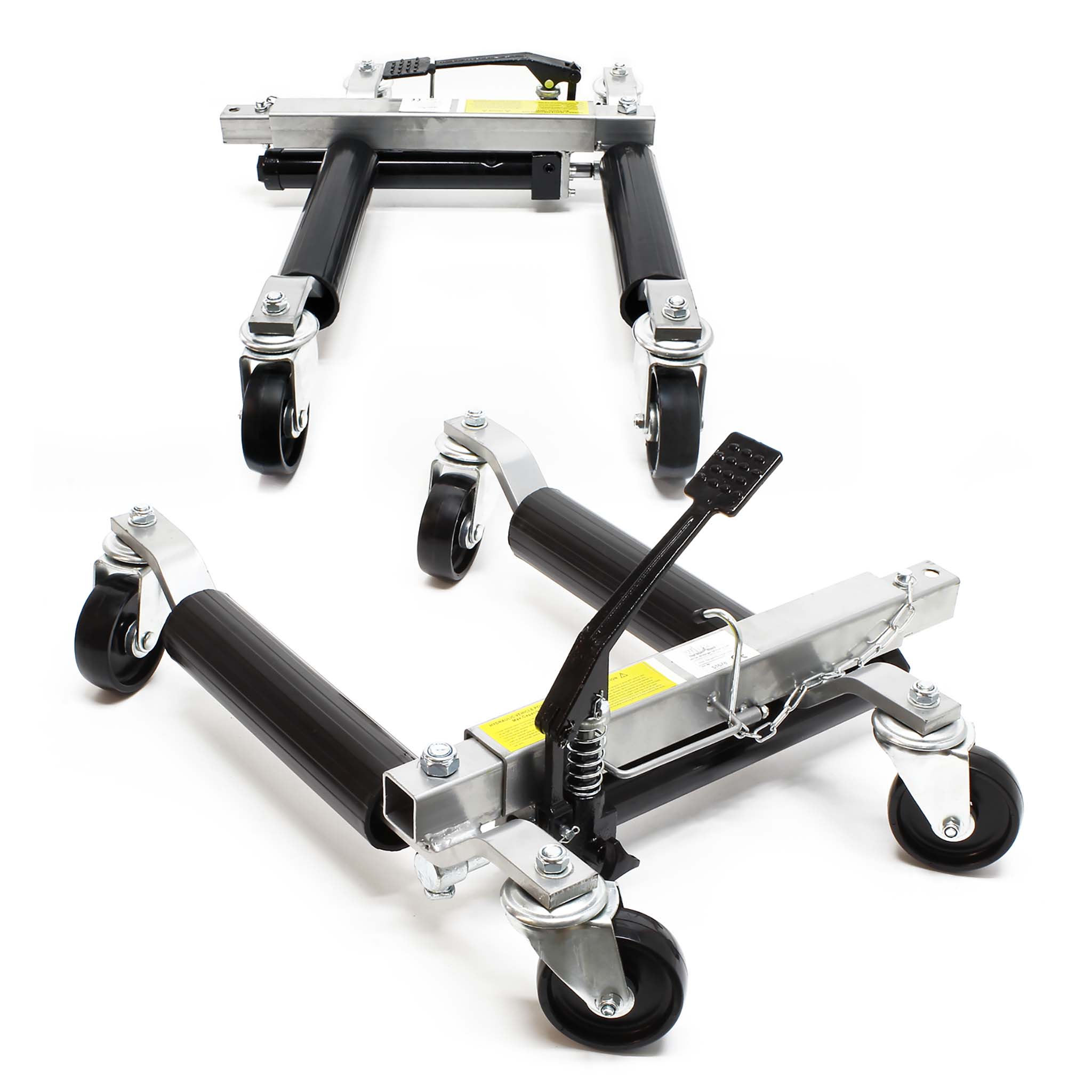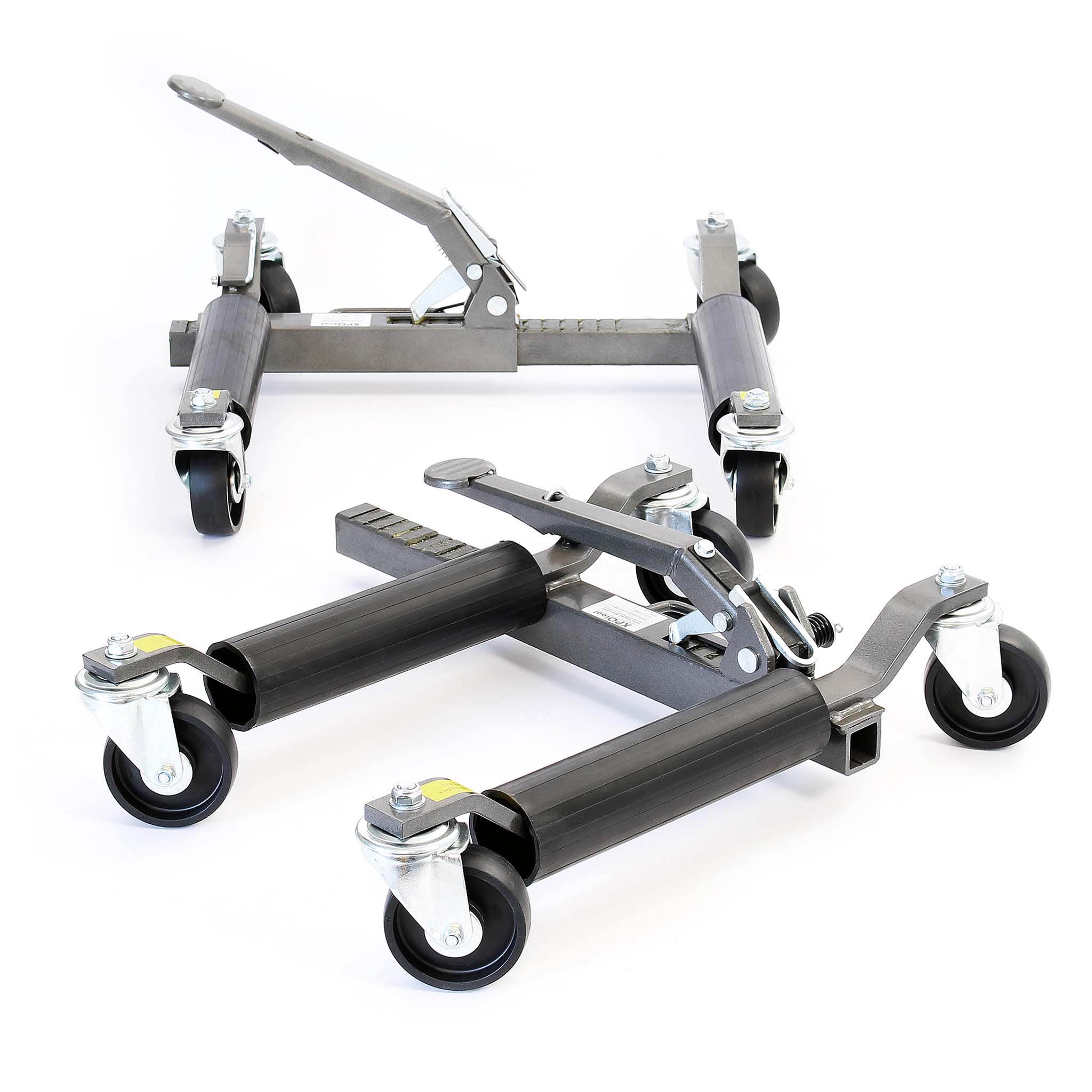

































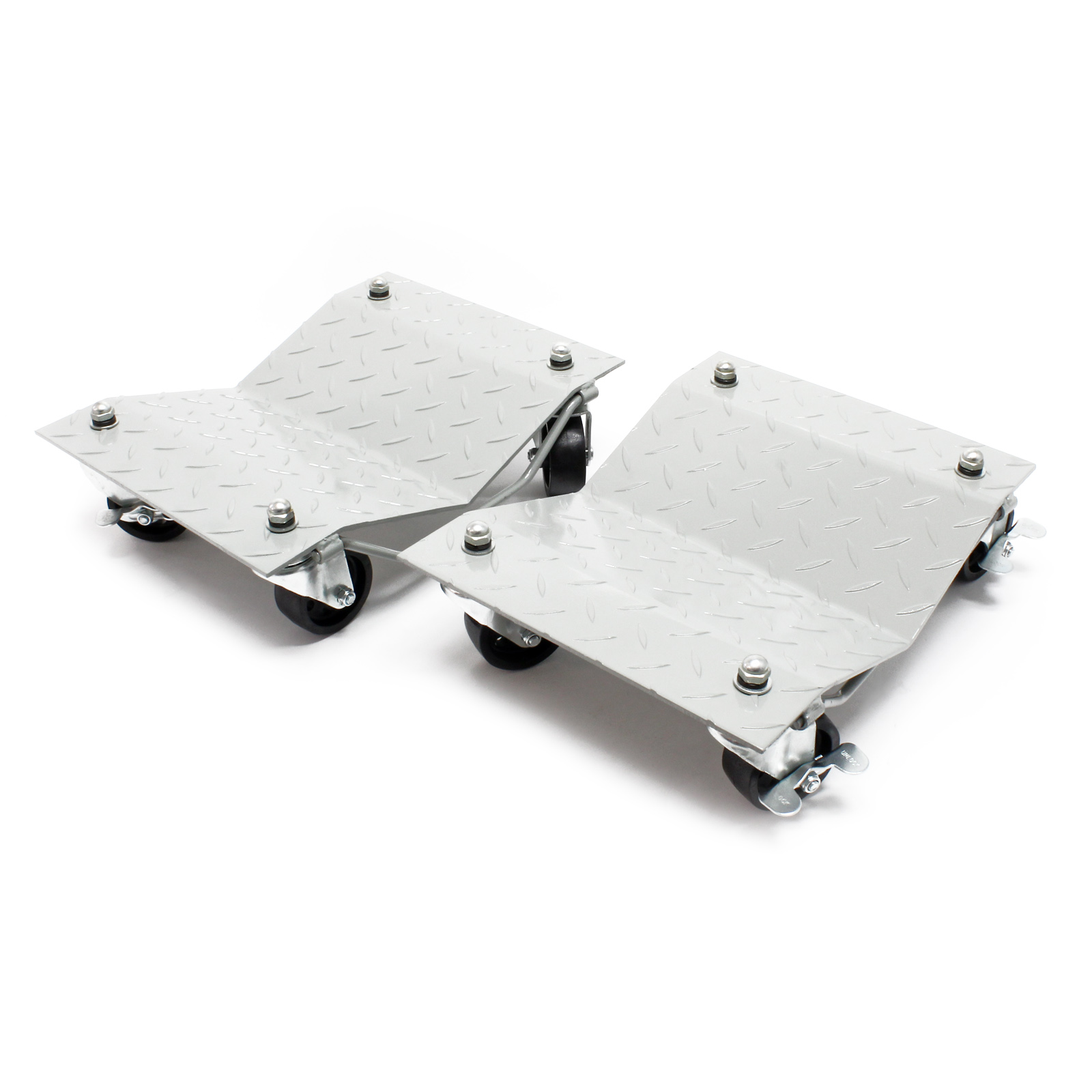
Versatile Solutions for Vehicle Manoeuvring
Wheel dollies are specialised tools that provide an efficient way to reposition and handle vehicles in tight or crowded spaces. They are commonly used in professional workshops, garages, and private settings where space optimisation is crucial. By placing a car wheel dolly under each tyre, a vehicle can be moved sideways, forwards, or backwards without starting the engine. This makes wheel dollies for cars highly practical when vehicles need to be stored compactly or relocated for maintenance. Hydraulic wheel skates take this concept further by combining lifting and manoeuvring, reducing strain on the tyres and suspension. Hydraulic car dollies allow users to raise each wheel slightly off the ground, distributing the load evenly across the device. Vehicle positioning trolleys equipped with ball-bearing castors ensure smooth and effortless motion, even when moving heavier vehicles. These solutions are complemented by pneumatic service jacks and manoeuvring car jacks, which provide vertical lifting for maintenance. Together, they form an essential category of tools designed to improve workflow, enhance safety, and maximise available floor space in both professional and domestic environments. The versatility of wheel dollies demonstrates their importance across a wide range of applications, from hobby garages to industrial vehicle maintenance.

Integrated Storage and Manoeuvring System
A practical example within this category is a complete set designed to combine storage organisation with manoeuvrability. The system includes four hydraulic car dollies and a storage rack capable of holding them neatly when not in use. Each dolly has a load capacity of around 680 kg and can handle tyres up to 30 cm in width, making it suitable for standard passenger cars as well as heavier vehicles. The hydraulic mechanism enables each wheel to be lifted slightly, reducing pressure on the tyres while allowing the vehicle to be moved with minimal effort. Smooth ball-bearing castors enhance mobility, allowing the car to glide effortlessly in any direction. Such a set transforms workshops and garages by enabling multiple vehicles to be positioned precisely, even in tight corners.
Unlike simple rollers, hydraulic wheel skates provide the dual advantage of lifting and repositioning, which ensures added safety and convenience. Vehicle positioning trolleys included in the set are ideal for mechanics who need to shift cars frequently for inspection or repair. In private use, this system is equally beneficial, as it allows users to store vehicles compactly without risking collisions or wasted space. By combining hydraulic wheel skates with dedicated storage racks, the set offers both organisation and manoeuvrability, demonstrating how advanced designs optimise functionality.
Wheel dollies and related tools are applied in a wide variety of contexts. In car repair shops, they are used to move vehicles into service bays or onto lifts when engines are inoperable. Hydraulic car dollies allow technicians to relocate damaged vehicles without running the risk of additional wear or strain. Collectors often use car wheel dolly systems in private garages to position classic cars closely together, maximising floor space. Vehicle positioning trolleys are also helpful in showrooms, where cars must be manoeuvred frequently to accommodate customer presentations.
Heavy-duty hydraulic wheel skates extend these benefits to vans and SUVs, allowing mechanics to handle larger vehicles safely. Pneumatic service jacks are frequently paired with wheel dollies to provide vertical lifting when mechanical work under the chassis is required. In addition, manoeuvring car jack systems are valued for their ability to reduce manual effort, particularly when vehicles need to be moved multiple times a day. Outside professional environments, private users benefit from these tools when space is limited, such as in residential garages or storage units. By combining hydraulic lifting with multidirectional mobility, wheel dollies for cars create a flexible solution that simplifies otherwise challenging manoeuvring tasks. Their widespread use across industries illustrates their importance as both time-saving and safety-enhancing equipment.
The Risks of Leaving a Car on a Hydraulic Jack Overnight
A frequent question is whether a vehicle can remain supported on a hydraulic jack for an extended period, such as overnight. Although hydraulic car jacks are built to lift heavy loads safely, they are not intended as long-term supports. Over time, hydraulic systems may lose pressure due to internal seal wear or fluid leakage, causing the jack to gradually lower. This can create serious safety hazards, especially if the vehicle is left unattended. While hydraulic wheel skates and car wheel dollies are designed to hold vehicles temporarily during manoeuvring, they should not replace stable supports such as axle stands. For maintenance or storage, axle stands distribute the weight more securely, preventing accidental lowering. Vehicle positioning trolleys and manoeuvring car jack systems are therefore best used for repositioning and short-term lifting only. Leaving a car on a hydraulic jack overnight risks damage to the jack, potential harm to the vehicle’s underbody, and most importantly, personal injury if someone interacts with the car unexpectedly. Understanding the limitations of hydraulic equipment ensures safer working practices in both professional and private garages. The correct combination of jacks, dollies, and stands provides an effective balance between mobility and security, ensuring long-term reliability and protection.
Heavy-Duty Pneumatic Jack for Large Vehicles
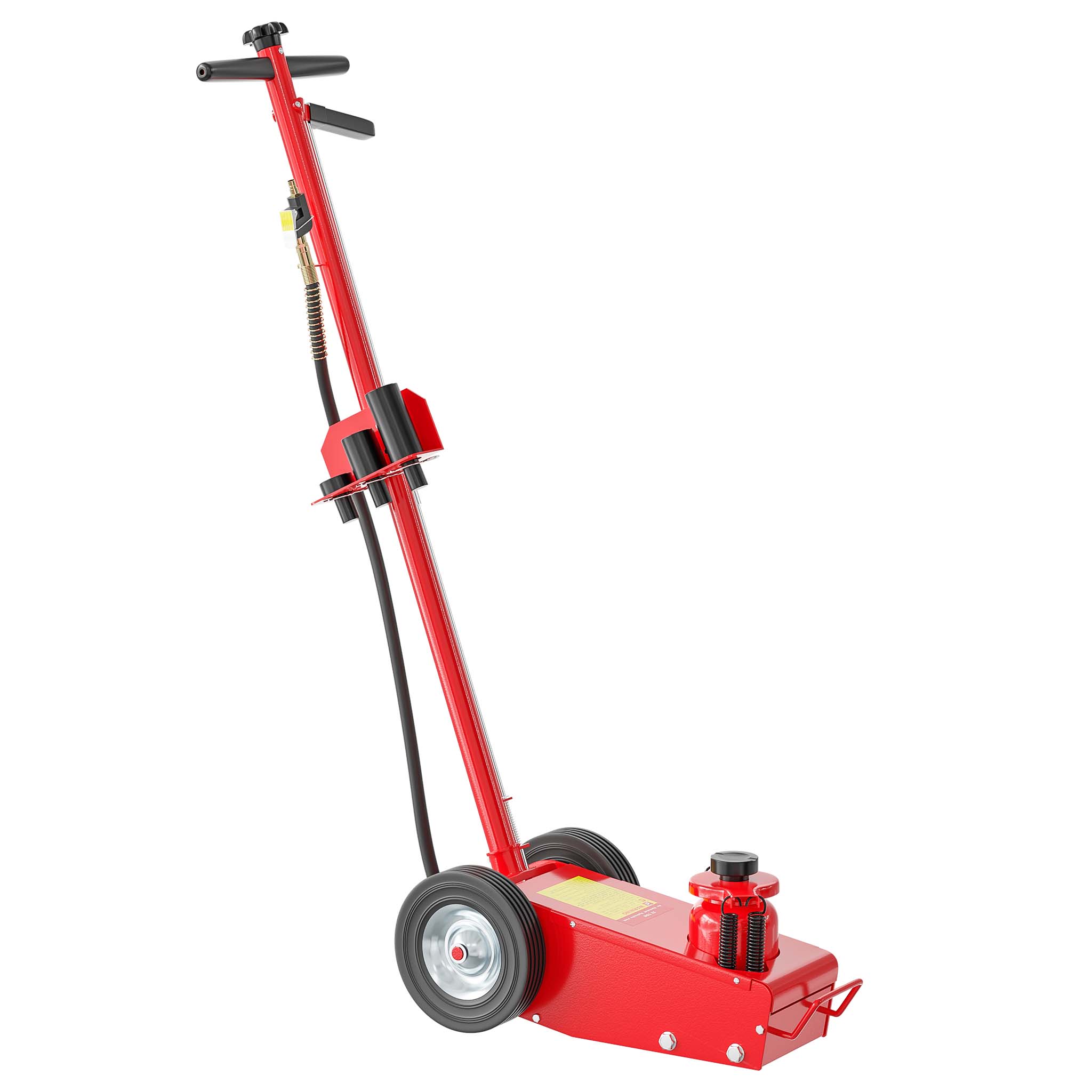
In addition to hydraulic car dollies and wheel skates, the category also includes pneumatic service jacks designed for heavy-duty lifting. One notable example is a model capable of handling up to 22 tonnes, making it ideal for trucks, buses, and industrial vehicles. Pneumatic service jacks use compressed air to generate lifting power, reducing manual effort and allowing faster operation compared to manual hydraulic jacks. Their robust design enables them to withstand repeated heavy use in professional environments such as fleet maintenance centres and truck service stations. Unlike standard manoeuvring car jacks or vehicle positioning trolleys, pneumatic jacks are specifically built for vertical lifting rather than repositioning.
However, they complement hydraulic wheel skates by enabling access to the underside of vehicles once they have been securely lifted. This makes them indispensable in heavy-duty contexts where traditional hydraulic tools would not suffice. Car wheel dollies may handle passenger vehicles effectively, but trucks and buses require the strength of a pneumatic jack. By incorporating both pneumatic and hydraulic systems, workshops can cover the full spectrum of vehicle sizes and requirements, ensuring that both mobility and lifting capacity are adequately addressed. This versatility highlights the essential role of pneumatic service jacks within the broader category of manoeuvring equipment.
Uses of Pneumatic Jacks Explained
Pneumatic jacks are primarily used to lift vehicles and machinery that exceed the practical limits of manual hydraulic tools. They operate by channeling compressed air into reinforced cylinders, which expands and raises the load efficiently. This system allows mechanics to elevate heavy trucks, vans, or buses with minimal physical strain. Unlike car wheel dollies, which focus on moving vehicles horizontally, pneumatic service jacks provide the vertical lift required for underbody maintenance or wheel replacement. Their speed and ease of use make them valuable in busy service stations, where time efficiency is crucial. Pneumatic jacks also offer smoother lifting compared to manual alternatives, reducing sudden jerks or shifts that could compromise stability. In combination with hydraulic wheel skates, they form a complete solution, as the dolly handles positioning while the pneumatic jack addresses elevation. Understanding the purpose of pneumatic equipment ensures users select the right tool for each application.

Comparing Bottle Jacks and Service Jacks
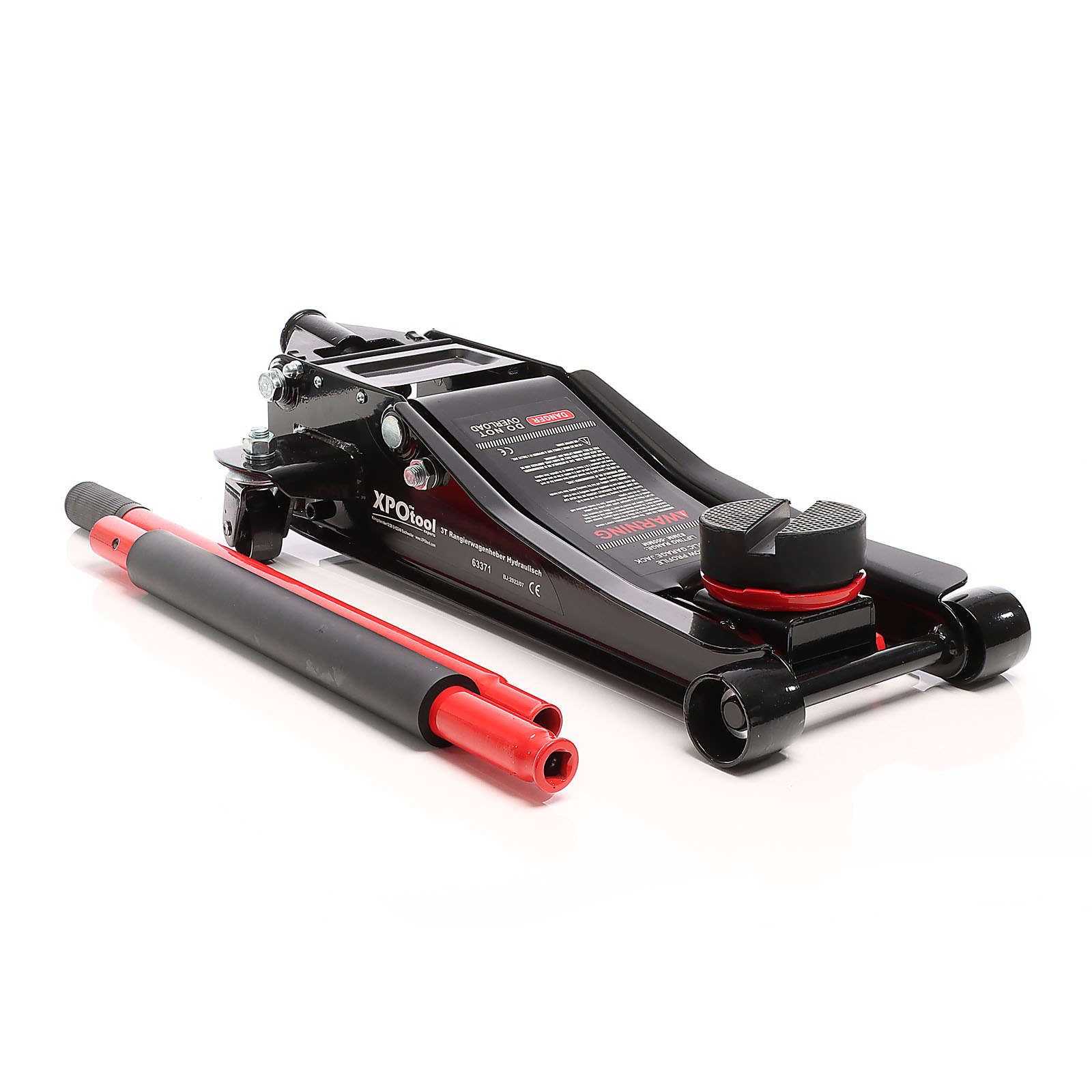
When examining the differences between bottle jacks and service jacks, both serve the same fundamental purpose but in different ways. Bottle jacks are compact, upright tools resembling a small cylinder. They provide excellent lifting power relative to their size, making them ideal for vehicles with higher ground clearance such as off-road cars, vans, or light trucks. However, their vertical design means they require precise positioning and are less stable on uneven surfaces. Service jacks, often called trolley jacks, are mounted on wheels and use a long handle to activate the hydraulic system. This makes them easier to position under low-clearance cars, as the jack can be rolled into place. Service jacks provide greater manoeuvrability and stability, which explains their popularity in workshops and garages. While a bottle jack may be sufficient for roadside use, service jacks are better suited for repeated workshop applications. Both types remain essential, and their choice depends on the vehicle type and working conditions.
Hydraulic Jack versus Pneumatic Jack in Practice
Hydraulic jacks and pneumatic jacks differ significantly in both function and application. Hydraulic jacks rely on the principle of fluid pressure, making them precise, reliable, and ideal for smaller-scale lifting tasks. They are widely used in workshops with car wheel dolly systems and hydraulic wheel skates, ensuring controlled lifting for vehicles up to a certain weight. Pneumatic jacks, however, use compressed air, which allows them to raise vehicles quickly and with less manual input. This efficiency makes them the preferred choice for industrial contexts such as bus depots, truck garages, and heavy-duty repair stations. While hydraulic car dollies and manoeuvring car jacks ensure mobility and positioning, pneumatic jacks provide the lifting capacity required for oversized vehicles. The key difference lies in scope: hydraulic tools offer versatility and accuracy, whereas pneumatic service jacks deliver speed and strength. Choosing between them depends largely on vehicle size, working environment, and frequency of use.

The hydraulic cylinder is the core of any hydraulic wheel skate or dolly, and recognising signs of failure is essential for safe operation. A defective cylinder may reveal itself through several indicators. One common symptom is when the dolly no longer holds pressure, causing the lifted wheel to lower gradually.

This points to worn internal seals or fluid leakage. Another sign is the visible presence of hydraulic oil around the pump or piston, which confirms damage. Users may also notice unusual resistance when pumping the hydraulic mechanism, or hear irregular noises during operation. If a car wheel dolly fails to lift a vehicle despite repeated pumping, this strongly suggests a defective cylinder.

Ignoring such signs can lead to accidents, as the dolly may fail under load. Regular inspection and maintenance are therefore essential, ensuring the long-term performance of hydraulic car dollies. By recognising these defects early, users can maintain both safety and equipment reliability.
Summary of the Wheel Dollies Category
Wheel dollies and related manoeuvring tools represent a broad category of equipment designed to simplify vehicle handling, storage, and servicing. From hydraulic car dollies and wheel skates capable of moving cars in tight garages, to pneumatic service jacks built for lifting trucks, these tools cover a wide range of applications. Vehicle positioning trolleys and manoeuvring car jacks provide horizontal mobility, while pneumatic systems focus on vertical lifting. Together, they create a complete solution for workshops, private garages, and fleet management. Answering key safety concerns, such as avoiding overnight storage on hydraulic jacks, ensures correct and secure use. Understanding differences between bottle jacks and service jacks, or between hydraulic and pneumatic systems, allows users to select the right tool for each situation. Castors, guide rollers, and reliable hydraulic cylinders enhance functionality, making wheel dollies for cars indispensable in many environments. The category demonstrates how practical engineering ensures safe, efficient, and flexible vehicle management.