


























































Rope & Cable Winches: Essential Tools for Lifting and Pulling
Rope and cable winches represent one of the most reliable and versatile solutions in mechanical and industrial applications. Their main function lies in enabling controlled pulling and lifting of heavy loads, whether for construction, transportation, rescue, or workshop operations. By using a winding drum and a strong rope or cable, the winch transforms rotational movement into linear force, making it possible to shift weights that would otherwise be unmanageable.
Cable winches are commonly distinguished by their power source and design. Traditional manual variants rely on human force, while electric cable winches and hydraulic cable pulling winches are powered by electric motors or hydraulic systems, providing significantly more power and efficiency. The use of pulleys in combination with a cable winch can reduce the required force while increasing control, making the system adaptable to different working conditions.
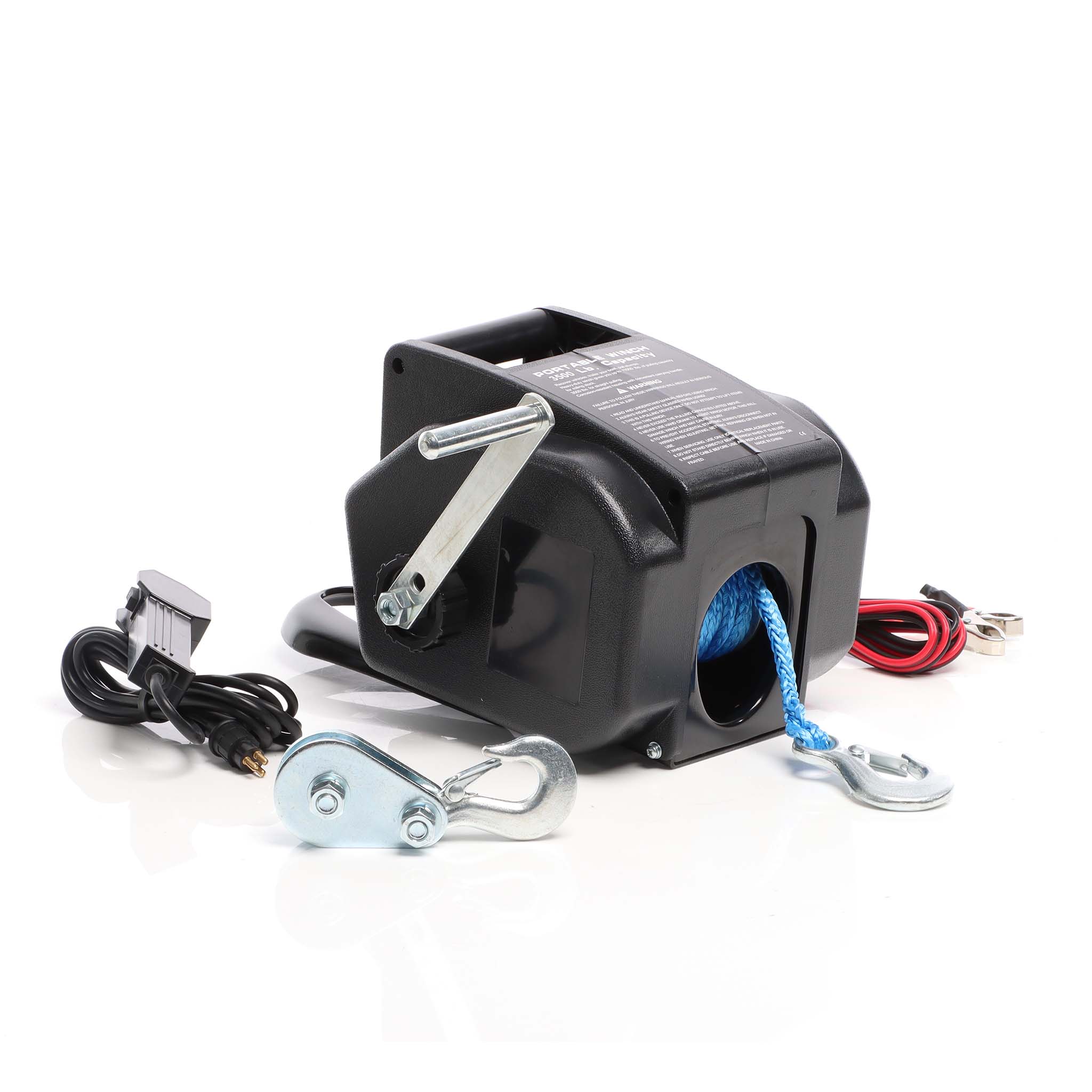
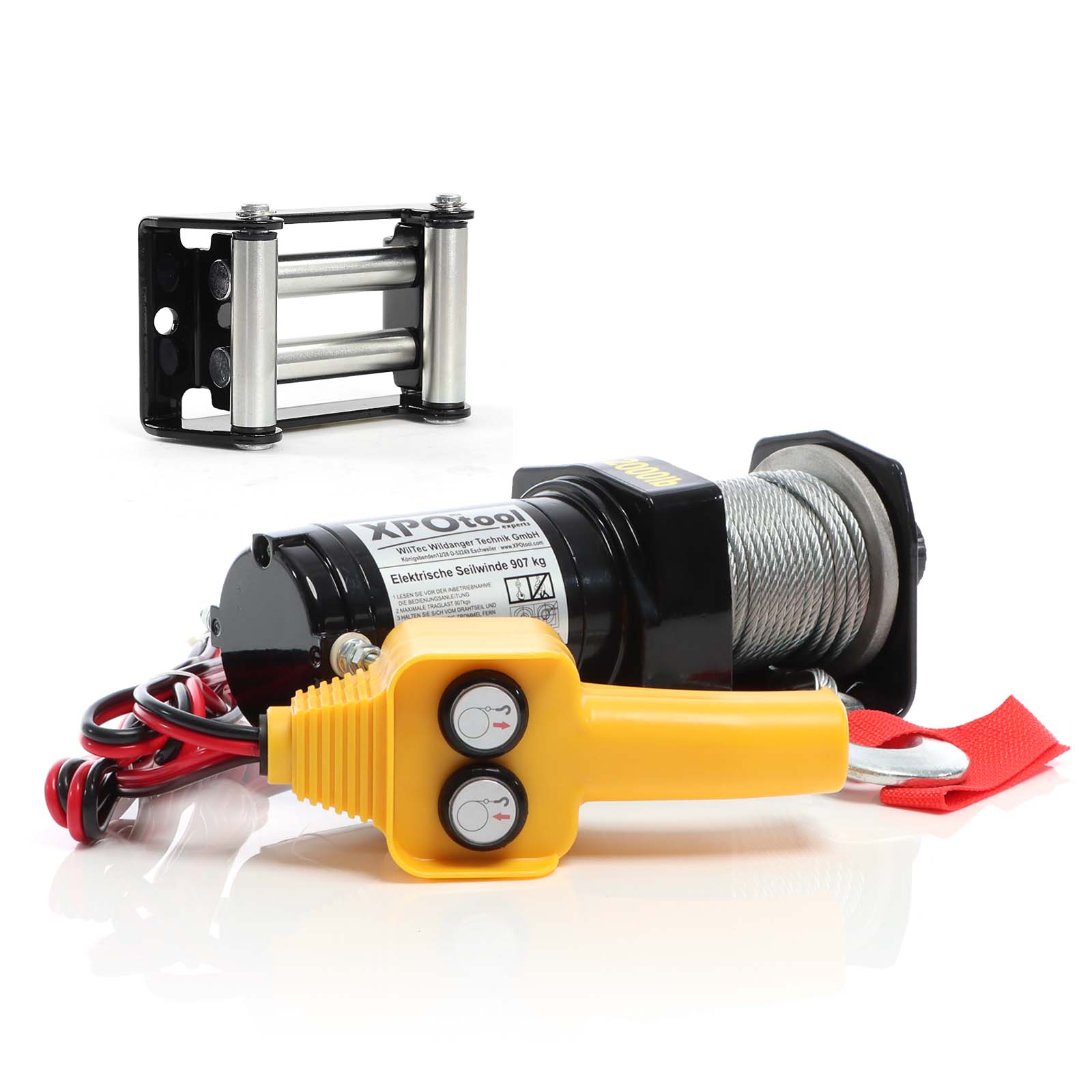
Modern developments in technology have introduced advanced electric winch motors, electric motor winches, and even specialized versions like the electric cable winch 12v, which is commonly used in off-road vehicles and portable applications. Regardless of whether one works with a 12v electric winch or with larger industrial hydraulic cable pulling winches, these devices guarantee controlled handling of heavy loads. Their applications stretch across various industries, from lifting machinery to rescuing vehicles stuck in difficult terrains.

Pulley System with High Load Capacity
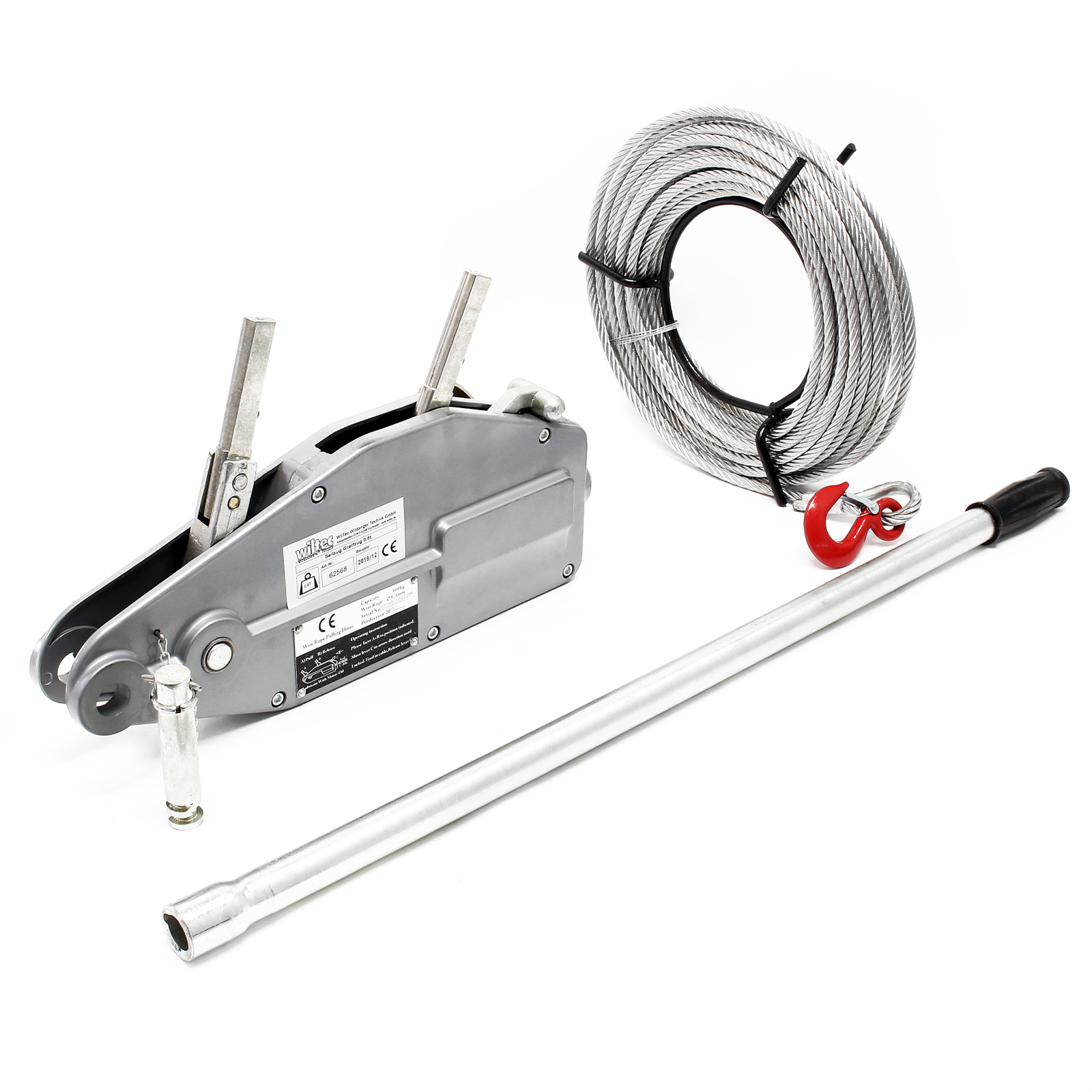
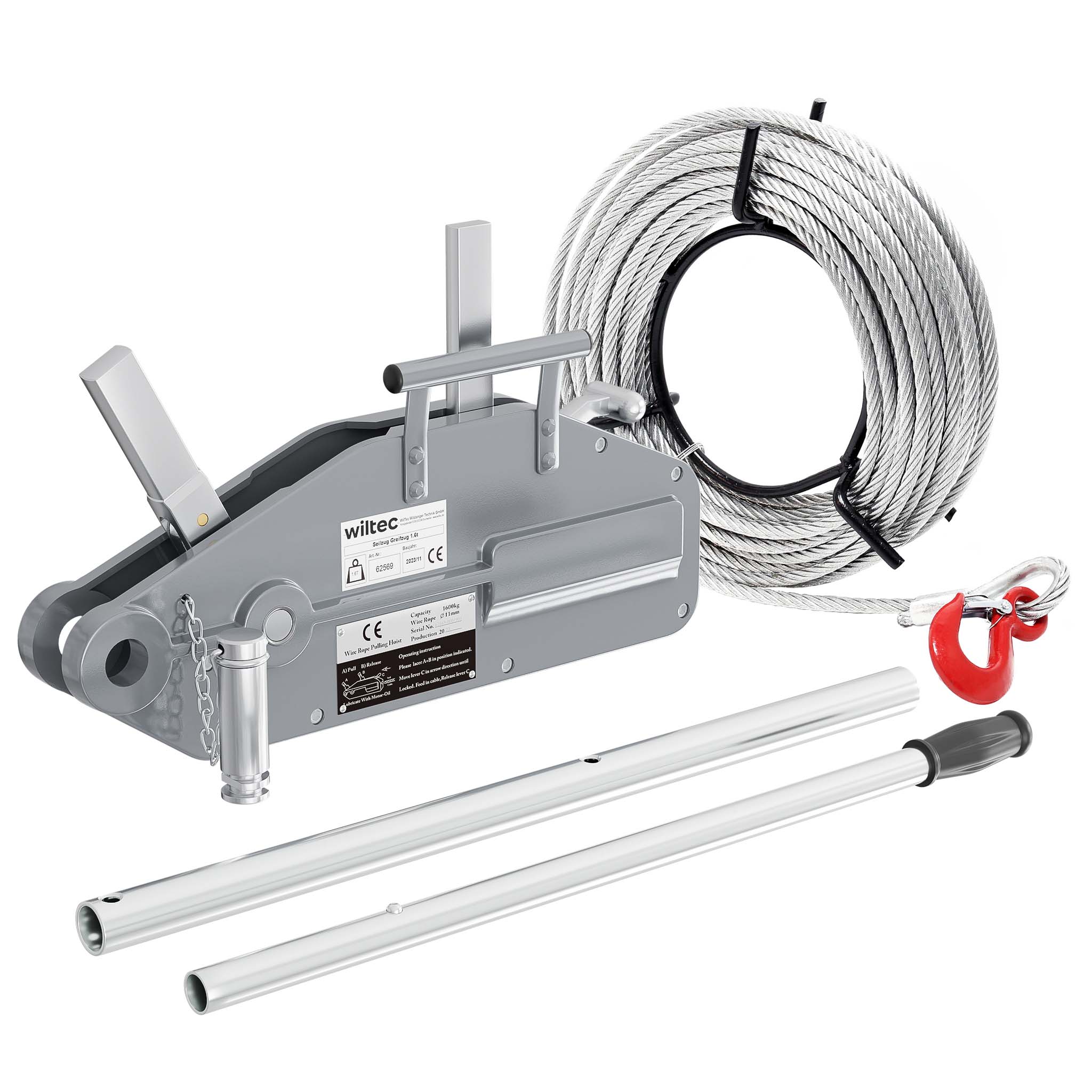
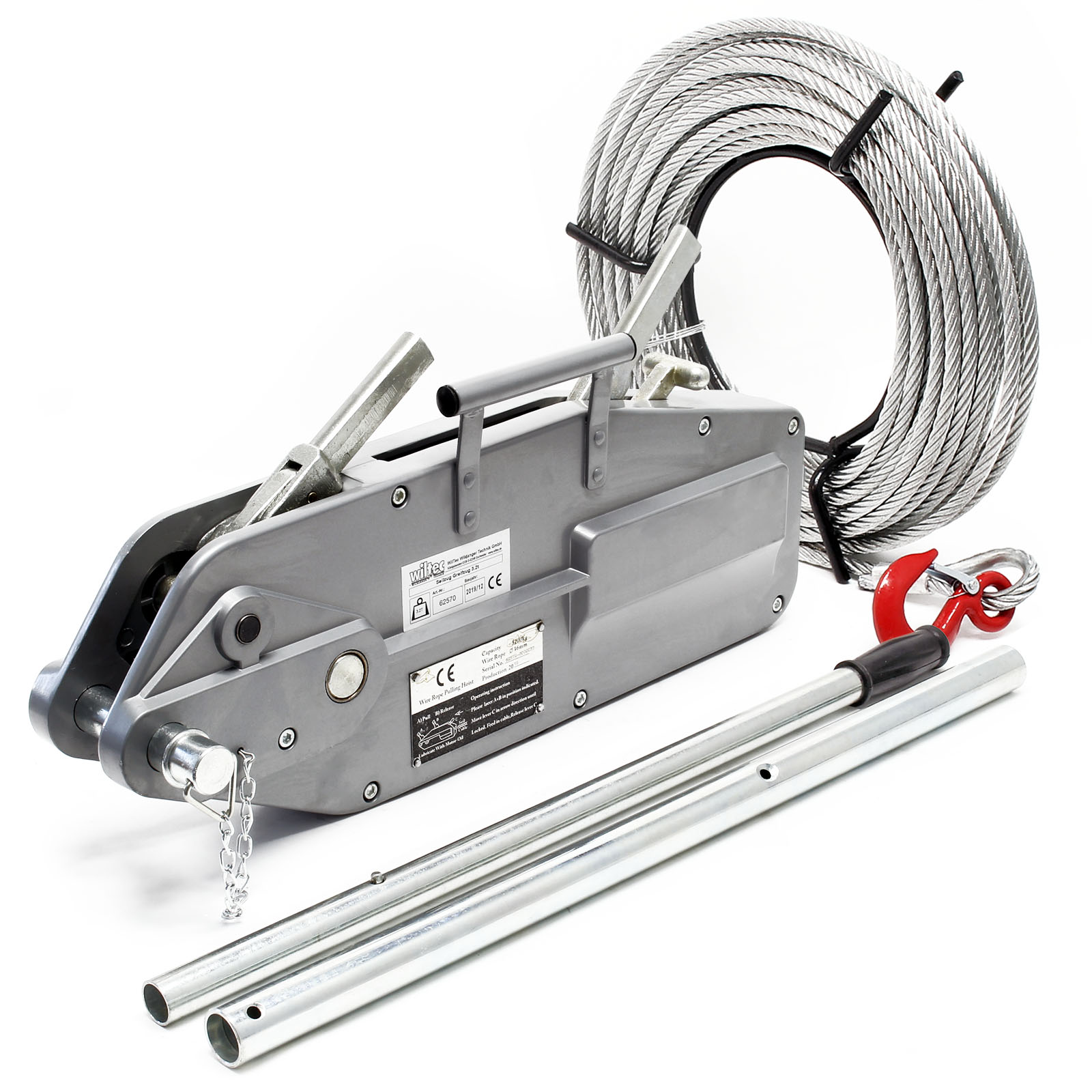
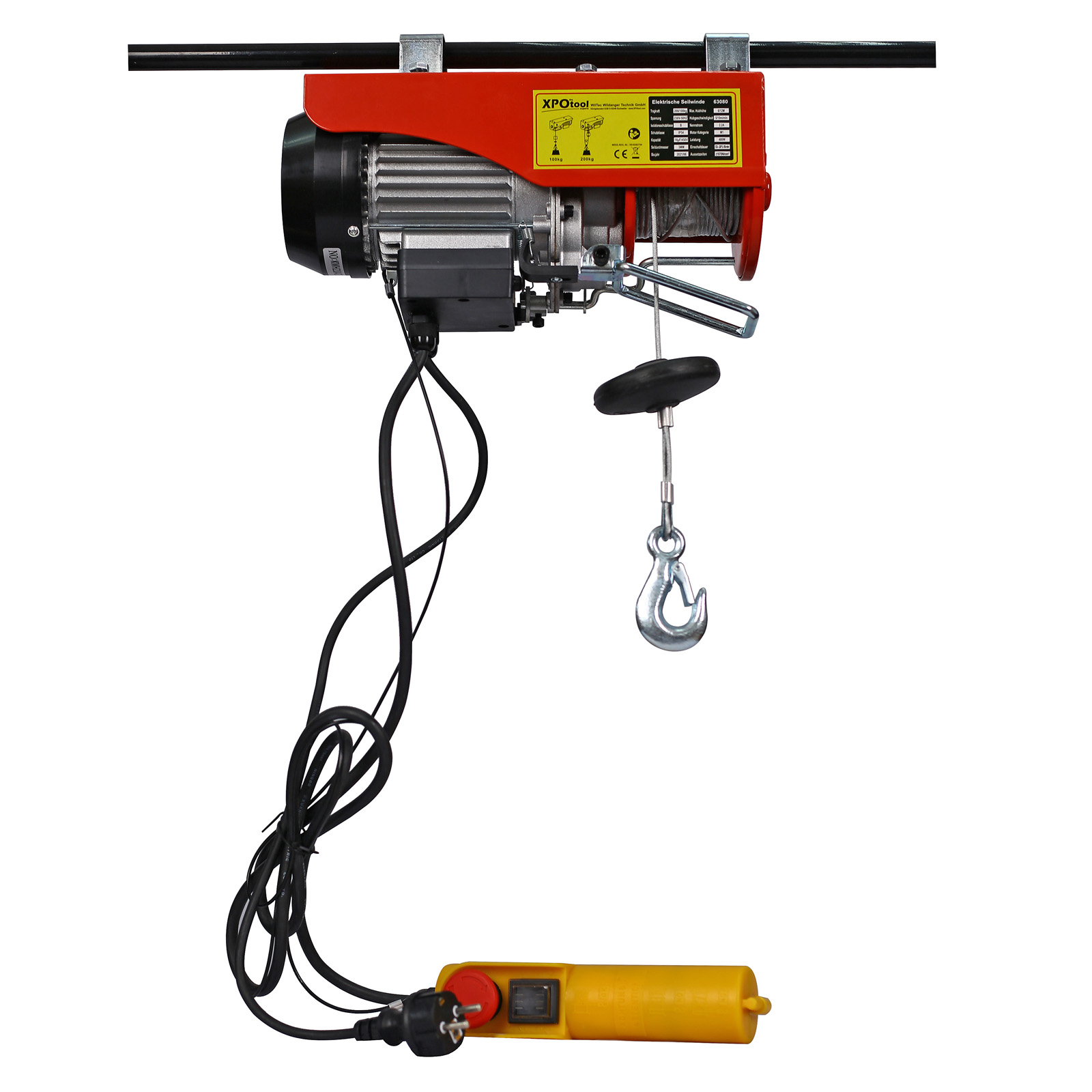
Among the products in this category, particular attention is given to cable winches with integrated pulley systems. A pulley with a maximum capacity of 3200 kg and a 20-meter cable with a diameter of 16 mm is a representative example. It is designed for pulling, lifting, and securing loads under demanding conditions. Its construction includes a shear pin mechanism for overload protection and a safety load hook to guarantee secure fastening.
This type of pulley winch offers high reliability for professional applications, especially in construction, forestry, and industrial settings. The extended cable length allows flexibility in positioning, while the 16 mm thickness ensures durability and resistance against wear. Such a winch demonstrates the importance of combining strong materials with safety mechanisms, as they ensure both longevity of the product and the safety of its operator.
The concept of cable pulling is reinforced by the role of pulleys, which distribute force and minimize strain. When applied correctly, this pulley system highlights the synergy between engineering precision and practical usability, becoming an essential component in professional operations that demand both strength and safety.
Rope and cable winches are indispensable in a wide range of industries and activities. They are often found in construction sites, where lifting and pulling heavy building materials is essential. Electric cable winches are particularly effective here, as their powerful electric winch motors ensure reliable performance with minimal physical effort.
Another crucial field of application is the automotive sector. Off-road enthusiasts and recovery services often rely on a 12v electric winch, as it allows vehicles to be recovered from mud, sand, or snow. In this context, the portability and compatibility of an electric cable winch 12v with a vehicle’s battery system make it highly practical.
In industrial environments, hydraulic cable pulling winches play a significant role. Their hydraulic systems provide constant pulling power, especially in scenarios requiring prolonged operation. Workshops, shipyards, and forestry operations also make extensive use of cable pulling winches, as they provide both versatility and safety in daily use.
From small-scale domestic uses such as lifting equipment in garages, to large-scale industrial projects, cable winches are tools that stand out for their adaptability and efficiency. The presence of different models, from manual to electric motor winches, guarantees that there is a suitable solution for nearly every pulling or lifting requirement.
Rope or Cable: Which Works Better for a Winch?
One of the most frequently asked questions is whether rope or cable is better for a winch. The answer depends largely on the intended use. Steel cable has long been the standard because of its durability and resistance to abrasion. It is particularly suitable for rugged environments where sharp edges or heavy loads could damage synthetic materials.
Synthetic rope, on the other hand, has gained popularity due to its lighter weight and ease of handling. It reduces the risk of injury in case of breakage, as it does not store as much kinetic energy as steel cable. However, it requires more maintenance and protection from UV radiation and chemicals.
Ultimately, the decision between rope and cable comes down to safety considerations, maintenance requirements, and the type of environment in which the winch will be used. For industrial purposes, cable winches with steel cables remain the preferred option, while off-road and recreational users often choose synthetic ropes.
Electric Cable Winch for Vehicle Recovery
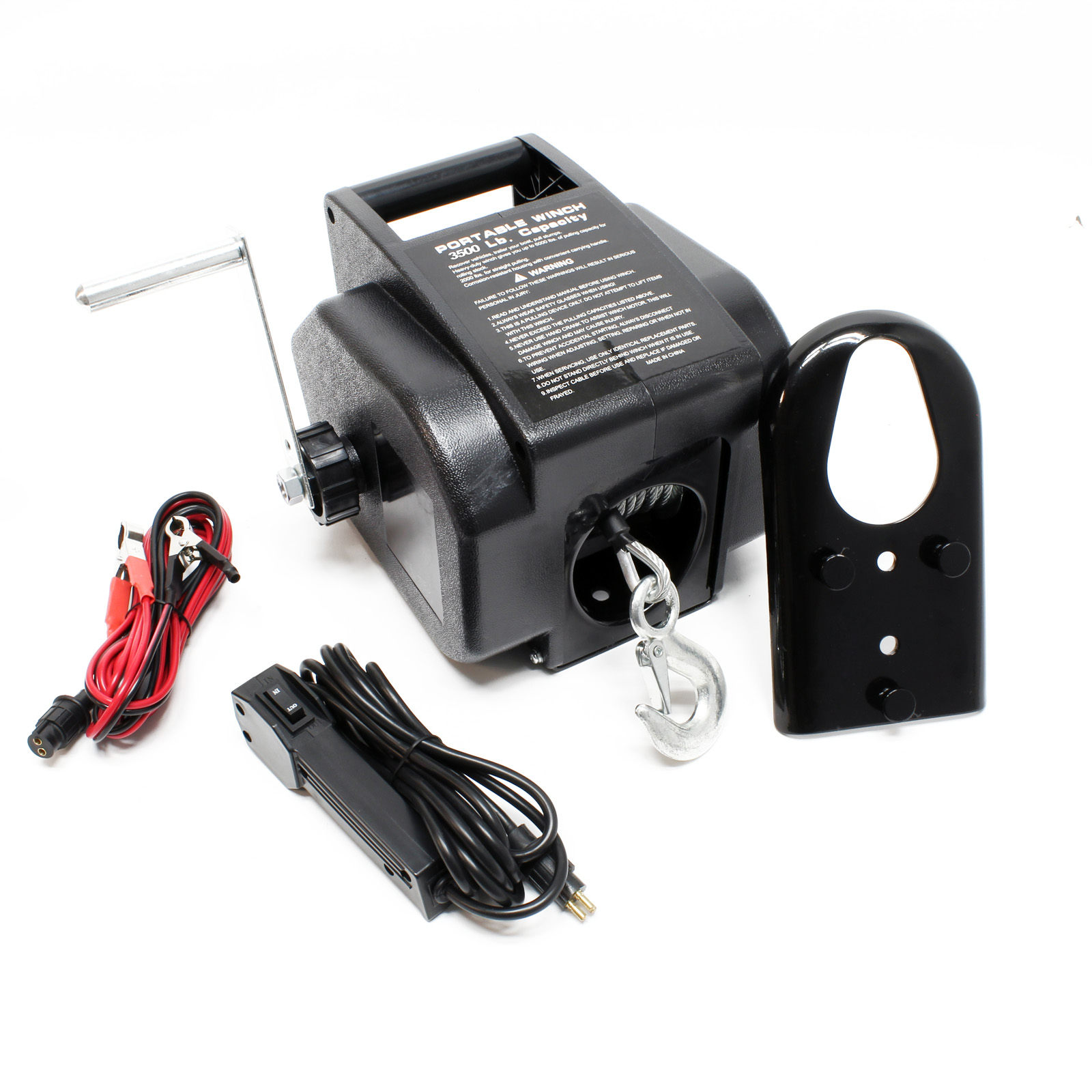
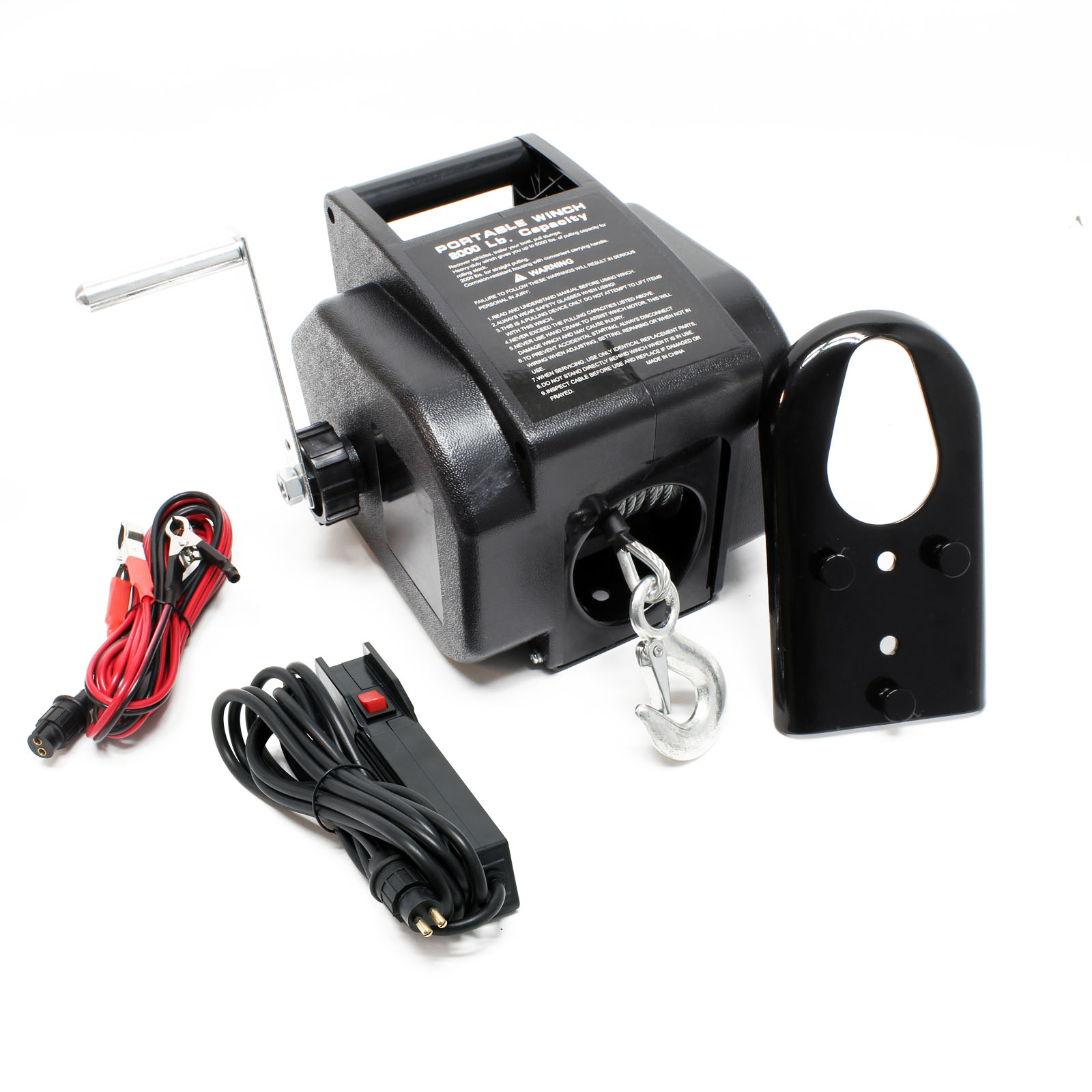
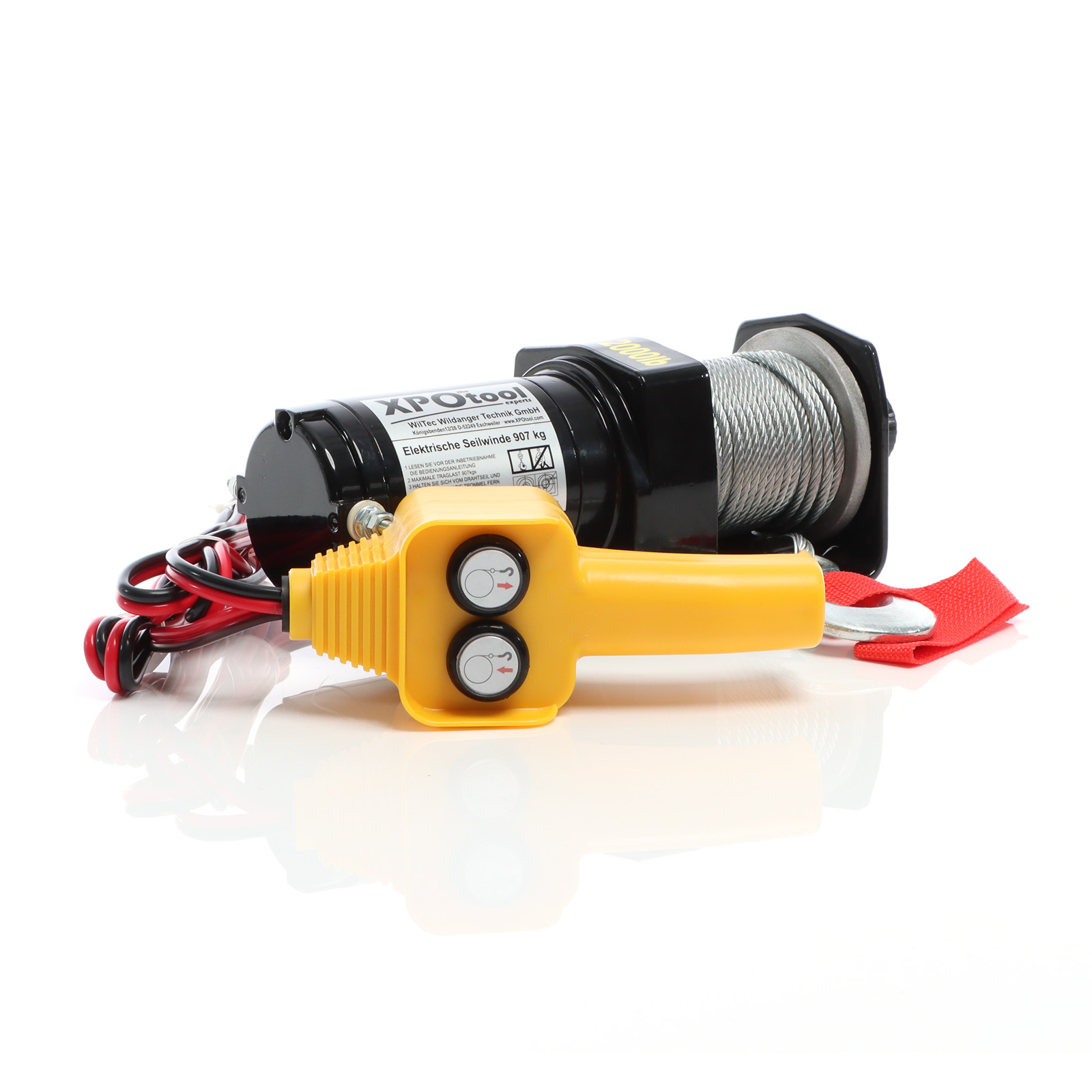
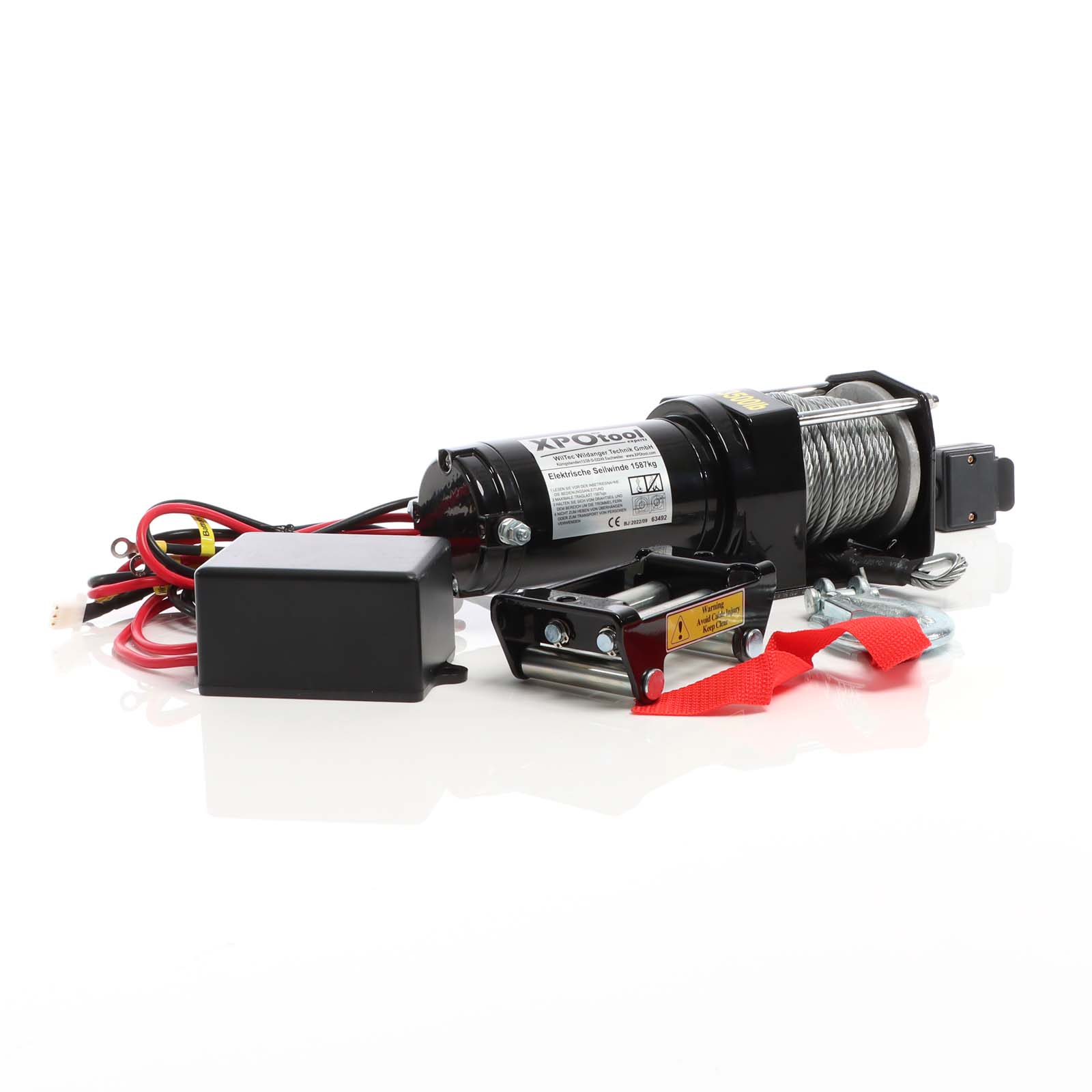
Another example within this category is a compact electric cable winch equipped with a 12v motor. With a pulling capacity of up to 2267 kg, powered by a 450W electric winch motor, this model demonstrates how powerful yet portable modern winches can be. Its working speed of around 1.38 m/min allows controlled pulling without sudden movements.
Such winches are particularly useful in automotive recovery, where vehicles need to be pulled out of challenging situations. The 12v electric winch integrates seamlessly with vehicle electrical systems, providing sufficient power without requiring additional infrastructure. The combination of cable pulling with electric assistance ensures both safety and efficiency in difficult terrains.
With its sturdy cable and reliable electric motor for winch operation, this type of electric cable winch 12v underlines the importance of technological development in this sector, as it makes demanding pulling tasks more manageable even in remote conditions.
Can a Winch Pull a Car?
A frequently asked question concerns the ability of a winch to pull a car. The answer is yes, provided that the winch has the appropriate capacity. A cable winch, whether electric or hydraulic, is often designed to move vehicles under challenging conditions. A 12v electric winch is common in off-road use and is sufficient for most passenger cars.
The pulling force must always be greater than the total weight of the vehicle, ideally by a factor of 1.5. For example, a car weighing 2000 kg should be pulled by a winch with at least 3000 kg capacity to ensure safe and efficient operation. The use of pulleys can further increase the pulling capacity while distributing the load evenly.
Thus, with proper selection, winches are reliable tools for vehicle recovery, breakdown assistance, and even for controlled transportation within workshops and garages.
How Long Do Winch Cables Last?
The lifespan of winch cables depends on the material, usage, and maintenance. Steel cables used in cable winches may last for several years when inspected and maintained regularly. They are resistant to wear but can fray if bent repeatedly or exposed to corrosion.
Synthetic ropes, though lighter, generally have a shorter service life, especially when exposed to sunlight, chemicals, or sharp edges. Regular inspection, cleaning, and proper storage extend their lifespan considerably.
On average, steel winch cables can last between 3 and 5 years in frequent use, while synthetic ropes might require replacement every 1 to 3 years. For safety reasons, winch cables should always be checked before operation, as damaged cables compromise both performance and safety.

How Much Weight Do Two Pulleys Reduce?
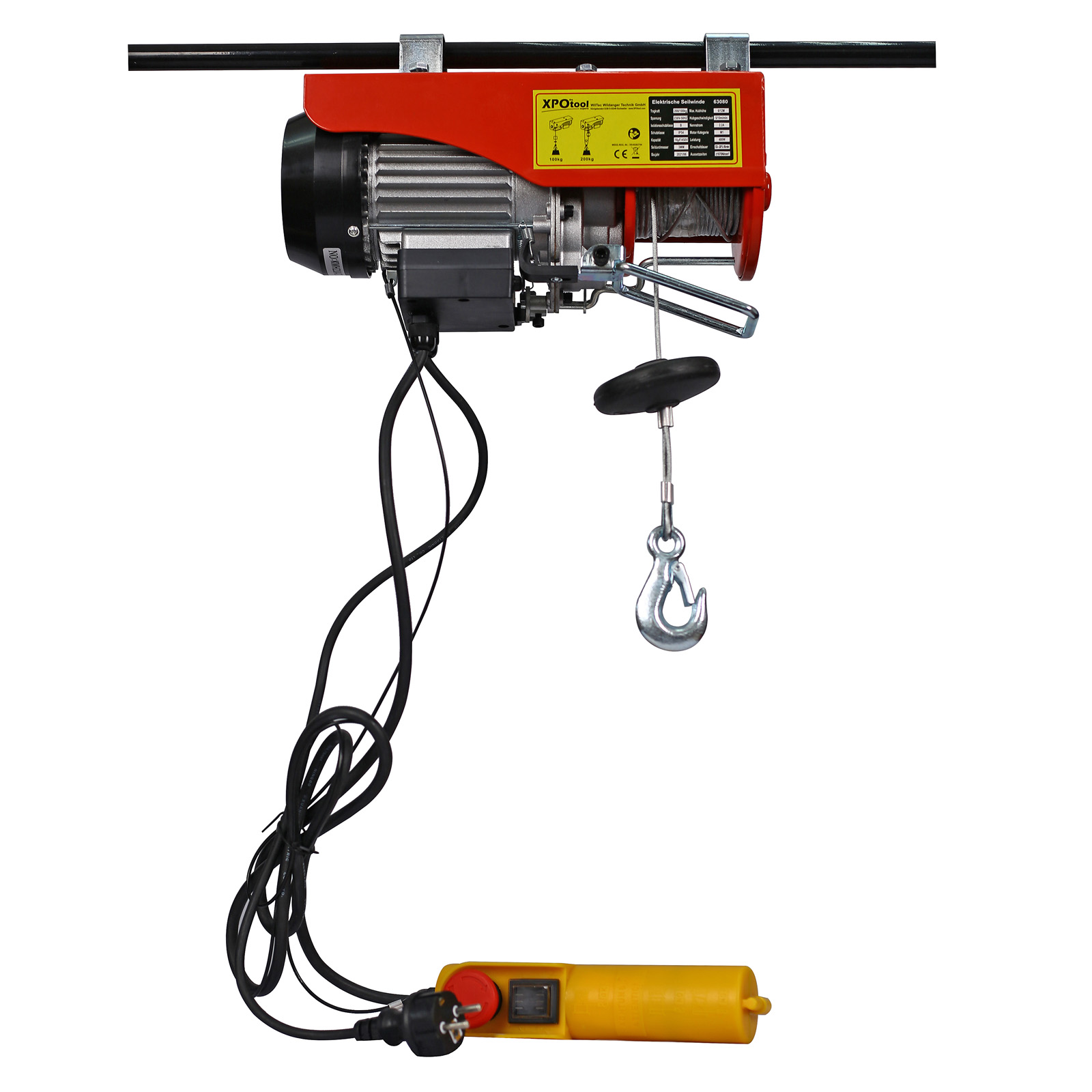
The principle of pulleys is based on mechanical advantage, which allows a smaller force to move a larger load. When two pulleys are used together in combination with a cable winch, the force required to lift or pull an object is effectively cut in half. This is because the load is distributed across two segments of the cable, meaning that the winch and the operator handle only a portion of the total weight.
For example, if a 2000 kg object is lifted with a two-pulley system, the effective load on the winch is approximately 1000 kg. This reduction in perceived weight not only makes the task more manageable but also protects the electric winch motor or hydraulic system from excessive strain. By decreasing the demand placed on the equipment, pulleys extend the service life of both cable and winch components.
The benefits extend beyond simple weight reduction. Two pulleys also improve control and stability when moving heavy loads. The distribution of tension reduces cable wear, lowering the risk of sudden failure. In demanding environments such as construction or recovery work, combining an electric cable winch 12v or a hydraulic cable pulling winch with a pulley system ensures a safer and more efficient operation.
However, users must remember that while pulleys reduce the required force, they do not reduce the actual weight of the load. Careful calculation of winch capacity remains essential, as exceeding limits can compromise safety.
Which Is Better: Hydraulic or Electric Winch?
When comparing hydraulic cable pulling winches and electric cable winches, the decision depends on the type of work and the conditions of use. Both technologies have distinct advantages and limitations that make them suitable for different applications.
Hydraulic winches are known for their endurance and constant pulling power. They are powered by a hydraulic system, which makes them capable of operating continuously for long periods without the risk of overheating. This reliability is particularly important in industrial environments, maritime operations, and forestry, where loads are heavy and interruptions are not acceptable. Hydraulic cable pulling winches can deliver immense strength with consistent performance, making them the preferred option for professional heavy-duty work.
On the other hand, electric winches offer versatility and accessibility. Powered by an electric winch motor, these devices are easier to install and operate, and they are widely available in different sizes. A 12v electric winch, for example, is especially useful in vehicle recovery, off-road driving, and portable applications. The electric cable winch 12v is compatible with a standard vehicle battery, providing a practical solution when mobility and convenience are priorities. However, electric winches are limited by duty cycle and may overheat during prolonged use, which means they are not ideal for continuous heavy loads.
In summary, hydraulic winches are better suited for professional, long-duration applications requiring constant force, while electric winches excel in flexibility, ease of use, and portability. The right choice depends on balancing performance needs with convenience.

The first consideration is the basic rule of capacity relative to the weight of the object being moved. Experts recommend that the pulling force of a winch should be at least 1.5 times the gross weight of the load. For instance, a car weighing 2000 kg should be paired with a cable winch or electric cable winch 12v capable of pulling at least 3000 kg. This ensures that the winch does not operate at maximum strain during every use.

The second perspective involves environmental conditions and resistance factors. Pulling a vehicle on level ground is different from recovering it from mud, sand, or a slope. In such cases, resistance multiplies the effective weight, requiring an electric motor winch or even a hydraulic cable pulling winch with greater capacity. Adding a pulley system can further improve efficiency by distributing the load.

Finally, long-term durability and safety must be considered. Choosing a slightly larger winch capacity than immediately necessary helps preserve the cable, electric winch motor, and associated components, extending their service life. By evaluating weight, terrain, and long-term reliability, users can select the ideal winch size for their application.
Summary
Rope and cable winches are vital tools in construction, transportation, forestry, and vehicle recovery. They operate on the principle of controlled cable pulling, supported by electric winch motors or hydraulic systems. The category includes powerful options such as hydraulic cable pulling winches, compact 12v electric winches, and versatile pulley systems.
The decision between rope and cable depends on safety, durability, and environment, while pulleys enhance efficiency by reducing required force. Electric and hydraulic systems each have unique advantages, making it essential to match the winch type to the application. With proper sizing, maintenance, and awareness of safe practices, cable winches remain indispensable in both professional and private use.