

































Available, delivery time: 2 - 3 days
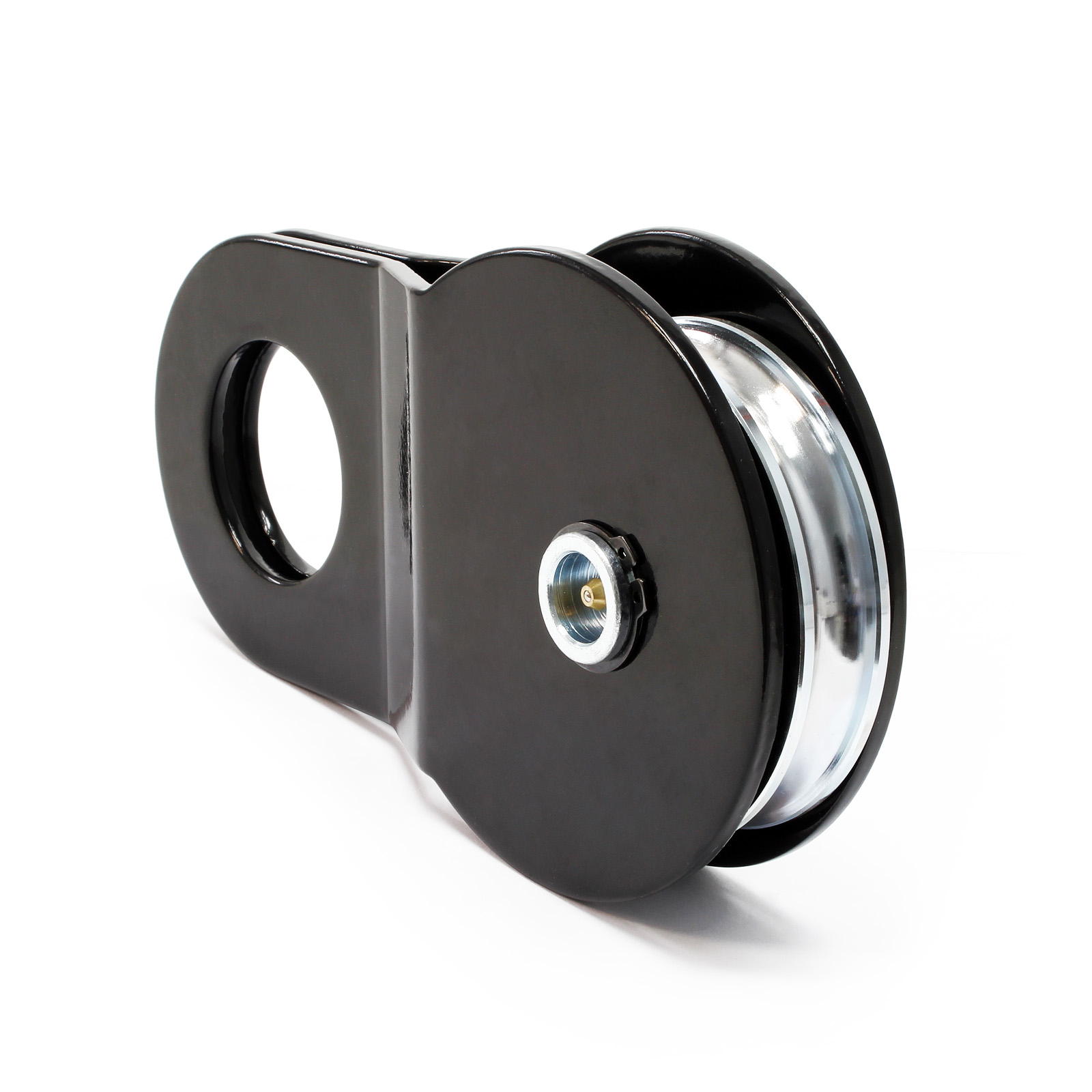
• Force distribution
• Tensile load max. 8000 kg
• suitable for ground traction
• with anti-twist protection of the roller axle
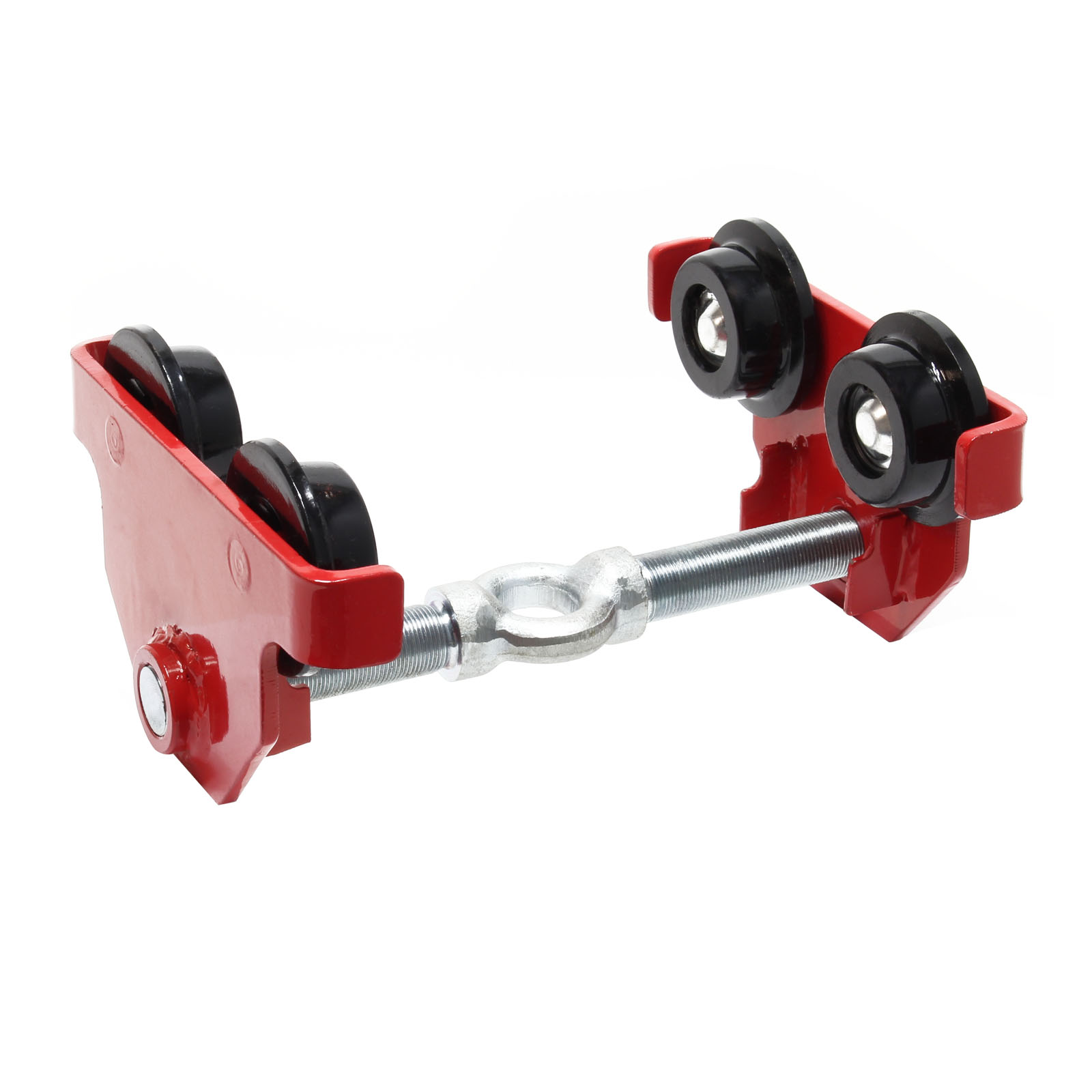
Available, delivery time: 2 - 3 days
• Continuous adjustment of the flange width
• Ball bearing mounted track wheels
• Left-hand fine threading
• Universal helper
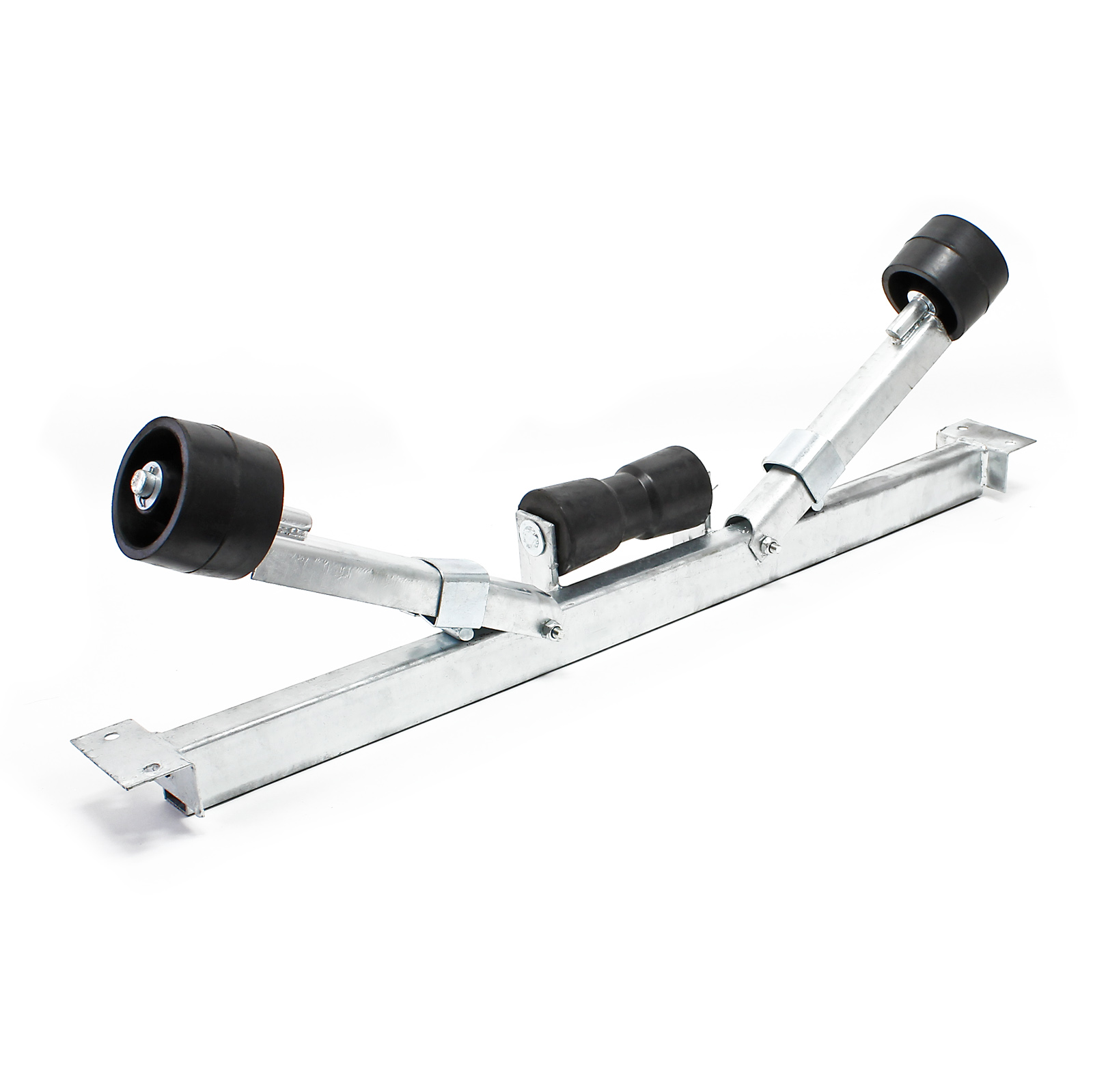
Available, delivery time: 2 - 3 days
• Material thickness: 1.5 mm
• Width of the holder: 111 cm
• Maximal load capacity: 800 kg
• For boats with a width of 80–124 cm
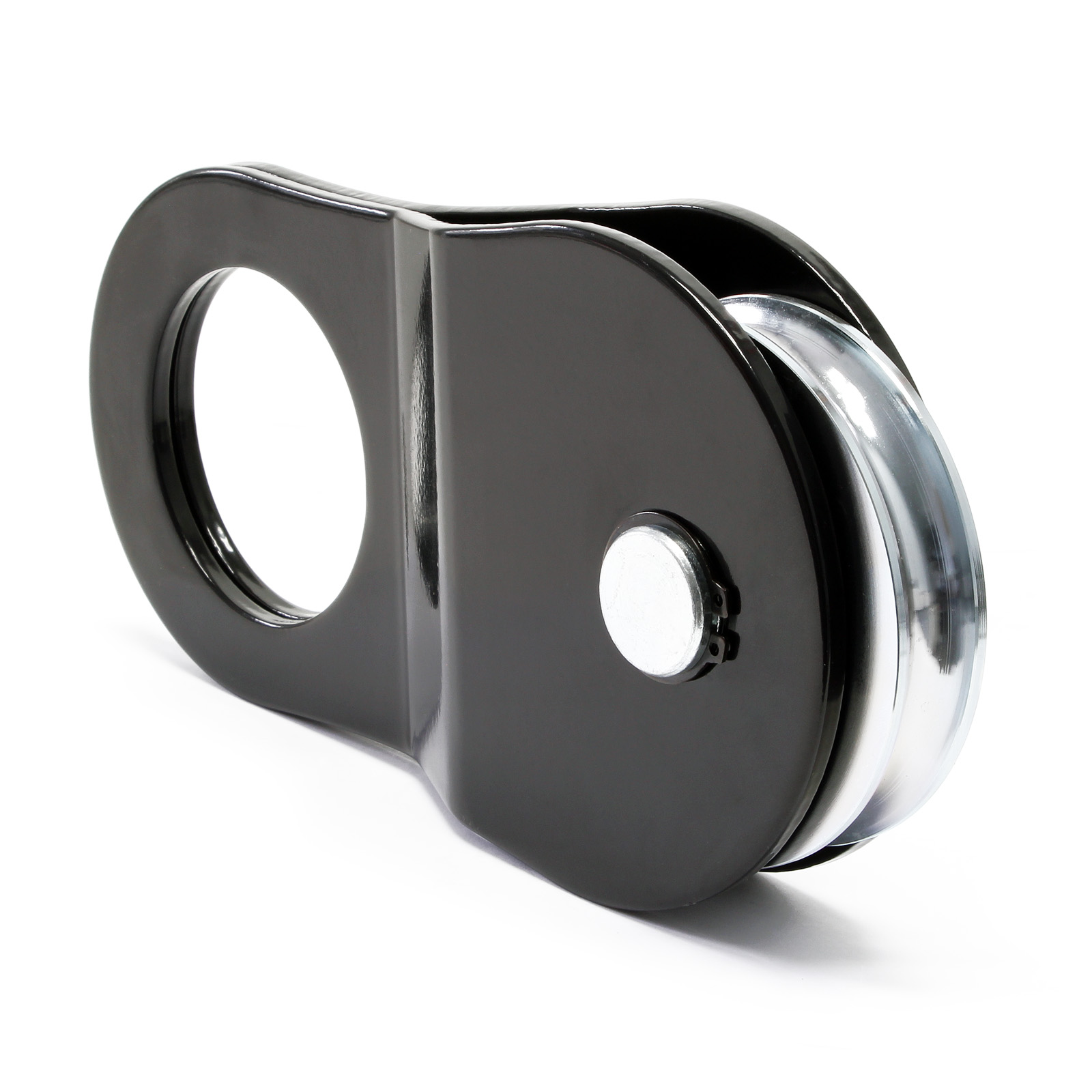
Available, delivery time: 2 - 3 days
• Force distribution
• Tensile load max. 10000 kg
• suitable for ground traction
• with anti-twist protection of the roller axle
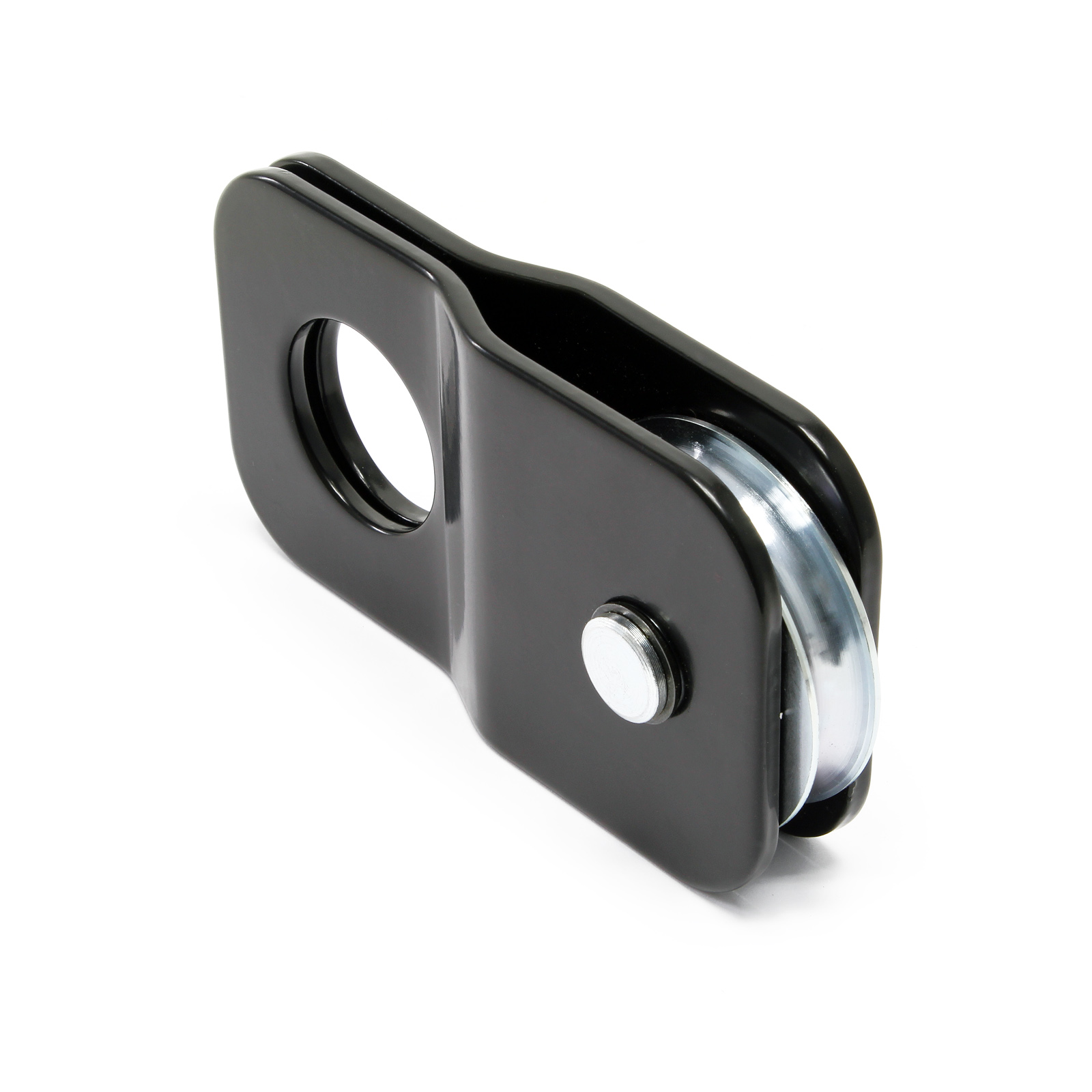
Available, delivery time: 2 - 3 days
• Force distribution
• Tensile load max. 4000 kg
• suitable for ground traction
• with anti-twist protection of the roller axle
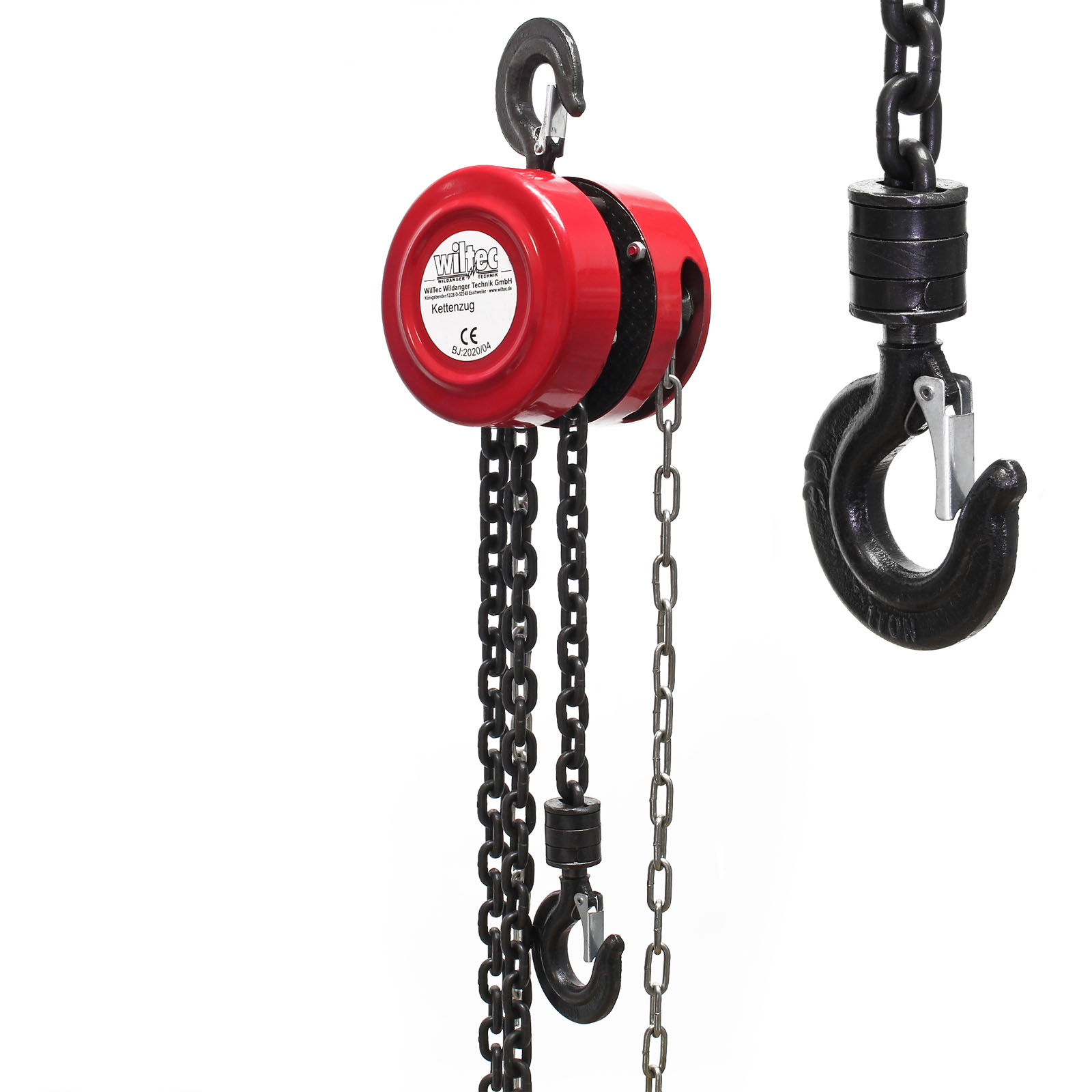
Available, delivery time: 2 - 3 days
• Suitable for forestry, off-road vehicles, garages, etc.
• Loading capacity: 1000 kg
• Chain length: 3 m
• High power transmission and easy handling
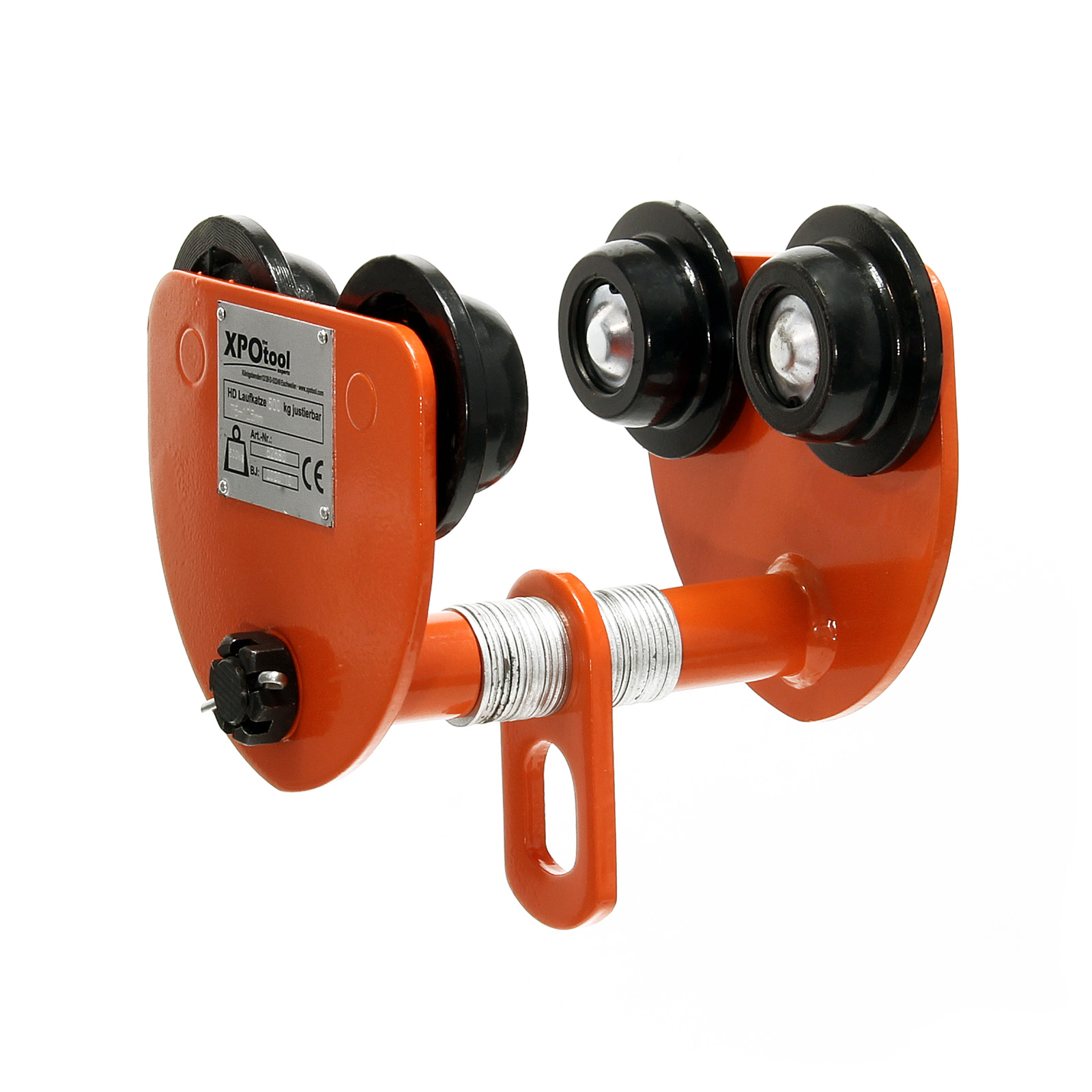
Available, delivery time: 2 - 3 days
• Stepless adjustment of flange width
• Ball-bearing guide rollers
• Counterrotating thread
• All-purpose application
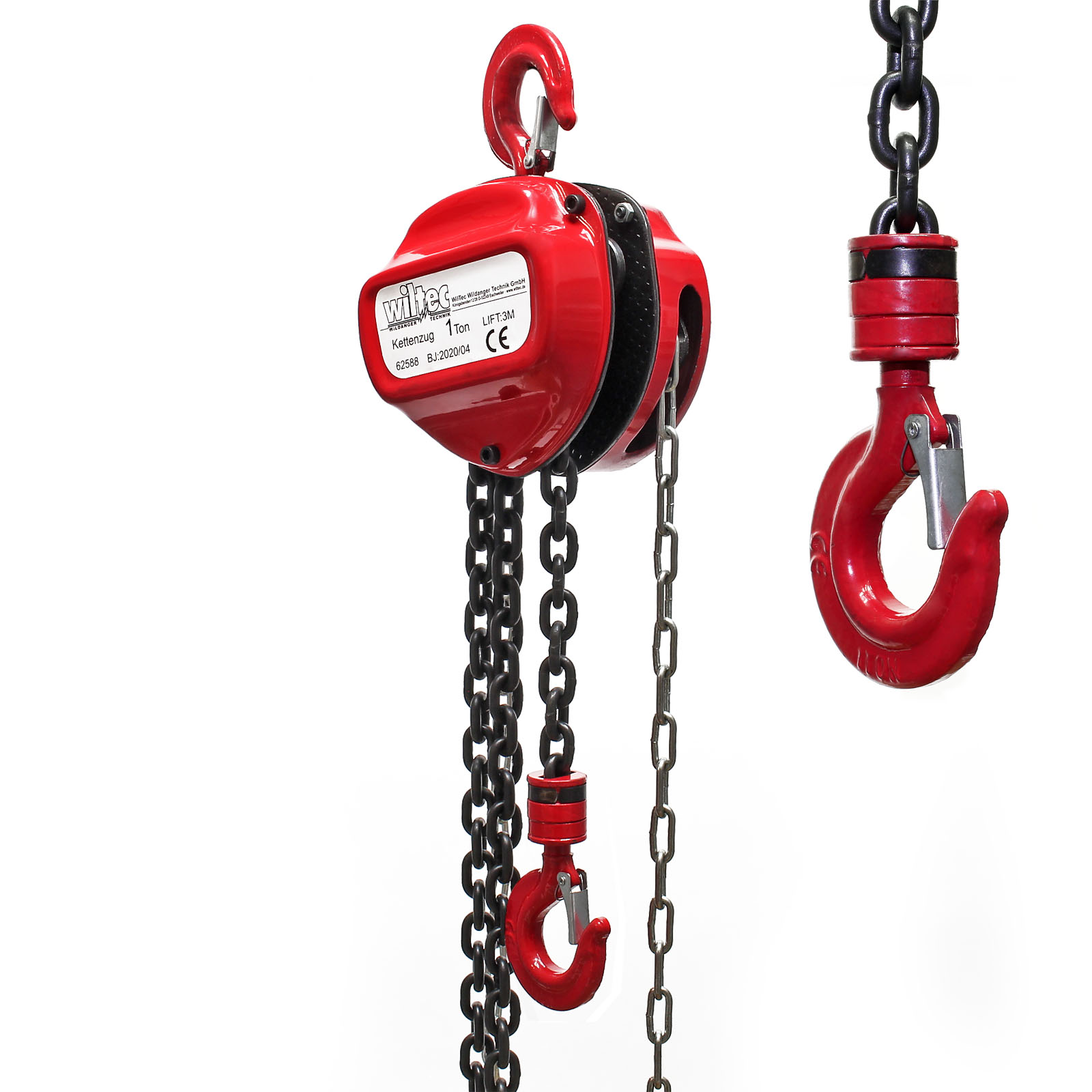
Available in 60 days, delivery time 2 - 3 days
• Suitable for forestry, off-road vehicles, garages, etc.
• Loading capacity: 1000 kg
• Chain length: 3 m, Lifting Height 2.5 m
• High power transmission and easy handling
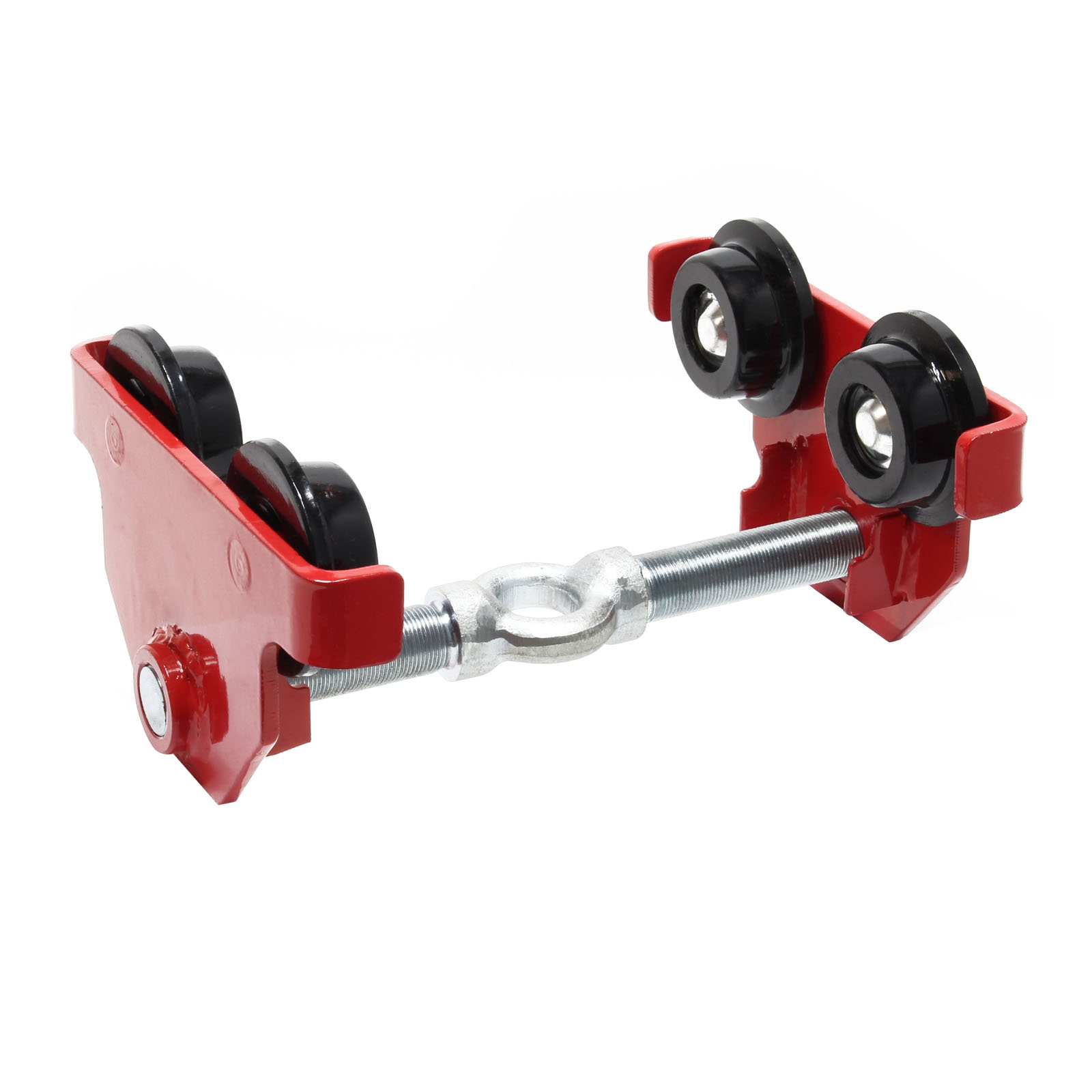
Available, delivery time: 2 - 3 days
• Continuous adjustment of the flange width
• Ball bearing mounted track wheels
• Left-hand fine threading
• Universal helper
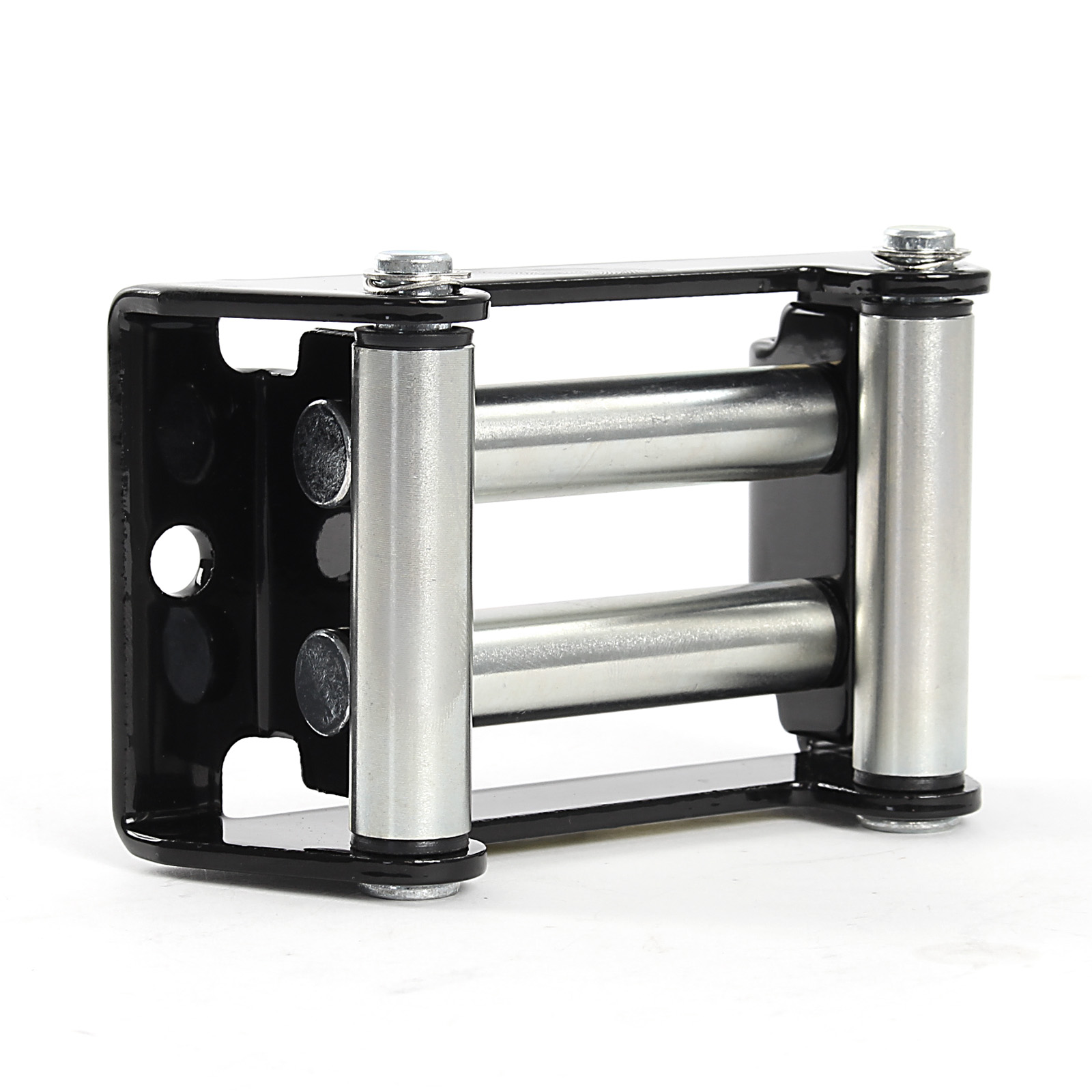
Available, delivery time: 2 - 3 days
• 4 galvanised turning rollers
• For winches with a traction force of 907–1587 kg
• Frame with black powder-coating
• Hole distance: 109 mm
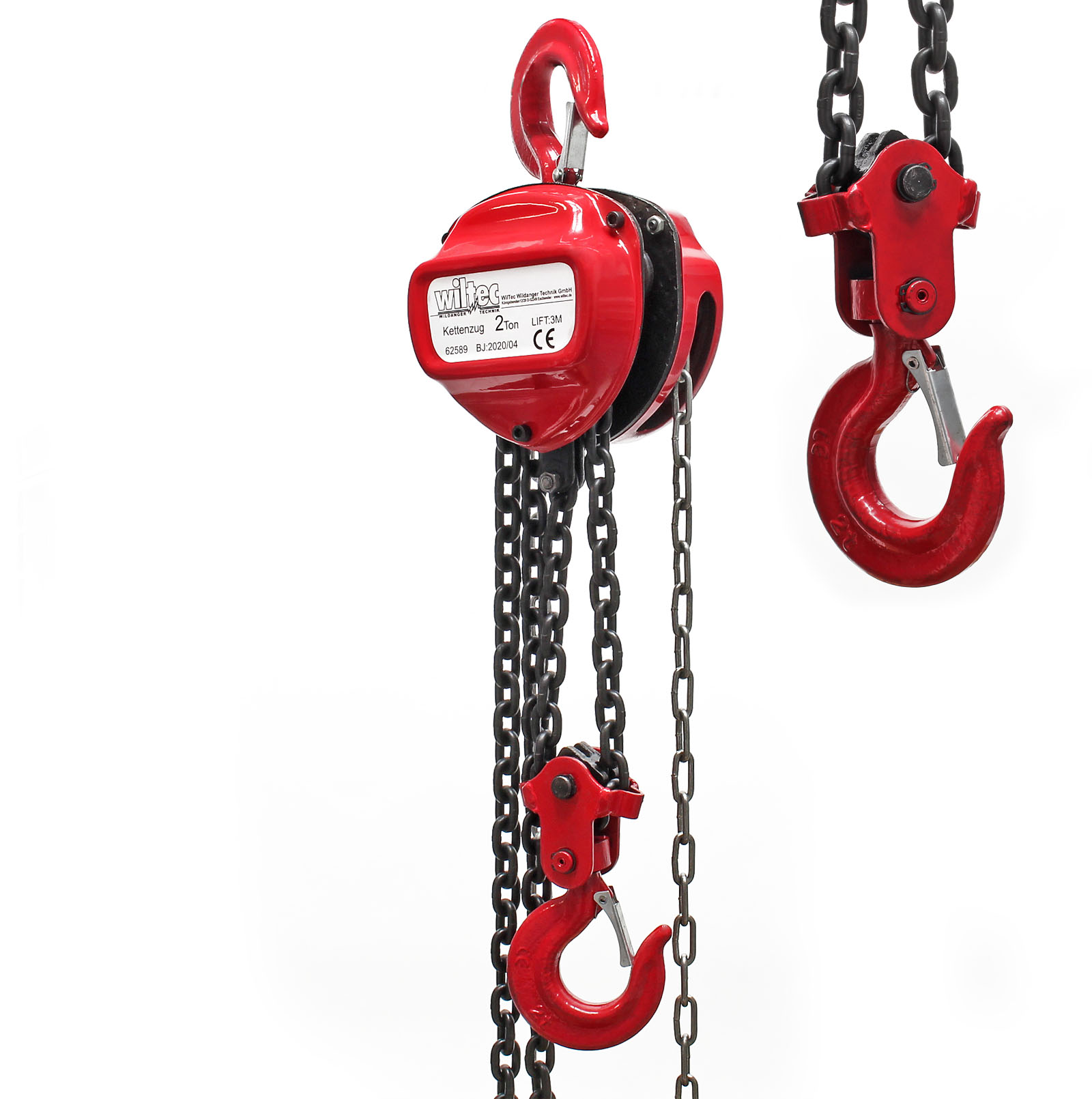
Available, delivery time: 2 - 3 days
• Suitable for forestry, off-road vehicles, garages, etc.
• Loading capacity: 2000 kg
• Chain length: 3 m, Lifting Height 2.5 m
• High power transmission and easy handling
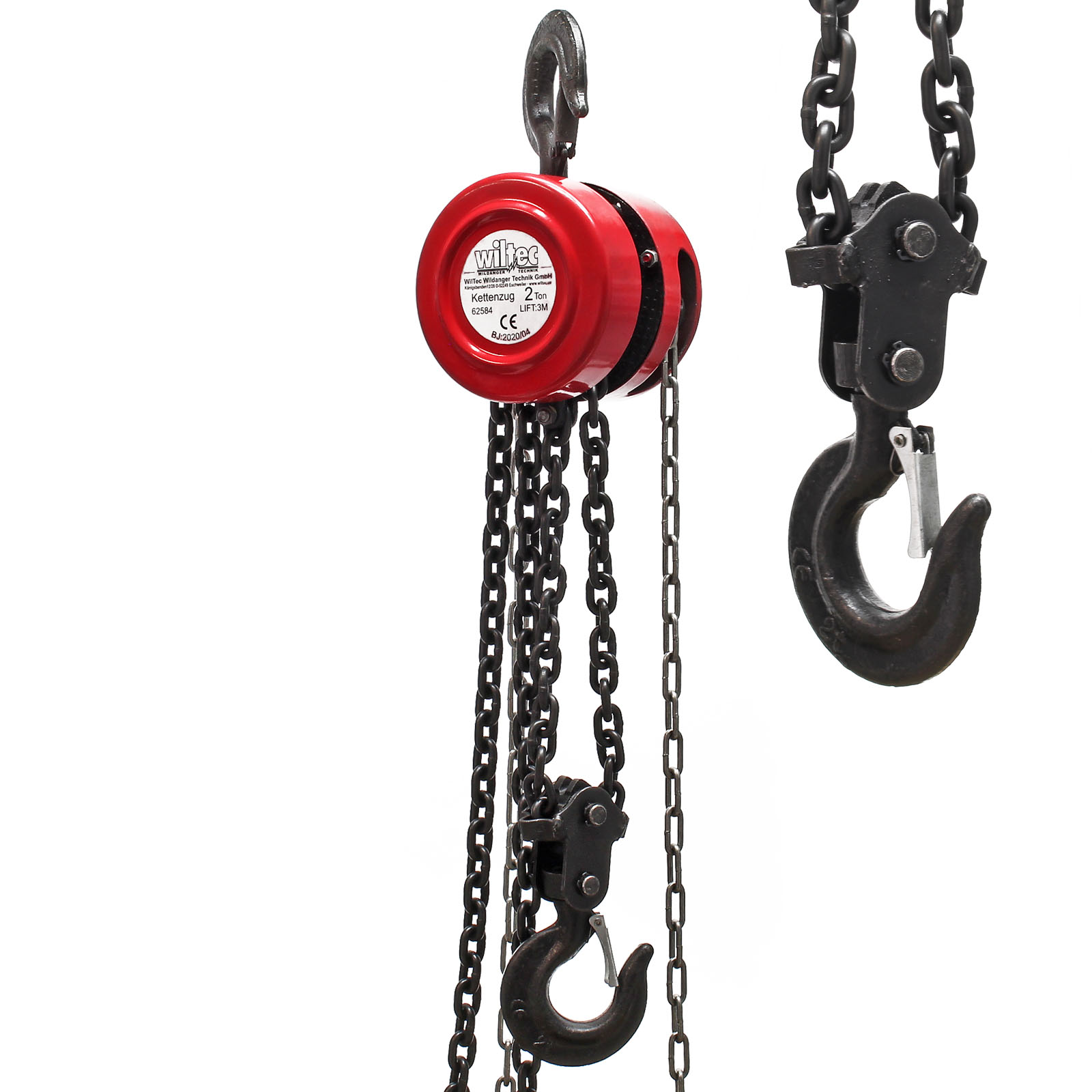
Available, delivery time: 2 - 3 days
• Suitable for forestry, off-road vehicles, garages, etc.
• Loading capacity: 2000 kg
• Chain length: 3 m
• High power transmission and easy handling
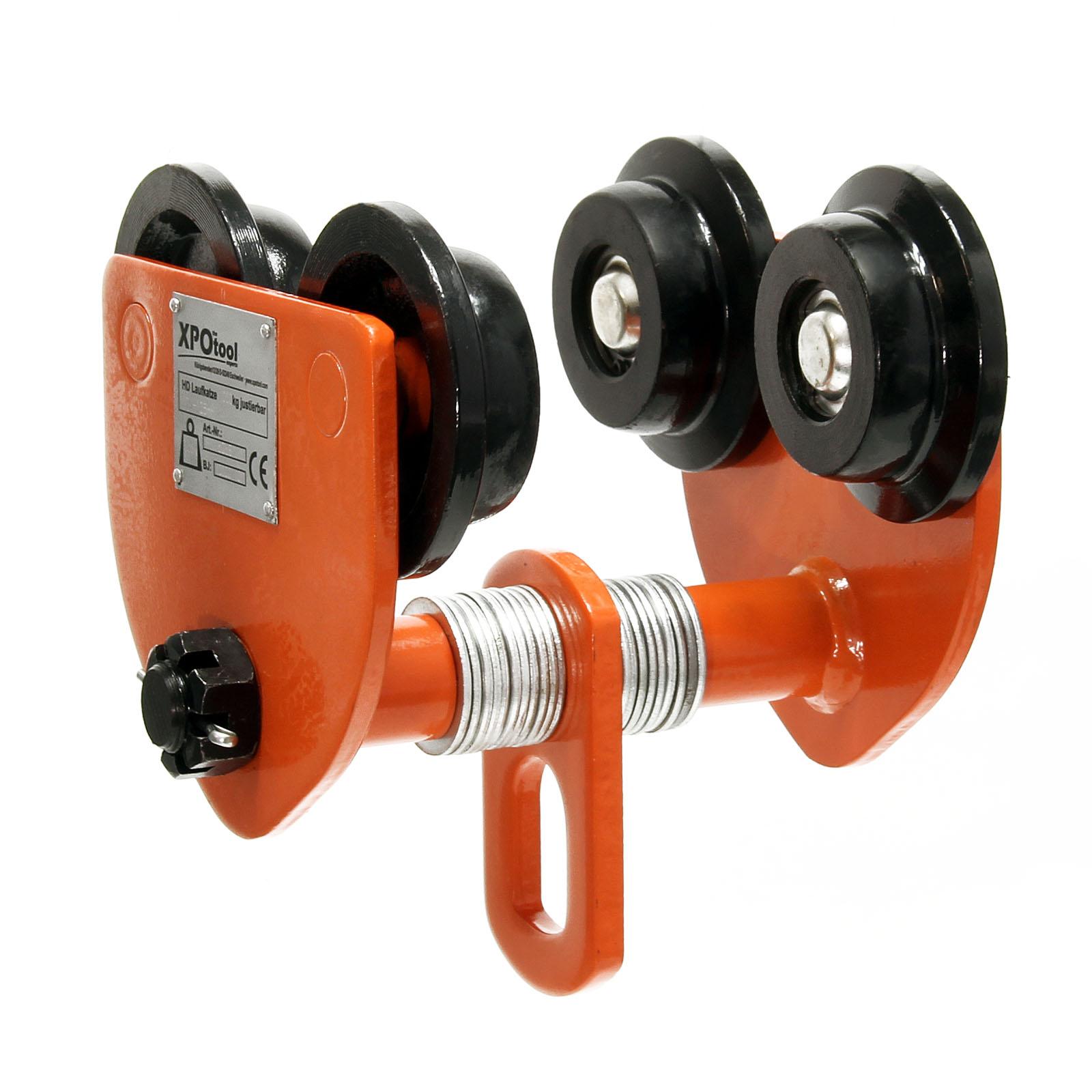
Available, delivery time: 2 - 3 days
• Stepless adjustment of flange width
• Ball-bearing guide rollers
• Counterrotating thread
• All-purpose application
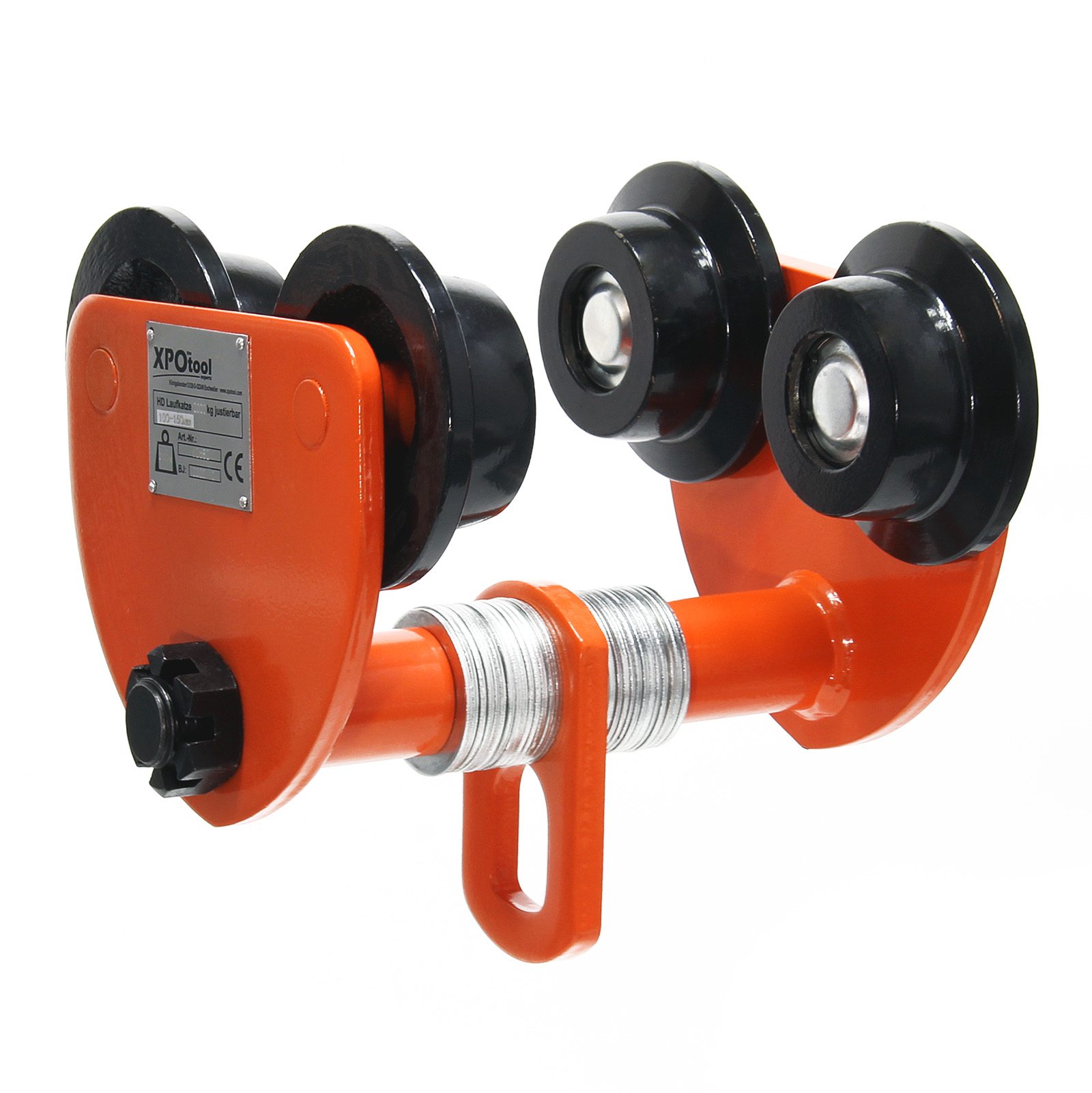
Available, delivery time: 2 - 3 days
• Stepless adjustment of flange width
• Ball-bearing guide rollers
• Counterrotating thread
• All-purpose application
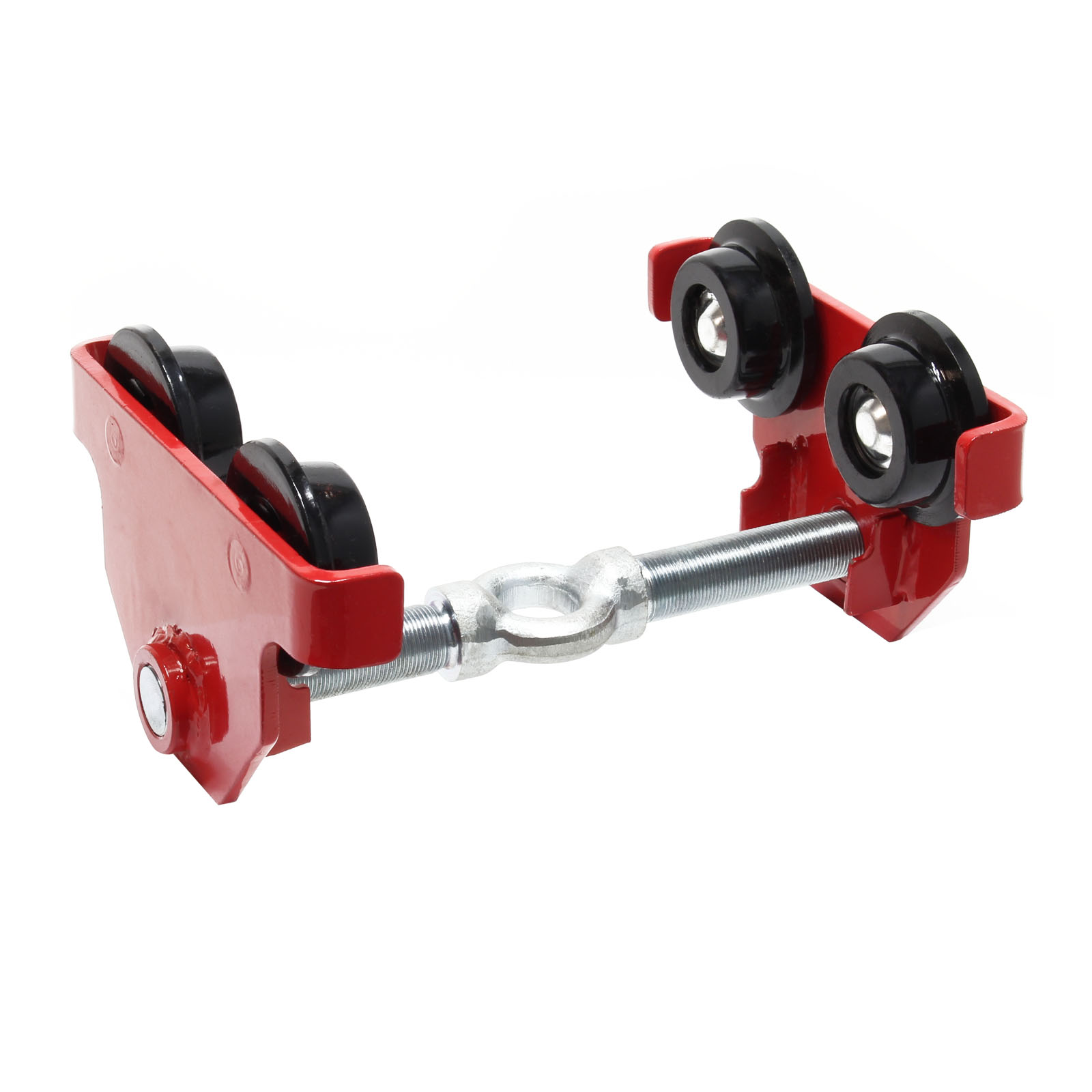
Available, delivery time: 2 - 3 days
• Continuous adjustment of the flange width
• Ball bearing mounted track wheels
• Left-hand fine threading
• Universal helper
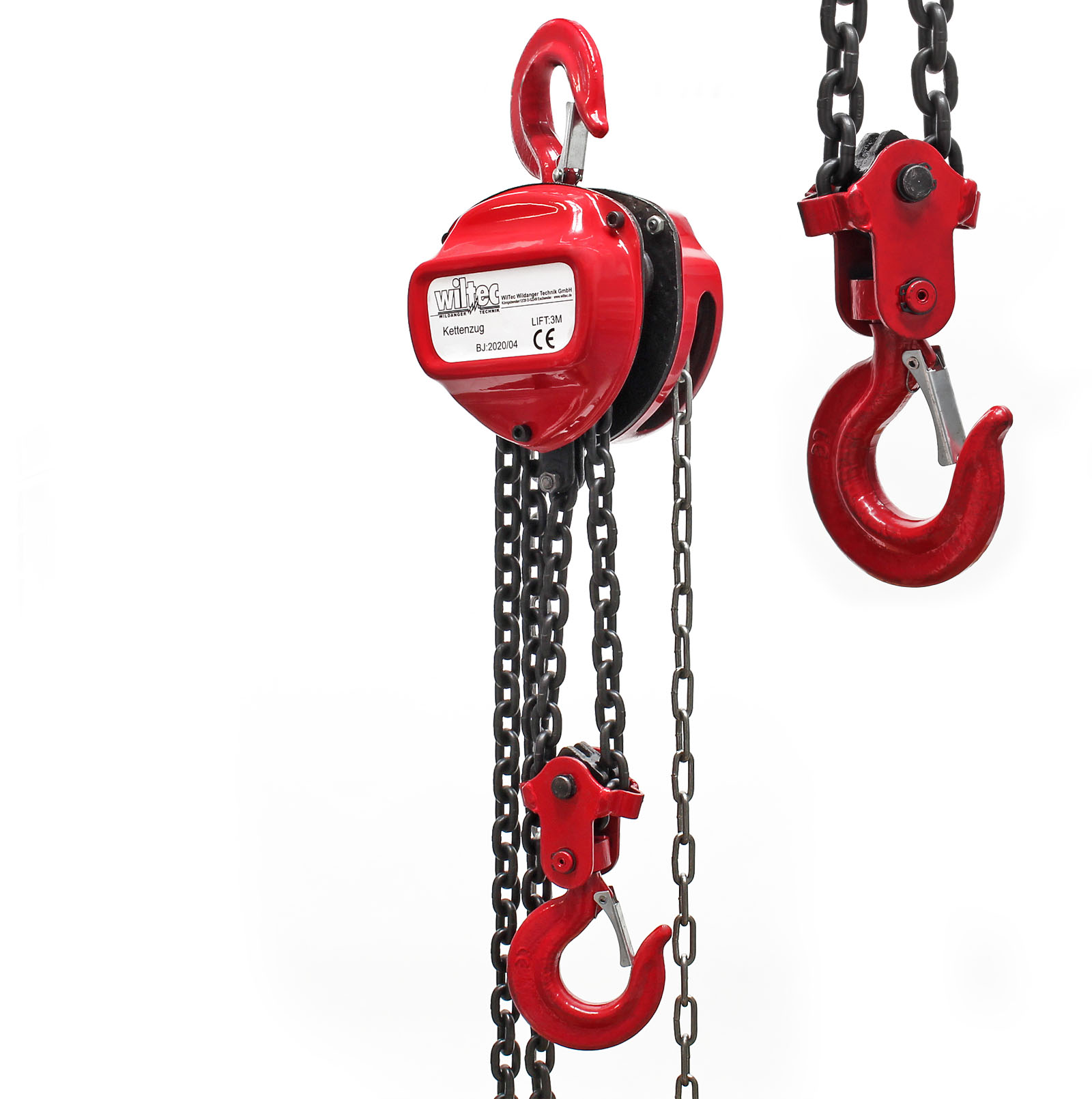
Available, delivery time: 2 - 3 days
• Suitable for forestry, off-road vehicles, garages, etc.
• Loading capacity: 3000 kg
• Chain length: 3 m, Lifting Height 2.5 m
• High power transmission and easy handling
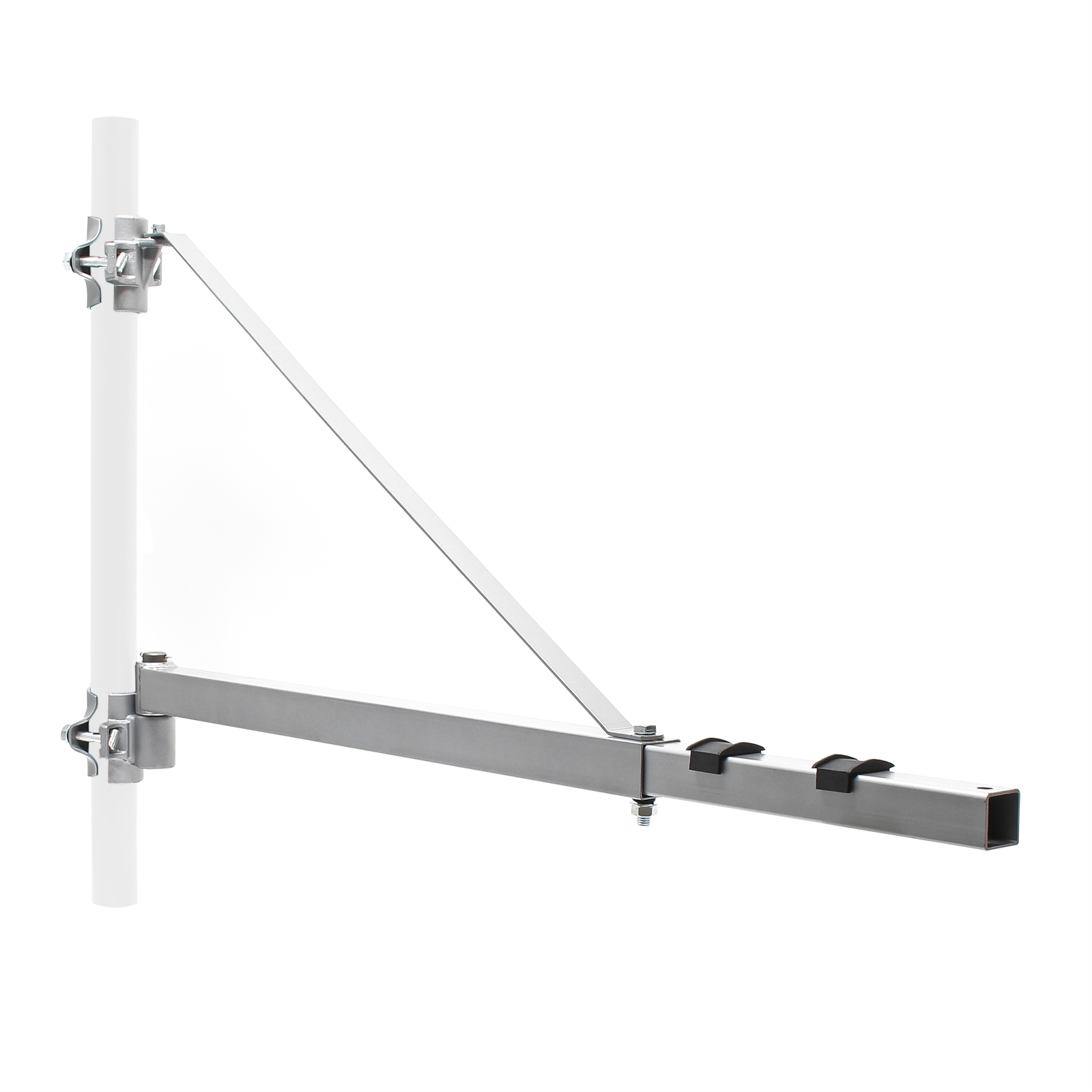
Available, delivery time: 2 - 3 days
• Max load 300 - 600 kg
• Max projection 1100 mm
• Weight approx. 7.89 kg
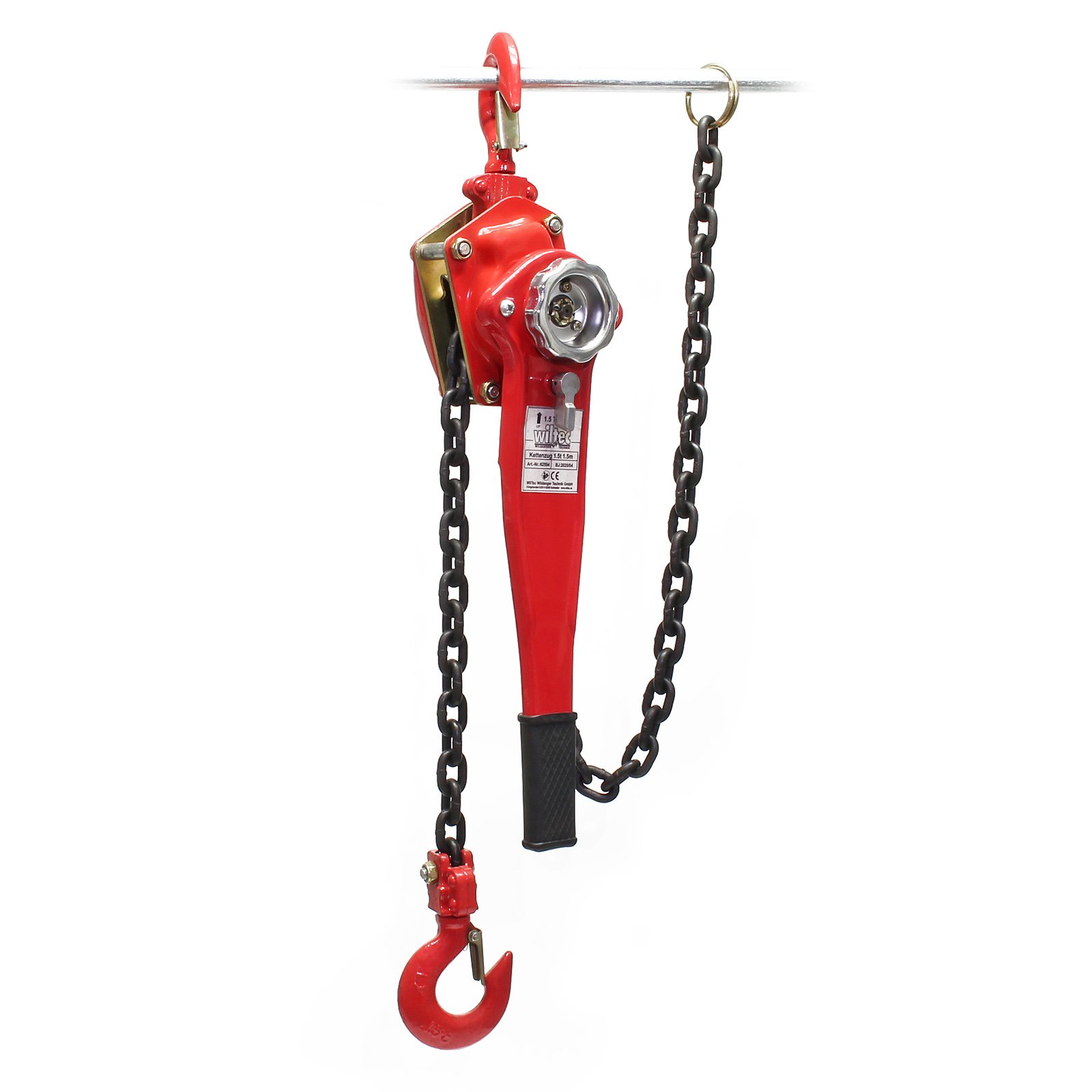
Available, delivery time: 2 - 3 days
• Suitable for forestry, off-road vehicles, garages, etc.
• Loading capacity: 1500 kg
• Chain length: 1.5 m
• High power transmission and easy handling
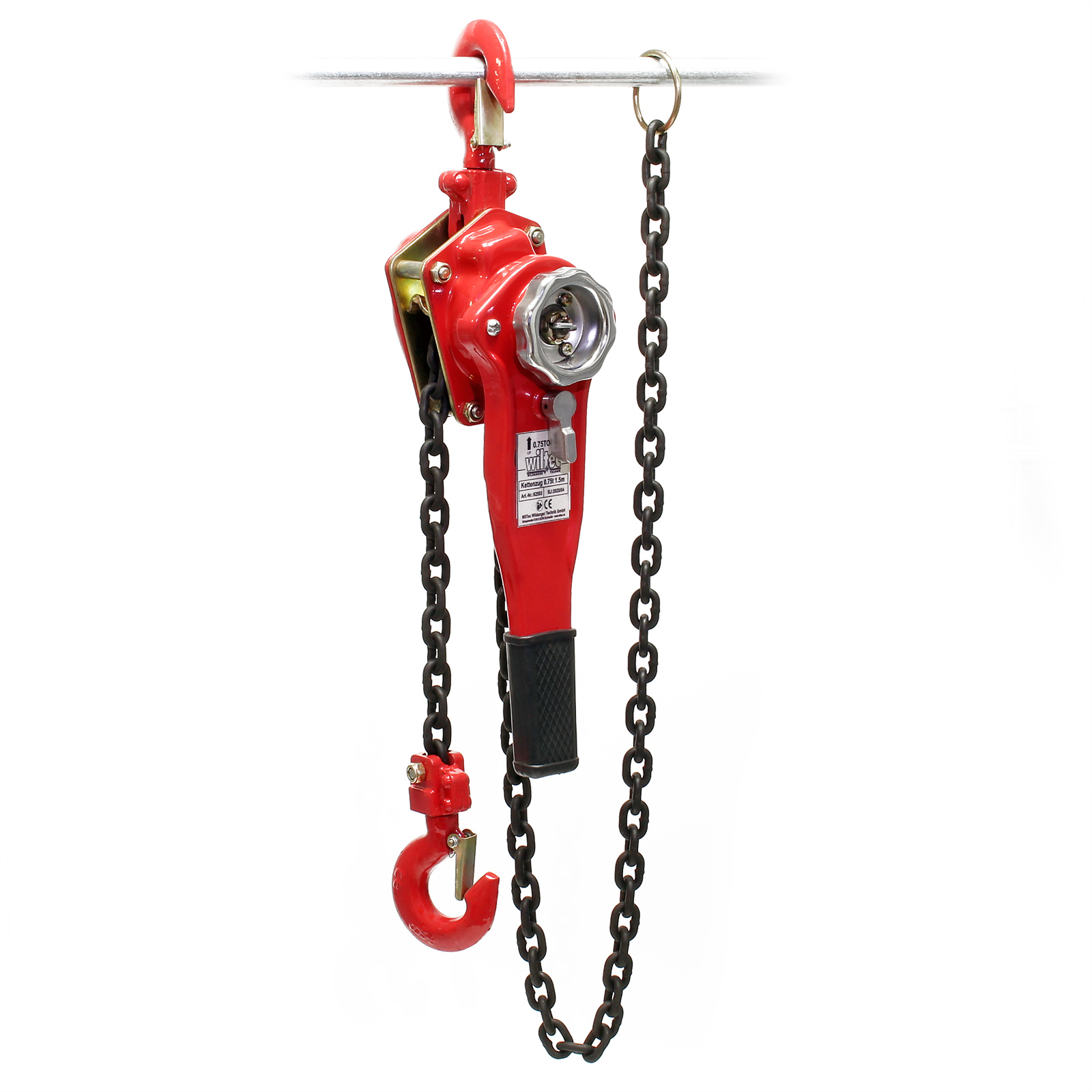
Available, delivery time: 2 - 3 days
• Suitable for forestry, off-road vehicles, garages, etc.
• Loading capacity: 750 kg
• Chain length: 1.5 m
• High power transmission and easy handling
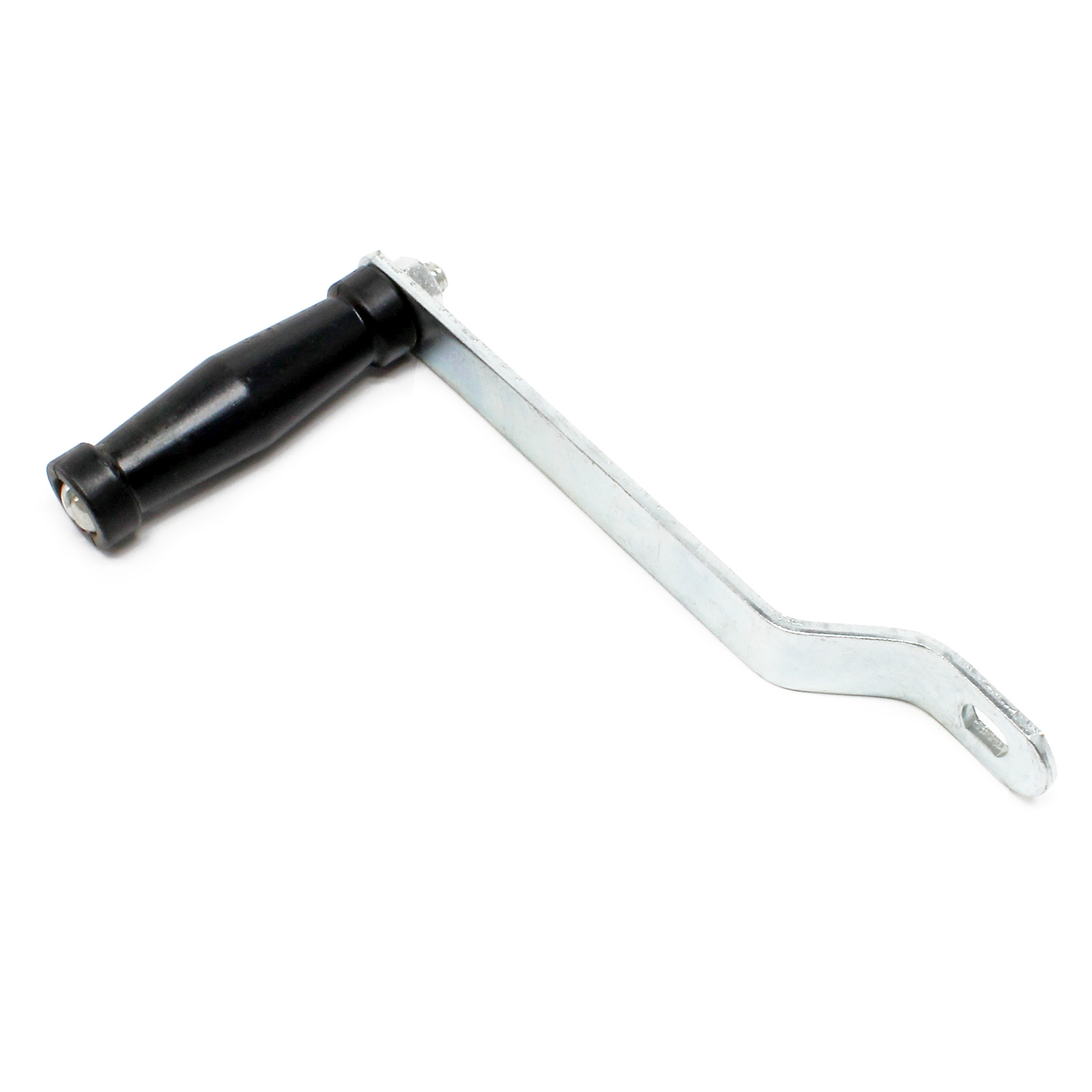
Available, delivery time: 2 - 3 days
• Winch tensile load: 1100 kg
• Ergonomic handle
• Suitable for article 30213

Available, delivery time: 2 - 3 days
• Suitable for forestry, off-road vehicles, garages, etc.
• Loading capacity: 3000 kg
• Chain length: 3 m
• High power transmission and easy handling

Available, delivery time: 2 - 3 days
• Made of durable and antirust aluminium
• 3.2 m chains, 3 m lifting height, and 500 kg load capacity
• 360° swivelling with freely operable hand chain
• Mobile pulley with low 4.5 kg weight
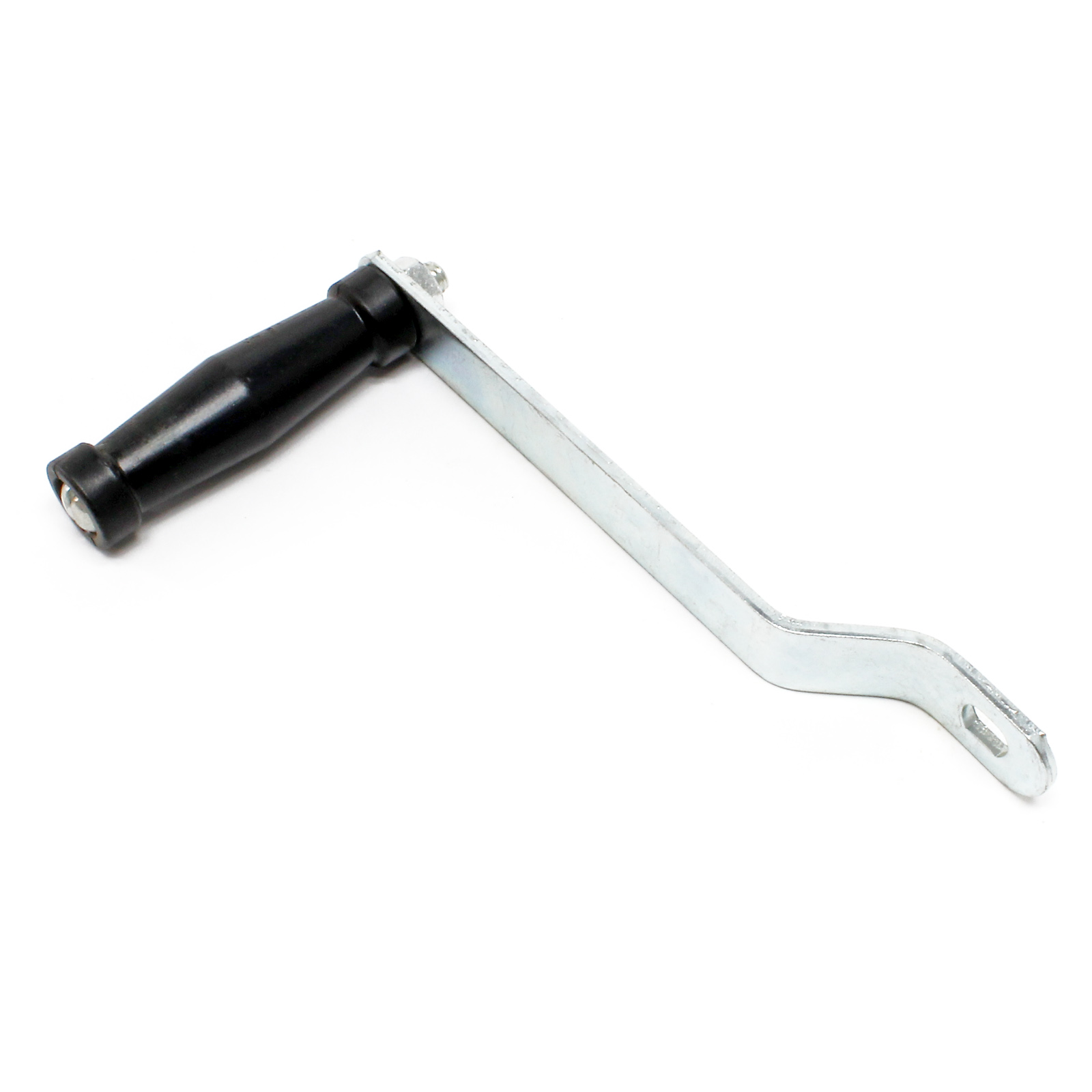
Available, delivery time: 2 - 3 days
• Suitable for 350-kg hand winch crank, item no. 30210
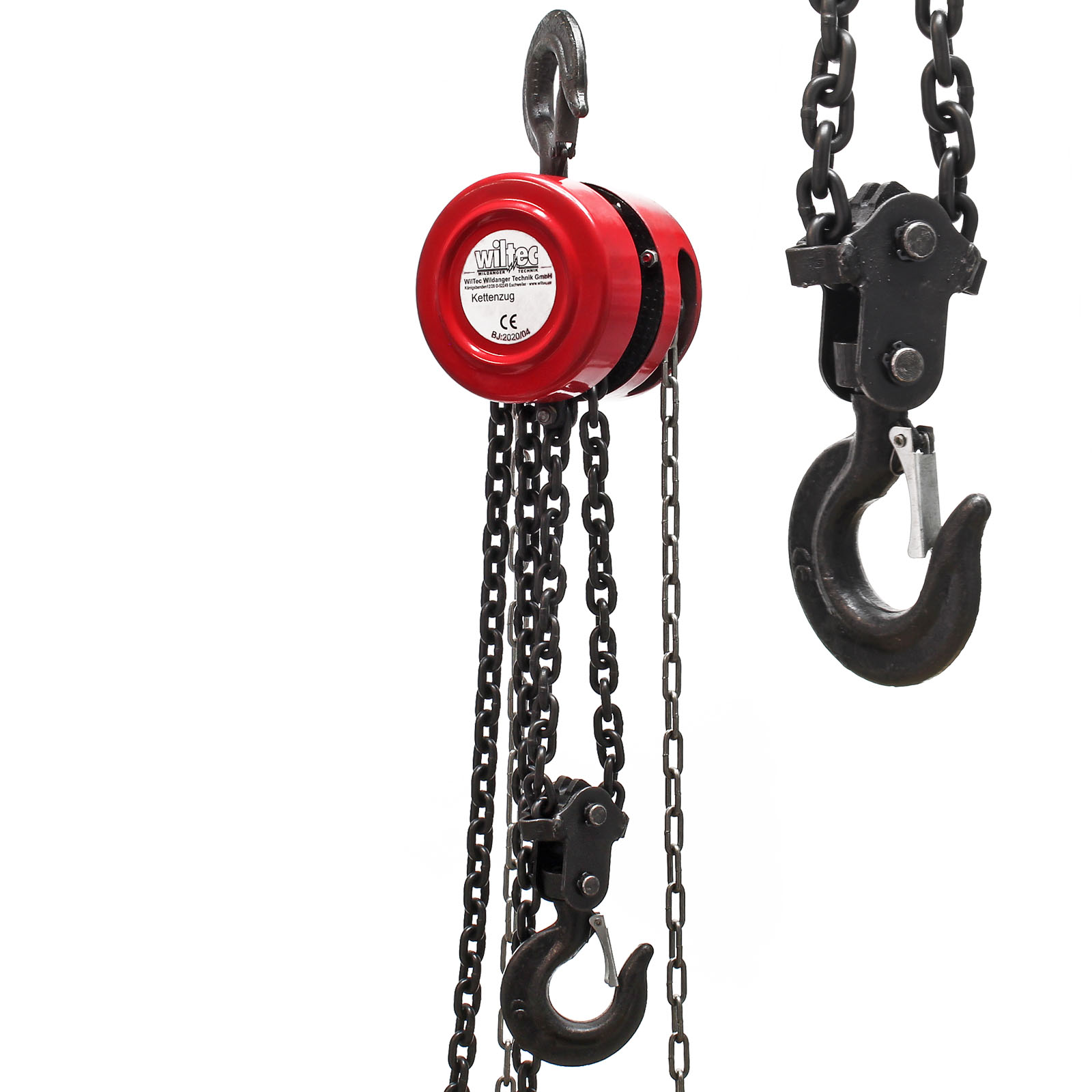
Available, delivery time: 2 - 3 days
• Suitable for forestry, off-road vehicles, garages, etc.
• Loading capacity: 5000 kg
• Chain length: 3 m
• High power transmission and easy handling
Seilwinden zum Ziehen und Befördern schwerer Lasten
Für effizientes und kraftvolles Bewegen schwerer Lasten sind Seilwinden unverzichtbare Arbeitsinstrumente. Ob im Forstbetrieb, auf Baustellen oder bei anspruchsvollen Heimprojekten – die Anwendungsbereiche dieser vielseitigen Helfer sind breit gefächert.
Die fortschrittliche Technologie, die sich hinter Forstseilwinden und einem elektrischen Seilzug verbirgt, ermöglicht ein müheloses Ziehen und Befördern von Gewichten, die manuell kaum zu bewältigen wären.

Funktionsweise und Aufbau
Die elektrische Seilwinde beeindruckt nicht nur durch ihre kompakte Größe, sondern vor allem durch ihre beeindruckende Leistungsfähigkeit. Lassen Sie uns einen genaueren Blick auf die Funktionsweise und den Aufbau dieser vielseitigen Werkzeuge werfen, die in verschiedensten Anwendungsbereichen ihre Stärken ausspielen.
Die Funktionsweise einer Seilzugwinde basiert auf einem effizienten Mechanismus, der durch elektrische Energie angetrieben wird. Dies ermöglicht nicht nur eine zügige, sondern auch kraftvolle Bewegung des Seils. Der Aufbau ist in der Regel robust und auf Langlebigkeit ausgelegt.
Eine solide Befestigung der Seilwinde ist entscheidend für ihre sichere Anwendung. Hierbei sind die Anweisungen des Herstellers präzise zu befolgen, um optimale Ergebnisse zu gewährleisten.
Ein wichtiger Aspekt ist der Umgang mit großen und kleinen Seilwinden. Die richtige Handhabung ist nicht nur für die Sicherheit, sondern auch für die Effizienz entscheidend. Ob bei der Befestigung von Lasten oder dem Herausziehen von Materialien – das Seil sollte stets ordnungsgemäß geführt werden, um einen reibungslosen Betrieb zu gewährleisten. Die elektrische Seilwinde ist somit nicht nur ein leistungsstarkes Werkzeug, sondern auch ein verlässlicher Partner in unterschiedlichsten Einsatzszenarien.
Seilwinden in verschiedenen Traglasten
Die Auswahl der passenden Seilwinde hängt maßgeblich von den individuellen Anforderungen und dem beabsichtigten Einsatzzweck ab. Insbesondere die Traglast spielt eine entscheidende Rolle bei der richtigen Wahl zwischen verschiedenen Optionen wie dem Seilzug elektrisch, der manuellen Seilwinde oder dem Kauf einer Spillwinde. Bevor Sie sich für eine bestimmte Seilwinde entscheiden, ist es ratsam, genau zu überlegen, welche Lasten Sie bewegen möchten.
Die Traglast einer Seilwinde definiert die maximale Gewichtskapazität, die sie sicher und effektiv bewegen kann. Vor dem Kauf ist es daher essenziell, den beabsichtigten Einsatzzweck zu klären und die Traglast entsprechend zu ermitteln. Dies gewährleistet nicht nur eine reibungslose und sichere Anwendung, sondern auch eine maximale Effizienz.
Beim Kauf einer Seilwinde sind jedoch nicht nur die Traglasten von Bedeutung. Weitere wichtige Aspekte sollten ebenso berücksichtigt werden. Dazu gehören unter anderem die Qualität der Verarbeitung, die Länge des Seils, die Bedienfreundlichkeit und eventuelle Zusatzfunktionen. Eine elektrische Seilwinde bietet beispielsweise den Vorteil eines motorisierten Betriebs, während manuelle Seilwinden durch ihre einfache Handhabung punkten.
Eine Spillwinde eröffnet eine weitere Option. Hierbei handelt es sich um eine spezielle Winde, die besonders für das Arbeiten mit Seilen in horizontaler Richtung geeignet ist. Bei der Auswahl zwischen elektrischem Seilzug, Handseilzug oder Spillwinde ist es ratsam, sich sorgfältig zu informieren und die individuellen Anforderungen im Blick zu behalten, um die ideale Seilwinde für den jeweiligen Einsatzzweck zu finden.

Hilfreiches Zubehör
Das richtige Zubehör kann den Einsatz von Seilwinden erheblich erleichtern und optimieren. Insbesondere im forstlichen Bereich sind spezifische Ergänzungen für Seilwinden von entscheidender Bedeutung, um effizient und sicher arbeiten zu können. Ein unverzichtbares Element ist dabei der Schwenkarm, der sich als äußerst nützlich erweist.
Der Schwenkarm ermöglicht eine flexible Ausrichtung der Seilwinde, was besonders in Waldgebieten und unebenem Gelände von Vorteil ist. Durch die verstellbare Positionierung des Schwenkarms können Lasten präzise platziert und bewegt werden. Dies ist vor allem im forstlichen Kontext von großer Bedeutung, wo präzises Arbeiten und das Manövrieren von schweren Lasten in engen oder unzugänglichen Bereichen erforderlich sind.
Ein weiteres hilfreiches Zubehör für Seilwinden ist der Handgriff. Dieser ermöglicht eine komfortable Bedienung und erhöht die Kontrolle über die Seilwinde. Gerade bei anspruchsvollen Aufgaben, wie sie im forstlichen Umfeld häufig vorkommen, ist ein guter Handgriff unverzichtbar. Er verbessert nicht nur die Handhabung, sondern trägt auch zur Sicherheit bei, indem er dem Bediener einen festen und ergonomischen Halt bietet.
Die richtige Auswahl von Seilwinden Zubehör Forst, inklusive Schwenkarm und Handgriff, kann somit einen entscheidenden Einfluss auf die Leistungsfähigkeit und Effizienz Ihrer Seilwinden haben. Indem Sie auf qualitativ hochwertiges und auf Ihre Anforderungen abgestimmtes Zubehör setzen, maximieren Sie die Einsatzmöglichkeiten Ihrer Seilwinden und gewährleisten gleichzeitig eine sichere und präzise Handhabung.
Erfolgreicher Lastentransport

Erfolgreicher Lastentransport wird durch innovative Technologien wie die hydraulische Seilwinde und den elektrischen Flaschenzug maßgeblich geprägt. Diese leistungsfähigen Geräte sind überall einsetzbar, wo Lasten mit Leichtigkeit und Effizienz bewegt werden sollen. Ihre Vielseitigkeit und Zuverlässigkeit machen sie zu unverzichtbaren Helfern in unterschiedlichsten Anwendungsbereichen.
Die hydraulische Seilwinde ist besonders bekannt für ihre robuste Bauweise und ihre Fähigkeit, auch schwere Lasten mit Leichtigkeit zu bewegen. Ihr Einsatzspektrum erstreckt sich über Baustellen, industrielle Anwendungen bis hin zu forstwirtschaftlichen Herausforderungen. Die Hydraulik ermöglicht eine präzise und kraftvolle Steuerung, was diese Seilwinde zu einem Schlüsselinstrument für erfolgreiches Lastenmanagement macht.
Der elektrische Flaschenzug wiederum glänzt durch seine elektrische Antriebskraft, die einen effizienten Lastentransport ohne manuellen Aufwand ermöglicht. Dies ist nicht nur zeitsparend, sondern auch schonend für die eigene Körperhaltung. Gerade bei regelmäßigem Umgang mit schweren Lasten ist dies von großer Bedeutung, um die Gesundheit und Arbeitsleistung zu erhalten.
Ein weiterer Vorteil, der den erfolgreichen Lastentransport begleitet, ist die Verwendung von Umlenkrollen. Diese ermöglichen es, die Traglast unkompliziert zu verdoppeln. Dies ist besonders praktisch in Situationen, in denen schwere Lasten über längere Distanzen bewegt werden müssen.
Die Kombination von hydraulischer Seilwinde, elektrischem Flaschenzug und Umlenkrolle schafft eine leistungsfähige Lösung für anspruchsvolle Lastentransportaufgaben.
Einsatz von Seilwinden
Die Einsatzmöglichkeiten von Seilwinden erstrecken sich über eine breite Palette von Anwendungen, wobei verschiedene Typen speziell auf die Bedürfnisse unterschiedlicher Branchen zugeschnitten sind. Seilwinden sind äußerst vielseitig und finden sich in diversen Umgebungen, um effizientes Arbeiten und das Bewältigen von Herausforderungen zu ermöglichen.

Im Agrarsektor ist die Seilwinde am Traktor ein unentbehrliches Werkzeug. Diese ermöglicht das Bewegen von schweren Lasten und das Überwinden schwierigen Terrains. Ob beim Ziehen von Baumstämmen oder beim Manövrieren von Ausrüstung, die Seilwinde am Traktor zeigt sich als kraftvoller Partner auf dem Feld.

Für den Einsatz an Holzspaltern ist die Seilwinde für Holzspalter eine effiziente Ergänzung. Sie erleichtert das Handling von Baumstämmen und beschleunigt den Holzspaltprozess erheblich. Durch die gezielte Anwendung dieser Seilwinde wird das Arbeiten mit dem Holzspalter effizienter und produktiver.

In der Industrie kommen hydraulische Seilwinden hauptsächlich zum Einsatz. Mit ihrer kraftvollen Hydraulik ermöglichen sie das Bewegen von schweren Lasten in Fabriken und anderen industriellen Umgebungen. Die präzise Steuerung und hohe Traglast machen sie zu unverzichtbaren Werkzeugen in industriellen Prozessen.
Für Baumaschinen wie Radlader sind spezialisierte Seilwinden eine praktische Erweiterung. Sie ermöglichen das sichere Heben und Bewegen von schweren Lasten auf der Baustelle, wodurch die Effizienz und Sicherheit im Baugewerbe gesteigert werden.
Aber auch im Automobilbereich hat die Seilwinde ihren Platz gefunden. Sie sind besonders in Offroad-Situationen und bei Geländefahrzeugen weit verbreitet und bieten eine zuverlässige Möglichkeit, das Fahrzeug aus schwierigen Situationen zu befreien oder andere Fahrzeuge zu ziehen.

Im Forstbereich kommen spezialisierte Seilwinden, auch Forstwinden genannt, zum Einsatz. Diese leistungsstarken Werkzeuge unterstützen bei der Holzernte, dem Rücken von Baumstämmen und anderen Aufgaben im Wald. Die präzise Steuerung ermöglicht ein sicheres Arbeiten, selbst in anspruchsvollen Umgebungen.

Zusammenfassung
In unserem Sortiment finden Sie eine breite Palette an Seilwinden. Von der handlichen Handwinde über die praktische Seilwinde auf der Anhängerkupplung bis hin zur leistungsstarken Seilwinde für den Einsatz im Wald bieten wir eine große Auswahl an hochwertigen Produkten.
Unsere Produkte sind auf verschiedene Traglasten ausgelegt, um den individuellen Anforderungen gerecht zu werden. Die Vielfalt in unserem Sortiment stellt sicher, dass Sie die passende Seilwinde für Ihre spezifischen Bedürfnisse finden.