











































General Information About Bending Machines
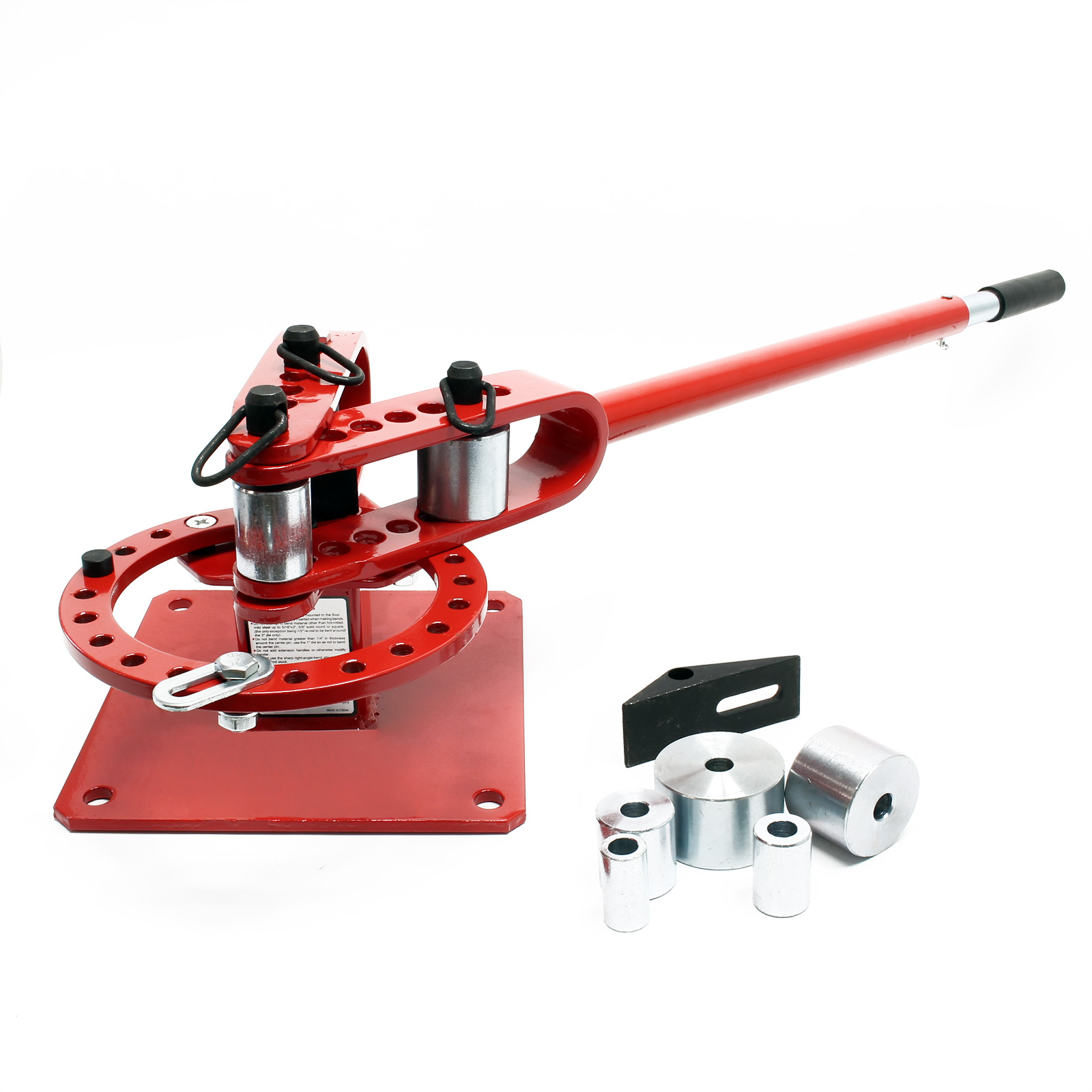
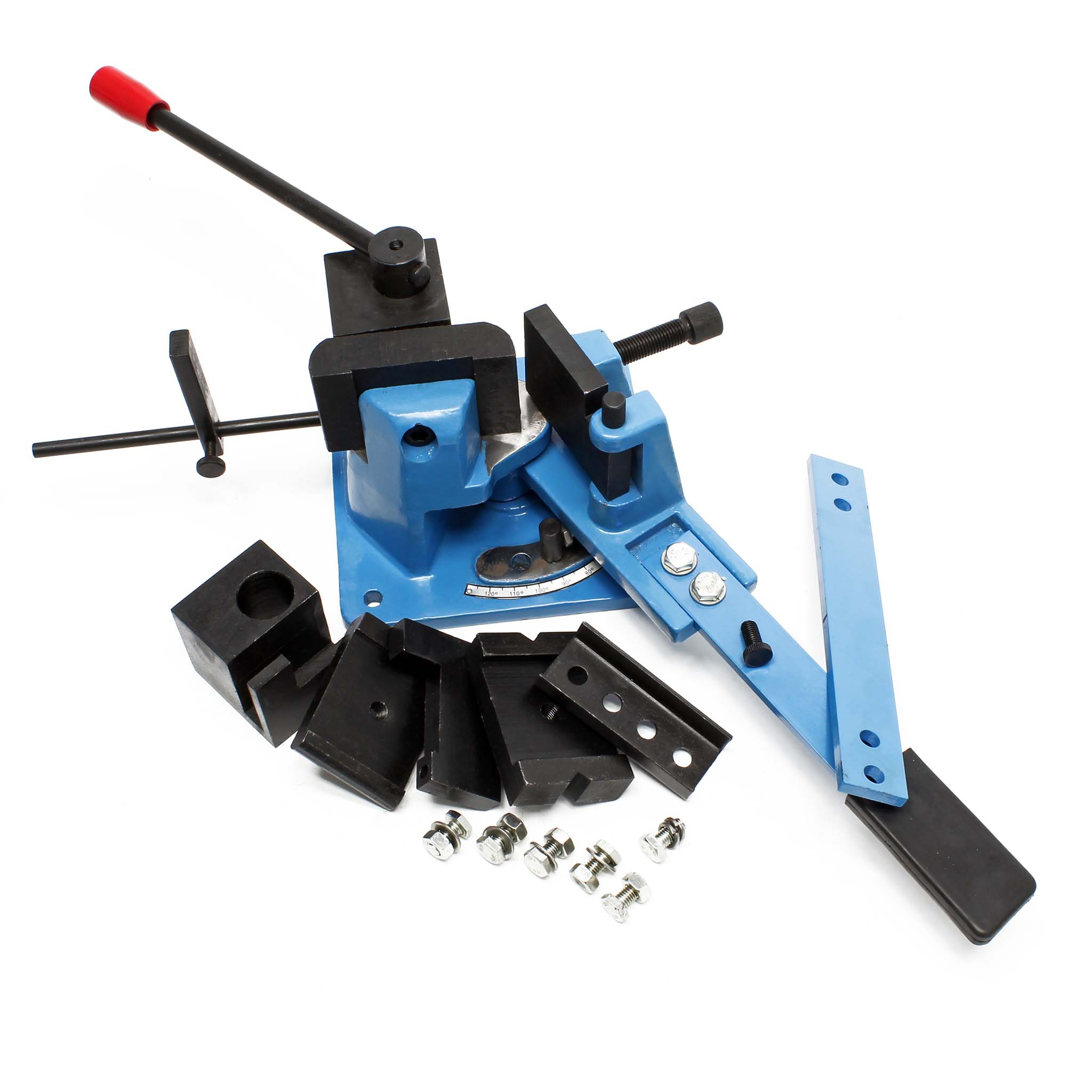
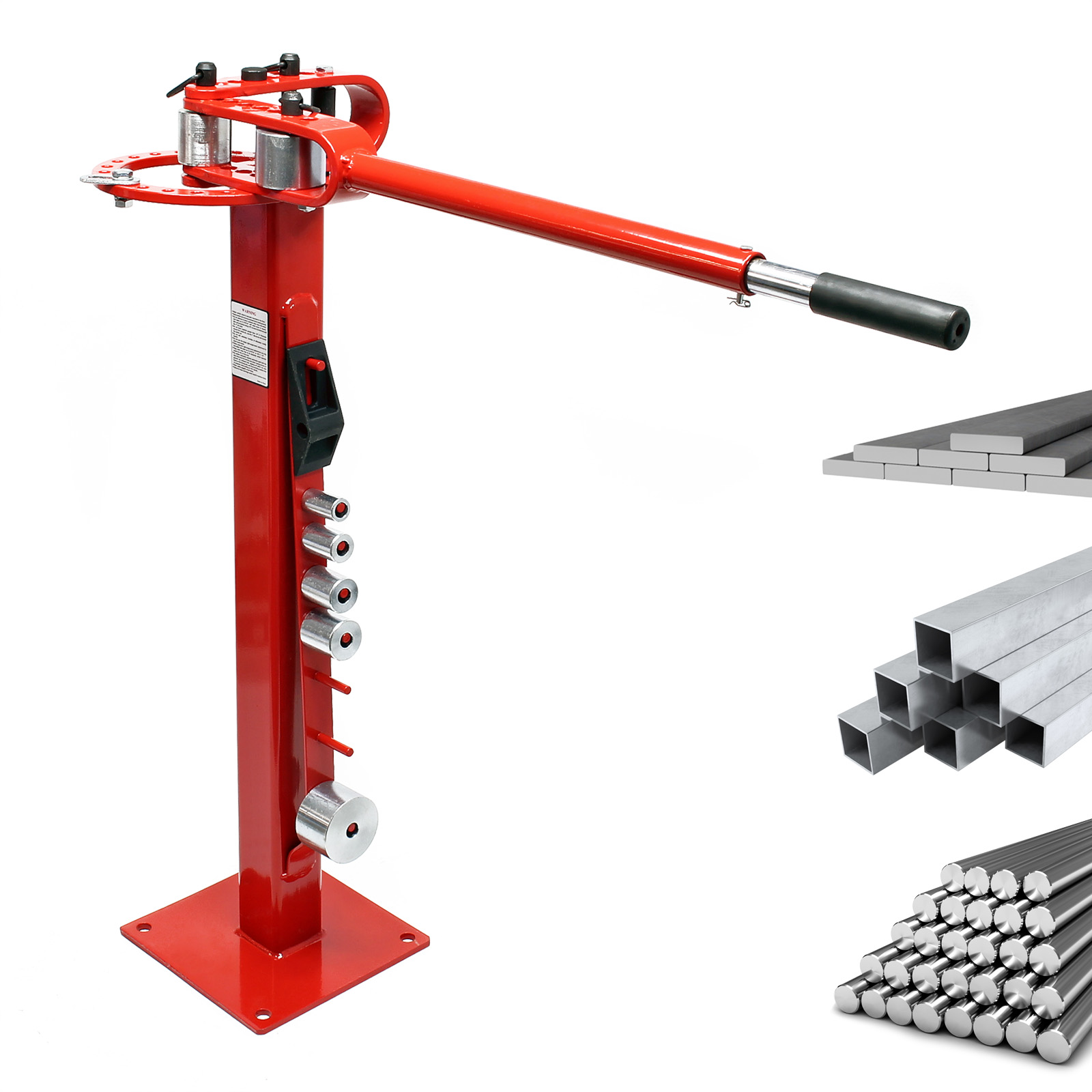
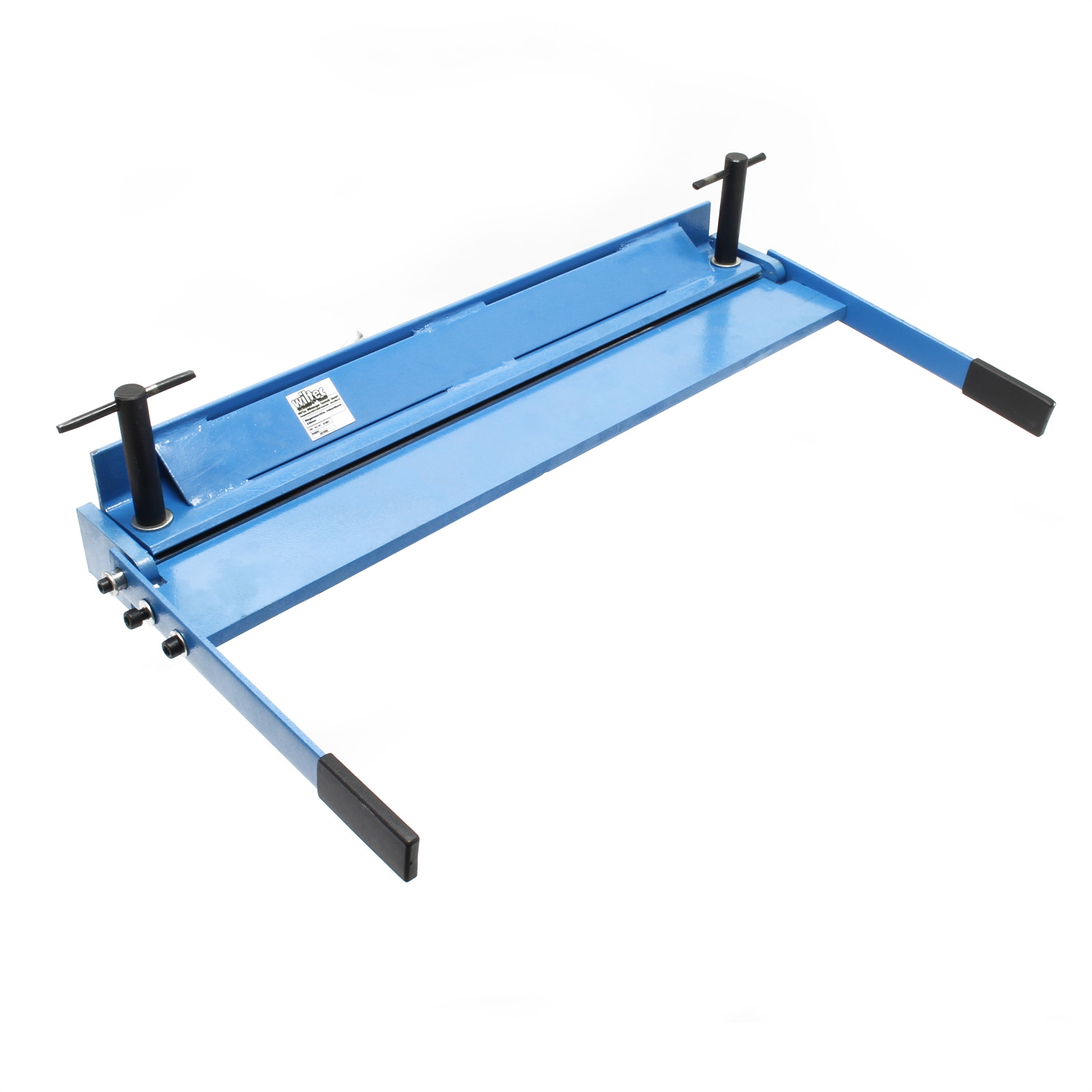
Bending machines are specialized tools designed to shape metal, plastic, and other materials into specific angles and curves. These machines play a crucial role in various industries such as manufacturing, construction, automotive, and metalworking. Their primary function is to apply controlled pressure to a material, causing it to bend to a precise angle or radius without compromising its structural integrity.
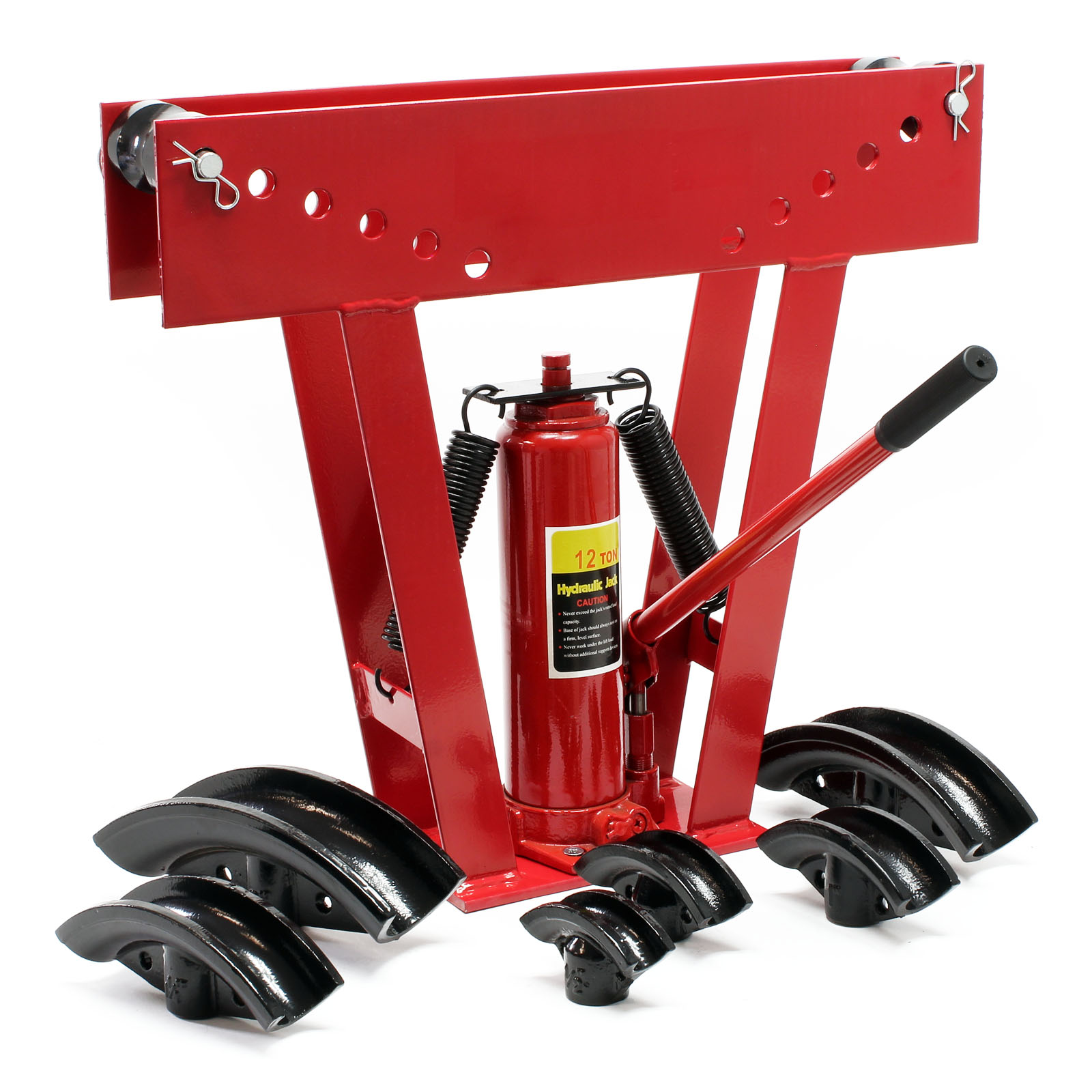
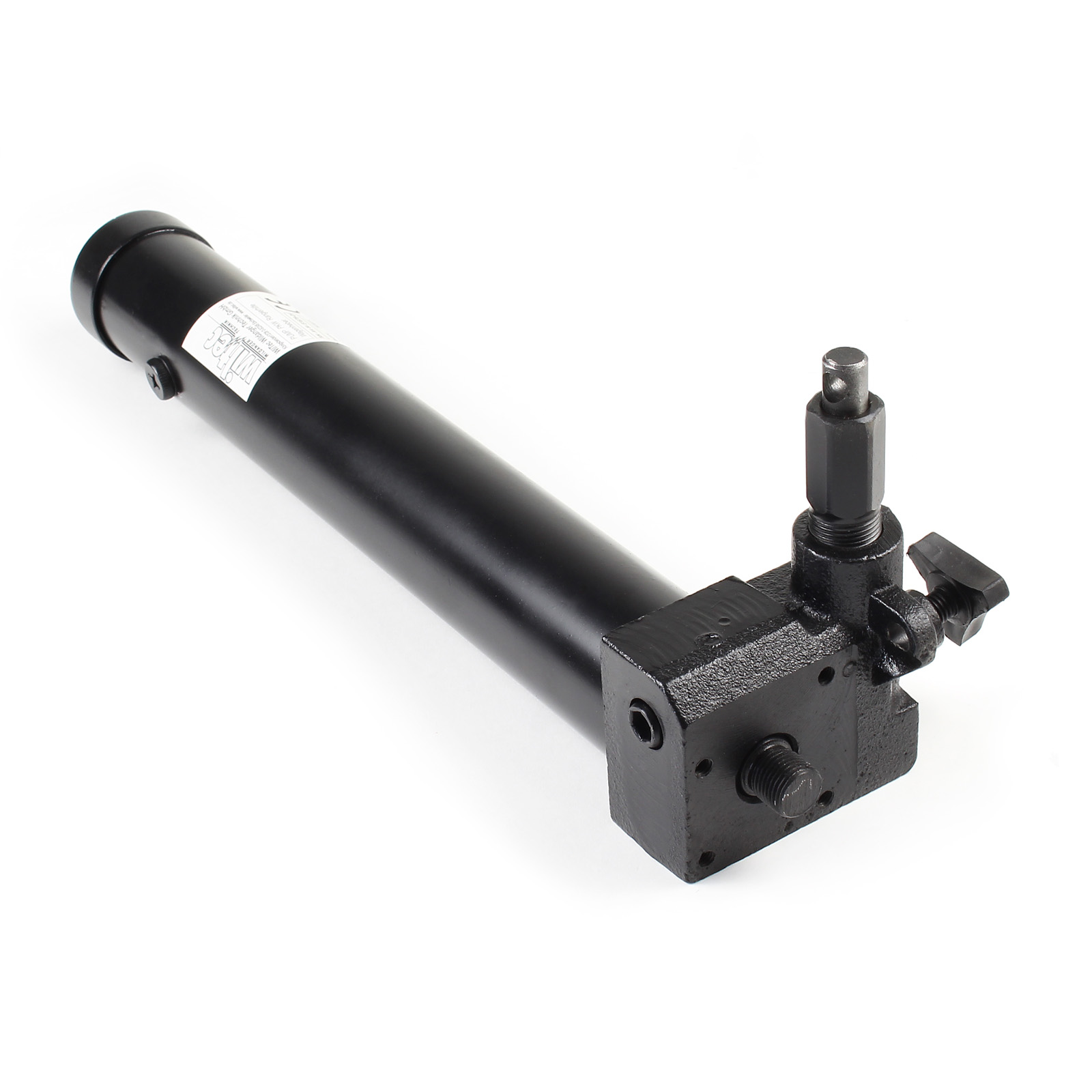
Bending machines can be categorized into several types, including manual, hydraulic, and mechanical, each suited for different tasks based on material strength, complexity, and size. Hydraulic pipe benders, for example, provide more significant force, making them ideal for heavy-duty tasks and industrial applications, while manual benders are typically used for smaller jobs and lightweight materials.
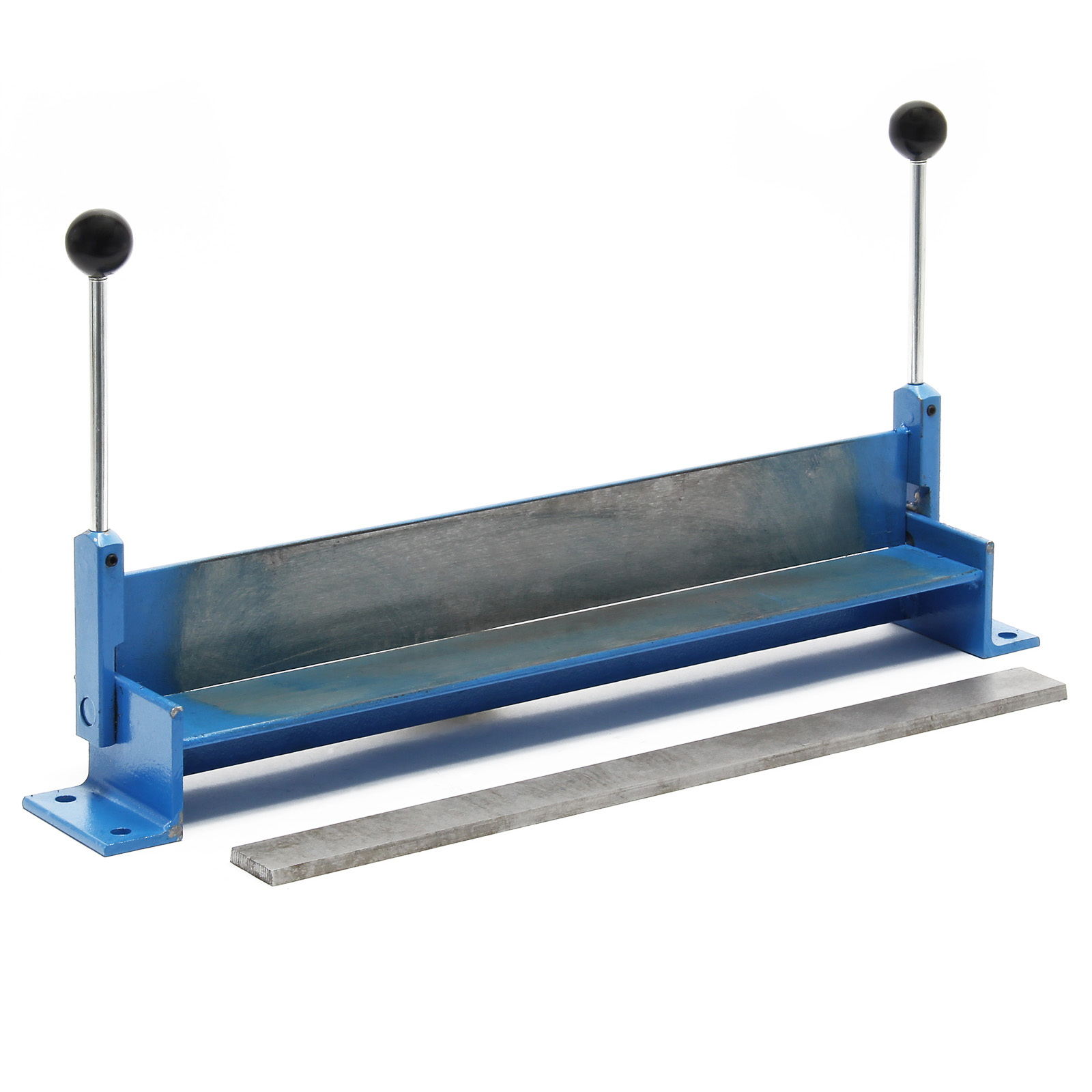
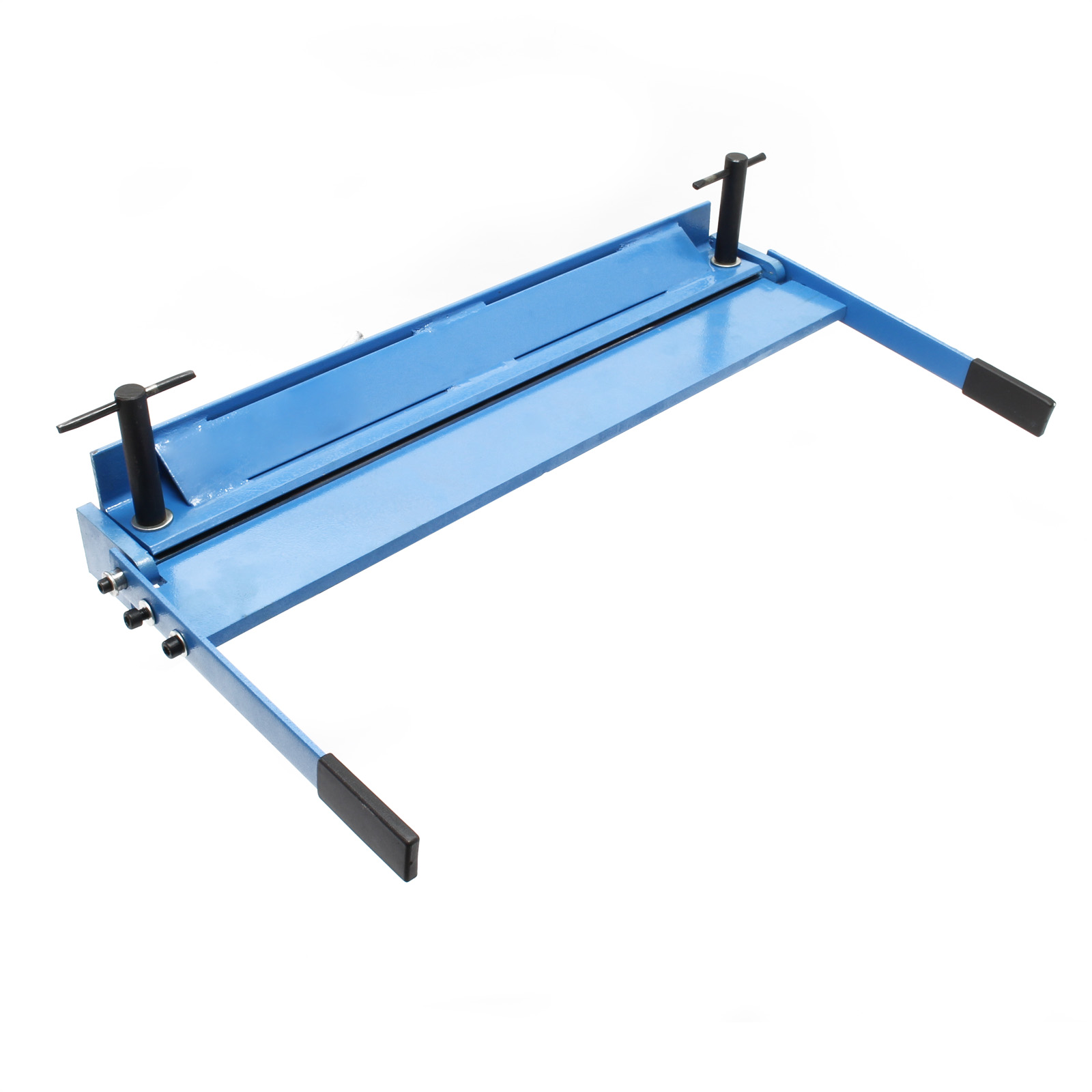
In addition to bending pipes and tubes, these machines can also be used to form sheets, rods, and other solid materials into custom shapes for construction, automotive parts, and structural components. The ability to bend accurately and efficiently is critical in producing parts that need to fit specific dimensions for assembly or further processing.
With advancements in technology, bending machines are now more versatile and efficient than ever before. They help reduce material waste, minimize errors, and increase productivity, ultimately leading to higher quality and faster production in various industrial applications.

Manual Pipe Bender 14–32mm: A Versatile Solution for Bending Aluminium, Copper, and Plastic Pipes
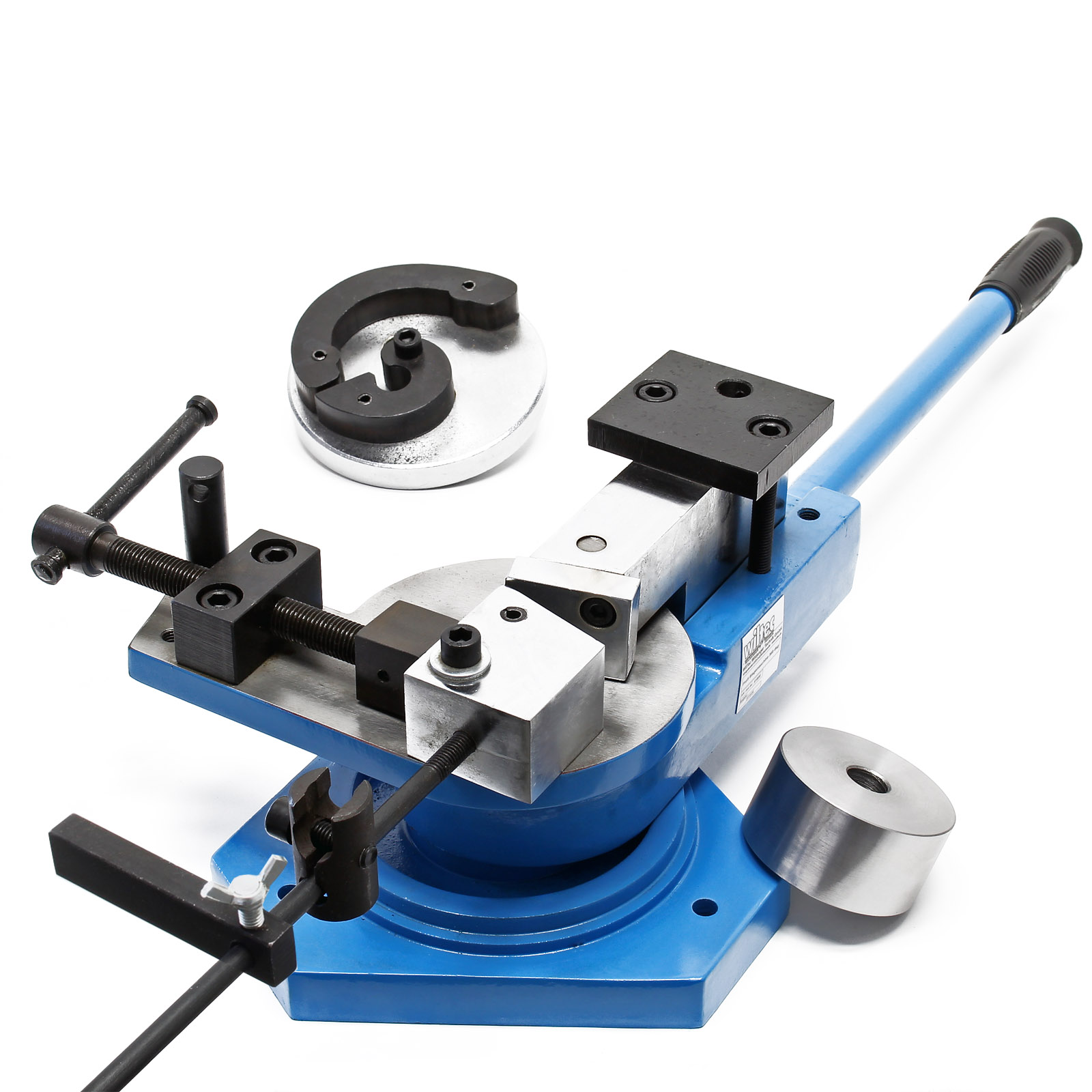
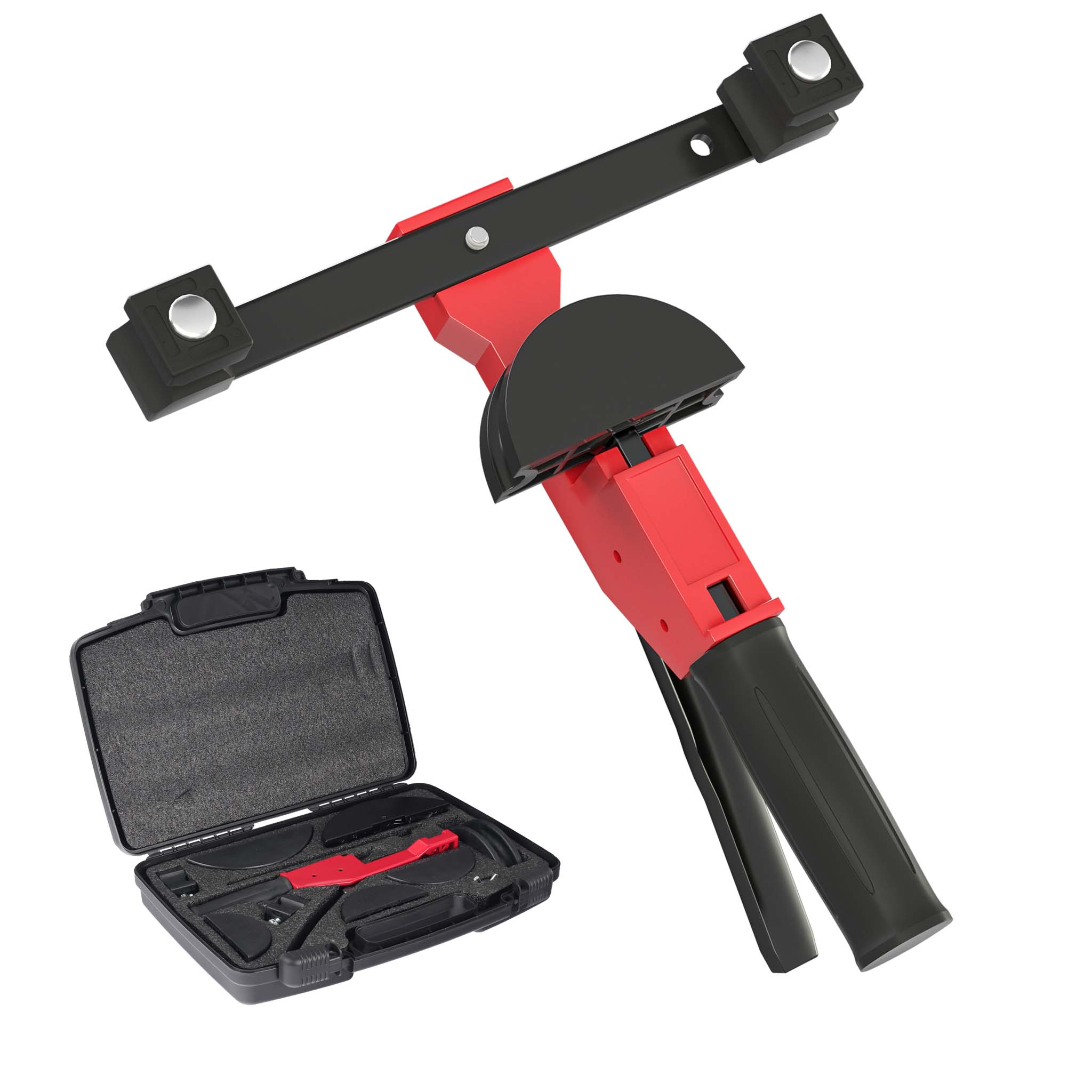
The Manual Pipe Bender 14–32mm is an essential tool for bending a variety of pipes, including aluminium, copper, and plastic, with ease and precision. Designed for simplicity and efficiency, this bender is ideal for small to medium-scale projects that require accurate bends at a 90º angle. The adjustable design accommodates pipe sizes ranging from 14mm to 32mm, making it versatile enough to handle a wide range of materials and applications.
This manual pipe bender is perfect for professionals and DIY enthusiasts alike, offering a cost-effective solution for bending pipes without the need for complicated machinery or hydraulic systems. The ergonomic design ensures ease of use, while the high-quality materials provide durability and long-lasting performance.
It is particularly useful in plumbing, electrical, and automotive applications, where precise bends are necessary for installations and repairs. The 90º angle ensures that the bends are uniform and consistent, reducing the risk of damage to the material. Whether you're working with copper pipes for plumbing or plastic pipes for irrigation, this manual pipe bender is an excellent tool to achieve accurate results every time.
Bending machines are crucial tools in many industries, enabling manufacturers to create bent components for various applications. In the construction industry, bending machines are used to shape steel bars, rods, and pipes into the desired dimensions for use in reinforced concrete structures. These machines ensure that the bent components meet specific angles and radii, which are essential for the structural integrity of buildings, bridges, and other large infrastructure projects.
In the automotive industry, bending machines are used to form pipes, tubes, and exhaust components that need precise bends to fit within the confined spaces of a vehicle’s body. The ability to form these parts accurately is critical for the functionality and safety of the vehicle. Hydraulic pipe benders are especially popular in automotive manufacturing because they can handle high-strength materials and provide consistent results.
Bending machines also play a key role in the aerospace industry, where they are used to manufacture structural components with complex shapes and designs. For example, aircraft components such as landing gear struts and fuel lines often require bends to fit within tight spaces and meet the strict tolerance requirements of the aerospace standards.
Additionally, the furniture industry uses bending machines to create curved components for chairs, tables, and other furniture pieces. Bending machines are also used in metalworking, where they form decorative and functional elements for architecture, art, and design projects. Across these diverse industries, bending machines help improve production efficiency, enhance precision, and reduce waste, making them an indispensable tool in modern manufacturing.
Operating a Bending Machine Safely and Effectively
To operate a bending machine effectively, the operator must have a clear understanding of the machine's setup, the material being processed, and the specific requirements of the bending task. Safety is a critical consideration when working with bending machines, especially those with hydraulic systems that exert high pressure. Operators should start by ensuring they have the proper personal protective equipment (PPE), such as gloves, safety glasses, and steel-toed boots, to minimize the risk of injury.
Before operating the machine, it is important to inspect it for any signs of wear or damage. Ensure that the hydraulic system is functioning properly and that the dies are correctly aligned. When loading the material into the machine, it is crucial to position it securely to prevent slipping or shifting during the bending process.
Once the material is in place, the operator can engage the hydraulic system, allowing it to apply controlled pressure to bend the material. Operators should always monitor the bending process carefully to ensure the material is bending evenly and to avoid over-stretching, which can cause material fatigue or breakage.
During the operation, the machine’s controls should be adjusted as needed to achieve the desired bend. After the bend is complete, operators should carefully remove the material from the machine and inspect the bend for accuracy. For long-term use, regular maintenance of the machine, such as checking hydraulic fluid levels and cleaning components, will help ensure its reliability and extend its lifespan.
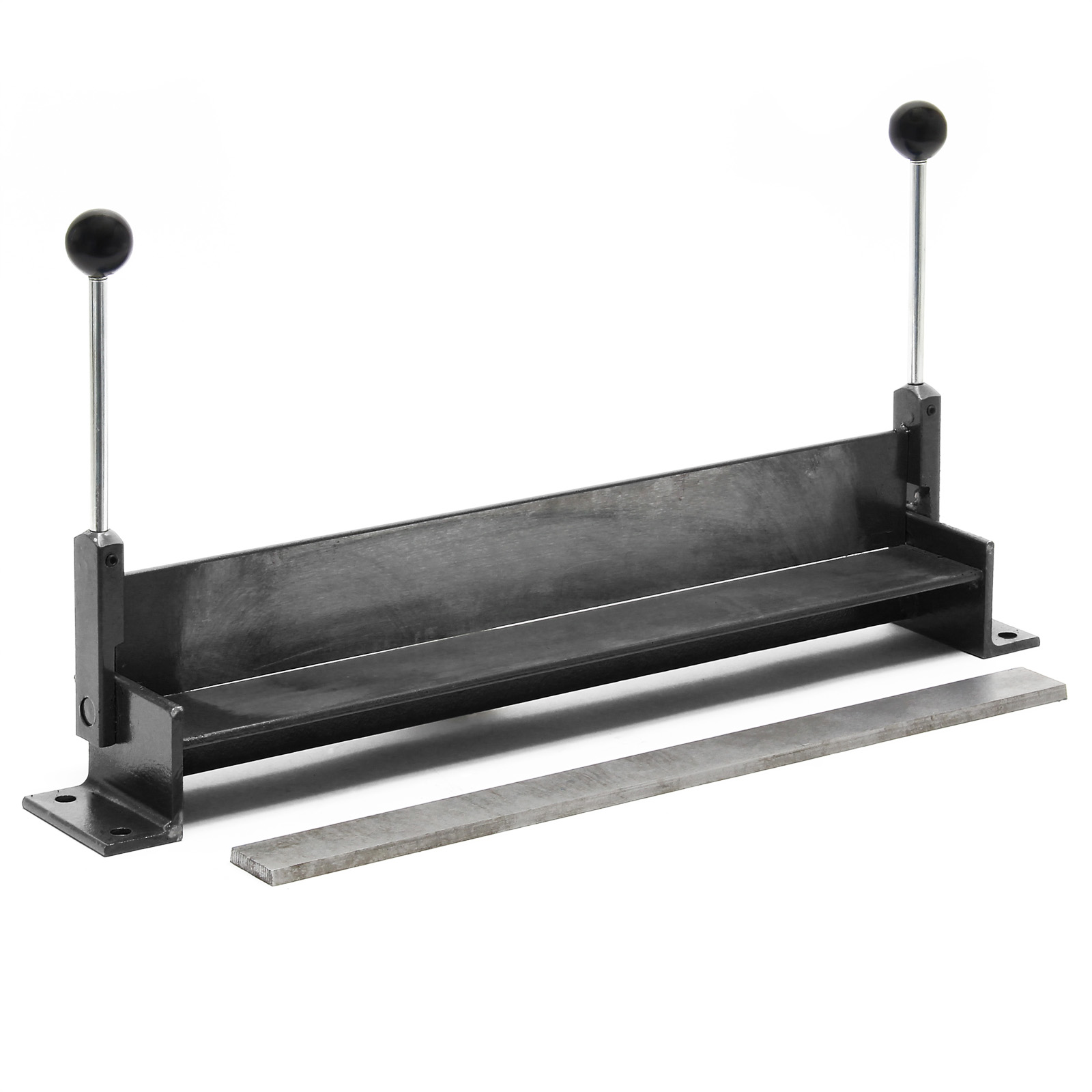
Bending and Beading Machine for Metal Sheet Corrugation and Profiling
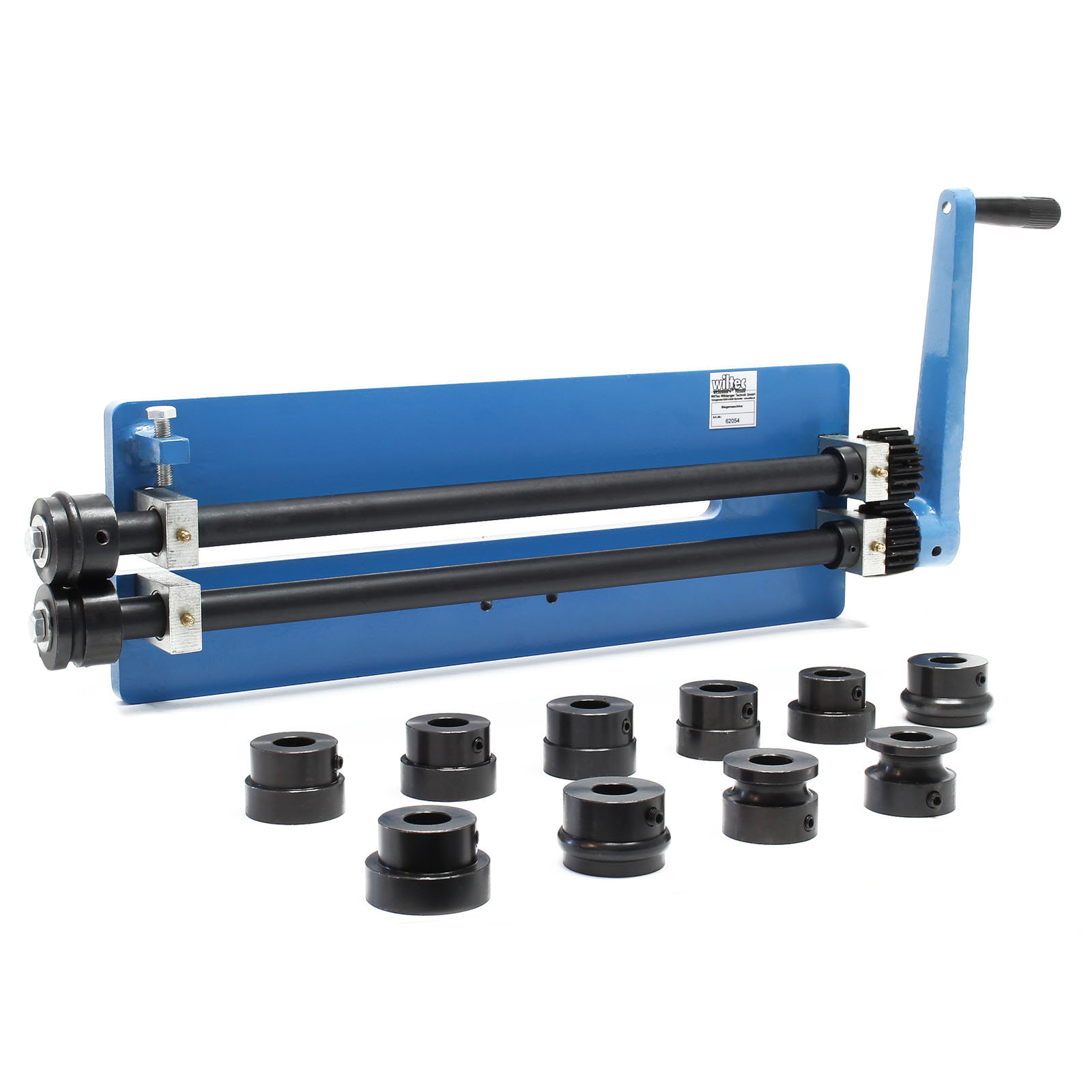
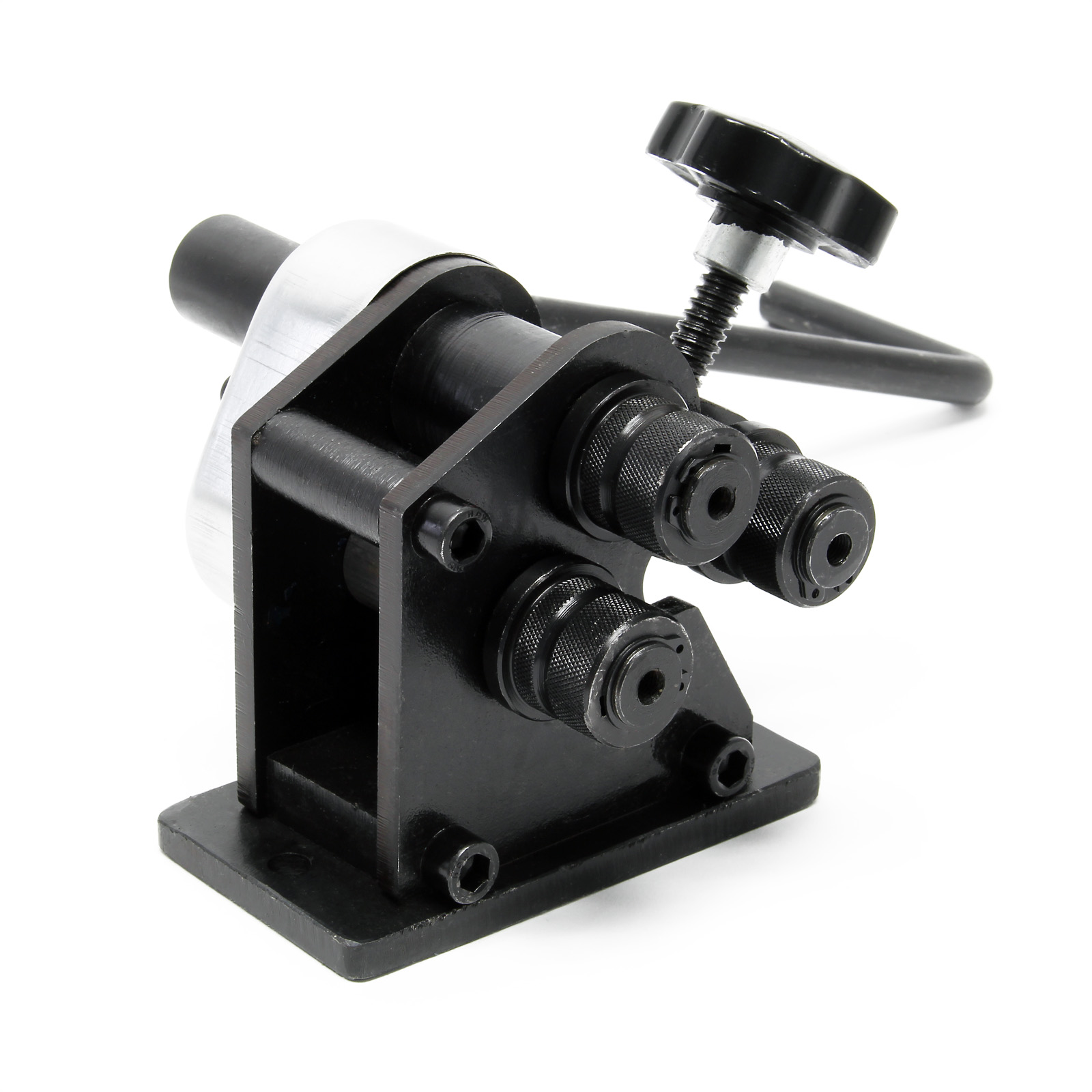
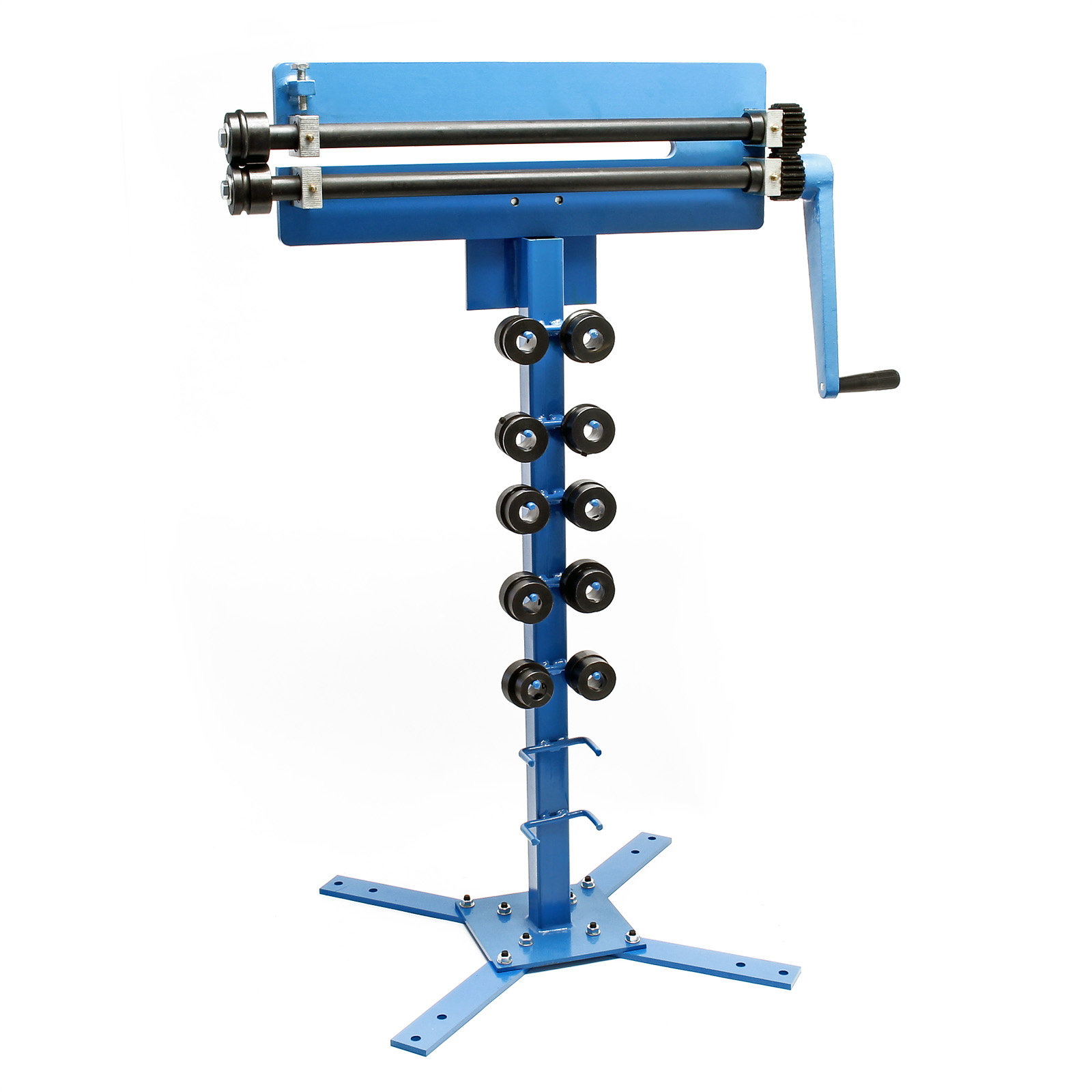
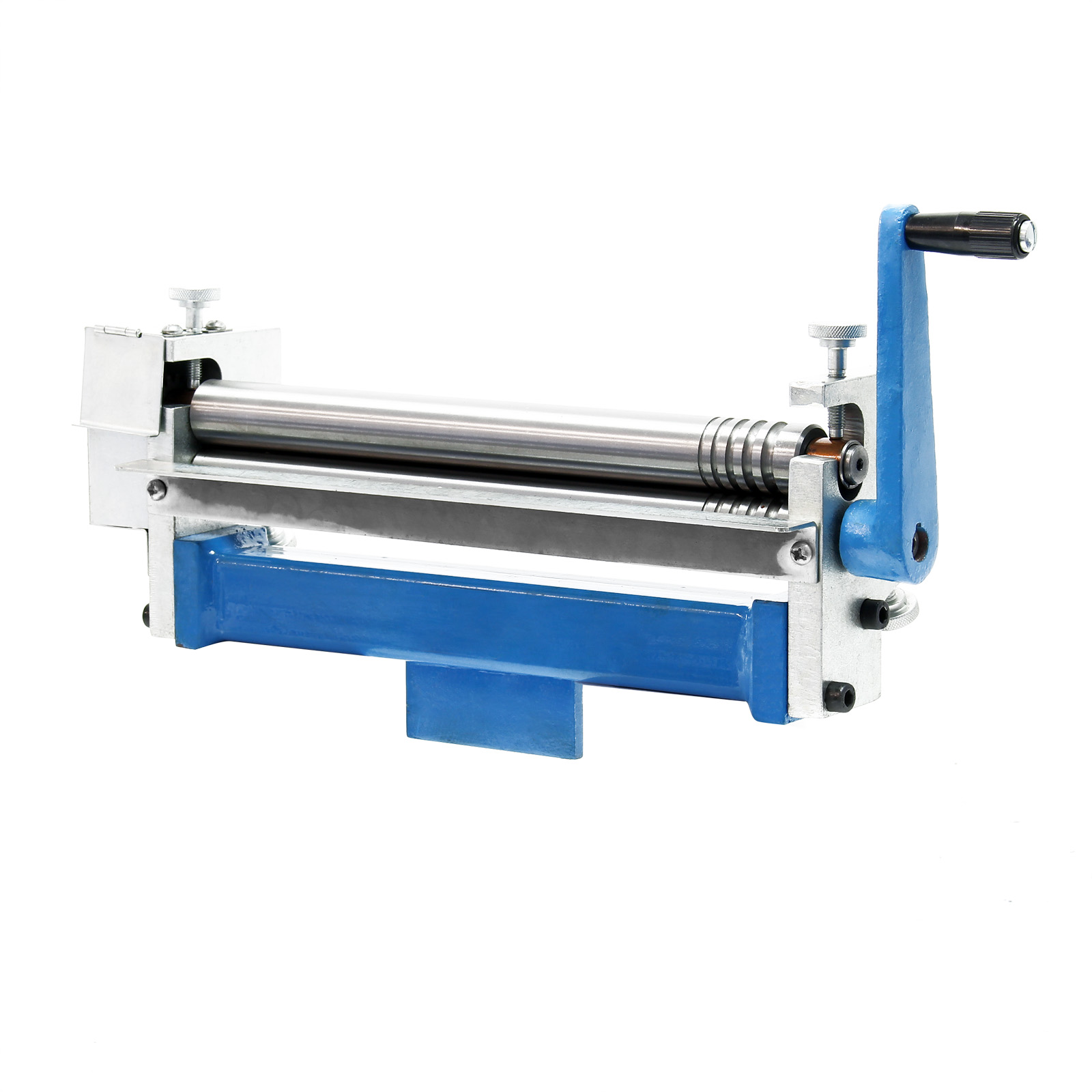
The Bending and Beading Machine for metal sheet processing is an essential tool for industries that require precise corrugation and profiling of metal sheets. This machine is designed to work with various types of metal sheets, providing an efficient solution for creating corrugated profiles that are widely used in roofing, siding, and other construction applications. The ability to create different profiles allows for enhanced flexibility in production, making this machine an ideal choice for companies involved in the manufacturing of roofing materials, industrial panels, and decorative metalwork.
The machine includes profile rolls that are specifically designed for shaping metal sheets into consistent, accurate profiles, ensuring high-quality results with every use. Whether you're working with aluminum, steel, or other metals, the machine delivers reliable performance, producing the required bend or corrugated pattern with ease. This versatility also makes it suitable for both light-duty and heavy-duty applications.
With its user-friendly design, the Bending and Beading Machine allows operators to quickly set up and adjust the machine to meet specific production needs. The precision and durability of this machine make it an excellent investment for businesses looking to streamline their metal sheet processing and achieve consistent, high-quality results. Whether for industrial manufacturing or construction, this machine helps improve efficiency and ensures the highest standard of finished metal products.
Understanding the Cycle Time of a Bending Machine
The cycle time of a bending machine refers to the total amount of time it takes to complete a single bending operation, from start to finish. This includes the time it takes for the machine to bend the material, release it, and return to its initial position for the next operation. The cycle time can vary depending on several factors, such as the type of machine, the complexity of the bend, and the material being processed.
Hydraulic bending machines, which use hydraulic pressure to bend materials, typically have faster cycle times than manual machines. The hydraulic system allows the machine to apply consistent force more quickly, which helps reduce the overall time required for each operation. Additionally, machines equipped with advanced controls or automatic systems can adjust their operation speed to optimize cycle time based on the material and bend type.
The size of the material being bent also plays a role in the cycle time. For instance, thicker materials generally require more time to bend, as the machine needs to apply greater force. For highly complex bends or larger parts, the cycle time may be longer due to the added precision and slower adjustments needed.
In industries where high production volumes are required, minimizing cycle time is essential for increasing efficiency and reducing costs. Manufacturers can optimize the cycle time by maintaining their bending machines regularly, ensuring all components are functioning properly and that the machine is set up correctly for the task at hand.

Pipe Bender vs. Tube Bender: Differences in Functionality
The terms "pipe bender" and "tube bender" are often used interchangeably, but they refer to machines designed to bend different types of materials. Pipe benders are specifically built for bending pipes, which are typically thicker and more rigid than tubes. Pipes are usually used for plumbing, industrial systems, and heavy-duty applications where strength is essential.
Pipe benders, particularly hydraulic models, are capable of handling the higher pressures and stresses associated with these materials. They also tend to be more robust and built to withstand the forces required to bend pipes without causing them to crack or deform.
Tube benders, on the other hand, are used for bending tubes, which are thinner and more flexible than pipes. Tubes are commonly found in applications such as automotive exhaust systems, furniture, and lightweight frameworks. Tube benders are designed to work with thinner walls and allow for more precise bends, especially when working with delicate materials.
The dies and the bending mechanisms of a tube bender are typically different from those of a pipe bender to accommodate the different characteristics of the materials. The two types of benders serve distinct purposes and are selected based on the specific material and application requirements.
Three Types of Pullers Used in Manufacturing and Maintenance
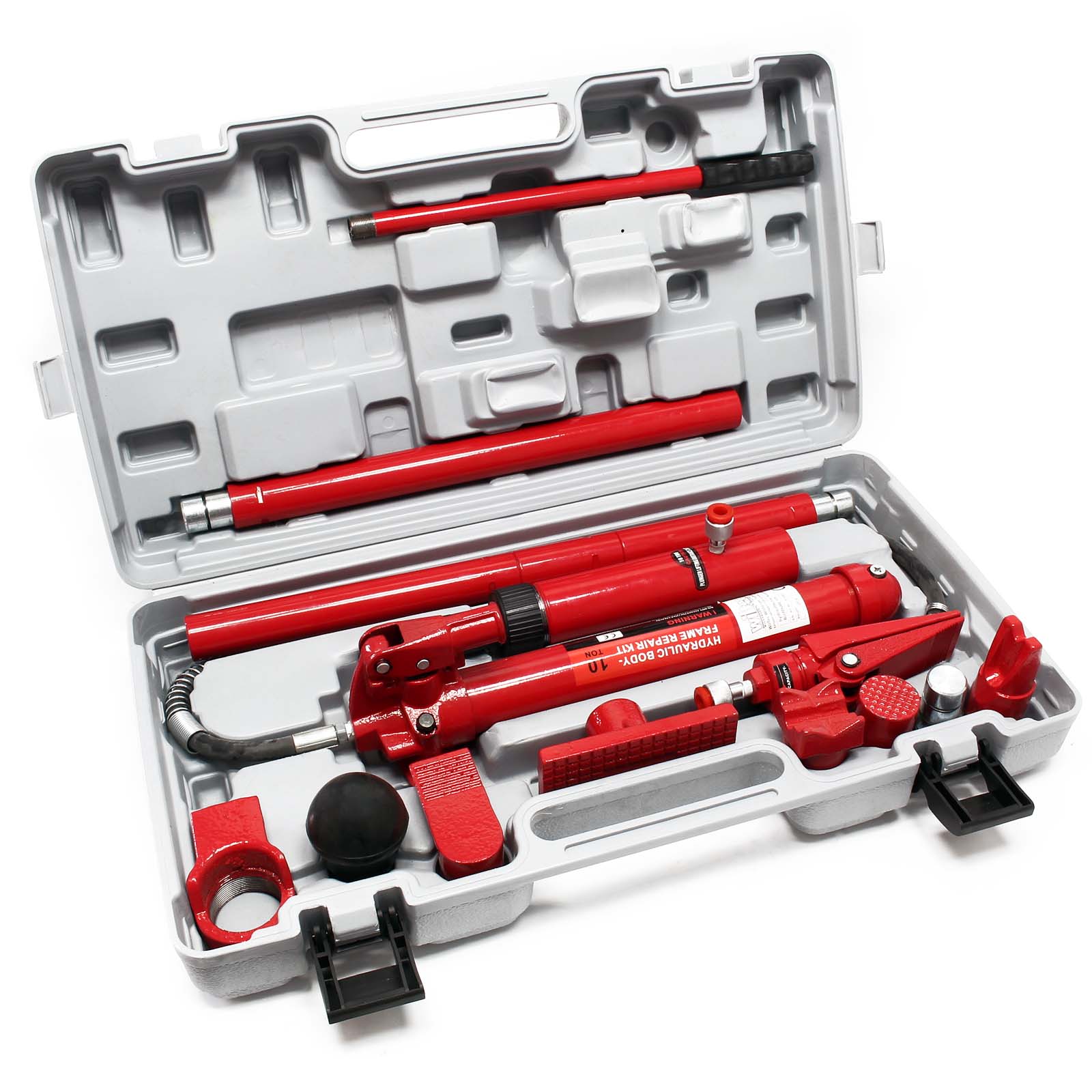
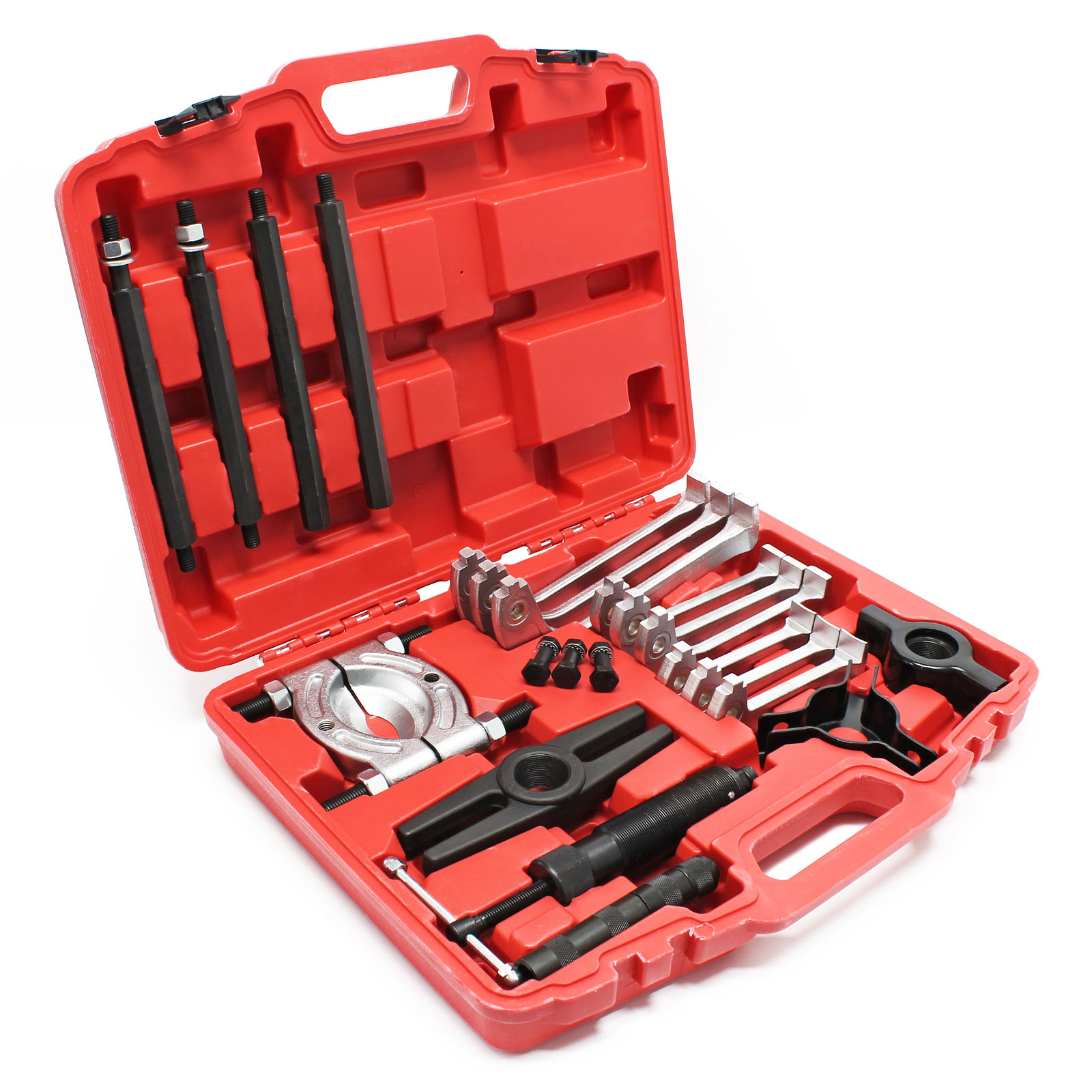
Pullers are tools designed to remove parts that are stuck or difficult to remove due to tight tolerances or wear. They are essential for a wide range of maintenance and assembly operations, especially in industries like automotive, construction, and manufacturing. There are three main types of pullers: mechanical pullers, hydraulic pullers, and pneumatic pullers.
Mechanical pullers rely on manual force to remove parts. They consist of a set of arms that clamp onto the component, with a screw mechanism that applies force to pull the part off the shaft. These are often used for lighter-duty applications.
Hydraulic pullers, on the other hand, use hydraulic pressure to generate more force, making them ideal for heavy-duty tasks where significant force is required. Hydraulic pullers are commonly used for removing large components like gears, pulleys, and bearings, which are difficult to remove with mechanical pullers.
Pneumatic pullers operate using compressed air, allowing for quick and efficient part removal. These pullers are used when fast operation is necessary, such as in high-production environments. Each type of puller has its specific applications based on the task's complexity, the force required, and the time available for the operation.
Understanding the right type of puller for a given task is crucial for achieving the best results and preventing damage to the components being removed.

The cycle time of a bending machine is a critical factor in determining its efficiency. In simple terms, it refers to how long the machine takes to complete one full bending operation. This includes the time needed to apply pressure to the material, form the bend, and return to its resting position. Cycle time is affected by various factors such as the machine type, material, and bend complexity. A shorter cycle time increases production efficiency, but this can only be achieved when the machine is properly set up and maintained.

When operating bending machines, one of the key considerations is cycle time. For hydraulic machines, cycle time is generally faster compared to manual models due to the force generated by the hydraulic system. This rapid movement allows for quicker bending of materials, which is essential for high-volume production. In industries where speed is essential, minimizing cycle time can have a significant impact on overall productivity. It’s important to keep in mind that reducing cycle time should not compromise the quality of the bends.

Cycle time can also be influenced by the size and complexity of the material being processed. Larger or thicker materials typically take longer to bend as more pressure is required. In these cases, adjusting the machine settings to accommodate the material’s characteristics can help achieve the optimal cycle time without overloading the system. Regular inspection and calibration of the machine’s components can help ensure that the bending process remains smooth and efficient, even as the complexity of the work increases.
Summary of Bending Machines and Their Applications
Bending machines are indispensable tools in various industries where precision and efficiency are required to shape materials like metal, plastic, and more. These machines come in different types, including manual, hydraulic, and mechanical models, each suited to specific tasks depending on the material and project requirements.
Hydraulic pipe benders, for instance, offer high force and precision for larger and tougher materials, making them ideal for heavy-duty applications. The versatility of bending machines allows them to be used in a range of industries, from construction to automotive manufacturing, to create parts with specific bends and angles.
Safety, proper operation, and understanding the cycle time are crucial for maximizing efficiency and ensuring high-quality results. With advancements in technology, bending machines are now faster, more reliable, and more versatile than ever, contributing to the success of modern manufacturing processes.