


























































Pressure Hoses & Suction Hoses
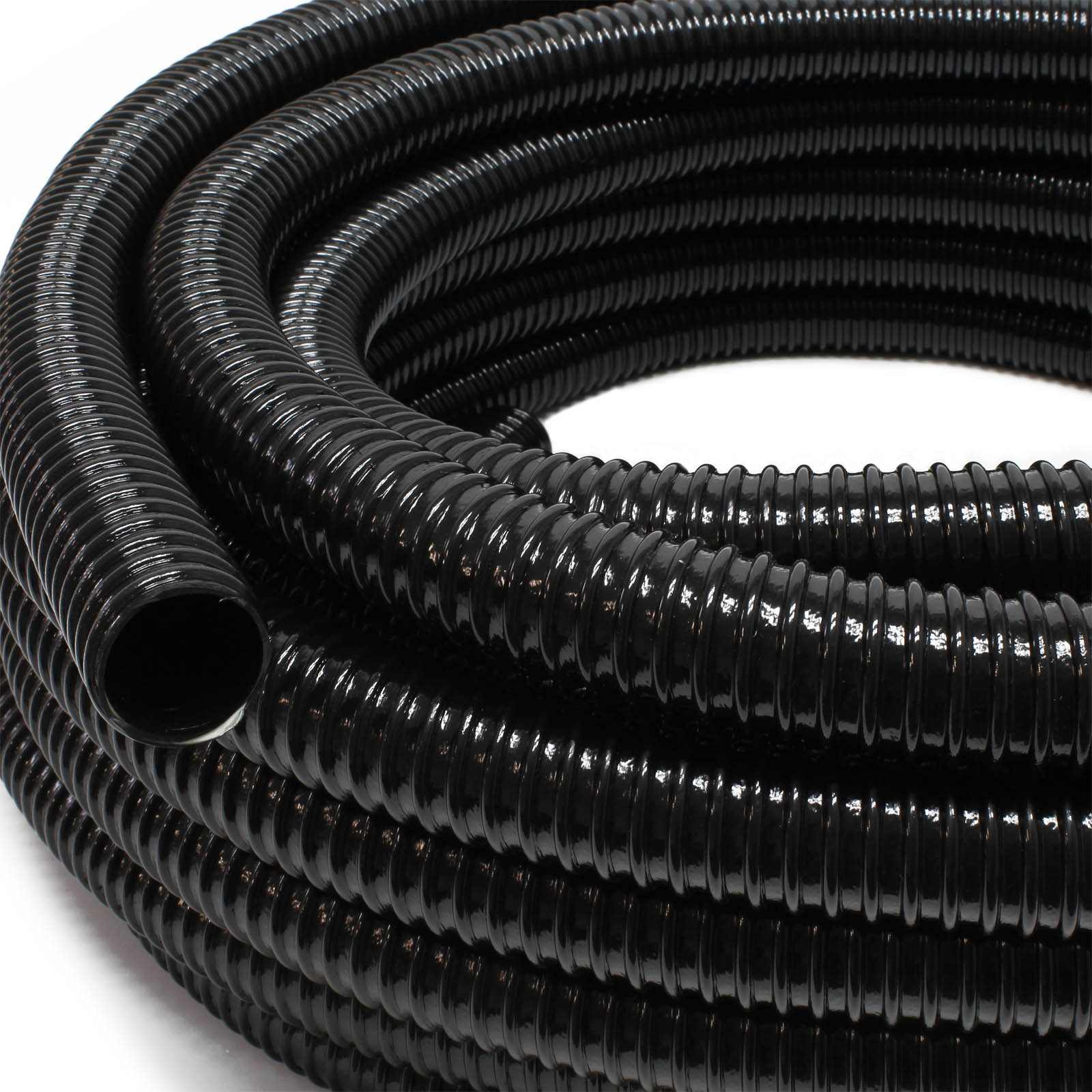
Available in 7 days, delivery time 2 - 3 days
• 25 m length and 25 mm (1″) inner diameter
• UV resistant material suitable for −5 °C to 60 °C
• Reinforced with PVC helix for extra stability
• Not suitable for closed pressure systems
Content: 25 metre(s) (€1.64* / 1 metre(s))

Available in 2 days, delivery time 2 - 3 days
• Temperature range -5°C to 60°C
• Diameter 38 mm
• Weight 550 g/m
• Length 5 m
Content: 5 metre(s) (€5.70* / 1 metre(s))
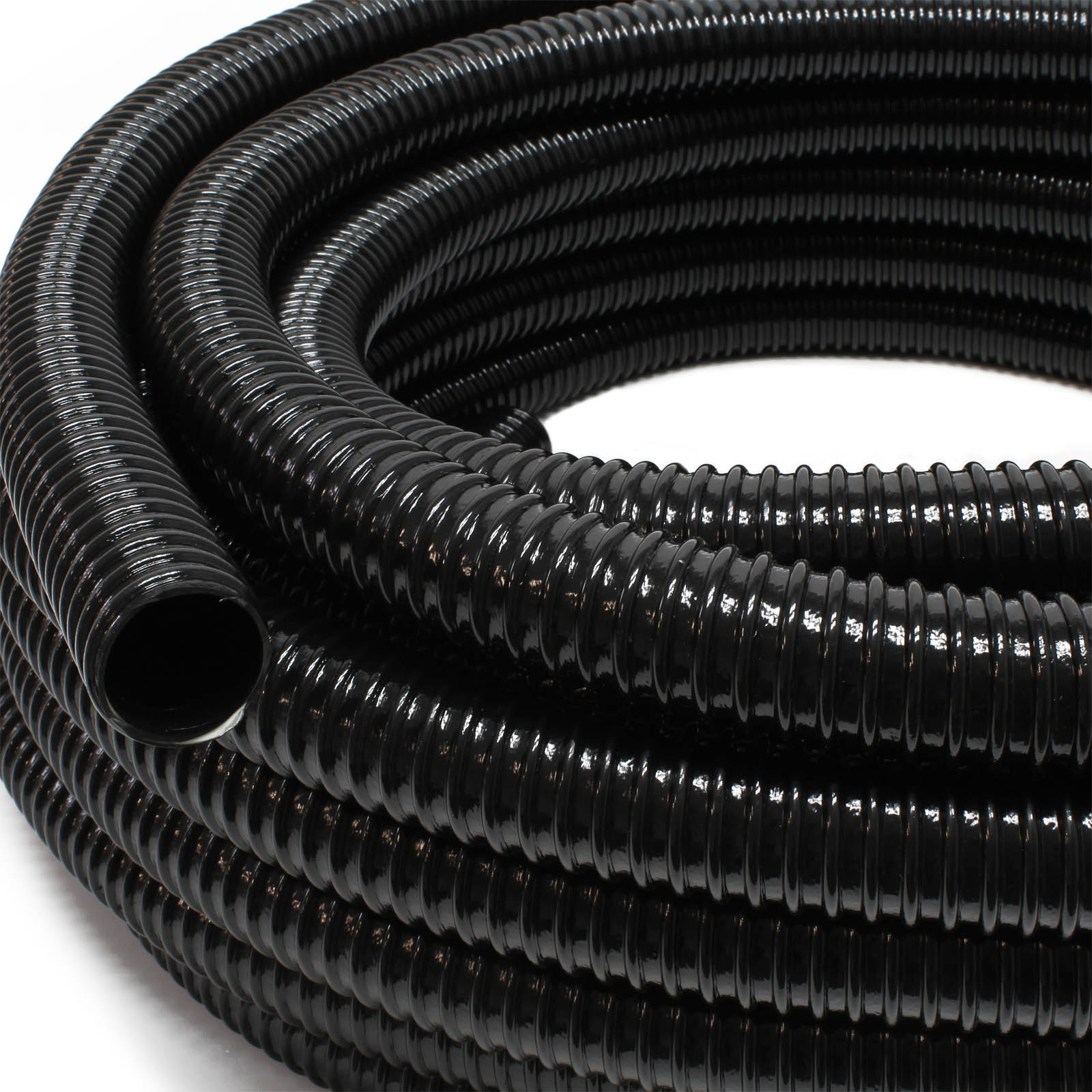
Available, delivery time: 2 - 3 days
• 50 m length and 25 mm (1”) inner diameter
• UV resistant material suitable for -5°C to 60°C
• Reinforced with PVC helix for extra stability
• Not suitable for closed pressure systems
Content: 50 metre(s) (€1.38* / 1 metre(s))
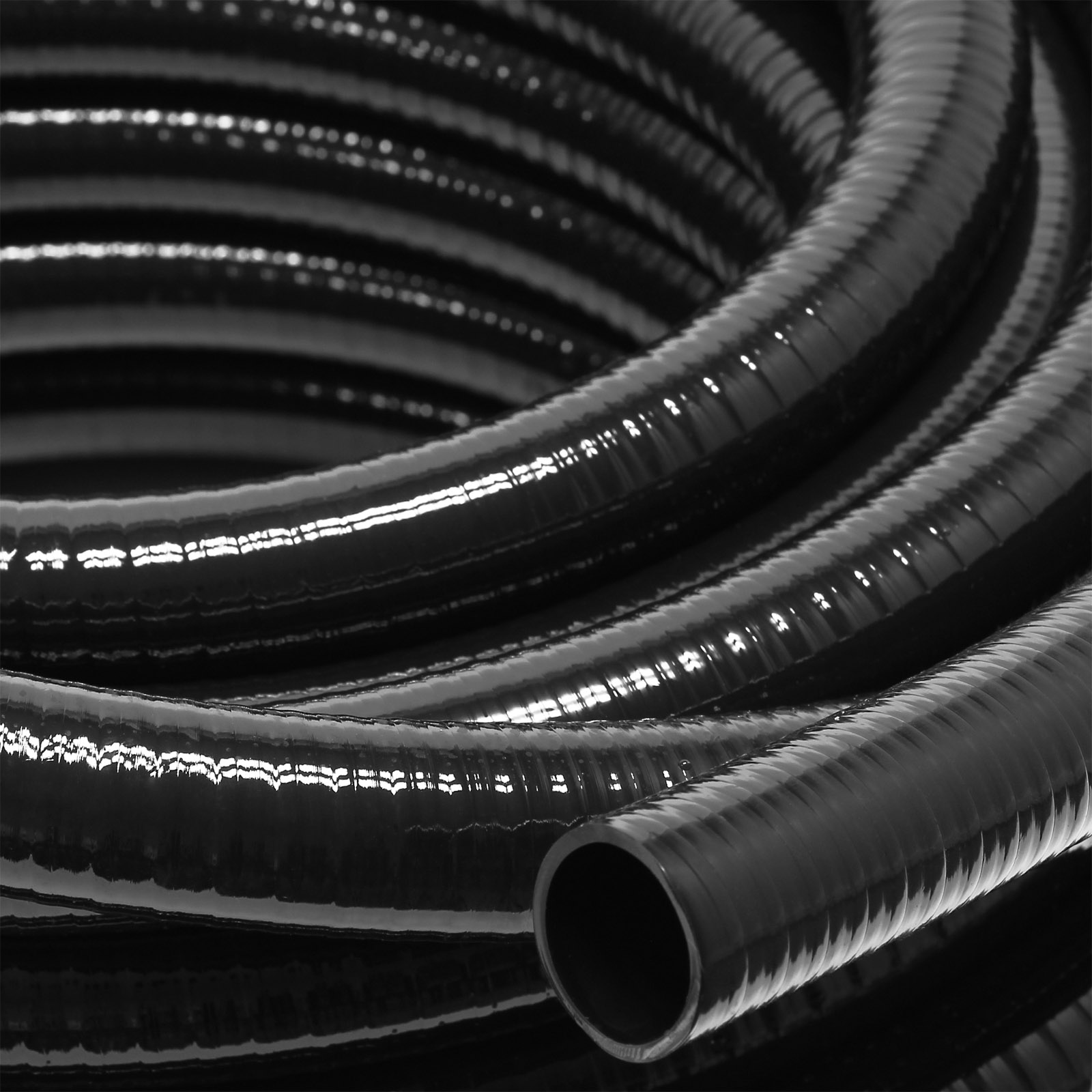
Available in 7 days, delivery time 2 - 3 days
• Temperature range -5°C to 60°C
• Diameter 38 mm
• Weight 550 g/m
• Length 25 m
Content: 25 metre(s) (€3.80* / 1 metre(s))
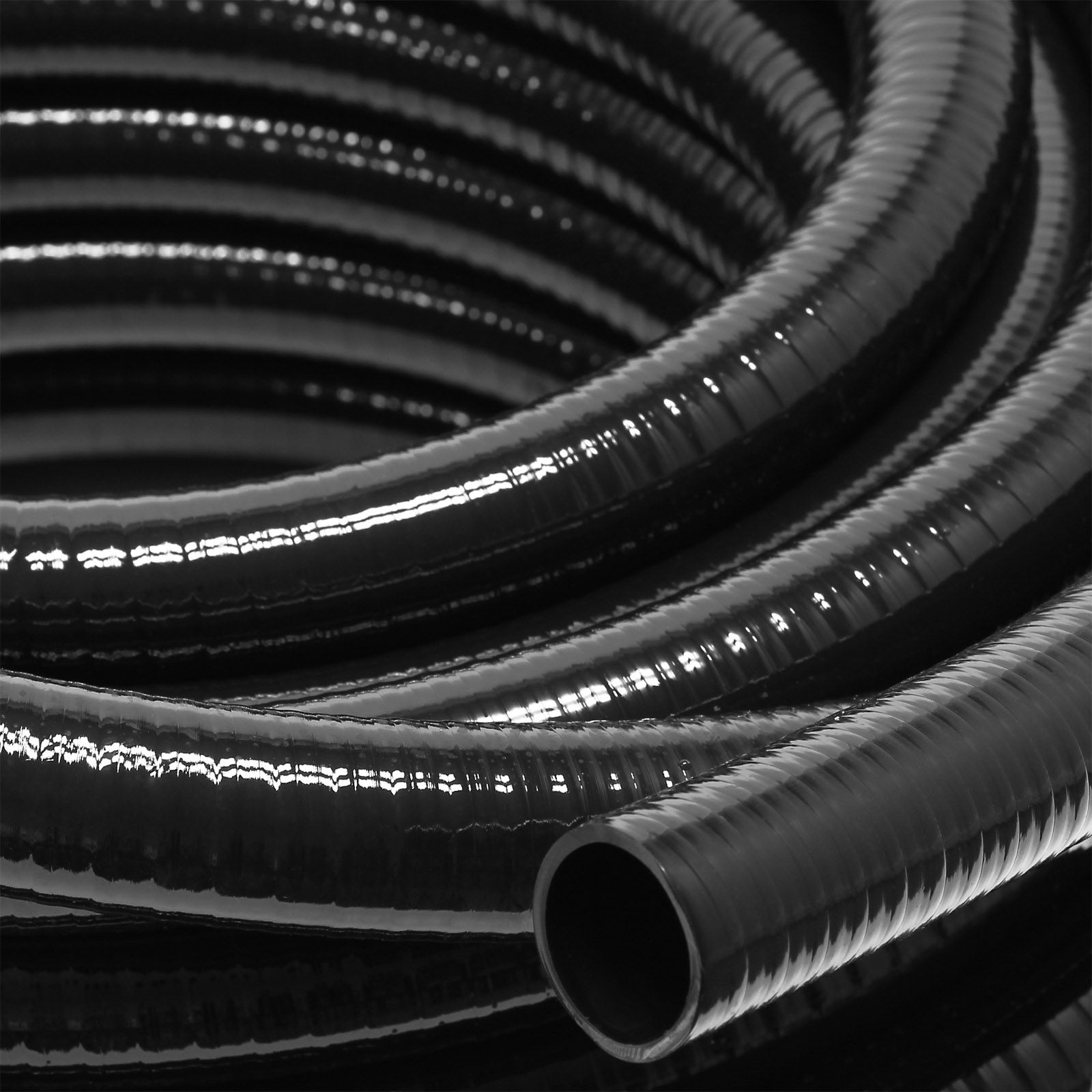
Available, delivery time: 2 - 3 days
• Temperature range -5°C to 60°C
• Diameter 25 mm
• Weight 330 g/m
• Length 5 m
Content: 5 metre(s) (€3.40* / 1 metre(s))
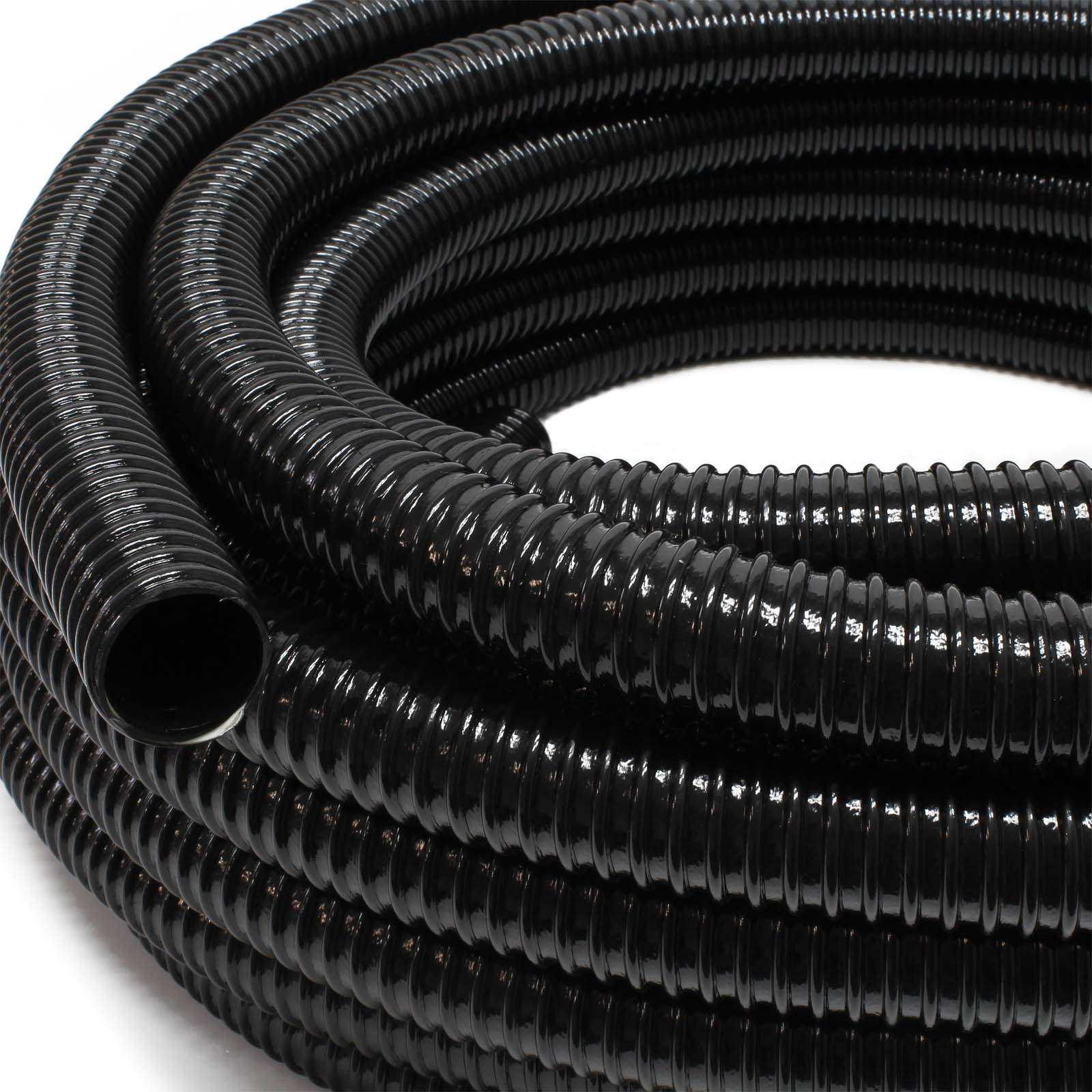
Available, delivery time: 2 - 3 days
• 5 m length and 25 mm (1”) inner diameter
• UV resistant material suitable for -5°C to 60°C
• Reinforced with PVC helix for extra stability
• Not suitable for closed pressure systems
Content: 5 metre(s) (€2.43* / 1 metre(s))

Available, delivery time: 2 - 3 days
• Temperature range -5°C to 60°C
• Diameter 32 mm
• Weight 460 g/m
• Length 5 m
Content: 5 metre(s) (€4.20* / 1 metre(s))
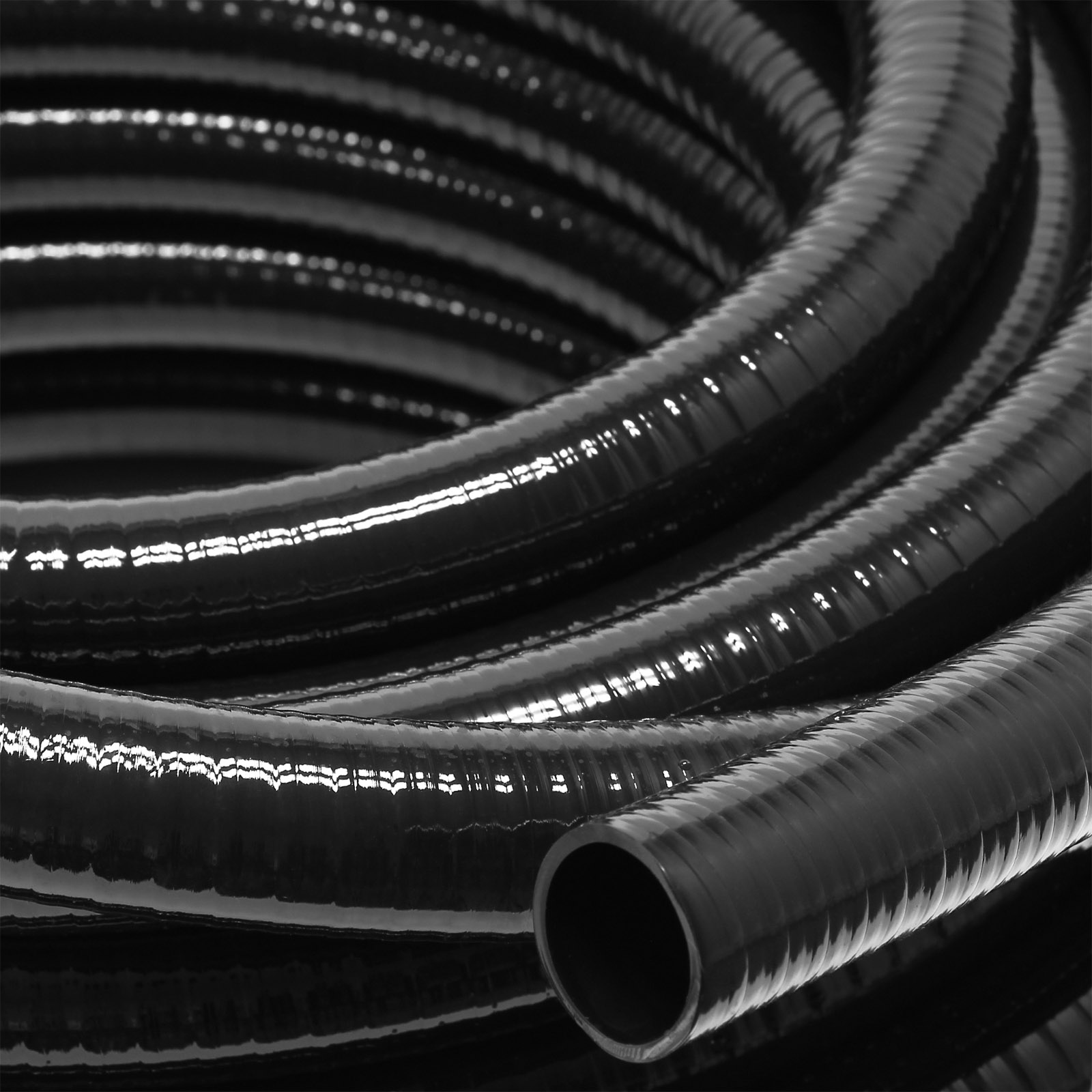
Available, delivery time: 2 - 3 days
• Temperature range -5°C to 60°C
• Diameter 25 mm
• Weight 330 g/m
• Length 25 m
Content: 25 metre(s) (€2.48* / 1 metre(s))

Available, delivery time: 2 - 3 days
• Temperature range -5°C to 60°C
• Diameter 32 mm
• Weight 460 g/m
• Length 25 m
Content: 25 metre(s) (€3.32* / 1 metre(s))
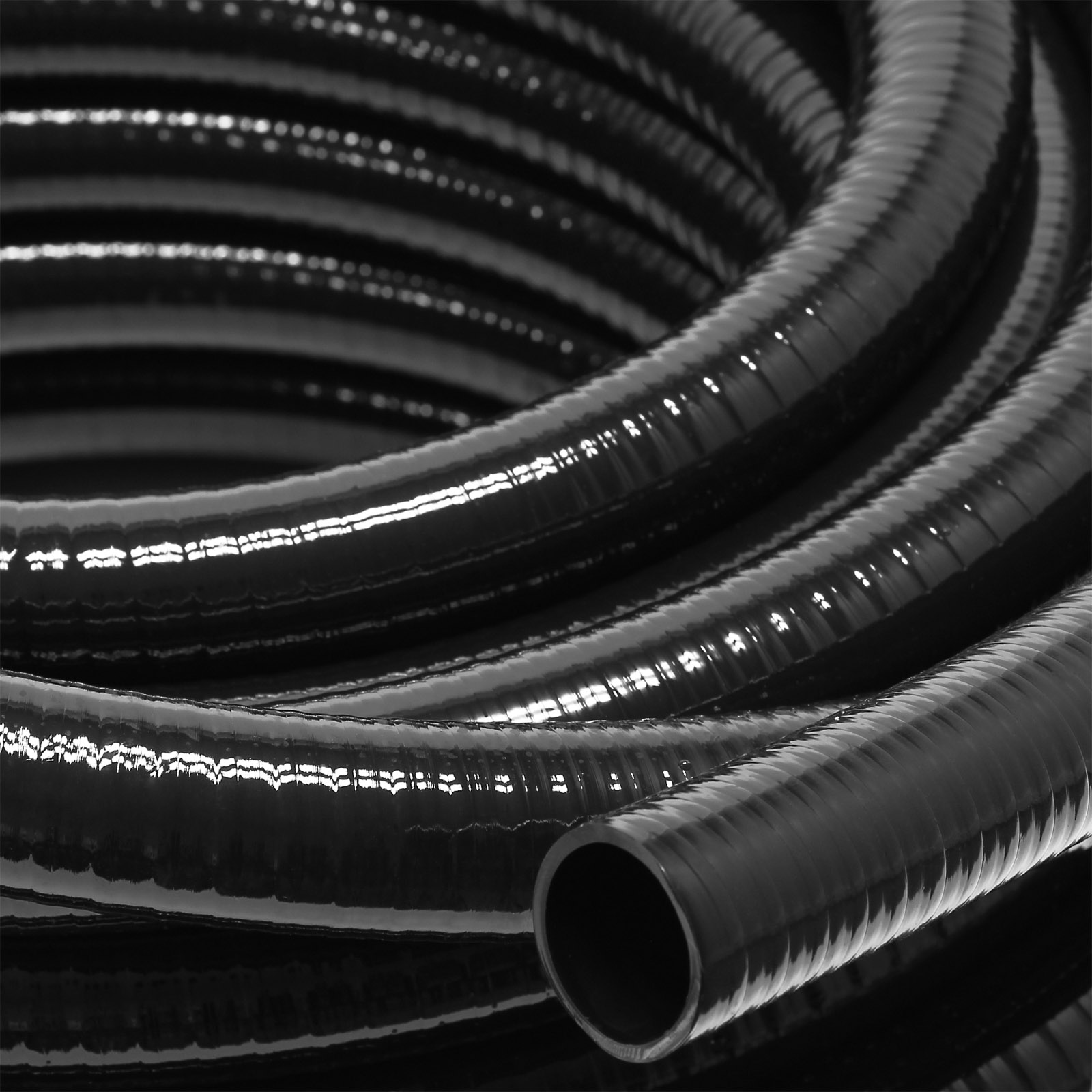
Available, delivery time: 2 - 3 days
• Temperature range -5°C to 60°C
• Diameter 38 mm
• Weight 550 g/m
• Length 50 m
Content: 50 metre(s) (€3.26* / 1 metre(s))
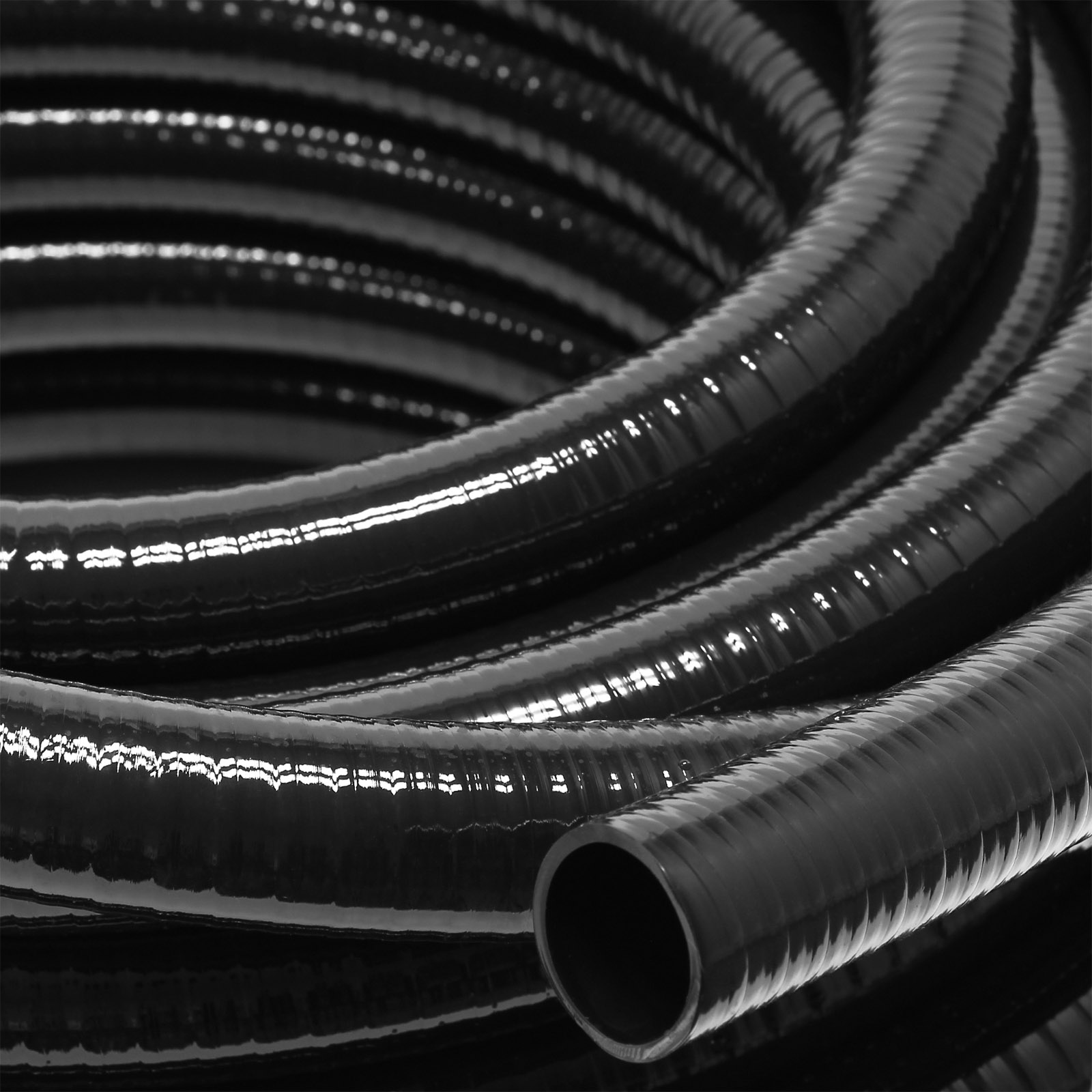
Available, delivery time: 2 - 3 days
• Temperature range -5°C to 60°C
• Diameter 40 mm
• Weight 610 g/m
• Length 5 m
Content: 5 metre(s) (€5.40* / 1 metre(s))
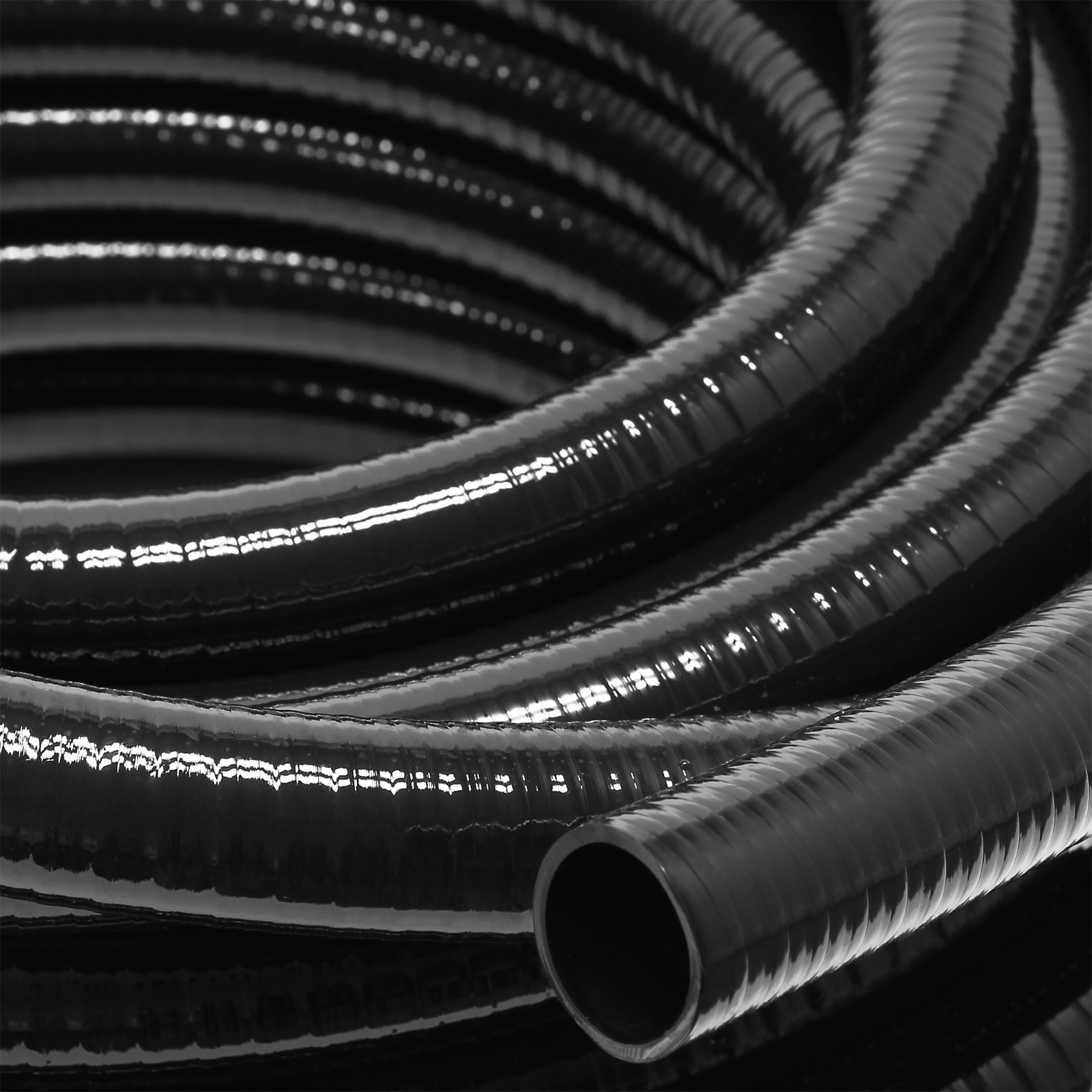
Available, delivery time: 2 - 3 days
• Temperature range -5°C to 60°C
• Diameter 50 mm
• Weight 810 g/m
• Length 25 m
Content: 25 metre(s) (€6.28* / 1 metre(s))
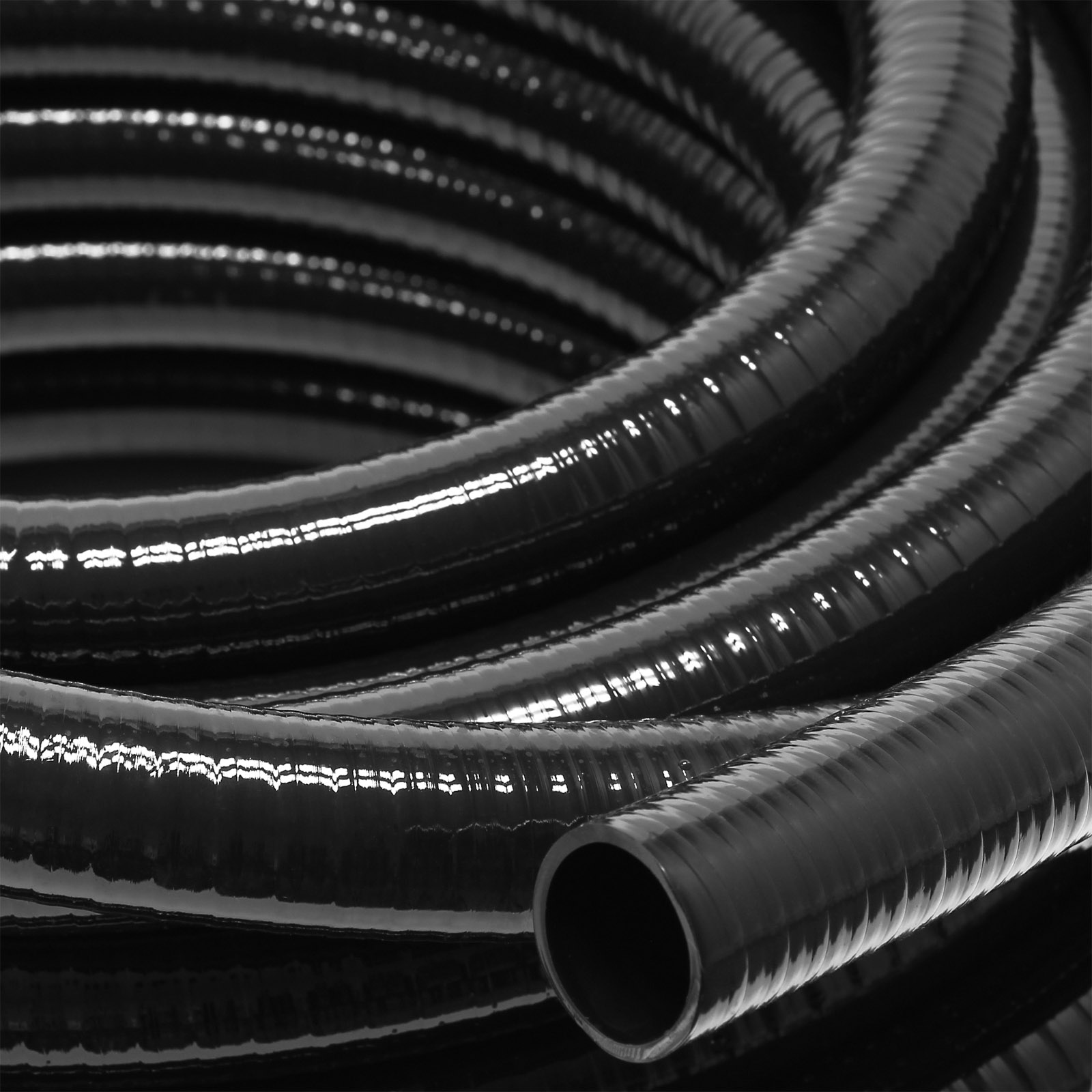
Available, delivery time: 2 - 3 days
• Temperature range -5°C to 60°C
• Diameter 40 mm
• Weight 610 g/m
• Length 25 m
Content: 25 metre(s) (€4.32* / 1 metre(s))
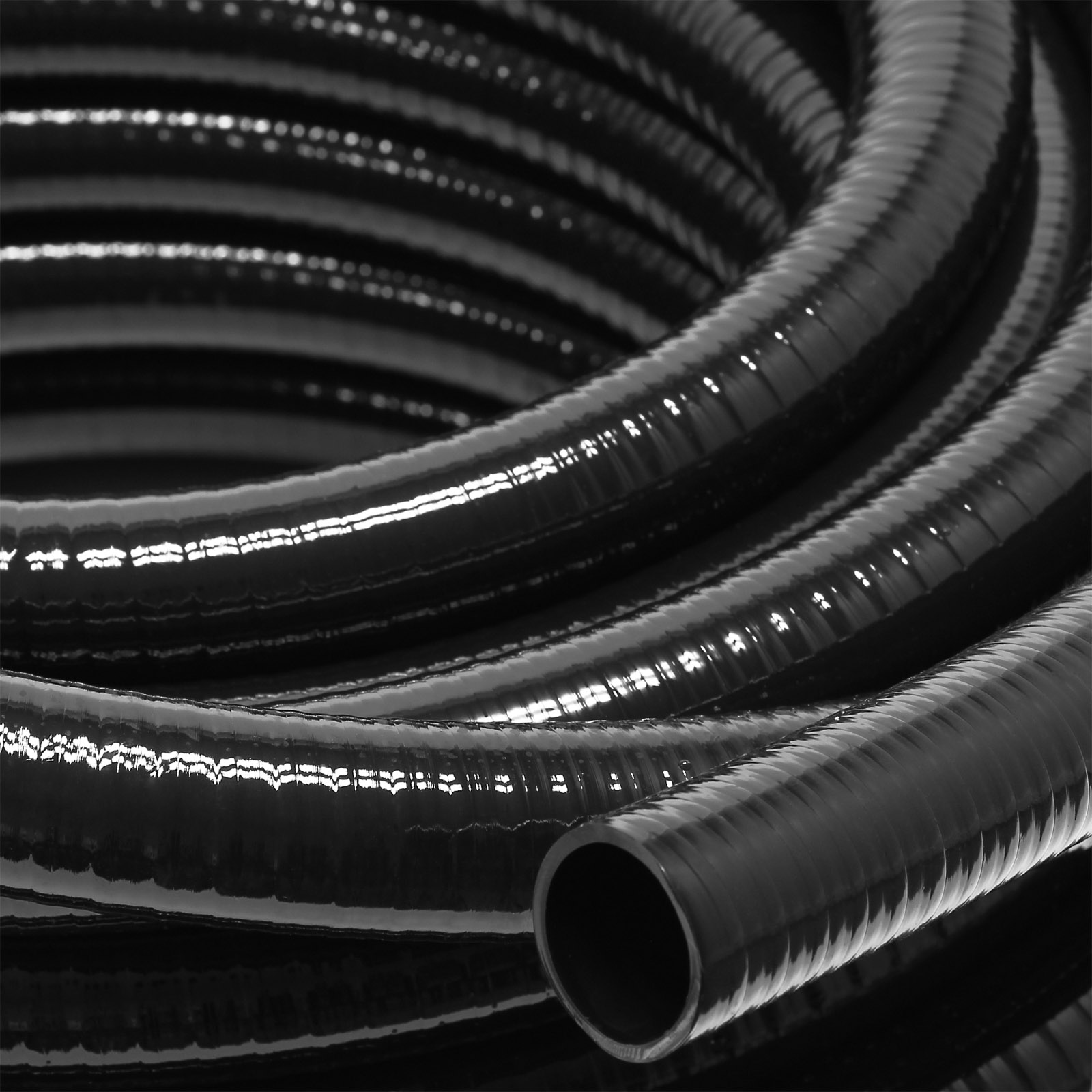
Currently not available
• Temperature range -5°C to 60°C
• Diameter 50 mm
• Weight 810 g/m
• Length 5 m
Content: 5 metre(s) (€8.40* / 1 metre(s))
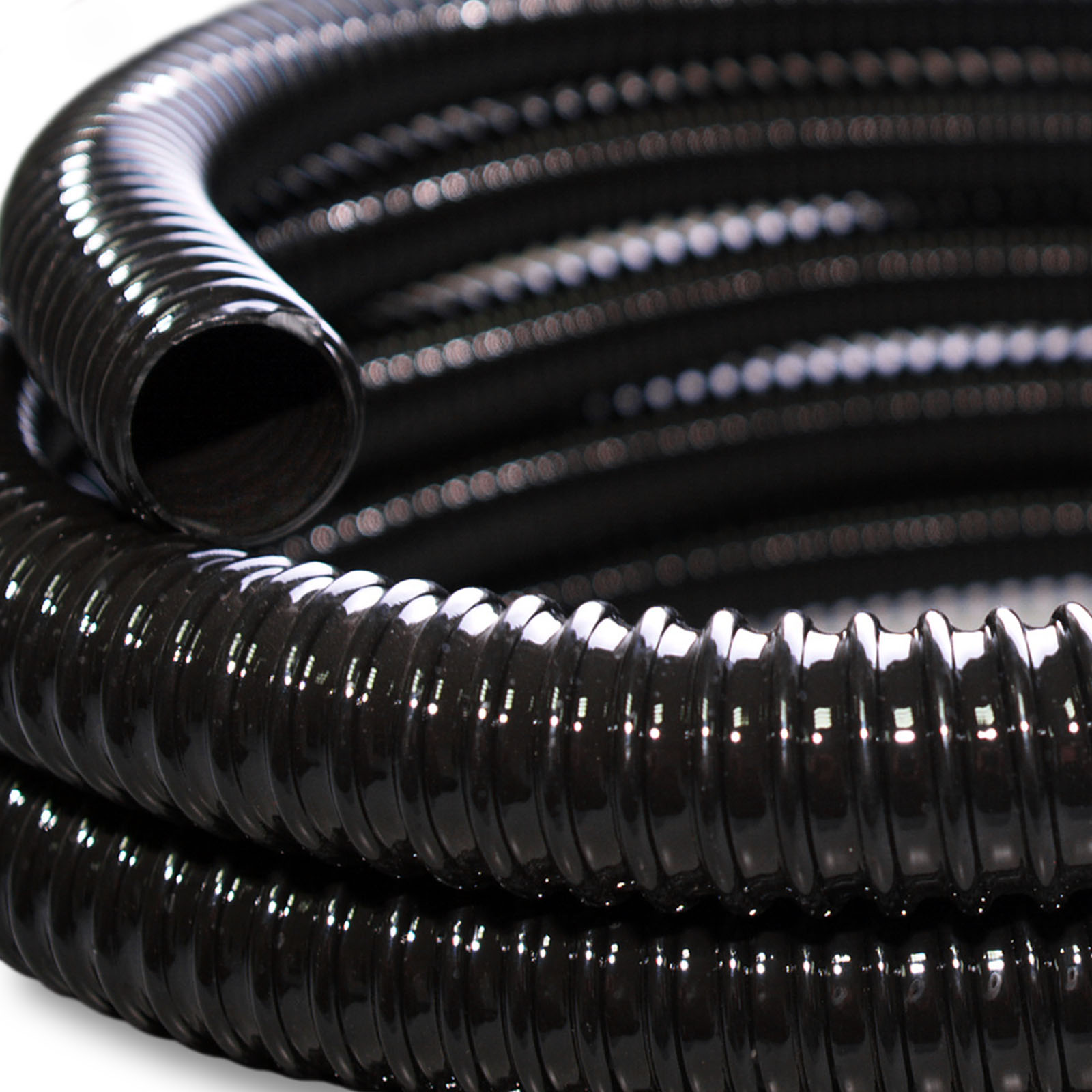
Available, delivery time: 2 - 3 days
• 0.5 m length and 25 mm (1”) inner diameter
• UV resistant material suitable for -5°C to 60°C
• Reinforced with PVC helix for extra stability
• Not suitable for closed pressure systems
Content: 0.5 metre(s) (€7.18* / 1 metre(s))
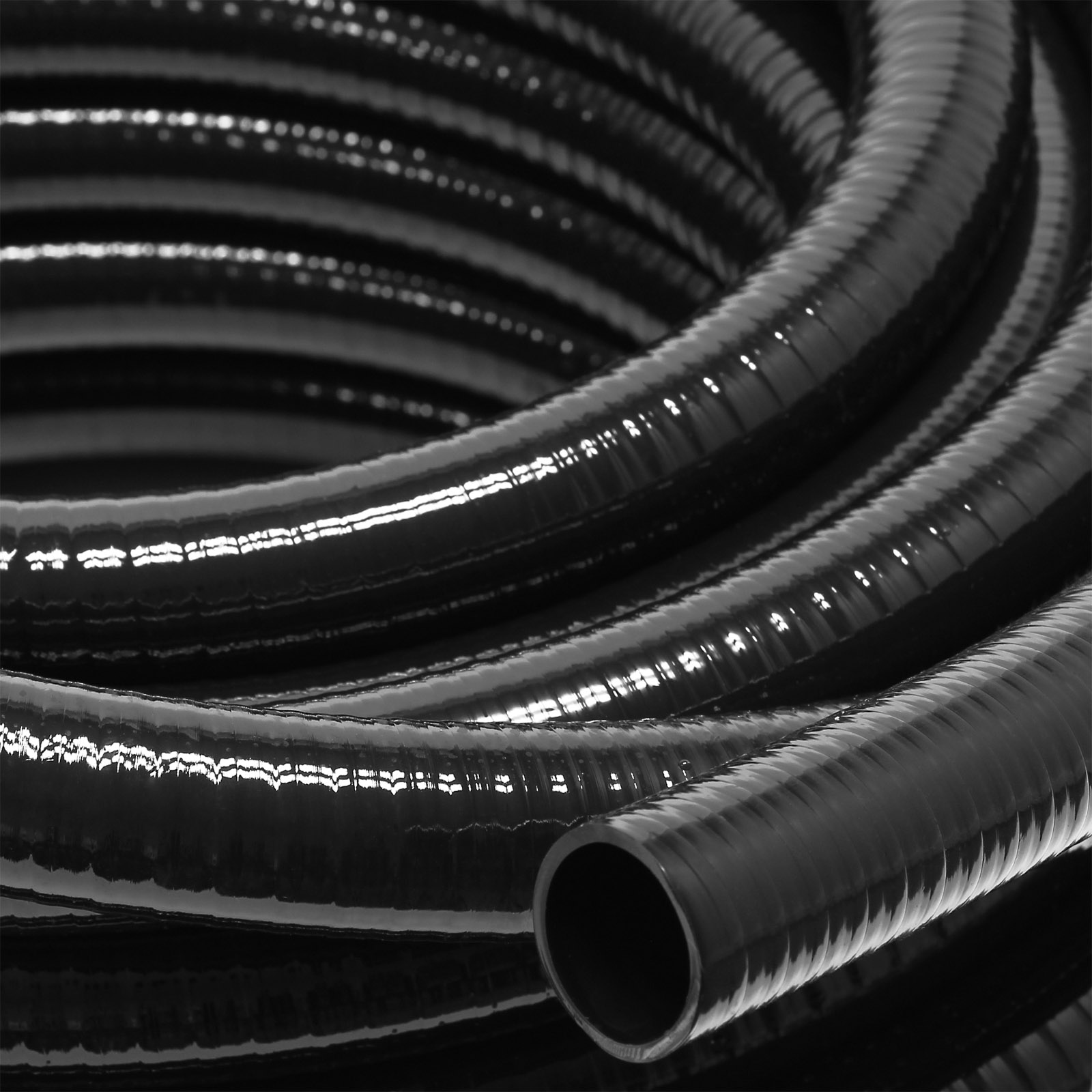
Available, delivery time: 2 - 3 days
• Temperature range -5°C to 60°C
• Diameter 40 mm
• Weight 610 g/m
• Length 50 m
Content: 50 metre(s) (€4.04* / 1 metre(s))
Pressure Hoses & Suction Hoses
Navigating Fluid Dynamics with Precision and Reliability
In the realm of
fluid management, where the seamless flow of liquids is not just a necessity
but a crucial aspect of various applications, the Pressure Hoses & Suction
Hoses category stands as a stalwart companion. This comprehensive collection
delves into the intricacies of spiral hoses, spiral PVC hoses, pressure hoses,
and suction hoses, each engineered to navigate the diverse landscapes of fluid
dynamics with precision and reliability.
Understanding Spiral Hoses
What are Spiral Hoses?
Spiral hoses, also known as spiral PVC hoses, are a testament to innovative fluid transport solutions. Designed with a helical structure, these hoses exhibit exceptional flexibility and durability. The spiral reinforcement not only imparts strength but also ensures smooth and efficient fluid conveyance.
Where are Spiral Hoses Used?
Spiral hoses find their application in a myriad of scenarios, from domestic settings to industrial landscapes. Commonly employed as pressure hoses, they play a pivotal role in water pump systems, offering a reliable conduit for the movement of fluids.
Exploring Pressure Hoses: Versatility Unleashed
What are Pressure Hoses?
Pressure hoses, a subset of spiral hoses, excel in conveying fluids under pressure. Whether you're dealing with water pump hoses, drainage hoses, or pond hoses, the reinforced design of these hoses ensures robust performance, making them indispensable in various settings.
Where are Pressure Hoses Utilized?
The versatility of pressure hoses knows no bounds. From facilitating the drainage of cellars and basements to serving critical functions on ships and boats, their reliability shines in crisis situations, such as flooding or subsidence of groundwater. The cleaning of ponds and pools also benefits from the efficient fluid management provided by pressure hoses.
Special Features of Suction Hoses: Unveiling Unparalleled Qualities
In addition to the general features shared with pressure hoses, suction hoses present a unique set of characteristics that elevate them further in specific applications.
Lead-Free and Cadmium-Free Composition
The suction hose takes pride in being not only a conduit for fluids but also environmentally conscious. With a lead-free and cadmium-free composition, it ensures that the transfer of liquids is not at the expense of environmental sustainability.
Microbial Growth Prevention
In environments where microbial growth is a concern, the suction hose emerges as a solution. By incorporating measures to prevent microbial growth, it ensures that the conveyed fluids remain untainted and safe for various applications.
Hydrolysis Resistance and Temperature Suitability
Engineered to resist hydrolysis, the suction hose stands resilient against the breakdown of material due to water exposure. Further enhancing its adaptability, it proves suitable for temperatures ranging from −5 °C to +65 °C, showcasing its ability to perform in diverse climatic conditions.
Material and Reinforcement: The Backbone of Quality
Crafted from flexible PVC, the suction hose epitomizes high quality. The UV-resistant material ensures longevity, even in outdoor applications. Reinforced with a PVC helix, the hose gains extra stability without compromising its flexibility, making it an ideal choice for a range of fluid transport needs.
Application Limitations: Not for Closed Pressure Systems
While the suction hose excels in various scenarios, it's crucial to note that it is not suitable for closed pressure systems. Understanding its application limitations ensures optimal performance and longevity.
Navigating Fluid Dynamics with Confidence
In conclusion, the Pressure Hoses & Suction Hoses category transcends the conventional boundaries of fluid transport. From the versatile spiral hoses to the robust pressure hoses and the specialized suction hoses, this collection caters to the nuanced needs of diverse applications. Whether you're enhancing the efficiency of water pump systems, addressing crisis situations, or ensuring the cleanliness of ponds, these hoses stand as reliable companions in the journey of fluid dynamics. Explore the possibilities, embrace the quality, and navigate fluid landscapes with confidence and precision.