





























































Skip to main content Skip to search Skip to main navigation

Dog Ramps: A Comprehensive Guide


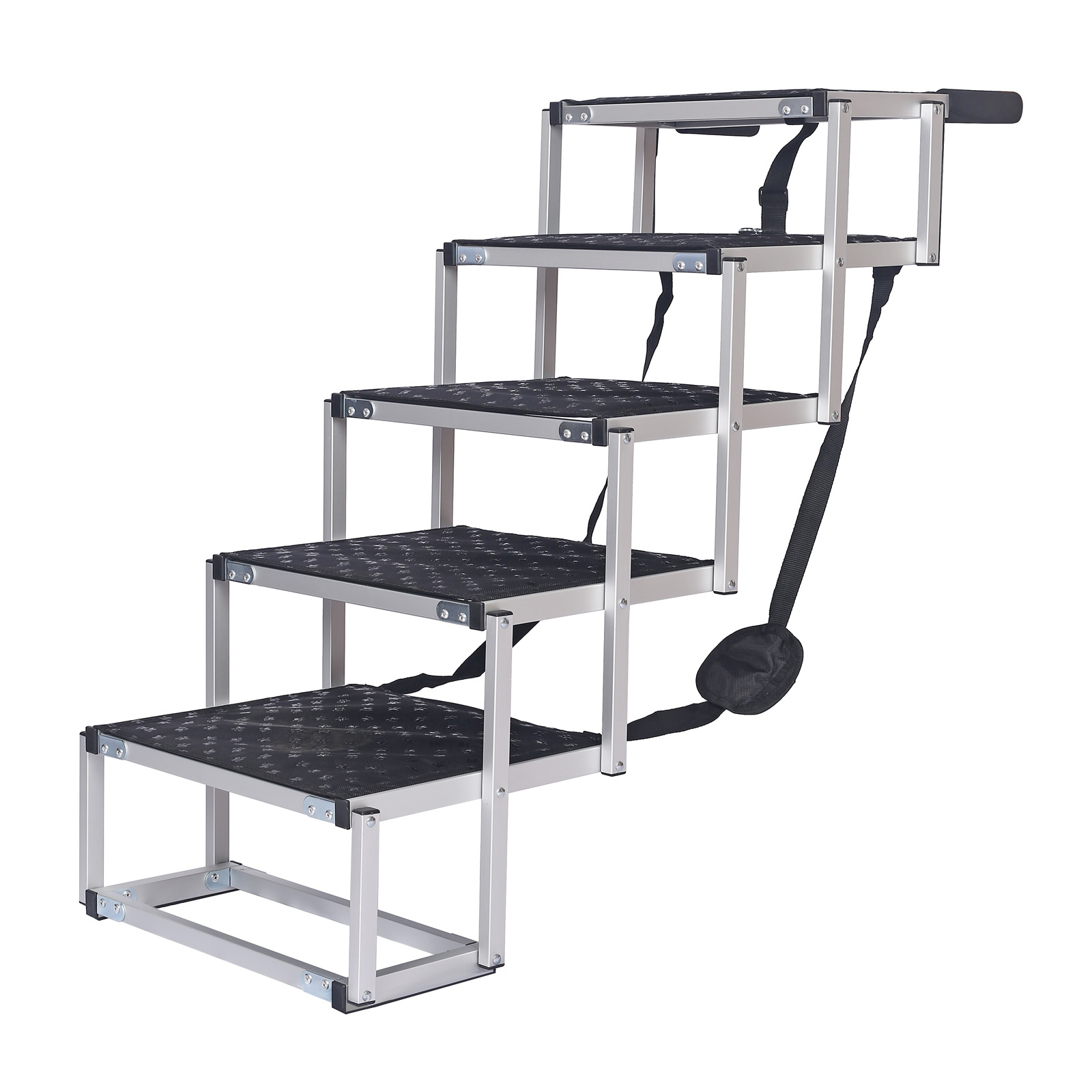
Dog ramps are essential for ensuring the safety, comfort, and mobility of dogs, especially for those with physical limitations such as age, injury, or small size. These ramps are perfect for pets who may find it difficult to jump or climb, whether it’s getting into a car, reaching a bed, or navigating stairs. Designed with both function and comfort in mind, dog ramps offer a smooth transition between surfaces, reducing the strain on joints and muscles, which is particularly important for older dogs or those with conditions like arthritis, hip dysplasia, or general mobility challenges.

In addition to promoting better mobility, dog ramps are easy to use and help prevent injuries related to jumping or climbing, such as sprains, strains, and falls. They are available in different materials, such as wood, plastic, and aluminum, each offering unique benefits. For example, foldable dog ramps are compact and can be easily stored when not in use, making them a great choice for people with limited space or those who travel frequently. Non-slip surfaces on dog ramps provide extra security, ensuring your dog’s paws won’t slip while walking up or down the ramp.

Whether your dog needs assistance with climbing into a car, onto furniture, or navigating stairs, there is a dog ramp designed to meet your needs. They are available in various lengths, widths, and weight capacities to accommodate different breeds, from small dogs to larger pets. By choosing the right dog ramp, you can provide your pet with a safe, comfortable, and stress-free way to move around.

Dog Ramps

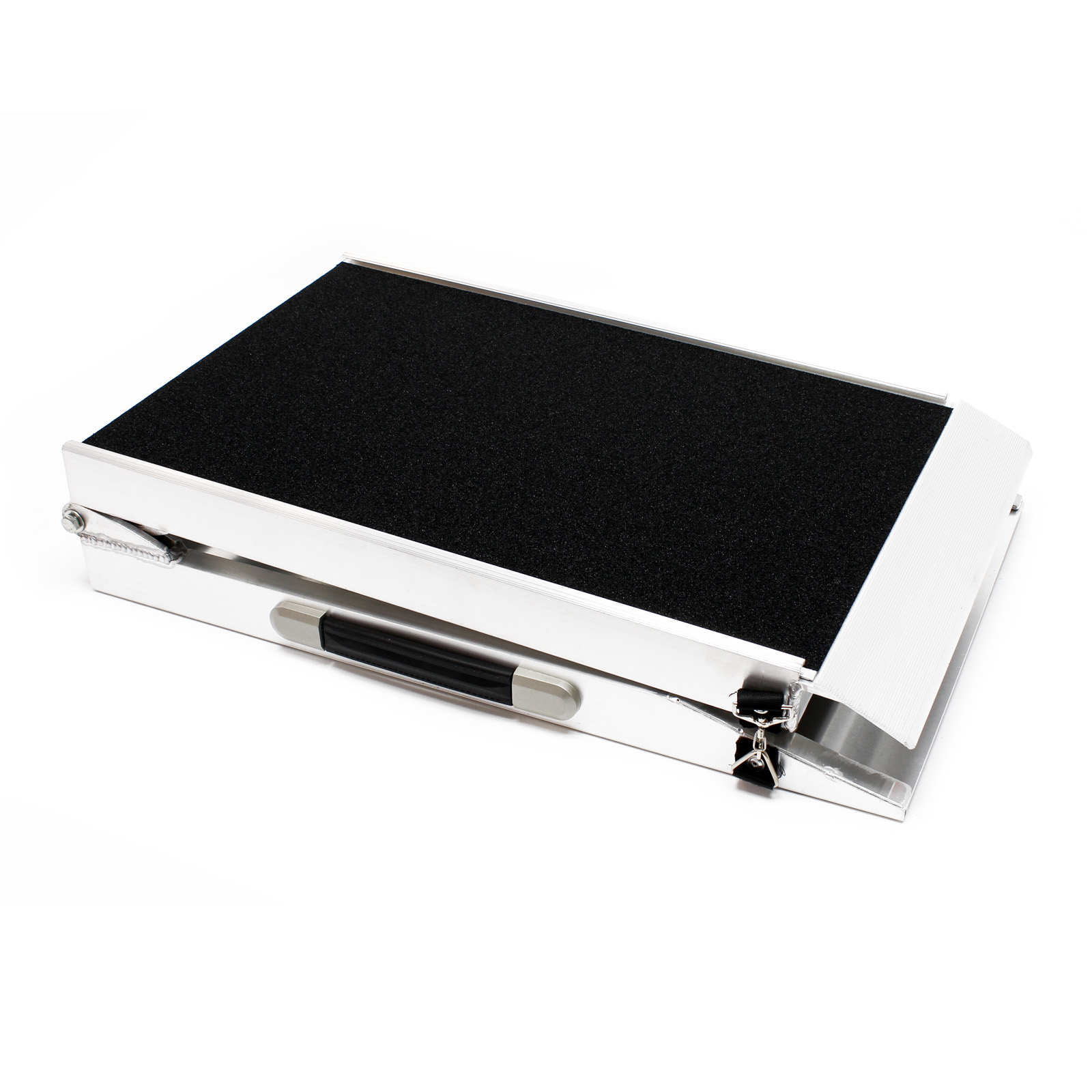
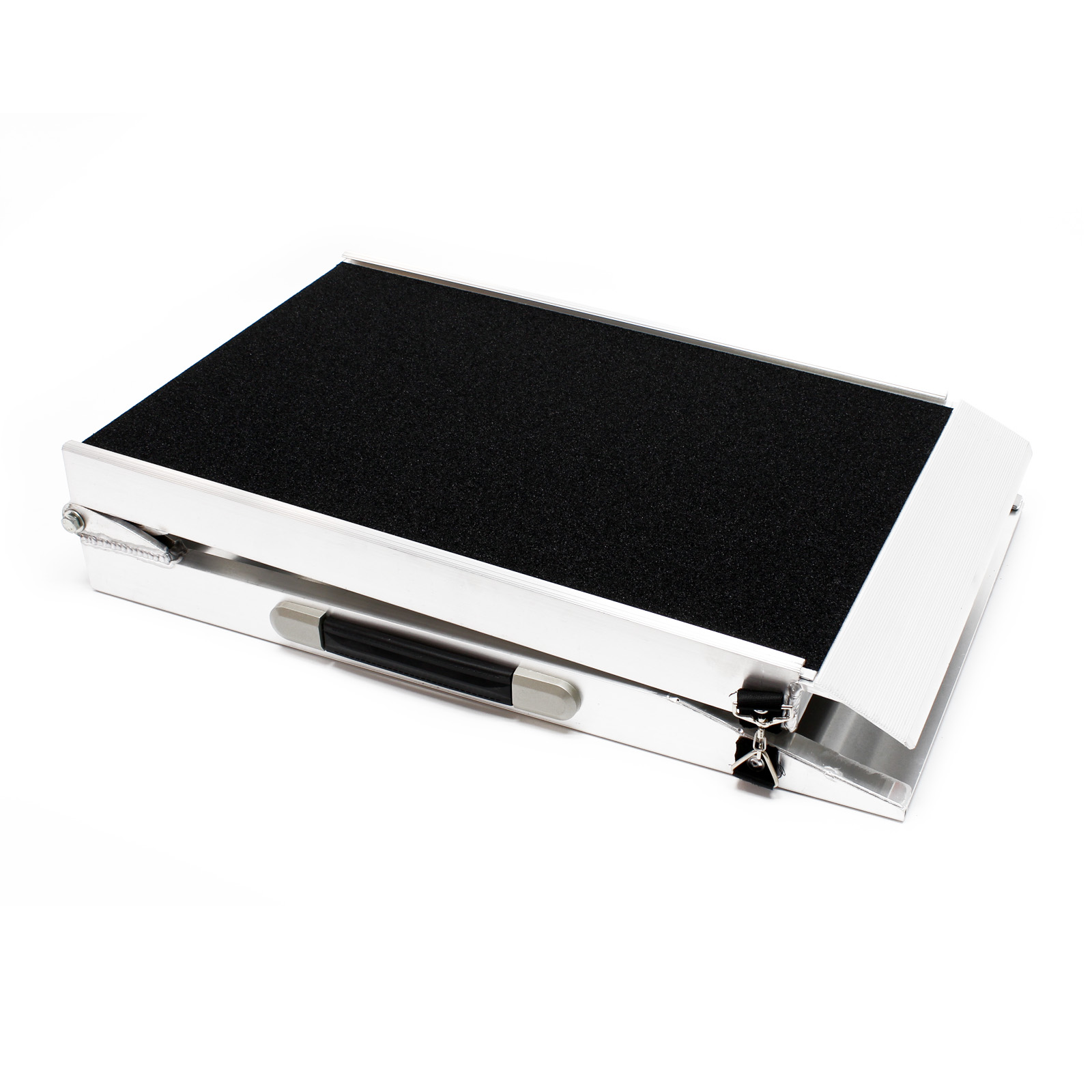
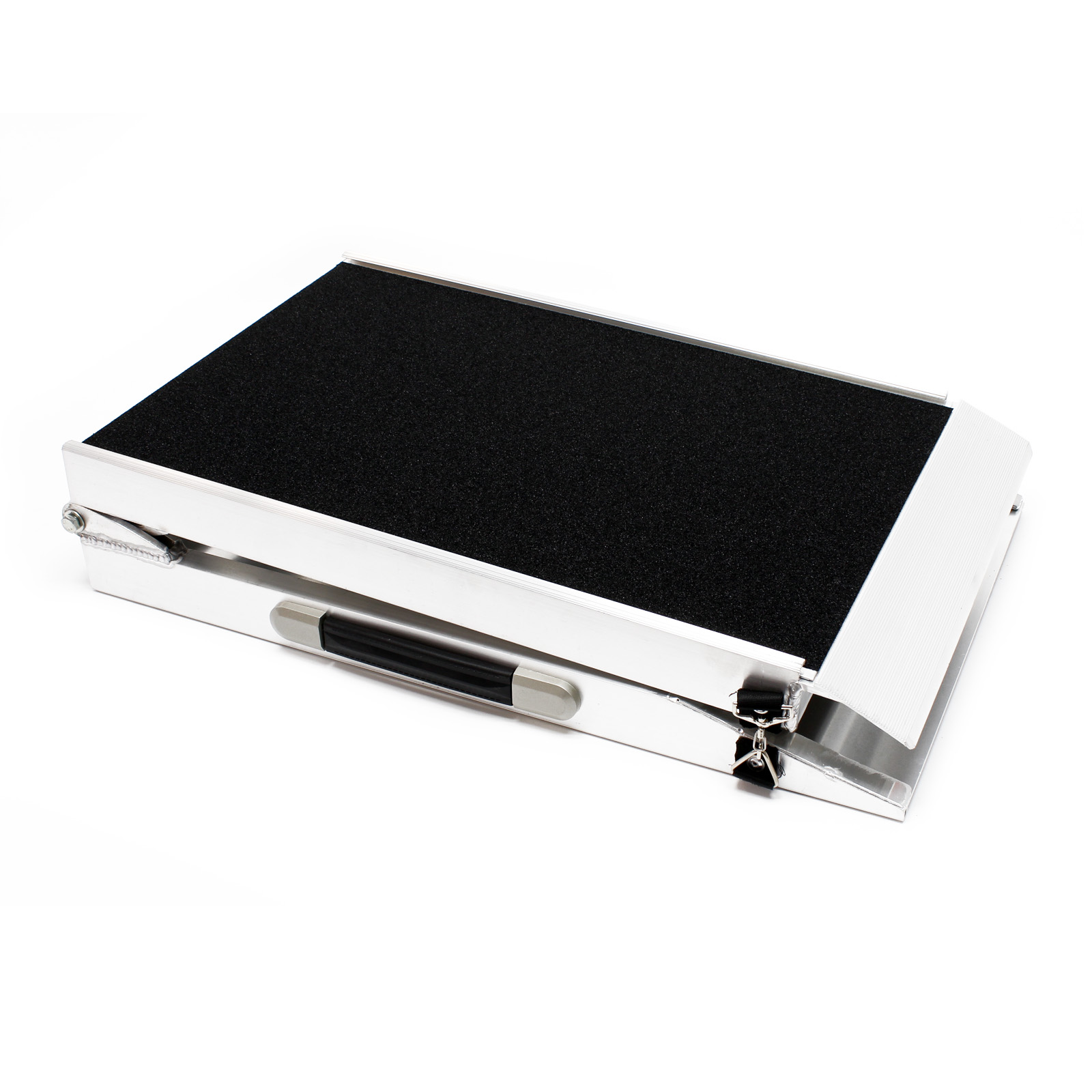
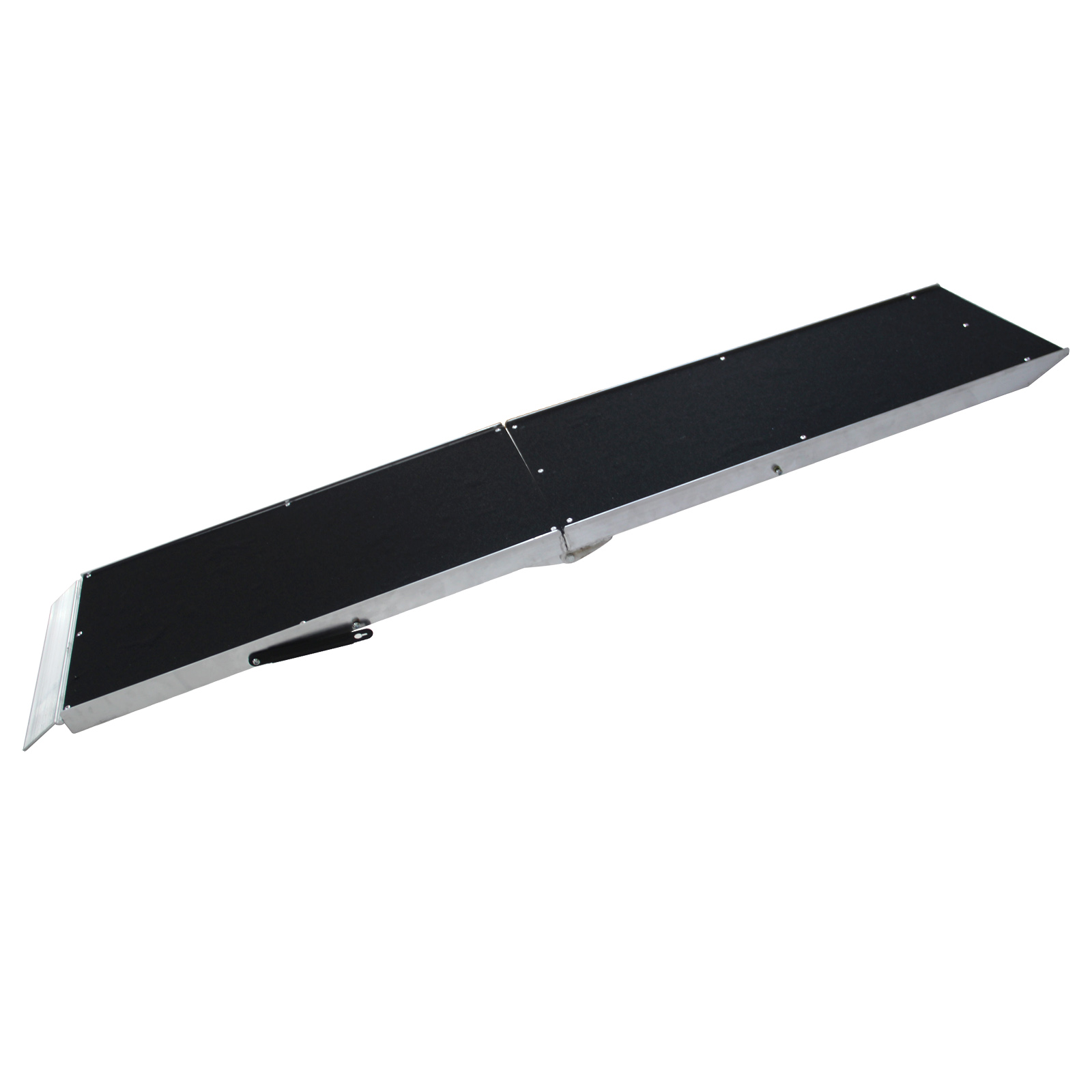
Foldable Dog Ramp for Easy Use and Storage

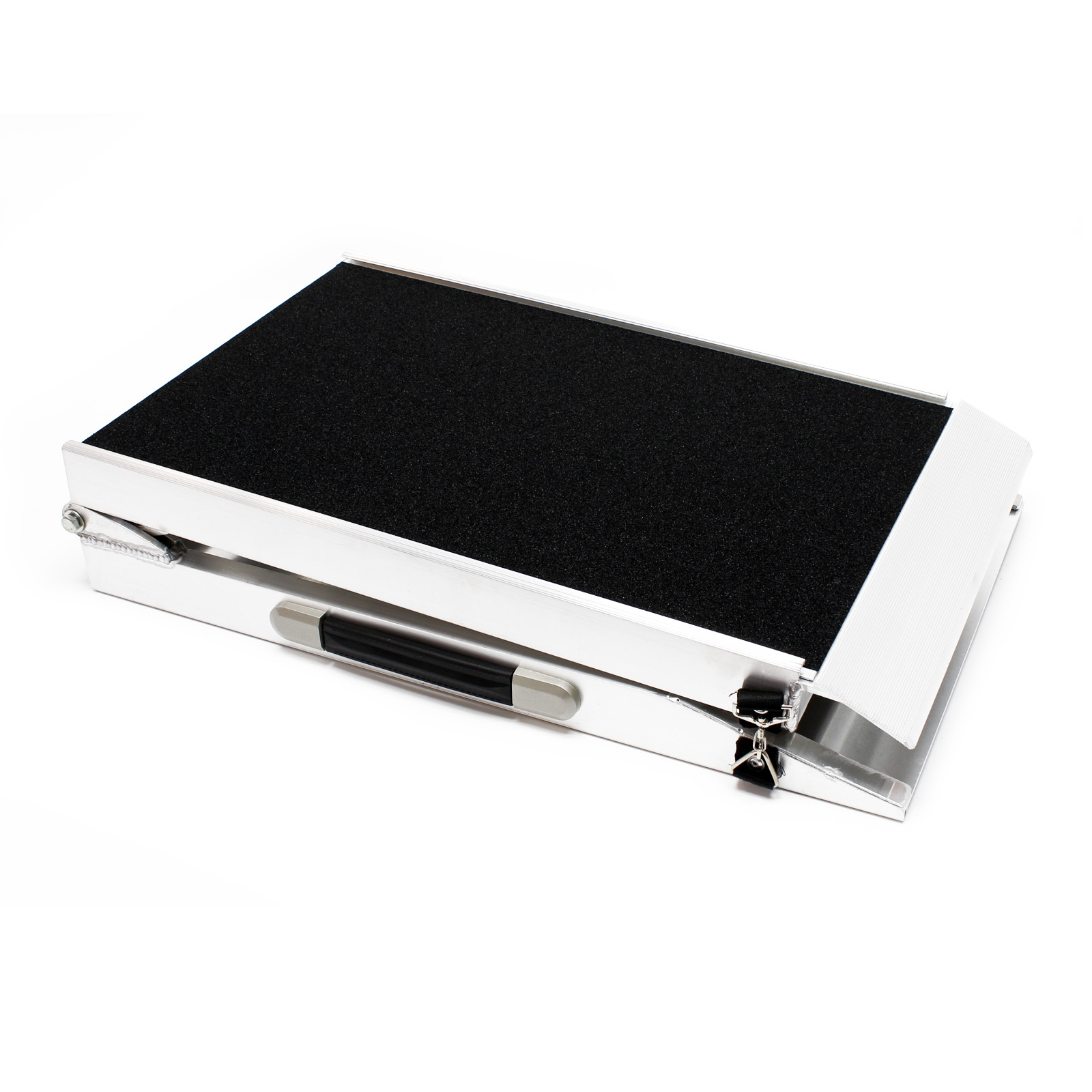
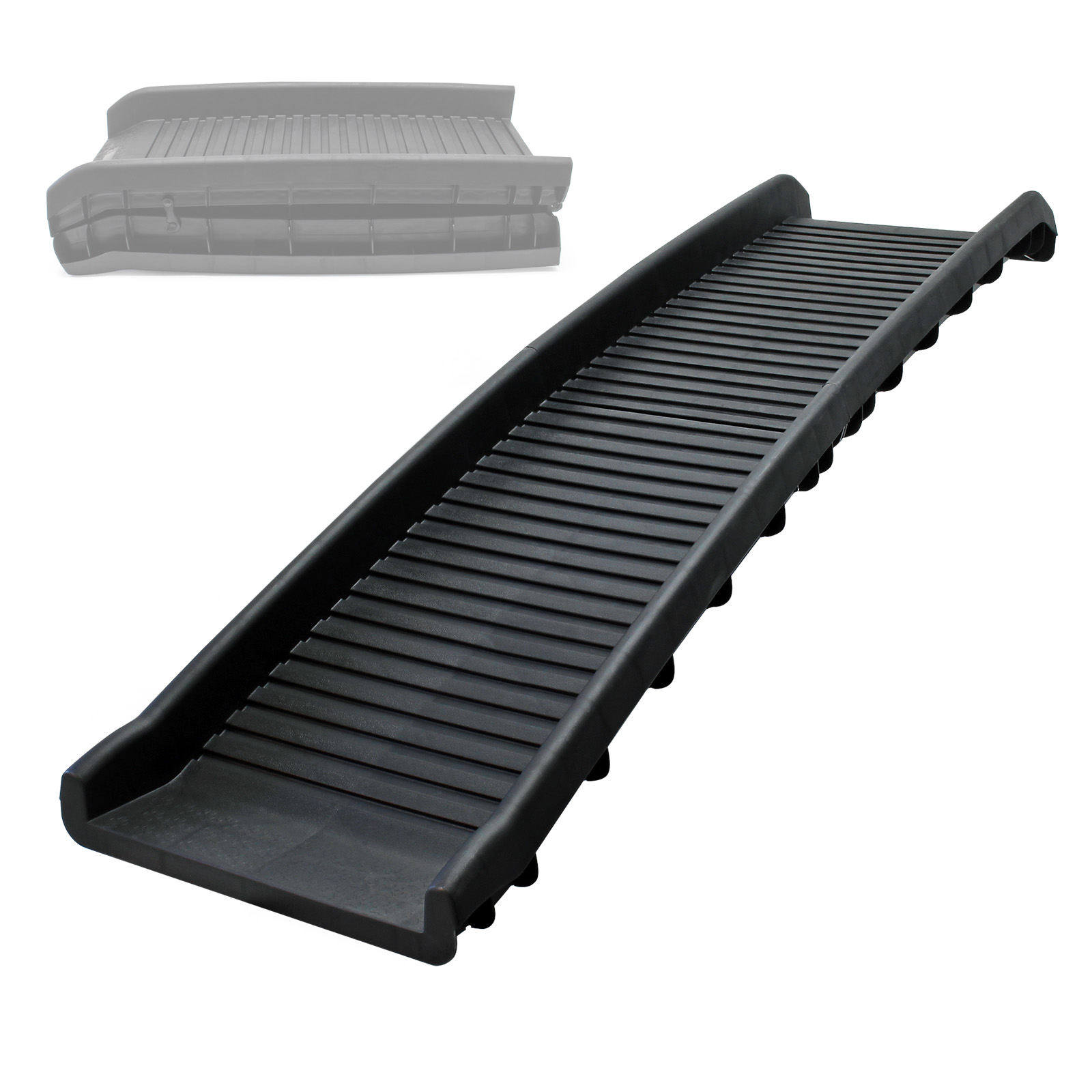
foldable dog ramp with a non-slip coating offers a versatile and practical solution for pet owners looking for a portable, easy-to-store ramp. Ideal for elderly dogs or pets with mobility issues, this ramp helps them safely access cars, stairs, or beds without the risk of injury. The foldable design allows for convenient storage, and it can be quickly set up whenever needed. Whether you're on the go or at home, the foldable ramp offers flexibility without taking up too much space.

The non-slip surface on these ramps ensures that your dog can grip the ramp securely, even during wet or slippery conditions. This is particularly important for dogs with balance issues or those who are recovering from surgery or injury. Made from lightweight yet durable materials, foldable dog ramps are designed for easy transport, making them perfect for travel or use in multiple locations, such as the car, house, or outdoor areas.

These ramps come in a variety of sizes and weight capacities to accommodate different breeds and needs. For small dogs, the foldable ramp provides the right amount of support to safely reach higher surfaces, while larger dogs can also benefit from a sturdy, foldable ramp that can handle their weight and size. With a foldable dog ramp, you can provide your pet with the comfort and security they need while ensuring the ramp is easily stored when not in use.

Dog Ramps

Where Are Dog Ramps Used?

Dog ramps are highly versatile tools that are commonly used in various situations to improve the mobility of dogs with physical limitations. One of the most common uses for dog ramps is in cars, where they allow dogs to easily climb in and out of vehicles. This is particularly beneficial for elderly dogs or those with joint issues who might struggle with the height of the car door or the act of jumping in. The ramp helps prevent strain on their joints and reduces the risk of injury while getting in or out of the car.

In addition to car use, dog ramps are also ideal for helping pets access furniture such as beds or couches. Dogs with arthritis or hip dysplasia often struggle to jump onto high surfaces, but a ramp offers an alternative that is gentle on their joints.

Pet owners who have stairs in their homes can also benefit from a ramp, as it allows their dog to safely navigate the stairs without risk of falling. Stairs can be particularly challenging for dogs with mobility issues, and ramps provide a much-needed solution to help them move more freely.

Furthermore, dog ramps are used in outdoor settings to help pets climb over obstacles like garden walls, pools, or higher levels in the yard. Whether indoors or outdoors, dog ramps provide a safe and convenient way to support your pet's mobility, ensuring they can access areas that might otherwise be too difficult or dangerous to navigate.

What Is the Correct Angle for a Dog Ramp?


The correct angle for a dog ramp is crucial in ensuring that it is both safe and comfortable for your pet to use. Ideally, the angle should be gentle enough to allow your dog to ascend or descend without causing strain on their joints or muscles. A good rule of thumb is that the angle should not exceed 18-20 degrees, especially for dogs with mobility issues. For a dog with arthritis or older dogs, a gentler incline is necessary to prevent excessive strain and discomfort.

The angle of the ramp can vary depending on the height of the surface your dog needs to reach. For example, a car with a low height might allow for a steeper ramp, while a taller car or piece of furniture will require a ramp with a gentler slope to make the climb more manageable. Adjustable ramps are ideal because they allow you to change the angle based on your dog’s specific needs. This flexibility ensures that the ramp remains comfortable for your dog, regardless of their age or health condition.

When selecting a ramp for your dog, it's important to prioritize their comfort and safety. Too steep an incline can make the ramp difficult for them to use, leading to anxiety or injury. Therefore, choosing a ramp with an adjustable or lower angle is recommended, as it ensures that your dog can navigate it with ease and without putting unnecessary stress on their body.

Dog Ramps

Aluminum Foldable Pet Ramp for Easy Mobility

An aluminum foldable pet ramp is an excellent option for pet owners seeking a durable, lightweight, and portable solution for their dog's mobility needs. The ramp’s aluminum frame ensures that it is both strong enough to support larger dogs and light enough to be easily handled and transported. With dimensions of 122x38 cm and a weight capacity of 115 kg, it provides a stable surface for dogs of various sizes and breeds.

The ramp is designed to be foldable, making it easy to store when not in use. This is especially helpful for pet owners with limited space or those who need to take the ramp on the go. Whether you're using it in your car, home, or at the park, this ramp is easy to set up and collapse when needed. The non-slip coating ensures that your dog’s paws remain secure while walking up or down the ramp, reducing the risk of accidents.

Made with outdoor and indoor use in mind, the aluminum foldable ramp is weather-resistant, ensuring long-term durability. Whether it’s for a vehicle, stairs, or furniture, this ramp offers a safe and convenient way to help your pet navigate higher surfaces without the stress of jumping or lifting. Its compact size and sturdy construction make it a reliable choice for pet owners looking for a versatile mobility aid for their dogs.

How Long Should a Ramp Be for a Dog?


The length of a dog ramp plays a significant role in determining the ease with which your dog can use it. The length should be long enough to create a gradual slope that is comfortable for your dog to climb, while also accommodating the height of the surface your dog needs to reach. A general guideline is that the ramp should be at least 2 to 3 times the height of the surface. For example, if the surface height is 60 cm, a ramp length of around 120-180 cm would provide a gentle incline that is easy for your dog to walk up.

Longer ramps reduce the steepness of the incline, making it more accessible and safer for dogs, particularly those with mobility issues. For taller vehicles or surfaces, longer ramps will create a more gradual slope that puts less strain on the dog’s joints and muscles. Shorter ramps may be more practical for lower surfaces, but they tend to be steeper, which can make them harder for dogs to use.

When choosing a ramp, it’s important to strike a balance between length and space. While longer ramps may provide a more comfortable incline, they may not always be feasible for small spaces. Therefore, choosing a ramp that suits both your dog’s needs and your available space is crucial for a safe and effective solution.

Dog Ramps

How Steep Should a Ramp Be for a Dog?


The steepness of a dog ramp is an essential consideration when selecting the right ramp for your pet. Ideally, the ramp should have an incline that is gentle enough to avoid causing strain on your dog’s joints. A good range for the ramp’s angle is between 15-20 degrees, with steeper inclines typically only suitable for more active or younger dogs. Dogs with arthritis, hip dysplasia, or those recovering from surgery will benefit from a gentler slope.

For small dogs or those with limited mobility, a ramp that’s too steep can cause them to struggle with climbing, leading to discomfort and frustration. In contrast, a ramp that’s too flat may take up more space and might not be practical for reaching higher surfaces. The key is to find a ramp with an angle that ensures your dog’s comfort while providing a smooth, safe way to access higher areas.

Many dog ramps are adjustable, allowing you to change the incline to match your dog’s needs. Whether it’s a low-angle ramp for an elderly dog or a slightly steeper ramp for an active pet, choosing the right slope is crucial to ensuring that your dog can use the ramp safely and comfortably.

How Do You Make a Simple Dog Ramp?


Building a simple dog ramp at home is a straightforward project that requires basic materials such as wood, rubber, and a non-slip surface. First, measure the height of the surface your dog needs to reach, and use this to determine the length of the ramp. The longer the ramp, the gentler the incline, which is especially important for older or less mobile dogs. For example, if the surface is 60 cm high, a ramp that is approximately 120-180 cm long would work well.

Next, cut the ramp to size and secure a non-slip surface, such as rubber matting or textured fabric, along the length of the ramp to ensure your dog has good traction. You can also add rubber feet at the base of the ramp to prevent it from slipping while your dog uses it. Finally, make sure the ramp is sturdy and stable before using it with your dog. This DIY dog ramp is an affordable and effective way to help your dog reach higher surfaces safely.

What Is the Best Material for a Dog Ramp?


The best material for a dog ramp depends on the desired strength, portability, and durability. Aluminum is one of the most popular materials due to its lightweight yet sturdy nature. It can support a large dog while remaining easy to move and store. Aluminum ramps are also weather-resistant, making them suitable for both indoor and outdoor use.

Wooden ramps offer a more traditional aesthetic and can be customized to fit your dog’s specific needs. They provide excellent stability and are durable when properly treated. However, wood can be heavier than aluminum, which may make them less portable.

Plastic ramps are another option, and while they are typically lighter than wood, they are still strong enough to support most dogs. Plastic ramps are also easier to clean and maintain, making them a good choice for owners who need a low-maintenance solution. Ultimately, the best material for your dog’s ramp will depend on your pet's size, the type of use, and your personal preferences.

What Is the Best Dog Ramp?

Summary of Dog Ramp Information


Dog ramps are essential tools for pet owners who want to improve their dog’s mobility and safety. By choosing the right ramp based on your dog’s needs, such as their size, age, and health condition, you can provide them with a comfortable way to reach higher surfaces without the strain of jumping. Whether you need a ramp for your car, stairs, or bed, dog ramps are available in various materials and designs, including foldable and adjustable models.

With the proper ramp, your dog can enjoy greater mobility, improved quality of life, and reduced risk of injury.