



































































Solid Tyres, Fixed & Swivel Castors
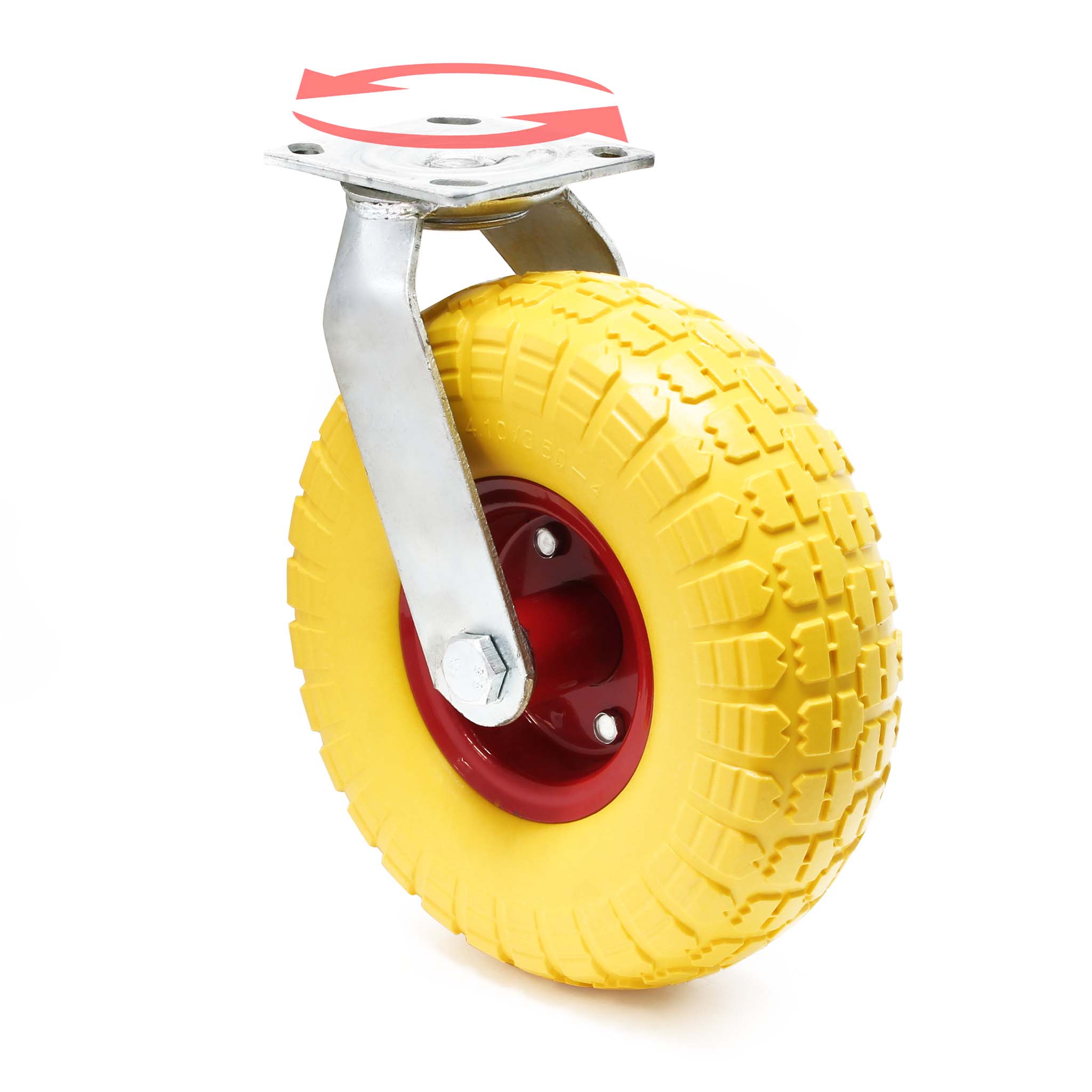
Available, delivery time: 2 - 3 days
• Tyre Diameter: 258 mm
• Tyre Width: 78 mm
• Height including Fixture: 302 mm
• Loading Capacity: max. 150 kg
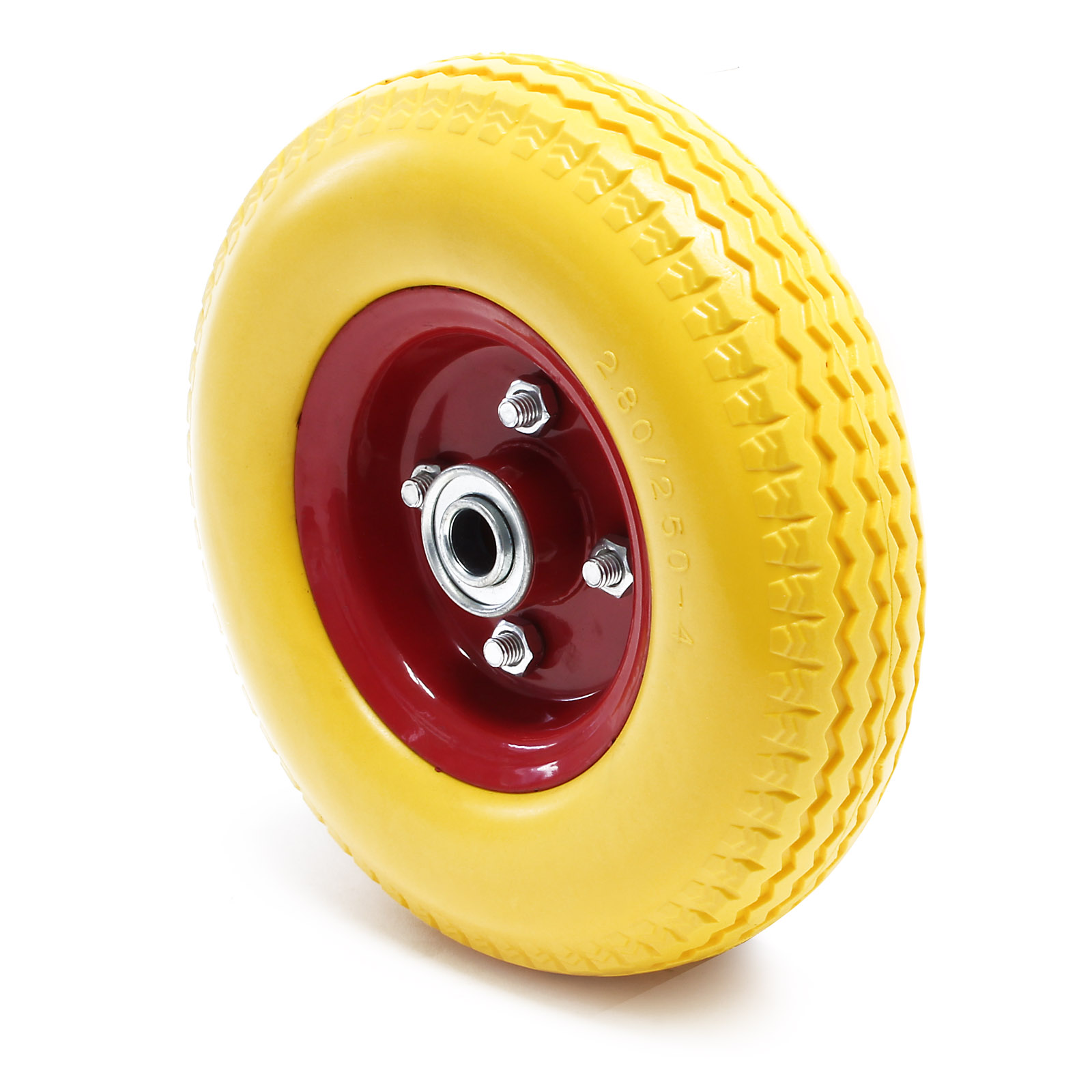
Available, delivery time: 2 - 3 days
• tyre with steel rim
• made of polyurethane
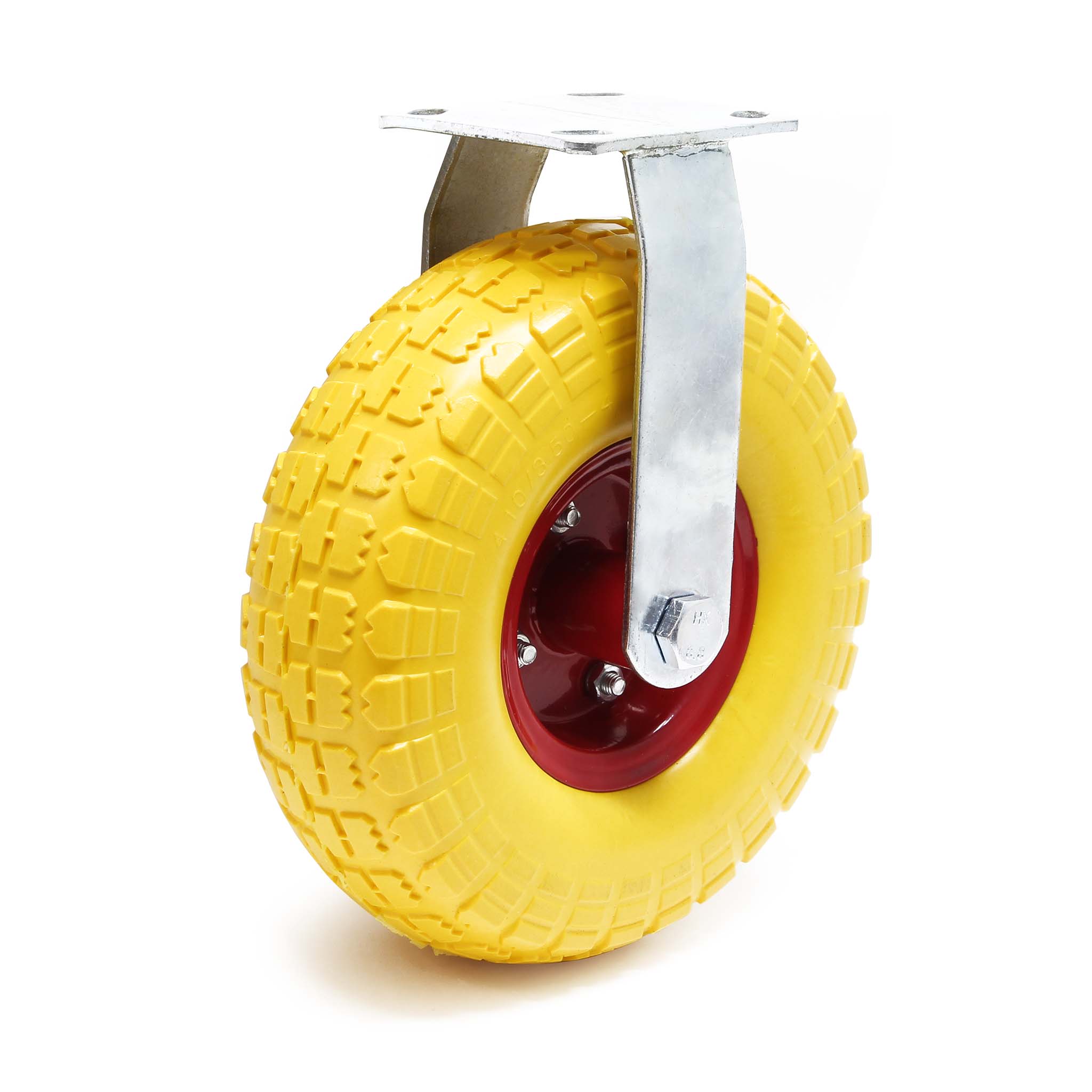
Available, delivery time: 2 - 3 days
• Tyre Diameter: 258 mm
• Tyre Width: 78 mm
• Height including Fixture: 302 mm
• Loading Capacity: max. 150 kg
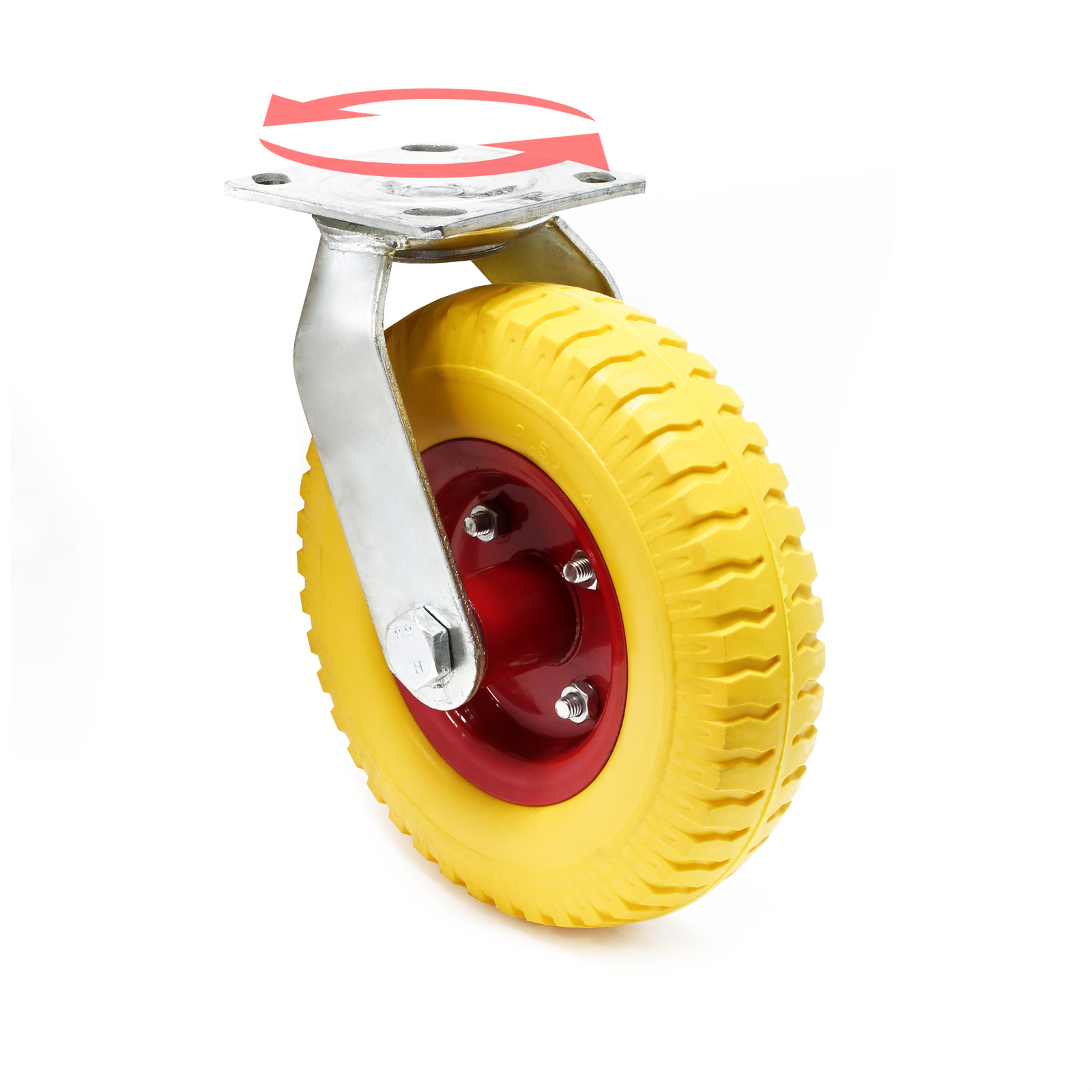
Available in 11 days, delivery time 2 - 3 days
• Tyre Diameter: 220 mm
• Tyre Width: 58 mm
• Height including Fixture: 250 mm
• Loading Capacity: max. 100 kg
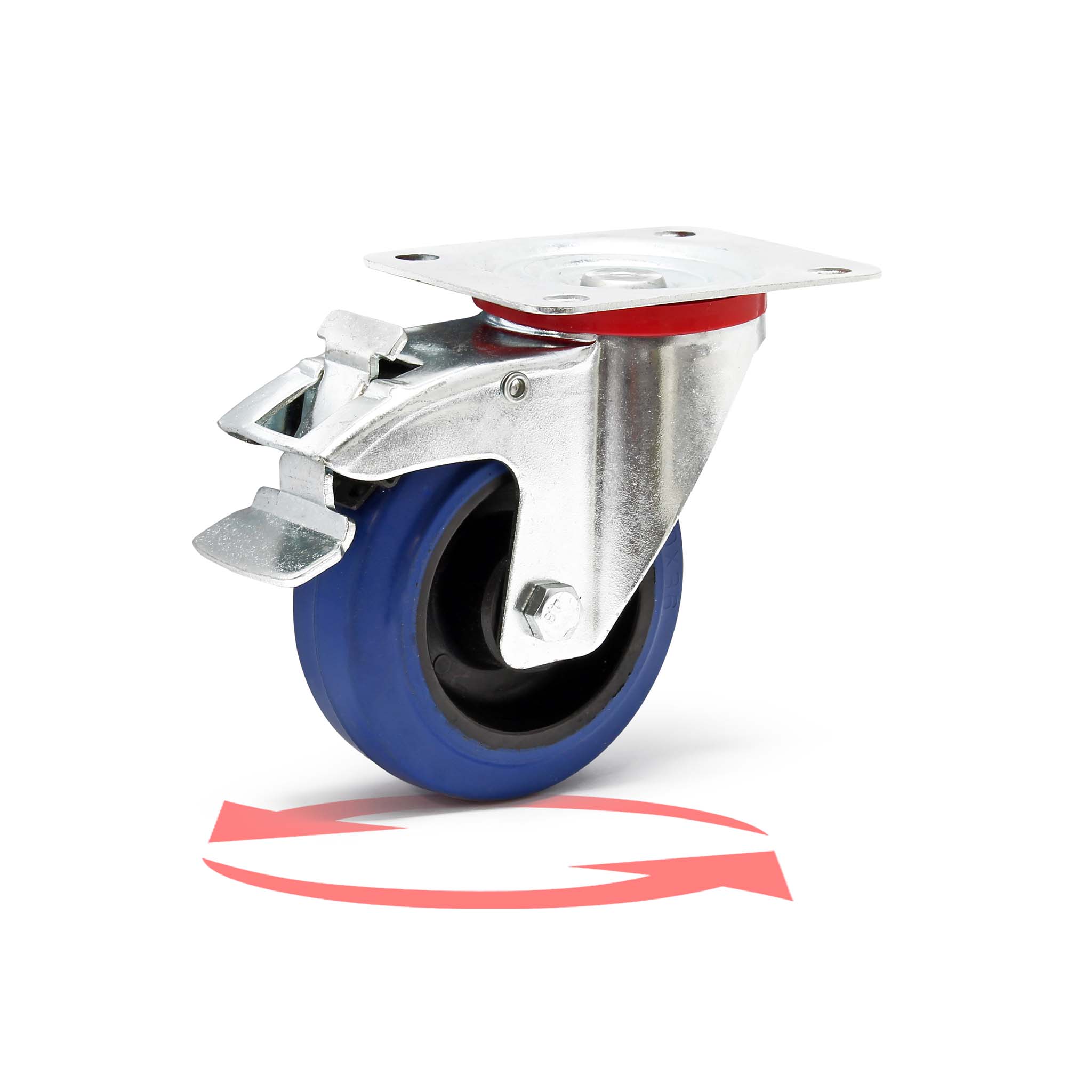
Available, delivery time: 2 - 3 days
• Wheel diameter of 100 mm
• Max. carrying capacity of 150 kg
• Moves quietly and dampens
• Wheel body is made of plastic
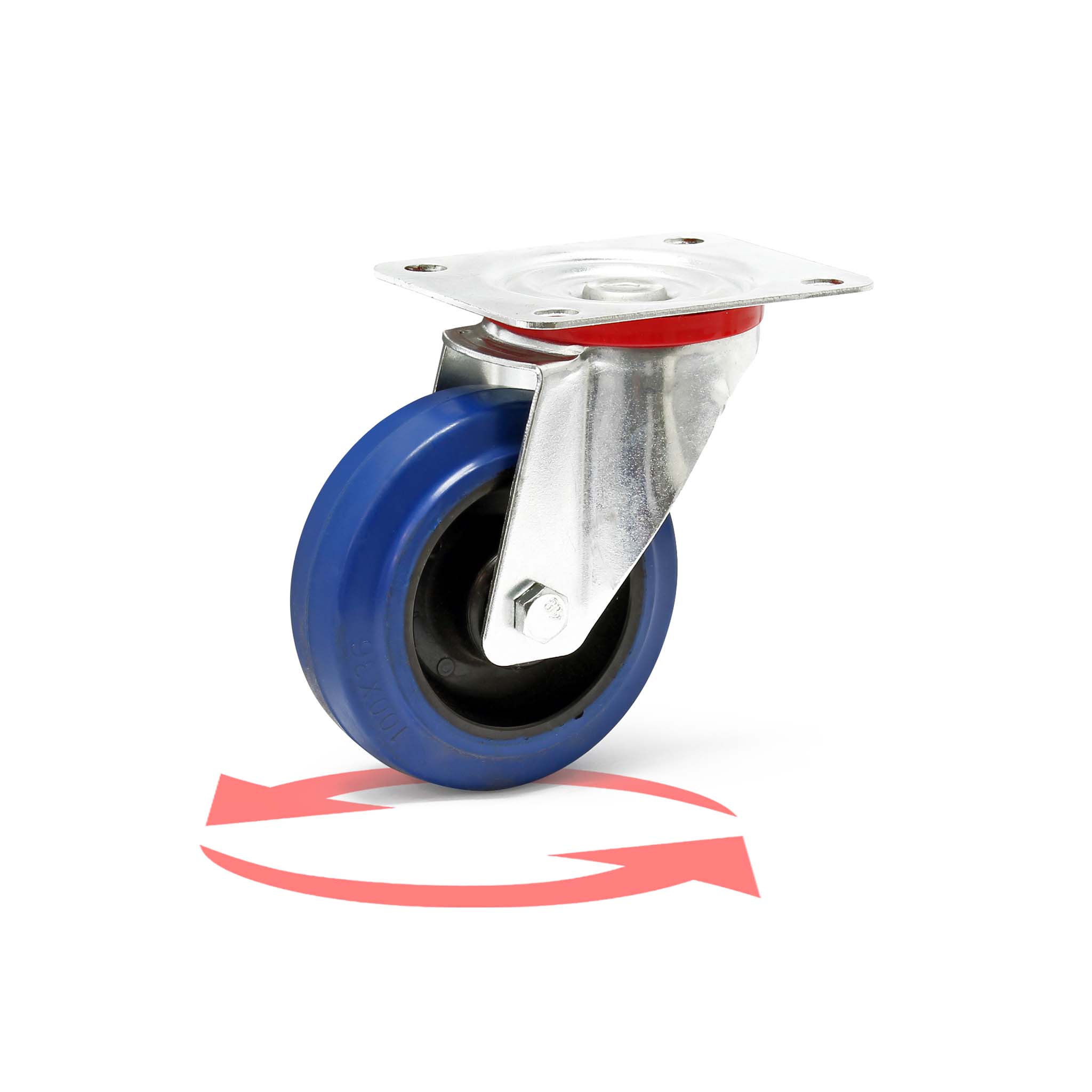
Available, delivery time: 2 - 3 days
• Wheel diameter of 100 mm
• Max. carrying capacity of 150 kg
• Moves quietly and dampens
• Wheel body is made of plastic

Available, delivery time: 2 - 3 days
• Tyre Diameter: 254 mm
• Tyre Width: 75 mm
• Loading Capacity: max. 100 kg
• Weight: 1 kg
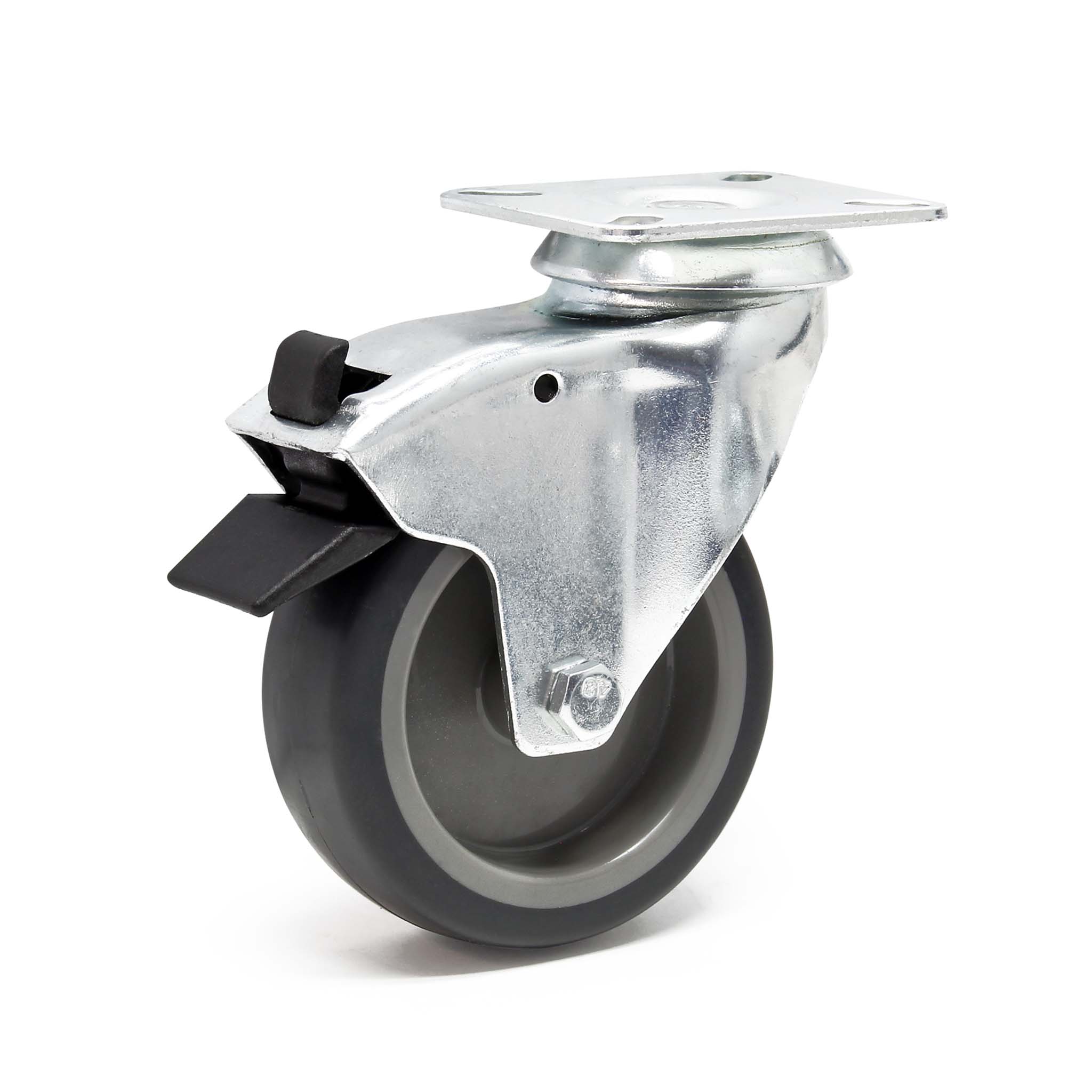
Available, delivery time: 2 - 3 days
• Wheel diameter of 75 mm
• Max. carrying capacity of 75 kg
• Moves quietly and dampens
• Wheel body is made of plastic
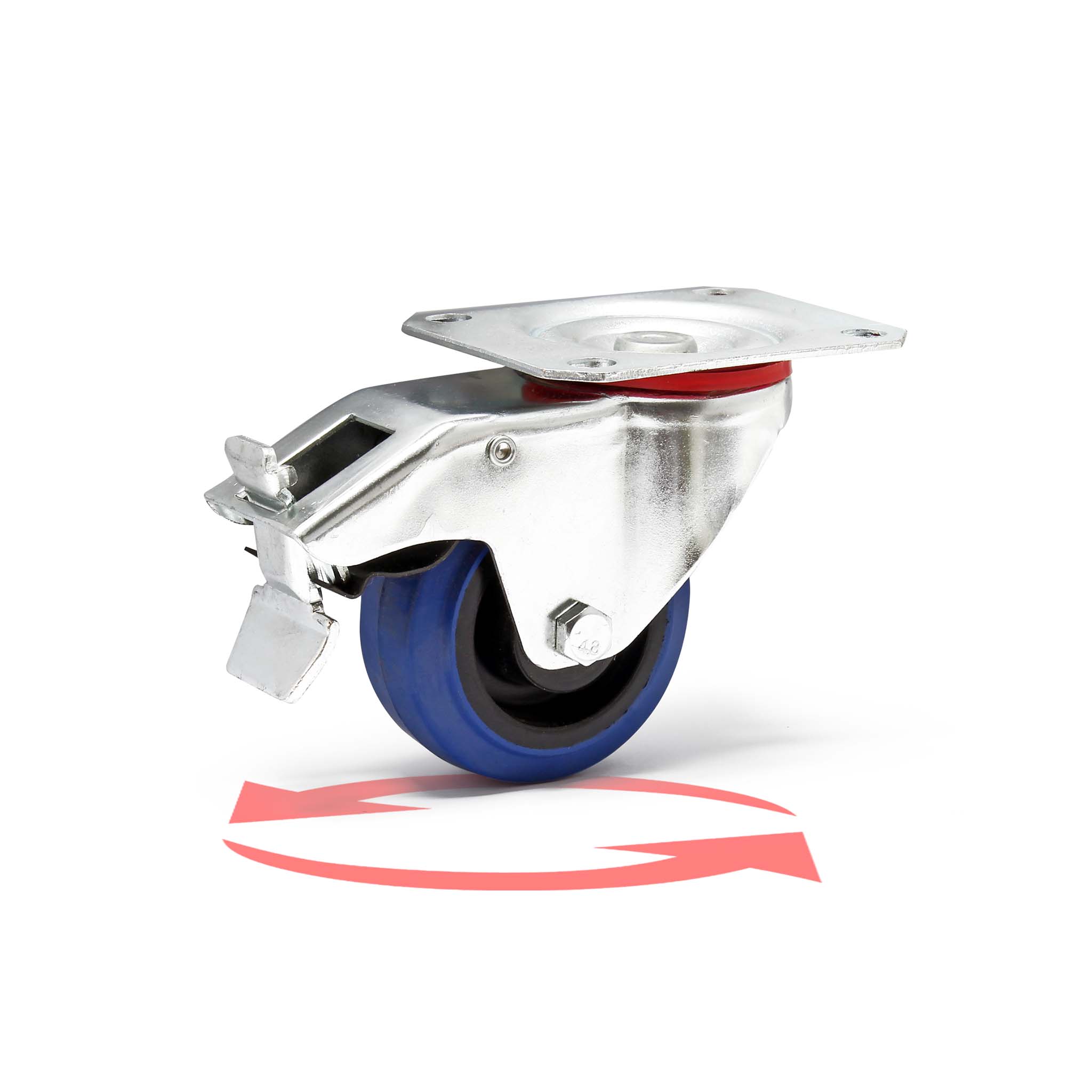
Available, delivery time: 2 - 3 days
• Wheel diameter of 80 mm
• Max. carrying capacity of 100 kg
• Moves quietly and dampens
• Wheel body is made of plastic
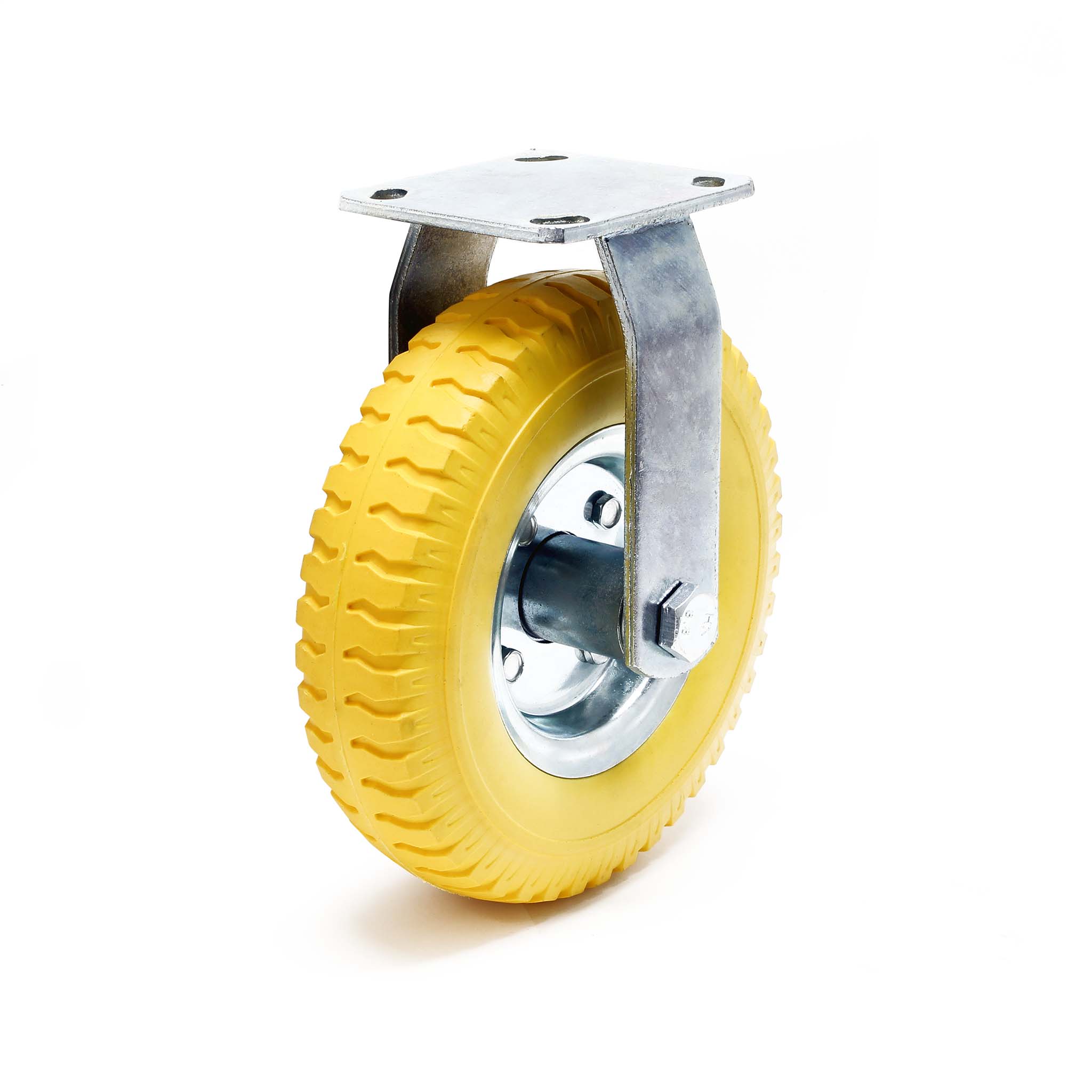
Available, delivery time: 2 - 3 days
• Tyre Diameter: 225 mm
• Tyre Width: 58 mm
• Height including Fixture: 255 mm
• Loading Capacity: max. 100 kg
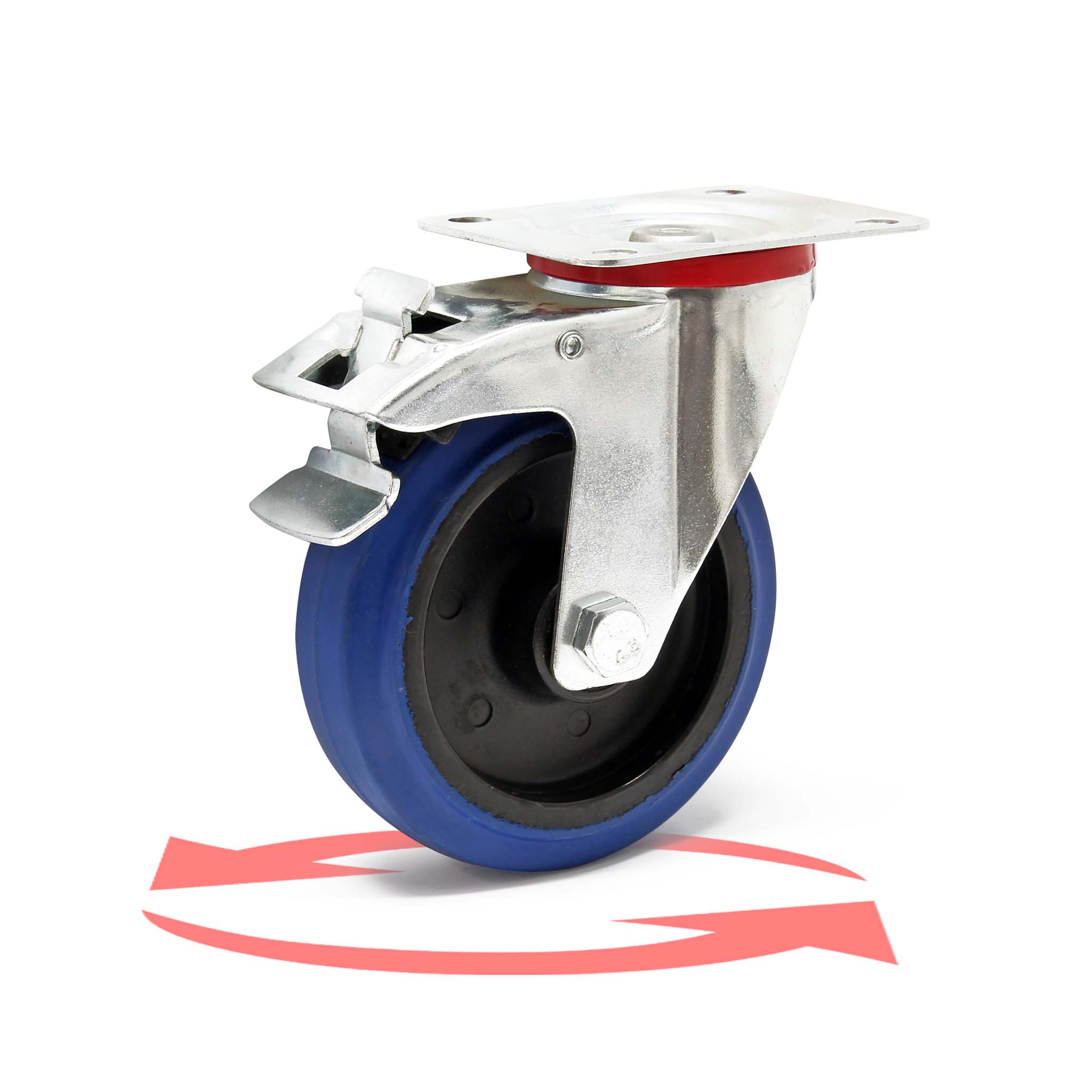
Available, delivery time: 2 - 3 days
• Wheel diameter of 125 mm
• Max. carrying capacity of 200 kg
• Moves quietly and dampens
• Wheel body is made of plastic
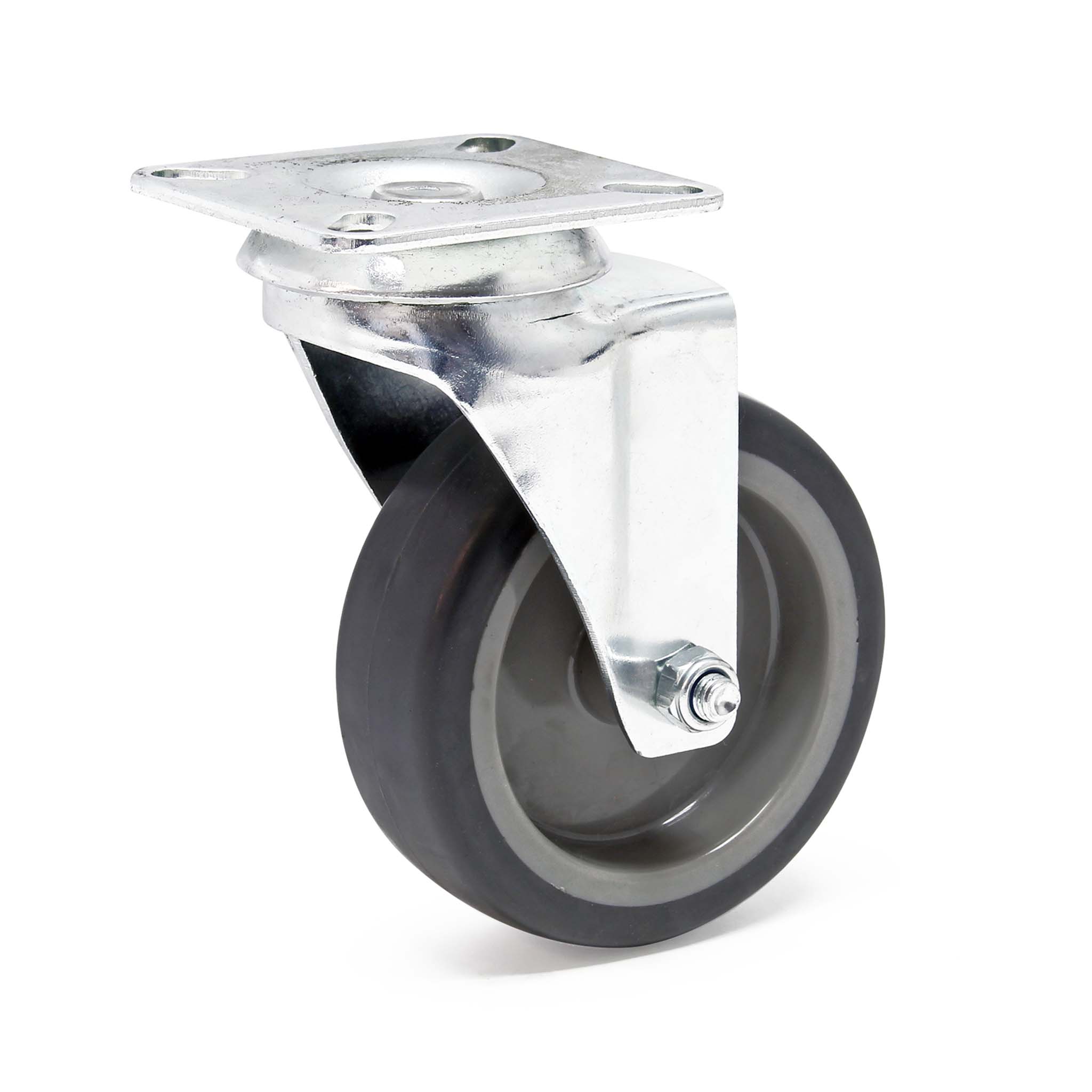
Available, delivery time: 2 - 3 days
• Wheel diameter of 75 mm
• Max. carrying capacity of 75 kg
• Moves quietly and dampens
• Wheel body is made of plastic
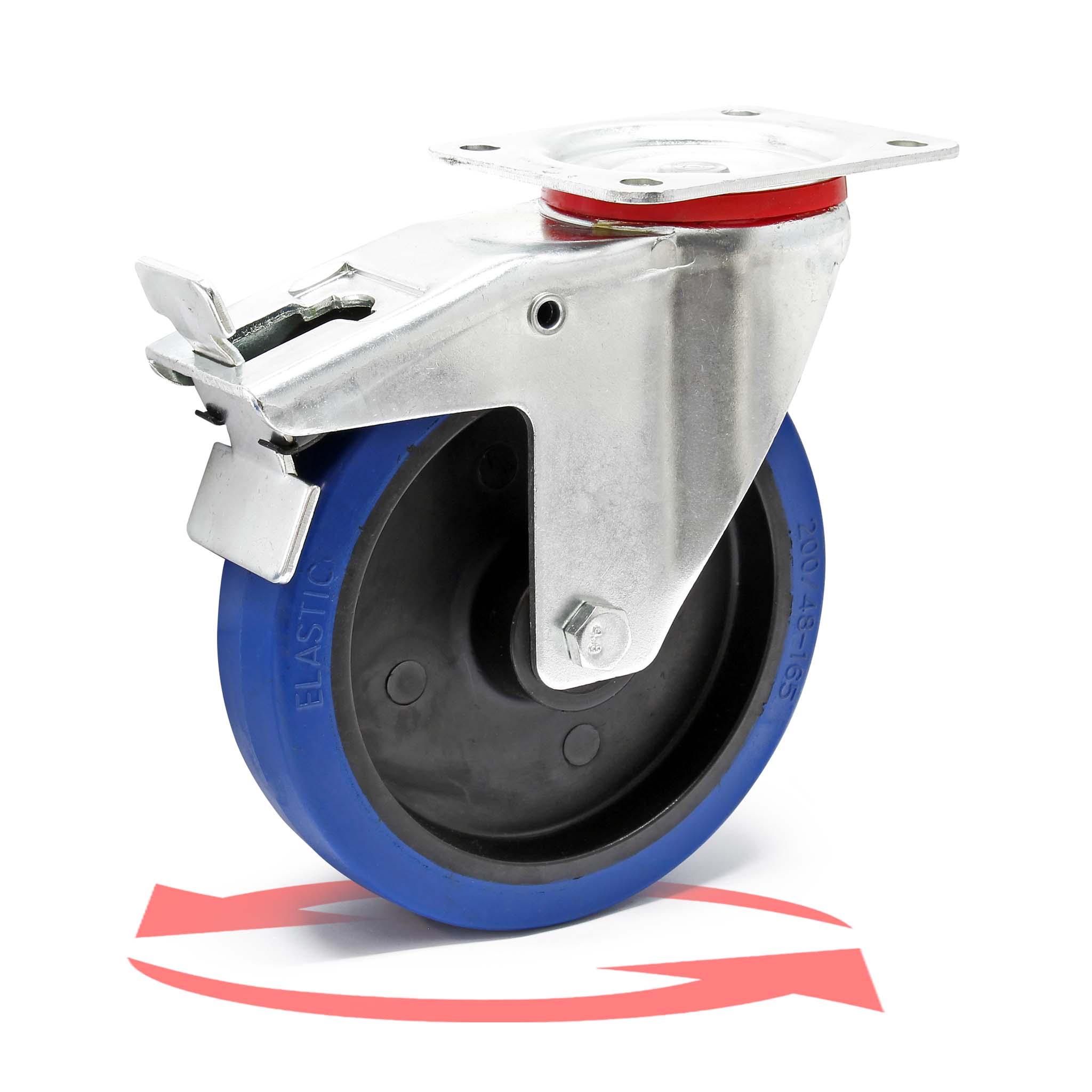
Available, delivery time: 2 - 3 days
• Wheel diameter of 200 mm
• Max. carrying capacity of 350 kg
• Moves quietly and dampens
• Wheel body is made of plastic
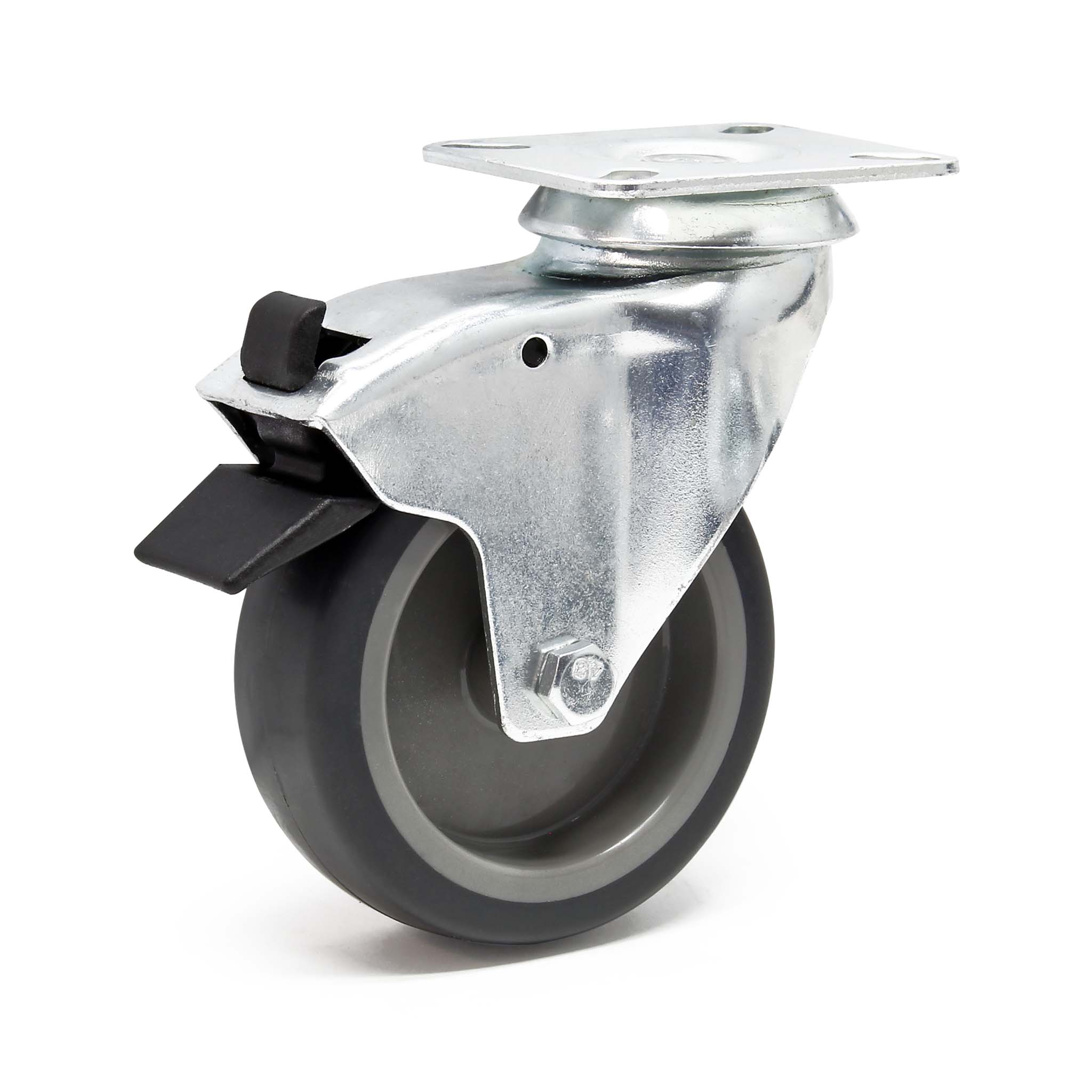
Available, delivery time: 2 - 3 days
• Wheel diameter of 100 mm
• Max. carrying capacity of 80 kg
• Moves quietly and dampens
• Wheel body is made of plastic
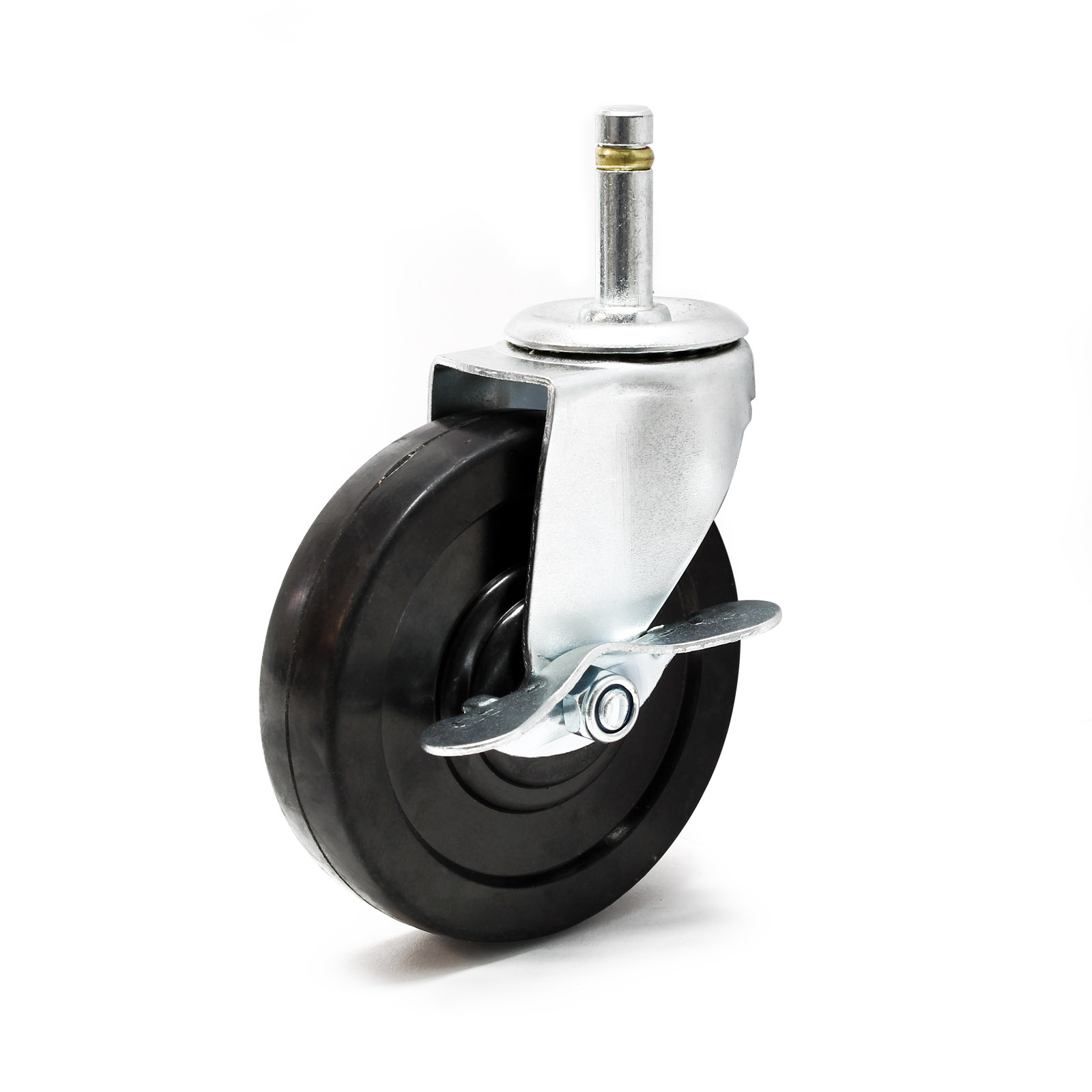
Available in 25 days, delivery time 2 - 3 days
• for XXL Drywall Lift & Sheetrock Lifter Panel Hoist
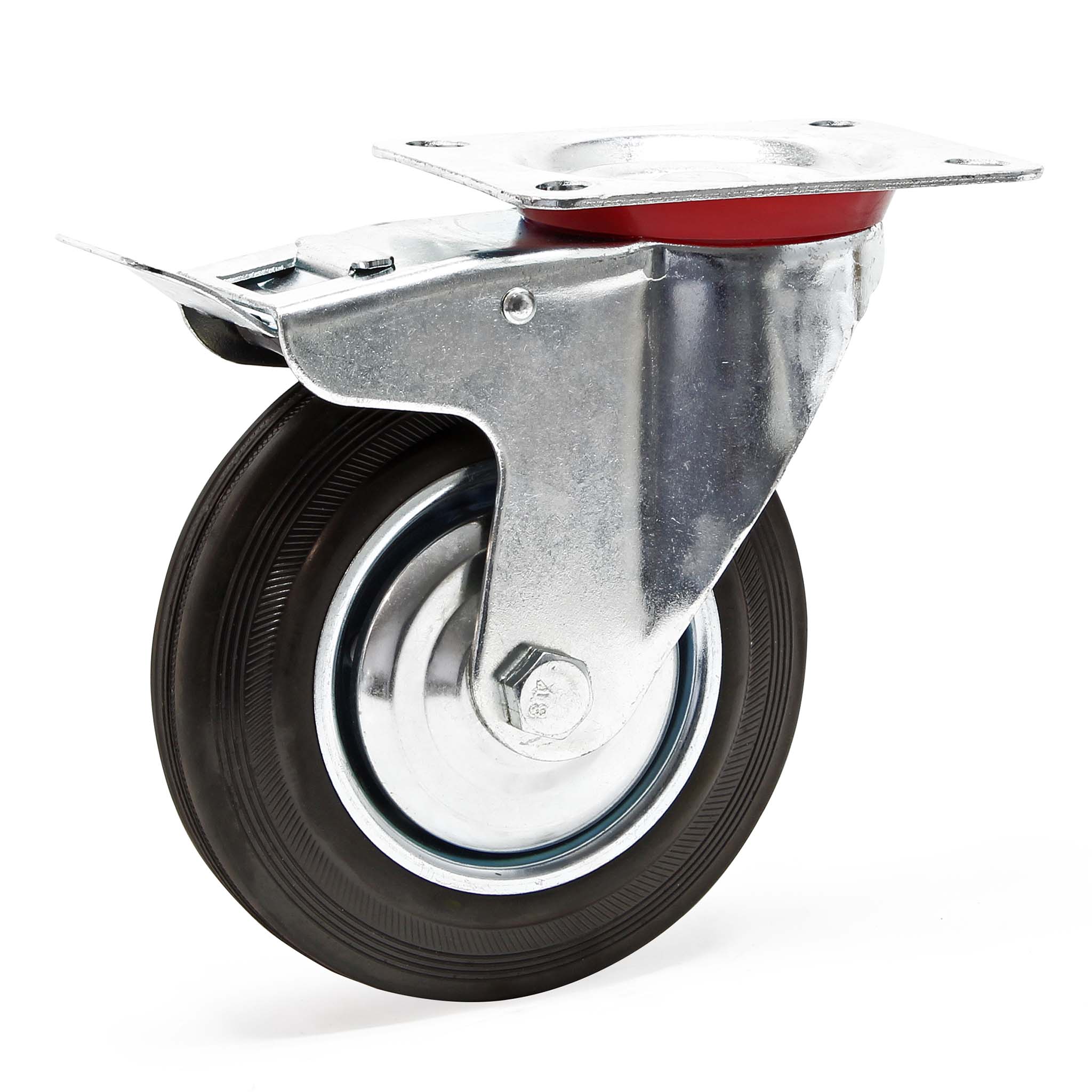
Available, delivery time: 2 - 3 days
• Capacity: 150 kg
• Weight: 3190 g
• Easy installation by screwing
• Combinable with other castors
• Transport roller with locking brake
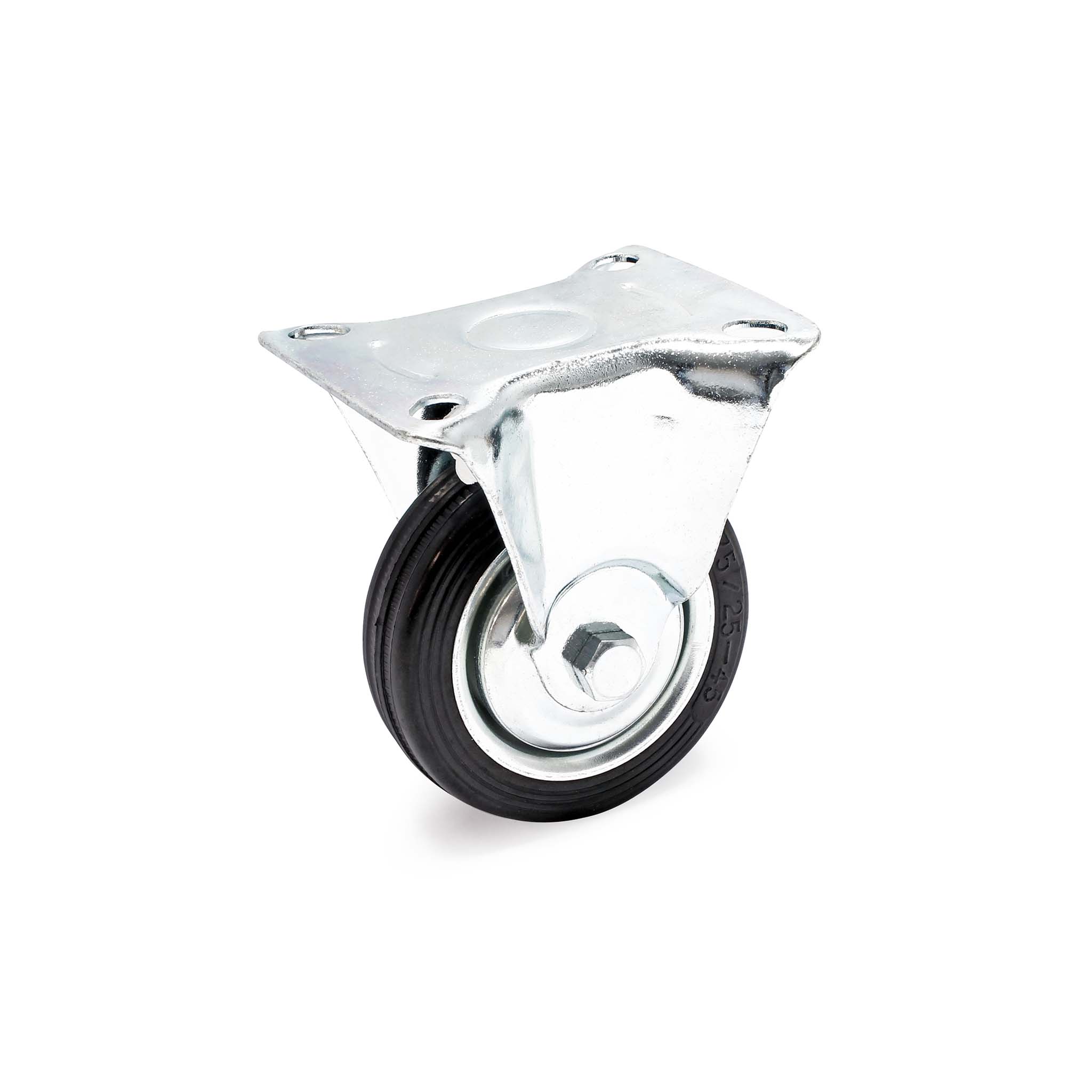
Available, delivery time: 2 - 3 days
• Load capacity: 50 kg
• Weight: 312 g
• Easy installation by screwing
• Combinable with other castors
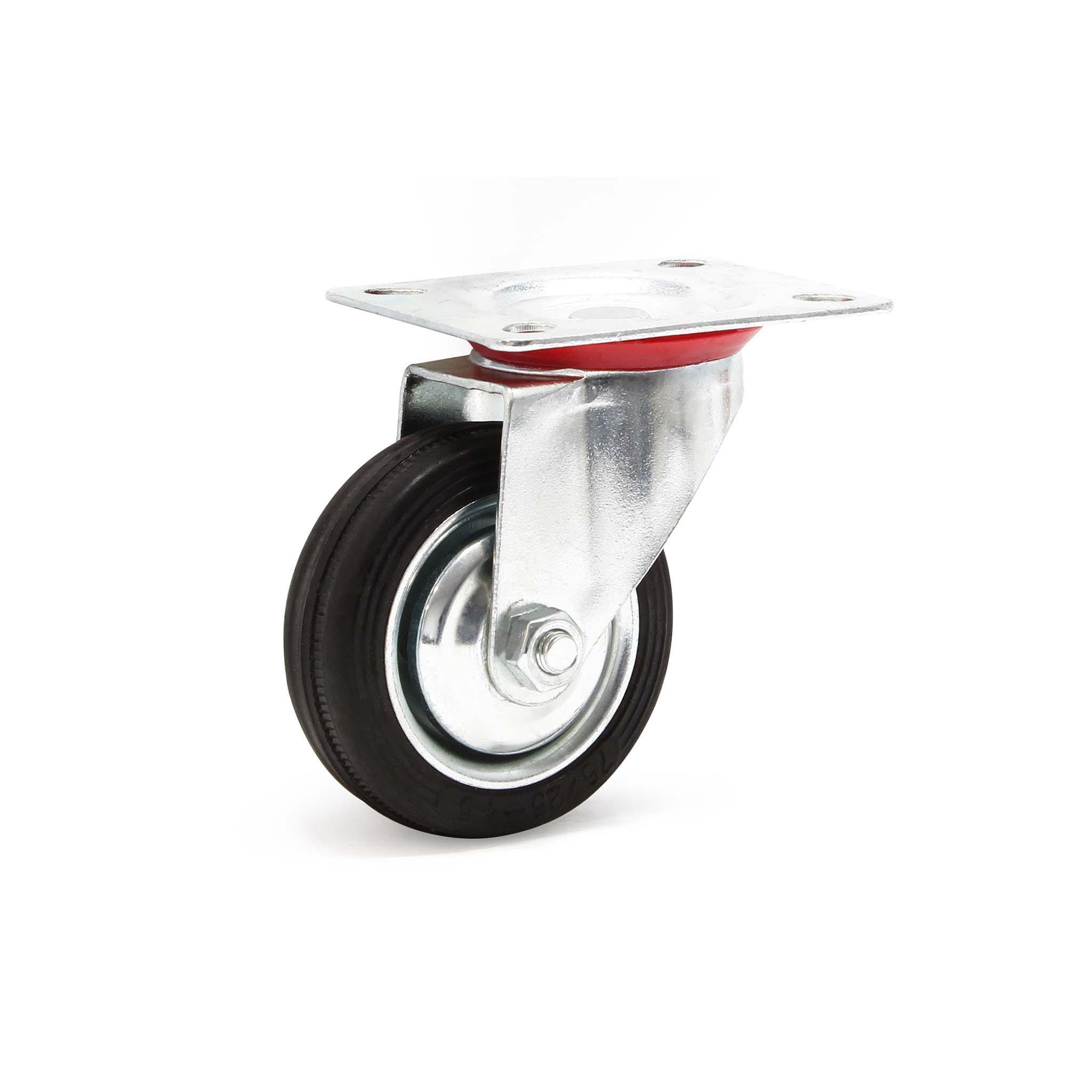
Available, delivery time: 2 - 3 days
• Load capacity: 50 kg
• Weight: 424g
• Easy installation by screwing
• Combinable with other castors
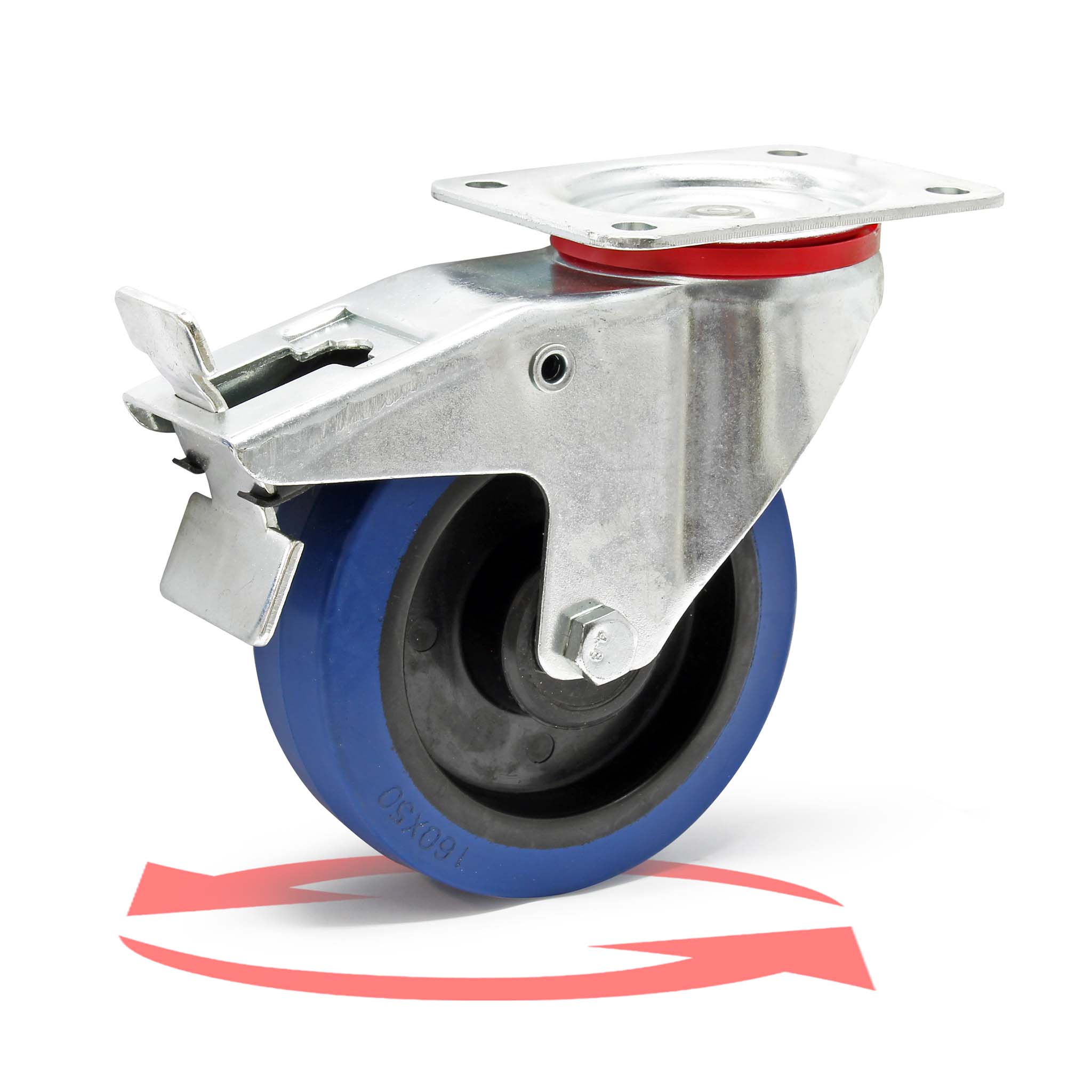
Available, delivery time: 2 - 3 days
• Wheel diameter of 160 mm
• Max. carrying capacity of 300 kg
• Moves quietly and dampens
• Wheel body is made of plastic
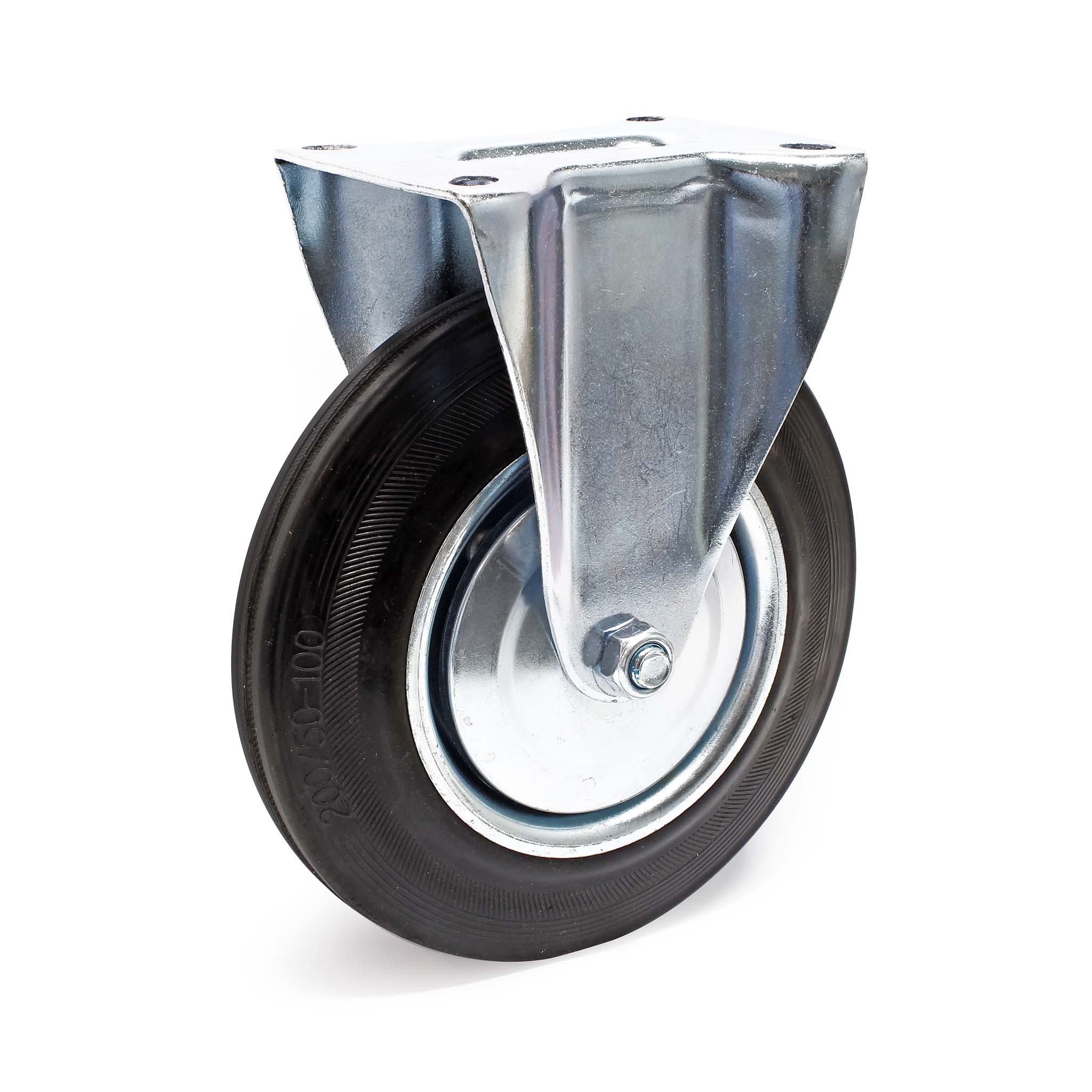
Available, delivery time: 2 - 3 days
• Capacity: 150 kg
• Weight: 2190 g
• Easy installation by screwing
• Combinable with other castors
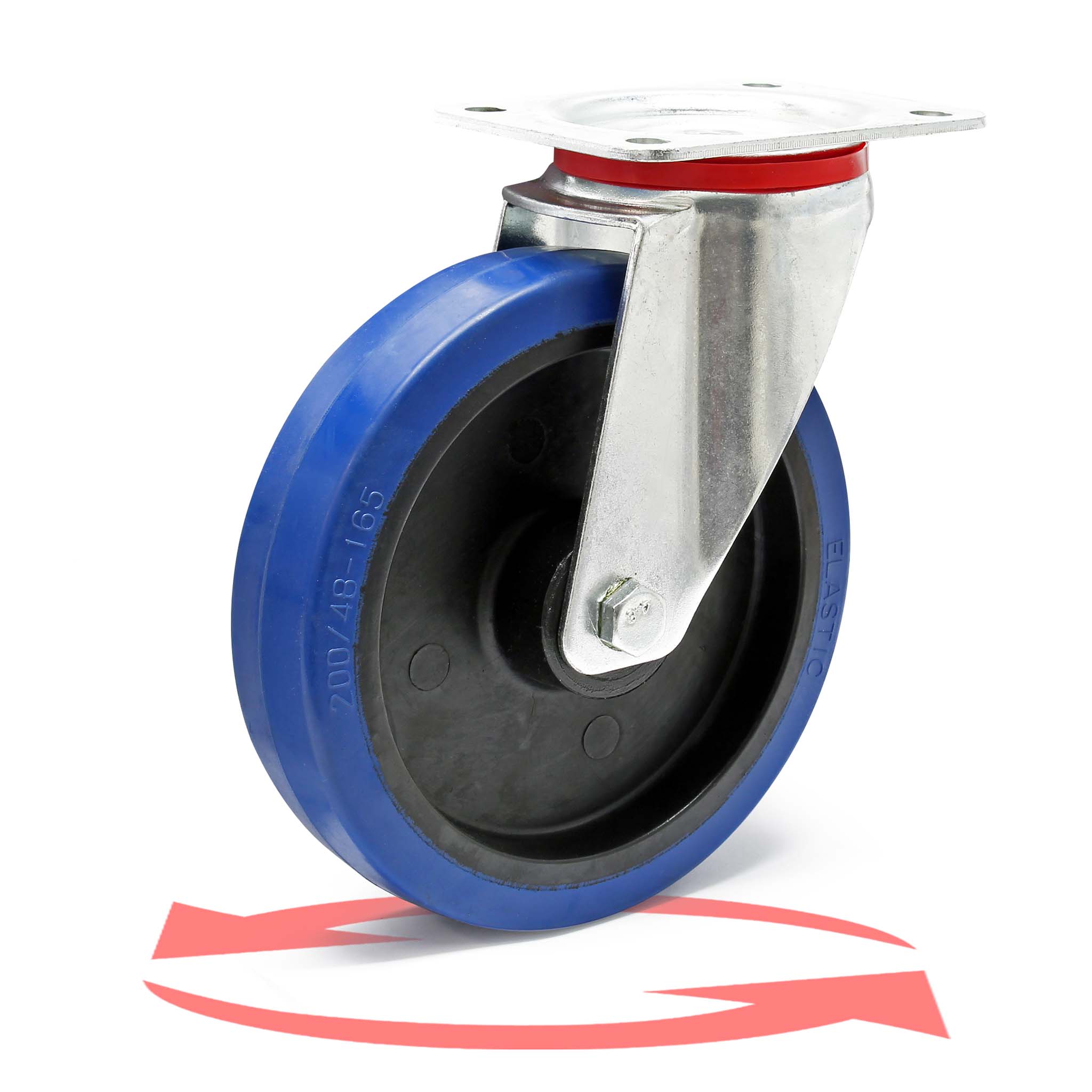
Available, delivery time: 2 - 3 days
• Wheel diameter of 200 mm
• Max. carrying capacity of 350 kg
• Moves quietly and dampens
• Wheel body is made of plastic
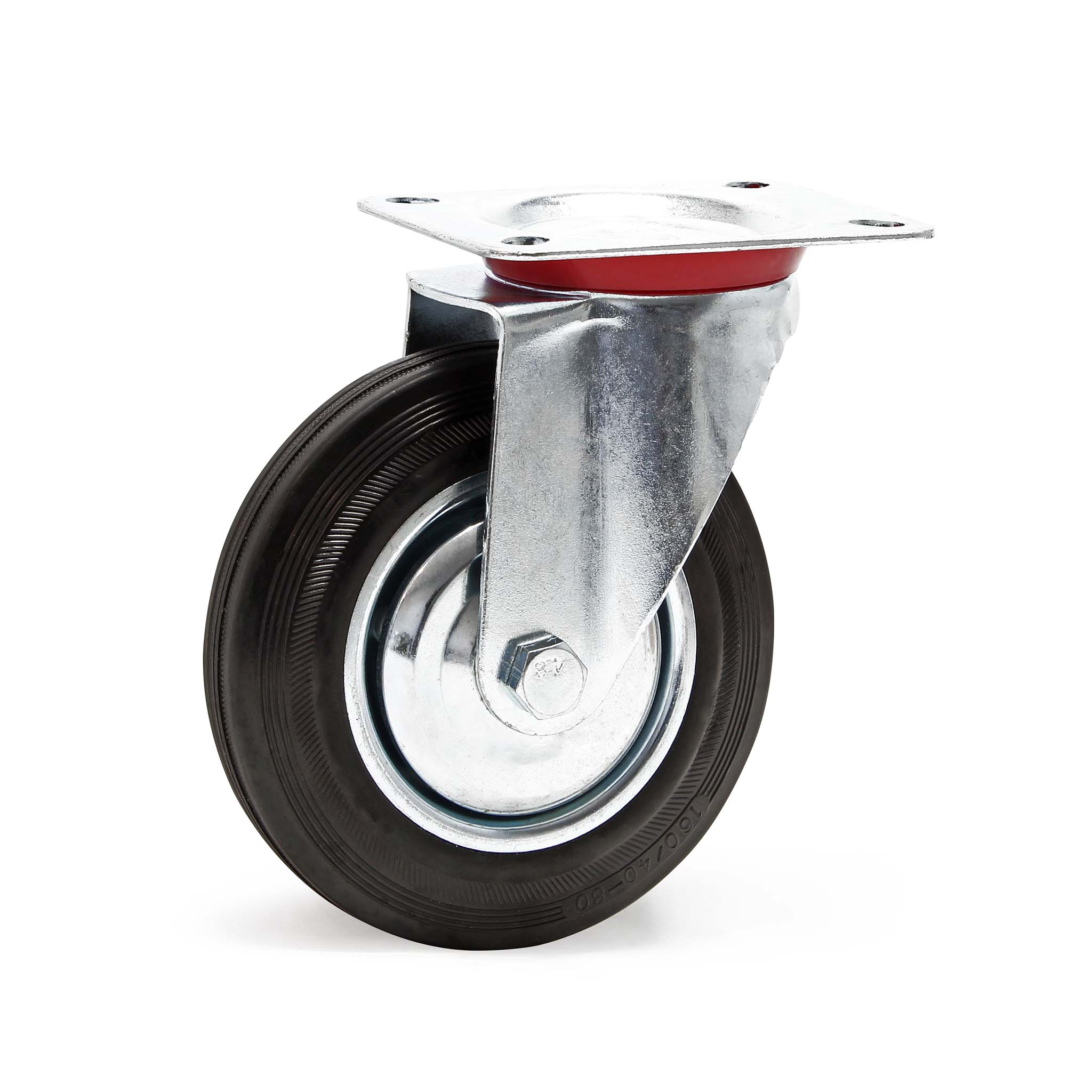
Available, delivery time: 2 - 3 days
• Capacity: 130 kg
• Weight: 2110 g
• Easy installation by screwing
• Combinable with other castors

Available in 105 days, delivery time 2 - 3 days
• Load capacity: 70 kg
• Weight: 769g
• Easy installation by screwing
• Combinable with other castors
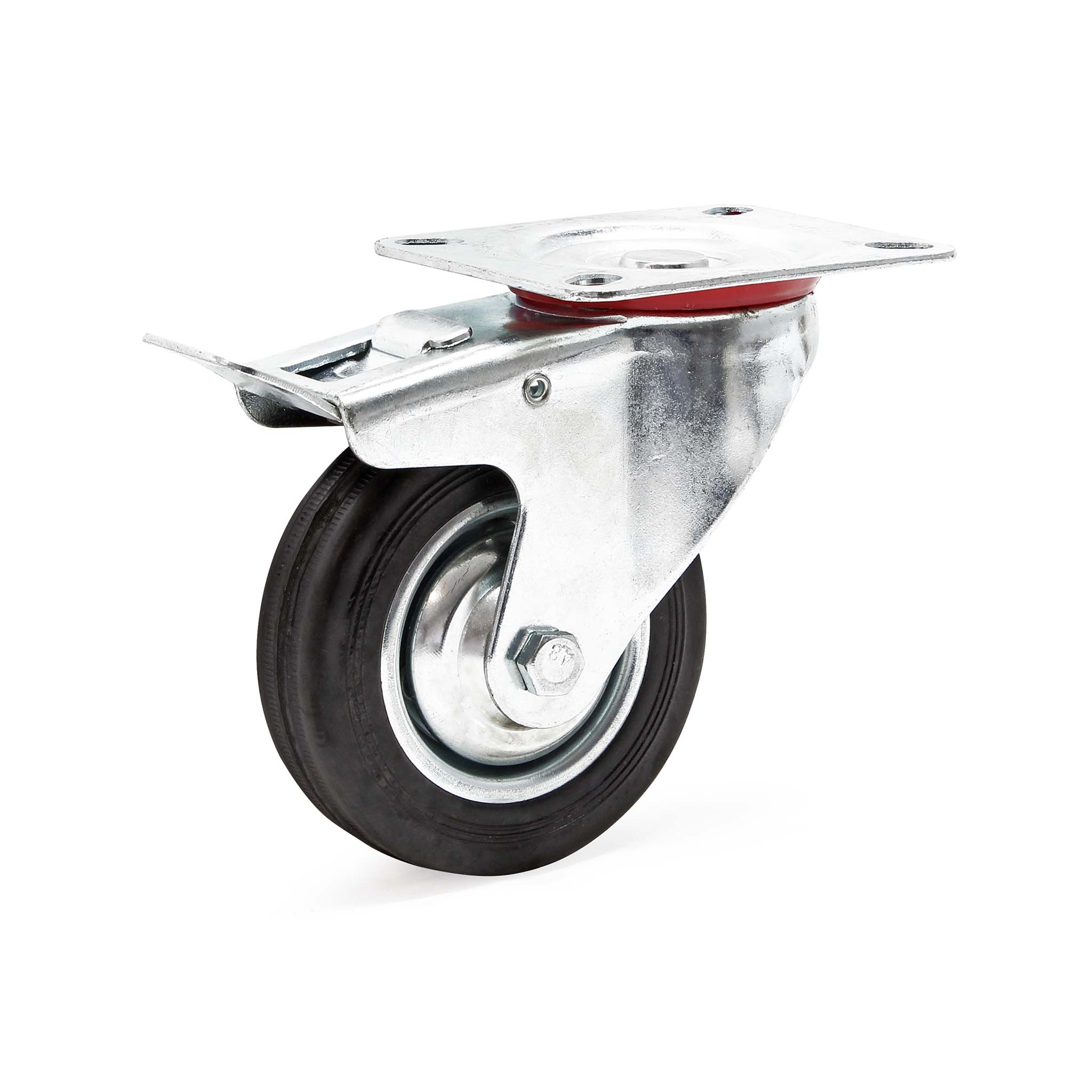
Available, delivery time: 2 - 3 days
• Load capacity: 70 kg
• Weight: 989g
• Easy installation by screwing
• Combinable with other castors
• Transport roller with locking brake
Solid Tyres, Fixed & Swivel Castors
Flexibility and Movement for Every Project
At the heart of every mobile unit, whether in workshops, industrial environments, or at home, lie swivel castors, fixed castors, and wheels. These indispensable components not only provide the required mobility but also significantly contribute to efficiency and functionality. From simple furniture castors to heavy-duty industrial castors, the selection of castors and wheels is diverse, and there is a suitable solution for every requirement.
Our Selection of Castors for Every Need
In our shop, you'll find a comprehensive range of castors designed for various applications. Our product selection includes swivel castors, fixed castors, transport castors, and heavy-duty castors, distinguished by their high quality and durability. Whether you're looking for a solution for easy furniture transportation or need to move heavy loads in industrial settings, our assortment covers all your needs.
Diverse Functions and Features
Our castors are available with or without brakes to offer you maximum flexibility and safety during use. The availability of models with metal rims and mounting plates facilitates easy installation and ensures a reliable attachment to your cargo or furniture.
High-Quality Materials for Every Environment
We offer castors made from various materials, including solid rubber and plastic. Our rubber wheels are ideal for use on uneven surfaces, as they provide excellent cushioning and are noise-reducing. Plastic wheels, on the other hand, are perfect for smooth floors, where low rolling resistance and easy maneuverability are required.
Adapting to Your Load Requirements
With load capacities covering a wide spectrum, our castors ensure optimal performance under different weight conditions. From light applications to heavy-duty situations where stability and reliability are paramount, you'll find the right castor solution with us.
Flexibility with Individual Castors and Sets
Whether you need a single castor as a replacement or a complete set for the initial outfitting of a cart or table, our offer includes both individual castors and practical sets. This versatility allows you to select products precisely tailored to your specific requirements and projects.
In our shop, a wide selection of high-quality castors is ready to facilitate any movement task in your operation, office, or home. Discover the variety and quality of our range and find the perfect castor solution for your next project.
Special Features and Product Highlights
Our range of swivel castors, fixed castors, and wheels includes a wide variety of products suitable for the most diverse requirements and applications. Here is a selection of our high-quality products:
Puncture-Proof Swivel Castor with PU Wheel and Metal Rims
This heavy-duty swivel castor offers excellent durability and reliability thanks to its puncture-proof PU tires and sturdy metal rims. The rotating mount allows for full freedom of movement, while the puncture-proof wheel ensures worry-free use.
PU Wheel for Hand Trucks
Ideal for hand trucks and other transportation means, this puncture-proof wheel made of solid polyurethane material provides excellent cushioning and durability. The mounted steel rim with ball bearing ensures smooth movement and high load capacity.
Puncture-Proof Fixed Castor with Metal Rims
This fixed castor combines high load capacity with the security of a puncture-proof wheel. The rigid mount offers stability for heavy loads, while the PU wheel provides reliable performance without the risk of flats.
Swivel Castor with Plastic Wheel
This high-quality swivel castor offers an excellent combination of mobility and stability. With its total-lock function, which includes an integrated brake, it ensures both safety and control over the direction of travel. The quiet operation and good cushioning properties make it ideal for areas where noise reduction and floor protection are important.
Puncture-Proof Transport Castor with Metal Rims
The puncture-proof transport castor is a robust solution for demanding applications. Equipped with a PU wheel and metal rims, it combines high load capacity with the reliability of puncture-proof tires. This castor is perfect for use in industrial environments and for transporting heavy loads.
Knee Roller with 5 Swivel Castors
The knee roller is an innovative solution for work in a kneeling position. Equipped with five swivel castors for optimum mobility and a padded rolling board, it offers comfort and support. The practical tool tray and handle increase functionality, making it an indispensable helper for craftsmen and DIY enthusiasts.
Double-Stop Swivel Castors Set
This set of four double-stop solid rubber castors offers excellent maneuverability and high load capacity. Easy installation and the possibility to combine them with other castors make them a versatile choice for numerous applications. The integrated pivot axis ensures very good maneuverability.
Insights Around Castors and Wheels
What is a Fixed Castor?
A fixed castor is a stationary wheel that can only move in one direction. It is ideal for straight paths and is often used when devices or furniture need to be moved in a specific direction. Due to their design, fixed castors offer high stability and load capacity.
What is a Swivel Castor?
Unlike fixed castors, swivel castors allow for free movement in all directions, achieved through a rotating joint between the wheel and the mount. Swivel castors are particularly sought after where flexibility and maneuverability are required. Available with or without brakes, they provide additional safety and control.
What is a Transport Castor?
Transport castors are specifically designed for moving heavy loads. They often combine features of both fixed and swivel castors and are available in various materials such as rubber, plastic, or metal. Their design focuses on durability and high load capacities.
Which Swivel Castor for Which Floor?
Choosing the right swivel castor depends heavily on the flooring. Soft wheels made of rubber or polyurethane are suitable for hard floors as they produce less noise and protect the floor. Hard wheels made of nylon or metal are ideal for soft surfaces, offering less resistance and easier maneuverability.
Where are Swivel Castors Used?
Swivel castors are used in nearly every sector, from industrial facilities to offices and hospitals. They are essential for the mobility of equipment, furniture, and even for stage elements at events.
What are the Important Features of Swivel Castors?
The key features of swivel castors include their load capacity, material composition, diameter, type of mounting, and whether they have a brake. These features determine the castor's applications and performance.
What Size Should I Choose for My Swivel Castor?
The size of a swivel castor should be selected based on the load capacity and desired mobility. Larger wheels facilitate movement on uneven surfaces and offer a higher load capacity.
How Do I Install a Swivel Castor?
Installing a swivel castor varies depending on the model and type of mounting. Many castors come with a mounting plate that is screwed directly to the underside of the furniture piece or equipment. It's important to follow the manufacturer's installation instructions and ensure that the castors are securely attached.
Where are Fixed Castors Used?
Fixed castors are used in environments where stable, straight-line movement is required. They are the preferred choice for equipment and furniture pieces that need to be moved regularly in a fixed direction, such as heavy shelves in storage rooms or large machinery in industrial plants. Their design ensures high load-bearing capacity and stability, even with heavy loads.
What Types of Fixed Castors are There?
Fixed castors are available in a variety of designs that differ in material, size, and load capacity. They range from heavy-duty versions specifically designed for industrial use to smaller versions for light furniture. Some fixed castors are equipped with special features such as brakes or pneumatic tires to offer additional functionality and adaptability to different operating conditions.
What Role Does Load Capacity Play?
Load capacity is a crucial criterion in selecting fixed and swivel castors. It determines how much weight a castor can safely carry without damage or failure. Choosing an appropriate load capacity is essential to ensure the safety and longevity of the castors. It's important to calculate the total load distributed across the castors and select castors with a suitable load capacity to avoid overloading and premature wear.
Castors Keep the World Moving
Fixed castors, swivel castors, and wheels are key components that play a role in nearly every aspect of daily life and work. The right selection and application of these products can boost productivity, reduce workload, and improve overall efficiency. With a wide range of available options, from heavy-duty castors to puncture-proof wheels, there's a suitable solution for every challenge. Whether in the industry, office, or home, these castors and wheels help keep the world moving.