












































































Wheelchair Ramps
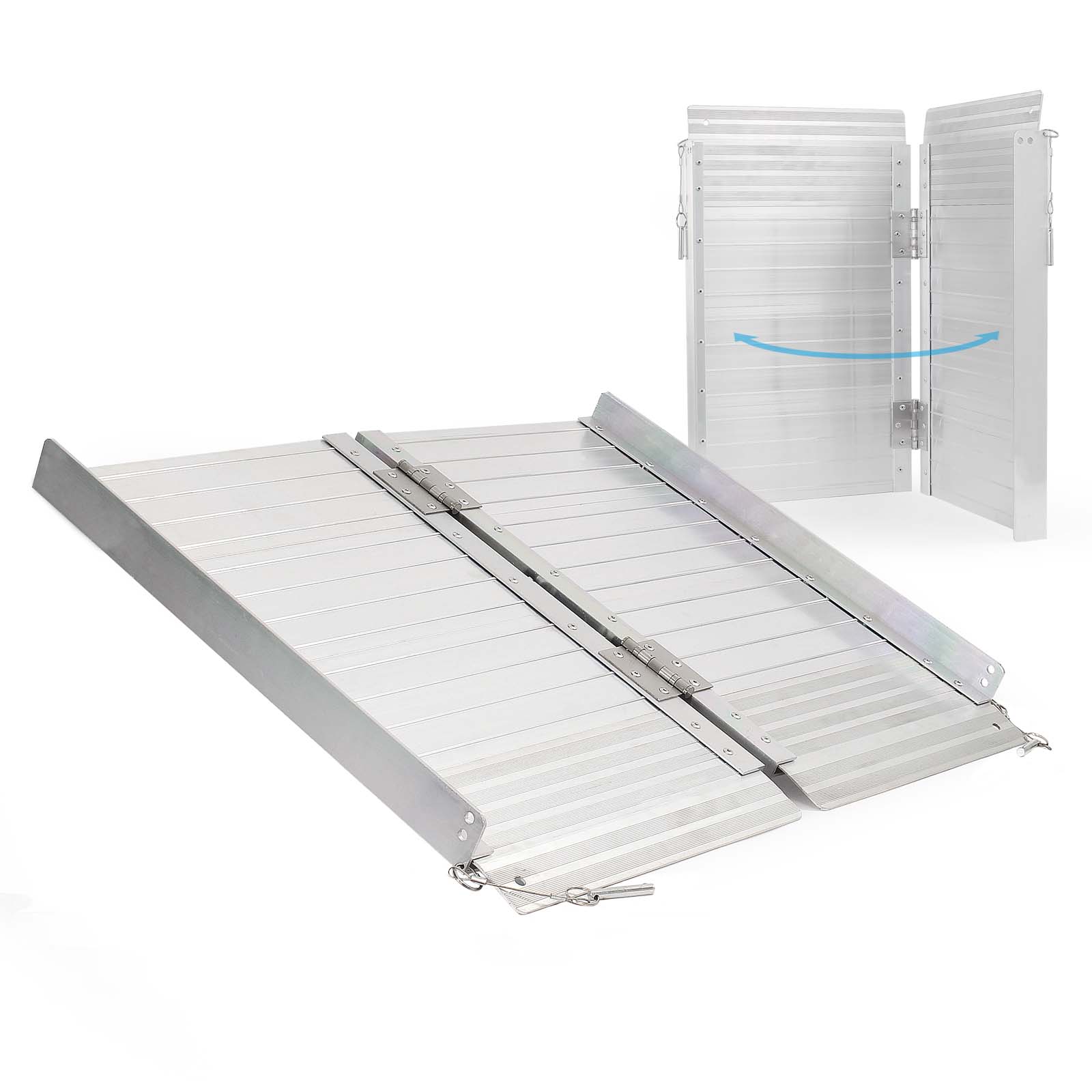
Available in 25 days, delivery time 2 - 3 days
• Max. load 270 kg
• Length 62 cm/width 73 cm
• Aluminium
• Easy handling
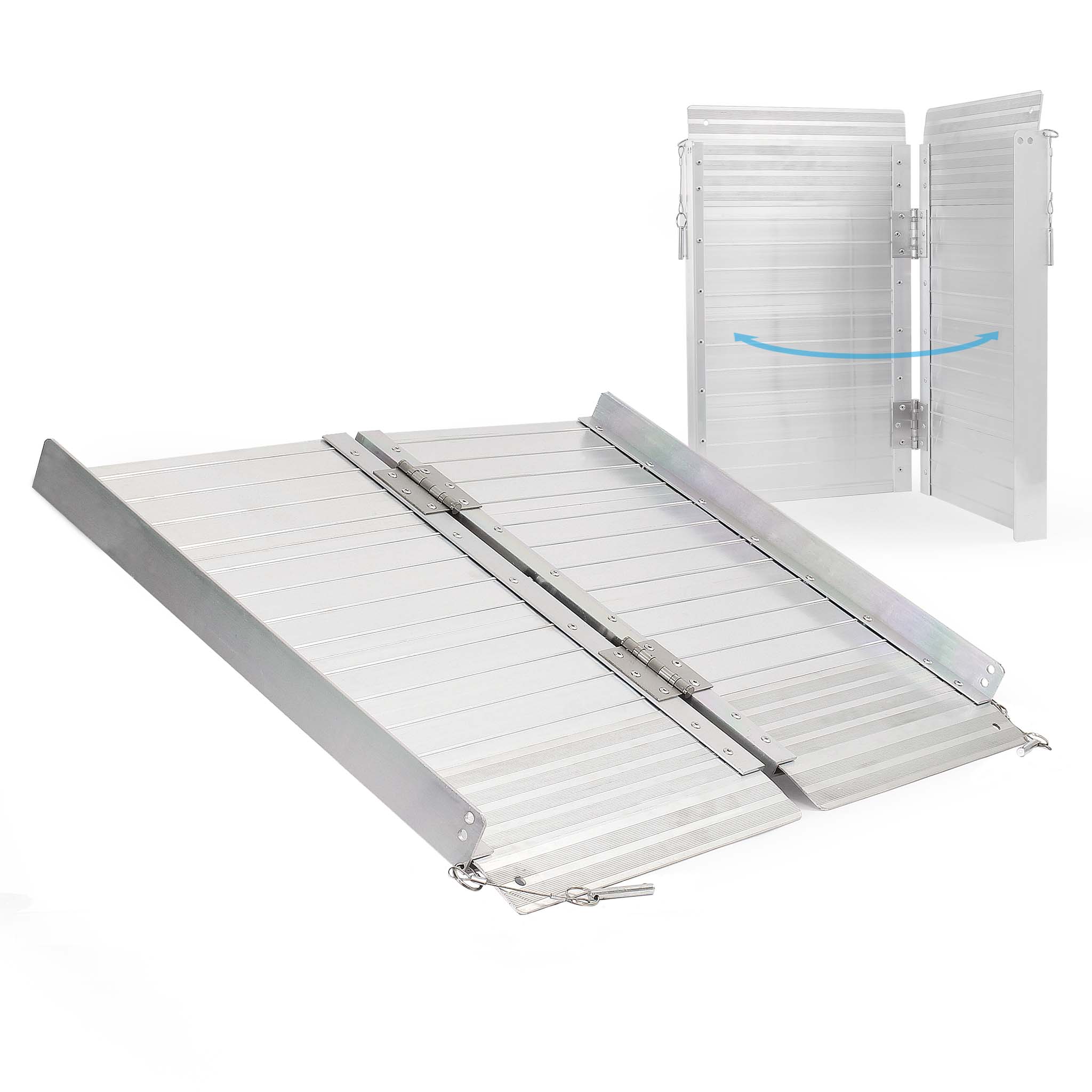
Available in 25 days, delivery time 2 - 3 days
• Max. load 270 kg
• Length 92 cm/width 73 cm
• Aluminium
• Easy handling
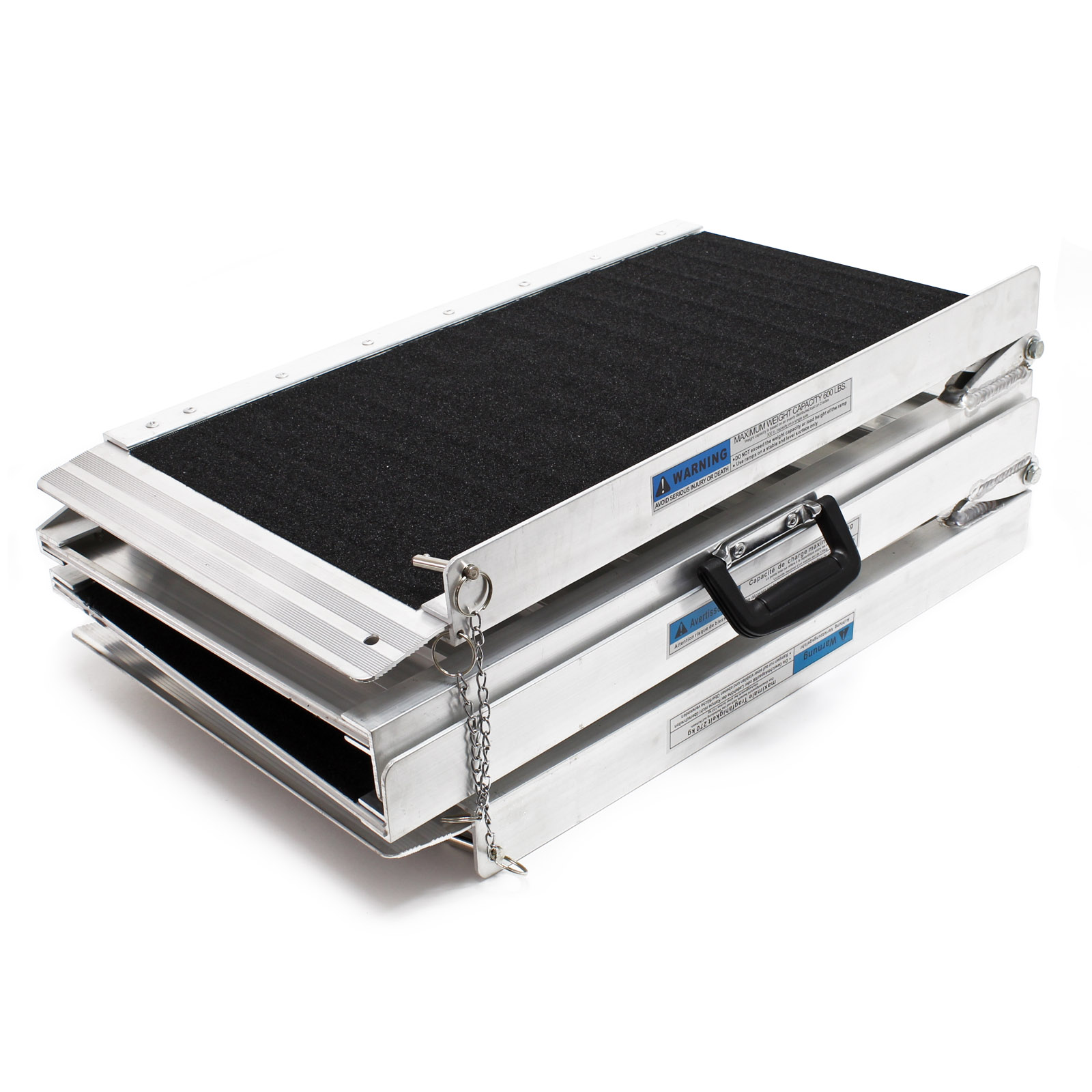
Available, delivery time: 2 - 3 days
• Dimensions: 3050 x 730 mm
• Max. load capacity: 270 kg
• Mobile and flexible

Available, delivery time: 2 - 3 days
• Mobile and flexible
• Easy handling
• Dimensions: 3050 x 730 mm
• Space-saving storage
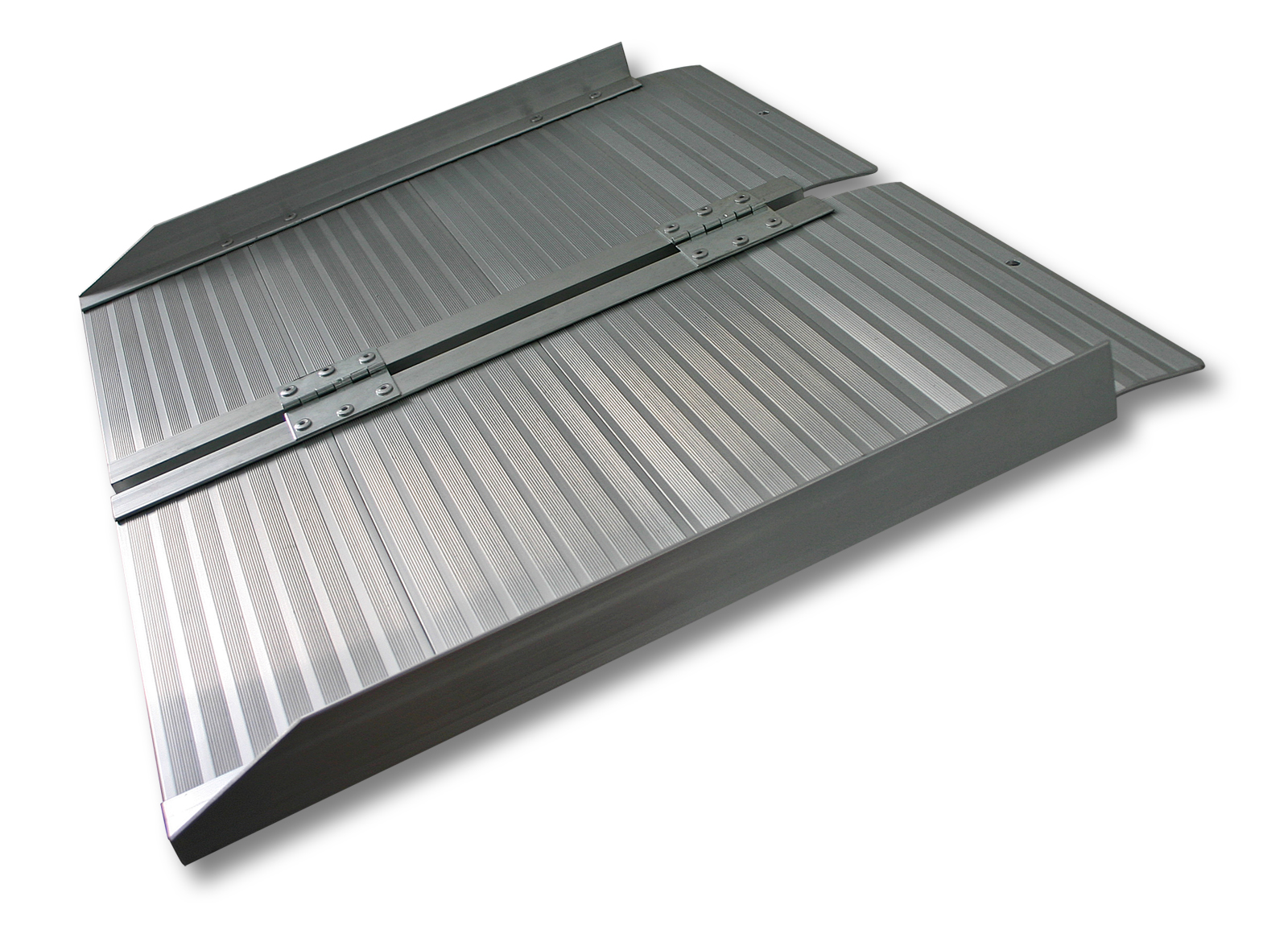
Currently not available
• Max. load 270 kg
• Length 183 cm/width 73 cm
• Aluminium
• Easy handling
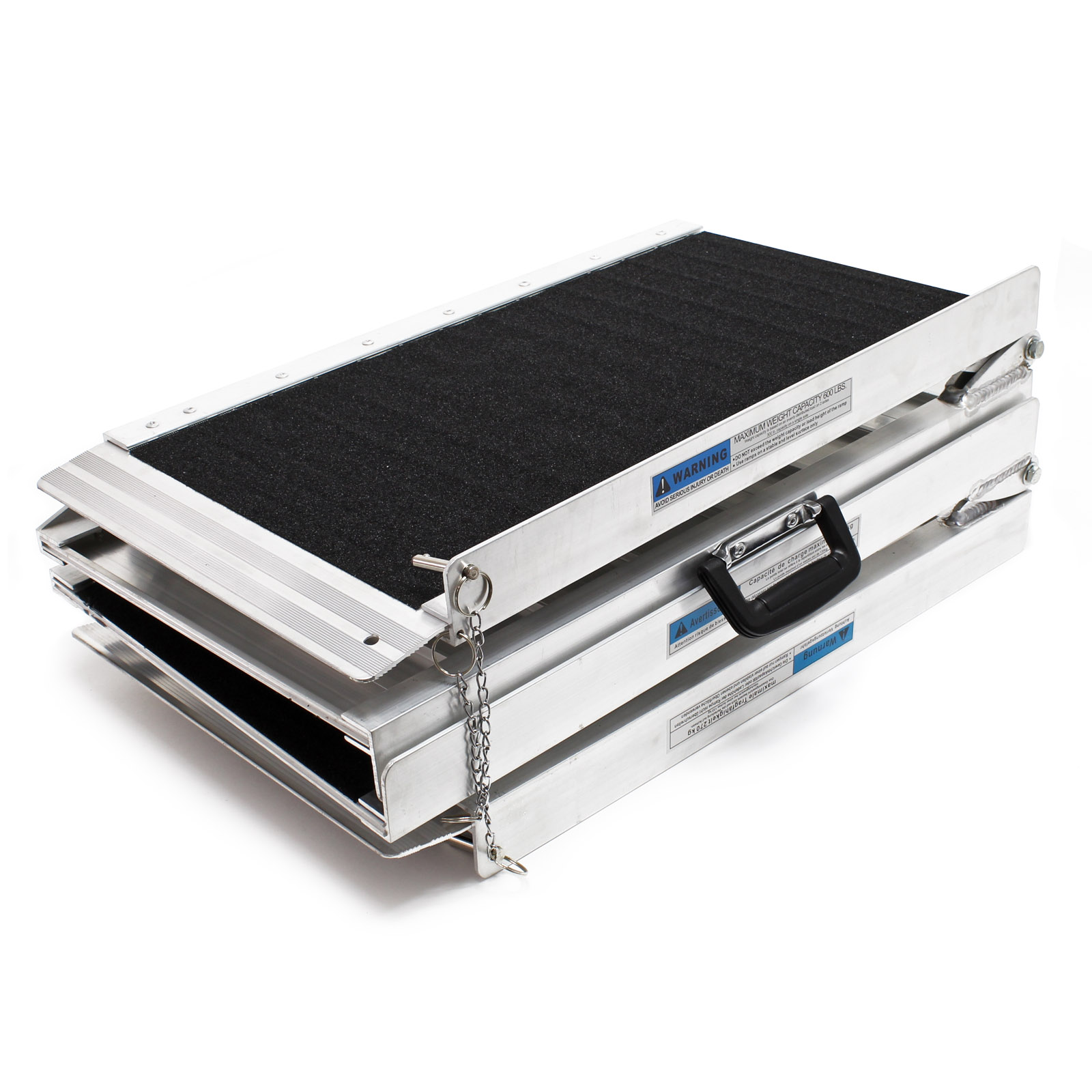
Available in 25 days, delivery time 2 - 3 days
• Mobile and flexible
• Easy handling
• Dimensions: 2440 x 730 mm
• Space-saving storage
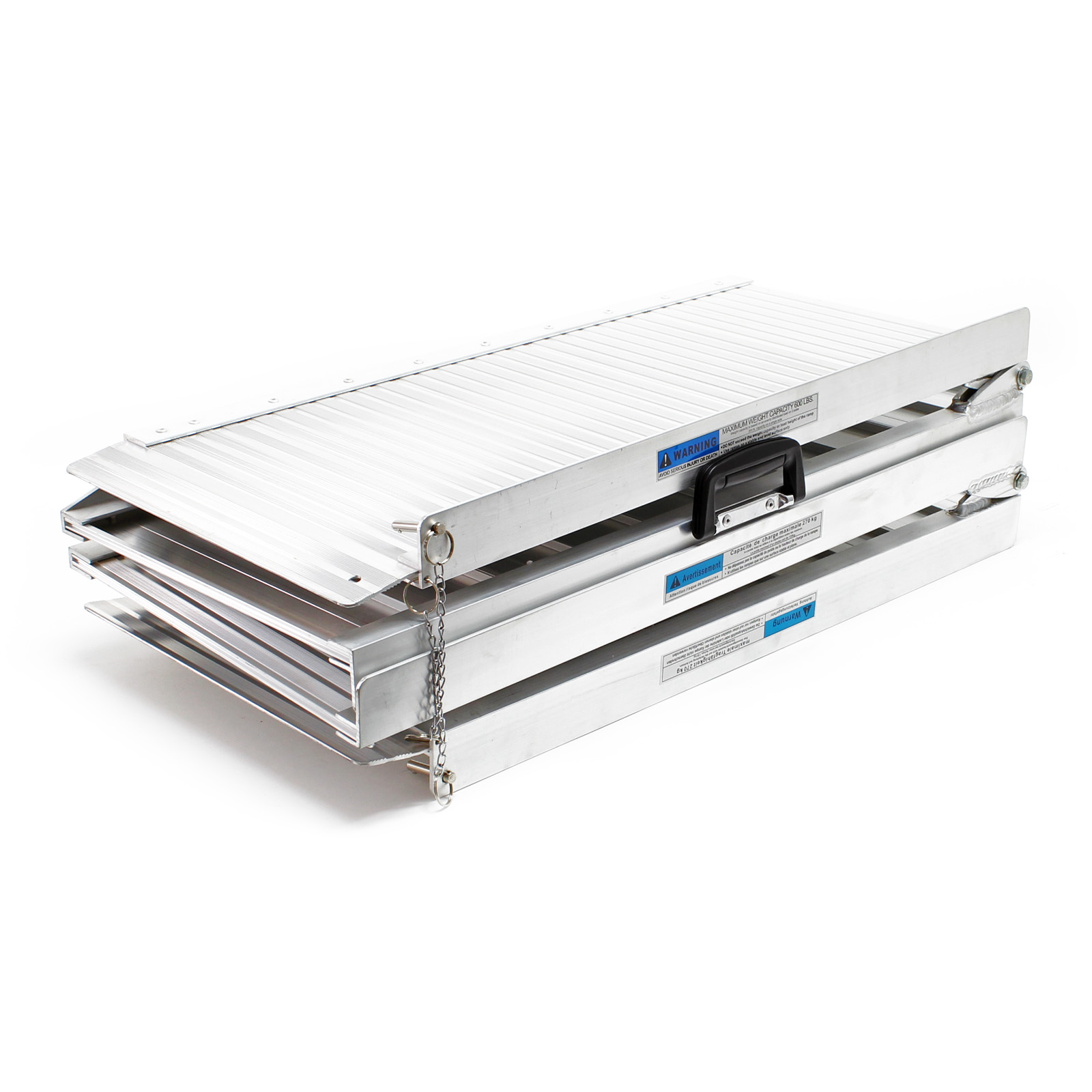
Available in 25 days, delivery time 2 - 3 days
• Space-saving storage
• Mobile and flexible
• Dimensions: 2440 x 730 mm
• Max. load capacity: 270 kg
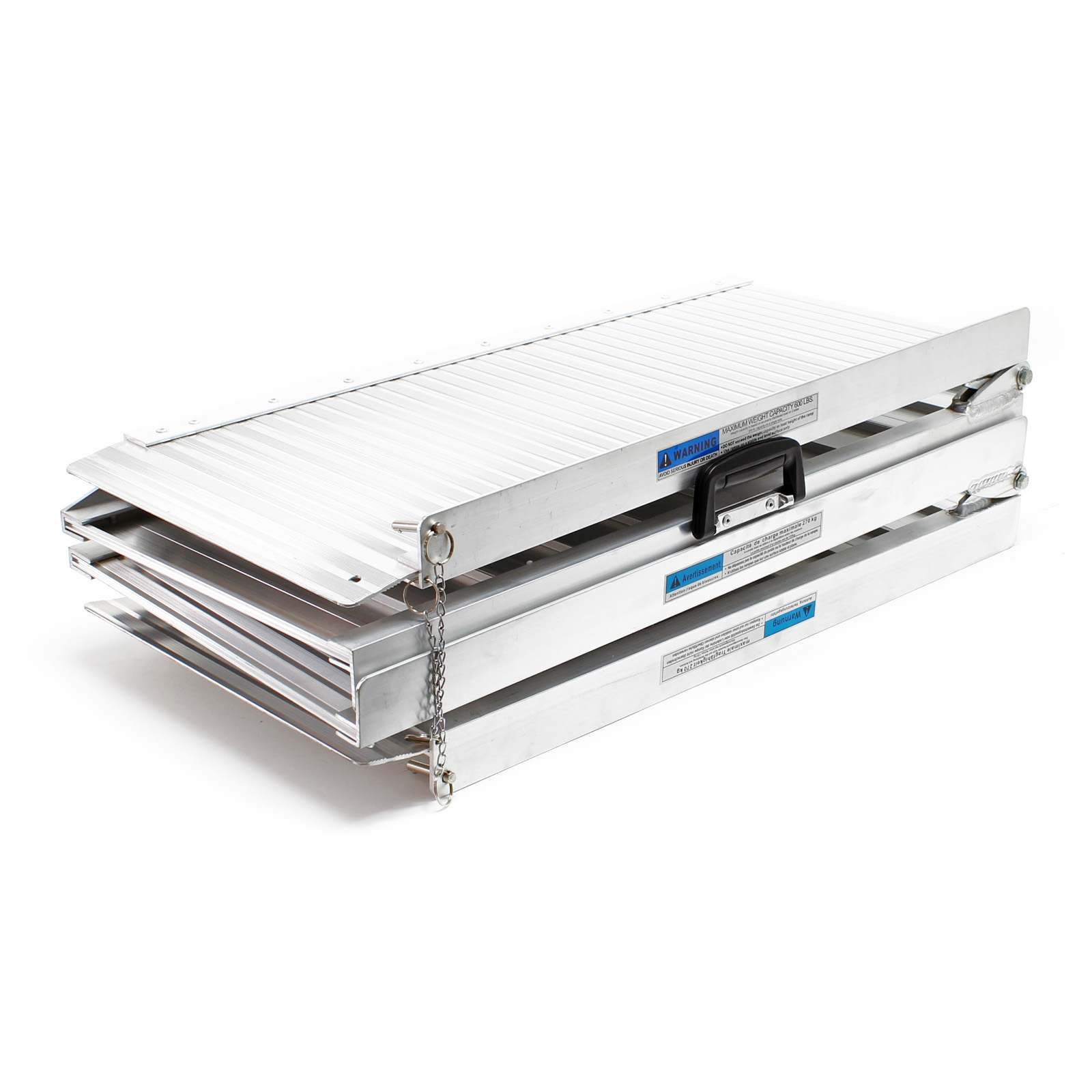
Available, delivery time: 2 - 3 days
• Space-saving storage
• Dimensions: 1520 x 730 x 50 mm
• Max. load capacity: 270 kg
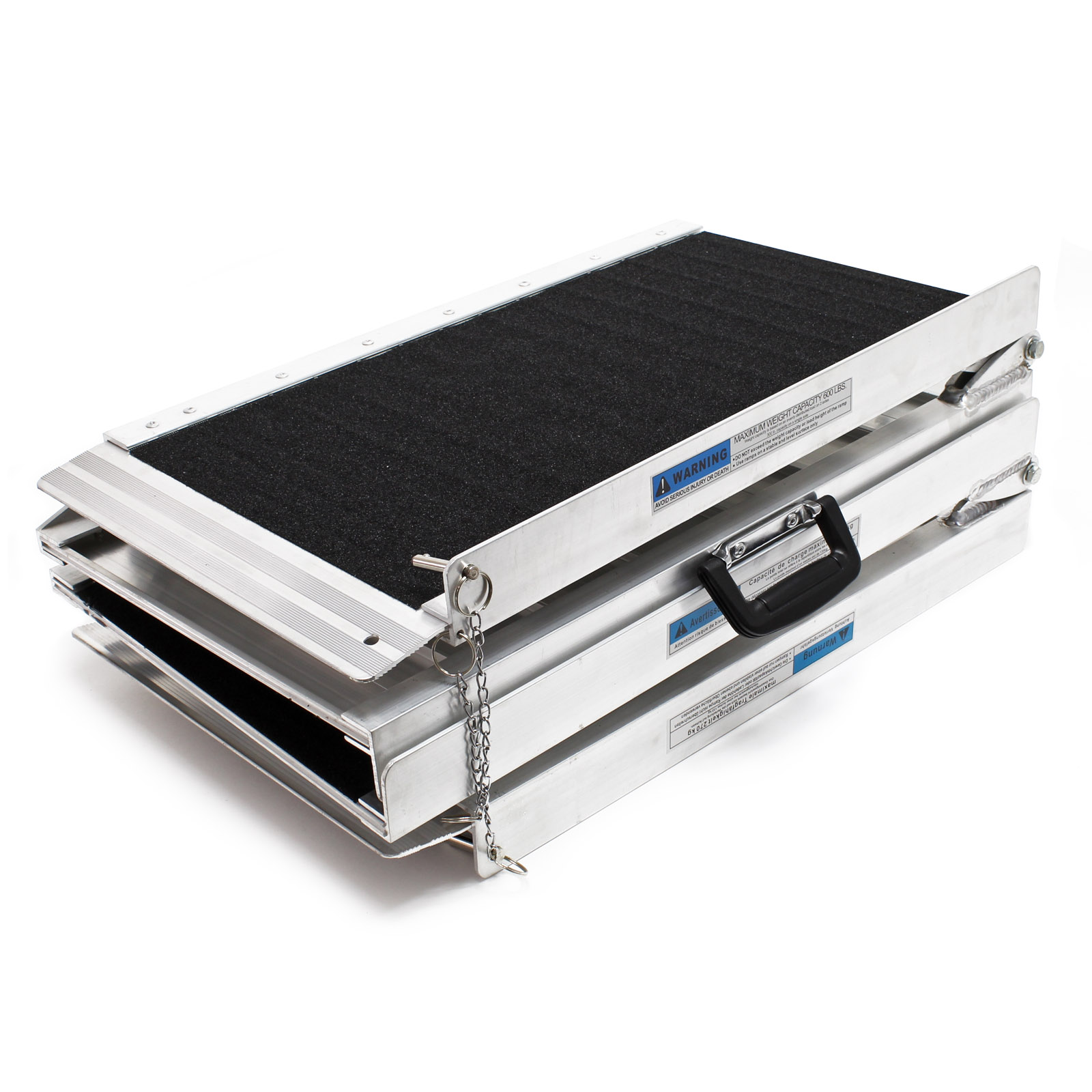
Available in 28 days, delivery time 2 - 3 days
• Mobile and flexible
• Easy handling
• Dimensions: 2135 x 730 mm
• Space-saving storage
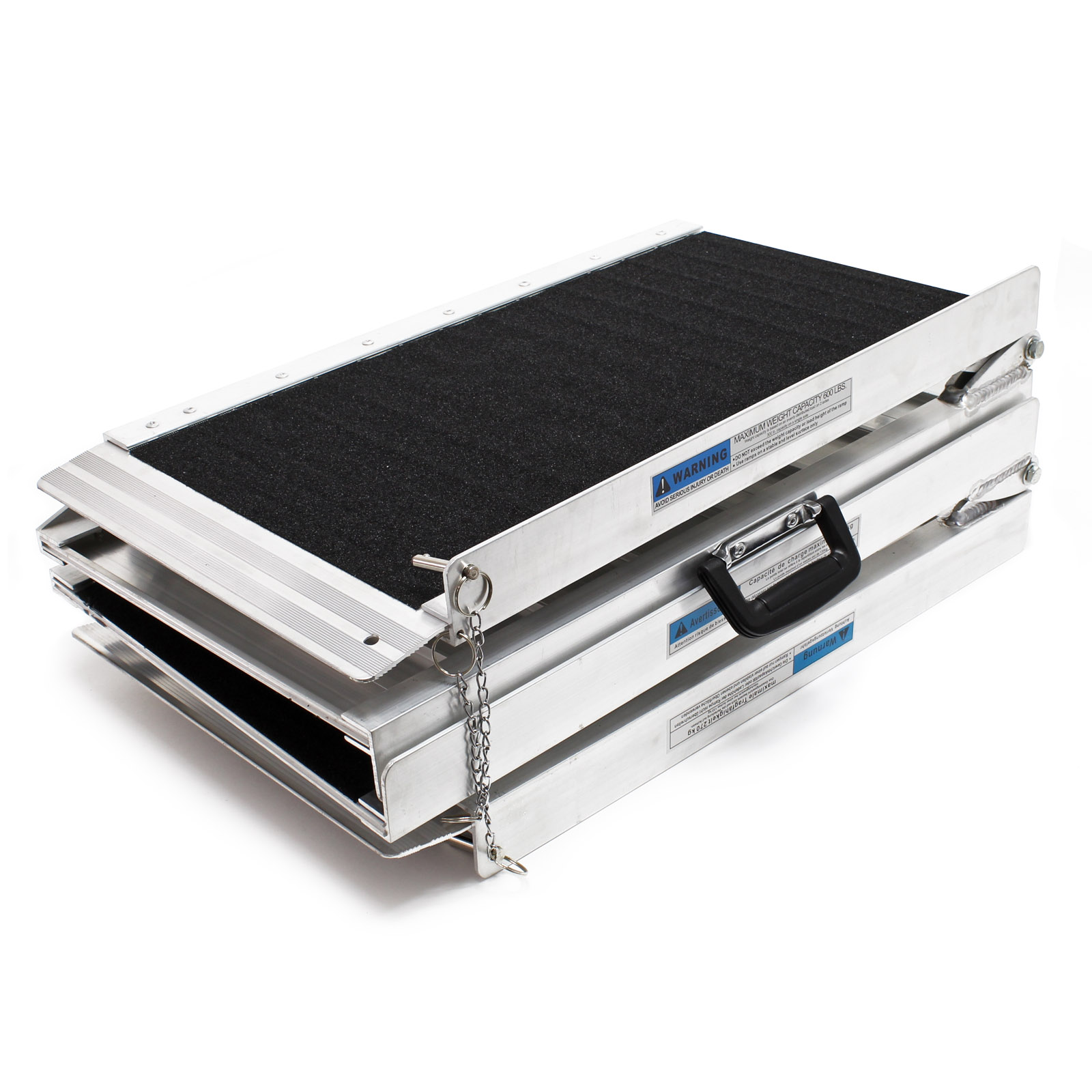
Available in 28 days, delivery time 2 - 3 days
• Mobile and flexible
• Easy handling
• Dimensions: 1825 x 730 mm
• Space-saving storage
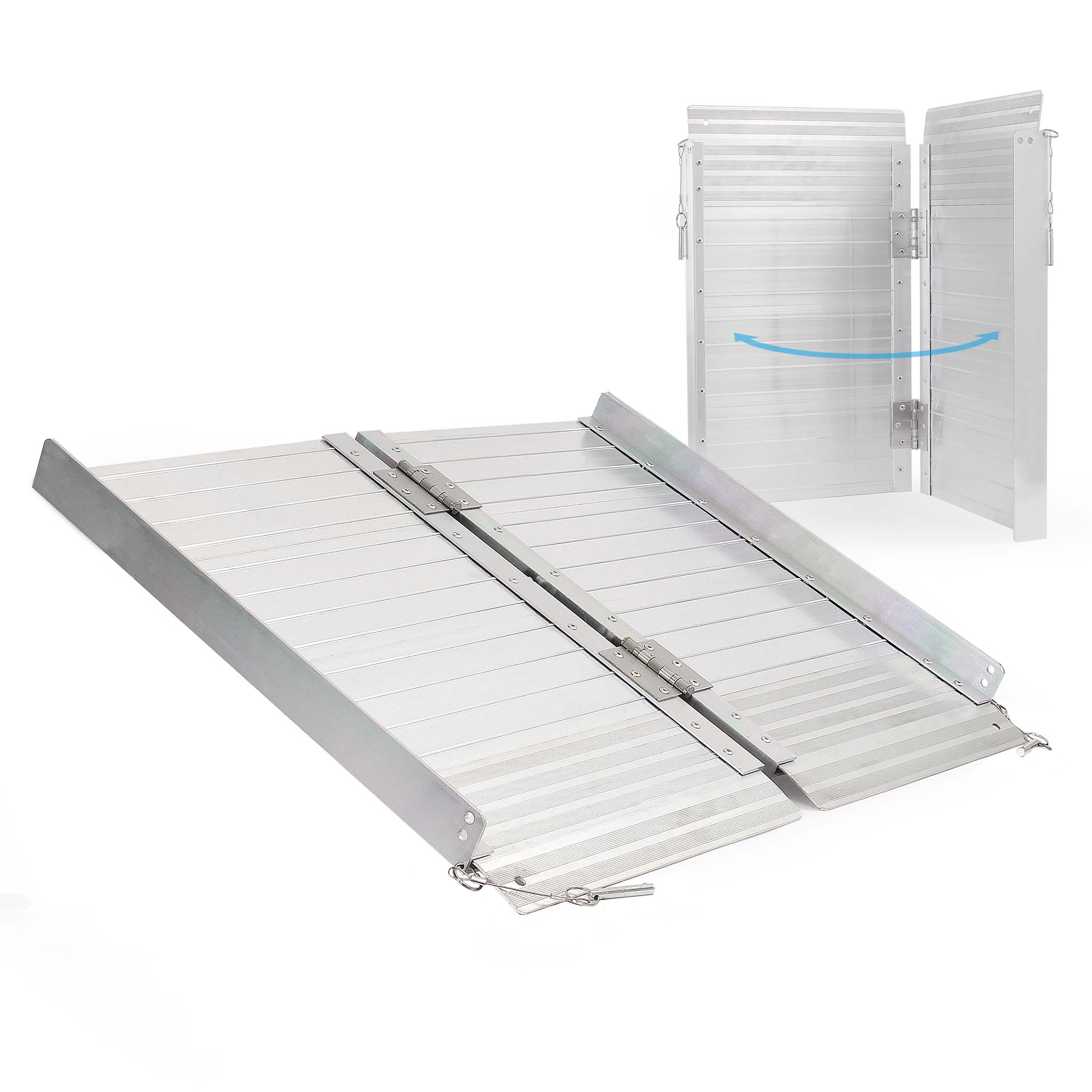
Available, delivery time: 2 - 3 days
• Max. load 270 kg
• Length 122 cm/width 73 cm
• Aluminium
• Easy handling
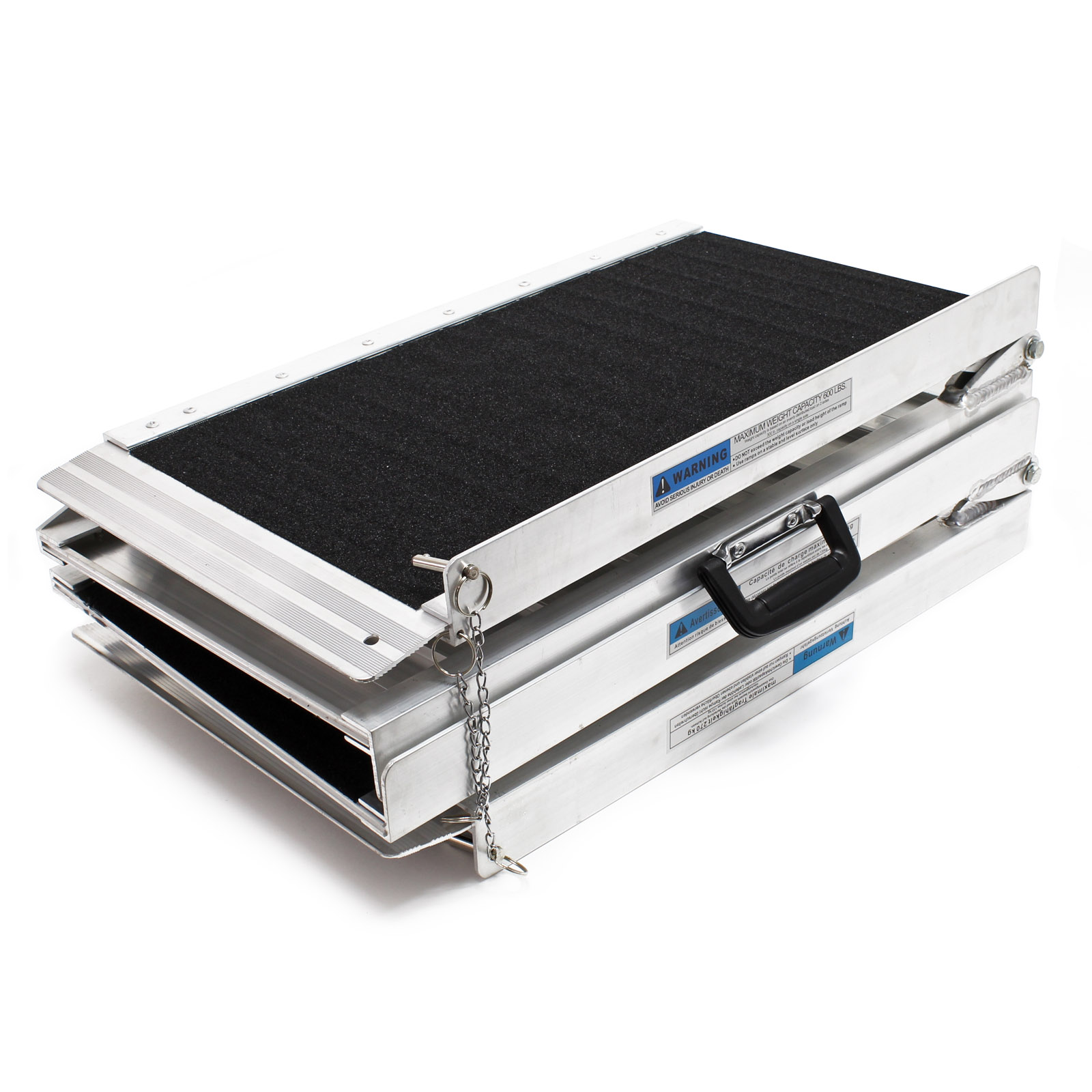
Available, delivery time: 2 - 3 days
• Mobile and flexible
• Easy handling
• Dimensions: 1520 x 730 mm
• Space-saving storage
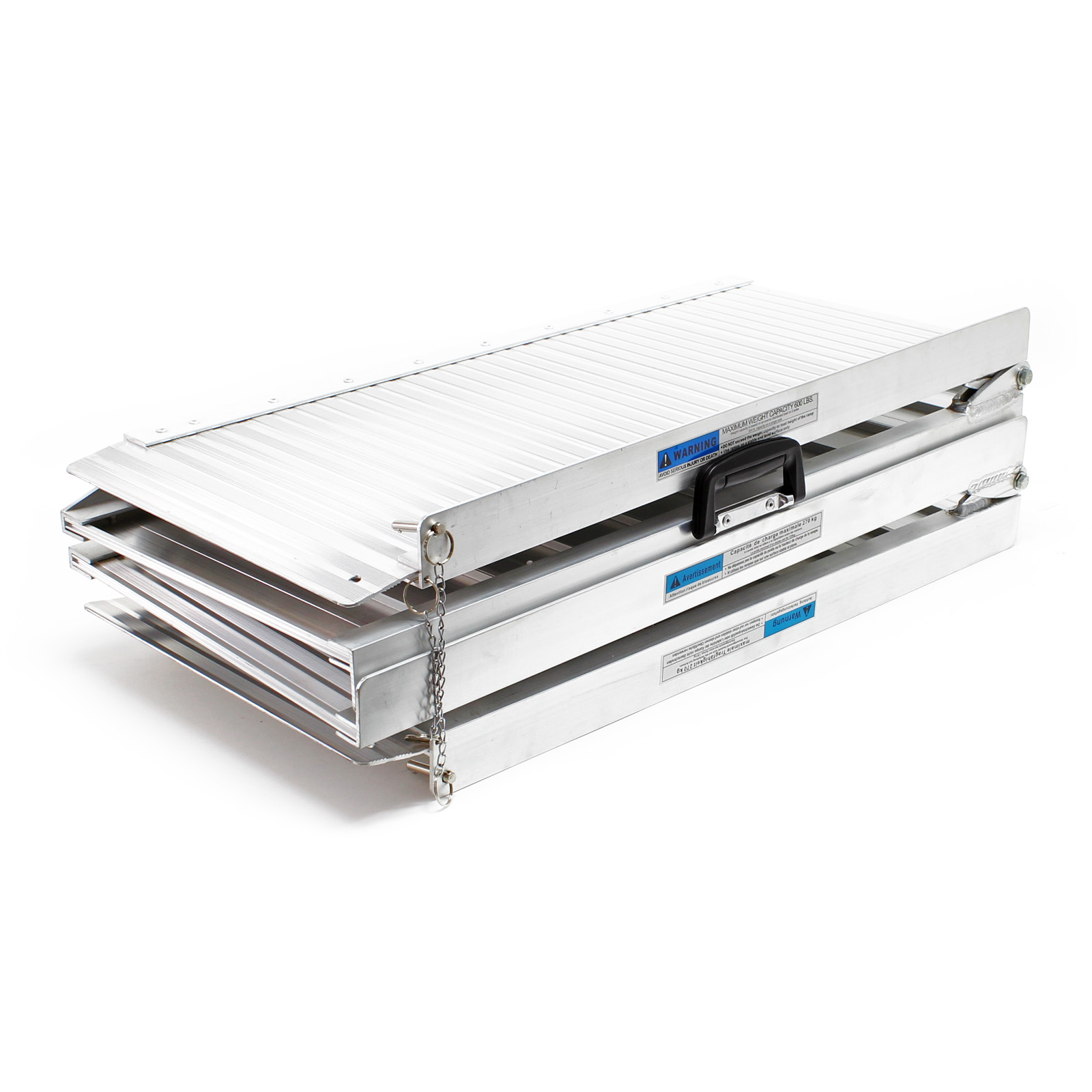
Available, delivery time: 2 - 3 days
• Space-saving storage
• Dimensions: 1825 x 73 x 50 mm
• Max. load capacity: 270 kg
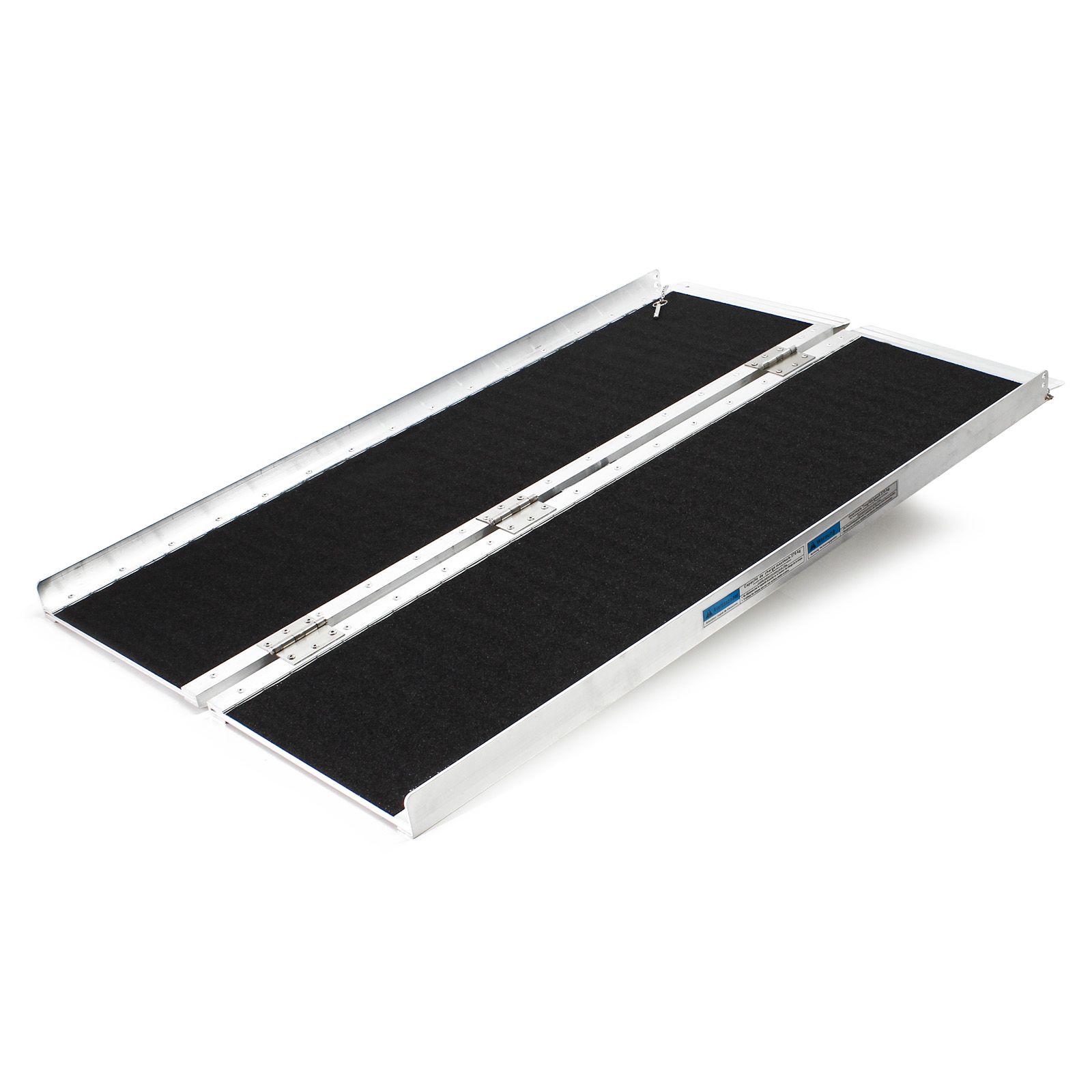
Available, delivery time: 2 - 3 days
• Easy handling
• Dimensions: 1220 x 730 x 50 mm
• Max. load capacity: 270 kg
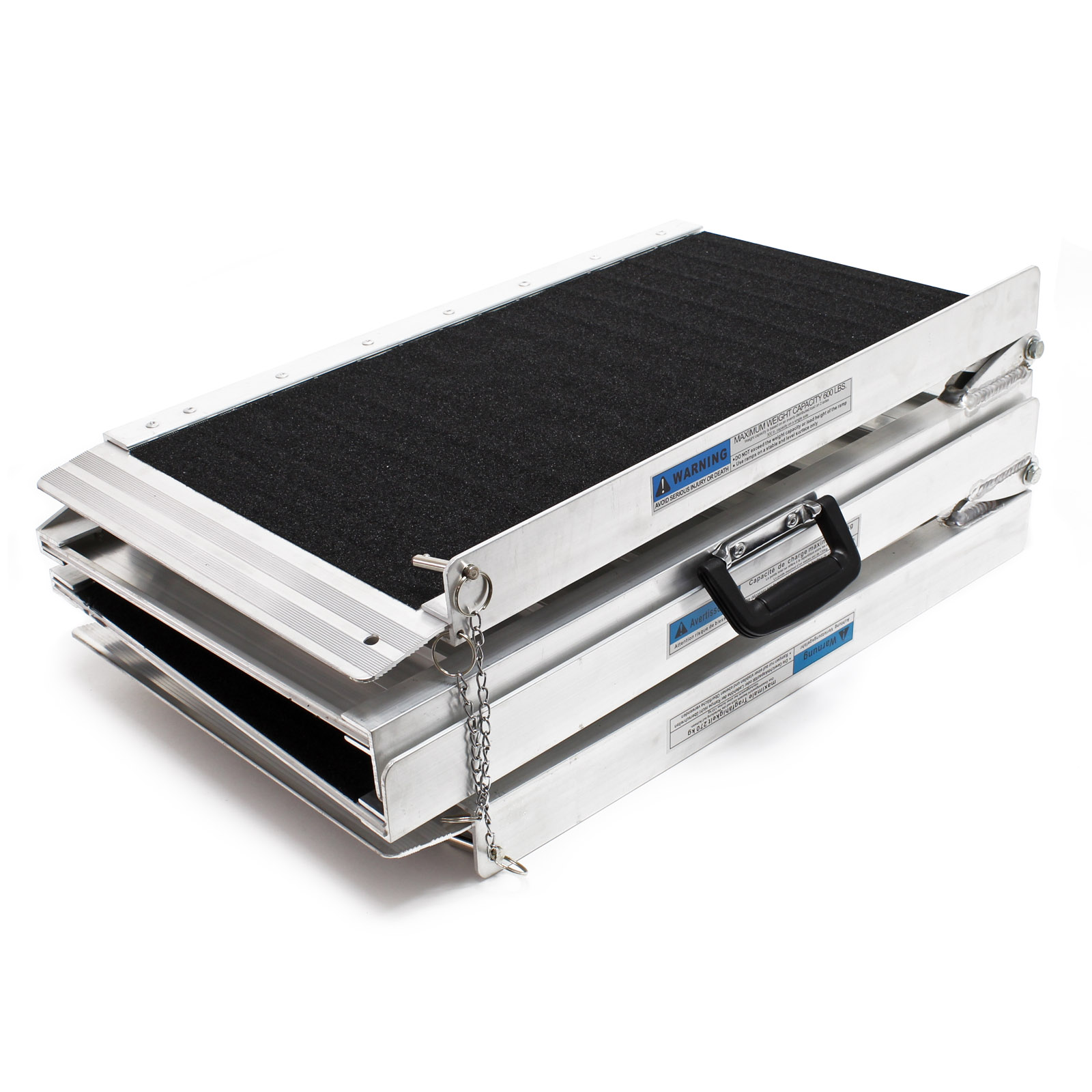
Available, delivery time: 2 - 3 days
• Mobile and flexible
• Easy handling
• Dimensions: 2745 x 730 cm
• Space-saving storage
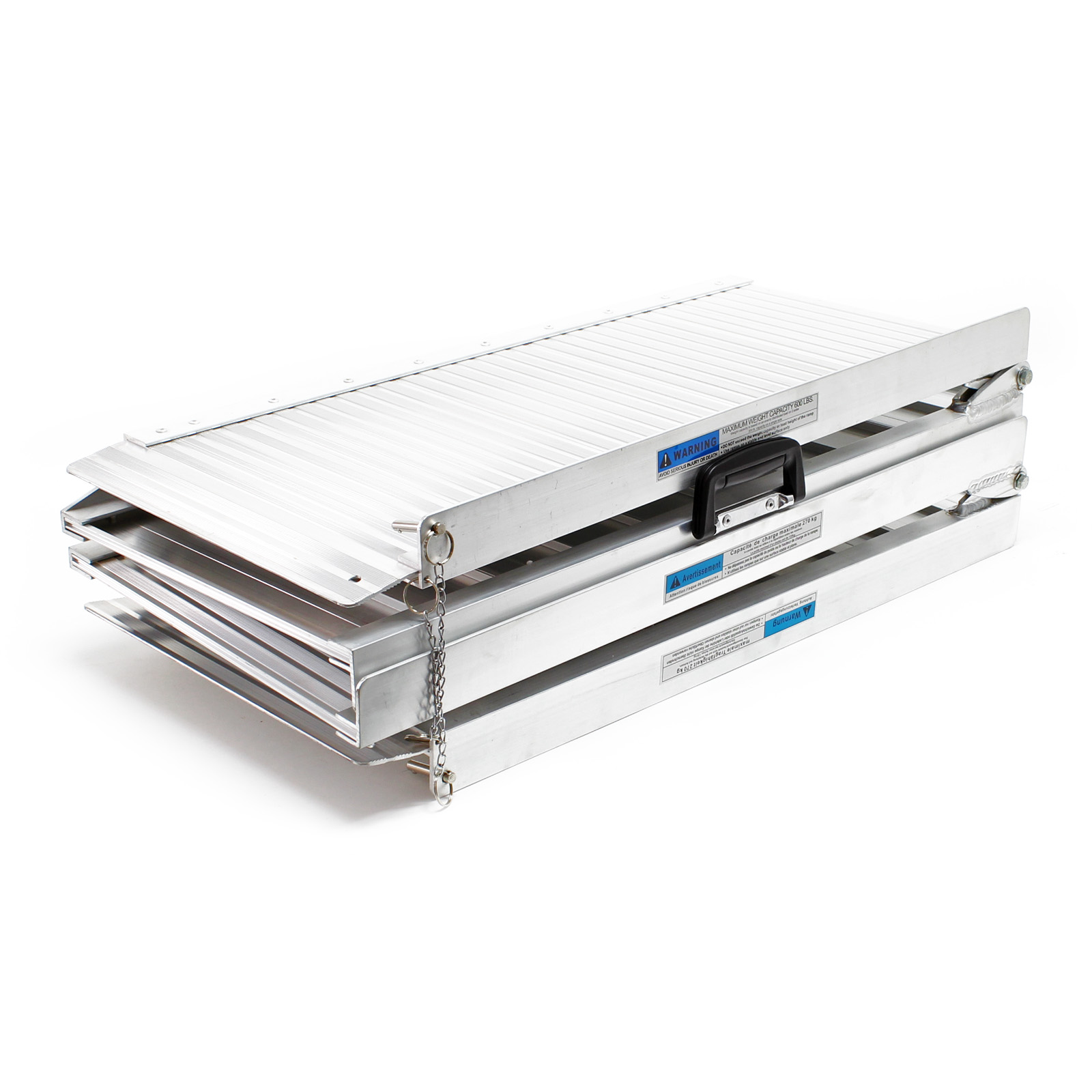
Available, delivery time: 2 - 3 days
• Space-saving storage
• Dimensions: 1220 x 730 x 50 mm
• Max. load capacity: 270 kg
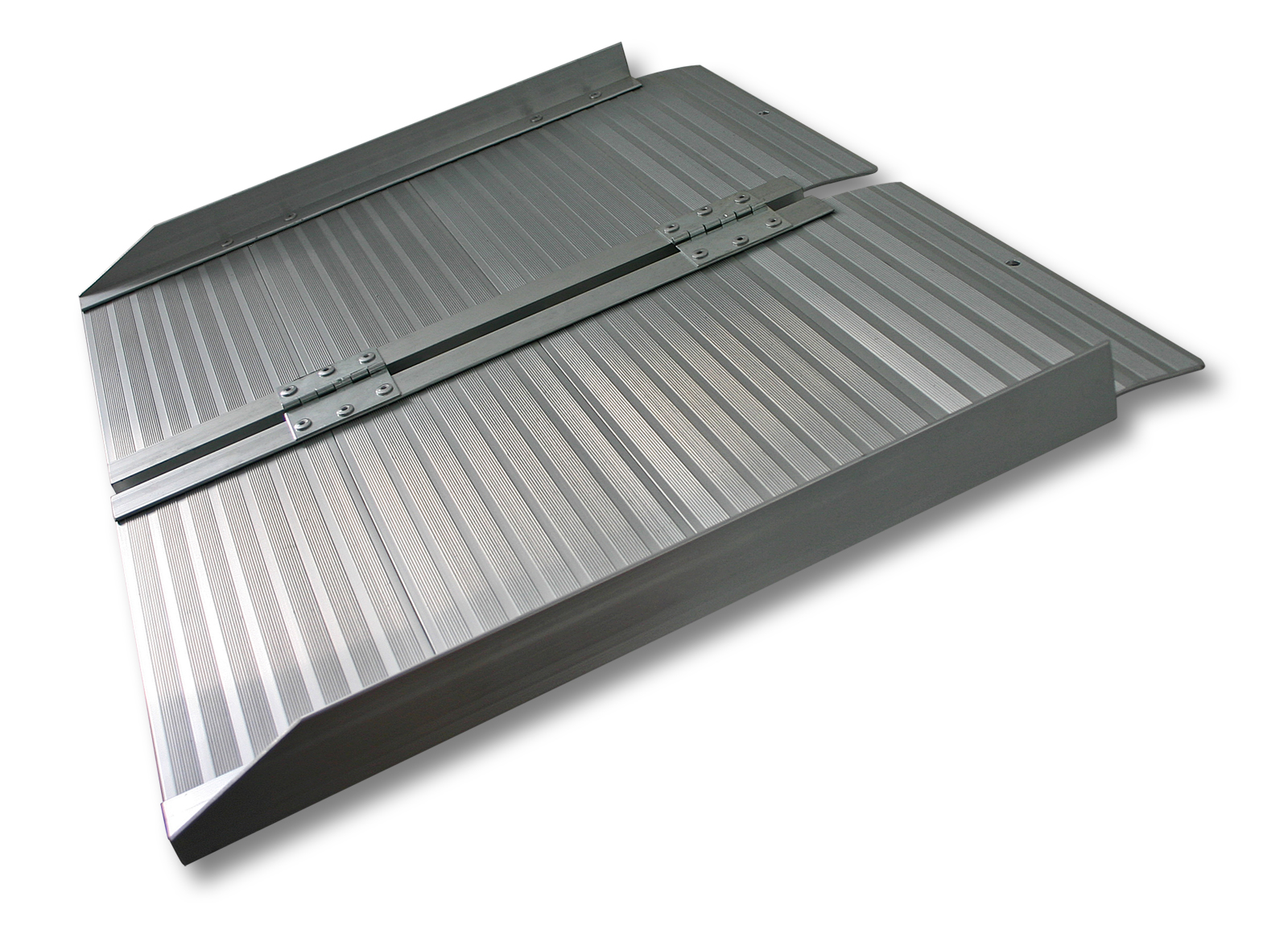
Available, delivery time: 2 - 3 days
• Max. load 270 kg
• Length 153 cm/width 73 cm
• Aluminium
• Easy handling
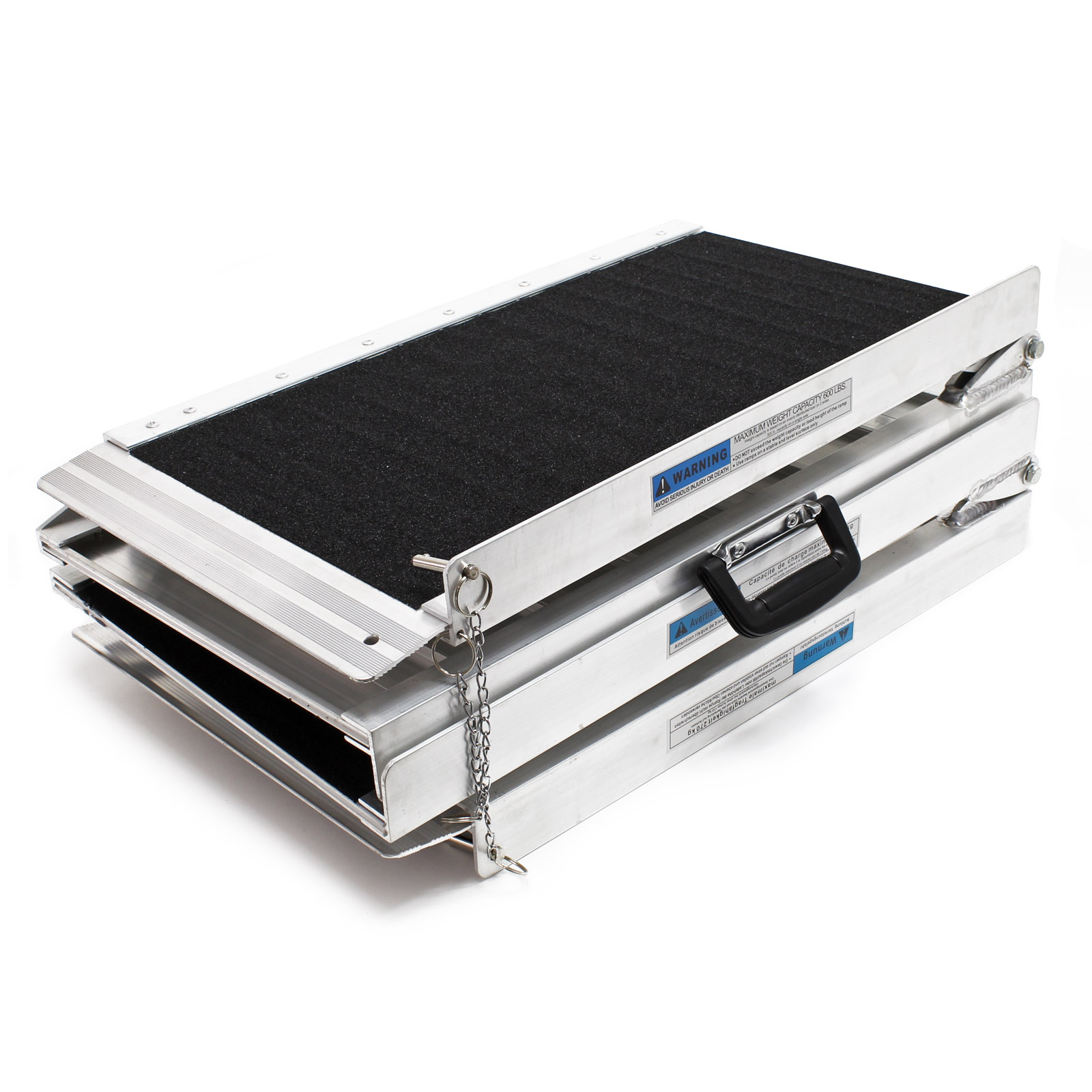
Available, delivery time: 2 - 3 days
• Mobile and flexible
• Easy handling
• Dimensions: 1220 x 730 mm
• Space-saving storage
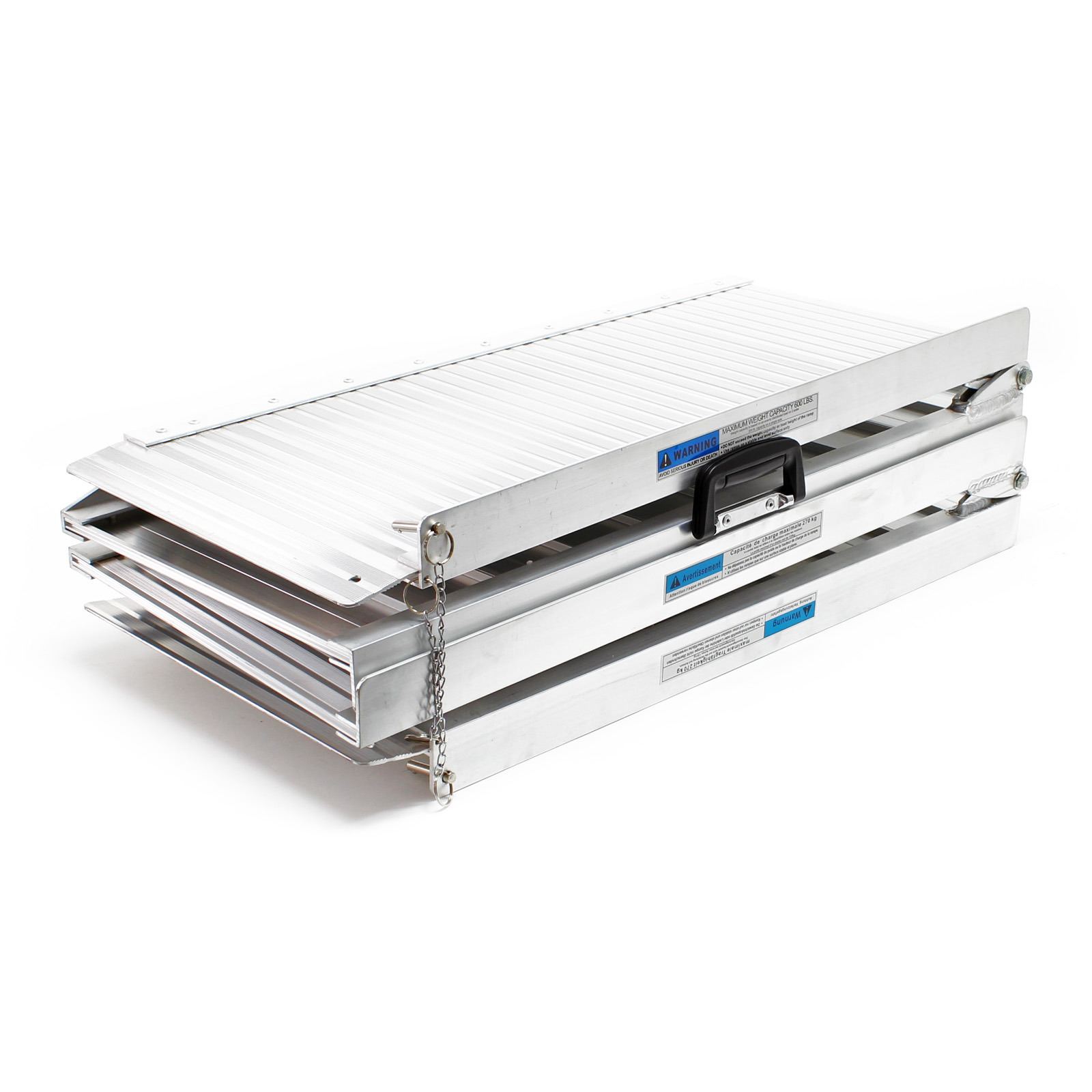
Available, delivery time: 2 - 3 days
• Space-saving storage
• Dimensions: 2135 x 730 x 50 mm
• Max. load capacity: 270 kg
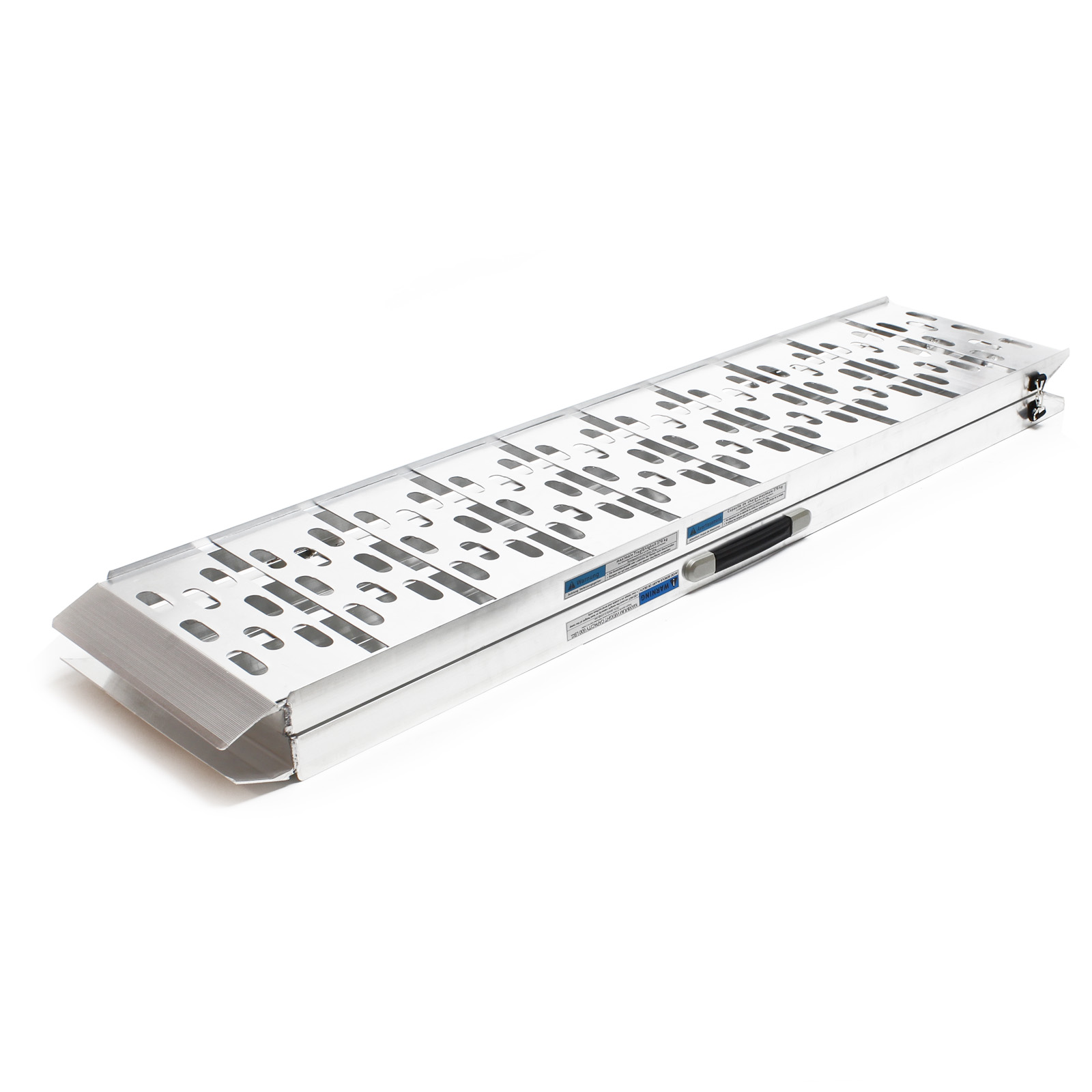
Currently not available
• Dimensions: 1510 x 710 mm
• Max. load capacity: 270 kg
• Mobile and flexible
Wheelchair Ramps
Enhancing Accessibility and Mobility
Wheelchair ramps play a crucial role in eliminating daily barriers. They are not just a symbol of progress towards a more accessible society but also provide practical solutions for individuals with mobility challenges. Wheelchair ramps enable the overcoming of everyday hurdles, significantly contributing to independence and quality of life. They offer a bridge over physical barriers, opening new pathways of mobility in homes, public buildings, shops, and beyond.
What We Offer
In our online store, you'll find a wide range of wheelchair ramps designed to meet the diverse requirements and situations of our customers. With a deep understanding of the importance of accessibility, we offer a broad selection of ramp options:
High load capacities up to 270 kg: Our ramps cater to a variety of users and wheelchair types, from lightweight manual wheelchairs to heavy electric mobility scooters.
Foldable and fixed lengths: Flexibility is key to adapting to different environments and needs. We offer both fixed and foldable ramps to ensure optimal solutions for stationary and mobile applications.
Various unfolded and folded lengths: Whether for temporary use or as a permanent solution, our ramps are available in different lengths to meet your specific needs. The compact storage of foldable models facilitates easy transport and storage.
Various widths: The width of a ramp is crucial for the user's safety and comfort. Our range includes ramps in various widths to ensure safe passage for wheelchairs of different sizes.
When selecting our products, we emphasize quality, safety, and user-friendliness. Our wheelchair ramps are designed to minimize everyday obstacles and provide users with more freedom and independence. Explore our range and find the ideal solution to make your environment more accessible.
Knowledge and Questions About Wheelchair Ramps
What Is a Mobile Wheelchair Ramp?
A mobile wheelchair ramp is a portable aid used temporarily to bridge height differences, facilitating access to buildings, vehicles, and other elevated areas for wheelchair users or individuals with mobility impairments. These ramps are designed for easy transportation, setup, and removal, making them a flexible solution for various scenarios.
Features and Benefits of Mobile Wheelchair Ramps:
Portability: Mobile ramps are often lightweight and equipped with handles or carrying cases for easy transport.
Flexibility: They can be used in different locations and situations where permanent ramp construction is not possible or desired.
Easy Installation: Mobile ramps typically require no structural changes or complex installations. They can be quickly set up without tools.
Adaptability: Many models are adjustable or telescopic to accommodate different slopes and obstacle heights.
Versatility: Suitable for home use, public buildings, events, and vehicle access.
Types of Mobile Wheelchair Ramps:
Foldable ramps: These ramps can be folded in the middle for easier transport and storage.
Roll-up ramps: Can be rolled up for transport, offering exceptional convenience.
Telescopic ramps: Extend to adjust the length for specific needs and retract for compact storage.
Mobile wheelchair ramps provide a crucial solution for improving accessibility and mobility for people with limited mobility, helping overcome temporary or situational barriers. They offer a cost-effective alternative when permanent structural adjustments are not feasible or practical.
Why Do I Need a Wheelchair Ramp?
A wheelchair ramp is more than just a practical convenience; it's an essential tool that significantly improves accessibility and independence for people with mobility challenges. Here are some key reasons why a wheelchair ramp might be necessary:
Promoting Accessibility: Wheelchair ramps enable access to buildings, homes, and vehicles otherwise inaccessible due to steps or other obstacles. They are vital for ensuring that everyone, regardless of physical mobility, can actively participate in societal life.
Independence and Autonomy: With a wheelchair ramp, individuals using wheelchairs or mobility aids can enter and exit their homes or public places independently, without relying on others. This enhances confidence and promotes a self-determined life.
Safety: Attempting to navigate steps or height differences without an appropriate ramp can be dangerous and increase the risk of falls or injuries. A ramp provides a safe, stable, and gentle incline specifically designed for use with wheelchairs and other mobility aids.
Comfort: Beyond facilitating access, a ramp also reduces the physical effort required to overcome height differences. This is especially important for individuals with limited strength or endurance.
Legal Requirements and Standards: Many countries have accessibility regulations requiring ramps in public buildings and sometimes in new residential buildings or significant renovations. A wheelchair ramp helps comply with these requirements, promoting inclusive public space design.
Versatility: Wheelchair ramps are not only useful for wheelchair users. They also assist people using walkers, seniors with difficulty navigating steps, and anyone using a stroller.
Property Value Enhancement: Installing a wheelchair ramp can increase the value and appeal of a property by making it accessible to a wider range of potential users or buyers.
Opting for a wheelchair ramp is an investment in accessibility, safety, and independence, greatly enhancing the quality of life for individuals with mobility restrictions and their families.
What Slope Is Allowed for a Wheelchair Ramp?
The permissible slope of a wheelchair ramp is a crucial factor affecting accessibility and safety for wheelchair users. Recommended slope values may vary based on local regulations and guidelines, but there are general recommendations often used as guidelines:
ADA Guidelines (Americans with Disabilities Act): For public and commercial areas, the ADA recommends a maximum slope of 1:12, meaning for every inch of height difference, the ramp should extend 12 inches. This slope allows most wheelchair users and those pushing manual wheelchairs to access safely and relatively easily.
DIN Standards: In Germany, requirements often refer to DIN 18040-1, which prescribes a maximum slope of 6% for barrier-free construction in public buildings. This equates to a 1:16.67 ratio, flatter than the ADA recommendation, thus facilitating access.
Special Cases: For temporary or private use, occasionally steeper ramps might be used, especially where space is limited. Slopes up to 1:10 or even 1:8 may be acceptable in certain circumstances, provided users are aware of the extra effort required and the ramp is used safely. However, it's essential to emphasize that such slopes require increased physical effort and may not be manageable for all wheelchair users or those pushing the wheelchair.
Important Considerations:
Ramp Length: The longer the ramp, the flatter the slope can be, easing use.
Intermediate Landings: For longer ramps, intermediate landings are required to allow users to rest. The ADA suggests including an intermediate landing for every 30 feet (about 9.14 meters) of ramp.
Handrails: For ramps with a slope steeper than 1:20, many guidelines recommend handrails on both sides of the ramp to provide additional safety and support.
When planning and constructing wheelchair ramps, it's crucial to consider the specific needs of users and, where possible, adhere to local regulations and guidelines to ensure maximum safety and accessibility.
What Width Should a Mobile Wheelchair Ramp Have?
The width of a mobile wheelchair ramp should be chosen to ensure safety and comfort for the user while meeting the specific requirements of the locations where it will be used. Generally, the same guidelines apply to mobile ramps as to permanently installed ramps, but with a focus on flexibility and versatility. Here are some considerations for determining the width of a mobile wheelchair ramp:
Minimum Width: A minimum width of 90 cm (about 35.4 inches) is often recommended to ensure a safe and comfortable passage for most wheelchairs and mobility aids. This also aligns with general accessibility guidelines, such as DIN 18040-1 in Germany and the ADA guidelines in the USA.
Compact Ramps: For occasional use or specific applications where space constraints are a factor, mobile ramps can also be narrower. However, it's important to ensure the ramp is wide enough for the wheelchair or mobility aid used by the user. Some compact mobile ramps have widths starting from 75 cm (about 29.5 inches), but they are intended for narrow wheelchairs or walking aids.
Considerations for Users' Needs:
Wheelchair Width: The ramp's width should at least match the width of the wheelchair or mobility aid, plus a safety margin on each side to allow for safe maneuvering.
Maneuverability: Wider widths can facilitate maneuvering at the top and bottom of the ramp, especially for users of electric wheelchairs or scooters who require more space.
Flexibility and Transport:
Portability: When choosing the width of a mobile ramp, portability is also a consideration. A wider ramp offers more comfort and safety but may be heavier and less convenient for transport.
Adjustable Widths: Some mobile ramp models offer the ability to adjust the width to accommodate different wheelchair widths while still allowing for easy storage and transport.
Conclusion on Width:
The optimal width of a mobile wheelchair ramp depends on the user's needs, the usage area, and the requirements for mobility and transport of the ramp. Careful consideration of these factors will help select a ramp that is both safe and user-friendly, as well as meeting flexibility and versatility requirements. Generally, a minimum width of 90 cm is a good starting point, although specific user needs and usage scenarios may require adjustments to this recommendation.
How Long Should a Mobile Wheelchair Ramp Be?
The length of a mobile wheelchair ramp primarily depends on two factors: the height to be overcome and the maximum permissible slope that is safe and comfortable for the user. A shorter ramp is lighter and easier to transport, but a longer ramp provides a gentler slope that is easier to navigate. Here are some guidelines for determining the optimal length of a mobile wheelchair ramp:
Maximum Slope for Comfort and Safety: For private use and some public areas, a slope of 1:12 (i.e., for every inch of height difference, the ramp extends 12 inches) may be considered appropriate. This corresponds to a slope of about 8.3%.
For public facilities and according to most accessibility standards, such as the ADA guidelines in the USA or DIN 18040-1 in Germany, a maximum slope of 1:12 is recommended.
In situations where space limitations make it impossible to install a ramp with a 1:12 slope, steeper ramps might be used under certain conditions. However, this should be an exception, and it must be ensured that users can safely use the ramp.
Calculating the Necessary Ramp Length:
To calculate the required length of a mobile wheelchair ramp, use the formula based on the obstacle's height and the desired slope:
Ramp Length = Height of the obstacle divided by the Slope
For example, for an obstacle 60 cm (about 23.6 inches) high and a slope of 1:12, you would need a ramp that is at least 7.2 meters (about 23.6 feet) long to meet the requirements.
Practical Considerations:
Space Constraints: In practice, available space is often the limiting factor in choosing the ramp's length. Mobile ramps are designed to be flexible and portable, so finding a balance between the ideal length and practicability is important.
Purpose of Use: Consider how the ramp will primarily be used. If it will regularly be used at the same location, you can precisely adjust the length. For versatile applications where the ramp is used in different places, an adjustable or modular ramp might be sensible.
Transport and Storage: Longer ramps can be more difficult to transport and store. Foldable or telescopic ramps offer advantages as they are more compact when not in use.
A thorough assessment of individual needs and specific usage conditions will help determine the ideal length for a mobile wheelchair ramp that is both practical and safe for the user.
Is a Mobile Wheelchair Ramp Subject to Approval?
Whether a mobile wheelchair ramp requires approval depends on various factors, including the location, type of installation, and local building regulations. Generally:
Temporary Use: For mobile ramps used temporarily and without structural changes, approval is usually not required. Since mobile ramps are often used as aids to improve accessibility and can be easily removed, they typically do not fall under strict building regulation controls.
Public Areas and Commercial Use: In public areas or for commercial use, additional requirements or regulations may apply to ensure safety and accessibility. It's advisable to check with the local municipal administration or building regulatory authority to determine if specific conditions or approvals are needed for using a mobile ramp.
Permanent Installations: If a mobile ramp is to be permanently installed or used in a manner that requires structural changes to the building or premises, approval processes may be necessary. In such cases, it's important to review local building codes and possibly obtain a permit before proceeding.
Accessibility Standards: In many countries, specific regulations regarding accessibility must be considered when installing ramps, including mobile solutions. These standards ensure ramps are safe, accessible, and user-friendly. Compliance with these standards is particularly important when the ramp is used in a business or public context.
When in Doubt, Ask for Clarification:
Although mobile wheelchair ramps are often less regulated due to their flexibility and temporary nature, it's recommended to inform yourself about local regulations and requirements, especially regarding public accessibility and permanent installations. In cases of uncertainty or specific applications, consulting a professional or the responsible authorities can provide clarity and help avoid legal issues.
How to Find the Right Ramp for Wheelchairs
Wheelchair ramps are more than just an aid; they are a fundamental part of an inclusive society that enables mobility and accessibility for every individual. With our wide range of wheelchair ramps, we offer tailored solutions to enhance the quality of life for people with limited mobility and promote their independence. Explore our selection and find the right ramp that meets your needs and requirements.