






































PTO and Cardan Shafts in Power Transmission
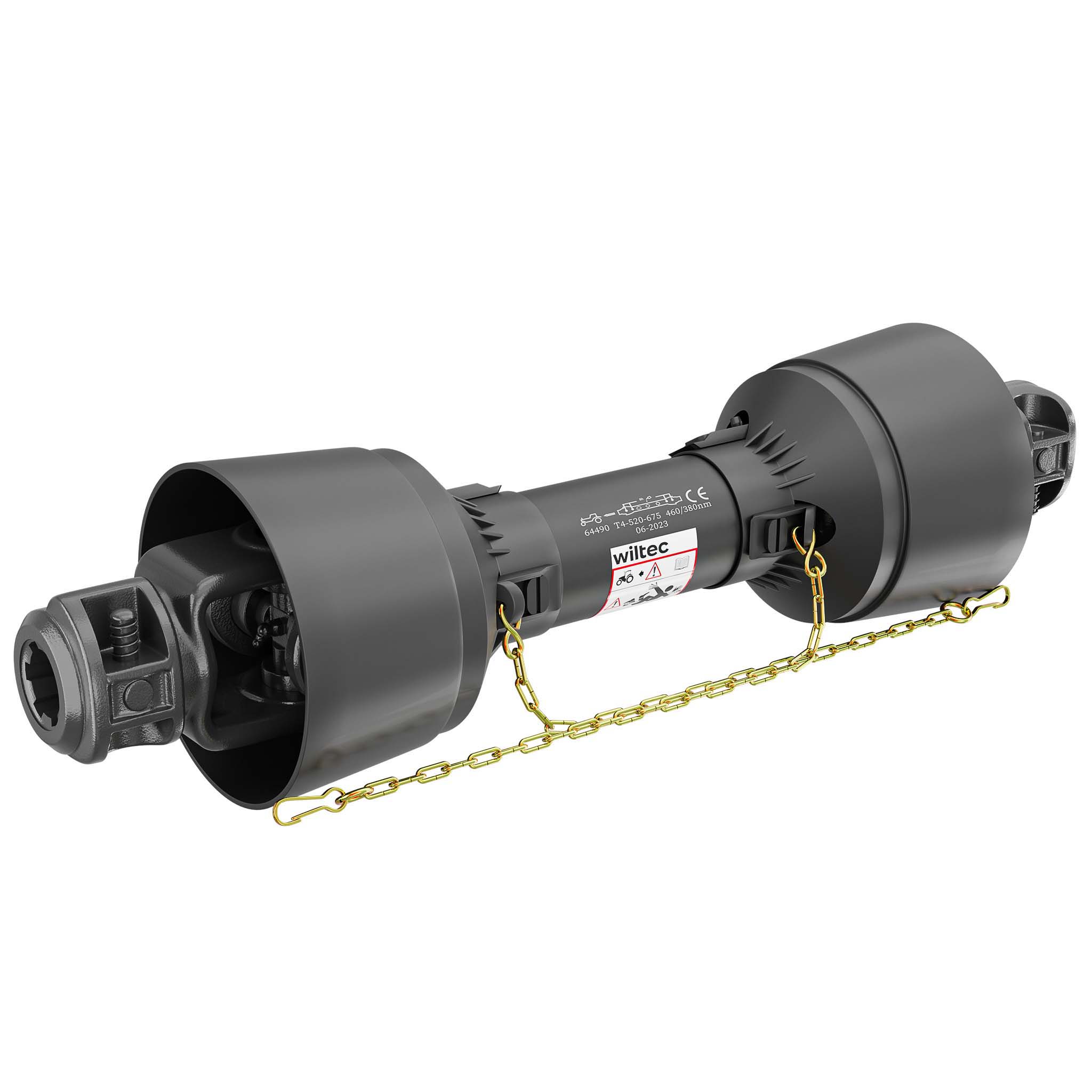
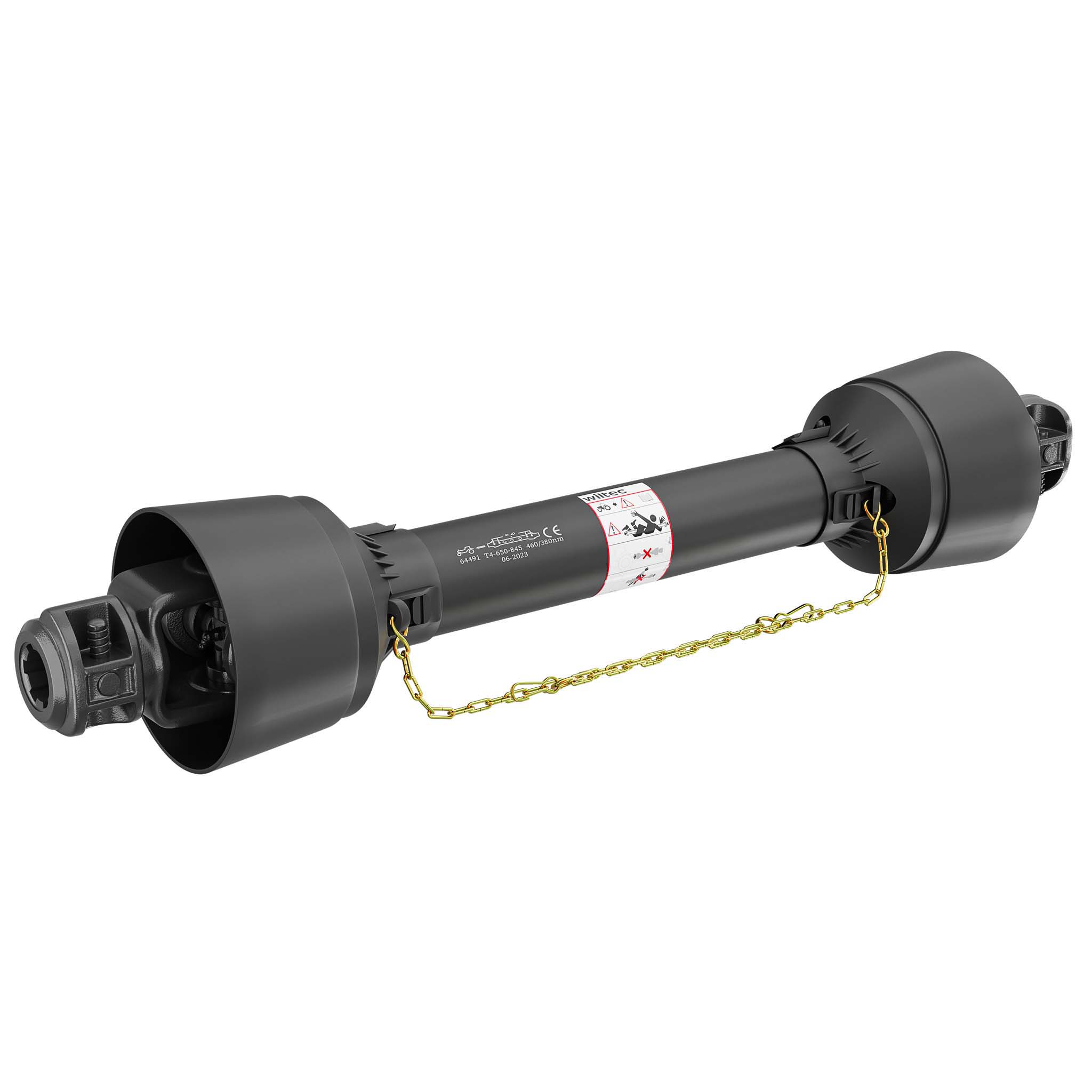
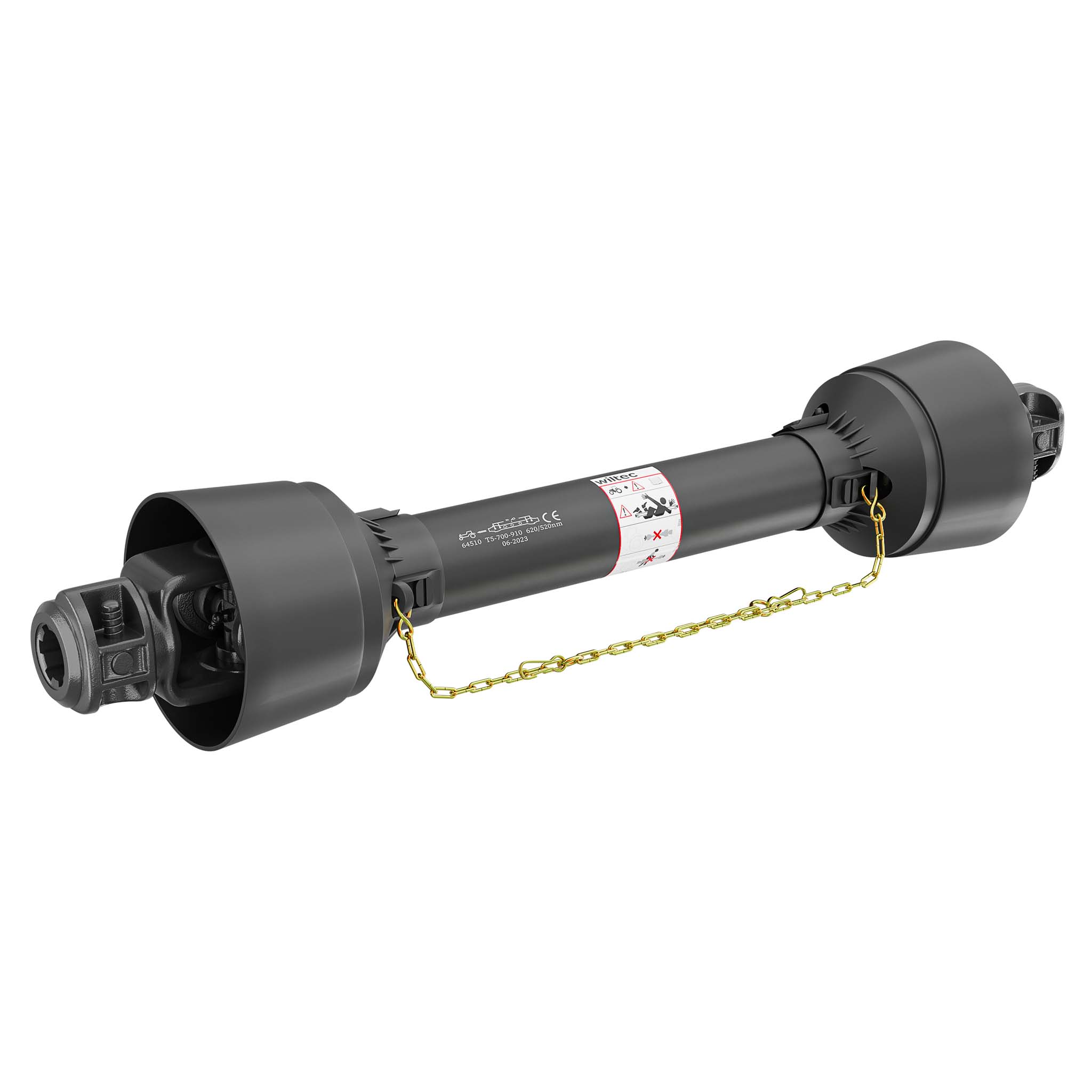
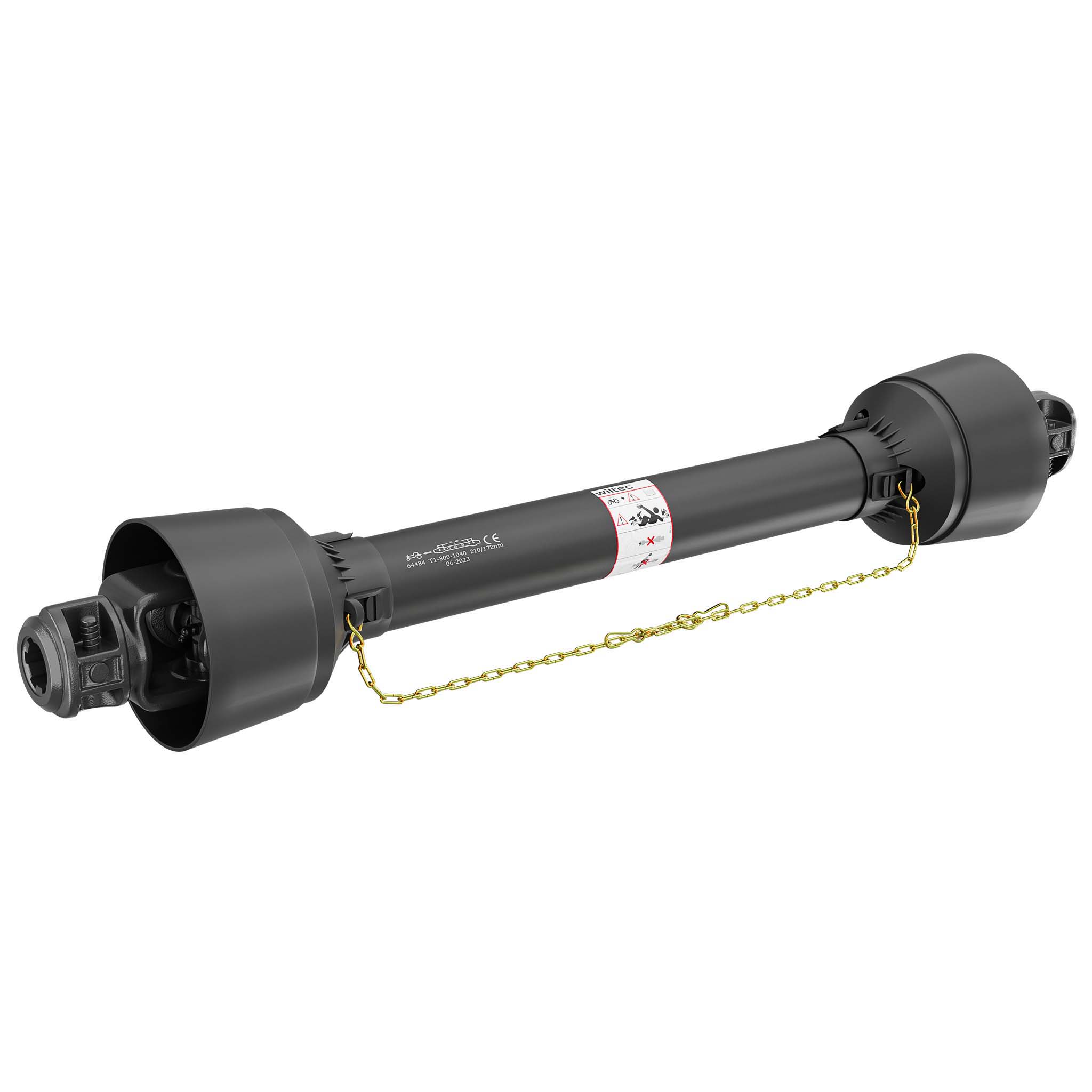
PTO and Cardan shafts are essential mechanical components designed to transfer power from a power source to an implement or driven element. A Power Take-Off shaft is widely used in agriculture to connect a tractor engine to machines such as balers, mowers, or spreaders. This system allows one engine to drive multiple tools, ensuring flexibility and efficiency. Cardan shafts, often called drive shafts, serve a similar function in vehicles and industrial machinery, transmitting torque from the gearbox or engine to the wheels, axles, or other mechanical parts.
The design of both PTO and drive shafts relies on splined shaft connections, universal joints, and couplings to handle torque fluctuations and misalignments. Safety features, such as PTO clutches and protective covers, are crucial to prevent accidents and ensure smooth operation. These shafts are categorized into different sizes, lengths, and torque capacities depending on their intended application.
In vehicles, car drive shaft types vary depending on whether the system is rear-wheel drive, front-wheel drive, or all-wheel drive. Their reliability ensures stable performance in diverse conditions. In agriculture and industry, PTO and Cardan shafts remain vital because they reduce costs, increase efficiency, and help standardize power transmission across different machines and tasks.

Power Transfer with a T6 PTO Shaft
Among the advanced designs in this category, the T6 PTO shaft stands out for its ability to handle demanding agricultural and industrial applications. With a working length adjustable between 1200 and 1320 mm, this shaft provides both flexibility and durability. It is engineered to transmit a torque capacity of 830 Nm at a rotation speed of 540 rpm, offering a power transfer of up to 74 kW, equivalent to 100 horsepower. This makes it suitable for heavy-duty machinery that requires consistent and reliable performance.
The design of the T6 PTO shaft includes standardized connections, such as 1 3/8" six-tooth and 1 3/4" twenty-tooth splined couplings. These ensure compatibility with a wide range of tractors and implements. A PTO clutch is often integrated to regulate engagement, improving safety while reducing mechanical strain on both tractor and implement.
This shaft is especially important in powering large implements, including rotary tillers, forage harvesters, and mowers. The combination of strength, versatility, and adaptability makes it a common solution in environments where efficiency and productivity are essential. By transmitting power smoothly and safely, the T6 PTO shaft represents an indispensable link between modern tractors and their wide range of attachments.
The range of PTO shafts and Cardan shafts in this category reflects their broad scope of application across agriculture, automotive technology, and industrial operations. In agricultural systems, PTO shafts connect tractors with implements such as seed drills, sprayers, balers, or ploughs. These components allow one power source to manage multiple machines, simplifying processes and increasing efficiency. Their splined shaft design ensures secure coupling, while universal joints provide flexibility under different working angles.
In the automotive sector, the car drive shaft is indispensable. It transmits power from the gearbox to the wheels through the differential, ensuring smooth rotation.
Car drive shaft types include one-piece, two-piece, and CV (constant velocity) shafts, each adapted to specific drivetrains such as rear-wheel drive, front-wheel drive, or all-wheel drive.
Essential car drive shaft parts include slip yokes, universal joints, and couplings that allow motion and torque to be transmitted without interruption. In industrial contexts, drive shafts are used to power conveyor belts, pumps, and other machinery where torque transfer is critical. Coupling tractor systems, splined shafts, and PTO clutches are equally important in these applications. Their reliability ensures that power can be transferred safely, efficiently, and consistently across different types of machinery.
The Function of a PTO Shaft
The function of a PTO shaft is to transfer mechanical power from a tractor or another power source to an attached implement. This design eliminates the need for each machine to have its own independent engine, reducing complexity and cost. The PTO shaft works through a splined shaft connection, which ensures secure engagement between the tractor and the implement. At the same time, a PTO clutch provides control over power transfer, allowing operators to engage or disengage the system as needed.
In agriculture, this function is particularly valuable because it enables farmers to switch quickly between different implements, such as mowers, seed drills, or sprayers, while using the same tractor engine. This standardization of power transmission not only improves efficiency but also reduces fuel consumption and maintenance.
Without PTO shafts, farming operations would require individual engines for each tool, which would be costly and impractical. The system also improves safety and control, as the PTO clutch helps manage torque delivery. This makes the PTO shaft an integral part of modern farming and industrial machinery, ensuring consistent and flexible power transfer for multiple applications.
Efficiency with the T4 PTO Shaft
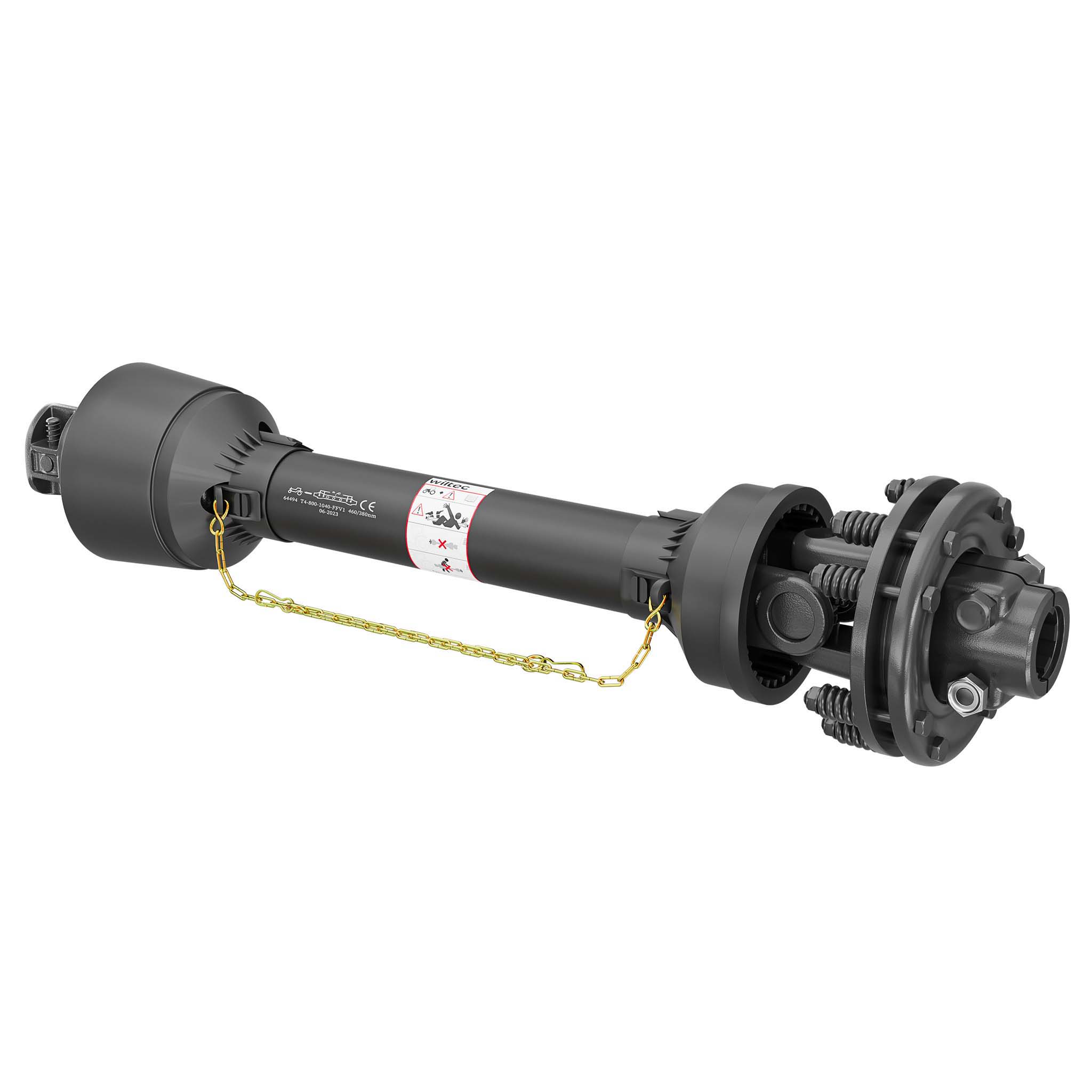
Another highly functional product in this category is the T4 PTO shaft, designed for medium-duty applications. With an adjustable working length ranging from 800 to 880 mm, this shaft offers adaptability for different tractor-implement setups. It delivers a torque capacity of 460 Nm at 540 rpm, transmitting up to 40 kW of power, equivalent to 55 horsepower. Its design makes it suitable for a wide range of agricultural machines that require reliable but moderate power transfer.
The T4 PTO shaft is equipped with two 1 3/8" six-tooth couplings, ensuring secure attachment to both tractor and implement. Like other shafts in this category, it benefits from splined shaft connections that ensure precise alignment and stable operation under load. PTO clutches and safety guards are often part of its design, offering better control and minimizing risks during operation.
This shaft is commonly applied in medium-sized tasks such as powering spreaders, light mowers, and tillers. By balancing strength, compact dimensions, and adaptability, the T4 model supports a wide range of agricultural tasks. It stands as a versatile option within the category, allowing for efficient power transmission without sacrificing safety or reliability.
The Importance of PTO in Modern Agriculture
The importance of PTO systems lies in their ability to make agricultural and industrial machinery more efficient and cost-effective. By transmitting power from a single engine to multiple implements, PTO shafts reduce the need for independent motors on each machine. This not only lowers costs but also simplifies operations, since one tractor can drive several tools.
PTO shafts also provide flexibility, allowing farmers to switch quickly between machines without mechanical complications. A PTO clutch increases control and safety by managing the engagement and disengagement of power transfer. This prevents damage caused by sudden torque changes and ensures a smoother working process.
In modern farming, where efficiency and productivity are essential, PTO shafts have become irreplaceable. They are also critical in industrial applications where machinery must be powered by a central engine. The standardized dimensions of splined shafts and couplings ensure that a wide range of machines can operate together effectively. Without PTO systems, the productivity of agriculture and industry would be severely limited.

The Role of the Drive Shaft in Cars
In cars, the drive shaft is one of the most important mechanical components for power transmission. Its primary role is to transfer torque from the gearbox to the differential, which then distributes it to the wheels. This process ensures that the rotational energy generated by the engine reaches the tires, enabling movement. Without a drive shaft, the power of the engine would not be usable for motion.
Car drive shaft types vary depending on the configuration of the drivetrain. Rear-wheel-drive cars typically use longer, one-piece shafts, while front-wheel-drive systems often employ constant velocity (CV) shafts for flexibility. All-wheel-drive vehicles may use two-piece shafts to handle more complex torque distribution.
Car drive shaft parts include universal joints, slip yokes, and couplings, which allow flexibility during suspension movement. These features prevent misalignment and ensure smooth power transfer even under dynamic driving conditions. In summary, the car drive shaft is vital for translating engine power into motion and ensuring stability and performance across different driving environments.
Recognizing Symptoms of a Bad Drive Shaft
Detecting the symptoms of a failing drive shaft is essential for maintaining vehicle safety and performance. One of the most common signs is vibration while driving, often felt through the steering wheel or floor. This occurs when universal joints or splined shaft connections wear out, leading to imbalance. Another indicator is clunking noises during acceleration or when shifting gears. These sounds often suggest looseness or damage in the joints.
Difficulty turning the vehicle can also be a sign of a bad drive shaft, as the flexibility provided by universal joints and couplings becomes compromised. In severe cases, a failing drive shaft can result in complete loss of power transmission, leaving the vehicle inoperable.
In agricultural contexts, symptoms of a worn PTO shaft include uneven rotation, excessive noise, or difficulty engaging the PTO clutch. Regular inspection and lubrication help prevent these issues. Identifying symptoms early not only improves safety but also reduces the risk of costly repairs by avoiding further mechanical damage to the drivetrain or tractor implements.
Types and Lifespan of Drive Shafts
Drive shafts are classified into three main types: single-piece, two-piece, and constant velocity (CV) shafts. Single-piece shafts are typically found in rear-wheel-drive vehicles, offering a straightforward and strong connection between gearbox and differential. Two-piece shafts are used in longer wheelbase vehicles, where flexibility and stability are required over greater distances. CV shafts, on the other hand, are used in front-wheel-drive and all-wheel-drive vehicles, allowing for smooth torque transfer under varying angles.
The lifespan of a drive shaft depends on factors such as driving conditions, maintenance, and the type of shaft. On average, car drive shafts last between 75,000 and 150,000 miles. PTO shafts in agricultural machinery can last for many years when properly maintained. Regular lubrication, inspection of splined shafts, and replacement of worn PTO clutches or universal joints ensure long service life.
Preventive care is essential, as ignoring maintenance can shorten the lifespan significantly. By recognizing wear early and servicing the shaft regularly, both car owners and farmers can maximize performance and reliability.

Testing a drive shaft is necessary to ensure its ongoing safety and reliability. In cars, the process often starts with checking for vibrations while driving at different speeds. Excessive vibration suggests imbalance or worn universal joints. Mechanics also inspect the drive shaft for cracks, corrosion, or looseness in its connections. Listening for clicking or clunking noises while accelerating or turning can also indicate joint wear.

For agricultural PTO shafts, testing involves checking whether the shaft rotates smoothly at the standard 540 rpm. Operators should inspect splined shaft connections for wear, ensure that the PTO clutch engages properly, and verify that safety covers remain intact. Physical manipulation of the shaft to check for excessive play in the joints is also a reliable method.

Professional testing can include balancing checks, torque measurements, and inspections using specialized tools. These steps help ensure that the drive shaft remains aligned and performs effectively under load. Regular testing improves safety and prevents unexpected failures.
Summary of PTO and Drive Shafts
PTO shafts and Cardan shafts play a central role in both agricultural and automotive systems. The PTO shaft enables tractors to transmit power to a wide range of implements, while the car drive shaft ensures that engine torque reaches the wheels. Both rely on splined shaft connections, PTO clutches, and universal joints to deliver smooth and reliable performance.
Car drive shaft types include single-piece, two-piece, and CV shafts, each serving different drivetrain systems. The parts on a drive shaft, such as slip yokes and joints, allow flexibility and torque transmission under varied conditions. Lifespan varies depending on maintenance, but regular testing and inspection extend service life significantly.
By recognizing the symptoms of a failing shaft, operators can prevent further damage and ensure safety. Whether used in vehicles, agriculture, or industry, these shafts remain indispensable for efficient power transfer, adaptability, and productivity in modern mechanical systems.