



























































Efficient and Organized Solutions for Firewood Storage
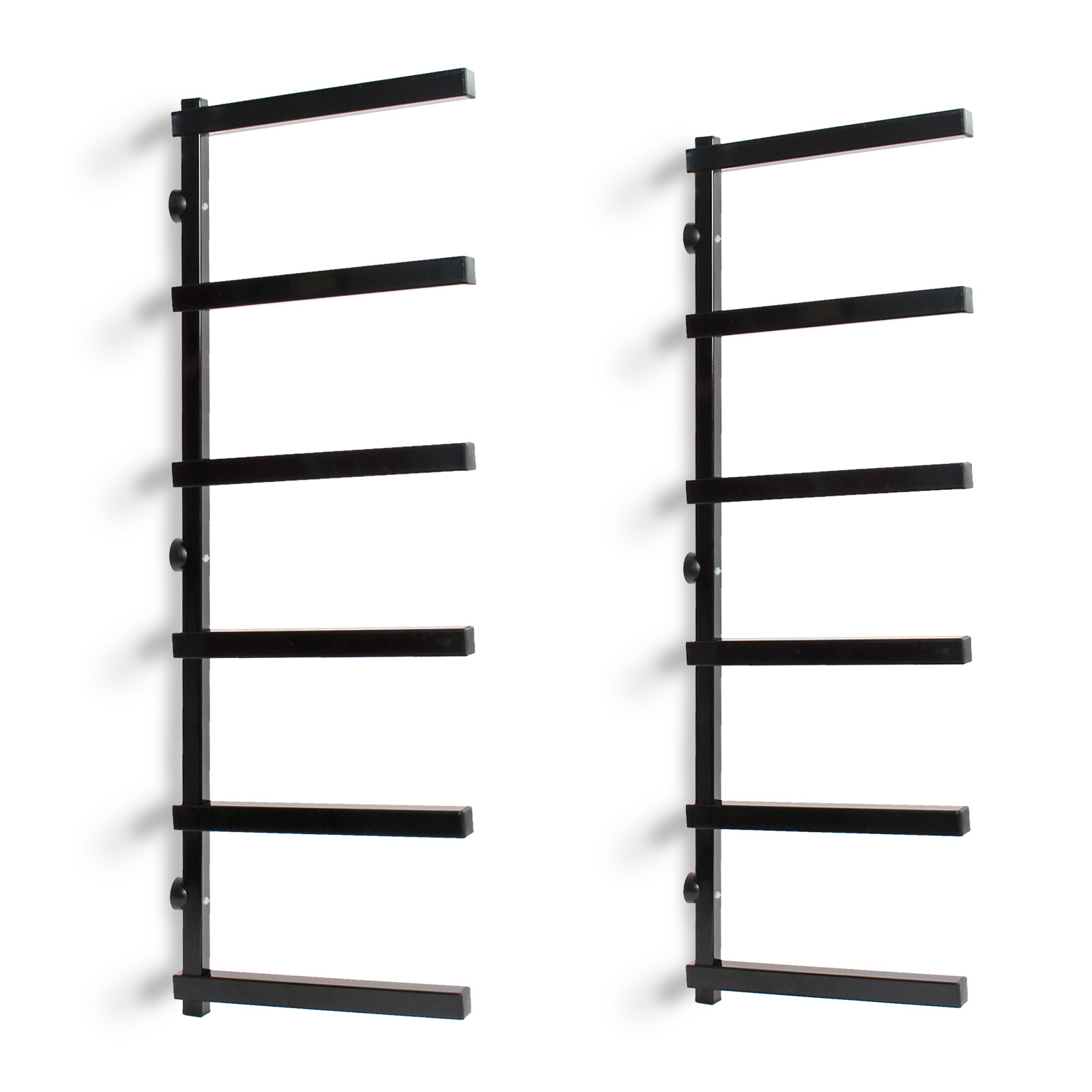
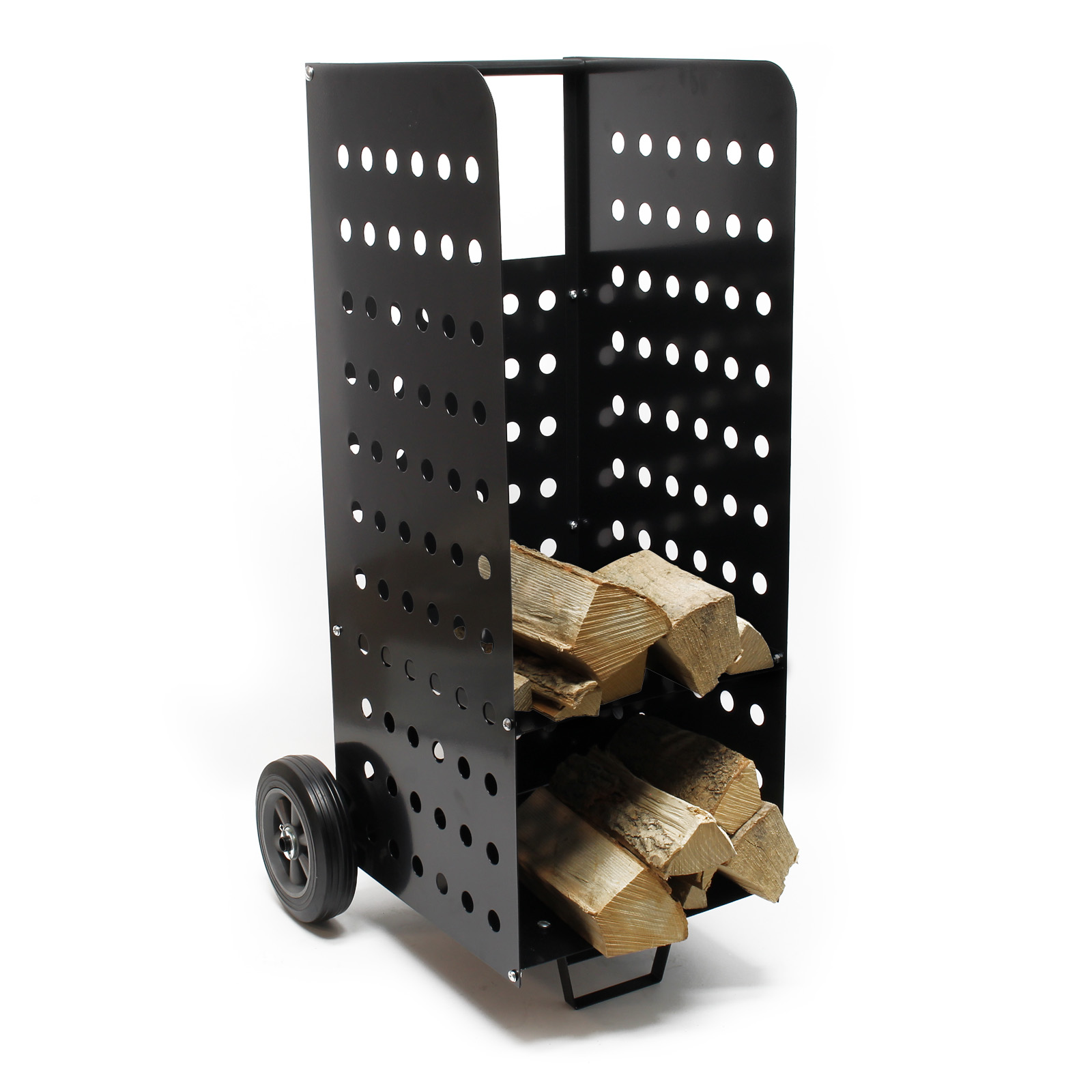
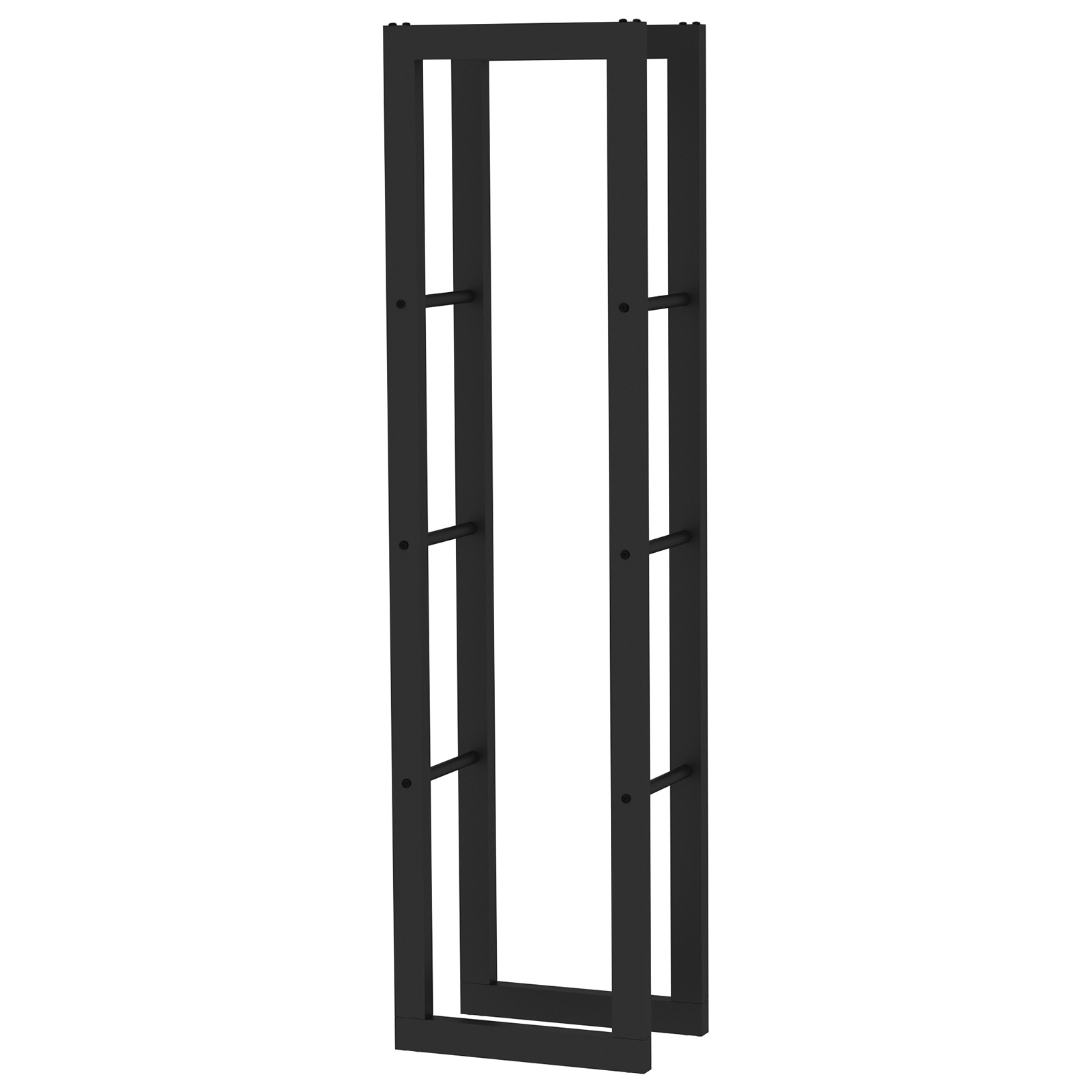
Proper firewood storage is essential for anyone who regularly uses wood for heating or cooking. Whether stored indoors near a fireplace or outdoors in a yard or shed, firewood must remain dry, accessible, and neatly stacked to maintain its usability. Without structured storage, wood piles may become susceptible to mold, pests, and moisture, reducing their efficiency and posing safety hazards. To solve this, users turn to options like firewood racks, firewood trolleys, or log rack outdoor storage systems that enhance order, ventilation, and protection.
An effective storage setup prevents logs from lying directly on the ground, elevating them to allow air circulation underneath. Especially in humid or rainy environments, this airflow is crucial to preserving firewood’s condition. Products such as outdoor firewood racks, firewood outdoor racks, or log rack outdoor units are designed to endure weather exposure while ensuring continued drying and containment. Indoor alternatives, like indoor firewood racks, typically emphasize aesthetics in addition to practicality, complementing interior design around fireplaces.
Whether firewood is used daily or seasonally, an appropriate storage solution simplifies its management. For households that rely on wood-burning systems, large and durable outdoor log storage racks may be needed to maintain a constant supply. On the other hand, urban homes or apartments might benefit more from compact indoor firewood racks or decorative holders. Each product serves a unique purpose depending on the user’s space, climate, and firewood volume. Efficient storage ensures wood remains clean, dry, and ready for immediate use.

Elegant and Practical Design for Indoor Firewood Needs
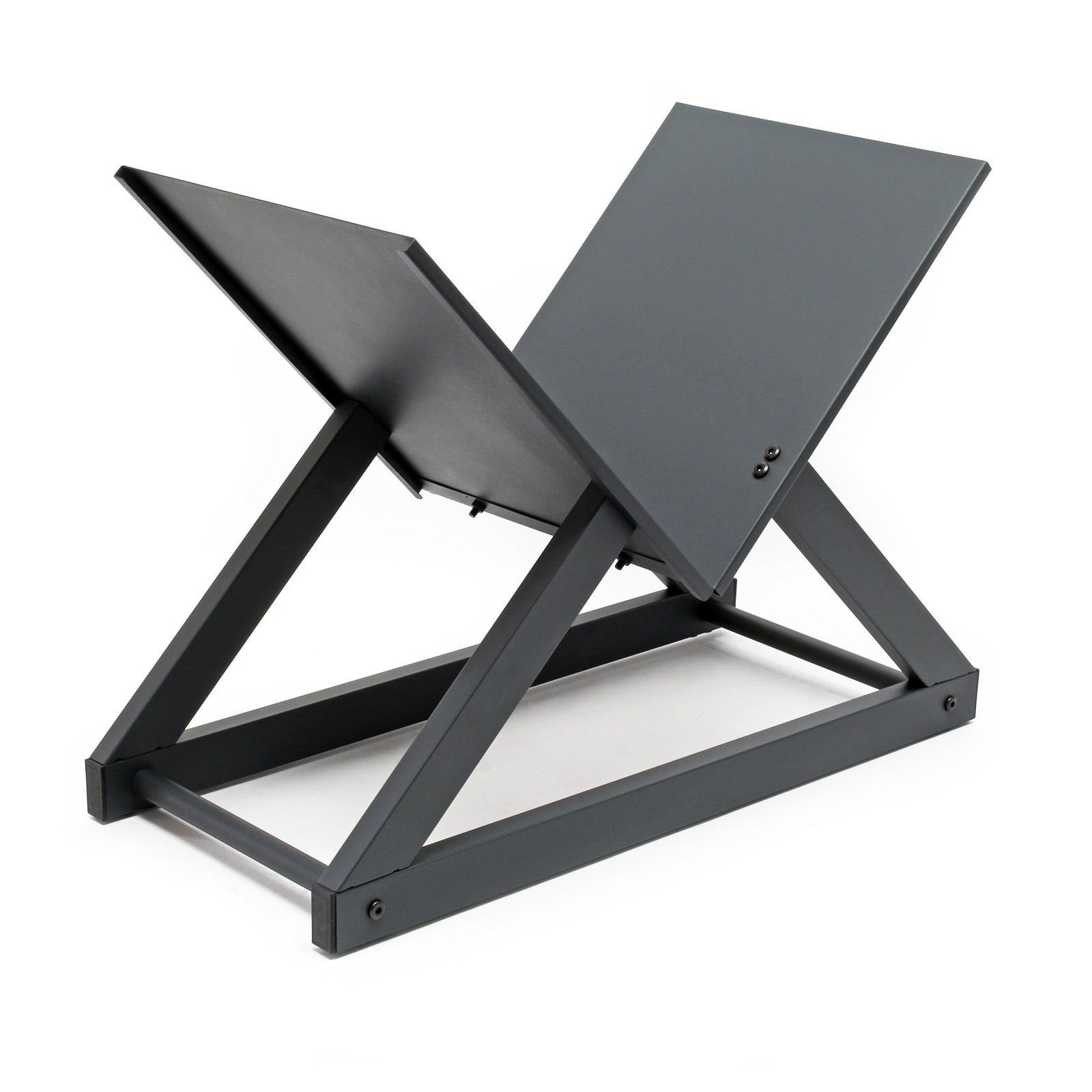
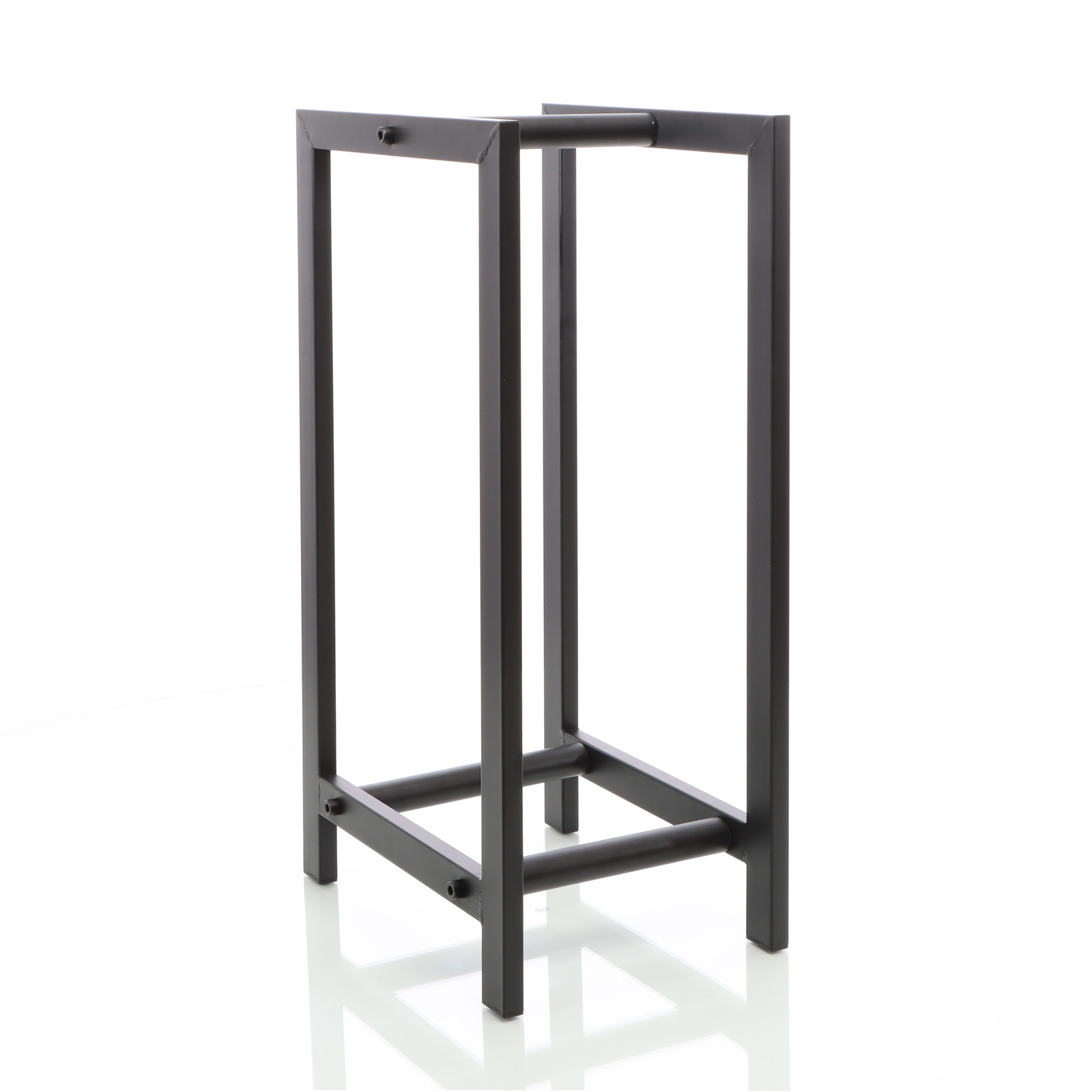
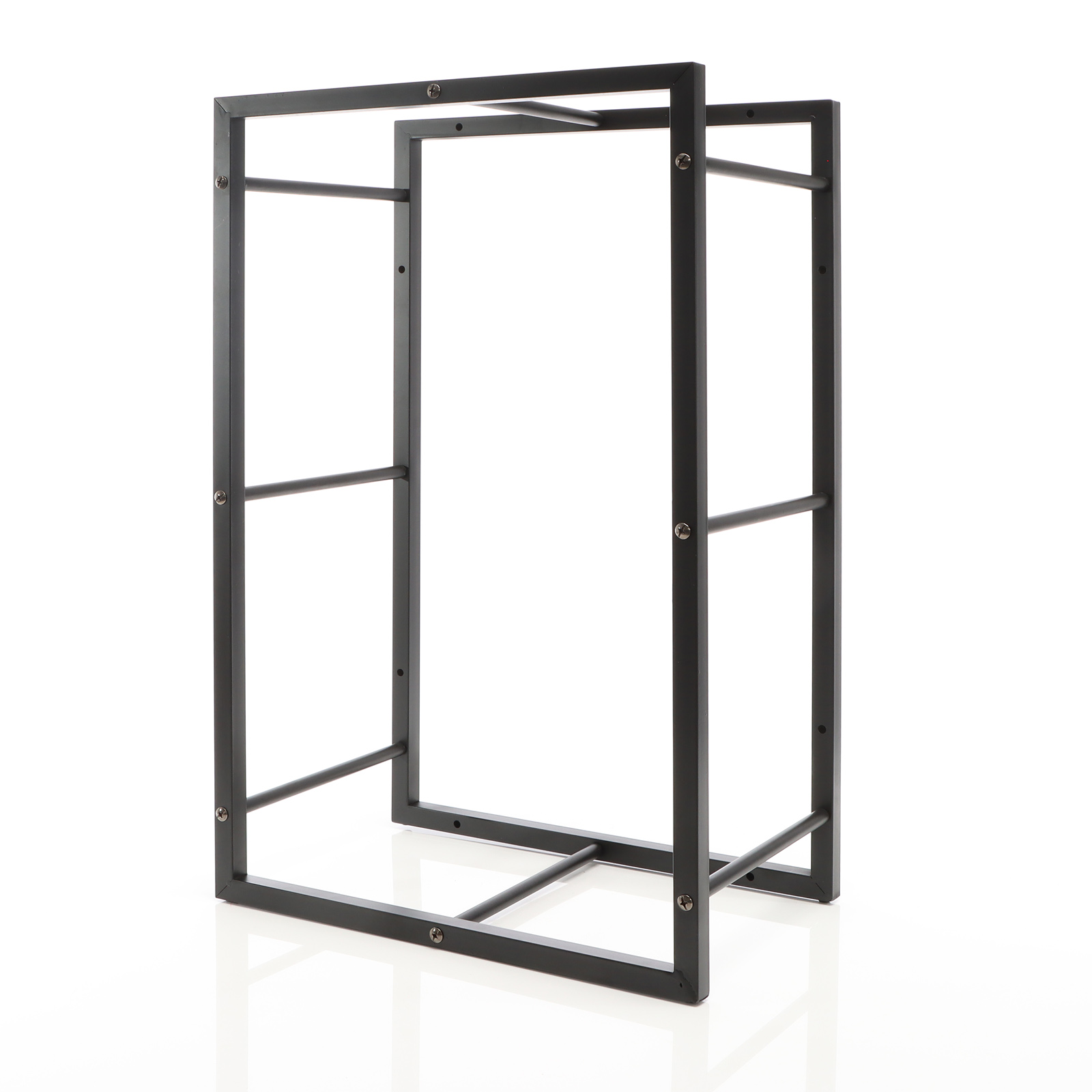
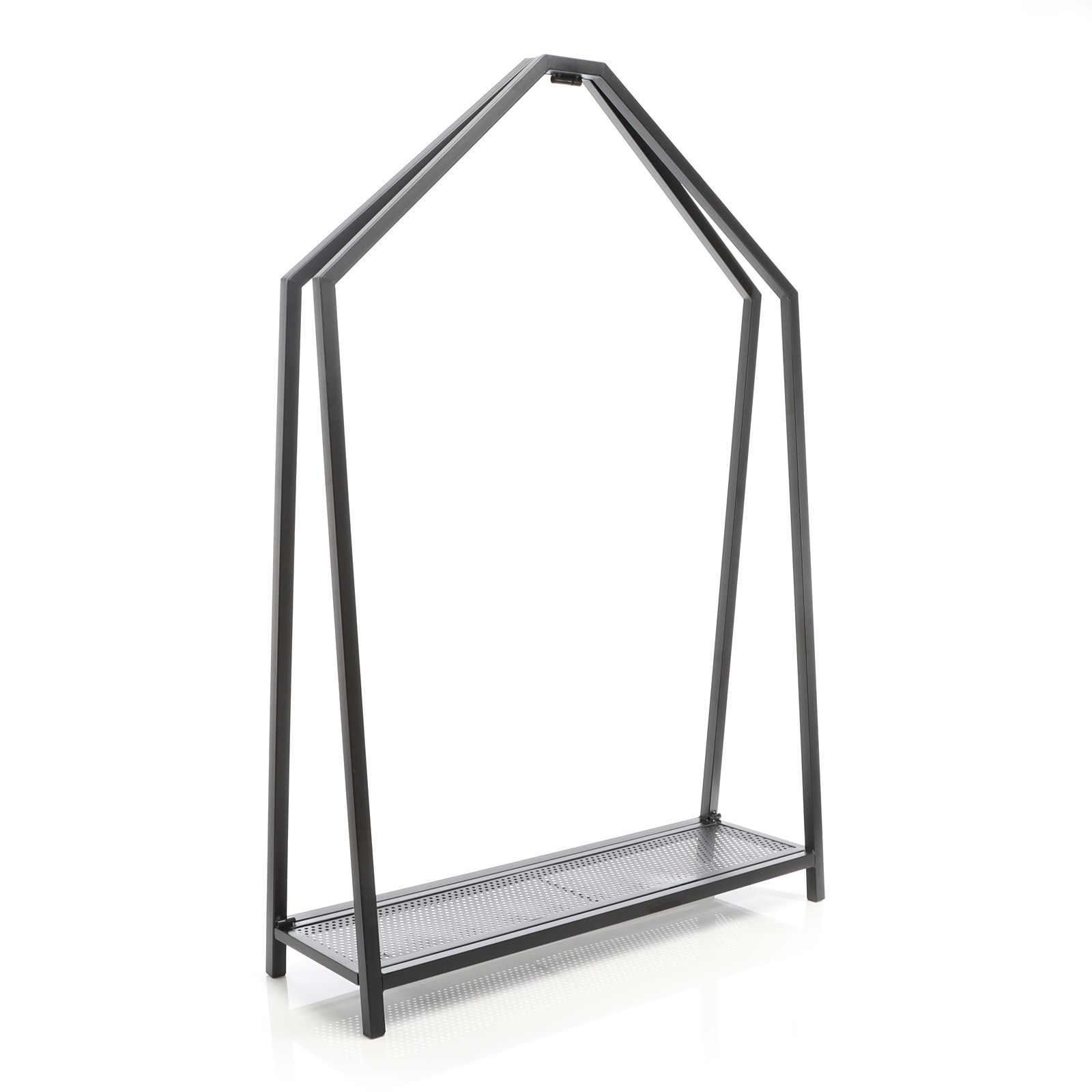
Among the wide variety of firewood storage options available for indoor use, one particular model stands out for combining decorative appeal with functional design: the half-round metal firewood rack. This stylish log holder, measuring approximately 55x92x21 cm, is specifically crafted for interior spaces where aesthetics are as important as practicality. Its curved frame, typically constructed from powder-coated steel or wrought iron, makes it suitable for placement beside fireplaces, wood-burning stoves, or even in living rooms with rustic or contemporary decor.
This indoor firewood rack allows homeowners to keep a day’s worth of logs neatly arranged and accessible without making repeated trips to outdoor storage areas. Its compact footprint ensures that it doesn’t dominate the room, while its arched shape gives a sculptural appearance that can complement the design of any interior. The open structure provides ventilation, helping to keep logs dry and minimizing the likelihood of residual moisture or insect activity.
Furthermore, the raised base protects flooring from bark debris and splinters, keeping the surrounding area clean. Some models even include compartments for kindling or fireplace tools, enhancing overall convenience. The rack’s metal construction ensures sturdiness while remaining lightweight enough to move when necessary. Whether used in apartments or spacious country homes, this indoor model offers an ideal solution for keeping wood ready and beautifully displayed. It blends the need for order and ease of access with visual harmony, making it a functional yet stylish addition to indoor firewood management.
Firewood storage units serve crucial roles across various settings, from urban apartments to remote countryside homes. Indoors, items such as indoor firewood racks or firewood trolleys are typically positioned close to the heating source, providing easy access to wood while integrating seamlessly into interior spaces. These indoor storage options often have elegant finishes and compact dimensions to suit living rooms, kitchens, or reading nooks, ensuring a neat and tidy log arrangement while preventing clutter.
In outdoor environments, particularly in colder climates or rural properties, more robust solutions are necessary. Log rack outdoor storage systems are essential for storing large quantities of wood. These are often installed near outbuildings, garden sheds, or directly adjacent to homes.
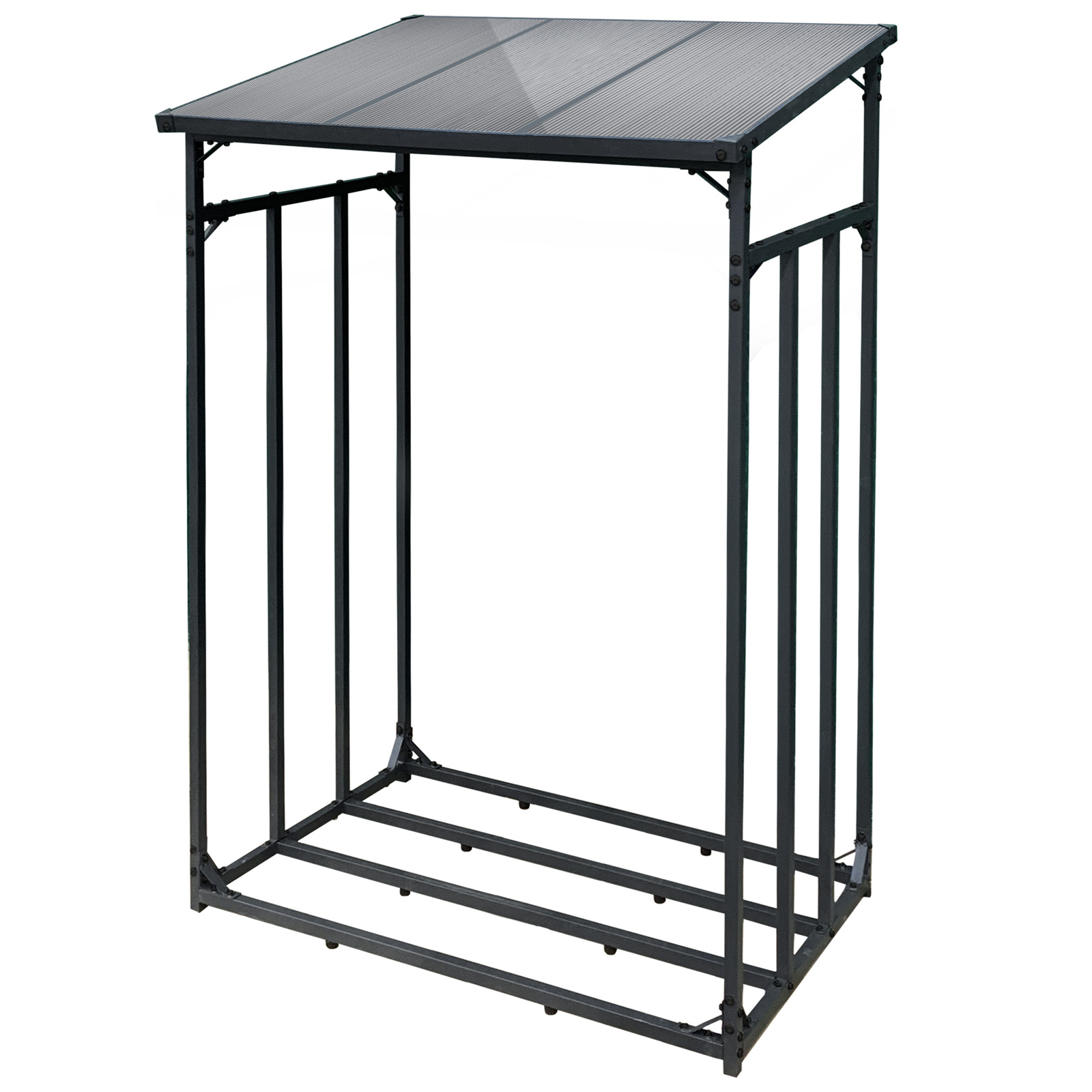
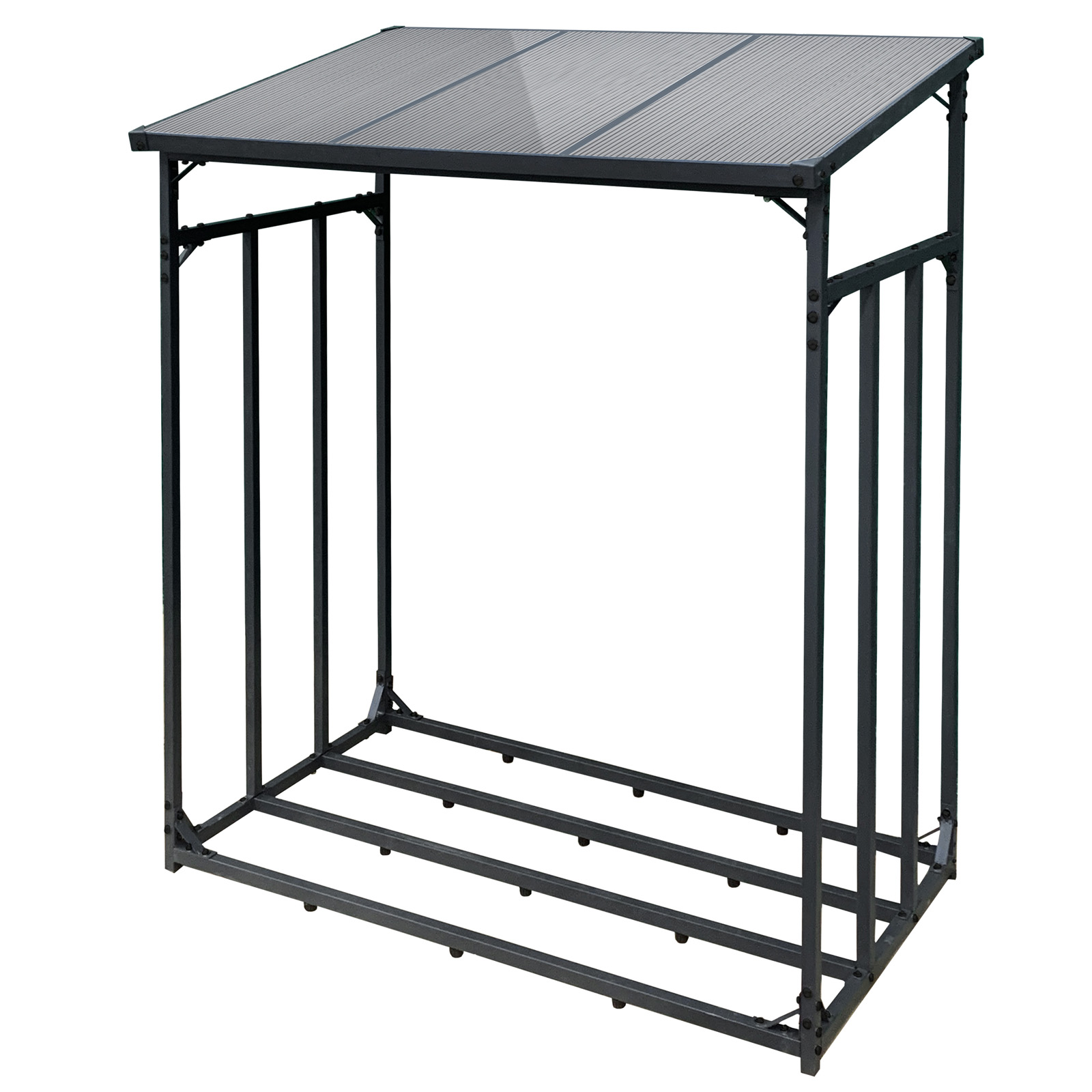
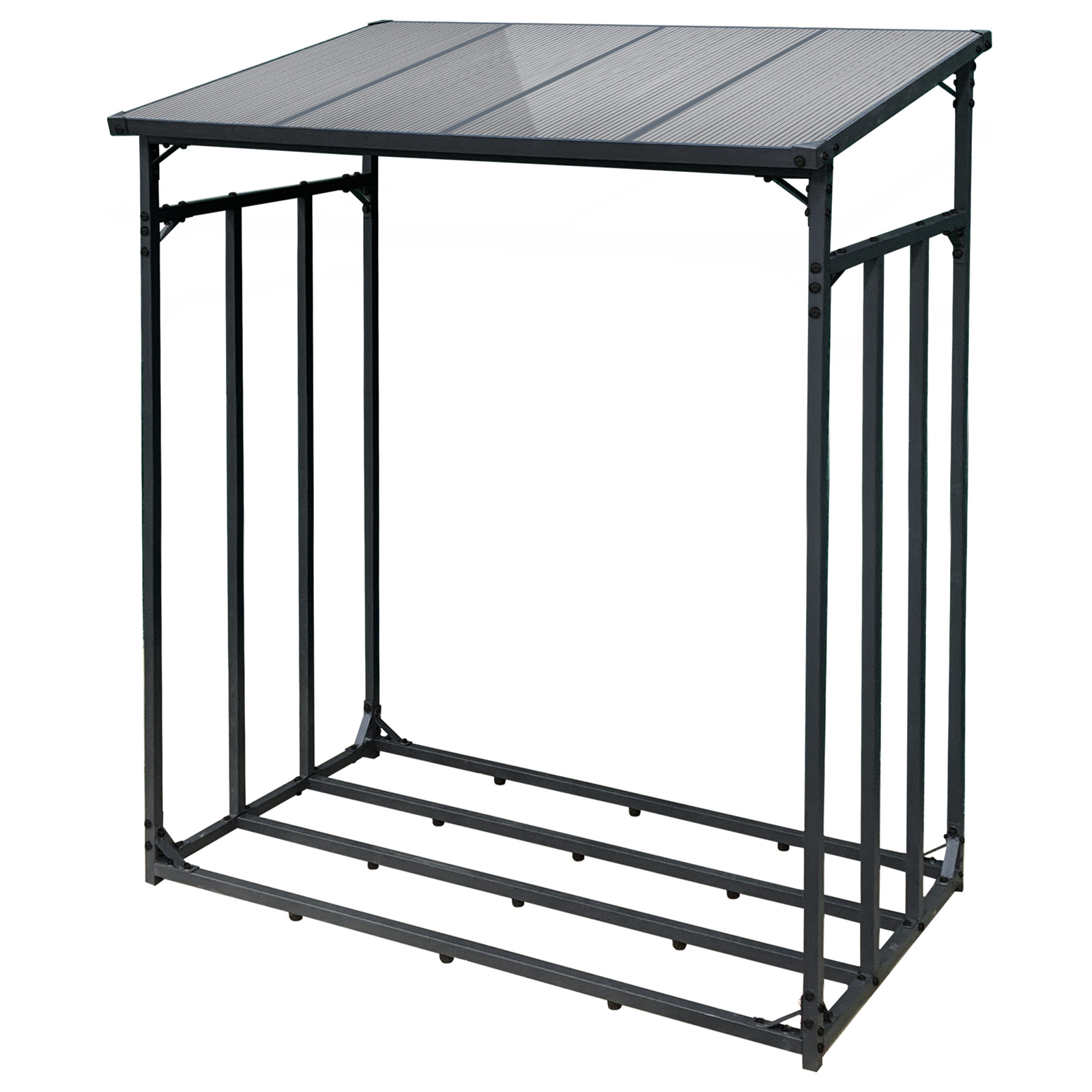
Their elevated design and open sides support air circulation, which is vital for seasoning green wood and keeping dry wood from absorbing ambient moisture. In wetter regions, choosing a firewood outdoor rack with a roof or weatherproof cover adds extra protection from rain or snow.
Many households also place exterior firewood racks beneath awnings, on balconies, or along garage walls, depending on available space and architectural layout. Modular and stackable designs make it easier to expand storage when needed. Meanwhile, outdoor firewood racks with wheels can simplify the transportation of logs from yard to indoor fireplace. Each type of firewood storage fulfills a unique need, contributing to energy efficiency, convenience, and safety for all who rely on wood as a heating source.
What Is the Best Material for a Firewood Rack?
When selecting the ideal material for a firewood rack, both location and function must be considered. For outdoor log rack models, durability and resistance to weather are top priorities. Powder-coated steel stands out as the preferred choice due to its exceptional rust resistance and structural integrity. It withstands rain, snow, and fluctuating temperatures without degrading over time, making it suitable for year-round outdoor exposure.
Galvanized metal is another excellent option, especially when additional protection against corrosion is desired. Wooden racks, while traditional and aesthetically pleasing, are generally better suited for covered patios or sheds, as prolonged exposure to moisture may cause rotting or warping—even when treated. However, they can complement natural surroundings beautifully in a garden or rustic landscape.
For indoor use, materials like wrought iron or finished steel are ideal. These offer both strength and decorative value. Wrought iron in particular provides a vintage or artisanal look while still being functional. Lightweight aluminum racks may also be used indoors but are less common due to their lower load-bearing capacity.
Plastic and resin are occasionally used in temporary or budget-friendly setups but often lack the strength and longevity of metal alternatives. In summary, for outdoor environments, powder-coated steel remains the most reliable material for long-term performance. For interiors, wrought iron blends form and function effectively. Choosing the right material ensures the firewood rack serves its purpose reliably while complementing the surrounding space.
High-Capacity Outdoor Storage for Demanding Firewood Needs
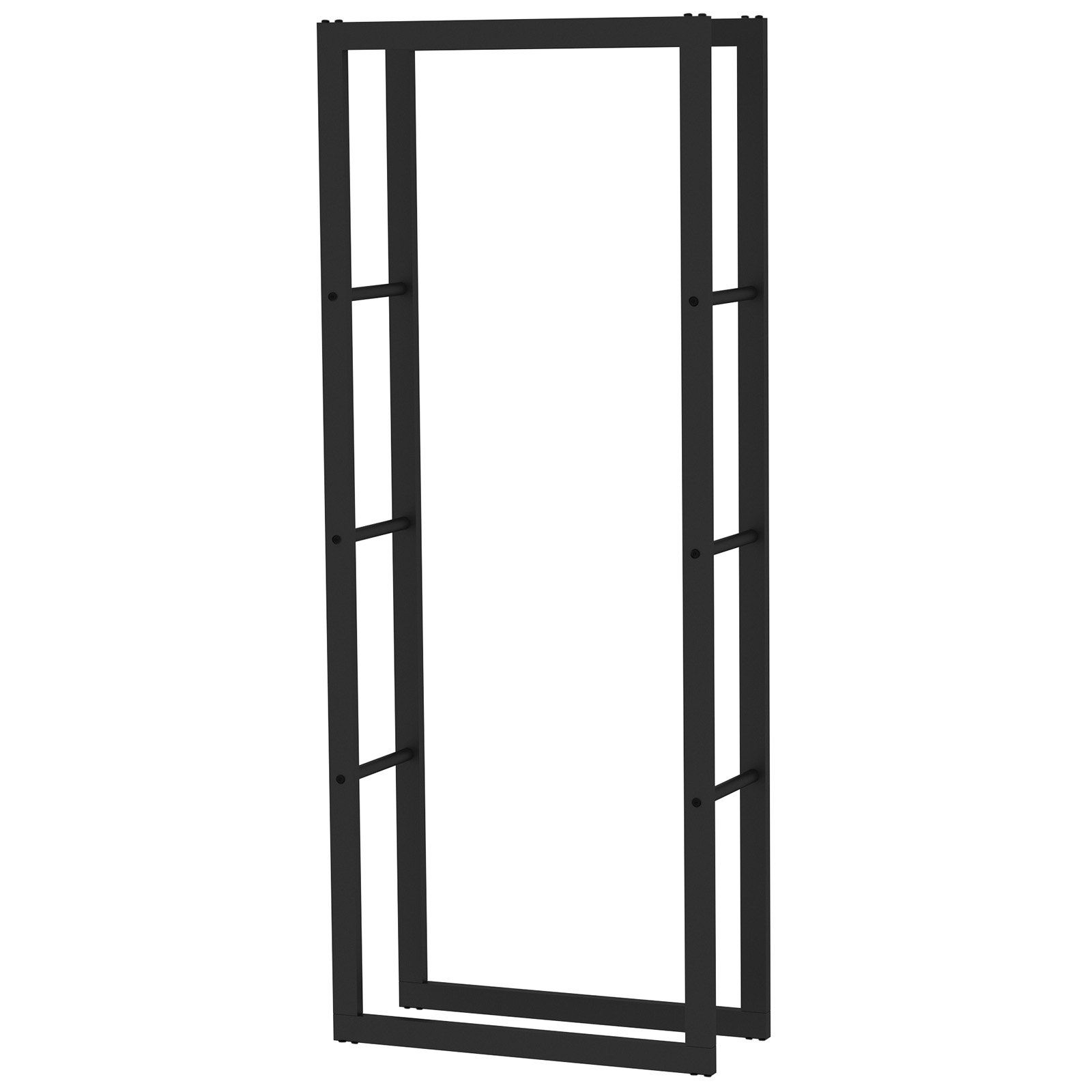
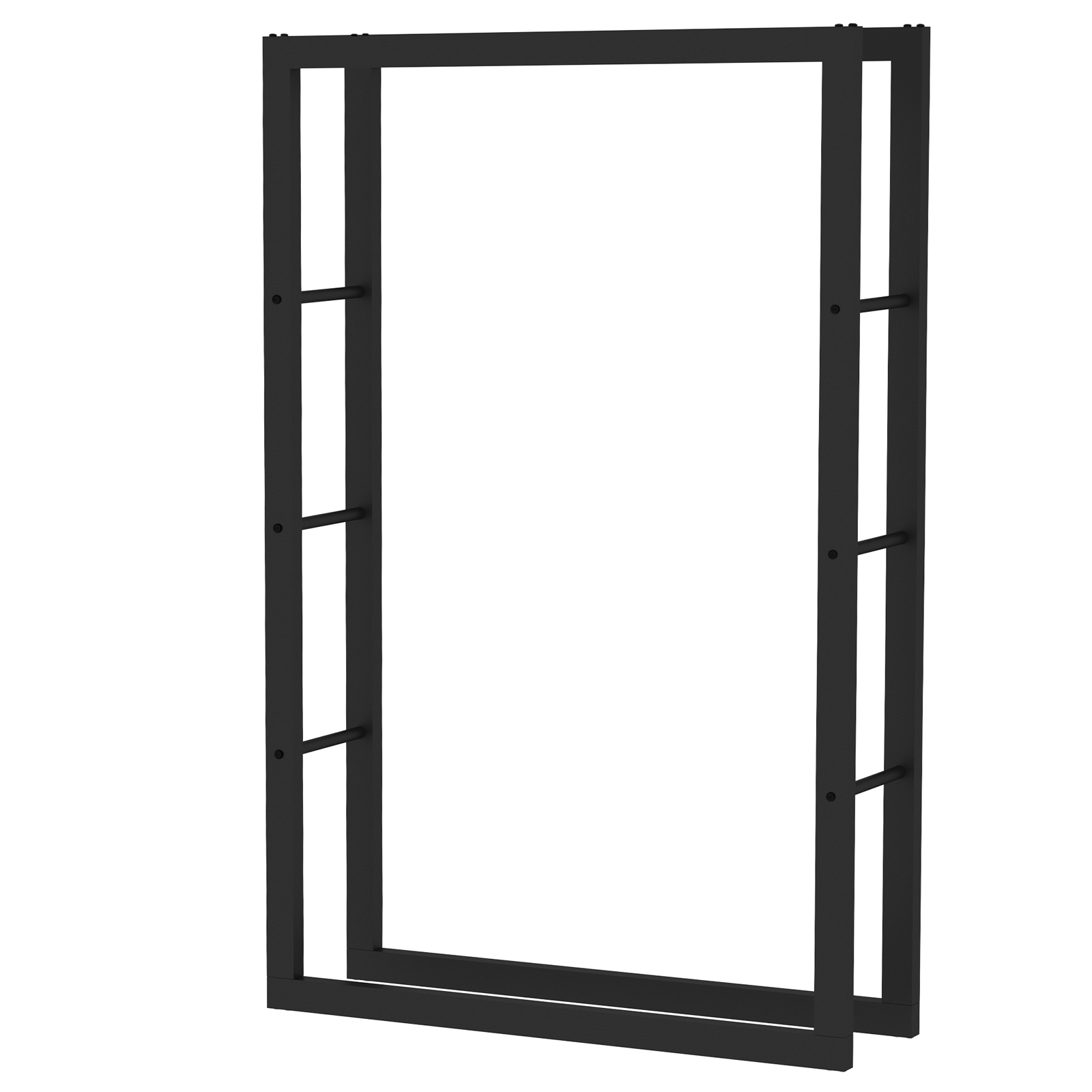
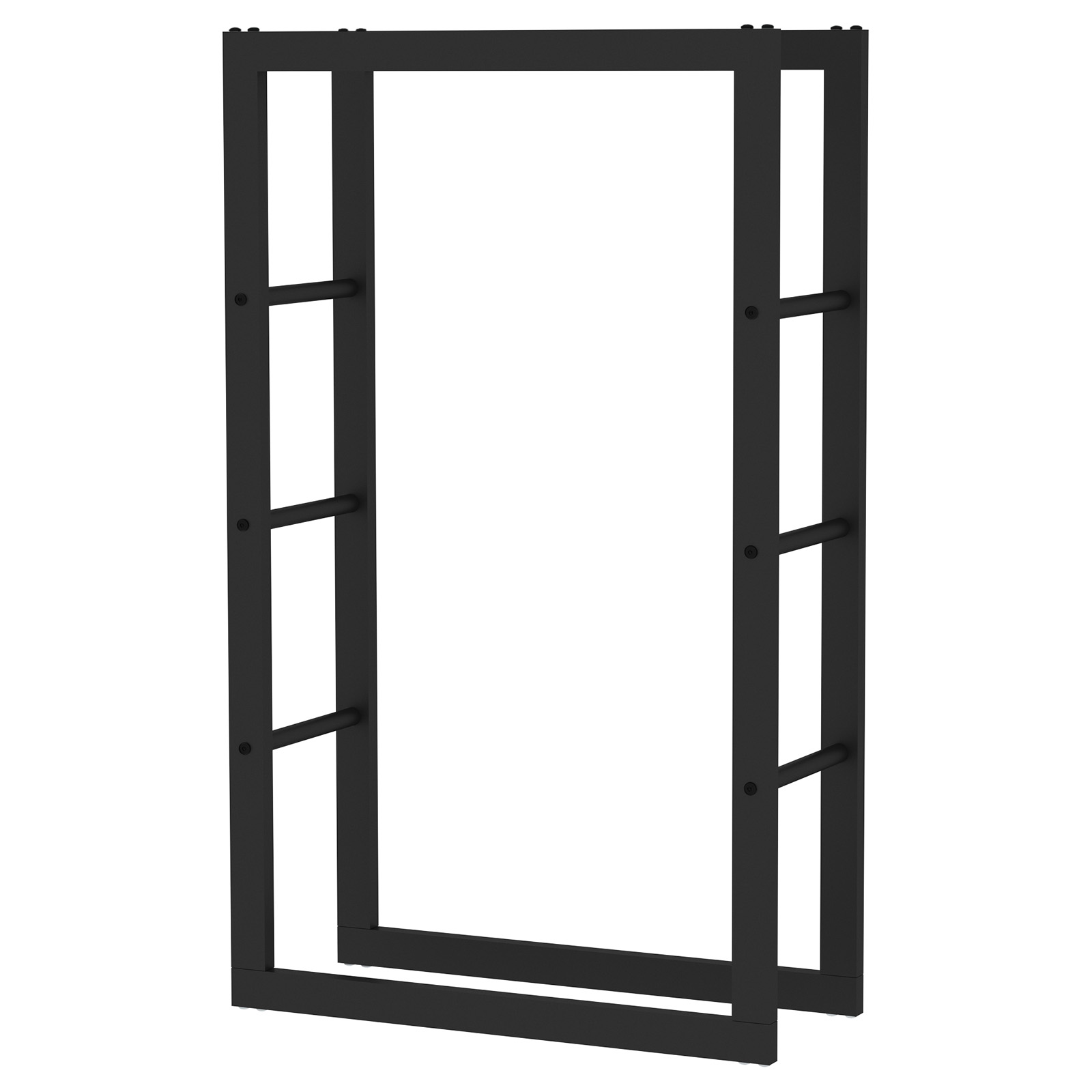
For those requiring substantial and permanent firewood storage, large-scale outdoor log storage racks offer an effective solution. A typical example is a heavy-duty model measuring approximately 133 x 83 x 185 cm and capable of supporting up to 1500 kg of firewood. Designed for high-volume users or households that rely primarily on wood-burning heating systems, such a rack enables the organized and secure stacking of a full season’s supply of firewood.
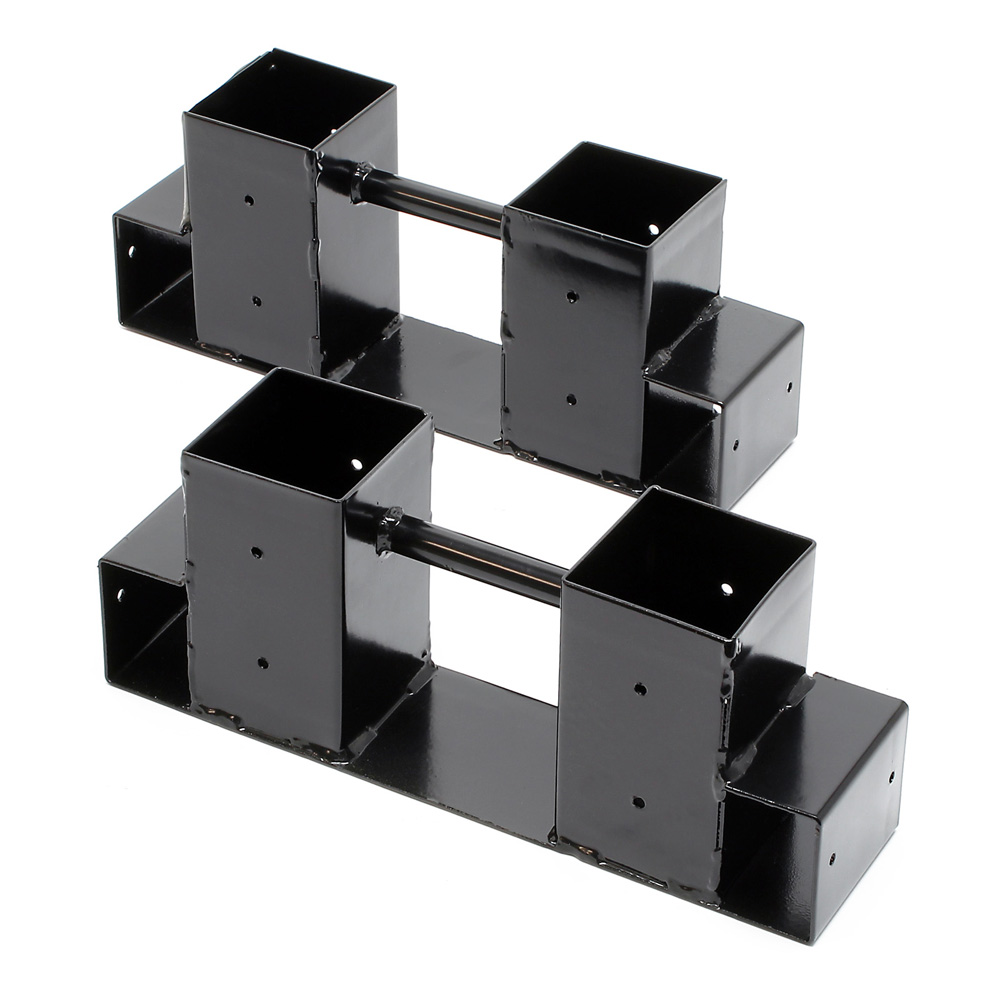
Built from powder-coated steel, these log rack outdoor units resist corrosion, temperature changes, and weather damage. Their vertical design makes efficient use of ground space, ideal for tight backyards or alongside fences and walls. Multiple tiers allow for separation of freshly cut wood and seasoned logs, helping to maintain a rotation that supports optimal burning efficiency. Some designs include side reinforcements or modular extensions to adapt to changing storage needs.
The elevated base prevents direct contact with the ground, deterring rodents, insects, and dampness. In regions with heavy rainfall or snow, pairing the rack with a sloped roof or waterproof covering helps ensure the top layers stay dry. For safety, these racks are usually anchored or stabilized to prevent tipping. Whether storing kindling or logs cut to standard length, these outdoor solutions streamline firewood management while supporting long-term reliability and weather resistance.
How Deep Should a Firewood Rack Be?
The depth of a firewood rack influences both its storage capacity and functionality. A well-designed rack allows wood to be stacked in a single row for maximum airflow and stability. In most residential applications, a depth of 30 to 40 cm (approximately 12 to 16 inches) is ideal. This size comfortably holds standard cut logs without unnecessary bulk or restricted air circulation, which is essential for keeping firewood dry and mold-free.
Deeper racks can accommodate multiple rows of logs, but they introduce challenges. Overstacking can hinder ventilation between pieces and may lead to premature moisture retention or insect activity. If the wood is not yet fully seasoned, a shallow depth promotes even drying by allowing air to circulate on all sides. In contrast, deeper racks may be more suitable for dry, pre-seasoned firewood stored in areas with excellent ventilation or under covered shelters.
It is also important to consider structural integrity. Racks with greater depth require stronger framing to bear the weight and must be reinforced to avoid bowing or tipping. For indoor use, shallow racks fit more comfortably into living spaces, allowing easier access and safer handling. Ultimately, the optimal depth depends on the balance between wood volume, drying needs, and available space, with 30 to 40 cm offering the best all-around performance.

Should a Firewood Rack Be Covered?
Covering a firewood rack, especially when used outdoors, is highly recommended to maintain the quality of the stored wood. The purpose of covering is not just to keep the wood dry but to preserve its burn efficiency and prevent mold or decay caused by moisture exposure. A cover acts as a shield against rain, snow, and dew, which, if allowed to settle, will seep into the wood and reduce its energy output when burned.
However, it is important that the cover does not seal the entire structure. Airflow is essential for continued seasoning and ventilation, particularly if the logs are freshly cut. For this reason, the best practice is to cover only the top of the log rack outdoor storage setup, leaving the sides open. This method ensures rain is diverted away while still allowing cross-ventilation.
Various options exist for effective coverage. Some racks include built-in roofs or metal hoods, while others are paired with heavy-duty tarps or UV-resistant fabric covers that can be secured tightly. Whichever type is used, the cover should extend slightly beyond the rack’s width to guide water away from the edges. During windy conditions, additional fasteners or bungee cords can keep the cover in place. Covering is generally not needed indoors, but for outdoor firewood racks, it is essential. Ultimately, a properly covered firewood rack helps retain dryness, safety, and performance for long-term use.
What Size Firewood Rack Do I Need?
The size of a firewood rack needed depends on a few key factors: frequency of use, available storage space, and the type of wood-burning system used in the home. For households that use a fireplace occasionally, a small indoor firewood rack or firewood trolley can suffice, typically storing enough logs for a few fires at a time. These compact options fit well next to the fireplace and support accessibility without cluttering the living area.
For more regular use, especially in homes with wood-burning stoves or central heating systems fueled by firewood, a larger log rack outdoor is often required. These racks can range from holding a quarter of a cord to a full cord of wood. A full cord is approximately 1.2 meters high by 2.4 meters wide and 1.2 meters deep when stacked neatly. Measuring your usage and ensuring space for rotation between freshly cut and seasoned wood is critical.
Additionally, if you rely on wood as a primary heating source, it is beneficial to have a rack that holds at least one to two weeks’ worth of firewood. Modular or stackable designs can help expand capacity over time. Also, consider local climate and delivery frequency. In colder regions with harsh winters, larger racks allow for bulk storage, reducing trips to replenish the supply. Selecting the right size ensures convenience, efficiency, and minimal maintenance.
What Is the Best Way to Cover a Firewood Rack?
Covering a firewood rack effectively requires protecting the top layers from moisture while allowing side airflow for ventilation. One of the most practical options is a fitted waterproof tarp secured over the top of the rack. This ensures rain and snow slide off, while the sides stay exposed to air.
An alternative is a rack with an integrated roof or canopy, often seen in permanent outdoor firewood rack models. This provides better stability and requires less daily maintenance. For those in windy areas, securing the cover with bungee cords or clips prevents it from blowing away. The key is to avoid trapping moisture inside the pile, so partial coverage is always preferable over full wrapping.

Steel is widely regarded as the most suitable material for both outdoor log rack and indoor storage units. Powder-coated steel offers superior durability, resisting rust and corrosion even when exposed to rain and snow. Its strength ensures that the rack holds large volumes without bending or collapsing.

For aesthetic indoor use, wrought iron is a traditional and visually pleasing option. It combines elegance with functionality and is easy to maintain. While not as resistant as coated steel for outdoor conditions, it is more than adequate for interior applications, supporting moderate wood loads while complementing home decor.

Wooden firewood racks, although classic, are best suited for sheltered areas. Pressure-treated timber can withstand moderate moisture but will deteriorate faster if left exposed. Wooden racks appeal to those seeking a natural look but require regular maintenance and should always be raised from the ground.
Summary of Efficient Firewood Storage Practices
Storing firewood efficiently involves selecting the right type of rack or trolley based on use location, capacity needs, and climate exposure. Indoor models focus on compact design and aesthetics, while outdoor log storage racks emphasize durability and weather resistance. Key considerations include material choice, size, and ventilation. Metal racks remain the top option due to their resilience and low maintenance. Covering outdoor racks is essential to protect against moisture while maintaining airflow. Whether storing small quantities for decorative fireplaces or large volumes for heating, these solutions ensure firewood stays dry, accessible, and ready to use throughout the year.