

































































Available, delivery time: 2 - 3 days
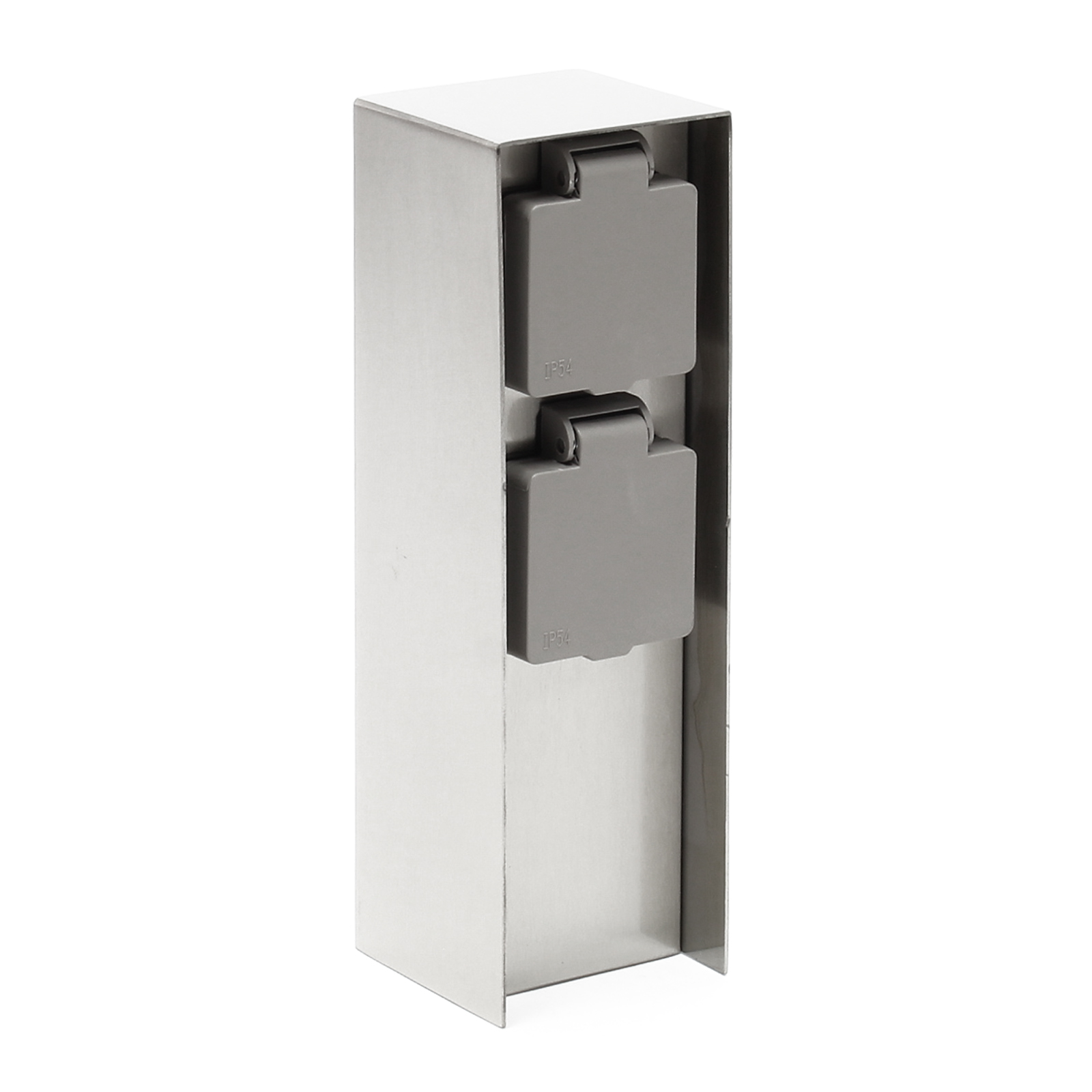
• 2 sockets
• High-quality stainless steel casing
• IP44 rating (protected against splash water)
• Easy floor mounting
Available, delivery time: 2 - 3 days
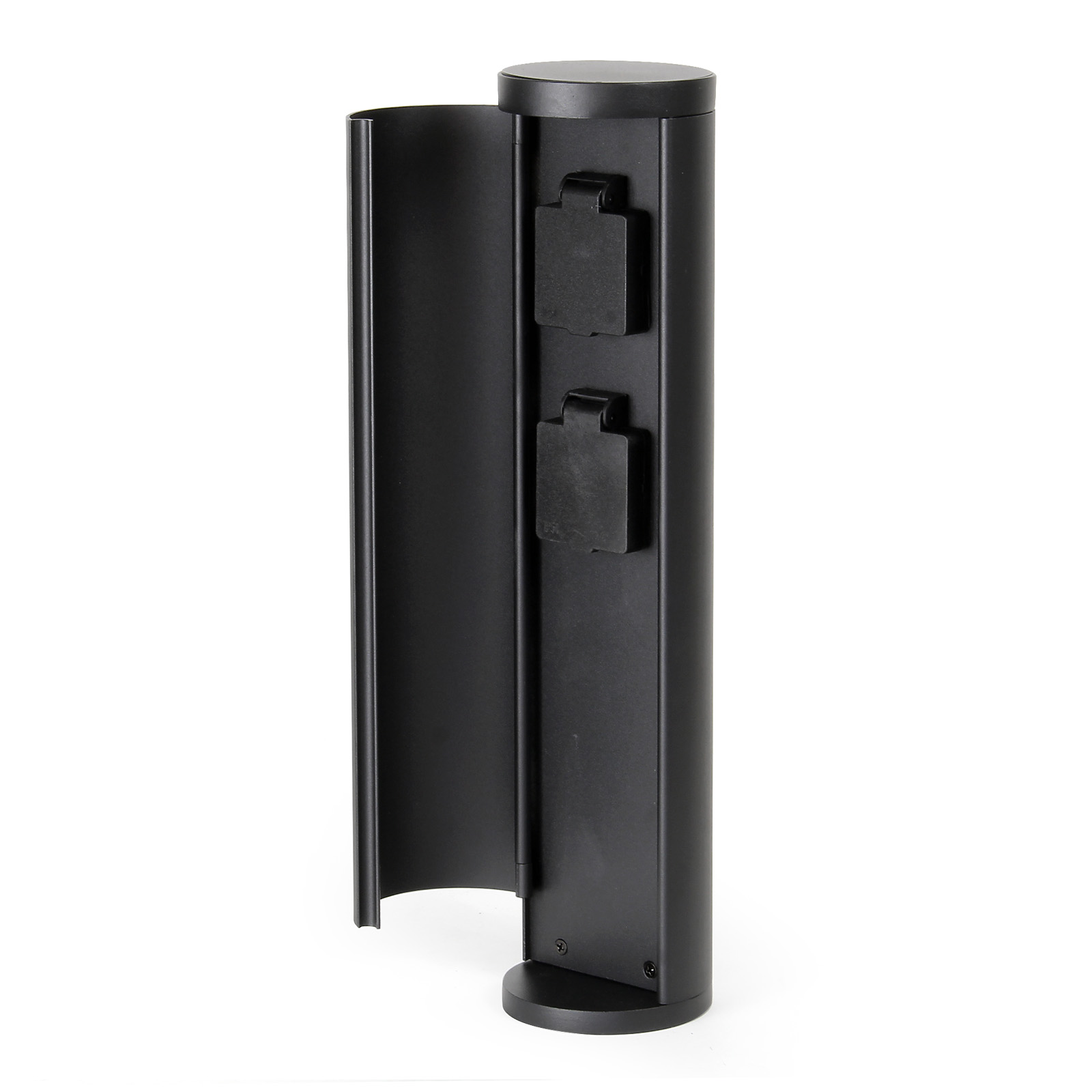
• Dual weather and water-proof outdoor socket
• Elegant and high-quality aluminium cylinder
• With IP standard (IP44) and up to 3680 watts
• Easy mounting to the floor in every garden
Available, delivery time: 2 - 3 days
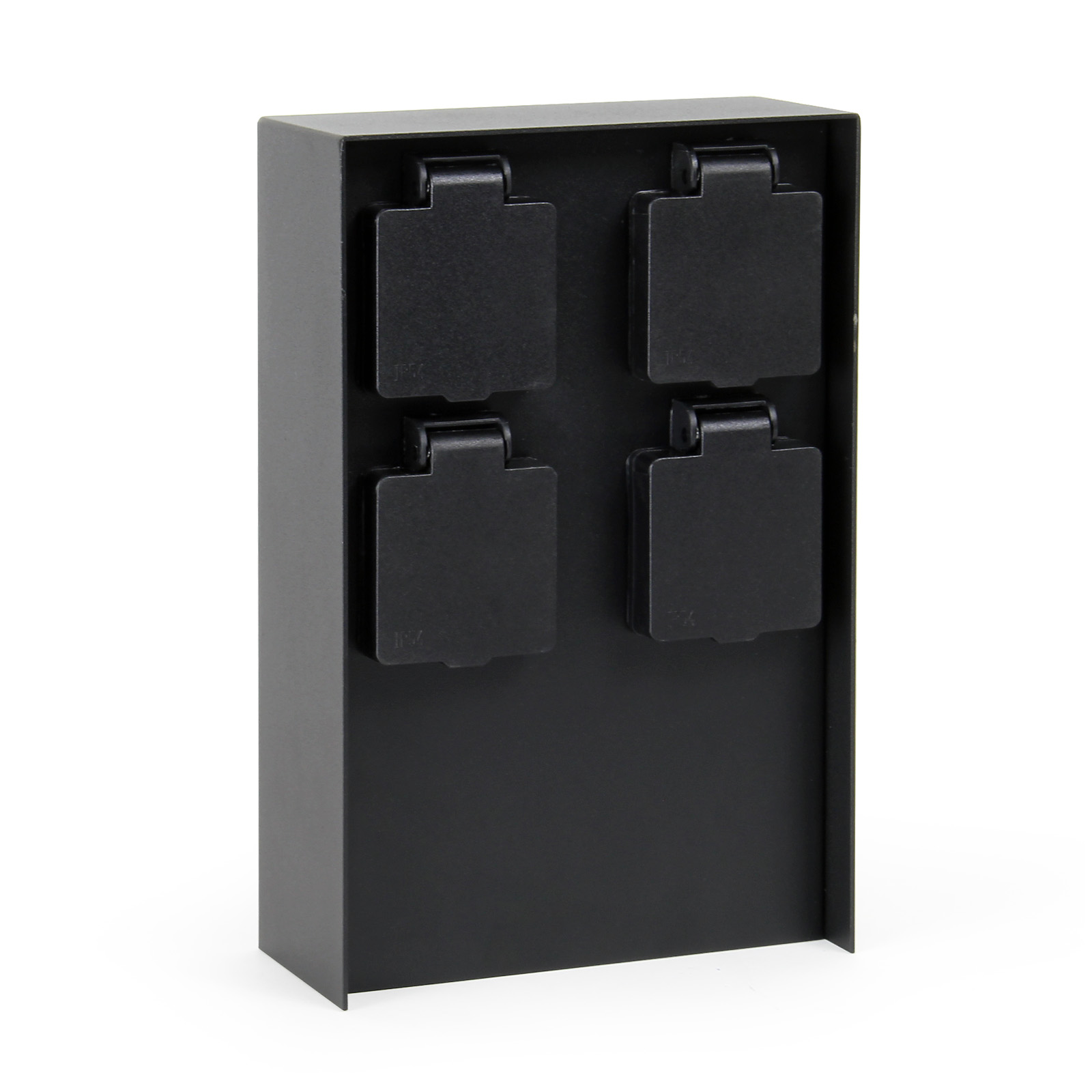
• 4 sockets
• Colour: black
• IP44 standard
• Simple floor mounting
Available, delivery time: 2 - 3 days
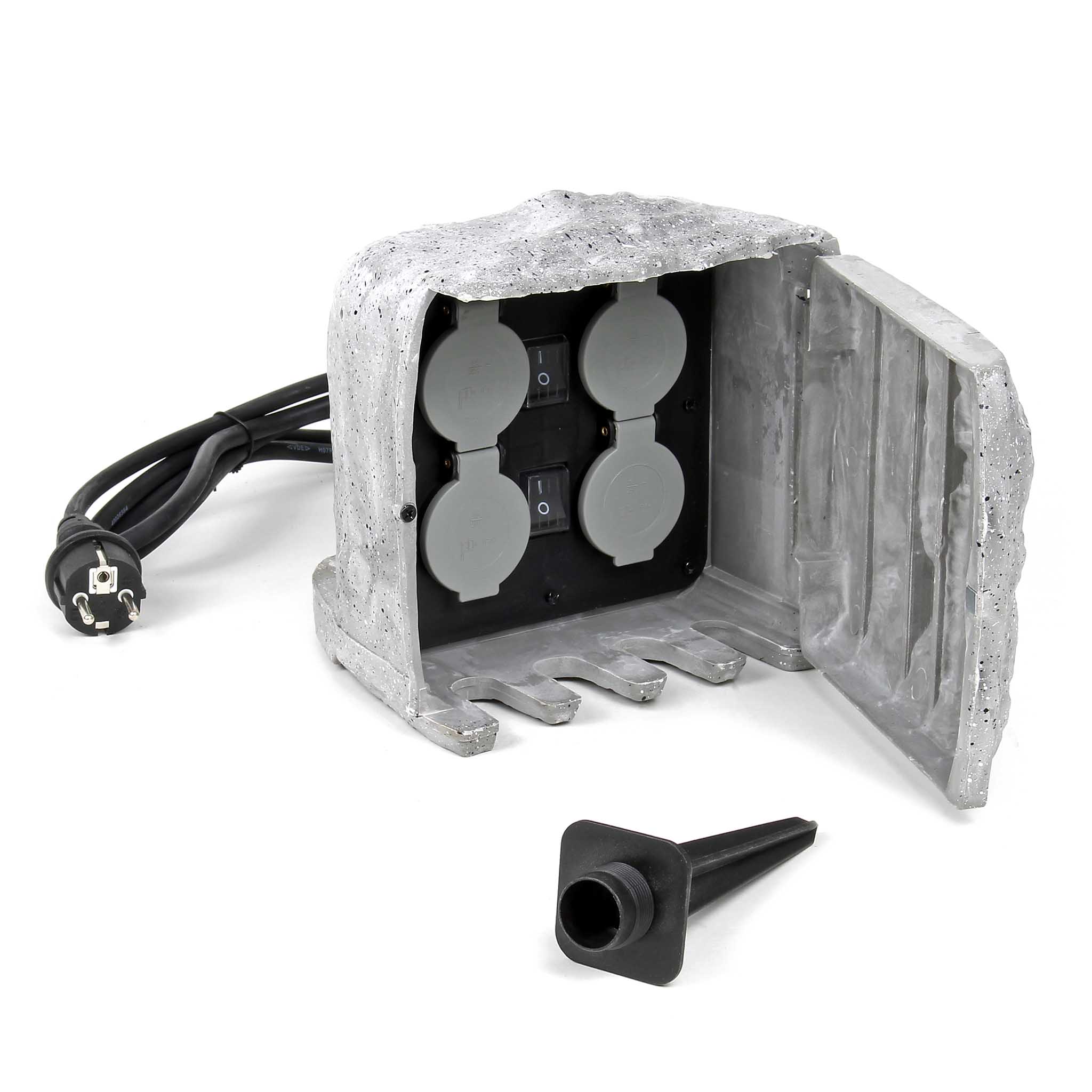
• Cable length: 1.5 m
• IP44 casing
• 1.5 mm² H07RN-F3G cable
• Two on/off switches
Available, delivery time: 2 - 3 days
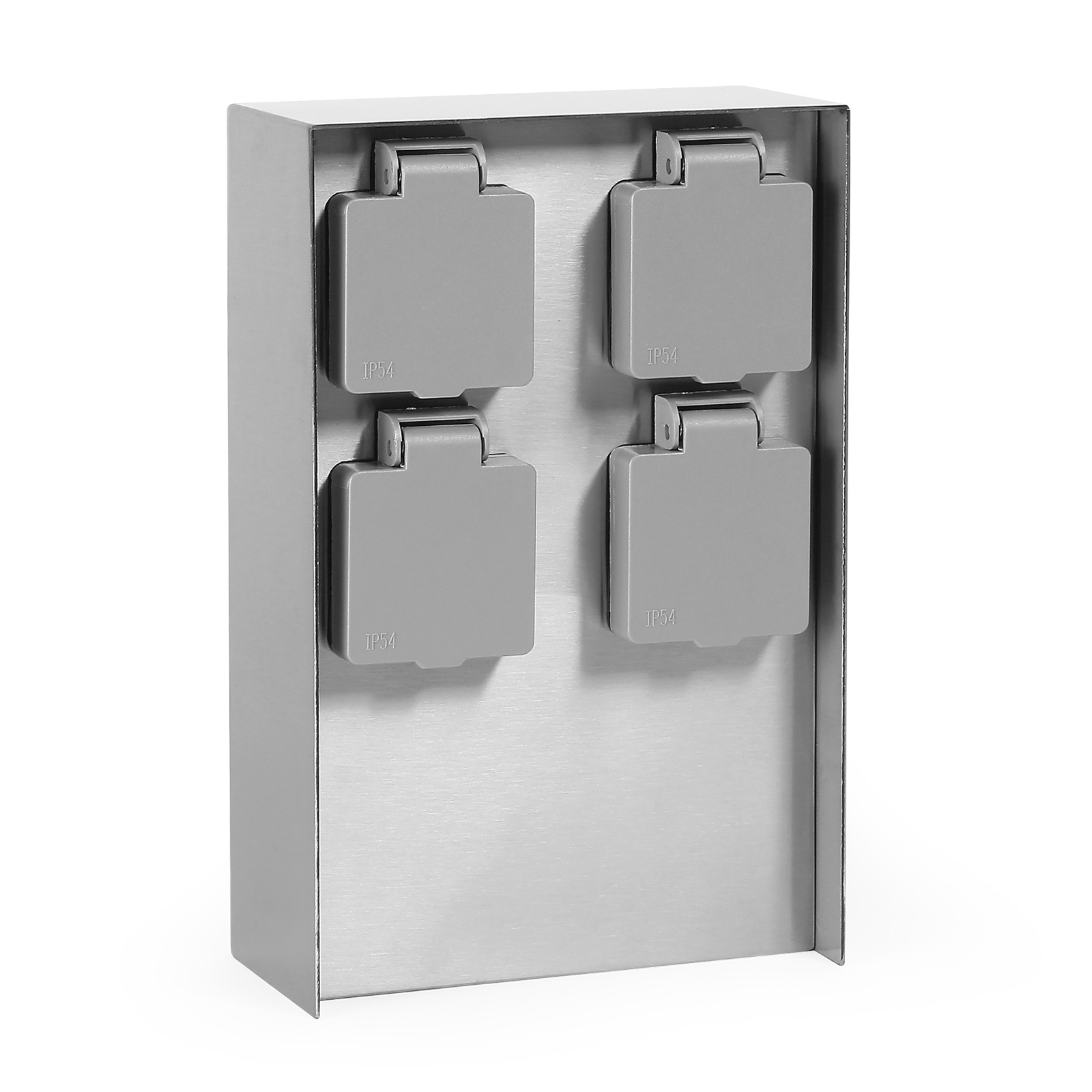
• 4 sockets
• High-quality stainless steel housing
• IP44 standard
• Simple floor mounting
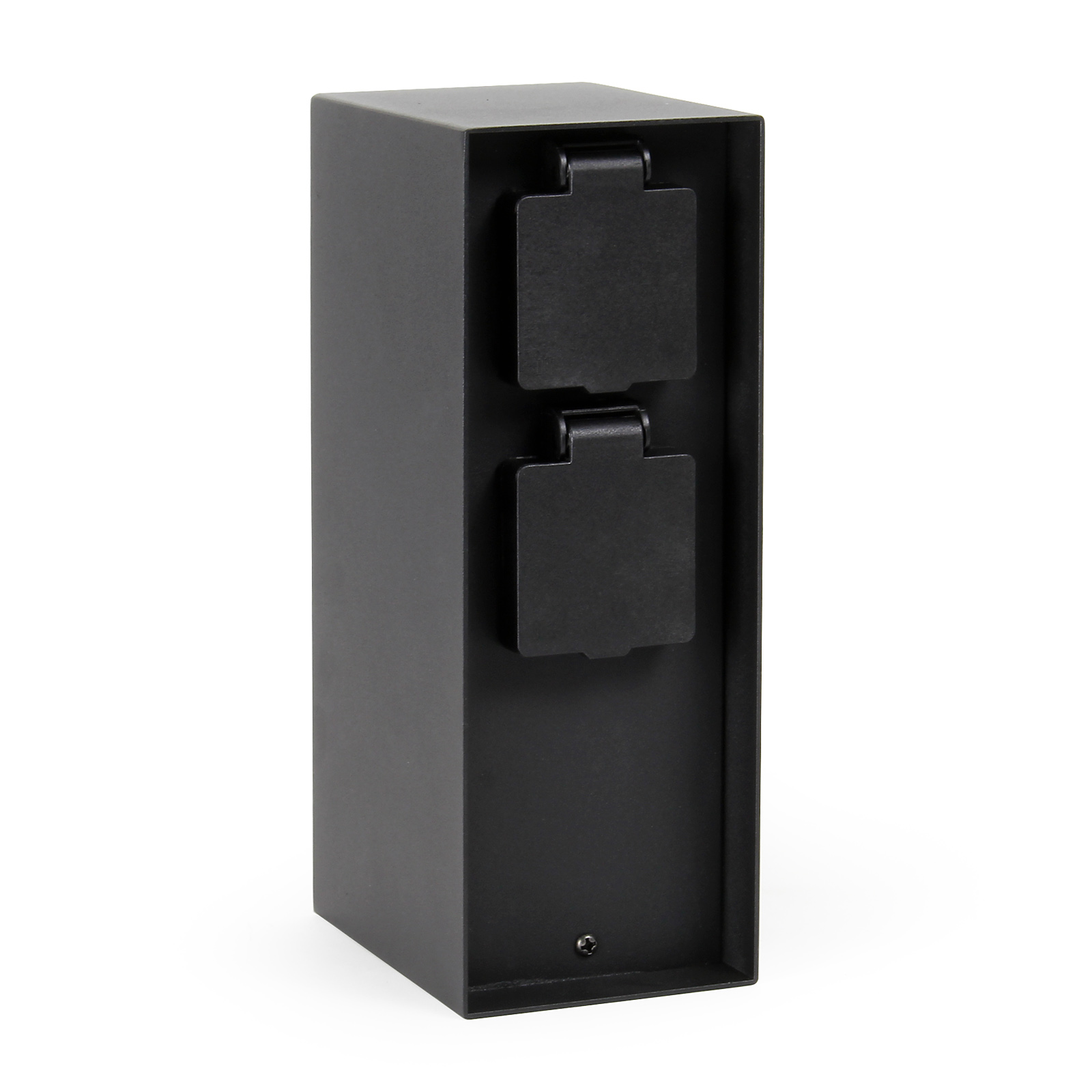
Available, delivery time: 2 - 3 days
• 4 sockets
• IP44 standard
• Simple floor mounting
• Mains connection protected by hinged cover
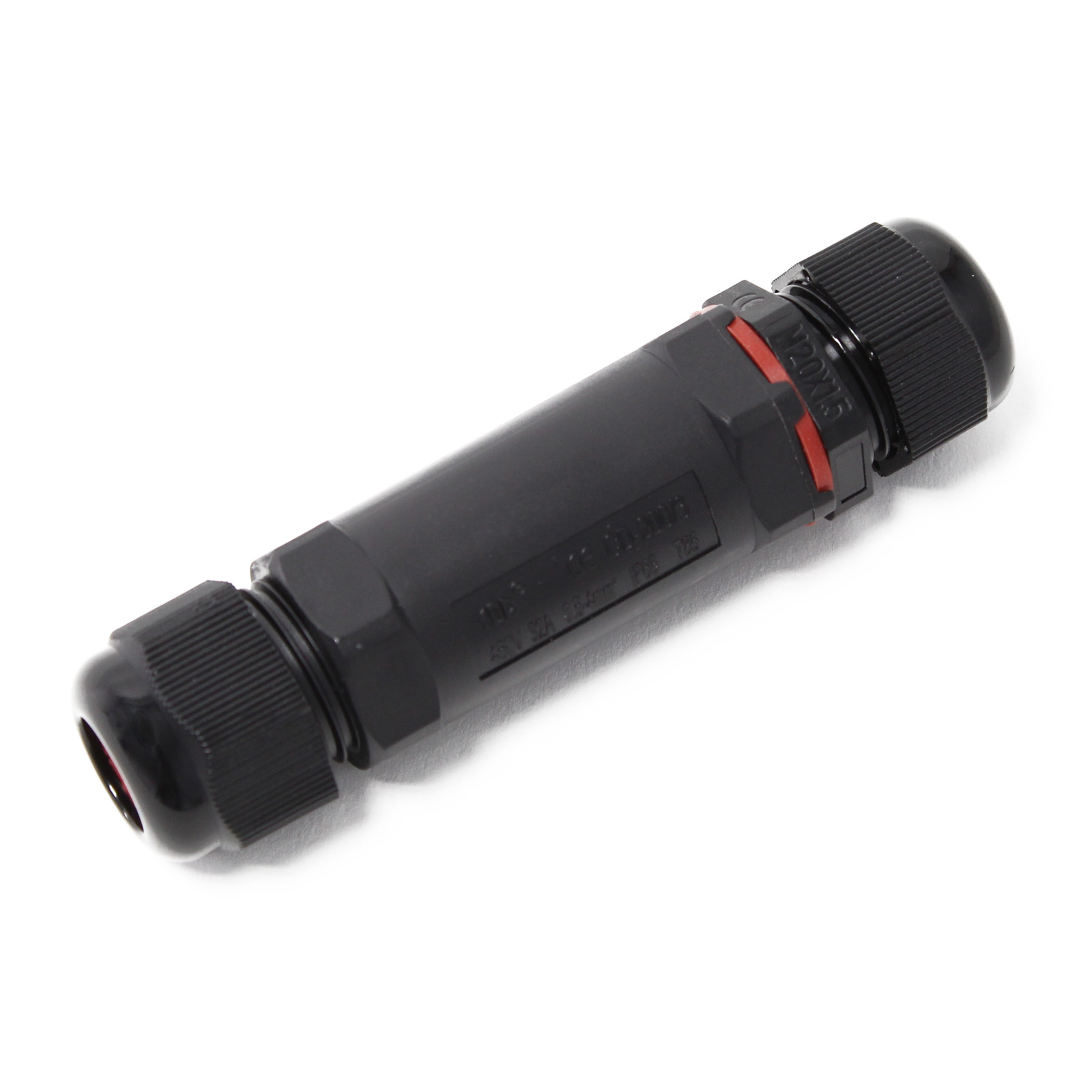
Currently not available
• CUJ series
• For M20x1,5
• Protection class IP68
• 0,5 - 4 mm²

Available, delivery time: 2 - 3 days
• Cable length: 5 m
• Synthetic resin IP44
• H07RN-F3G-cable 1.5 mm²
• Beautiful stone design
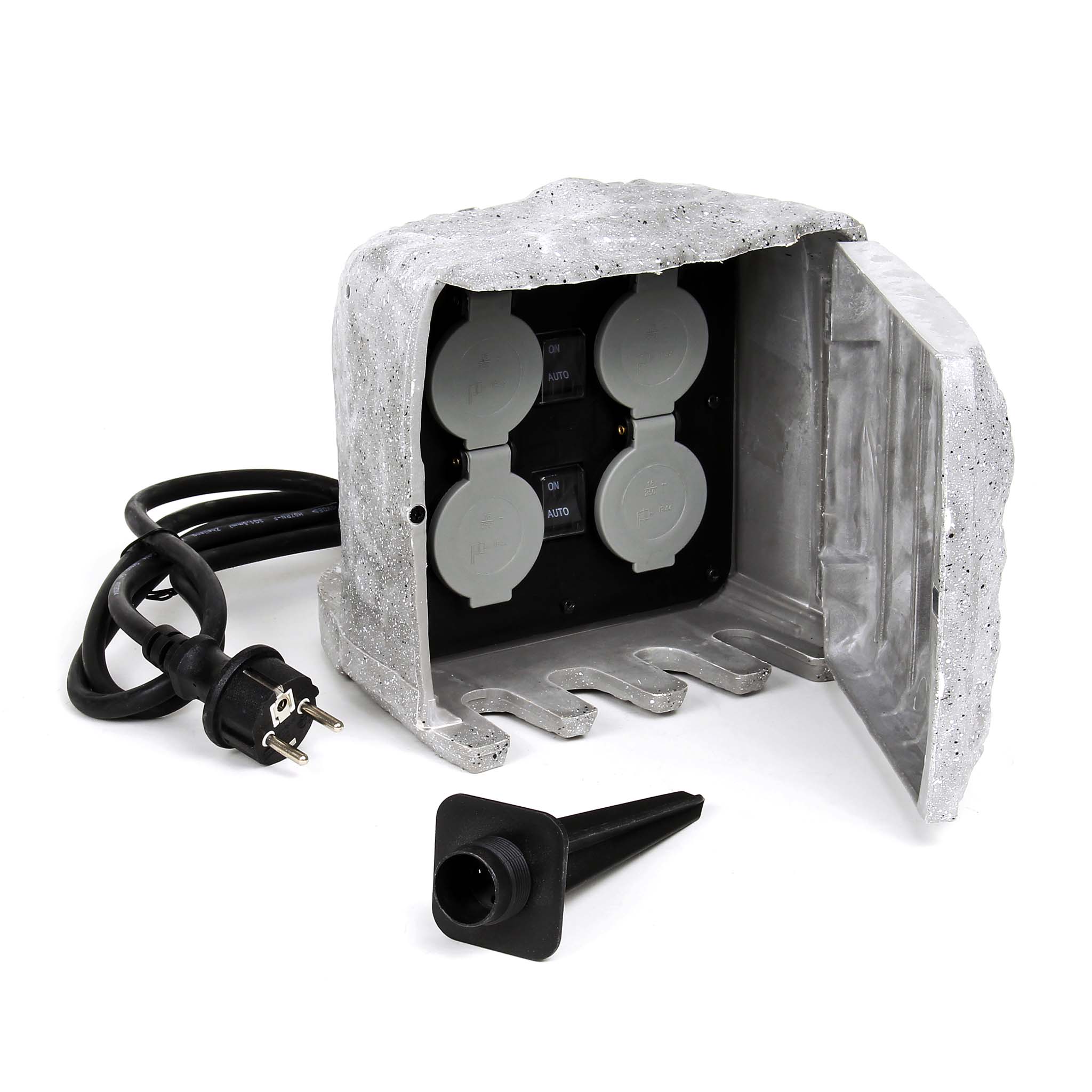
Available, delivery time: 2 - 3 days
• Cable length: 1.5 m
• IP44 casing
• 1.5 mm² H07RN-F3G cable
• Twilight sensor
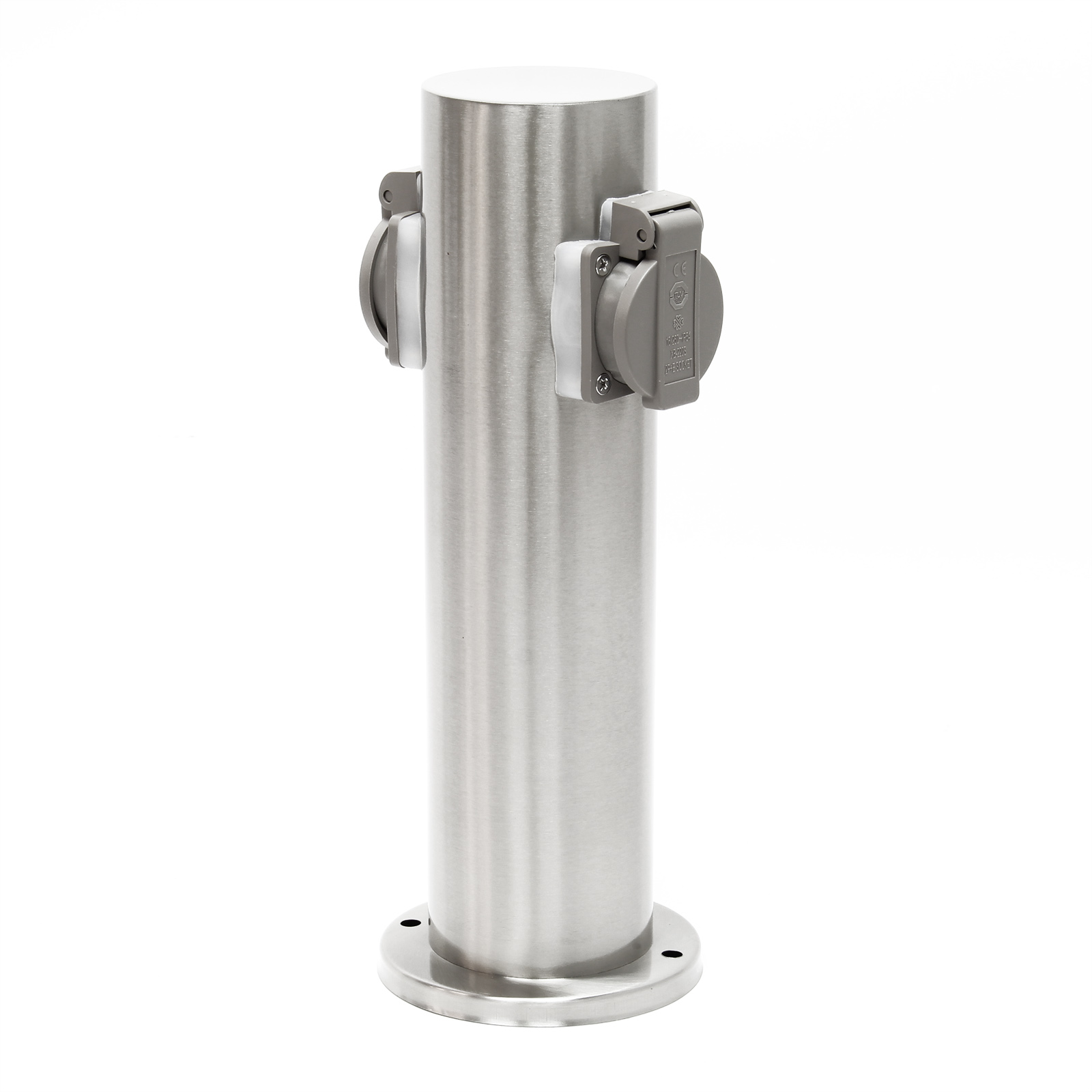
Available, delivery time: 2 - 3 days
• 2 sockets
• High-quality stainless steel casing
• IP44 rating (protected against splash water)
• Easy floor mounting
Available, delivery time: 2 - 3 days
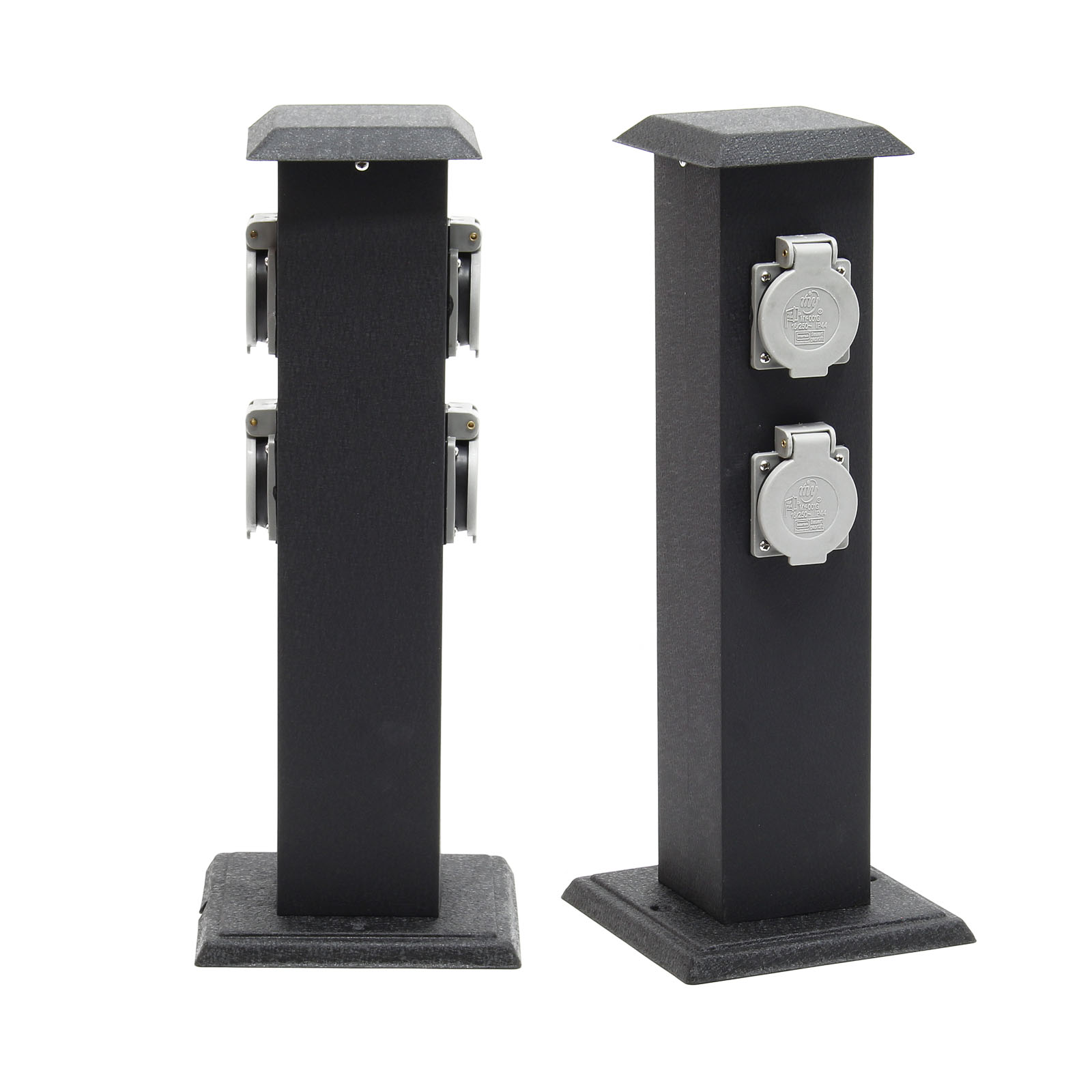
• Metal housing IP44
• Fixation with peg possible
• Without supply line
Available, delivery time: 2 - 3 days
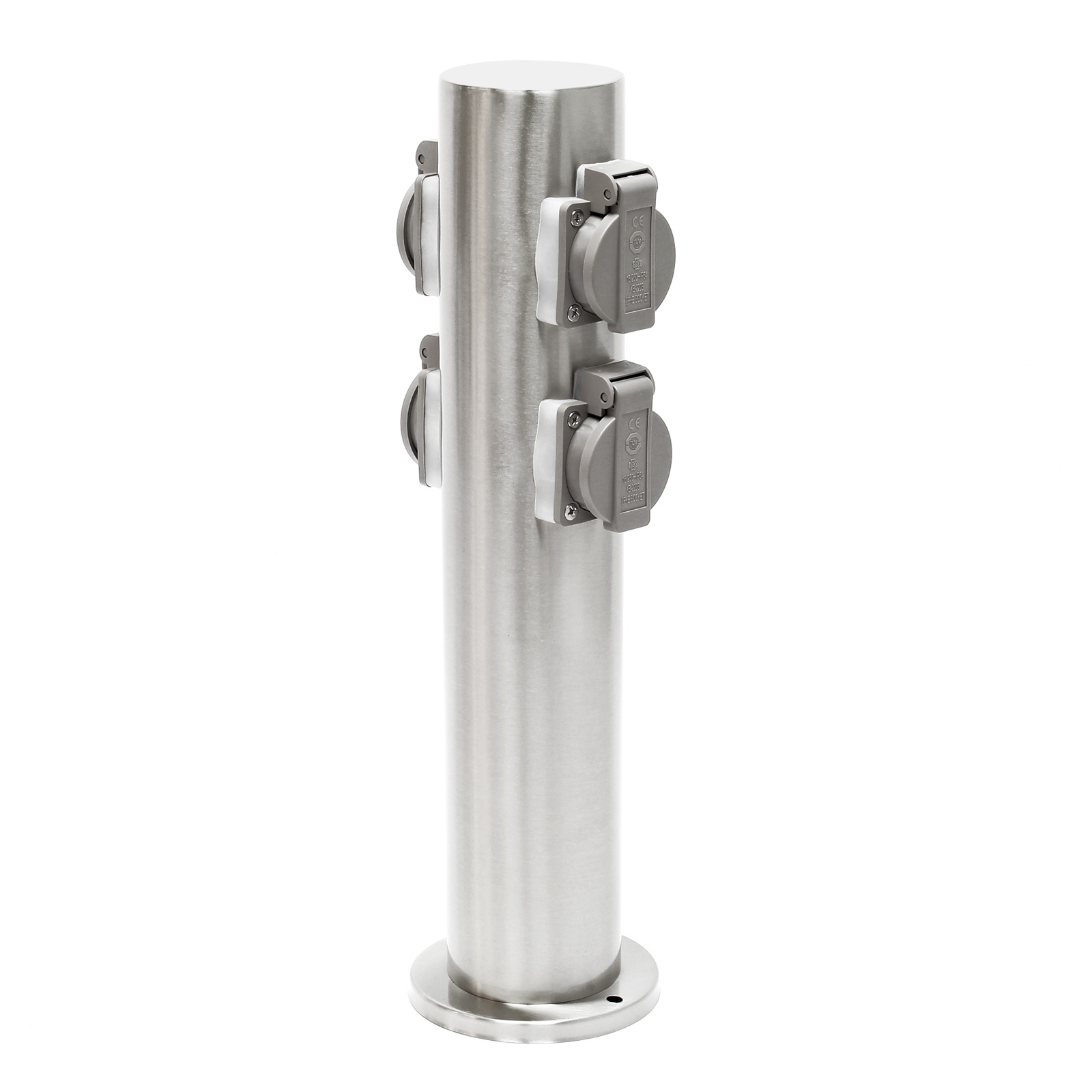
• 4 sockets
• High-quality stainless steel casing
• IP44 rating (protected against splash water)
• Easy floor mounting

Available, delivery time: 2 - 3 days
• With timer
• 2 sockets
• IP44 standard
• Mains connection protected by hinged cover
Available, delivery time: 2 - 3 days
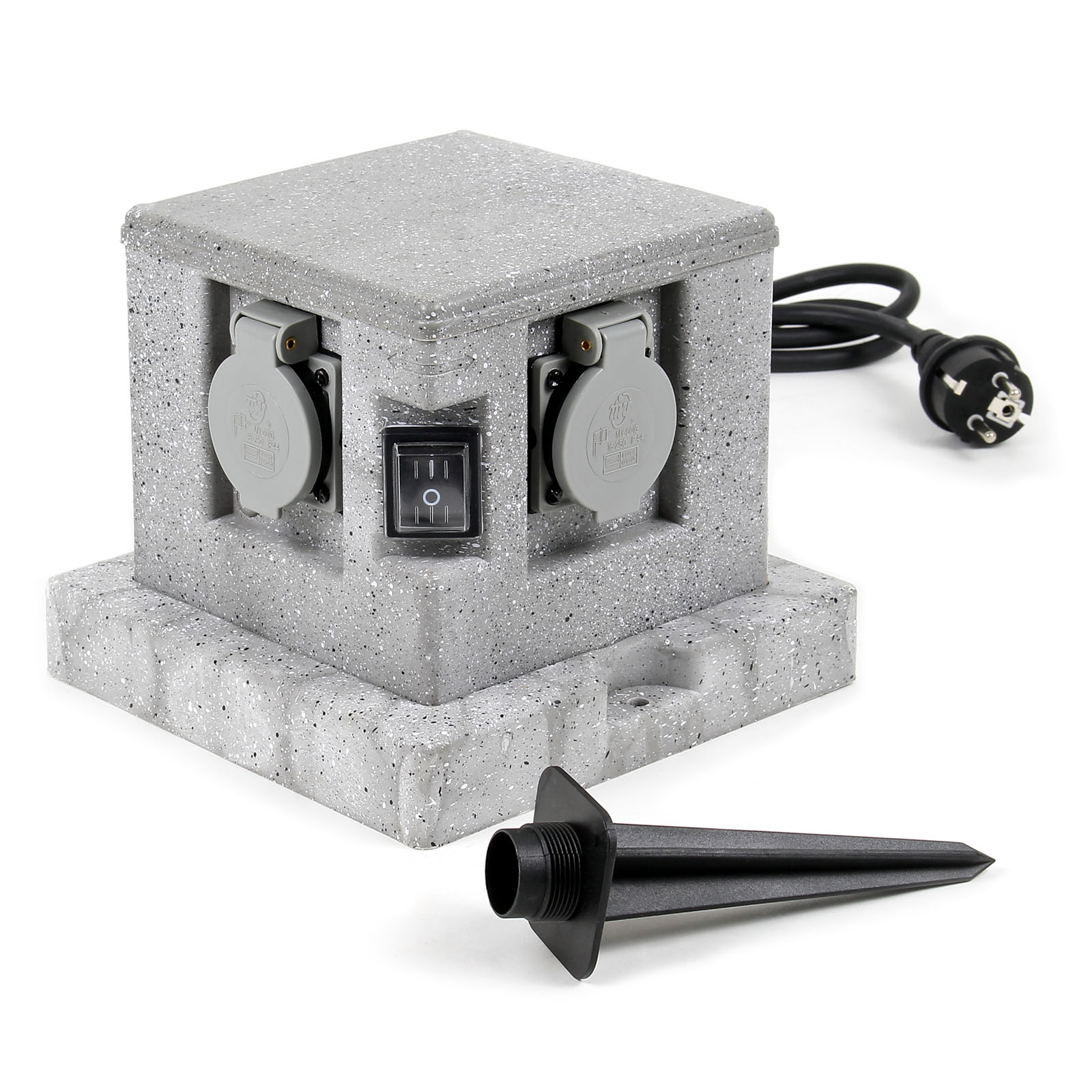
• Cable length: 1.5 m
• IP44 casing
• 1.5 mm² H07RN-F3G cable
• Two on/off switches

Available, delivery time: 2 - 3 days
• Cable length: 5 m
• Synthetic resin IP44
• H07RN-F3G-cable 1.5 mm²
• Integrated automatic clock timer
Currently not available
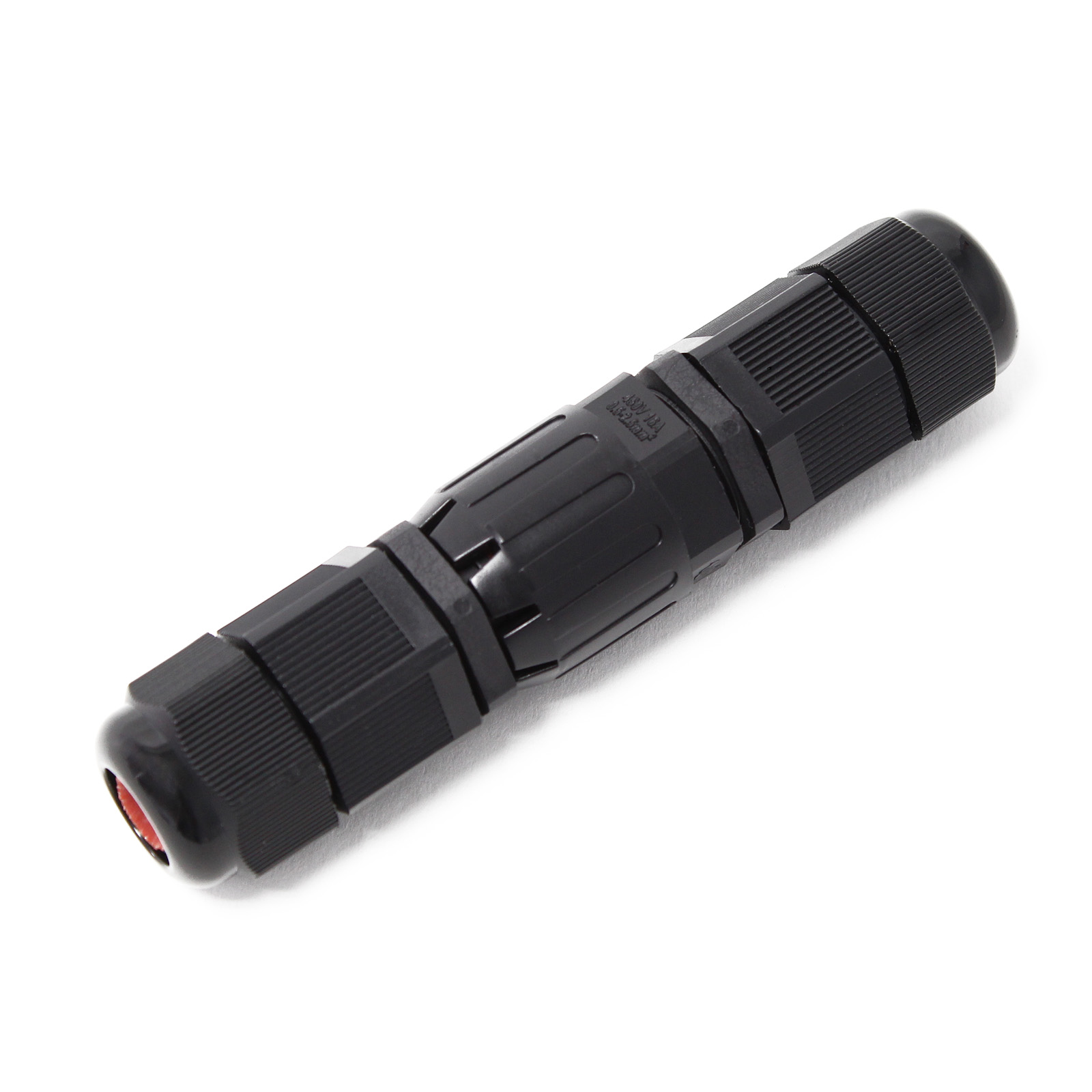
• CUJ series
• For M20x1,5
• Protection class IP68
• 0,5 - 2,5 mm²
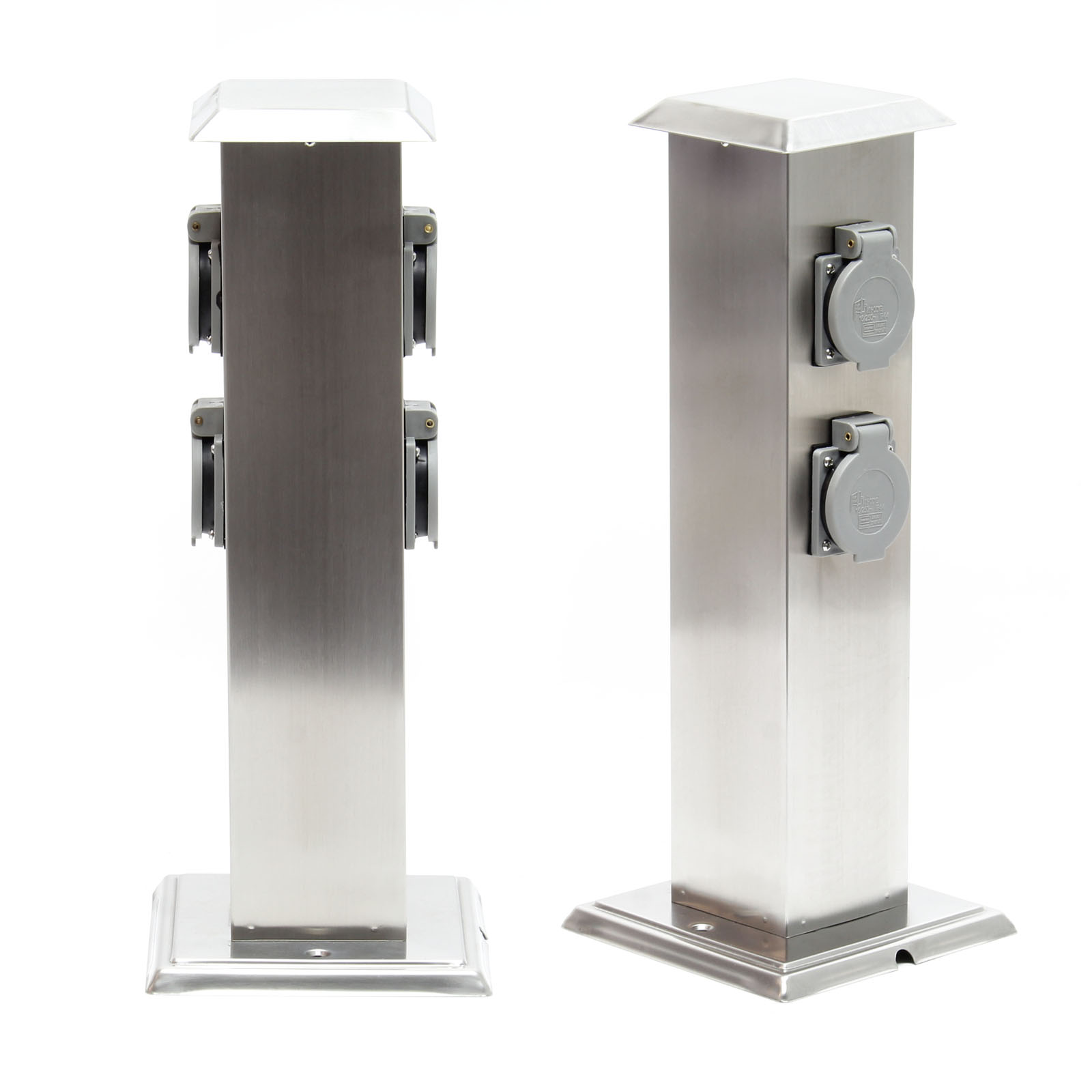
Available, delivery time: 2 - 3 days
• Stainless steel housing IP44
• Without supply line
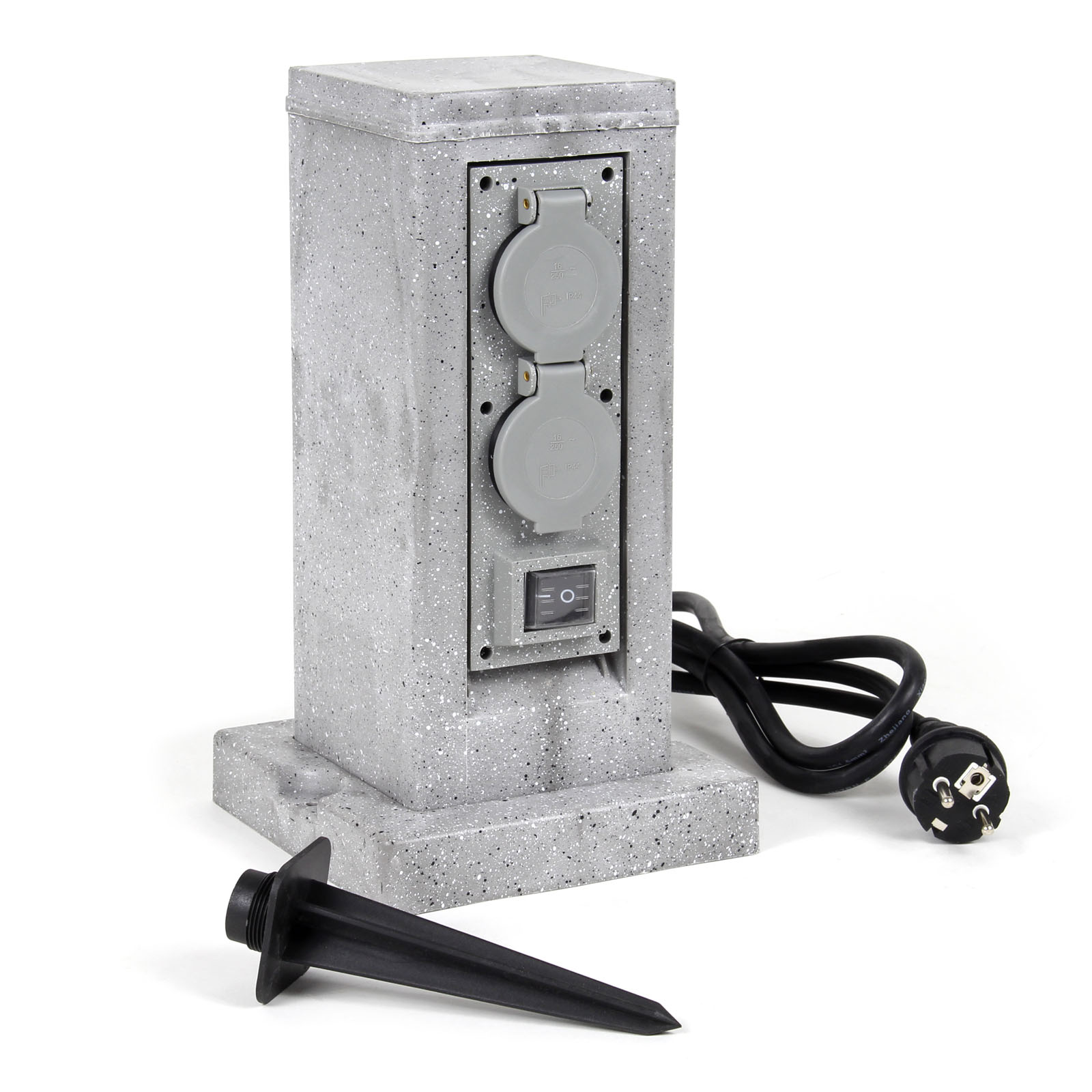
Available, delivery time: 2 - 3 days
• With 4 individual sockets
• Cable length: 1.5 m
• IP44 casing
• Two on/off switches

Available, delivery time: 2 - 3 days
• Stainless steel housing IP44
• Integrated automatic clock timer
• Without supply line
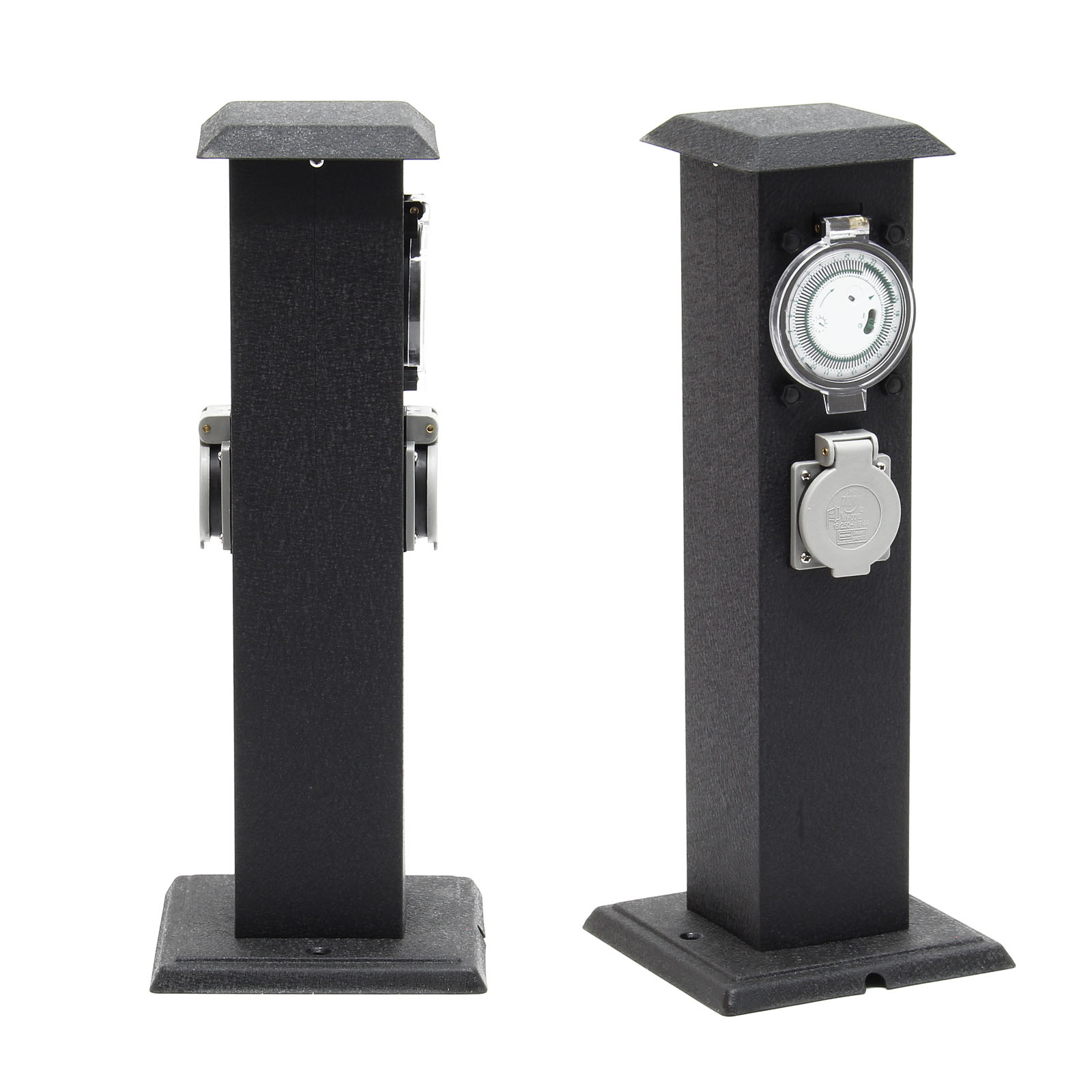
Available, delivery time: 2 - 3 days
• Metal housing IP44
• Integrated automatic clock timer
• Without supply line

Available, delivery time: 2 - 3 days
• Cable length: 1.5 m
• IP44 casing
• 1.5 mm² H07RN-F3G cable
• Twilight sensor
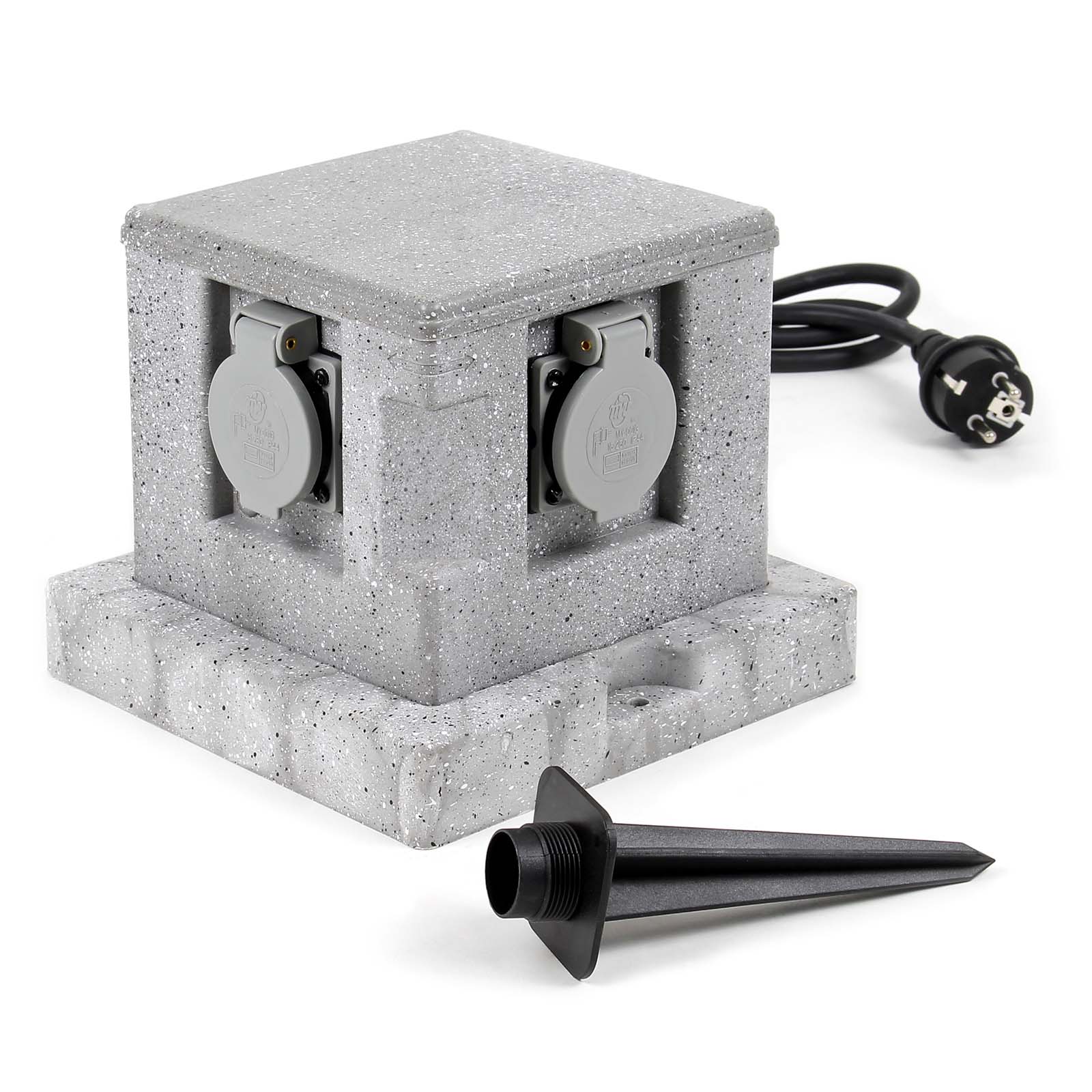
Available, delivery time: 2 - 3 days
• Cable length: 1.5 m
• IP44 casing
• 1.5 mm² H07RN-F3G cable
• Twilight sensor
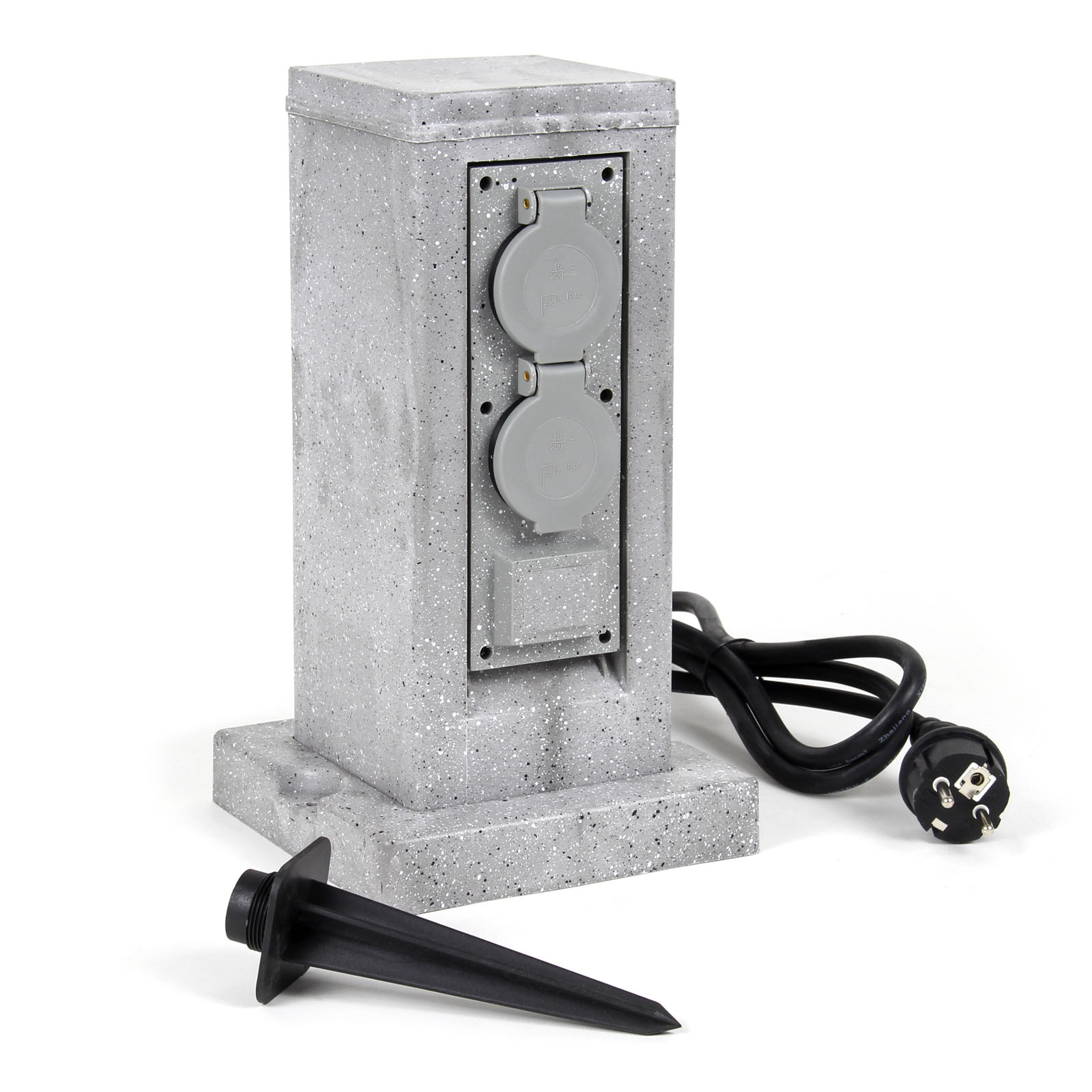
Available, delivery time: 2 - 3 days
• With 4 individual sockets
• Cable length: 1.5 m
• IP44 casing
• Twilight sensor
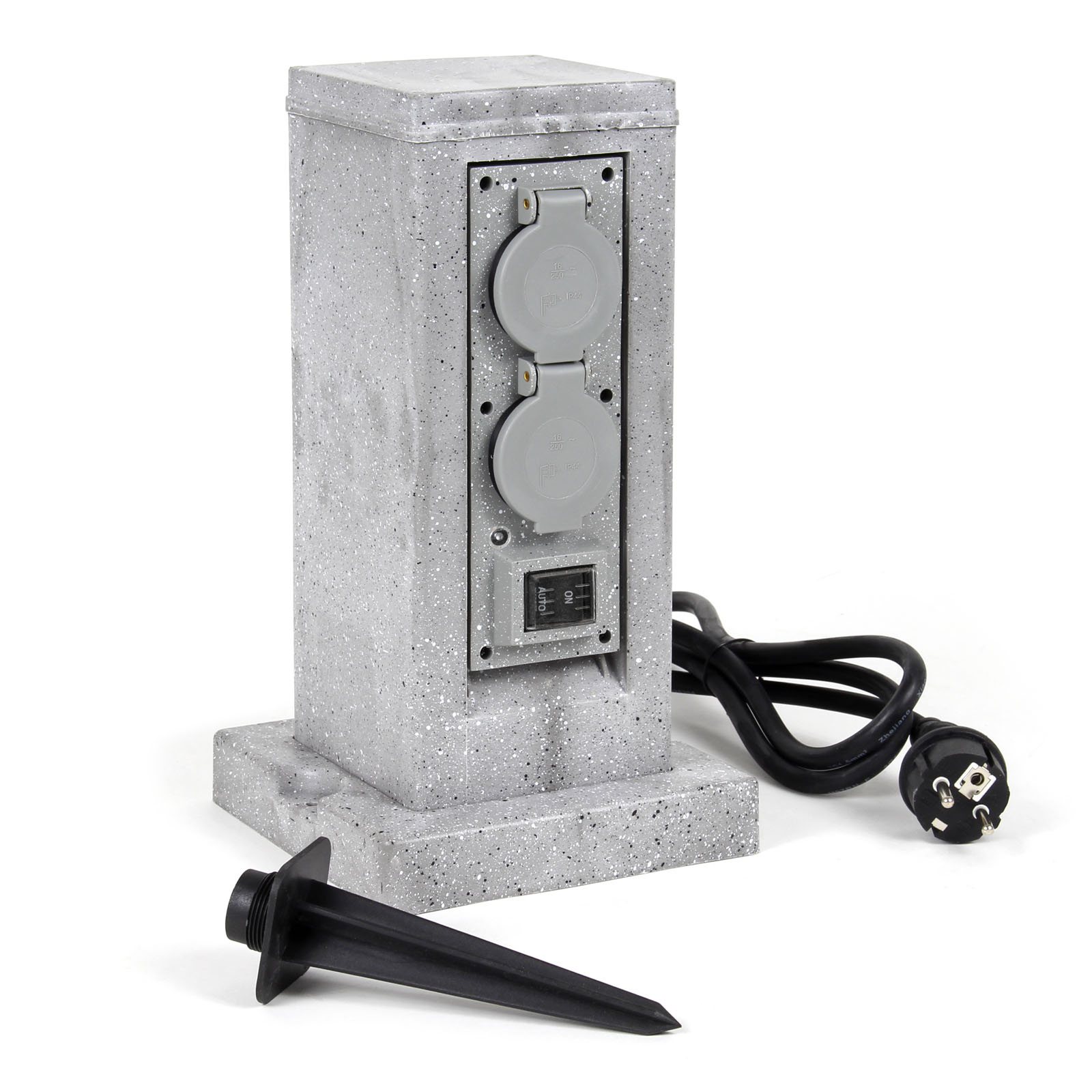
Available, delivery time: 2 - 3 days
• With 4 individual sockets
• Cable length: 1.5 m
• IP44 casing
• Twilight sensor
Gartensteckdosen für eine zuverlässige Stromzufuhr
Gartensteckdosen sind eine praktische Lösung, um Strom zuverlässig im Außenbereich zur Verfügung zu stellen. Sie eignen sich hervorragend für Gartenbeleuchtung, Gartengeräte und Bewässerungssysteme und bieten eine einfache und sichere Möglichkeit, den Garten mit Strom zu versorgen. Diese Steckdosen sind wasserfest und darauf ausgelegt, widrigen Wetterbedingungen standzuhalten.

Modische Garten Stromverteiler im Überblick
Entdecken Sie die Vielseitigkeit und Eleganz unserer modischen Garten Stromverteiler, die eine erstklassige Lösung für Ihren Außenbereich bieten. Diese innovativen Außensteckdosen und wasserdichten Mehrfachsteckdosen wurden entwickelt, um Ihren Garten nicht nur mit Strom zu versorgen, sondern auch mit Stil zu bereichern.
Die Außensteckdosen von Wiltec sind so konzipiert, dass sie überall platzierbar sind. Dank ihrer flexiblen Kabellängen können sie mühelos an verschiedenen Orten im Freien platziert werden, sei es auf der Terrasse, im Garten oder am Pool. Diese Flexibilität ermöglicht es Ihnen, die Stromversorgung ganz nach Ihren Bedürfnissen anzupassen.
Darüber hinaus wurden unsere Mehrfachsteckdosen für den Außenbereich speziell entwickelt, um das Eindringen von Fremdkörpern oder Spritzwasser zu verhindern. Ihre wasserdichte Konstruktion gewährleistet eine sichere Nutzung, selbst unter widrigen Wetterbedingungen. Sie können sich also darauf verlassen, dass Ihre elektronischen Geräte jederzeit geschützt sind.
Eckige Außensteckdose mit Erdspieß
Bereichern Sie Ihren Außenbereich mit der praktischen, eckigen Außensteckdose mit Erdspieß. Diese innovative Lösung vereint Funktionalität mit einem robusten Design und bietet Ihnen eine ideale Lösung für Ihren Garten.
Der mitgelieferte Erdspieß ermöglicht ein einfaches Einführen in die Erde und gewährleistet einen festen Halt, ohne zusätzliche Befestigungsmaterialien zu benötigen. Dadurch können Sie die Steckdose mühelos dort platzieren, wo Sie sie benötigen, sei es entlang eines Gartenwegs oder in einem Blumenbeet.
Erhältlich sowohl als elegante Säule als auch als kompakter Würfel, passt sich diese Außensteckdose harmonisch in jede Umgebung ein. Ihre eckige Formgebung verleiht ihr eine moderne Ästhetik, während die Option einer Steinoptik für eine natürliche und ansprechende Optik sorgt.
Diese robusten Gartensteckdosen sind speziell für den Einsatz im Freien konzipiert und bieten eine zuverlässige Stromversorgung unter allen Bedingungen. Genießen Sie die Kombination aus Funktionalität und Stil und verleihen Sie Ihrem Außenbereich mit unserer eckigen Außensteckdose mit Erdspieß eine besondere Note.

Platzsparende Steckdosensäule für Außen
Die praktische Lösung für Ihre Outdoor-Stromversorgung ist eine platzsparende Steckdosensäule für Ihren Garten. Diese vielseitigen Säulen bieten nicht nur eine zuverlässige Stromquelle im Freien, sondern auch zusätzliche Funktionen, um Ihren Garten zu optimieren.
Mit verschiedenen Anzahl an Steckdosen-Eingängen bieten unsere Steckdosensäulen die Flexibilität, mehrere Geräte gleichzeitig anzuschließen und so die Effizienz Ihrer Gartenarbeit zu steigern. Das zusätzliche Gehäuse bietet nicht nur Schutz vor äußeren Einflüssen wie Regen oder Schmutz, sondern verleiht der Säule auch eine robuste Ästhetik, die sich nahtlos in Ihre Außenumgebung einfügt.
Diese Steckdosensäulen sind widerstandsfähig gegenüber den Herausforderungen des Außenbereichs und bieten eine zuverlässige Stromversorgung unter allen Bedingungen. Genießen Sie mehr Funktionalität in Ihrem Garten und profitieren Sie von der praktischen Vielseitigkeit unserer platzsparenden Steckdosensäulen für den Außenbereich.
Einfache und sichere Installation
Die Installation von Außensteckdosen für den Garten ist ein wichtiger Schritt, um Ihre Outdoor-Stromversorgung zu optimieren. Obwohl sich die Installation je nach Art der Steckdose unterscheiden kann, ist sie generell nicht schwer und leicht umsetzbar.
1. Möglichkeit mit einem Erdspieß:
Die Installation mit einem Erdspieß ist besonders einfach. Zuerst wählen Sie den gewünschten Standort für die Steckdose im Rasen aus. Dann drücken Sie den Erdspieß fest in den Boden, bis er sicher verankert ist. Anschließend platzieren Sie die Steckdose auf den Erdspieß und verbinden sie mit der Stromquelle. Diese Methode bietet eine schnelle und unkomplizierte Lösung für die Stromversorgung im Freien.
2. Möglichkeit mit einem Standfuß:
Die Installation mit einem Standfuß erfordert etwas mehr Aufwand, bietet aber eine stabile Basis für die Steckdose. Zunächst platzieren Sie den Standfuß auf einer ebenen Fläche im Garten. Dann befestigen Sie die Steckdose am Standfuß und verbinden sie mit der Stromquelle. Diese Methode eignet sich besonders für Terrassen oder andere feste Untergründe im Garten.
Hinweis: Für jede Steckdose wird eine detaillierte Bedienungsanleitung mitgeliefert, die Ihnen Schritt für Schritt zeigt, wie Sie die Installation durchführen können. Mit diesen einfachen Anleitungen können Sie Ihre Außensteckdosen schnell und sicher in Betrieb nehmen und von einer zuverlässigen Stromversorgung im Garten profitieren.
Must Have für jede Gartenlandschaft
Gartensteckdosen sind nicht nur eine praktische, sondern auch eine unauffällige Ergänzung für jede Gartenlandschaft. Diese unaufdringlichen Stromquellen sind ein unverzichtbares Must-Have für jeden, der gerne lange Zeit im Garten verbringt und den Komfort moderner Technologie im Freien genießen möchte.
Eine Außensteckdose 4-fach bietet Ihnen die Möglichkeit, mehrere Geräte gleichzeitig anzuschließen und somit Ihre Outdoor-Erlebnisse zu optimieren.
Egal, ob Sie elektrische Gartengeräte betreiben, Beleuchtung installieren oder Outdoor-Unterhaltungselektronik verwenden möchten - mit einer Mehrfachsteckdose im Garten sind Sie bestens ausgerüstet.
Darüber hinaus sind unsere Gartensteckdosen wasserdicht, was bedeutet, dass sie auch bei Regen oder Spritzwasser sicher verwendet werden können. Diese Wasserfestigkeit gewährleistet nicht nur die Sicherheit Ihrer elektronischen Geräte, sondern auch die Langlebigkeit der Steckdosen selbst.
Dekorativ und praktische Technik

Strom Steckdosen sind oft nicht nur eine bloße technische Notwendigkeit, sondern können auch als dekoratives Element in Ihrer Gartenlandschaft dienen. Die Balance zwischen Ästhetik und Funktionalität ist entscheidend, und das Sortiment von Wiltec vereint genau diese Aspekte.
Unsere 4-fach Gartensteckdosen sind nicht nur schlicht, sondern auch in modernen Ausführungen erhältlich, die perfekt zu verschiedenen Gartenstilen passen. Von minimalistischen Designs bis hin zu Steinsteckdosen mit natürlicher Optik bieten wir eine Vielzahl von Optionen, um Ihren individuellen Geschmack und die Anforderungen Ihres Gartens zu erfüllen.
Doch unsere Gartensteckdosen sind nicht nur dekorativ, sondern auch äußerst vielseitig nutzbar. Mit mehreren Steckplätzen können Sie nicht nur elektrische Gartengeräte anschließen, sondern auch Beleuchtung installieren oder Outdoor-Unterhaltungselektronik betreiben.
Geeignet für Ihre Gartengeräte

Gartenbeleuchtung

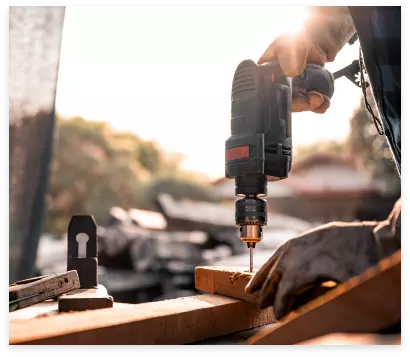
Gartengeräte

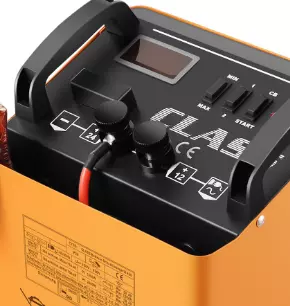
Lademöglichkeit

Bewässerungssysteme
Zusammenfassung
Unser Angebot an Steckdosenboxen für den Außenbereich ist vielfältig und umfangreich. Von modernen Designs bis hin zu klassischen Varianten bieten wir für jeden Geschmack die passende Lösung. Die Installation ist denkbar einfach und unkompliziert, sodass Sie Ihre neue Steckdose im Garten sofort in Betrieb nehmen können.
Was auch immer Sie für Ihren Außenbereich benötigen, wir haben es sofort verfügbar. Dank unseres schnellen Versands können Sie Ihre Bestellung in kürzester Zeit in Empfang nehmen und Ihren Garten mit moderner Technik ausstatten.