





















































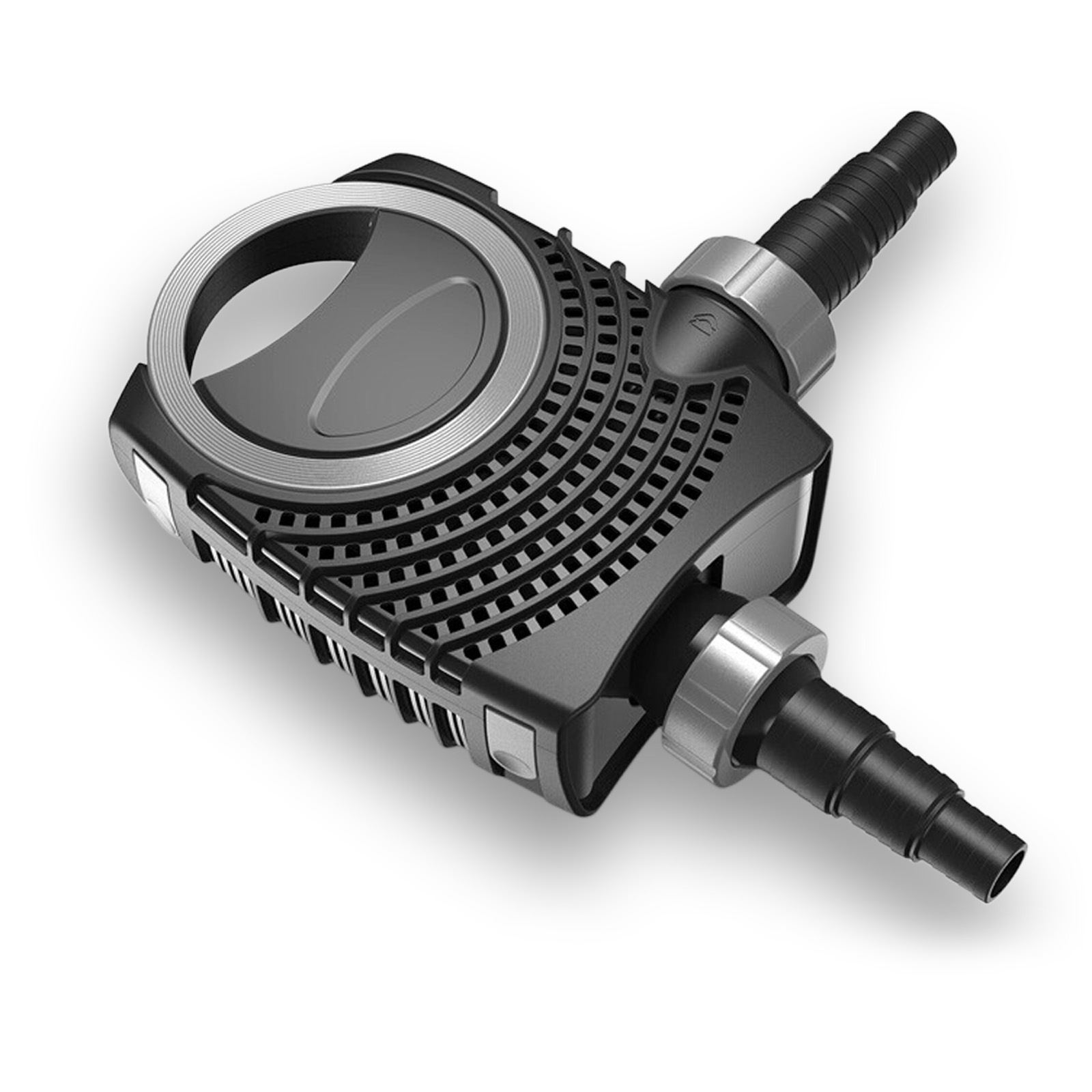
Pond Pumps: Essential for a Healthy and Vibrant Pond Ecosystem
Pond pumps are a crucial element in maintaining the overall health and clarity of your pond. Whether you're running a small decorative pond, a koi pond, or a large water feature, a pond pump ensures continuous water circulation. This movement of water not only helps keep the water clear but also helps oxygenate it, which is vital for aquatic life, including fish, plants, and beneficial bacteria.
The primary function of a pond pump is to circulate water through a filtration system. The filtered water helps remove debris, excess nutrients, and waste, which can otherwise contribute to algae blooms and poor water quality. By maintaining constant movement, pond pumps prevent stagnation and the buildup of harmful substances. Additionally, they can support a waterfall, fountain, or stream in your pond, which adds aesthetic value and improves aeration.
Choosing the right pond pump is essential for ensuring it suits your pond's needs. Factors like the size of the pond, water volume, and flow requirements for additional features (e.g., waterfalls or fountains) all influence the ideal pump size. Energy efficiency is also a consideration, as pumps that run continuously can use significant amounts of electricity. Thankfully, modern pond pumps are designed to be more energy-efficient, with solar-powered options gaining popularity for their eco-friendly benefits. By understanding your pond's requirements, you can select a pump that ensures optimal performance while keeping energy consumption low.

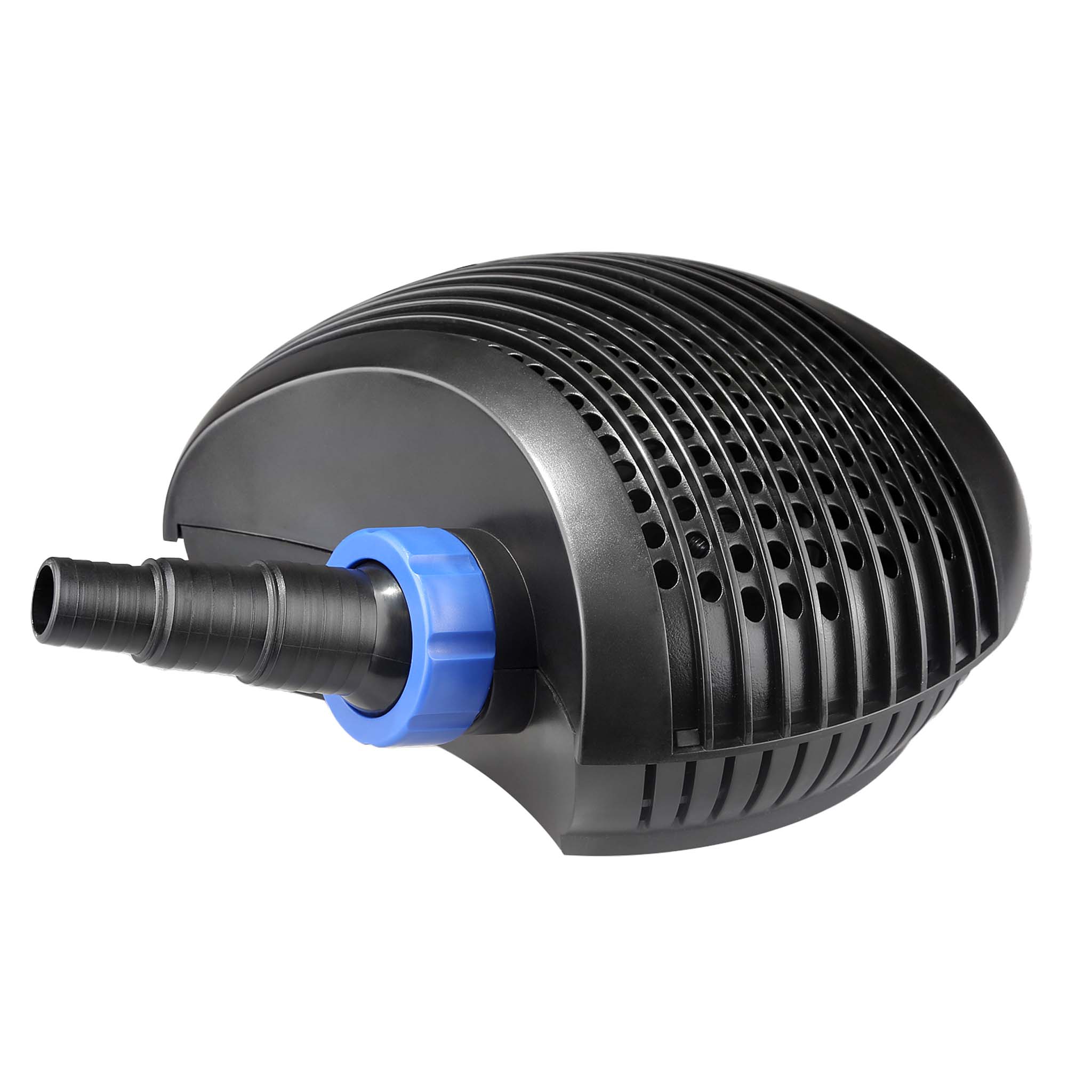
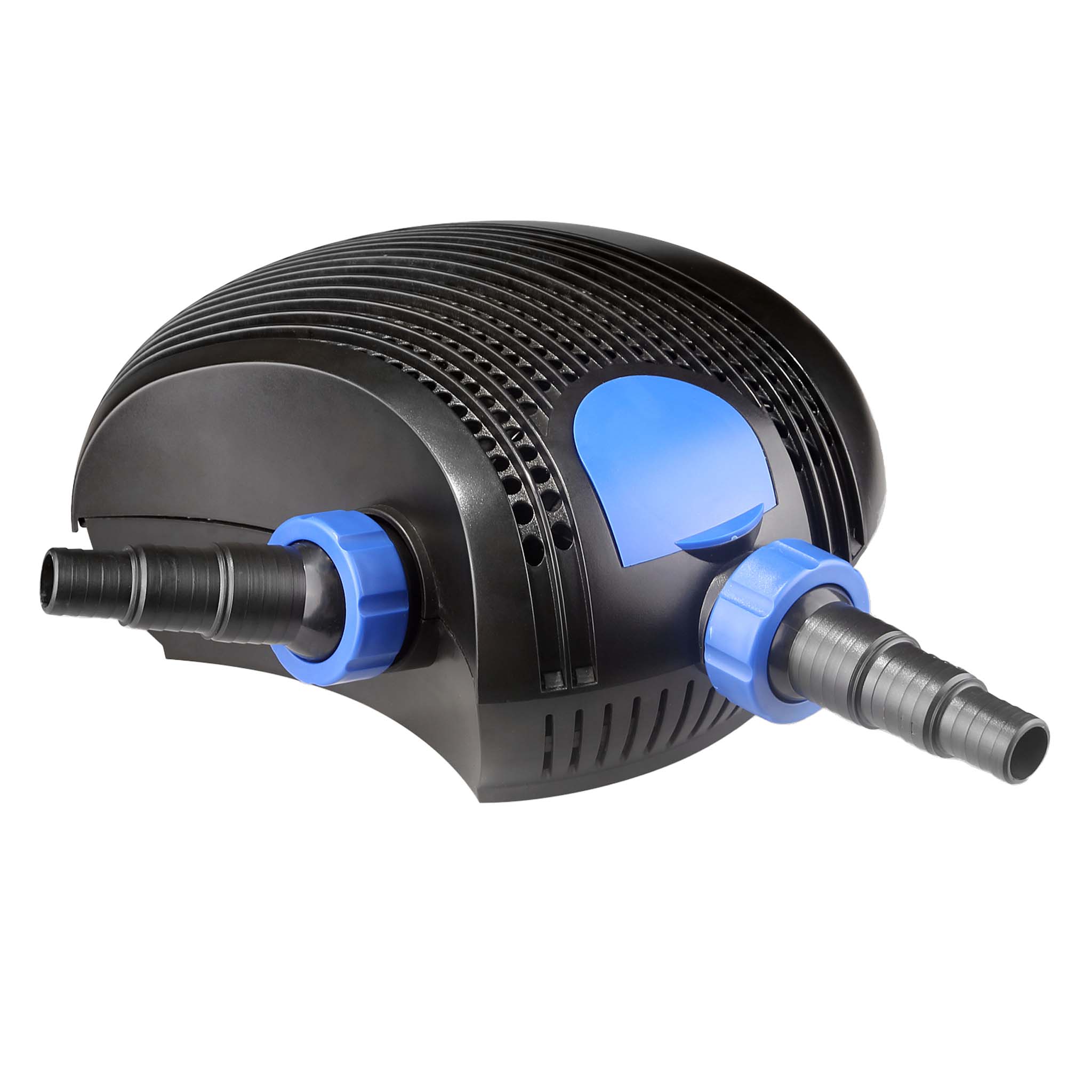
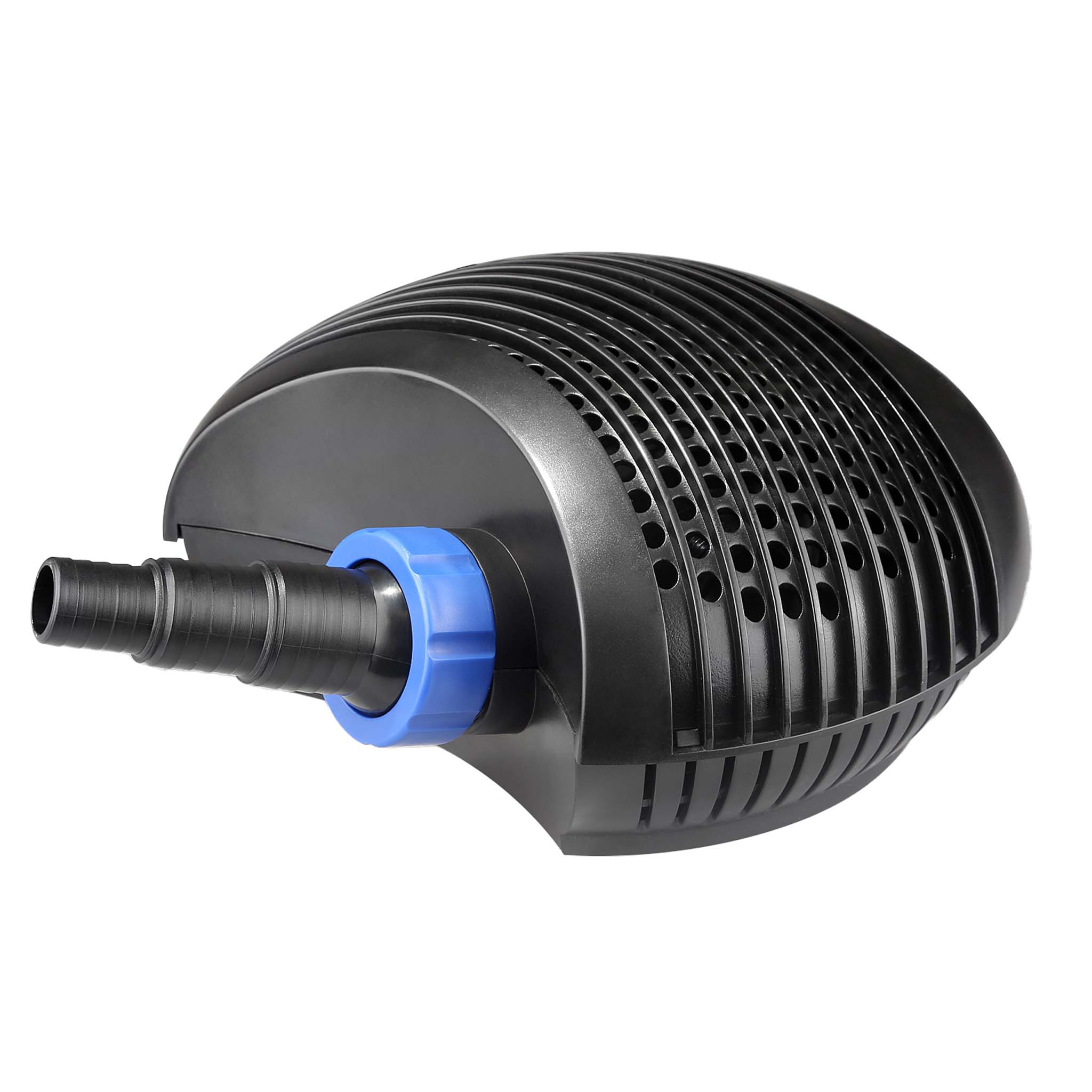
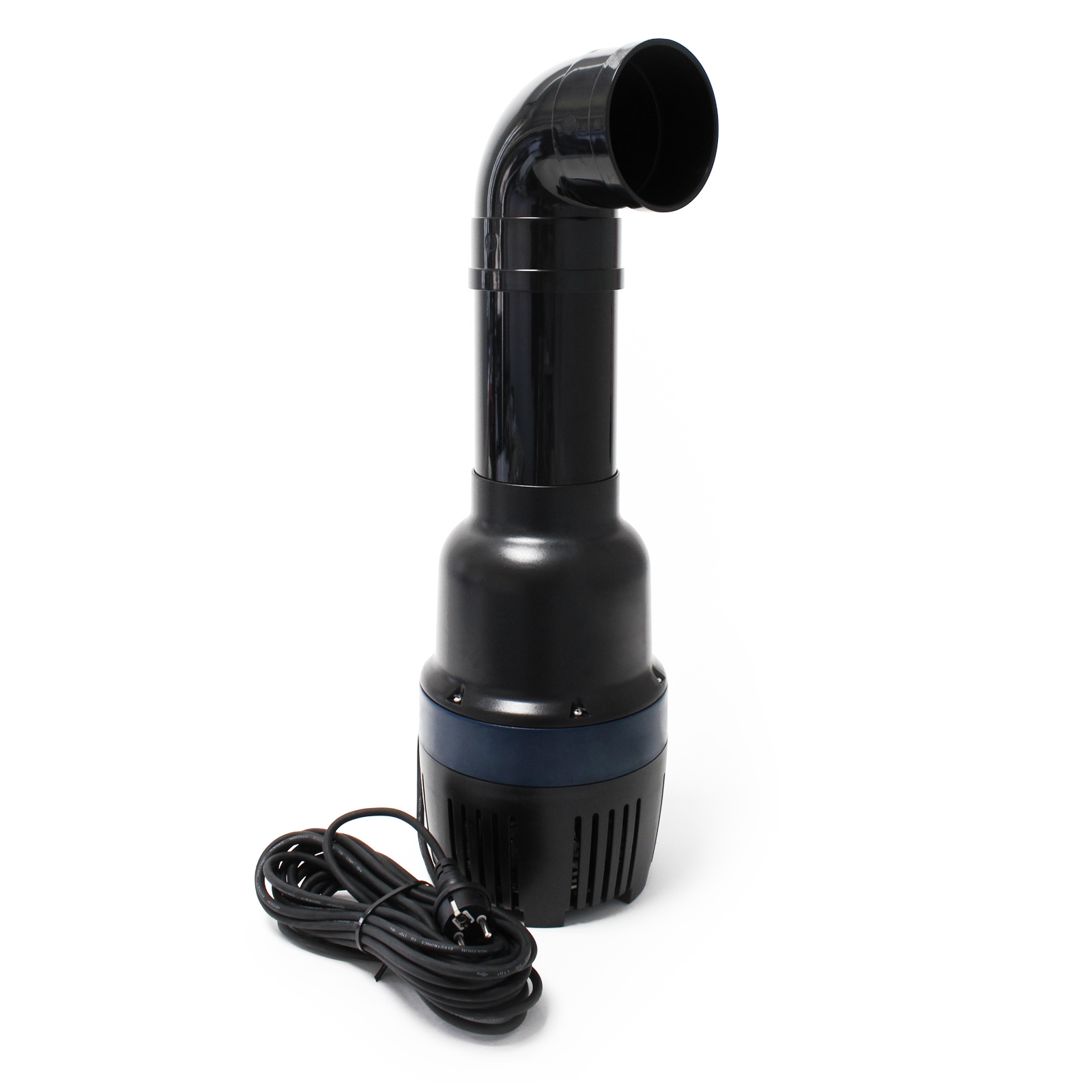
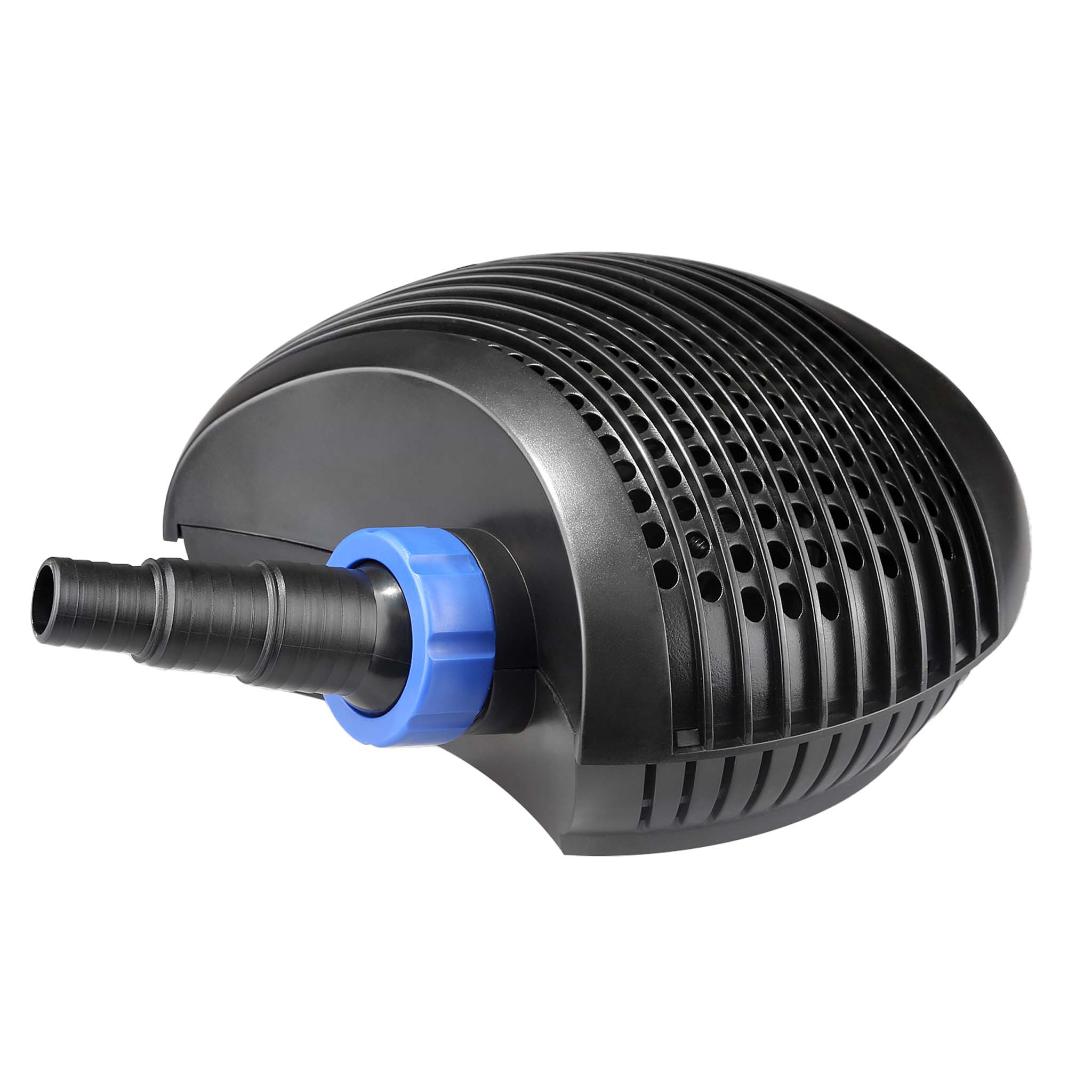
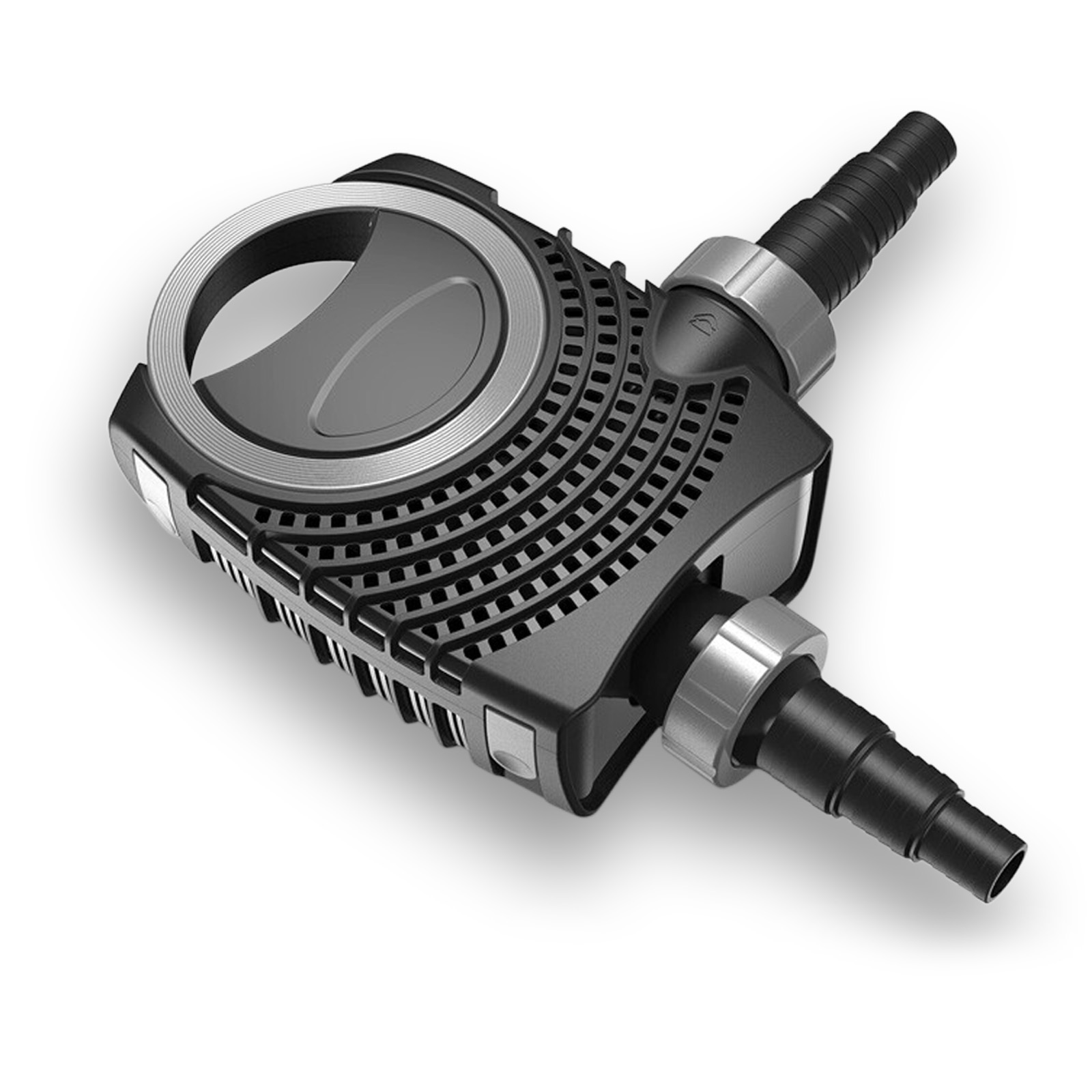
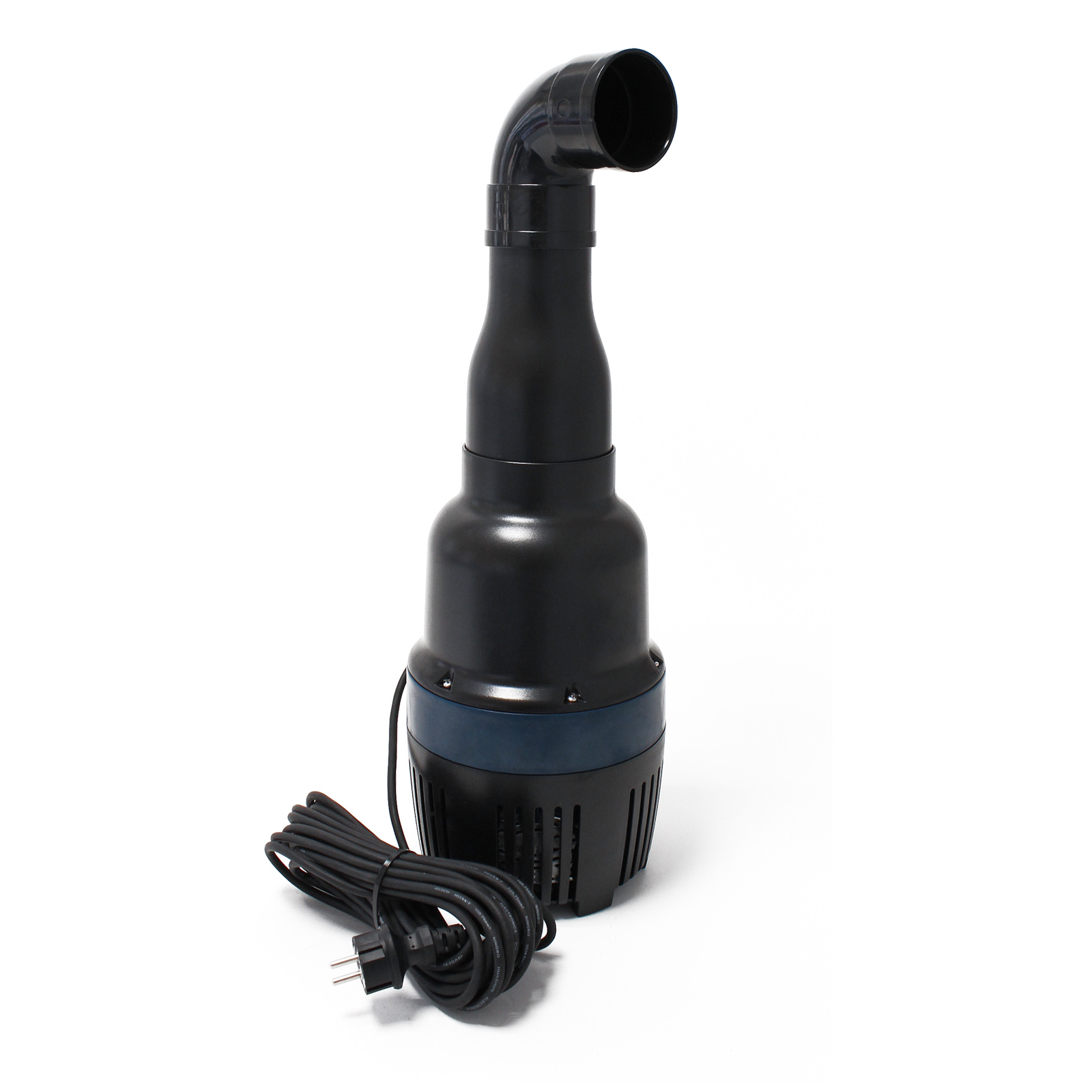
SunSun CTF-16000 SuperECO Stream Pump Filter Pump
For larger ponds and water features, the SunSun CTF-16000 SuperECO stream pump is an excellent choice. This high-performance pump has a flow rate of 16,000 liters per hour, making it suitable for large koi ponds or other expansive water features. It is designed to circulate water efficiently, ensuring that debris is removed and water quality remains high. One of its standout features is the low energy consumption, as it uses only 140 watts of power, despite its high flow rate.
The SunSun CTF-16000 is a versatile pump that can function both as a stream pump and as a filter pump, making it ideal for use in ponds that require both circulation and filtration. This dual functionality reduces the need for multiple pumps, saving space and cost. The SuperECO technology used in this pump ensures that it operates quietly, contributing to a peaceful pond environment without unwanted noise disturbances.
In addition to its performance and efficiency, the SunSun CTF-16000 is also known for its durability and ease of maintenance. Its user-friendly design makes cleaning and upkeep simple, ensuring that the pump operates smoothly over time. Whether you're running a large fish pond, koi pond, or a waterfall feature, this pump will provide reliable and efficient water circulation, contributing to a healthy aquatic environment.
Pond pumps are used in a wide range of pond environments, each with specific needs and challenges. In koi ponds, for example, pond pumps play a vital role in maintaining water quality and oxygen levels, which is crucial for the health of the fish. The pump ensures that the water is constantly circulated through a filtration system, preventing the buildup of toxins and waste that can harm the fish. By keeping the water moving, the pump helps maintain a clean and safe environment for koi and other aquatic species.
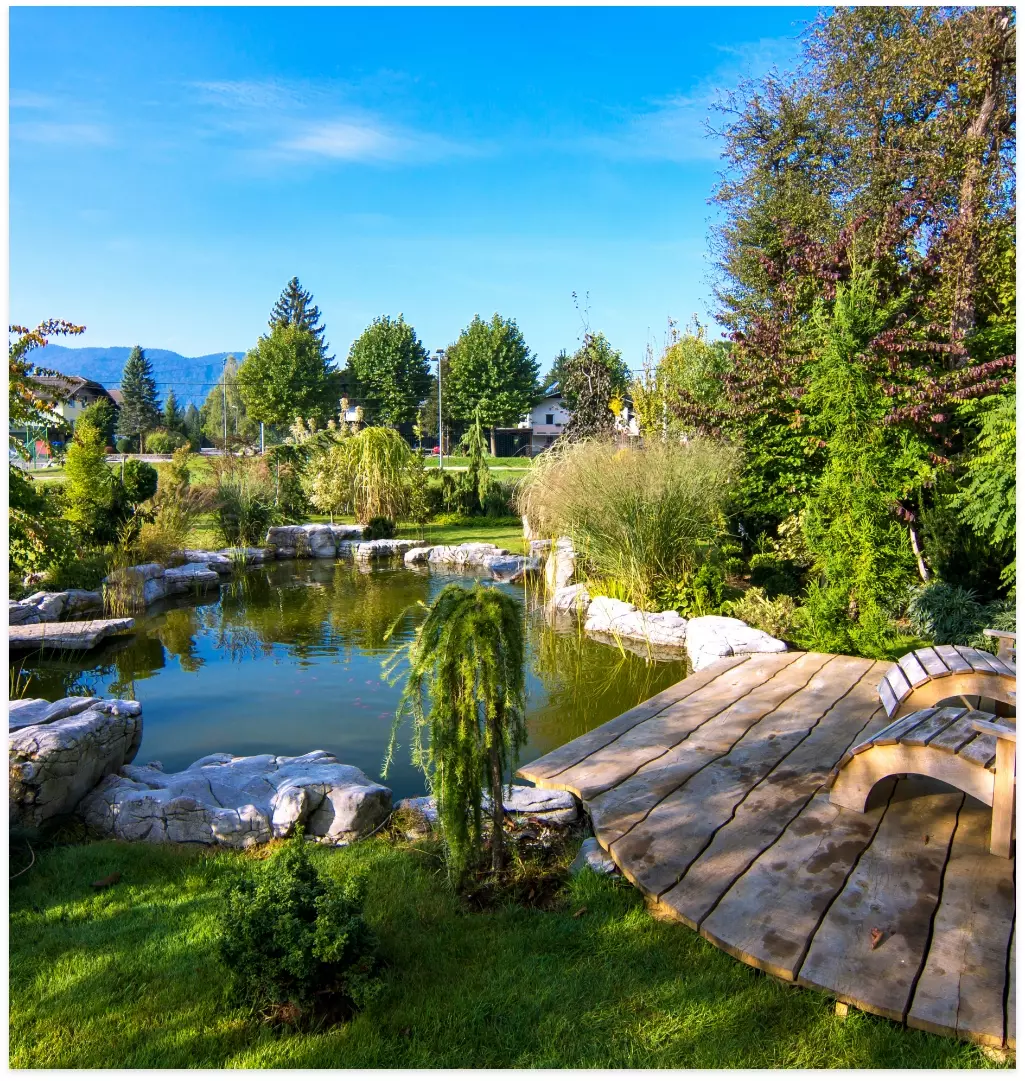
For ornamental ponds and water gardens, pond pumps are essential for creating attractive water features such as fountains, streams, and waterfalls. The constant movement of water not only adds visual appeal but also helps oxygenate the pond, benefiting both plants and animals.
In larger ponds with waterfalls or streams, the pump ensures that the water flows smoothly, preventing stagnation and keeping the pond's ecosystem healthy.
Additionally, pond pumps are often used in conjunction with pond filters to ensure optimal water quality. The pump circulates the water through the filter, removing debris, dirt, and other contaminants. For ponds with specific challenges, such as algae buildup, a pump can help ensure that water circulation is sufficient to keep the pond clear. In these cases, selecting a pump with the right capacity for your pond's size is essential for achieving the desired results.
Are Solar-Powered Pond Pumps Any Good?
Solar-powered pond pumps are increasingly popular due to their eco-friendly nature and cost-saving potential. These pumps operate by harnessing the energy from the sun to power the water circulation system in the pond. Solar pond pumps are ideal for small to medium-sized ponds that receive plenty of sunlight throughout the day, as they rely entirely on solar energy to function. One of the main benefits of solar-powered pumps is that they don’t incur electricity costs, making them an excellent choice for those looking to reduce their energy consumption.
However, there are some considerations to keep in mind when using solar-powered pumps. The effectiveness of these pumps can vary depending on the amount of sunlight available in your location. On cloudy or overcast days, solar-powered pumps may not work at full capacity, and you might need to rely on battery storage or backup power sources to maintain water circulation. While this limitation exists, solar pond pumps remain an attractive option for eco-conscious pond owners who want to minimize their environmental impact and reduce their ongoing energy costs.
Solar-powered pumps are generally best suited for smaller ponds or decorative water features where the flow rate demands are lower. They are also ideal for eco-friendly gardens or naturalistic pond setups where the use of renewable energy is a priority. When choosing a solar-powered pond pump, it is important to consider the amount of sunlight your pond receives throughout the day and the specific flow rate required for your water feature.
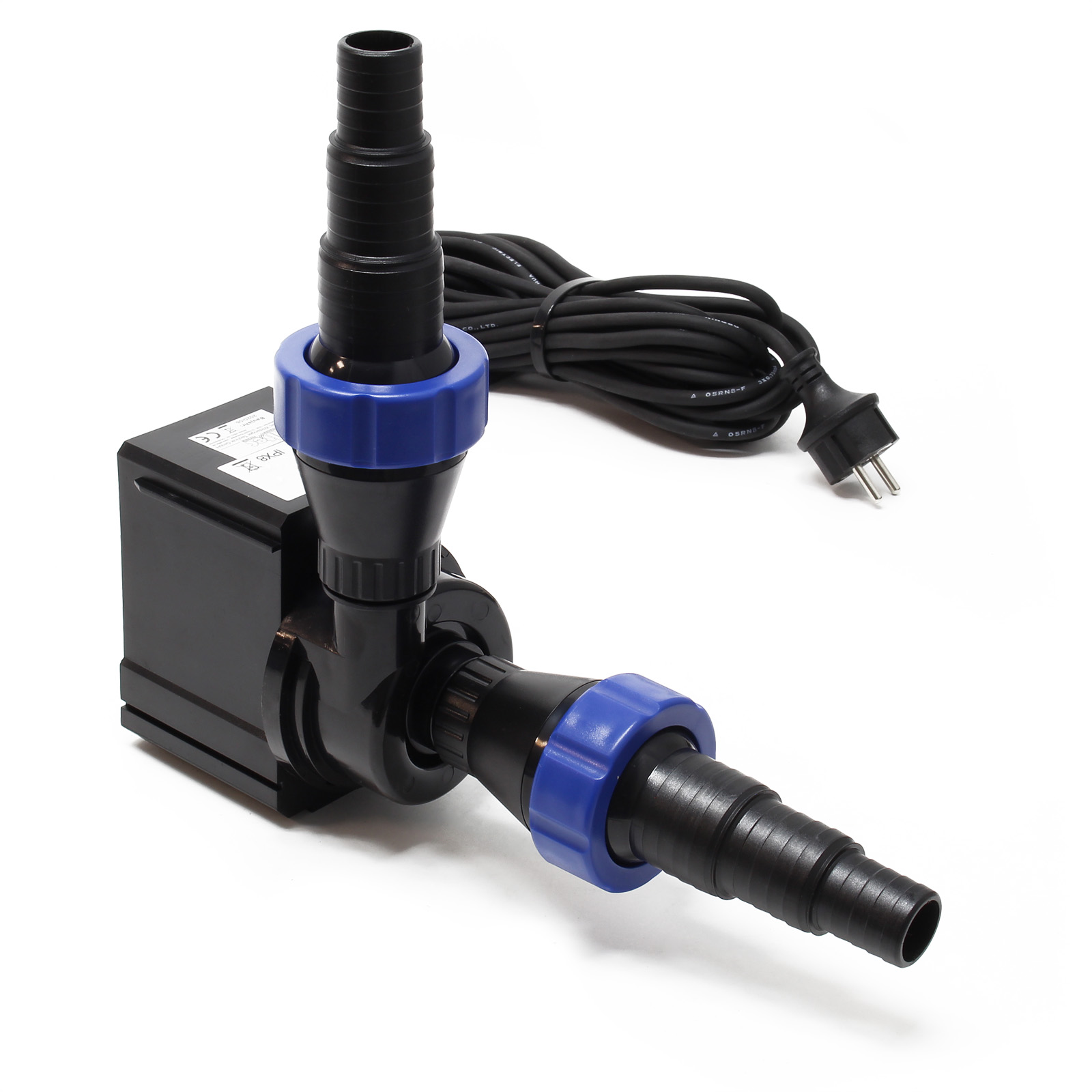
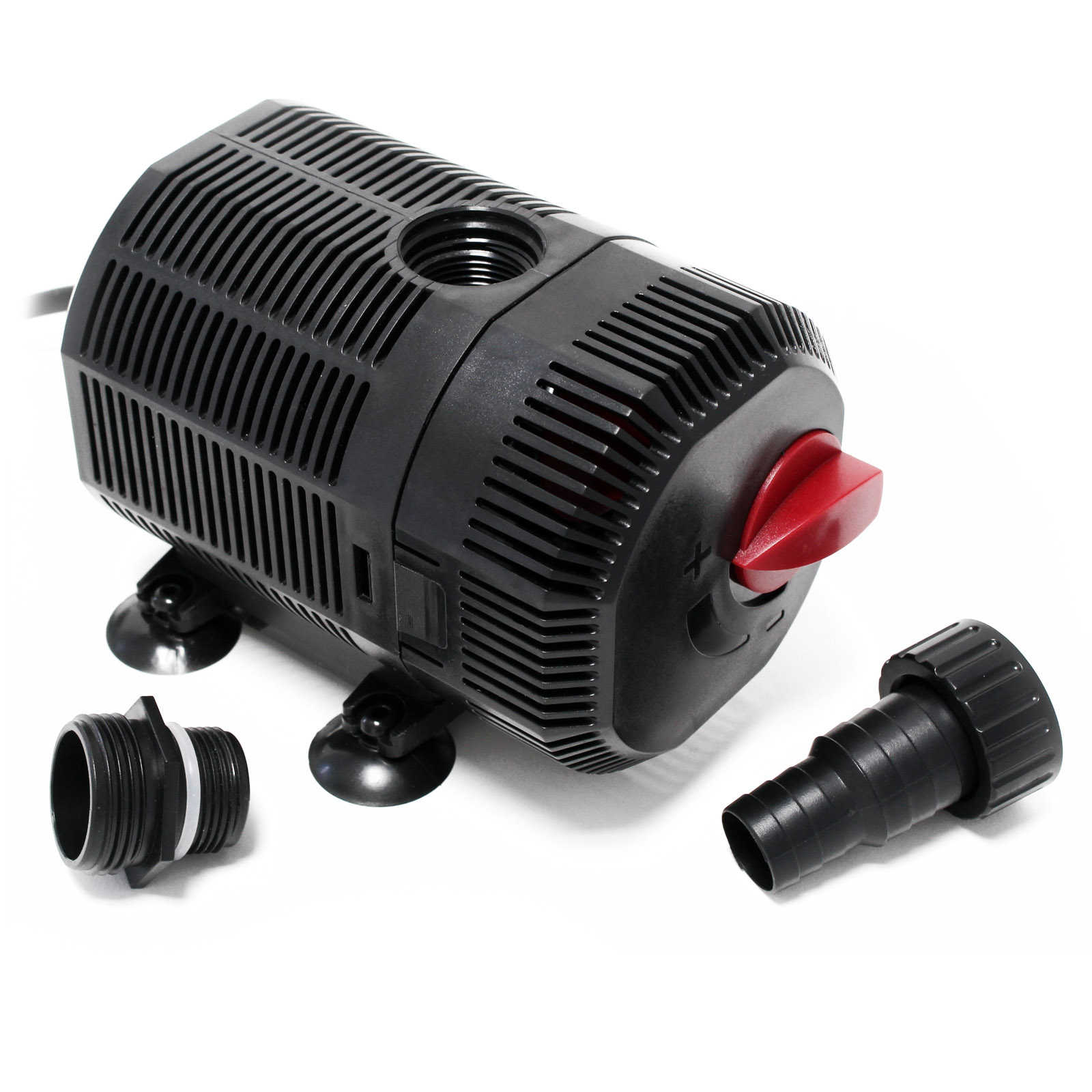
SunSun 3000l/h10W SuperEco Fish Pond Pump Submersible Filter Pump
The SunSun 3000l/h10W SuperEco fish pond pump is an excellent option for smaller ponds or decorative water features. This submersible filter pump offers a flow rate of 3,000 liters per hour while consuming only 10 watts of power, making it highly energy-efficient. This pump is particularly useful for ponds that house fish, as it helps to maintain proper water circulation and ensures that harmful waste and debris are filtered out, promoting a healthy aquatic environment.
One of the key features of this pump is its compact size, which allows it to fit into smaller ponds or tight spaces. Despite its small size, it delivers a high level of performance, making it ideal for ponds that require moderate water flow. The pump is also designed for easy installation and maintenance, ensuring that pond owners can quickly set it up and keep it running smoothly over time.
This pump is also suitable for use in smaller water features, such as fountains or small waterfalls, where energy efficiency and space-saving design are essential. Its durability and low power consumption make it an excellent choice for those looking to maintain a healthy pond without significantly increasing energy costs.
Does a Pond Pump Use a Lot of Electricity?
The amount of electricity consumed by a pond pump depends largely on its size, flow rate, and type. Modern pond pumps are designed to be more energy-efficient, and many models consume relatively low amounts of electricity compared to older versions. For smaller ponds, submersible pumps with lower flow rates generally consume less power, making them a good option for energy-conscious homeowners. For larger ponds or features like waterfalls, more powerful pumps may be necessary, which could result in higher energy consumption.
Solar-powered pond pumps are the most energy-efficient option, as they rely on solar energy rather than electricity to operate. These pumps are an ideal solution for small to medium-sized ponds where constant water circulation is needed, and they offer the added benefit of eliminating electricity bills entirely. However, the efficiency of solar-powered pumps can depend on the amount of sunlight available in your area, which can affect their performance during cloudy or overcast conditions.
When choosing a pond pump, it’s important to consider both the size of your pond and the desired flow rate. By selecting a pump that matches your pond's needs, you can ensure that it runs efficiently without consuming excessive amounts of electricity. In general, investing in energy-efficient pond pumps can help keep your pond's operating costs low while maintaining a healthy aquatic environment.

Is a Pond Pump Necessary for Fish Ponds?
For fish ponds, a pond pump is essential to maintaining water quality and the overall health of the fish. Fish produce waste, and without a pump to circulate the water, harmful toxins and excess nutrients can accumulate, leading to poor water quality and unhealthy conditions for the fish. A pump ensures that the water in the pond remains constantly in motion, preventing stagnation and reducing the risk of algae blooms and the growth of harmful bacteria.
In addition to circulating the water, pond pumps are often used in conjunction with filtration systems. The pump circulates the water through the filter, which removes debris, excess nutrients, and other contaminants. This helps keep the pond clean and clear, creating a healthier environment for fish to thrive. Without a pump, the filtration process would be inefficient, and the pond would likely become polluted over time.
While it is possible to have a fish pond without a pump, doing so would require frequent water changes and close monitoring of water quality. A pond pump is a valuable tool for ensuring the long-term health and stability of the pond, and it is highly recommended for any pond that houses fish.
What Size Pump Do I Need for My Pond and Waterfall?
Choosing the right size pump for your pond and waterfall is essential to maintaining a healthy and visually appealing water feature. The size of the pump determines the water flow rate, which directly affects the circulation, oxygenation, and clarity of the water. For a pond with a waterfall, the flow rate of the pump should be sufficient to handle the volume of water in both the pond and the waterfall.
For small to medium-sized ponds, a pump with a flow rate of 2,000 to 5,000 liters per hour is typically sufficient. If your pond is larger or has additional features like multiple waterfalls or streams, you may need a more powerful pump with a flow rate of 8,000 to 15,000 liters per hour. It’s also important to take into account the height of the waterfall. The taller the waterfall, the stronger the pump needs to be to push water to the top and maintain a steady flow.
Additionally, consider the energy efficiency of the pump. Opting for an energy-efficient pump will help you manage electricity costs, especially if your pond and waterfall need to run continuously. If you’re looking for an eco-friendly option, solar-powered pumps are available for smaller ponds, which can provide adequate flow while using no electricity.
Ultimately, selecting the correct pump size is critical for ensuring proper water circulation and the smooth operation of your pond and waterfall system. Always check the specifications of your pump to match it with the needs of your pond, considering both the flow rate and the power consumption.

How Many Hours a Day Should I Run My Pond Pump?
For most ponds, it's recommended to run the pond pump continuously, 24 hours a day. Constant circulation of the water ensures that oxygen levels remain stable and that the pond stays free of stagnant water, which can encourage the growth of harmful bacteria and algae. In koi ponds and other fish ponds, constant water circulation is essential for maintaining healthy water quality and ensuring that the fish thrive in a clean, oxygenated environment.
However, the specific needs of your pond may vary. For example, smaller ponds or those without fish may not need a pump to run as frequently. In some cases, you can opt for a timer to cycle the pump on and off, especially if you're using a solar-powered pump, which may only be effective during sunlight hours.
For water features such as fountains or waterfalls, the pump should also run constantly to keep water flowing and to prevent stagnation. In summary, a 24-hour pump operation is typically ideal for most pond setups, but adjusting the run time to suit your pond’s size and environment is possible.

Does a Pond Skimmer Need a Pump?
Yes, a pond skimmer typically requires a pump to function effectively. The skimmer works by drawing water through its intake and filtering out leaves, debris, and other floating particles from the surface of the pond. The pump helps facilitate the water flow needed for the skimmer to collect the debris, ensuring that your pond remains clean and free of floating contaminants.
Most pond skimmers are designed to be connected to a pump that can move a sufficient volume of water through the skimmer. Depending on the size of your pond, the skimmer pump should be powerful enough to allow for continuous removal of debris, which is particularly important for maintaining water clarity and quality. Without a pump, a skimmer would not be able to effectively remove debris or maintain proper water circulation.
By combining a pond skimmer with a suitable pump, you can significantly reduce the maintenance required for your pond and help ensure that your water feature remains clean and healthy. Many pond owners find that the addition of a skimmer pump helps to keep their pond looking pristine with minimal effort.

What Is the Life Expectancy of a Pond Pump?
The life expectancy of a pond pump typically ranges from 3 to 5 years, depending on factors such as the quality of the pump, its usage, and how well it is maintained. Higher-quality pumps tend to last longer and are designed to withstand the constant operation required in pond environments. Regular maintenance, such as cleaning the pump and checking for blockages, can extend its lifespan.
Factors that affect the longevity of a pond pump include the water quality, the amount of debris in the pond, and the pump's energy efficiency. Pumps used in ponds with heavy debris loads may require more frequent cleaning, while those in smaller, cleaner ponds may experience less wear and tear. Additionally, energy-efficient pumps with durable, high-quality materials are likely to last longer than less expensive, lower-quality models.
To ensure that your pond pump performs optimally over its lifespan, it’s essential to follow the manufacturer’s maintenance recommendations. Proper care and periodic checks can help you identify any issues early, extending the life of the pump and ensuring it continues to operate efficiently.
Summary of Pond Pumps Information
Pond pumps are an essential component for any pond, whether it’s a small decorative pond or a larger fish pond. They help to maintain water circulation, oxygenate the water, and keep the pond clean by removing debris. The right pump can contribute to the overall health of the pond by supporting filtration systems and preventing stagnant water, which can lead to algae growth and poor water quality.
Choosing the appropriate pump for your pond depends on several factors, such as the size of the pond, the flow rate required, and any additional features like waterfalls or fountains. For those seeking an eco-friendly option, solar-powered pond pumps offer a sustainable alternative, while traditional pumps are available in various sizes to meet different pond needs. Regular maintenance and proper pump selection will ensure that your pond remains a beautiful and thriving aquatic environment for years to come.
In summary, pond pumps are vital for keeping your pond ecosystem in balance. Whether you opt for an energy-efficient model or a solar-powered pump, selecting the right pump for your pond’s needs will help maintain clean, healthy water and create an inviting space for fish, plants, and other aquatic life.