
























































Pliers & Bolt Cutters
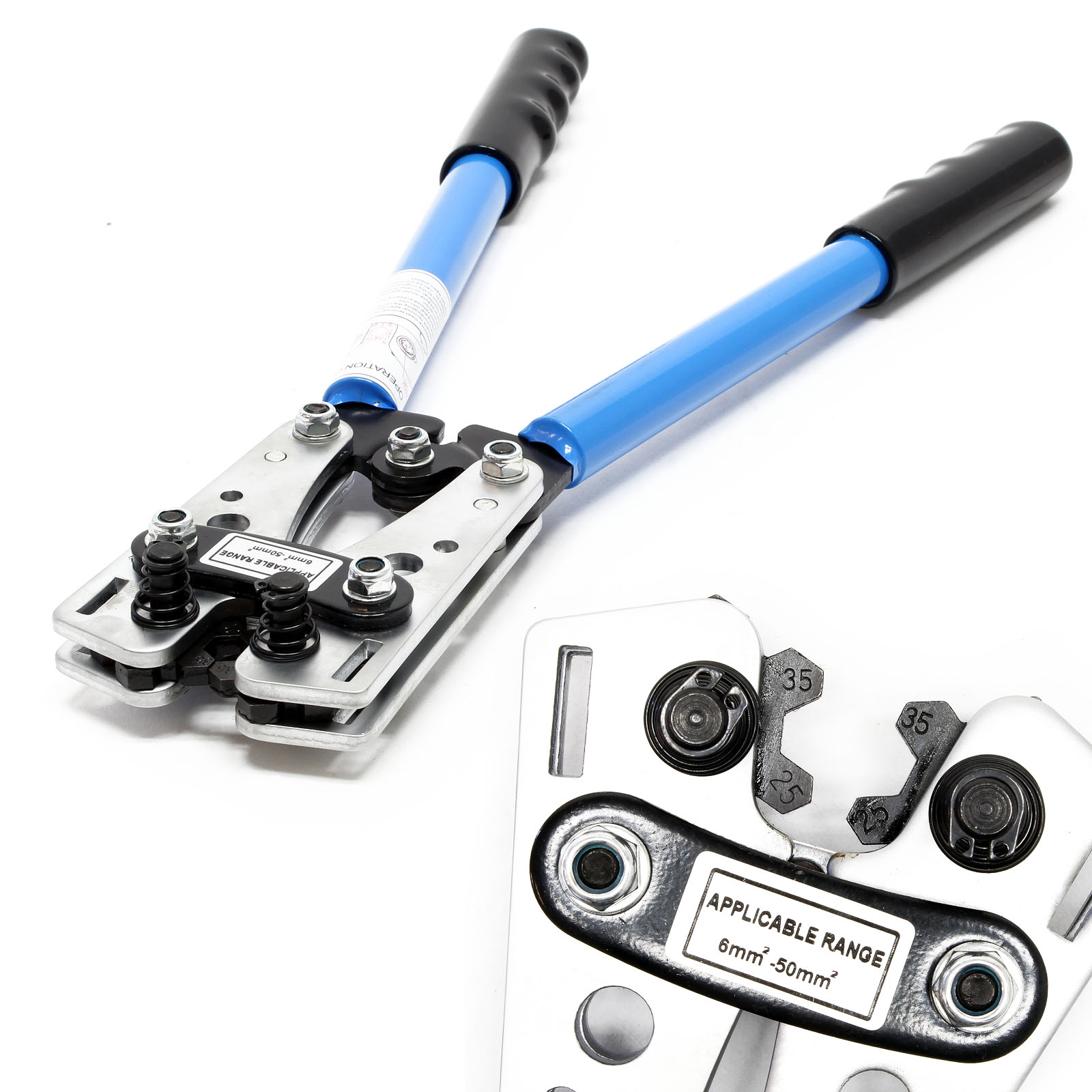
Available, delivery time: 2 - 3 days
• Integrated crimp dies
• 6/10/16/25/35/50 mm²
• Non-slip handle
• Dimensions: 39 x 12.5 x 4.5 cm
• Weight: 1.5 kg
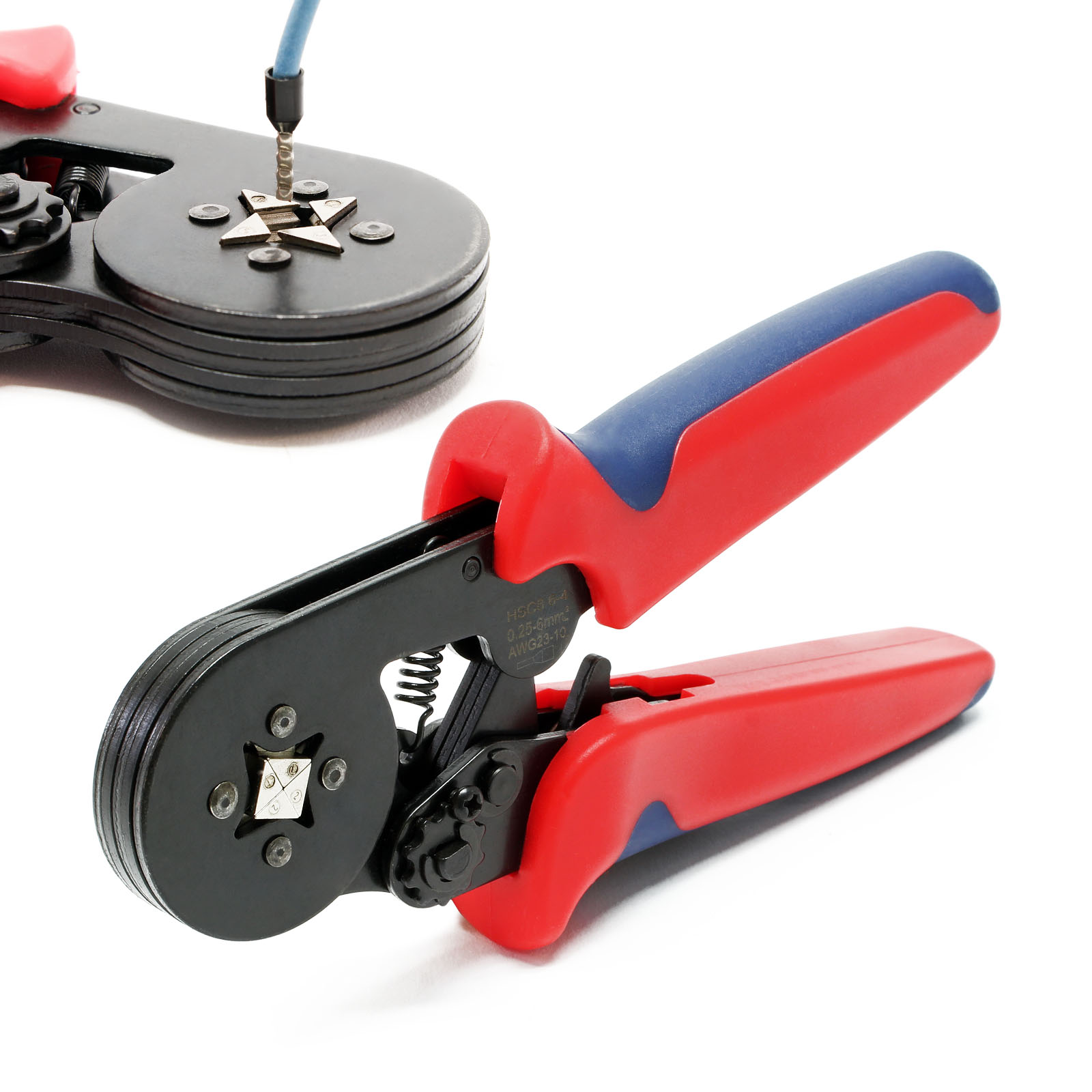
Available, delivery time: 2 - 3 days
• Side insertion of ferrules
• Diameter sleeve 0.25 – 6.0 mm (22 - 10 AWG)
• Durable steel spring
• Weight 0.43 kg
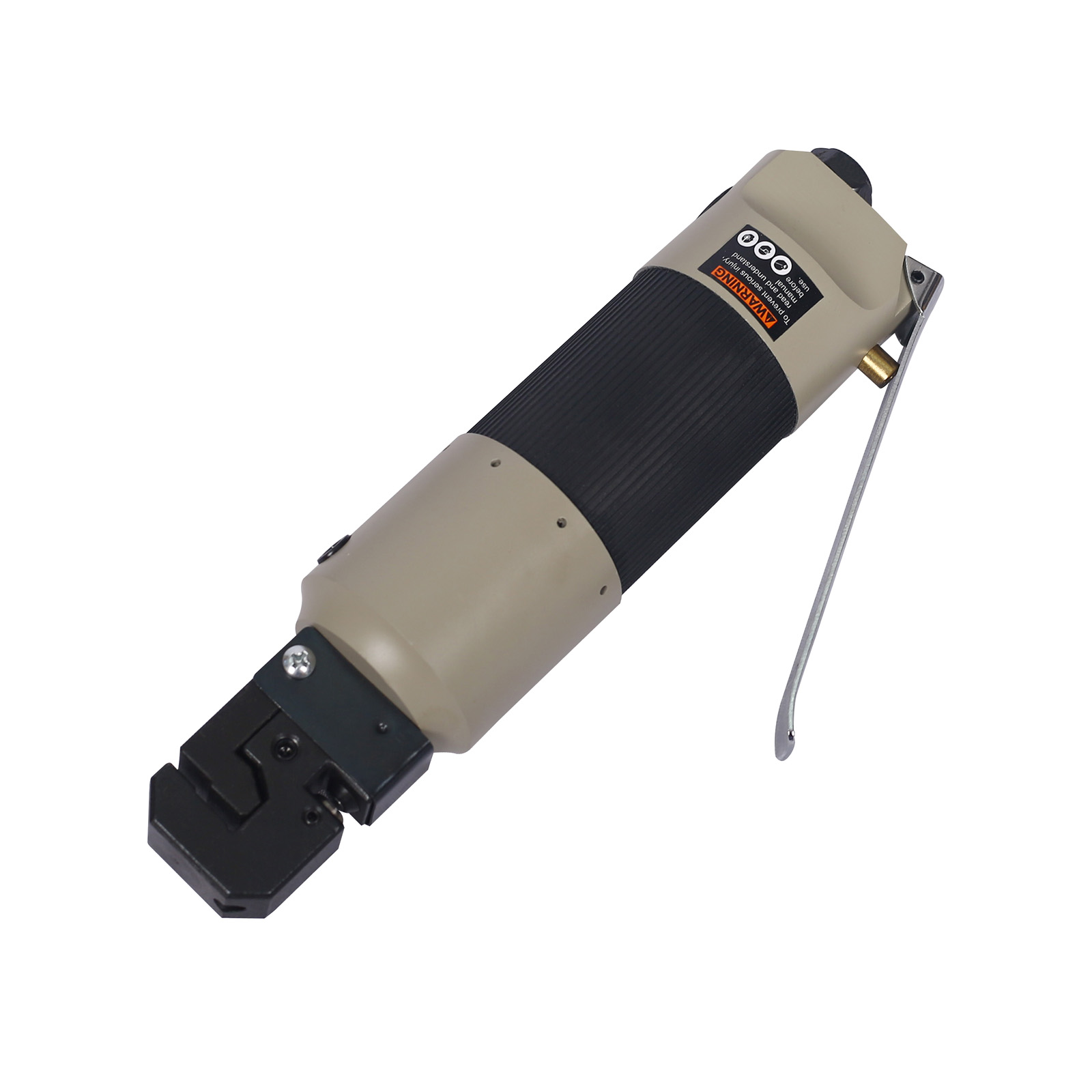
Available, delivery time: 2 - 3 days
• To punch rims and holes in sheet
• Rotary head for easy work in every angle
• No tool change necessary, thus reducing working time
• Pneumatic, thus minimising effort
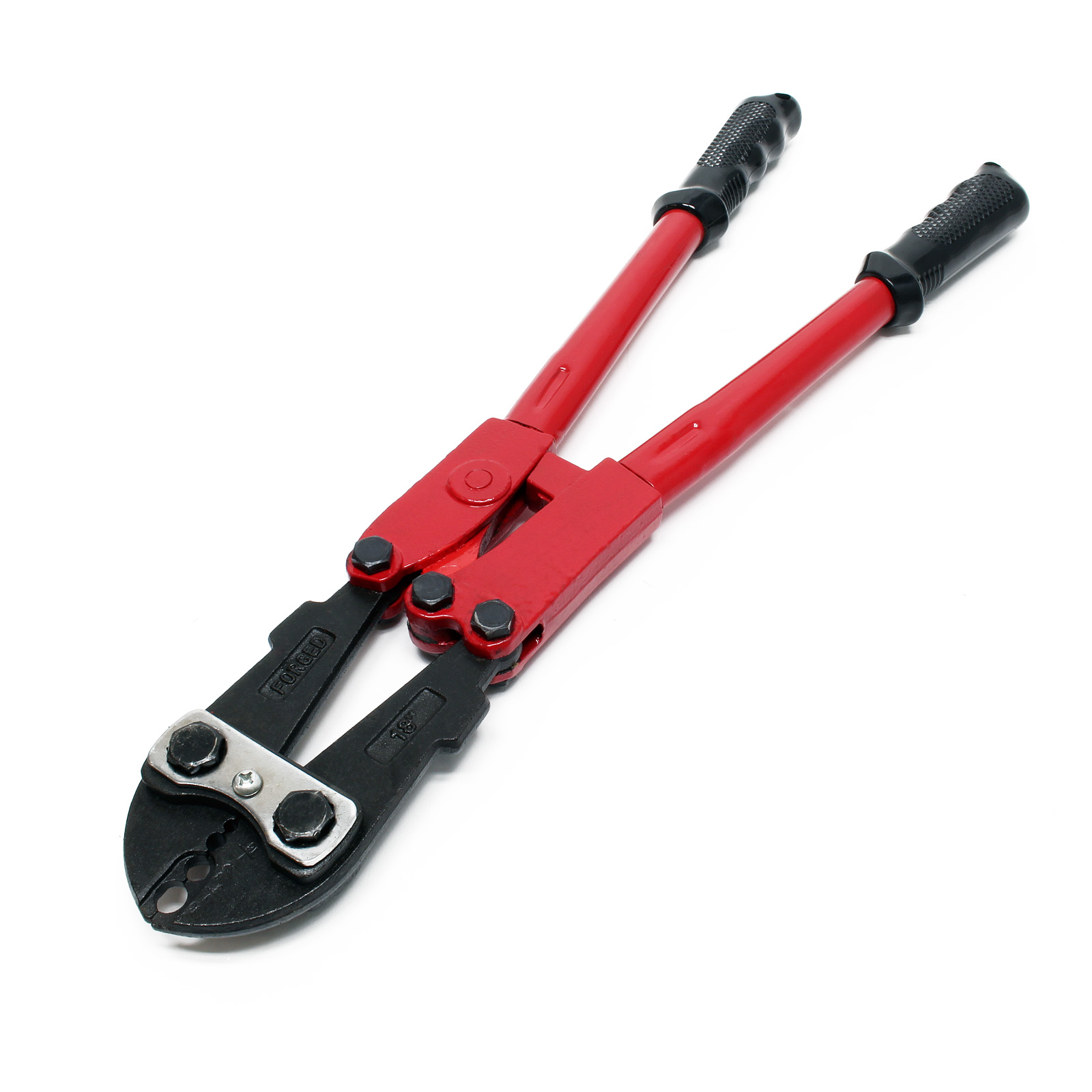
Available, delivery time: 2 - 3 days
• Length: 520 mm
• Weight: approx. 2.6kg
• For Ø: 2 / 3 / 4 / 5 mm
• Build-in cable cutter
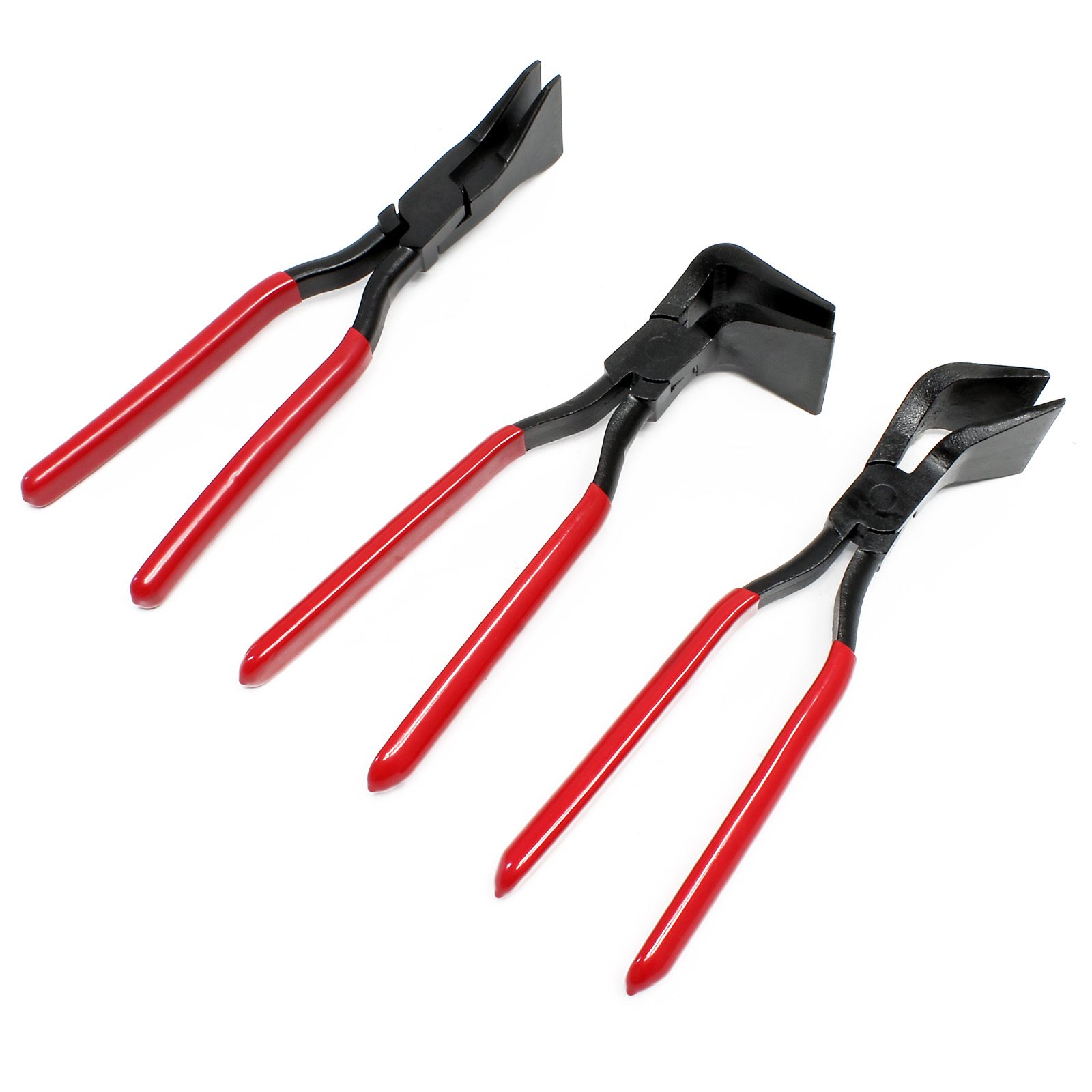
Available, delivery time: 2 - 3 days
• Opening width approx. 60 mm
• Range of opening approx. 75 mm
• Jaw width: 55 mm
• Quality tool for craftsmen & handymen
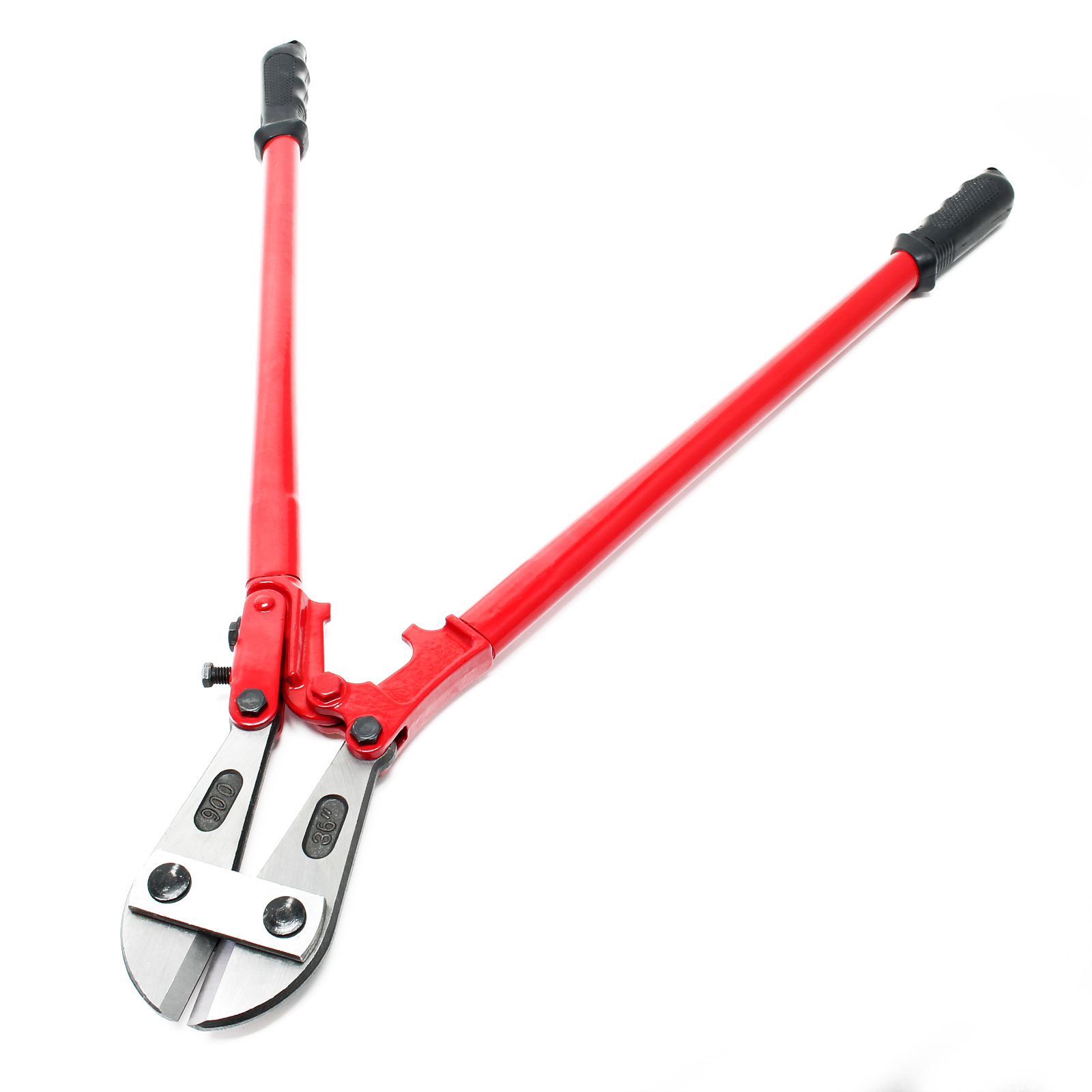
Available, delivery time: 2 - 3 days
• 900 mm long
• Hardness of ≤ 30 HRC
• Blades made of carbon steel
• Adjustable jaw width
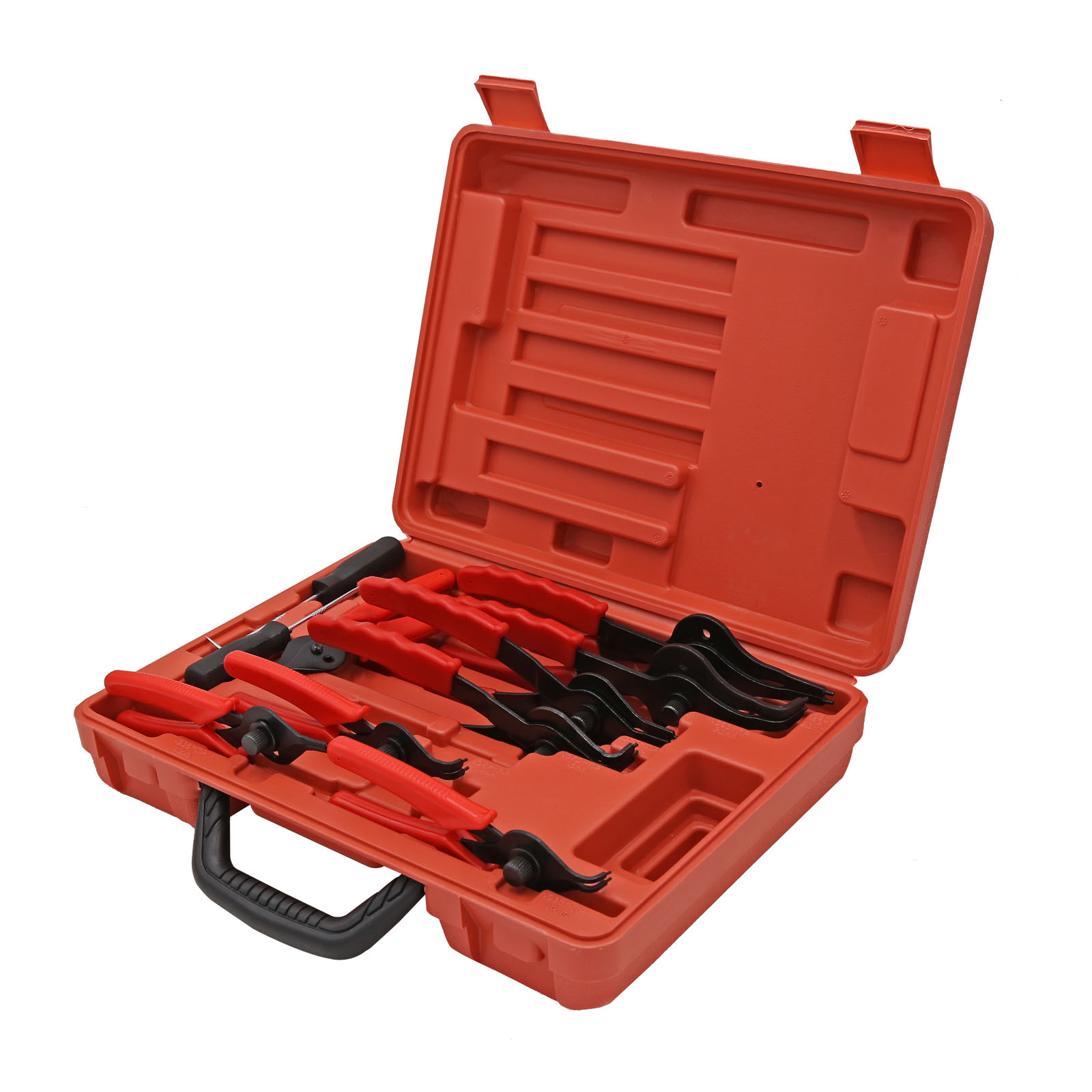
Available, delivery time: 2 - 3 days
• Angled/ straight tips
• For internal/ external rings
• Hardened steel
• Ergonomic vinyl handles
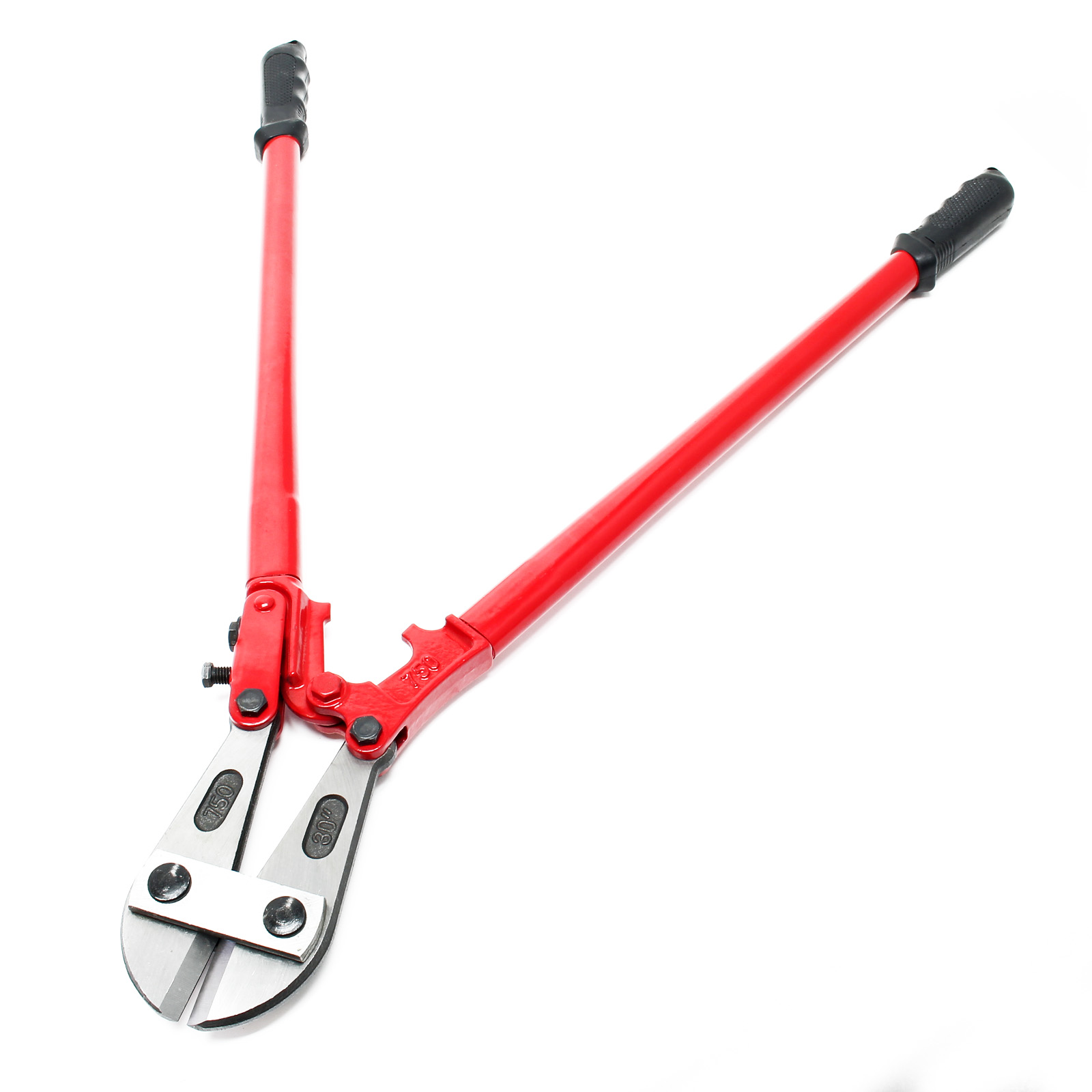
Available in 32 days, delivery time 2 - 3 days
• 750 mm long
• Hardness of ≤ 30 HRC
• Blades made of carbon steel
• Adjustable jaw width
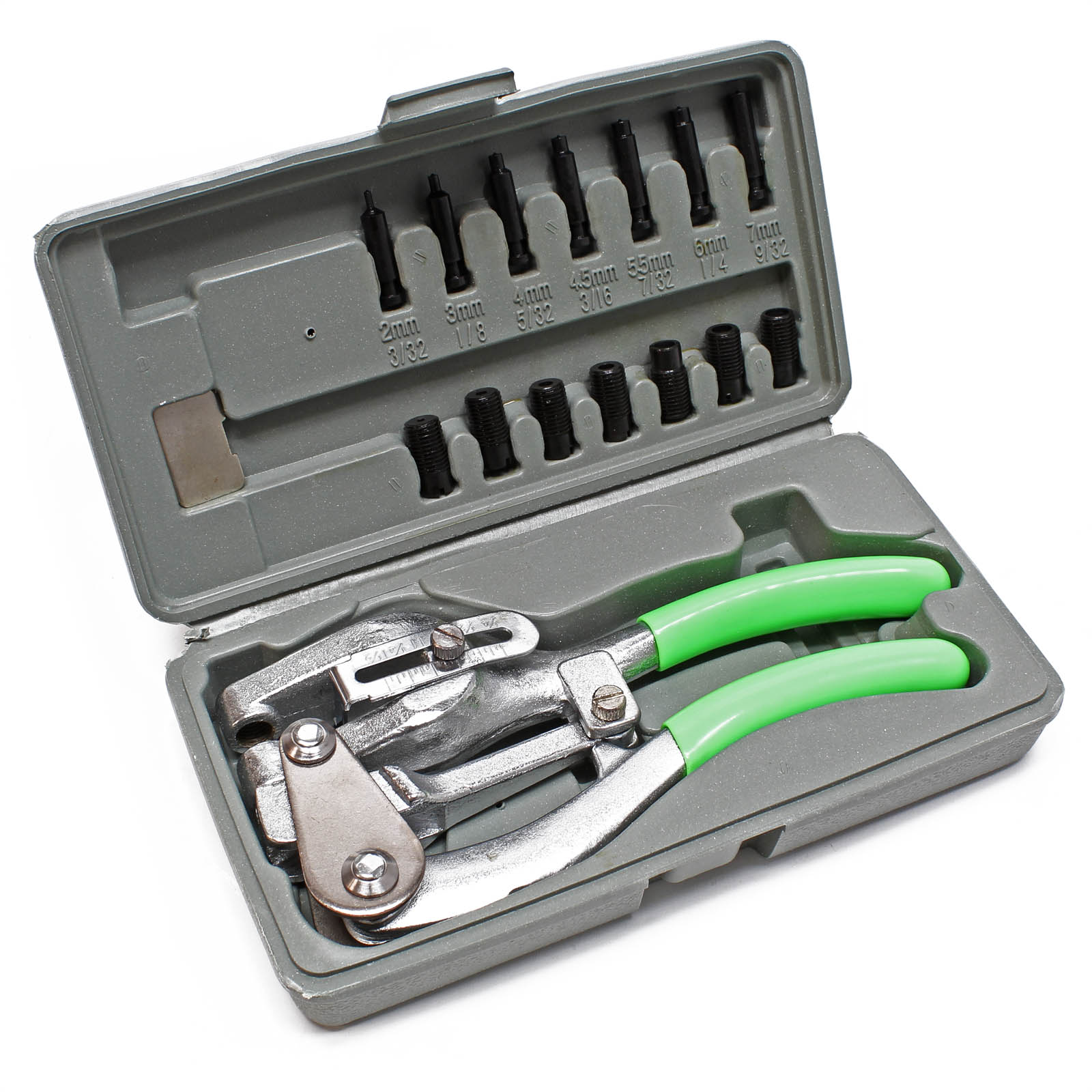
Available, delivery time: 2 - 3 days
• Maximum opening 7,5mm
• Recommended material thicknesses:
• Copper: 2 mm
• Steel & titanium zinc: 1.5 mm
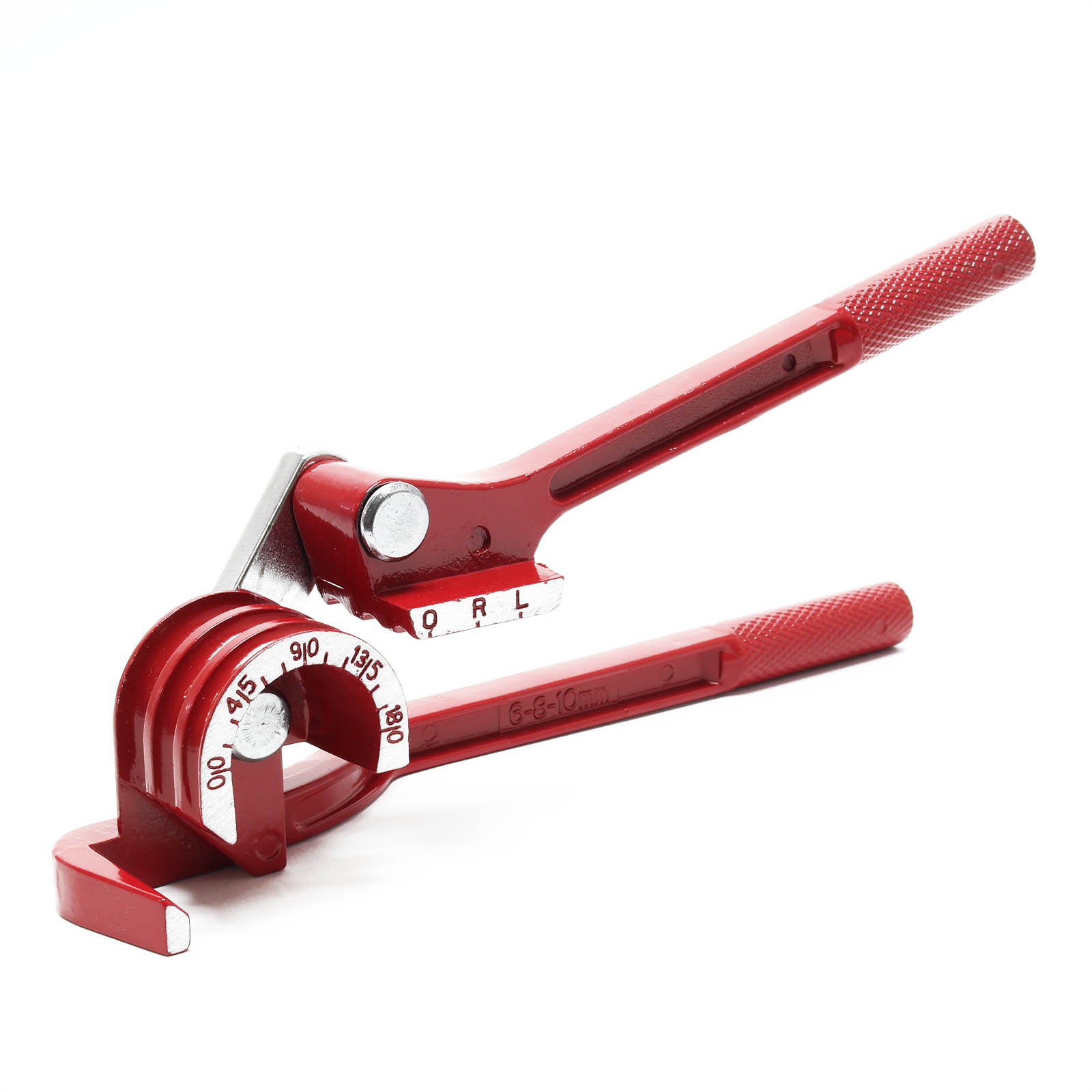
Available, delivery time: 2 - 3 days
• Material: aluminium with steel hinge
• Length: approx. 270 mm
• Weight: approx. 400 g
• With integrated goniometer (up to 180°)
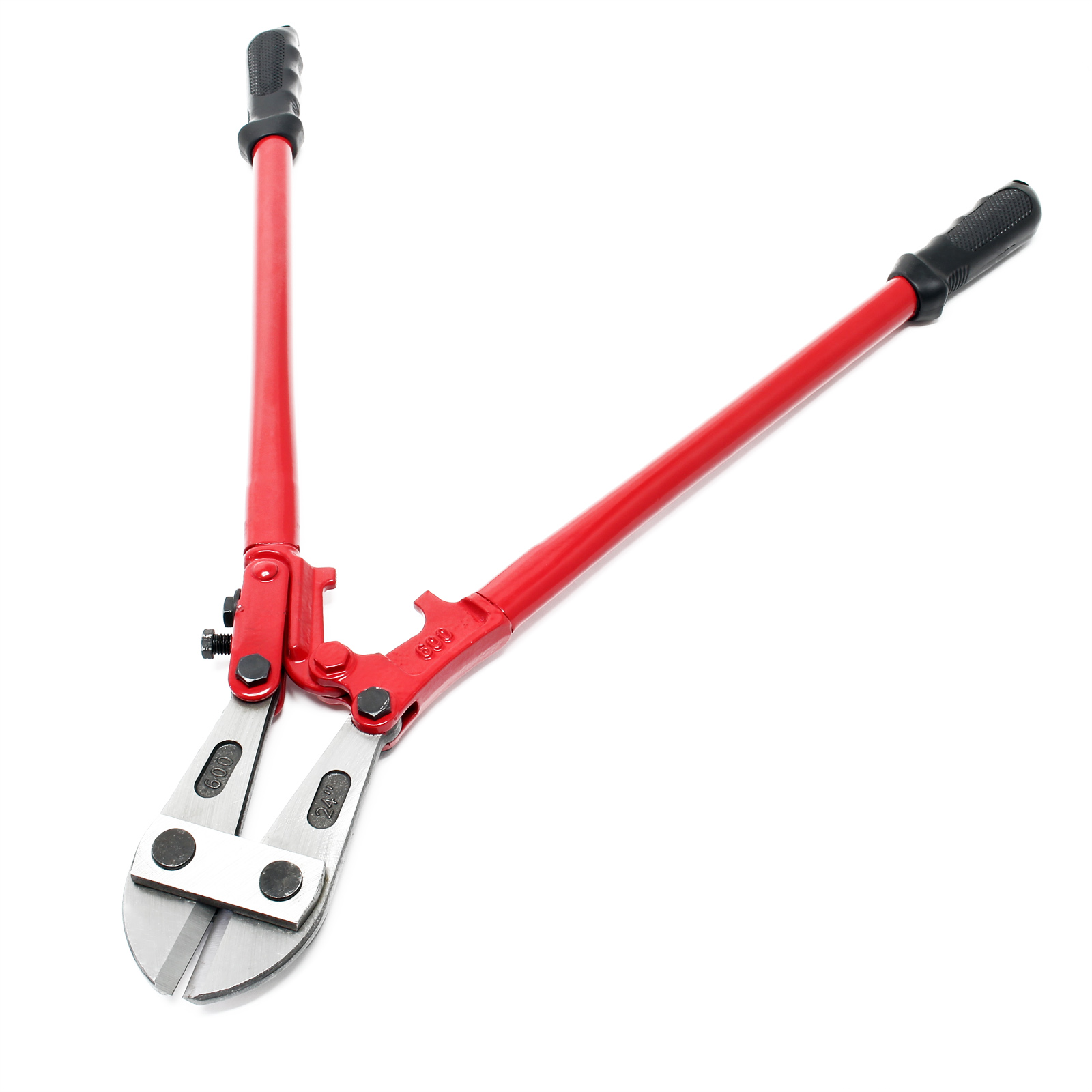
Available, delivery time: 2 - 3 days
• 600 mm long
• Hardness of ≤ 30 HRC
• Blades made of carbon steel
• Adjustable jaw width
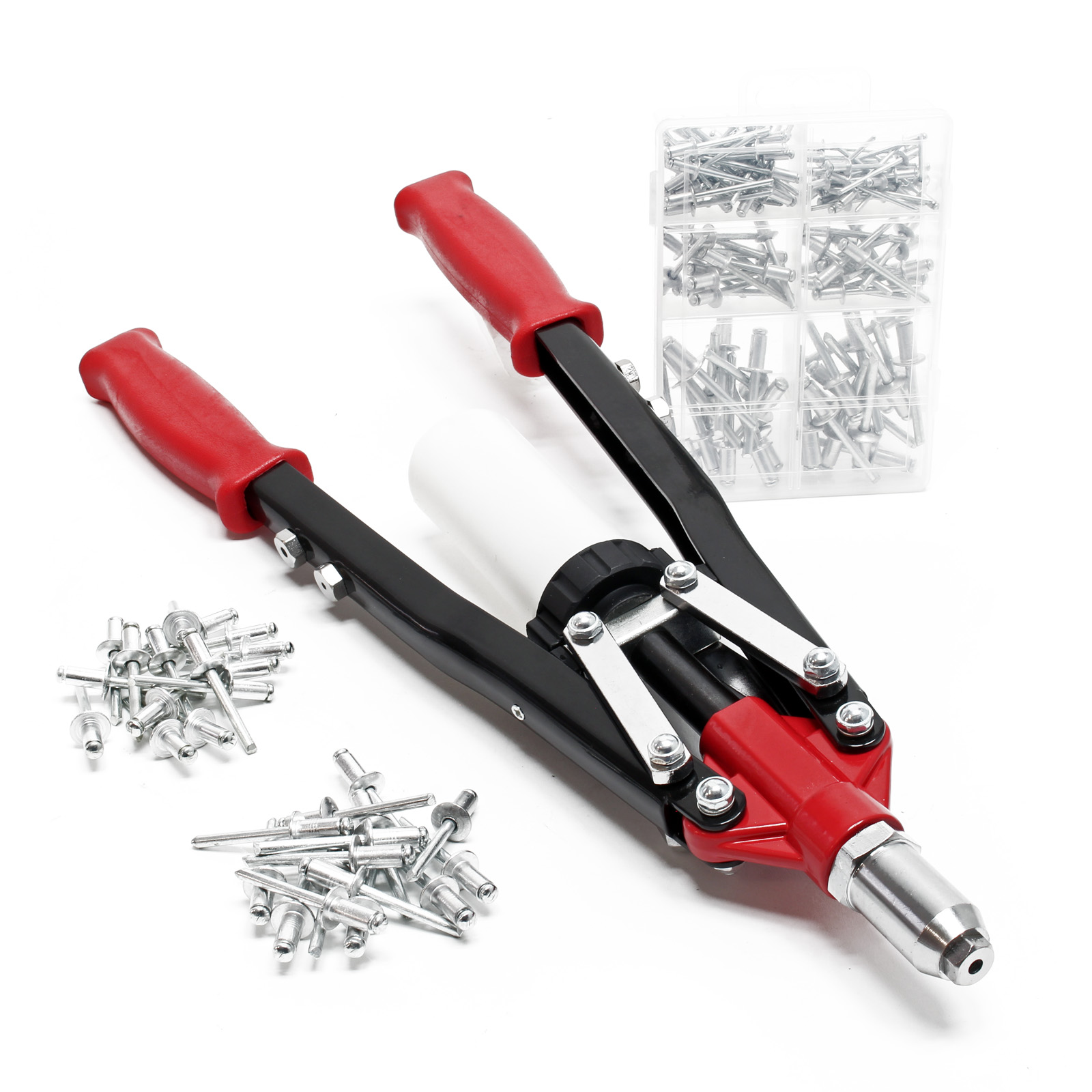
Available, delivery time: 2 - 3 days
• long handles
• long service life
• replaceable nosepieces
• incl. accessories
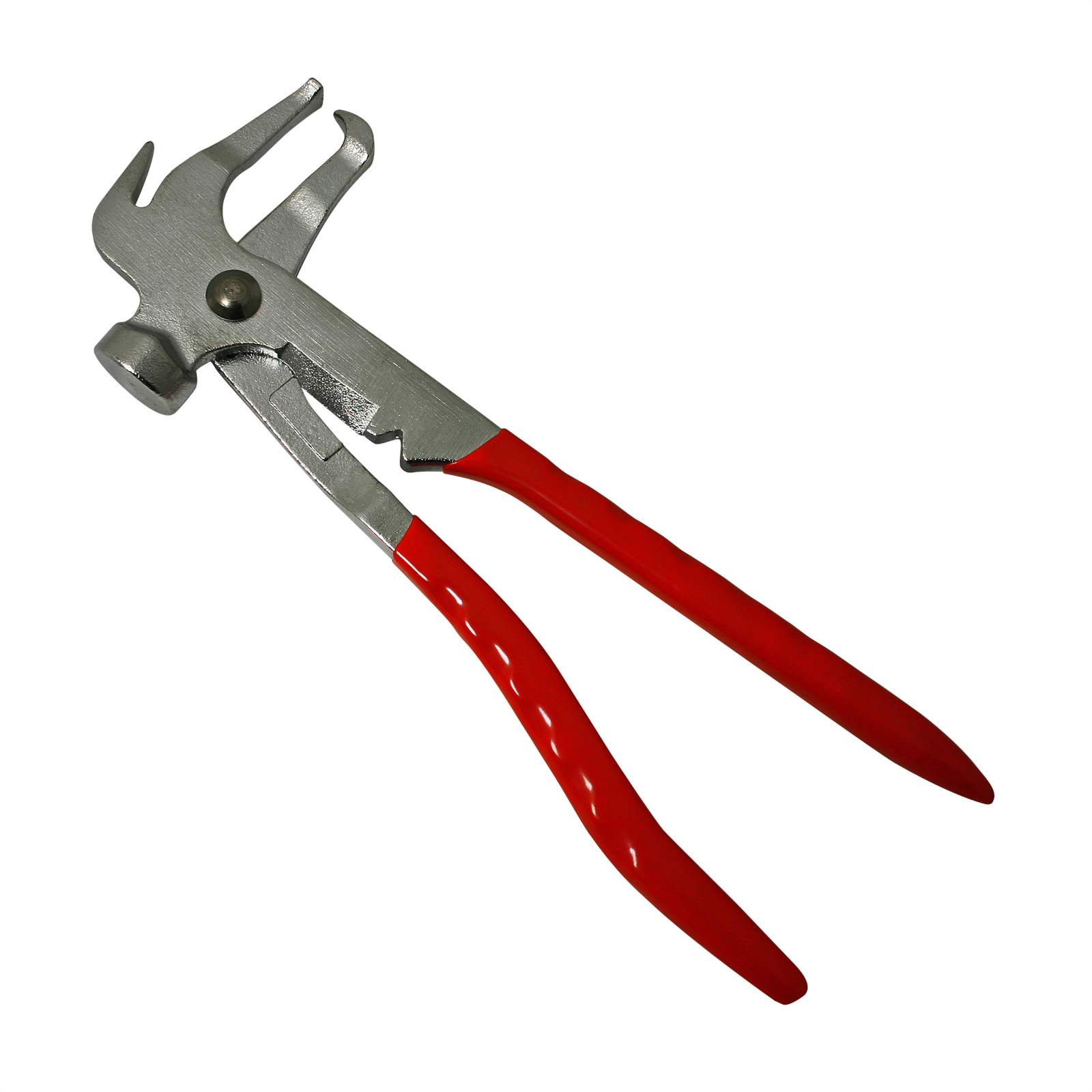
Available, delivery time: 2 - 3 days
• High material hardness
• Rubberised grips
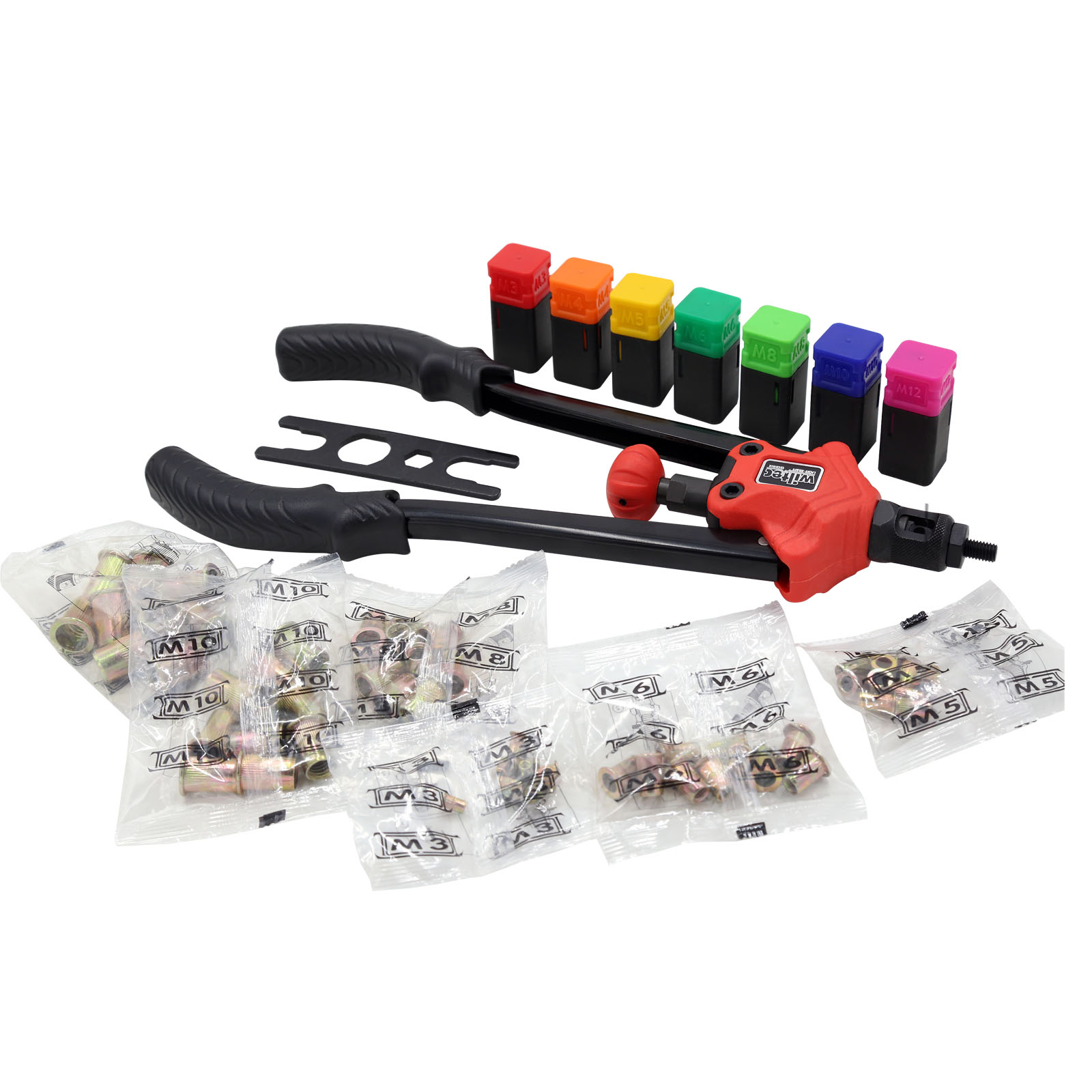
Available, delivery time: 2 - 3 days
• Weight: 920 g
• M3/M4/M5/M6/M8/M10/M12
• Incl. practical case

Available, delivery time: 2 - 3 days
• For assembly and disassembly of hose clamps
• With locking mechanism of the pliers
• With rubberised handle
• Practical case
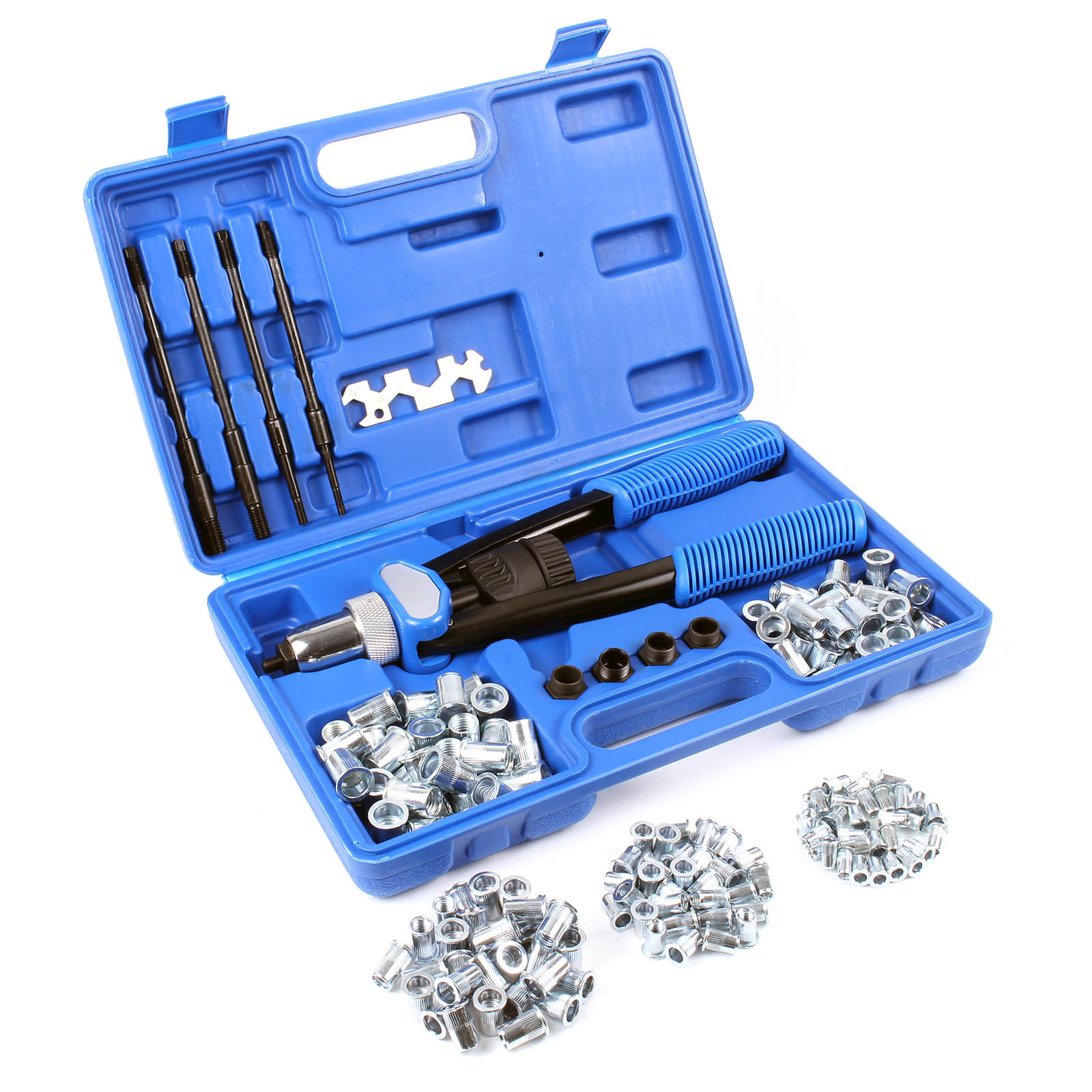
Available, delivery time: 2 - 3 days
• 150 rivet nuts: M5/M6/M8/M10/M12, 30 pieces each
• 5 bits & exchangeable bolts
• Anti-slip handles
• Flat spanner
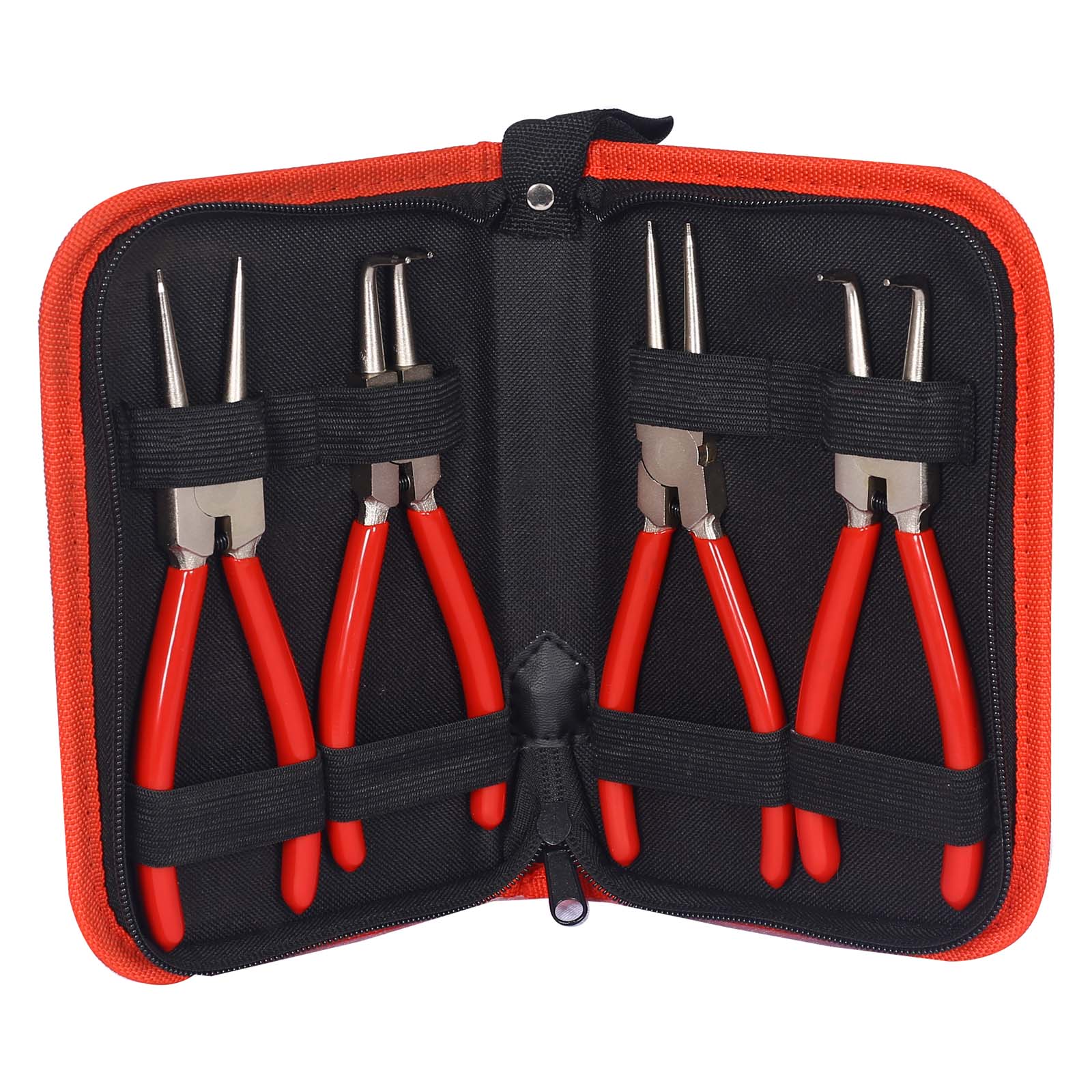
Available, delivery time: 2 - 3 days
• 2x straight pliers
• 2x 90° angle pliers
• Anti-slip handle
• Robust carbon steel
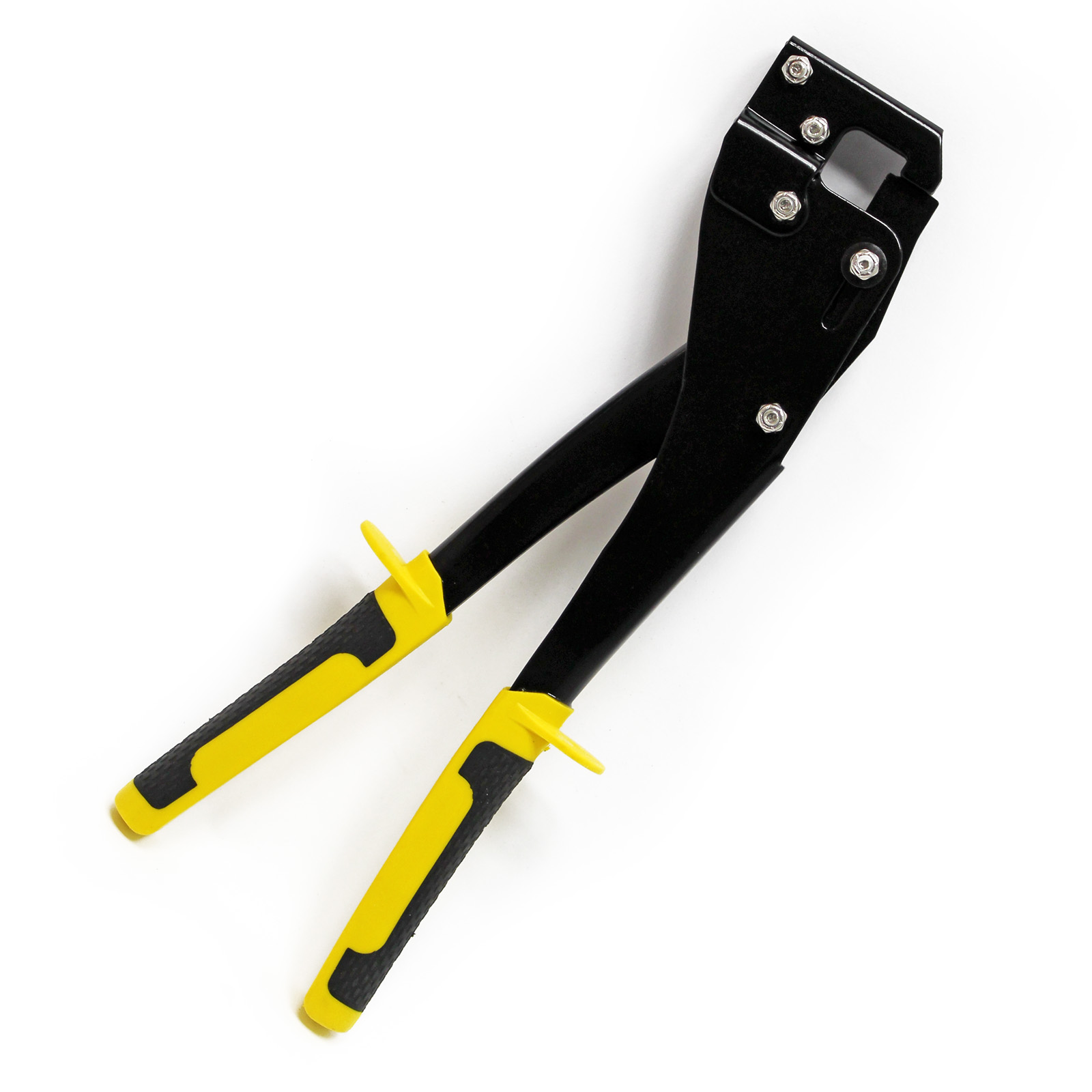
Currently not available
• Drywall pliers
• For a thickness of 0,5-0,8 mm
• Easy handling
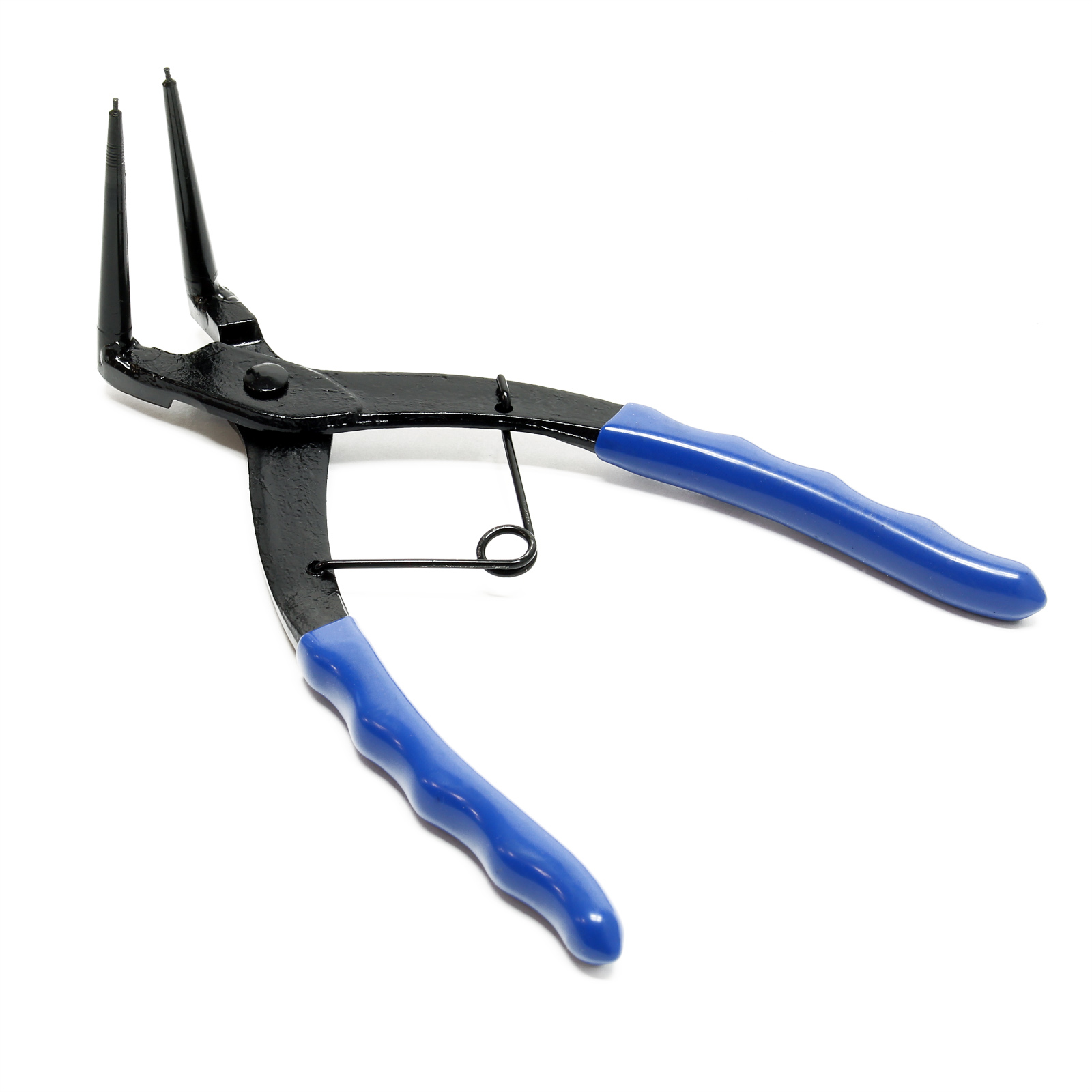
Available, delivery time: 2 - 3 days
• 90° offset tips
• Non-slip handle
• Robust carbon steel
• Tip length/handle depth: approx. 65 mm
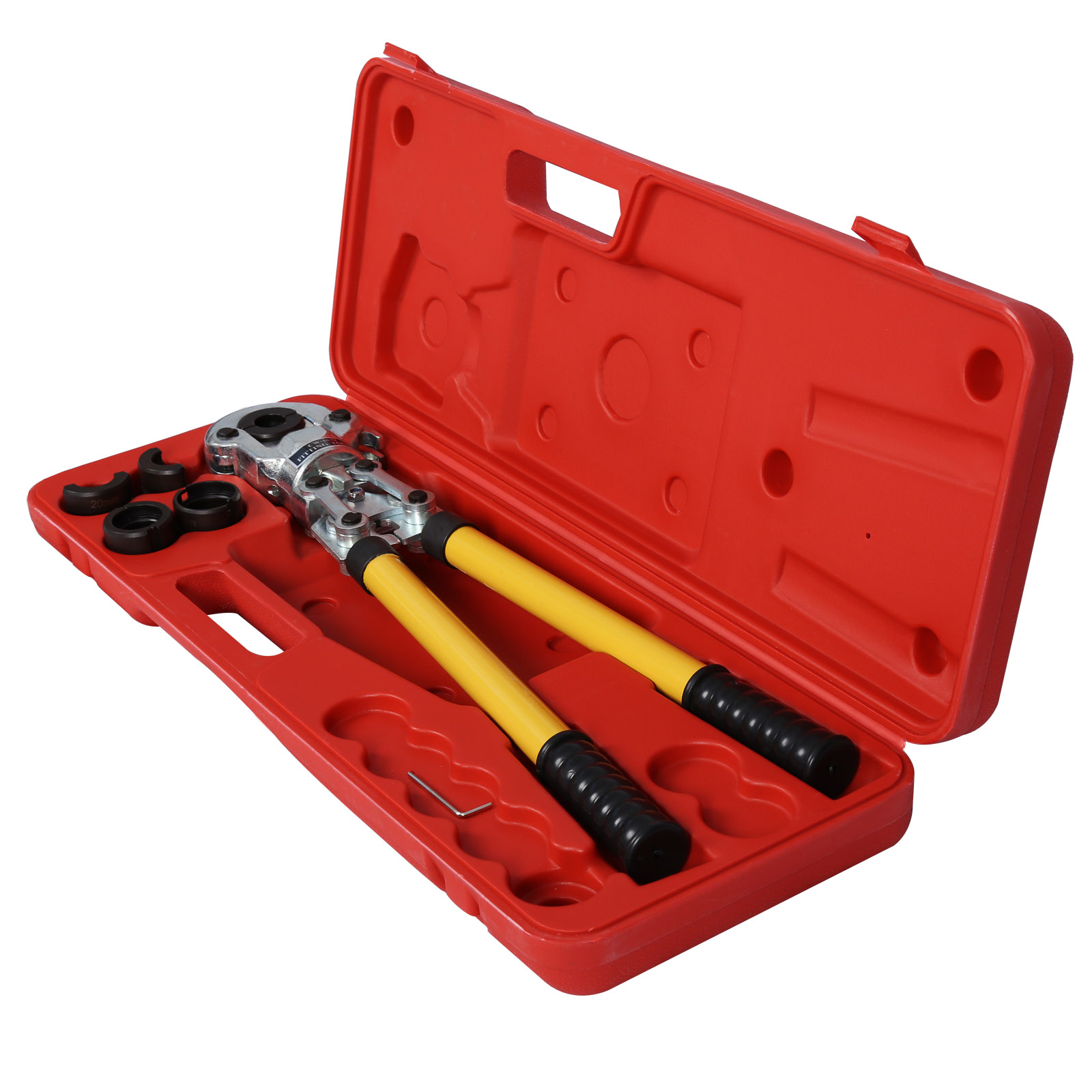
Available, delivery time: 2 - 3 days
• Die sizes: Ø16 mm / Ø20 mm / Ø26 mm / Ø32 mm
• Extendable handles
• Size: 63 x 24 x 9 cm
• Weight: 6.2 kg
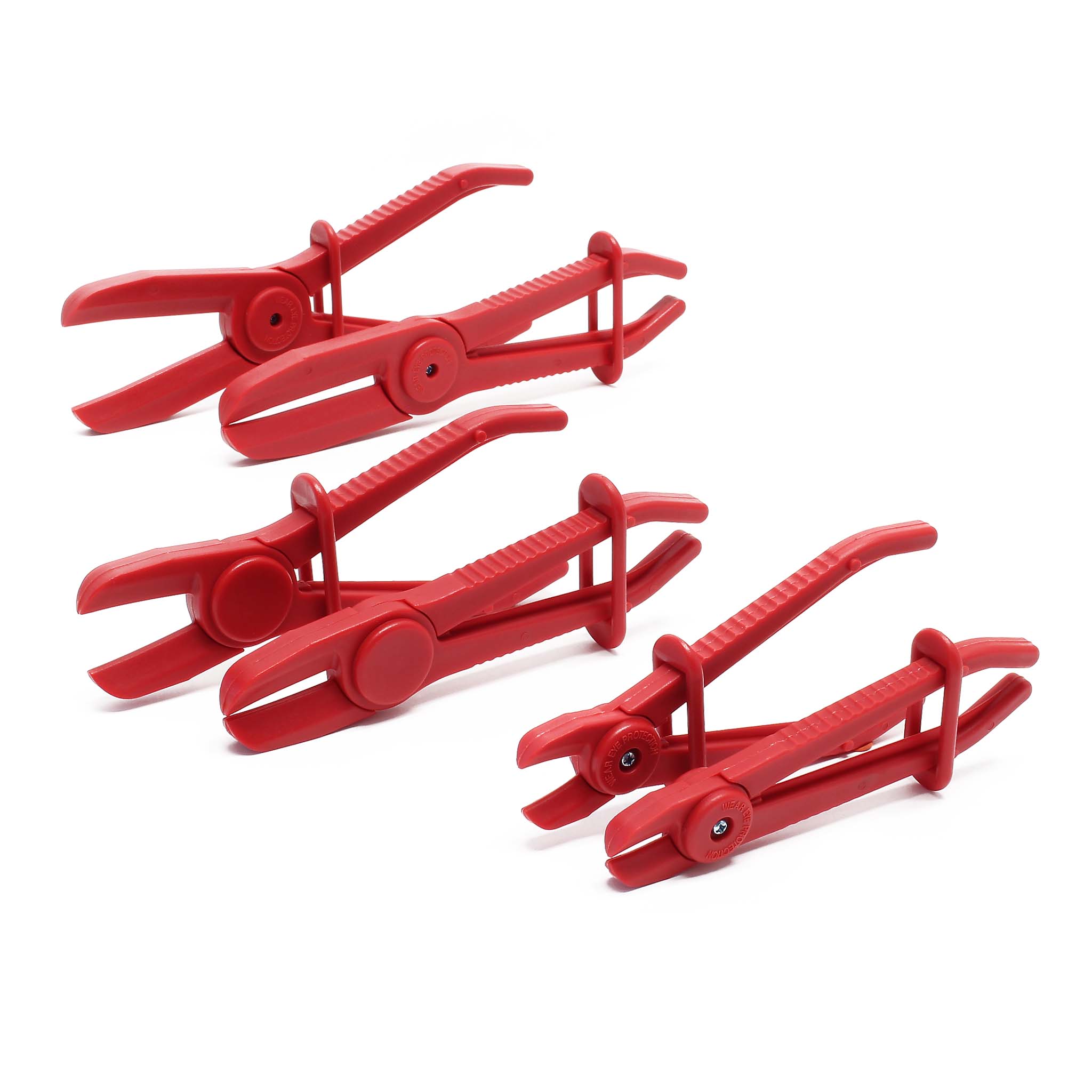
Available, delivery time: 2 - 3 days
• Three clamp tong sizes: 160 mm, 190 mm and 260 mm
• For hosepipe diameters 12.7 mm–19 mm (½″–¾″)
• Especially for work on vehicles, cars, vans, etc.
• With adjustable locking ring and lock mechanism
Available, delivery time: 2 - 3 days
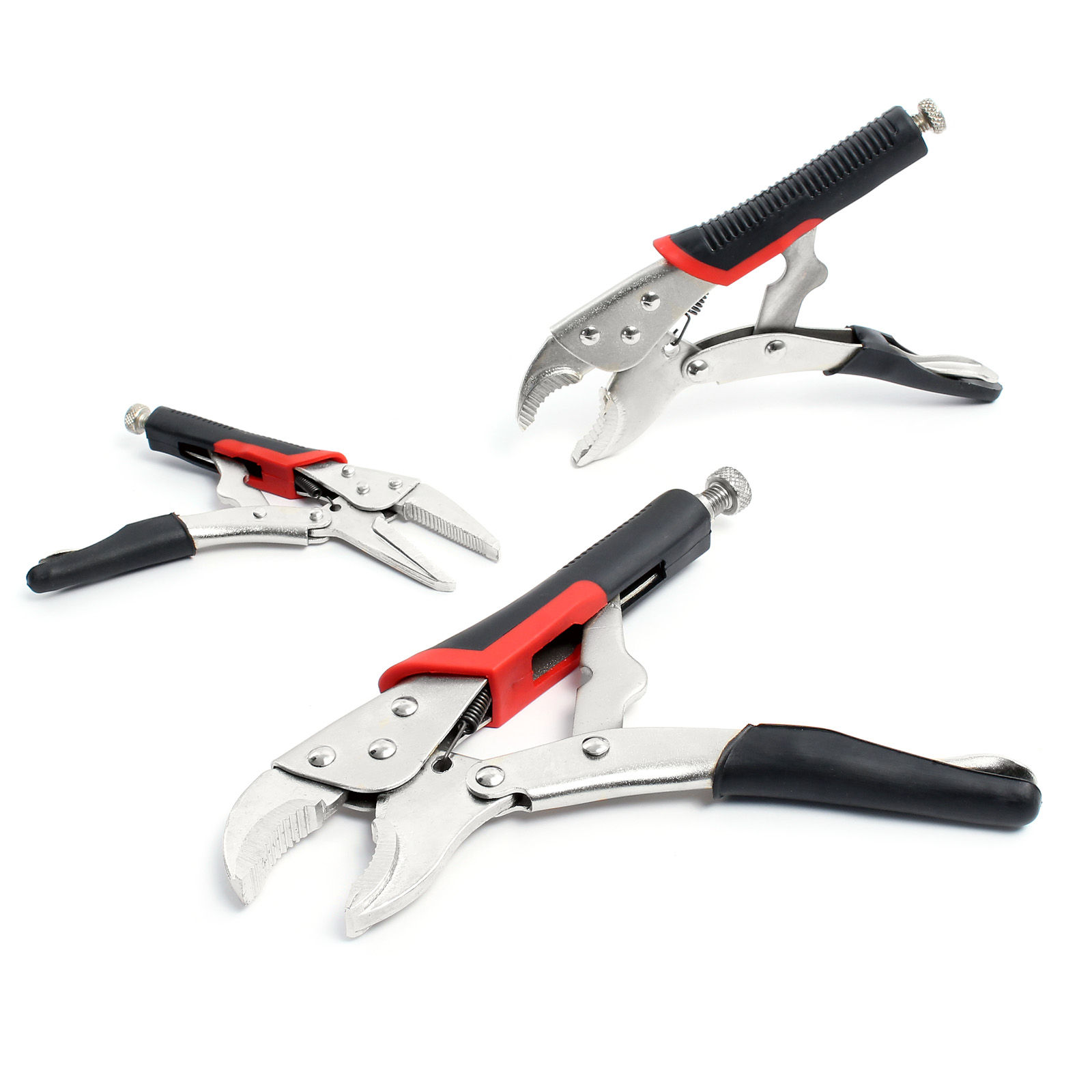
• With adjusting screw and release lever
• Long nose pliers 125mm + universal 175mm & 250mm
• Covered handles
• For flat, profiled, and round materials
Available, delivery time: 2 - 3 days
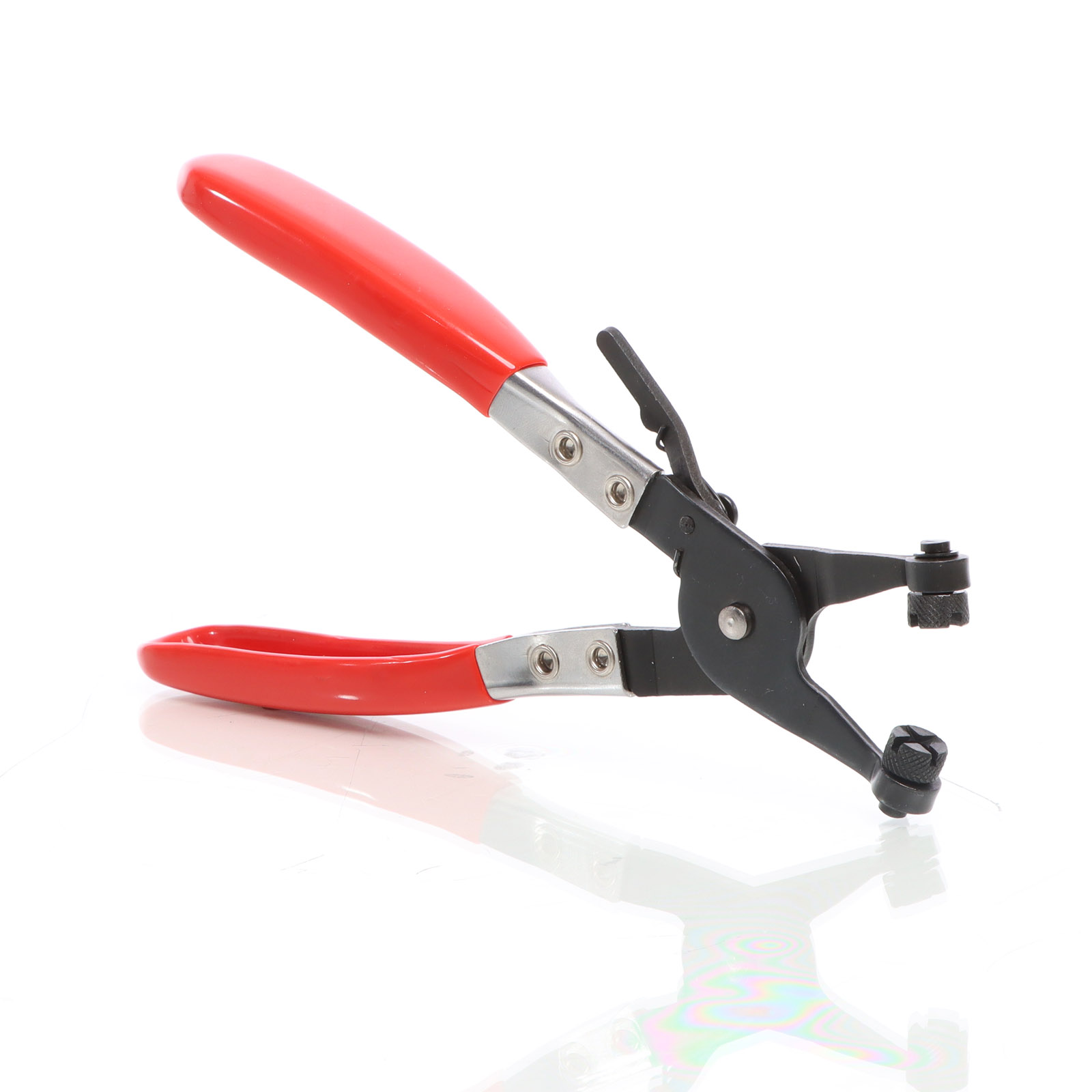
• Rotating jaws for points difficult in access
• With ratchet and locking function
• For spring band clamps up to 48 mm in diameter
• Made of robust steel with non-skid handles
Available, delivery time: 2 - 3 days
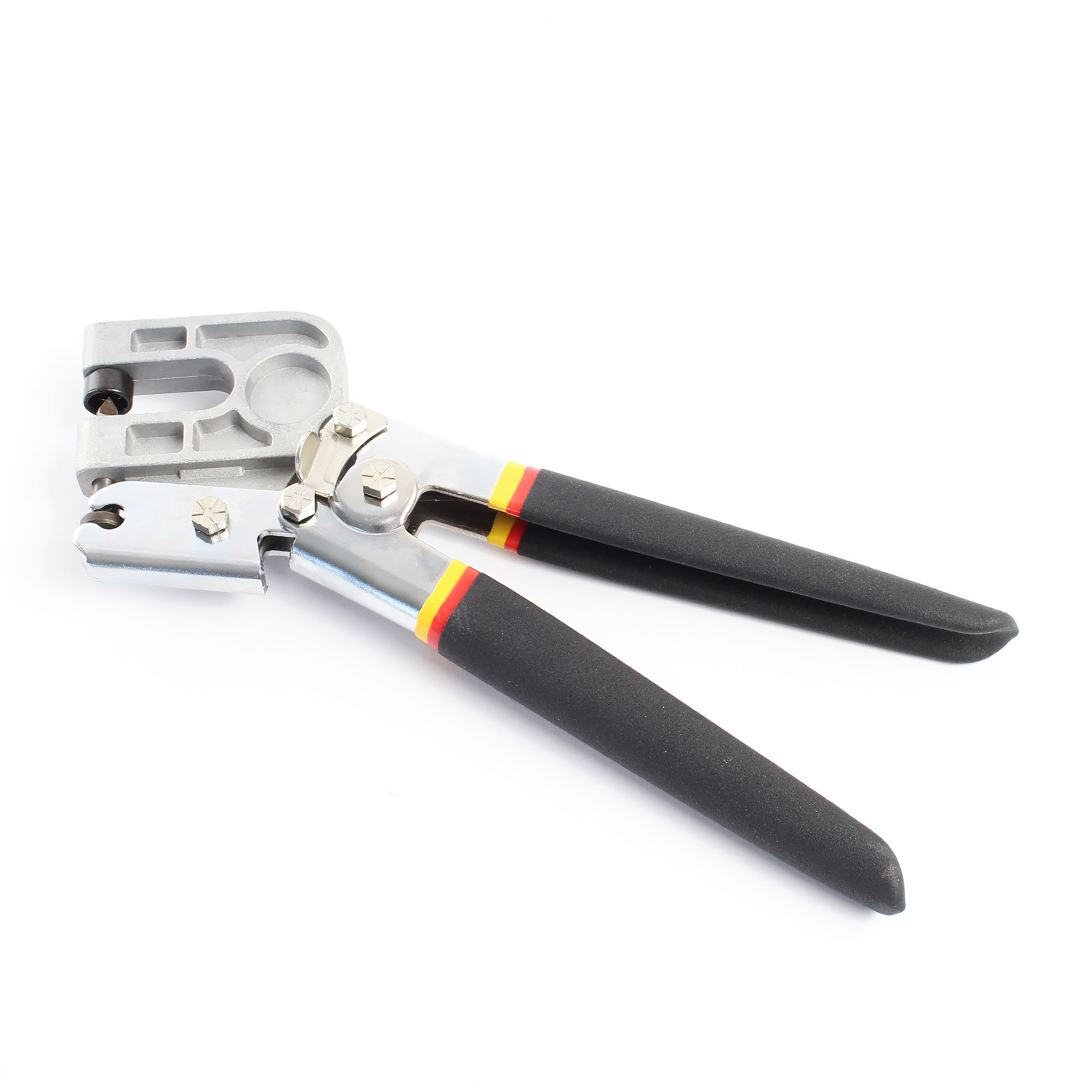
• No screwing/drilling/riveting required
• For 0.5–0.8 mm thick sheets
• Hardness: 50–52 HRC
• 270 mm long pair of pliers
Pliers & Bolt Cutters
Indispensable Tools for Every Workshop
A well-equipped workshop is the heart of professional craftsmen and DIY enthusiasts alike. Among the essential tools that should never be missing from any toolbox are undoubtedly pliers and bolt cutters. These tools are crucial for a wide range of tasks, from everyday repairs to specialized projects. In this guide, we will illuminate the various types and uses of pliers and bolt cutters, highlight their unique features, to help you in selecting the right tools.
Special Products and Their Features
Bolt Cutters with Hardened Jaws
This versatile cutting tool provides optimal leverage and is capable of cutting materials up to a high hardness. The robust blades and adjustable jaw opening make it an indispensable tool for heavy cutting tasks.
Crimping Pliers with Non-Slip Handles
Made from hardened steel, the crimping pliers with integrated pressing jaws and various size settings allow for precise crimping of cable lugs and connectors. The non-slip handles ensure a secure grip and comfort during work.
Punch Pliers for Punching Sheet Metal
The punch pliers are ideally suited for punching metal, aluminum, and steel sheets, offering maximum flexibility for work on copper, steel, and titanium zinc. With punch dies in imperial sizes, the pliers are particularly well-suited for setting blind rivets and other connectors.
Snap Ring Pliers for Internal and External Rings
Equipped with angled or straight tips, a snap ring plier set allows for the safe insertion and removal of internal and external rings. The material quality and comfortable handles make such a set a valuable addition to any workshop.
Multifunctional Pipe Bending Pliers
This plier allows for precise bending of pipes of various diameters and is made from robust material with stable hinges. Integrated angle gauges can facilitate accurate bending work.
Rivet Pliers with Optimal Leverage
The rivet plier set, with a plier body made of robust material and long handles for optimal leverage, offers a high lifespan and stability. Replaceable nozzles and extensive accessories make it a versatile tool for riveting tasks.
Professional Composite Pliers for Sheets
This special plier creates punch connections in sheets of various thicknesses without screws, drilling, or riveting. The hardness and length make it an efficient tool for sheet metal work.
Hose Clamp Pliers with Bowden Cable
Specially developed for loosening hose clamps in hard-to-reach places, this plier offers a locking function, a release lever, and non-slip, insulated handles. It is ideal for work on cooling and heating systems.
Insights on Pliers & Bolt Cutters
What is a Bolt Cutter?
A bolt cutter is a strong tool specifically designed to cut through hard objects like bolts, chains, padlocks, and wire. Thanks to its long handles and leverage, the bolt cutter enables the cutting of materials that would be too tough for ordinary pliers.
What Types of Bolt Cutters Are There?
Bolt cutters come in various sizes and for different applications. The most common types are mini bolt cutters for light tasks, standard bolt cutters for general applications, and heavy bolt cutters for particularly demanding cuts.
What is a Hydraulic Bolt Cutter?
A hydraulic bolt cutter uses hydraulic power to cut through even the hardest materials with minimal effort. This type of bolt cutter is often used in industrial settings and rescue operations.
Which Materials Can Be Cut with a Bolt Cutter?
Bolt cutters can cut through a variety of materials, including metal bolts, wires, chains, and even bike locks. The ability to cut specific materials depends on the size of the bolt cutter and the hardness of the cutting jaws.
How Do You Maintain a Bolt Cutter?
Maintaining a bolt cutter involves regular cleaning, oiling, and checking the cutting jaws for wear. Proper maintenance ensures a long life and optimal performance of the tool.
Should You Sharpen a Bolt Cutter?
Although bolt cutters are generally very durable, sharpening the cutting jaws may be necessary to maintain their efficiency. However, it is important to do this carefully and according to the manufacturer's instructions.
What Are Pliers Used For?
Pliers are versatile tools used for holding, bending, twisting, cutting, and crimping materials. There are a variety of plier types, including combination pliers, crimping pliers, punch pliers, and many more, each designed for specific tasks.
How Do You Choose the Right Pliers?
Choosing the right pliers depends on the task at hand. It's important to select the pliers designed for the specific application to achieve the best results and avoid damaging the tool.
Which Pliers Are Best for Cutting Wires?
For cutting wires, diagonal cutters are the best option. They are specifically designed for cutting through wires of different thicknesses and offer a clean and precise cut edge.
Suitable Pliers & Bolt Cutters for Every Project
Pliers and bolt cutters are essential tools in every workshop and for every craftsman. The right selection and maintenance of these tools can significantly improve the efficiency and quality of work. Whether for simple repairs or complex projects, knowing the different types and their applications allows you to find and make the best use of the appropriate tools for your needs.