









































































Available, delivery time: 2 - 3 days
• For ride-on lawnmowers
• Size 15 x 6.00 – 6
• 4 [PR4] ply rating
• With straight valve

Available, delivery time: 2 - 3 days
• Valve TR87
• Angled valve
• Size: 13x5.00-6

Available, delivery time: 2 - 3 days
• For ride-on mowers, hand carts
• not for tubeless use

Available, delivery time: 2 - 3 days
• Angled valve
• Size of tire: 16x6.50-8
• 4 PR (ply rating)

Available, delivery time: 2 - 3 days
• For ride-on lawnmowers
• Size: 16 x 6.50 – 8
• 4 [PR4] ply rating
• With angle valve

Available, delivery time: 2 - 3 days
• Angled valve
• Ride-on mower
• Size of tire: 15x6.00-6
• 4 PR (ply rating)

Available, delivery time: 2 - 3 days
• Valve TR13
• Straight valve
• Size: 13x5.00-6
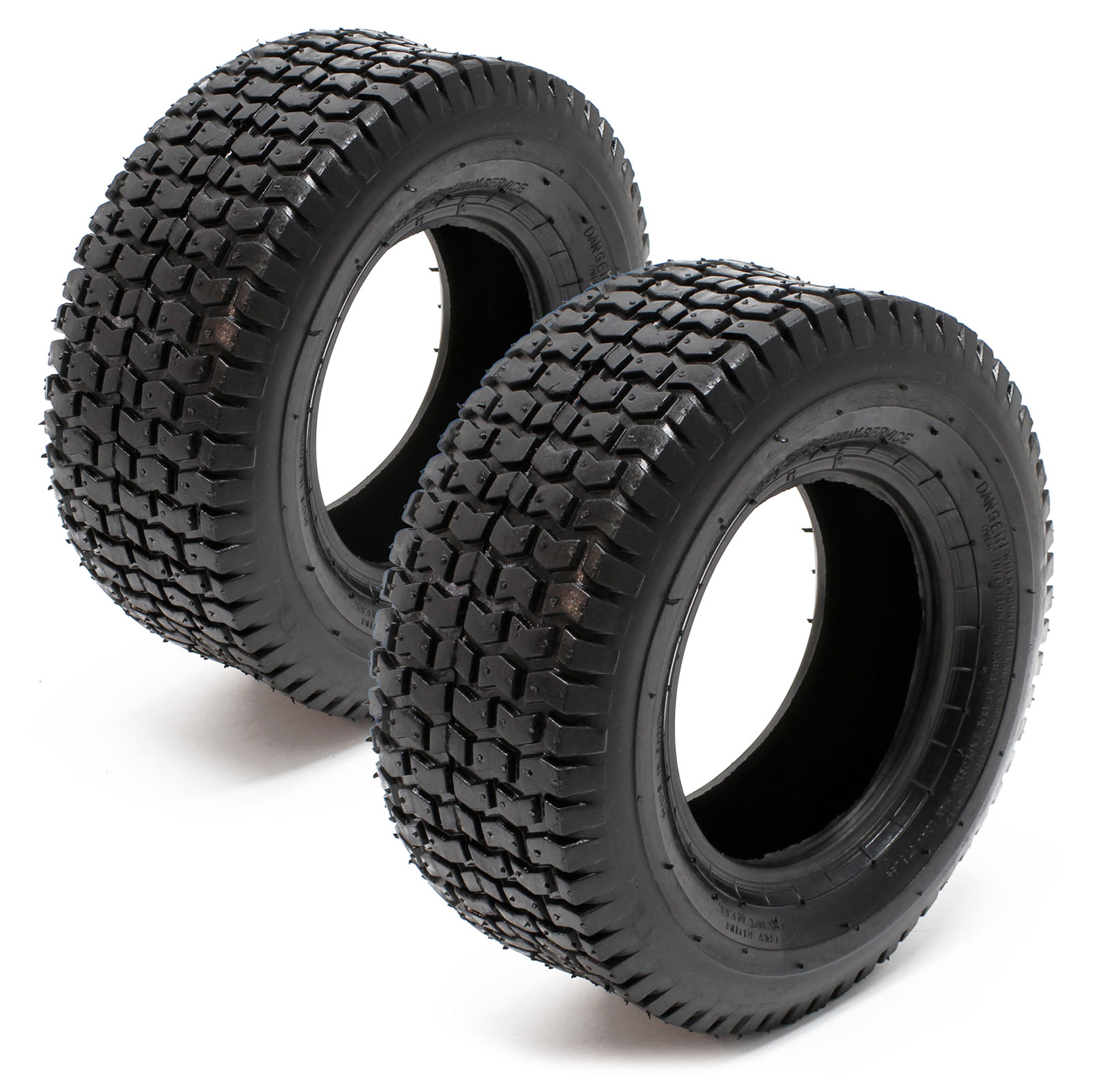
Available, delivery time: 2 - 3 days
• For ride-on lawnmowers
• Size: 13 x 5.00 – 6
• Studded tread pattern

Available, delivery time: 2 - 3 days
• For ride-on lawnmowers
• Size: 15 x 6.00-6
• 4-ply rating [PR4]
• With angle valve

Available, delivery time: 2 - 3 days
• Straight valve
• Ride-on mower
• Size of tire:15x6.00-6
• 4 PR (ply rating)

Available, delivery time: 2 - 3 days
• Valve TR87
• Angled valve
• Size: 16x6.50-8

Available, delivery time: 2 - 3 days
• 4 [4PR] ply rating
• For ride-on mowers, hand carts
• not for tubeless use

Available, delivery time: 2 - 3 days
• Angled valve
• Size: 15x6.00-6

Available, delivery time: 2 - 3 days
• Angled valve
• Size: 18x8.50-8

Available, delivery time: 2 - 3 days
• Angled valve
• Ride-on mower
• Size of tire: 18x8.50-8
• 4 PR (ply rating)
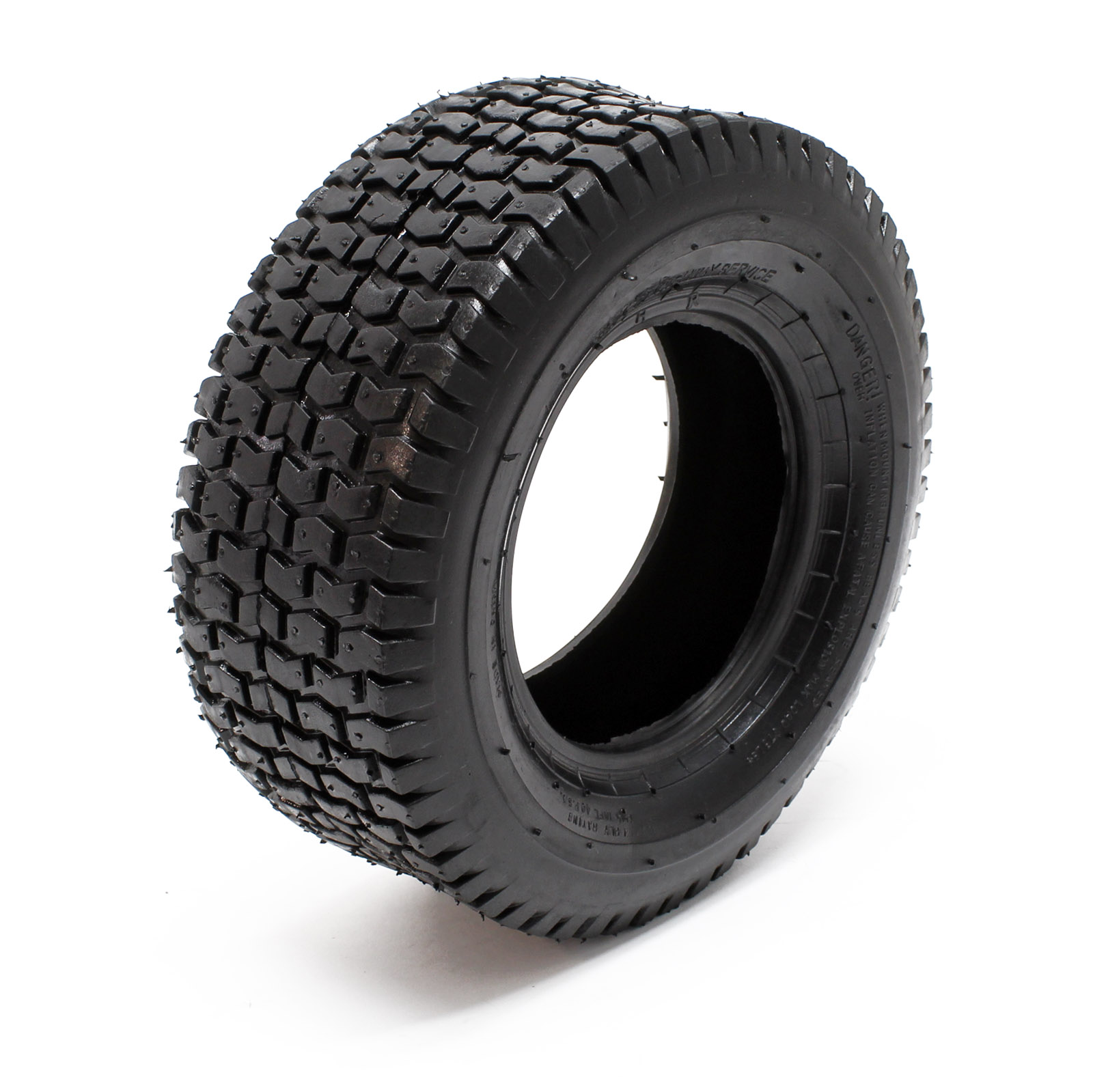
Available, delivery time: 2 - 3 days
• 4 [4PR] ply rating
• For wheel barrows and hand carts
• not for tubeless use

Available, delivery time: 2 - 3 days
• Straight valve
• Size: 18x6.50/7.50/8.50/9.50-8 20x8.00/10.00-8
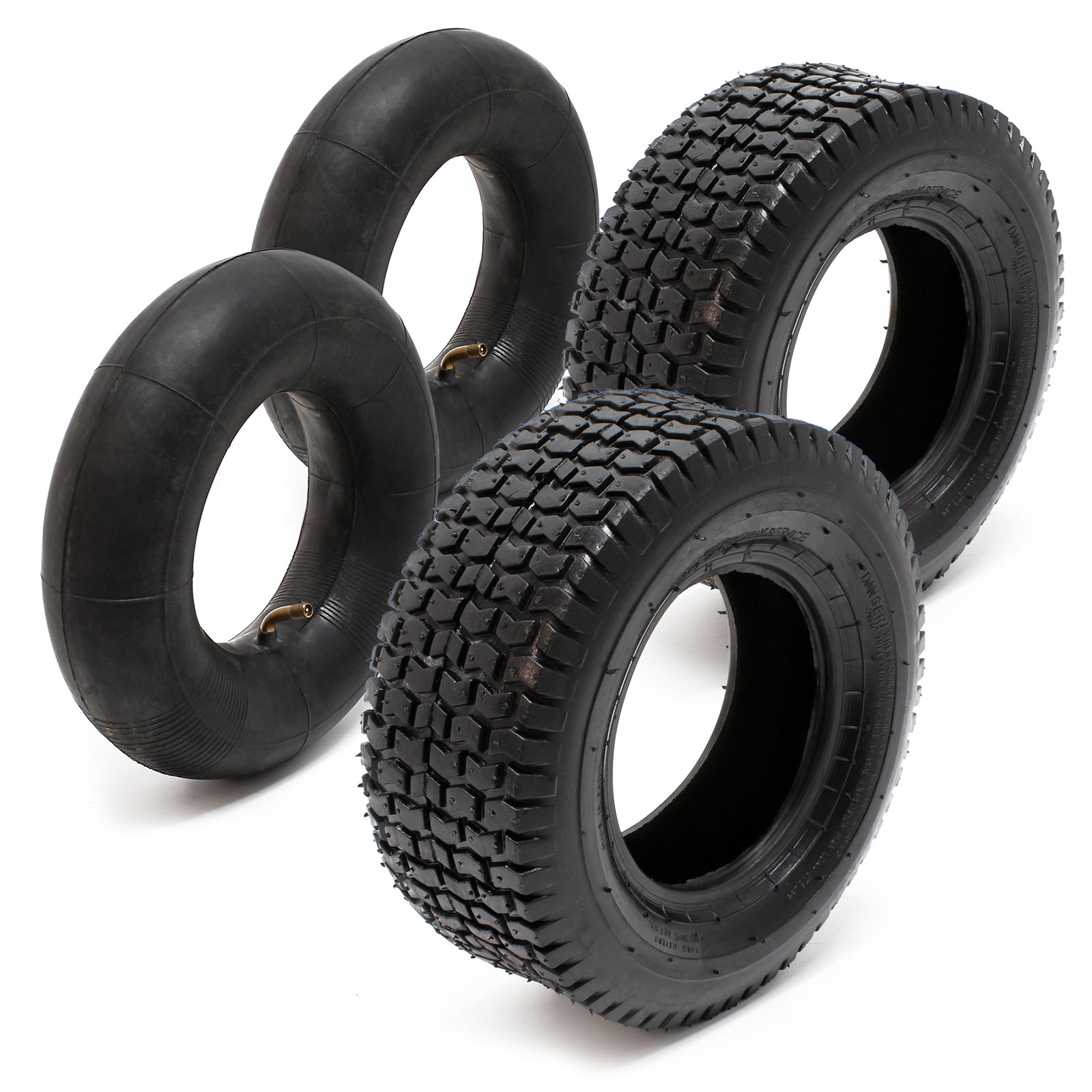
Available, delivery time: 2 - 3 days
• For ride-on lawnmowers
• Size: 18 x 8.50 – 8
• 4 [PR4] ply rating
• With angle valve

Available, delivery time: 2 - 3 days
• Straight valve
• Size: 15x6.00-6

Available, delivery time: 2 - 3 days
• Size 13x5.00-6
• Straight valve
• Load index 4 PR

Available, delivery time: 2 - 3 days
• Straight valve
• Ride-on mower
• Size of tire:16x6.50-8
• 4 PR (ply rating)
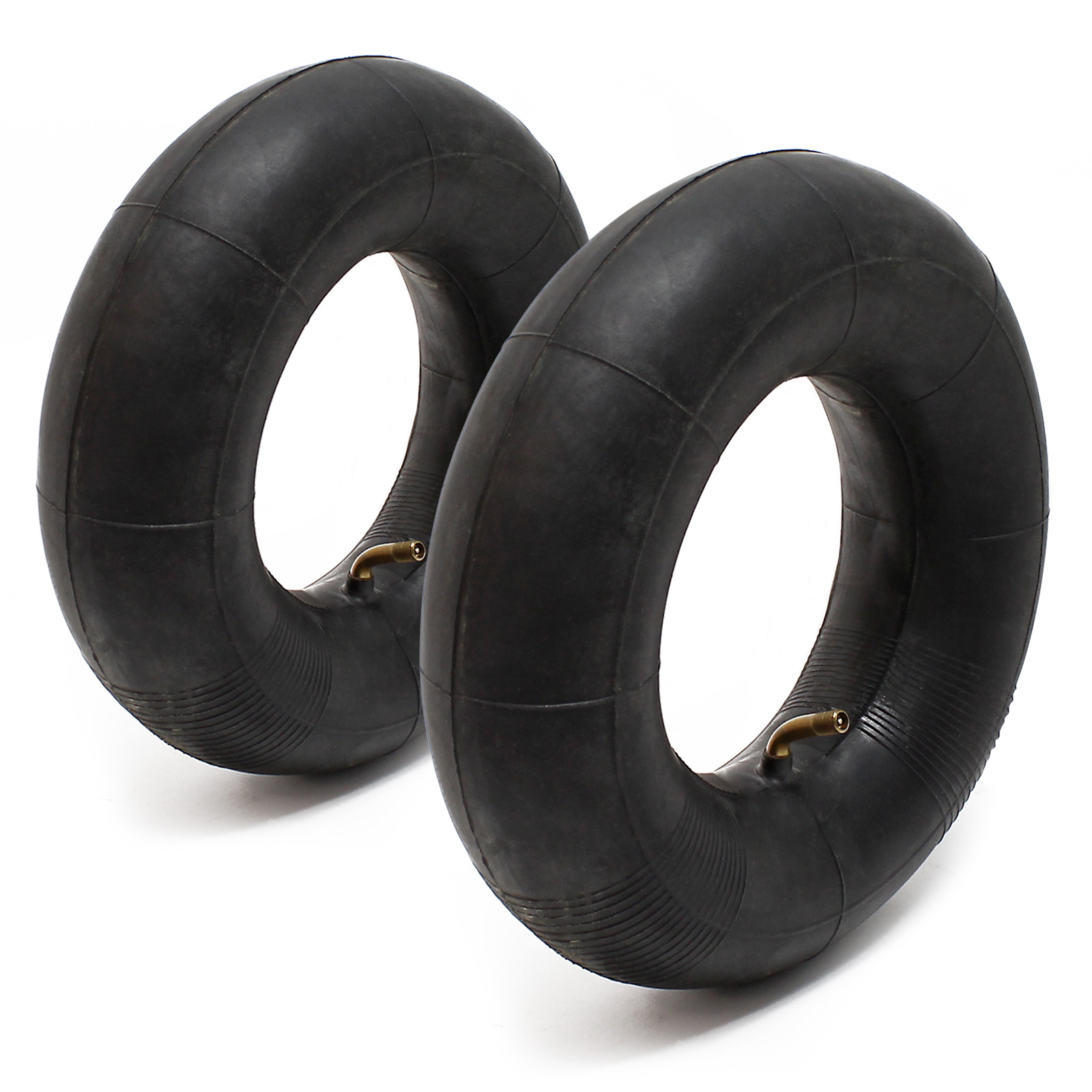
Available, delivery time: 2 - 3 days
• Size 18x8.50-8
• Straight valve
• Load index 4 PR
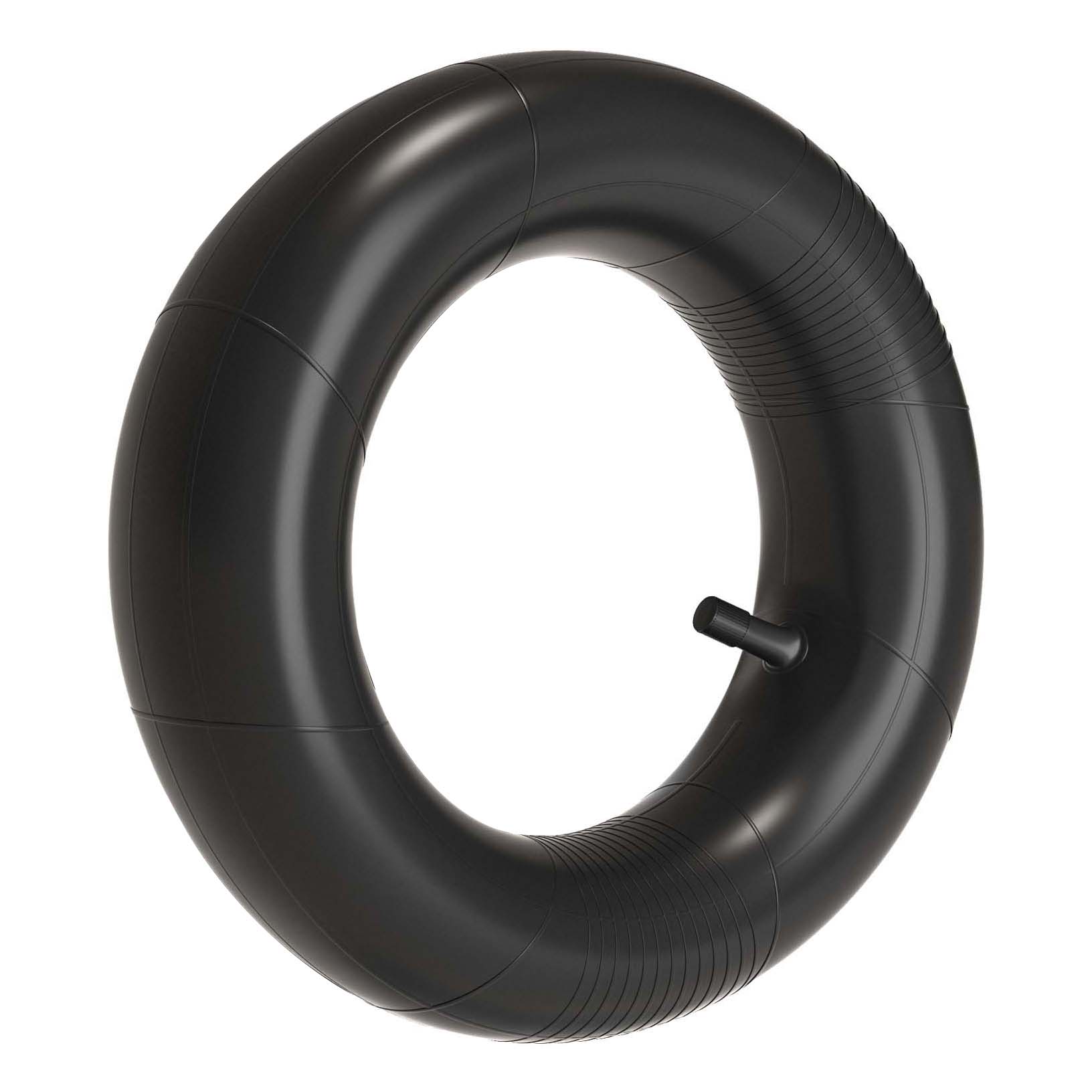
Available in 11 days, delivery time 2 - 3 days
• Straight valve
• Size: 16x6.50-8

Available, delivery time: 2 - 3 days
• For ride-on lawnmowers
• Size 16 x 6.50 – 8
• 4 [PR4] ply rating
• With straight valve
Rasenmäherreifen online kaufen
Für Besitzer von Aufsitzmähern ist es besonders wichtig, die richtigen Reifen zu wählen. Die Auswahl in unserem Onlineshop umfasst speziell Aufsitzmäher-geeignete Rasenreifen, die für eine optimale Performance sorgen. Egal, ob Sie einzelne Reifen als Ersatz benötigen oder ein komplettes Reifenset für Ihren Rasenmäher suchen, bei Wiltec finden Sie eine passende Lösung.
Unsere Rasenmäherreifen sind nicht nur für normale Rasenmäher geeignet, sondern auch für kleine Rasentraktoren. So können Sie sicher sein, dass Sie die richtigen Reifen für Ihre Anwendung finden. Mit unserer großen Auswahl und hochwertigen Produkten wird die Suche nach den perfekten Rasenmäherreifen zum Kinderspiel.
Kaufen Sie Ihre neuen Rasenreifen bequem in unserem Onlineshop und optimieren Sie die Leistung Ihres Aufsitzmähers. Entscheiden Sie sich für Qualität und Zuverlässigkeit – erleichtern Sie sich die Pflege Ihres Gartens mit den richtigen Rasenmäherreifen von Wiltec.

Großes Sortiment entdecken
Wiltec bietet Ihnen ein beeindruckendes Sortiment an Rasentraktor Reifen und Rasenmäher Reifen in Vollgummi-Qualität. Unser breites Angebot umfasst verschiedene Größen, um den unterschiedlichen Anforderungen gerecht zu werden.
Bei uns finden Sie Ersatzreifen für Ihren Rasentraktor sowie Lösungen, wenn Sie die Reifen an Ihrem Rasenmäher erneuern möchten.
Die Wahl der richtigen Reifen ist entscheidend für die Leistung Ihres Gartengeräts. Daher bieten wir nicht nur eine Vielfalt an Größen, sondern auch unterschiedliche Ausführungen.
Unsere Rasentraktor Reifen und Rasenmäher Reifen aus Vollgummi haben eine lange Lebensdauer und sorgen für eine zuverlässige Traktion sowie ein komfortables Fahrerlebnis.
Einige unserer Reifen im Wiltec-Onlineshop haben auch einen Schlauch inklusive. Daher ist es ratsam, genau zu wissen, welche Art von Reifen Ihre Maschine benötigt. Unser kompetentes Wiltec-Serviceteam steht Ihnen gerne zur Verfügung, um Ihnen bei Fragen zu helfen und sicherzustellen, dass Sie die richtigen Reifen für Ihre Bedürfnisse auswählen.
Einzelne Reifen als Ersatzreifen
Bei Wiltec bieten wir Ihnen die Möglichkeit, einzelne Reifen als Ersatzreifen für Ihren kleinen Rasentraktor zu erwerben. Speziell für kleinere Rasentraktoren mit den Maßen 15x6.00-6 haben wir eine Auswahl an hochwertigen Einzelreifen in unserem Sortiment. Dies ist besonders praktisch, wenn nur ein Reifen ausgetauscht werden muss oder wenn Sie sich einen Ersatzreifen für den Fall der Fälle sichern möchten.
Unsere 15x6.00-6 Reifen eignen sich ideal für kleine Rasentraktoren und gewährleisten eine optimale Leistung bei der Pflege Ihres Gartens. Die Möglichkeit, Einzelreifen zu erwerben, bietet Flexibilität und spart Kosten, wenn nur ein Reifen verschlissen oder beschädigt ist.

Komplettes Reifenset

Für Besitzer von kleinen Aufsitzmähern oder Rasentraktoren bieten wir in unserem Onlineshop die ideale Lösung: ein komplettes Reifenset, speziell abgestimmt auf die Bedürfnisse von Aufsitzmähern mit kleinen Dimensionen. Unser 4er Set Rasenmäherreifen 13x5.00-6 enthält nicht nur die Reifenmäntel, sondern auch die passenden Schläuche, um sicherzustellen, dass Ihre Räder optimal ausgestattet sind.
Der Reifenmantel mit Schlauch sorgt für eine längere Lebensdauer und gewährleistet eine zuverlässige Performance bei der Gartenarbeit. Die Größe 13x5.00-6 ist ideal für kleine Aufsitzmäher und Rasentraktoren, die auf Wendigkeit und Effizienz ausgelegt sind.
Die Wiltec Reifensets sind versandfertig, um Ihnen einen schnellen und bequemen Einkauf zu ermöglichen.
Auch für kleine Rasentraktoren geeignet
In unserem Onlineshop finden Sie eine große Auswahl an Reifen für kleine Rasentraktoren, die sich perfekt für Ihre Bedürfnisse eignen. Bevor Sie sich jedoch für einen Kauf entscheiden, ist es entscheidend zu wissen, welche Größe Sie benötigen. Messen Sie daher vorab die aktuellen Reifen, um sicherzustellen, dass Sie die passenden Ersatzreifen oder Upgrades auswählen.
Die richtigen Reifen für Ihren Rasentraktor spielen eine entscheidende Rolle für die Leistung und Manövrierfähigkeit. Unsere kleinen Reifen für Rasentraktoren sind einfach zu montieren, damit Sie schnell wieder mit der Pflege Ihres Gartens beginnen können.
Denken Sie daran, dass die richtigen Reifen die Bodenhaftung verbessern sowie die Lebensdauer Ihres Rasentraktors verlängern können. Durch Ihren Einkauf bei Wiltec sichern Sie sich nicht nur Zuverlässigkeit, sondern auch eine optimale Performance.
Zusammenfassung
Wiltec präsentiert eine umfassende Auswahl an hochwertigen Traktorreifen für den Garten, darunter sowohl einzelne Ersatzreifen als auch komplette Reifensets. Wir wissen, dass die Qualität der Reifen einen entscheidenden Einfluss auf die Effizienz des Rasenmähens hat und bieten daher eine vielfältige Produktpalette zu günstigen Preisen.
Ganz gleich, ob Sie einen einzelnen Ersatzreifen benötigen oder das gesamte Set für Ihren Rasentraktor erneuern möchten, wir haben die passenden Lösungen für Ihre Anforderungen. Der Einkauf von hochwertigen Traktorreifen für den Garten war noch nie so einfach und erschwinglich.