































































Threshold Ramps and Their Importance in Accessibility
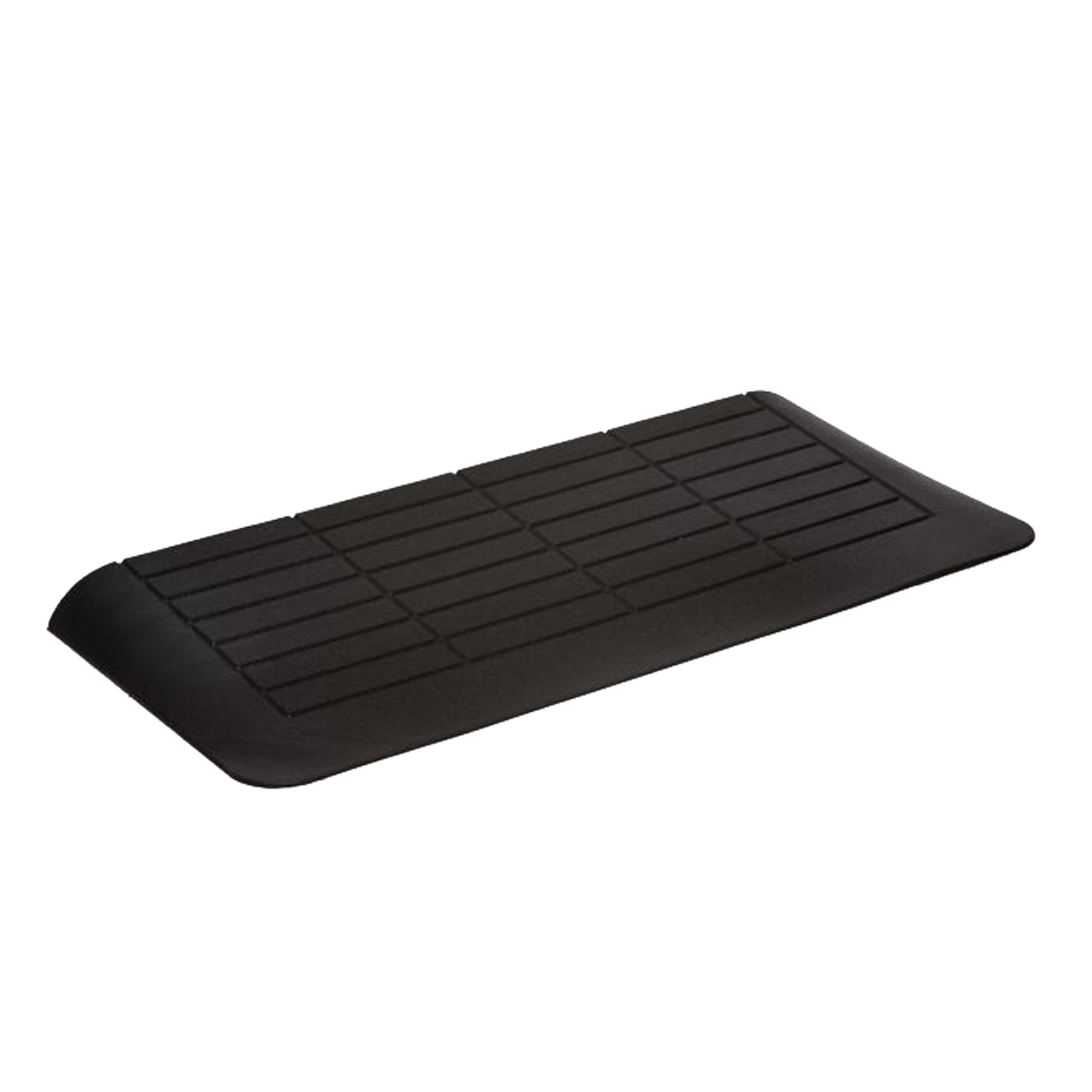
Threshold ramps are practical solutions designed to eliminate the barriers created by raised door thresholds or small steps. They are particularly useful for enhancing accessibility in homes, public buildings, and workplaces. A threshold ramp provides a smooth transition between two floor levels, making it easier for wheelchairs, rollators, trolleys, or carts to pass through without difficulty. For people with mobility impairments, these ramps are essential in ensuring independence and safety when moving from one room to another or from the interior of a building to the exterior.
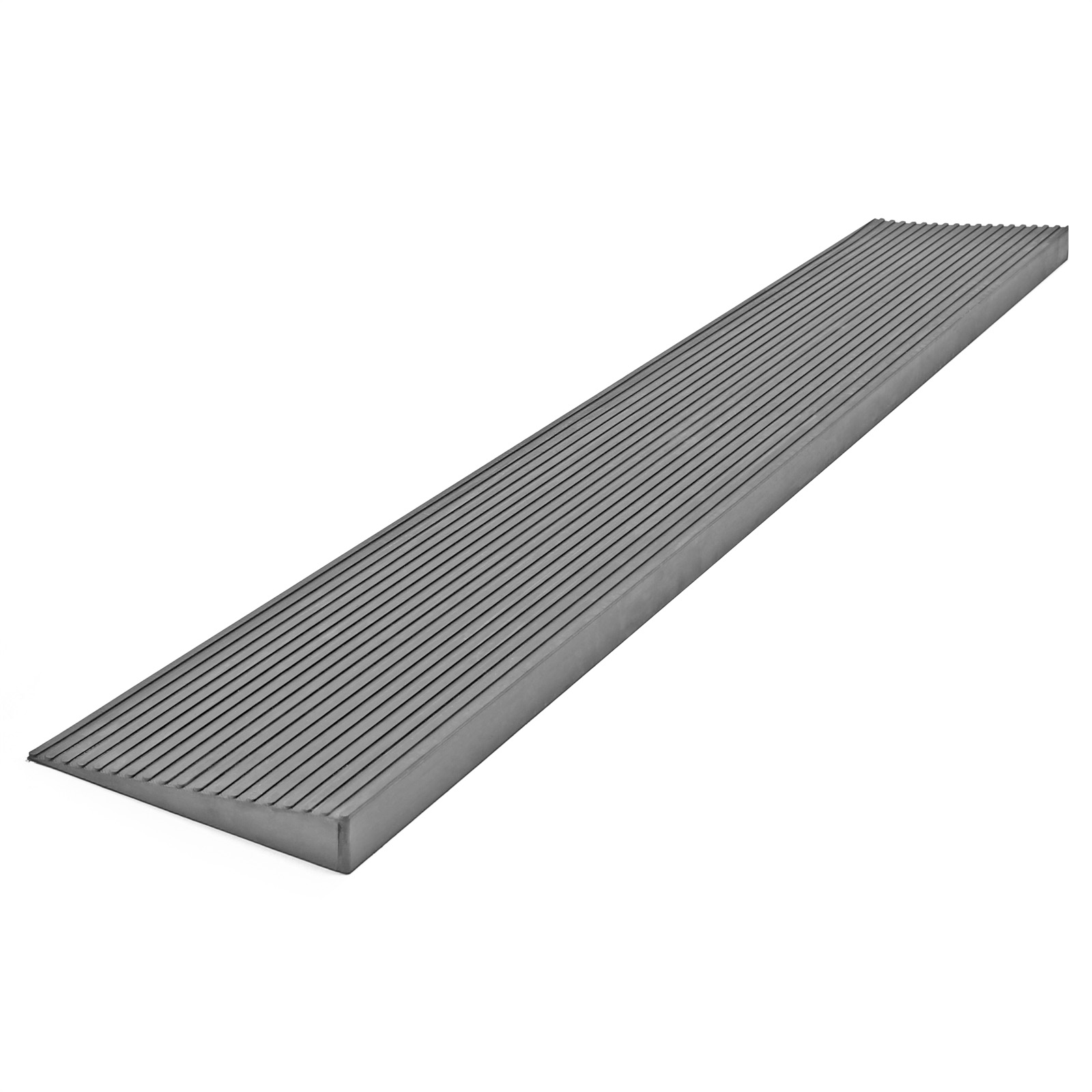
Threshold ramps for doorways come in different materials, such as rubber, aluminum, and composite blends, each offering particular advantages depending on the environment where they are used. Wheelchair threshold ramps are often made with slip-resistant surfaces to ensure traction even in damp conditions. Interior door threshold ramps are generally smaller and designed for seamless integration into living spaces, while exterior door threshold types are built to withstand weather, weight, and heavy use.
The primary goal of a door threshold ramp is not only functionality but also compliance with accessibility standards. Many regions set guidelines that define acceptable gradients and slopes for access ramps, ensuring they meet the needs of individuals safely. With the growing emphasis on inclusive design, these ramps have become standard fixtures in modern construction.

Durable Ramp with Reflective Safety Features
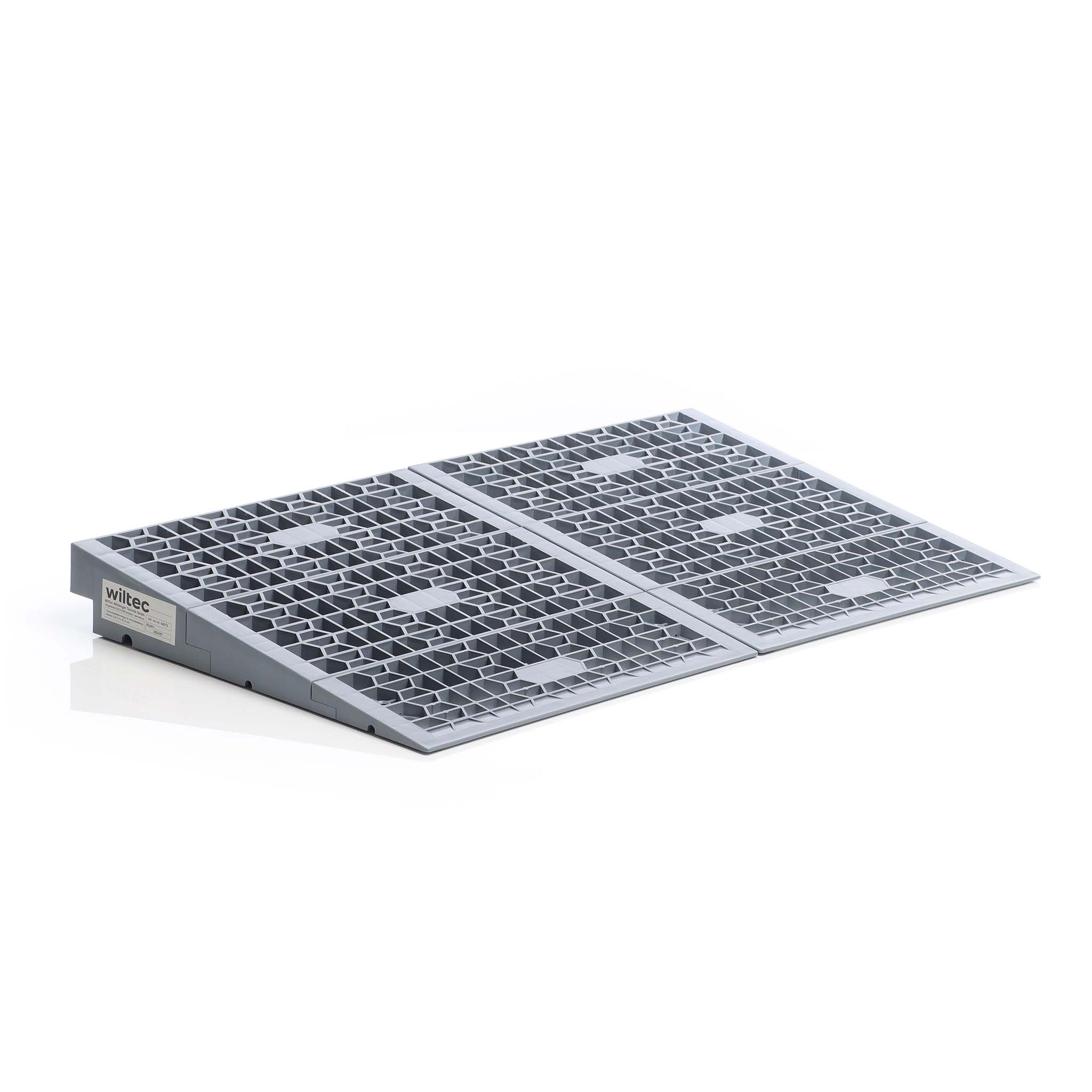
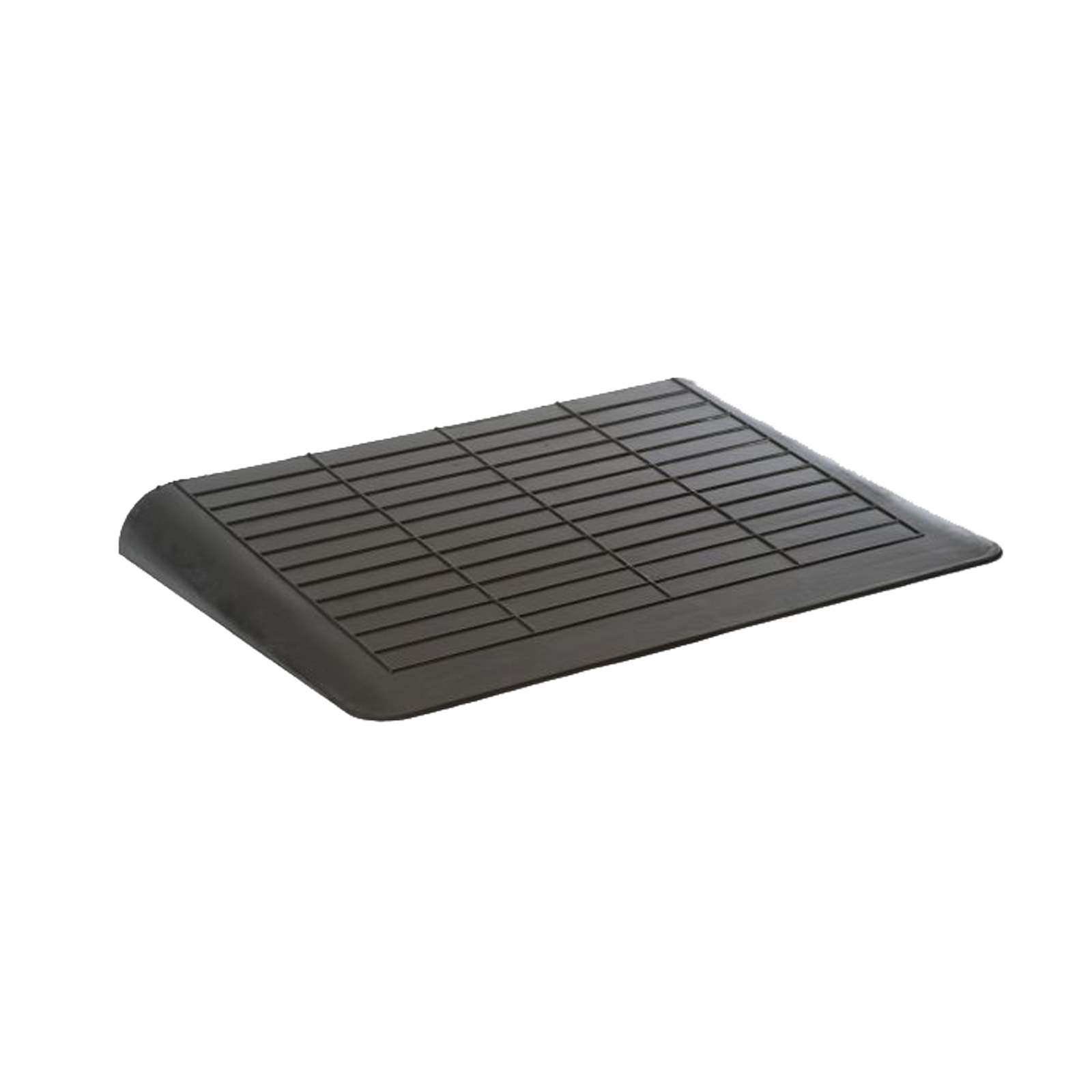
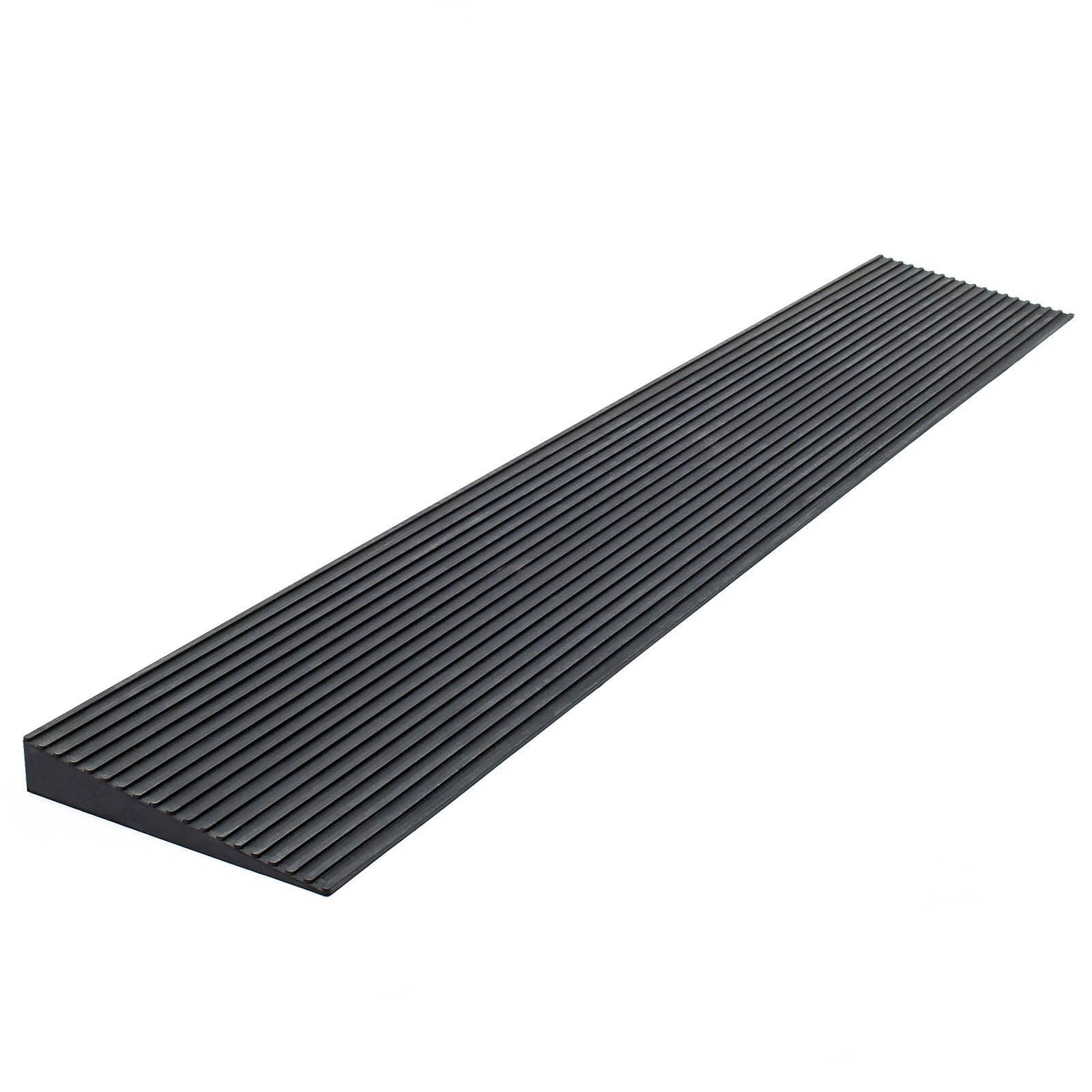
Among the various models available, one noteworthy example is a robust access ramp constructed from high-quality rubber. This particular ramp has dimensions of 1100 x 406 x 50 mm, providing a wide surface suitable for different mobility aids. Its design includes yellow reflective strips that enhance visibility in low-light environments, making it safer for both residential and industrial use.
The material itself offers natural grip and durability, essential for withstanding repeated weight loads from wheelchairs, carts, or heavy equipment. The non-slip surface ensures that even during wet or icy conditions, the risk of slipping is minimized. In addition, the ramp is designed to be positioned quickly without requiring permanent installation, which makes it versatile for both temporary and permanent accessibility solutions.
What distinguishes this model is its ability to adapt to different environments. While primarily suited for door thresholds, it can also be used for small curbs or as a general access ramp in storage or logistics facilities. This makes it not only a supportive tool for personal mobility but also a practical aid in industrial settings where equipment or goods must be transported across uneven levels.
Threshold ramps are used in a wide variety of contexts. In private homes, they are often installed at the entrance to provide wheelchair users and individuals with reduced mobility easier access across door frames. Interior door threshold ramps can also help when transitioning between rooms that have different floor heights, such as from a tiled kitchen into a carpeted living room.
In commercial settings, ramps are critical for compliance with accessibility regulations. Retail stores, hotels, and office buildings use door threshold ramp systems to guarantee barrier-free access for all visitors.
Public buildings, schools, and healthcare facilities also rely on these solutions to ensure that mobility aids such as wheelchairs and rollators can be used without interruption.
In addition to personal and public uses, ramps also serve an industrial purpose. Warehouses often use threshold ramps to allow the smooth transportation of goods on trolleys or carts across loading areas. The flexibility of access ramps makes them suitable for both permanent installation and temporary placement at events or construction sites. Their ability to adapt to various threshold requirements for exterior doors highlights their importance as universal accessibility solutions.
Differences Between Step Ramps and Threshold Ramps
A common question is the distinction between a step ramp and a threshold ramp. While both serve to overcome changes in elevation, their intended use and structure differ. A step ramp is generally longer and designed to cover higher vertical distances, such as stair steps. These ramps often need to comply with specific length-to-height ratios to maintain safe gradients.
A threshold ramp, by contrast, is usually shorter and focused on small height differences, often between 1 and 5 centimeters. They provide a smooth incline that removes the obstacle of a raised door threshold without requiring the space or length of a traditional ramp. Wheelchair threshold ramps are optimized for doorways where frequent access is required but where installation space is limited.
The key difference lies in application: step ramps are designed for larger obstacles, while threshold ramps are specialized for smaller barriers at doorways or entrances. Both, however, are essential elements in comprehensive accessibility planning.
Adjustable Ramp for Compact Spaces
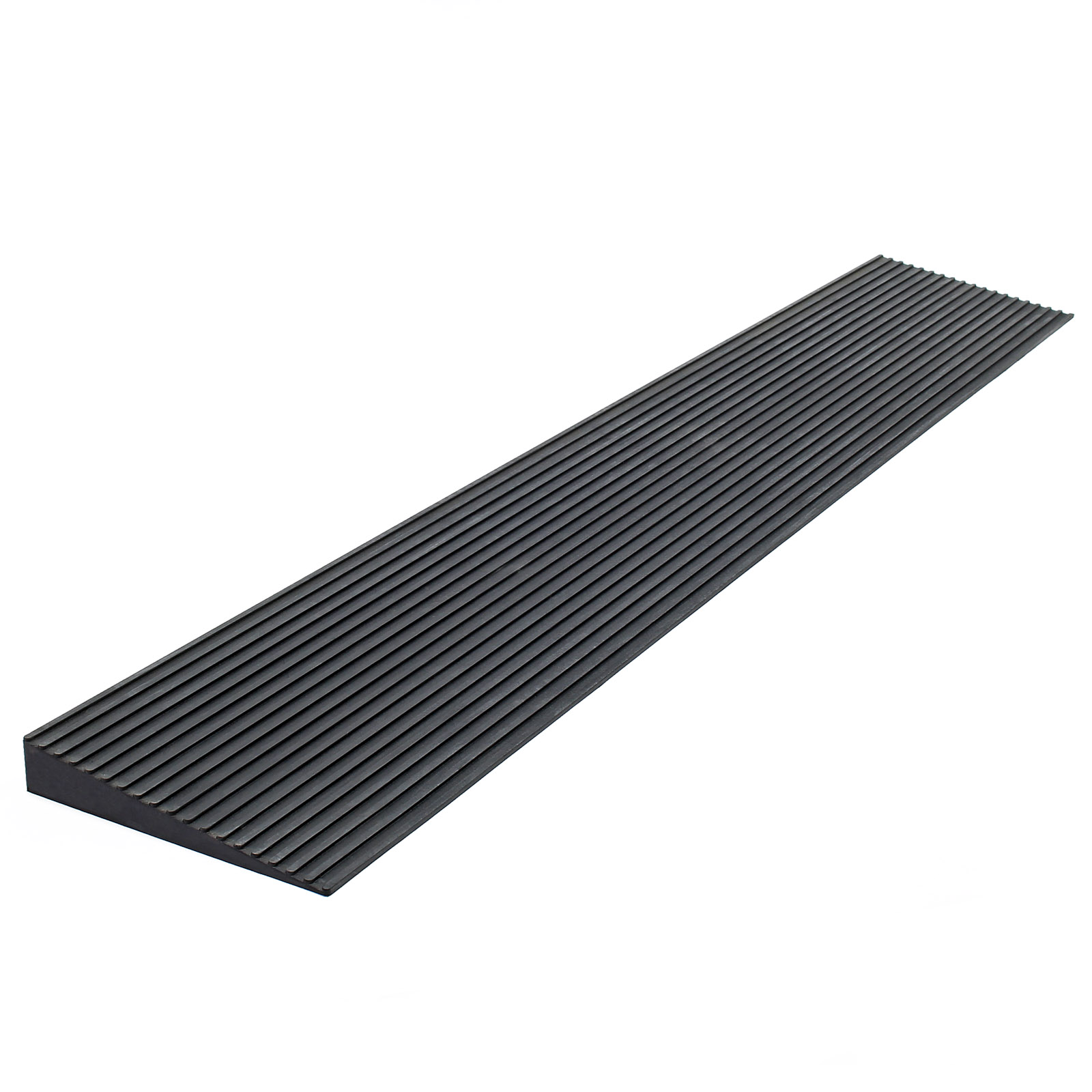
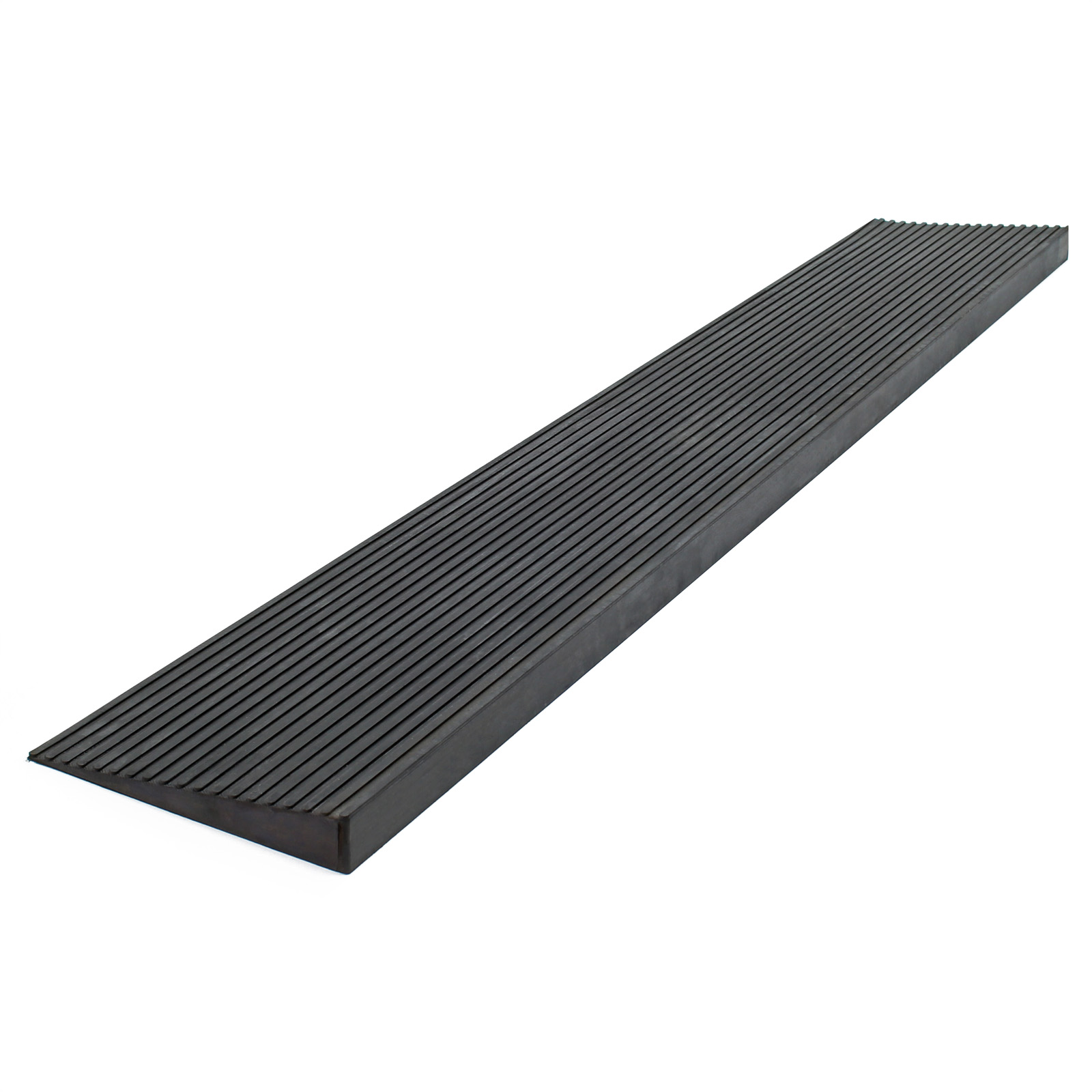
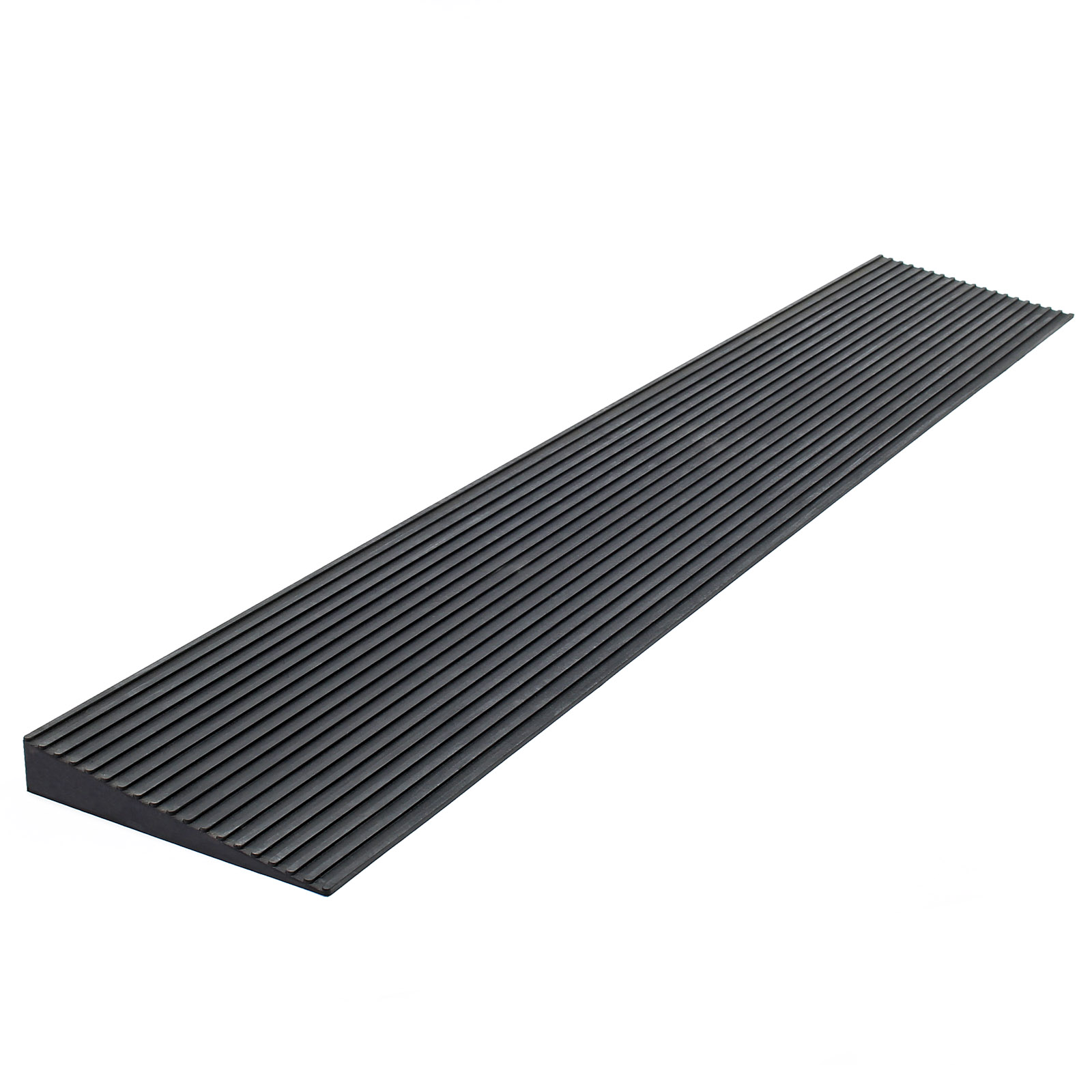
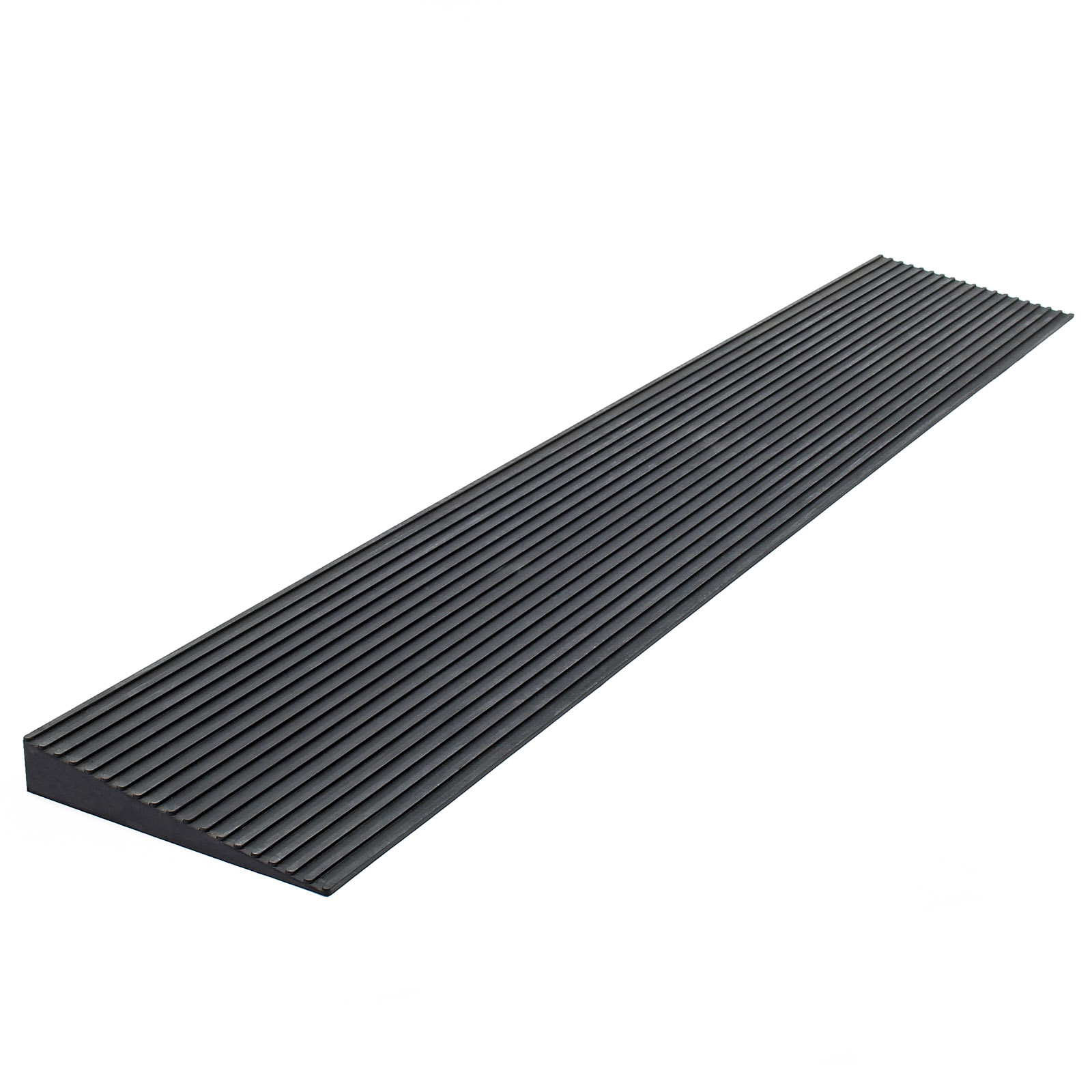
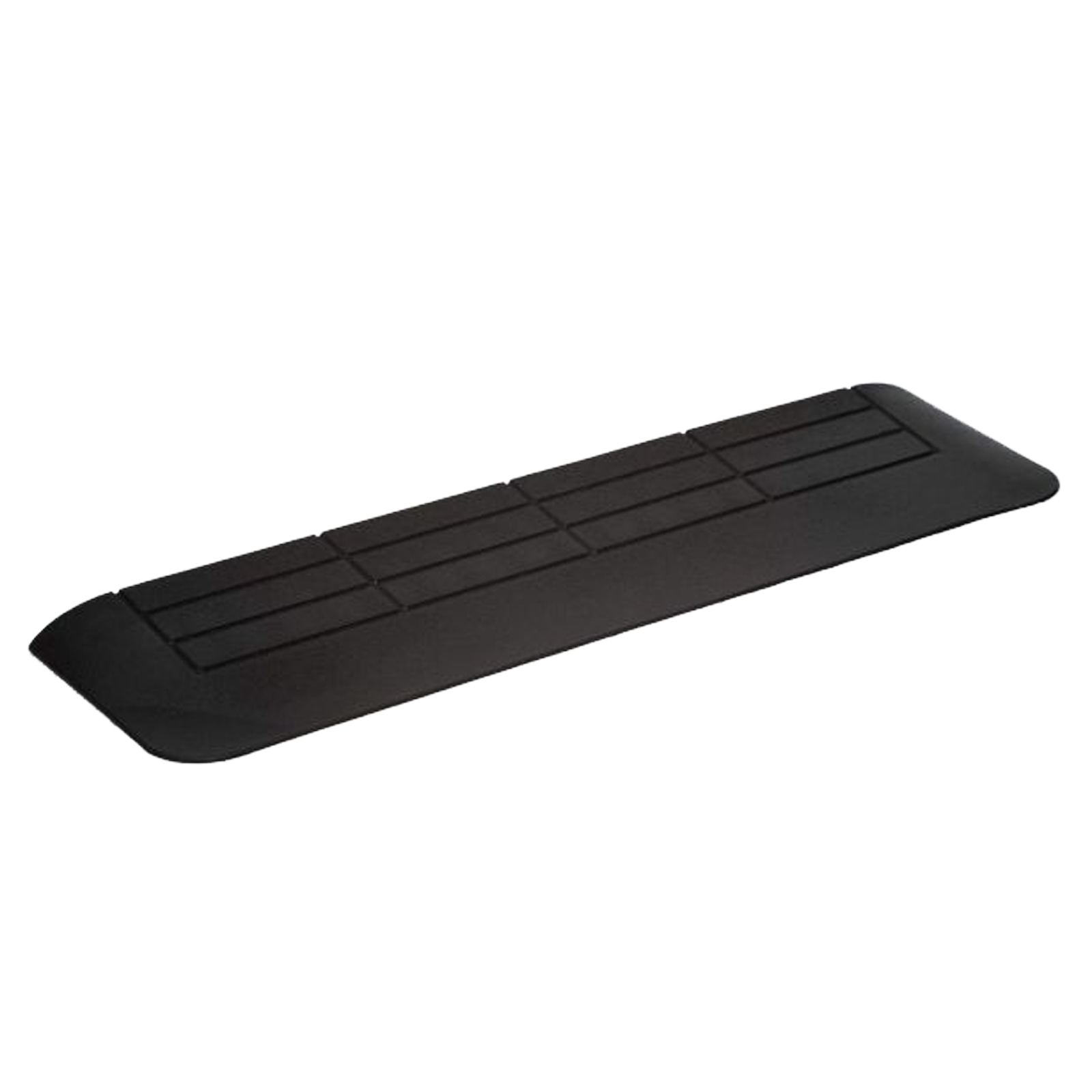
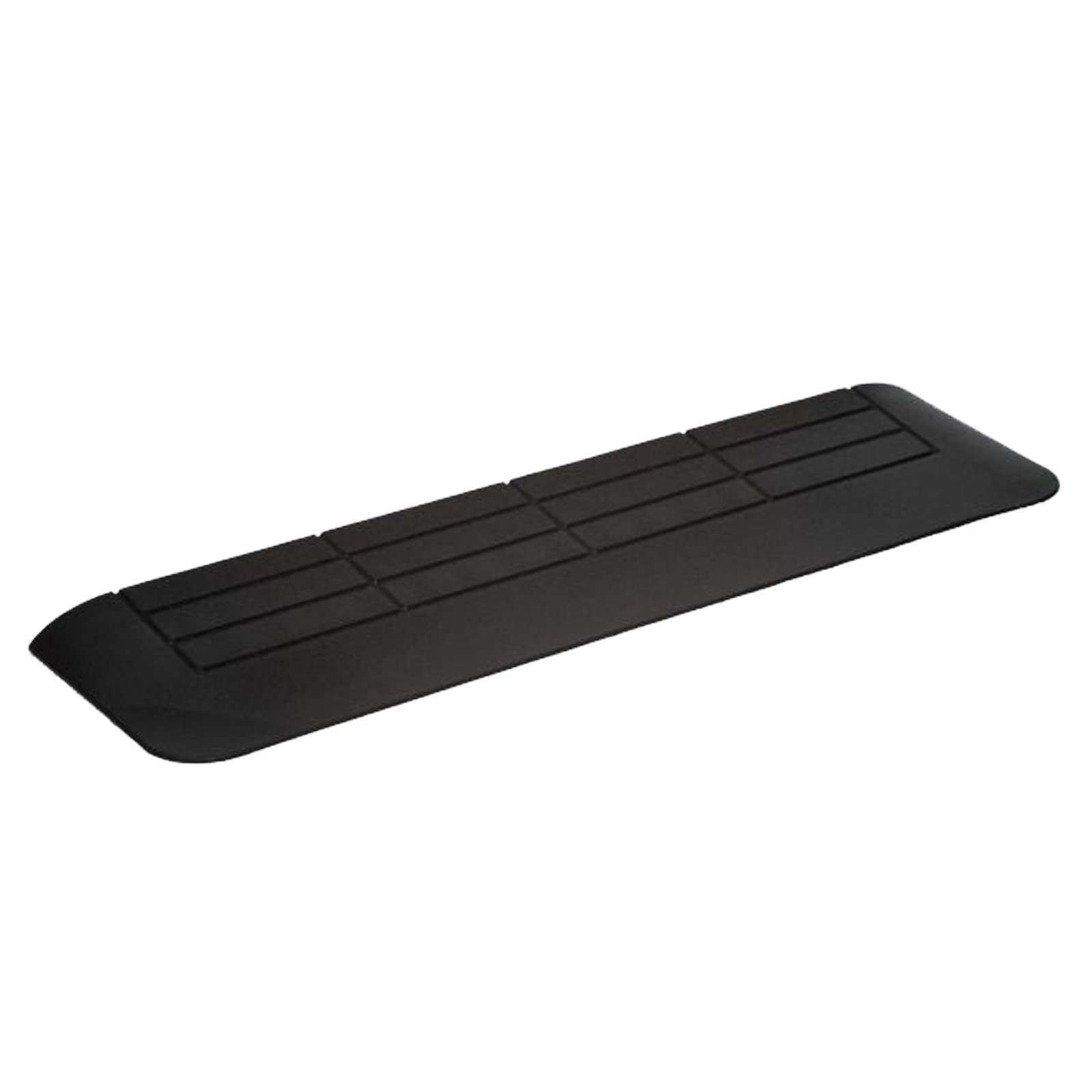
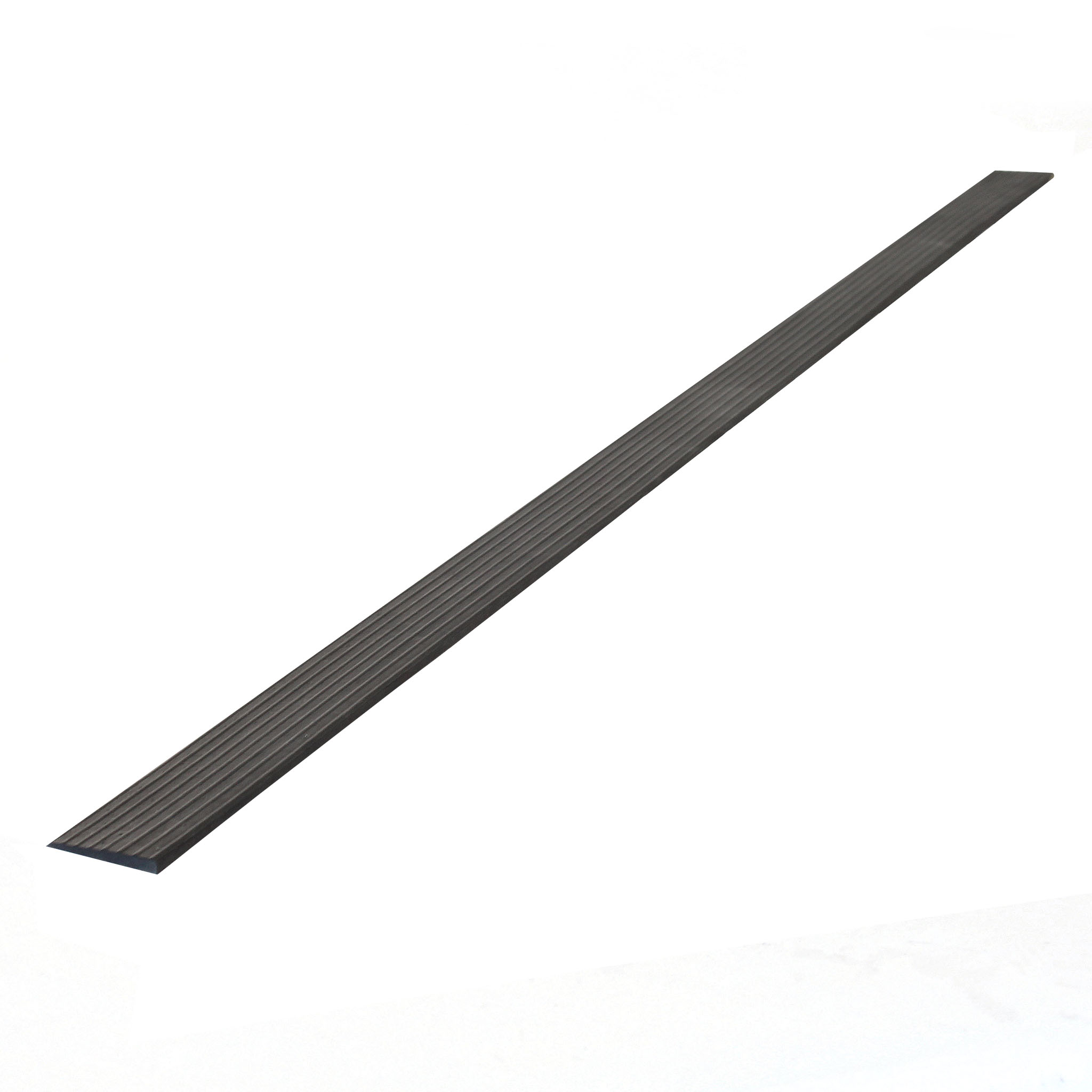
Another product in this category worth highlighting is a threshold ramp with dimensions of 900 x 250 x 45 mm. Made of durable, non-slip rubber, it has the particular advantage of being customizable: it can be cut to size to fit specific door frames or to meet the exact width of a wheelchair or rollator. This adaptability makes it ideal for both private households and public environments.
The design emphasizes both safety and usability. Its slip-resistant surface reduces the risk of accidents, while its compact size ensures it can be placed seamlessly without requiring permanent installation. Because it is made of rubber, it provides flexibility and cushioning, which is especially beneficial when used with mobility aids.
This model demonstrates how practical solutions can combine safety, comfort, and adaptability. Whether used at home to overcome a minor doorway threshold or installed in a public facility to ensure accessibility compliance, this ramp is an example of functional design meeting everyday needs.
Guidelines for Threshold Ramps
Guidelines for threshold ramps are established to ensure both safety and accessibility. The recommended slope for a wheelchair threshold ramp is gentle enough to allow easy maneuvering without excessive effort. International standards, such as those defined by the ADA (Americans with Disabilities Act), provide reference points that are widely used in construction and design.
Typically, the minimum slope for an access ramp is 1:12, meaning that for every centimeter of vertical rise, 12 centimeters of horizontal length are required. However, for short threshold ramps used for small height differences, slightly steeper gradients are often accepted, as they do not compromise safety in the same way longer ramps might.
Other important requirements include the width of the ramp, which must be sufficient for standard mobility aids, and the use of slip-resistant surfaces. Exterior door threshold types often require additional durability to withstand weather conditions. Together, these guidelines ensure ramps meet the threshold requirements for exterior doors while maintaining a high level of safety.
The Three Types of Ramps
Ramps can generally be divided into three main types. The first is the permanent ramp, often built into the architecture of a building. These are typically concrete or metal structures designed to serve long-term accessibility needs.
The second type is the semi-permanent ramp, which is portable but designed for longer use. These ramps can be placed in a fixed location for months or years without requiring construction, making them ideal for residential use.
The third type is the portable ramp, lightweight and foldable, designed for temporary use or transportation. This type is commonly used by individuals who need to carry their own accessibility solution to different locations.
Threshold ramps belong mainly to the semi-permanent and portable categories, depending on their material and application. Wheelchair ramps in this category provide flexible solutions for both private and public environments, ensuring accessibility in a wide range of contexts.

Requirements for Exterior Door Thresholds
Exterior door threshold types have to meet multiple functional and accessibility requirements. Unlike interior thresholds, these are exposed to weather, temperature fluctuations, and frequent traffic, which means durability and resistance play an essential role. Materials such as aluminum or robust rubber are commonly used, as they combine strength with slip resistance. The surface must be stable, non-slip, and easy to cross, even in wet or icy conditions.
From an accessibility perspective, threshold requirements for exterior doors are guided by regulations that aim to reduce or eliminate barriers. Many building codes specify that thresholds should not exceed a certain height, often no more than 1.5 to 2 centimeters, unless a ramp is provided. In situations where height differences cannot be completely avoided, a door threshold ramp ensures a smooth and safe transition. Wheelchair threshold ramps and access ramps are frequently installed in these cases to comply with accessibility guidelines.
In addition to accessibility, energy efficiency is also important. Exterior thresholds often serve as seals that protect against drafts, moisture, and insects. The most common type of threshold combines these protective functions with accessibility features, creating a balance between insulation and usability. By meeting these requirements, exterior door thresholds improve both the safety and the comfort of a building.
Minimum and Maximum Slopes for Access Ramps
The minimum slope for an access ramp is often cited as 1:20, which provides a very gentle incline and is the most comfortable for wheelchair users. However, in practical applications, the standard slope is usually 1:12, as this strikes a balance between space efficiency and accessibility.
The maximum gradient for an access ramp should not exceed 1:10 for short distances, and preferably remain closer to 1:12 or 1:15 for longer installations. Exceeding these limits increases the effort required to ascend and may compromise safety. The recommended angle of an access ramp typically falls between 4.8 and 8.5 degrees.
For threshold ramps specifically, which address small height differences, steeper slopes are sometimes acceptable, provided the height does not exceed a few centimeters. In these cases, the ramps serve as practical, compact solutions rather than long inclines.

The required ramp length for multiple steps depends on the total vertical rise that needs to be overcome and the recommended slope ratio for safe use. Accessibility guidelines, such as those frequently referenced in construction standards, suggest a maximum slope of 1:12 for wheelchair ramps. This means that for every unit of height, twelve units of length are required. For example, if three steps have a combined rise of 45 centimeters, the corresponding ramp should ideally be at least 540 centimeters long. Such a design ensures the slope remains gentle enough for wheelchair users and others with mobility aids to ascend without excessive effort.

In situations where space is limited, compromises are sometimes made, though this should be carefully evaluated against safety considerations. Steeper inclines can be managed for very short distances, but for longer ramps, maintaining the recommended ratio is crucial. Alternative solutions such as modular ramp systems or vertical platform lifts may also be used when a standard ramp cannot be accommodated due to spatial constraints.

It is important to distinguish between long access ramps for stairways and shorter threshold ramps for doorways. While the latter are designed for minor height differences, ramps for multiple steps must follow strict gradient requirements to ensure safe and reliable access.
Summary of Threshold Ramp Information
Threshold ramps are essential accessibility solutions designed to overcome minor obstacles at doorways and thresholds. They differ from step ramps in their compact size and specialized use for small height differences. Available in materials such as rubber or aluminum, they ensure safe, non-slip passage for wheelchairs, rollators, and other aids.
The category includes models with reflective safety features, customizable widths, and durable surfaces for both interior and exterior use. Guidelines recommend gentle slopes, slip resistance, and compliance with threshold requirements for exterior doors.
By providing both temporary and permanent solutions, threshold ramps enhance mobility across residential, commercial, and industrial environments. They play a vital role in inclusive design, making buildings safer and more accessible for everyone.