






























































Reliable Protection for Firearms: An Overview of Gun Cases
Gun cases are indispensable for anyone who owns and stores firearms responsibly. Whether it is a rifle, shotgun, or handgun, proper containment and protection are crucial for maintaining both legal compliance and personal safety. A gun case serves multiple purposes—it protects the firearm from physical damage, prevents unauthorized access, and makes transportation safer and more convenient. There are various types of gun cases available, including rifle cases, pistol cases, foam gun cases, and lockable gun cases, each suited for different types of firearms and use cases. From compact handgun case models to large rifle hard case options, these containers come in various materials and layouts.
A gun case with foam provides cushioning and shock absorption, reducing the risk of internal damage during transit. When traveling, especially by air, selecting a travel gun case with lock or a gun case with combination lock becomes essential to comply with regulatory guidelines. Such cases can also be useful for storing firearms securely in vehicles or at home. Choosing the right gun case is not only about size and durability; it also involves understanding different locking mechanisms and interior configurations. Proper foam fitting and materials help tailor each case to specific firearm dimensions. The growing variety of gun cases with lock options makes it possible for owners to choose the safest and most practical storage solution tailored to their firearm type, travel habits, and storage environment.

Aluminium Storage with Internal Foam Padding and Locking Mechanism
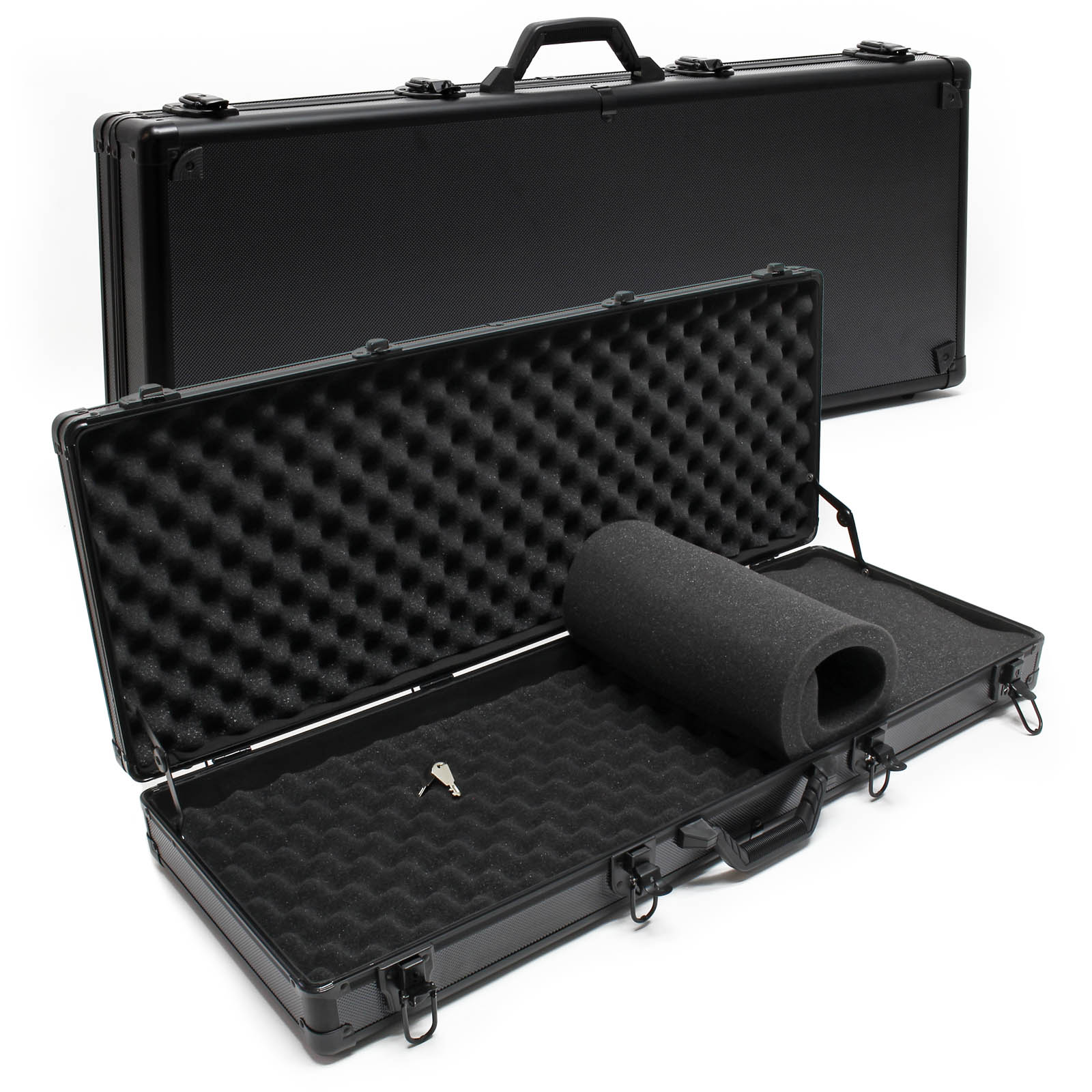
Among the most trusted formats in the category, the aluminium gun case with internal foam lining offers an excellent combination of protection and ease of use. Measuring 134.62 x 36 x 11.43 cm, this case is well-suited for transporting longer firearms such as rifles or shotguns. The outer shell made of aluminium ensures resistance against drops, scratches, and pressure—qualities that are particularly valued when firearms are moved across rough terrain or loaded into transport vehicles. Inside, the foam padding offers adjustable support, adapting to the contours of the weapon and its accessories. This setup reduces shifting, shock, and vibration during transit. Many users appreciate the dual functionality—storage at home and safe transportation outside. As a lockable gun case, it includes secure latches that comply with common firearm transport regulations. Especially when traveling or commuting with firearms, the inclusion of locking mechanisms cannot be overstated.
In this case, the foam gun case interior absorbs mechanical stress while keeping delicate parts like optics or scopes in place. The aluminum shell acts as a rigid barrier against external conditions, such as moisture or temperature fluctuations. The lockable nature of the case adds an important layer of safety, whether the firearm is stored at home or checked in for transport. With the added versatility of its size, it accommodates not only firearms but also ammunition and cleaning tools, making it a multipurpose unit for responsible gun owners.
Gun cases are used in a wide array of environments, reflecting the diverse needs of firearm owners. At shooting ranges, a pistol case or handgun case helps safely transport firearms between locations while complying with facility guidelines. In hunting contexts, rifle cases protect firearms from environmental elements like dirt, moisture, and physical impacts during transport through forested or mountainous terrain. For those participating in competitions, a gun case with foam lining ensures stability, protecting sensitive components such as scopes or custom grips. In the professional sector, including law enforcement and military, foam gun cases offer secure and organized storage for tactical gear.
Additionally, gun owners traveling by air need travel gun cases with lock or gun cases with combination lock to meet stringent airline and TSA requirements. These cases must be rigid, lockable, and tamper-resistant. At home, lockable gun cases serve a different yet equally important role. They provide secure containment, reducing the risk of unauthorized access, especially in households with children. They also help prevent dust and humidity from affecting the firearm’s condition. For collectors, custom-cut foam interiors in hard rifle cases or single gun cases with lock offer a display function while preserving the value and structure of each item. From everyday transport to regulated air travel, gun cases adapt to multiple scenarios, offering security, legality, and peace of mind across all applications.
Soft or Hard Case: Key Differences in Practical Use
Understanding the distinction between a soft and hard gun case is essential for selecting the right storage or transport solution. A soft gun case typically features a nylon or polyester exterior and may include basic padding. These cases are lightweight, easy to carry, and foldable, making them ideal for quick trips to a shooting range or for storing firearms in compact areas. However, soft cases offer limited protection against impacts, crushing forces, or weather exposure. In contrast, a hard case—such as a rifle hard case or foam gun case—features a rigid exterior shell constructed from aluminium, reinforced plastic, or high-impact polymer. These materials provide better durability, especially during long-distance transport or storage in varying environments.
Hard gun cases often come with pre-cut foam interiors, which help secure the firearm in place, preventing internal movement and damage. In many jurisdictions, especially for air travel, hard cases are mandatory due to their enhanced security features. A gun case handgun format in hard material may include integrated locking systems, making it suitable for airline use. While soft cases are less expensive and more portable, hard cases offer greater protection and meet more stringent transport regulations. For users who prioritize firearm safety and longevity, a travel gun case with lock and hard exterior is typically the preferred choice. The decision depends on the user’s specific needs, but for comprehensive safety and legal compliance, hard cases stand out as the superior option.
Heavy-Duty Long Gun Case for Secure and Organized Storage
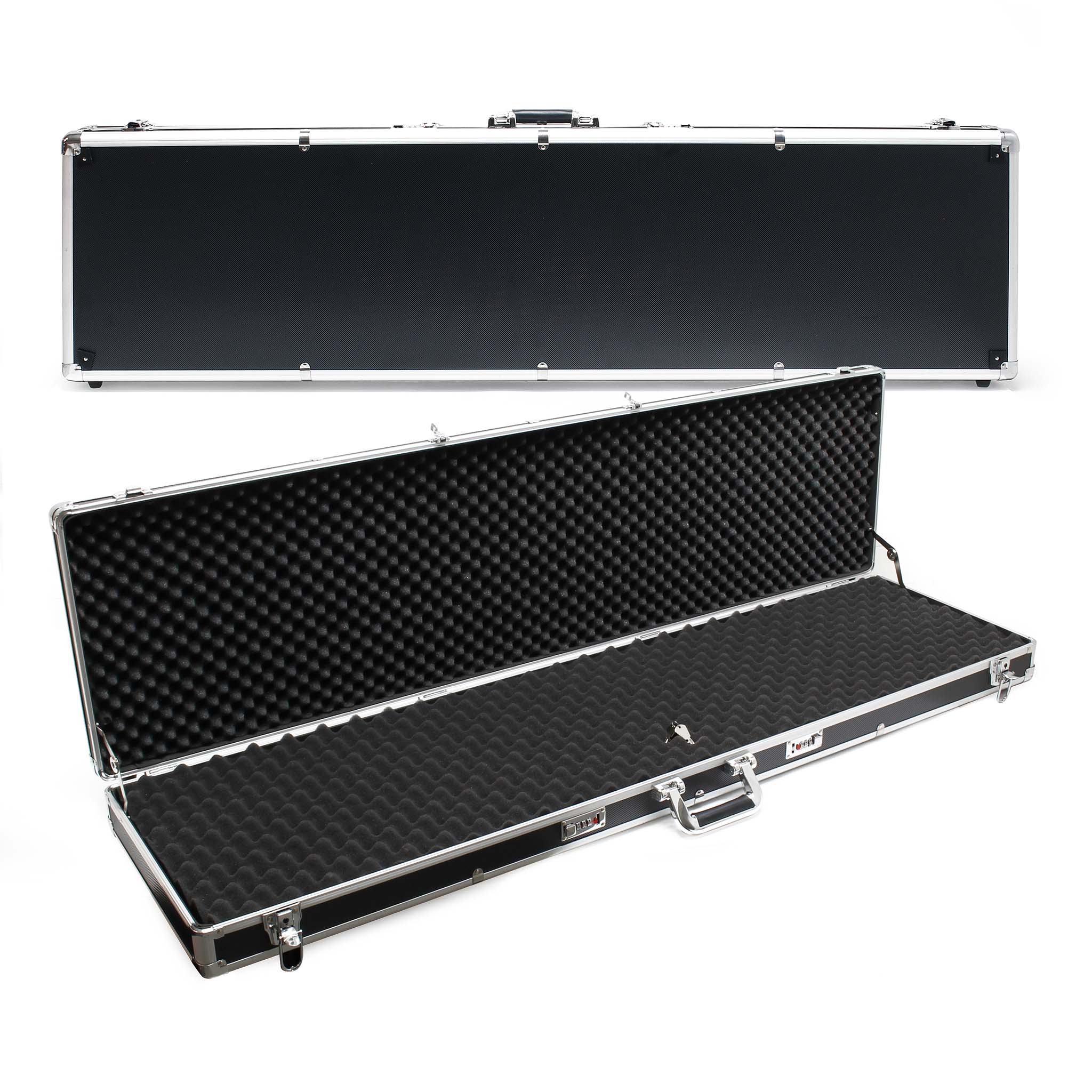
For users who need to store or transport long guns, rifles, and related gear, this spacious and robust gun storage case offers an ideal solution. With exterior dimensions of approximately 101.8 x 50.3 x 19 cm, it provides ample room for multiple items, including rifles, optics, and other accessories. The interior is equipped with thick, high-quality foam padding that reduces shock and vibration, keeping each item secure and isolated during transport. As a foam gun case, its structure minimizes internal movement and allows for customizable layouts based on individual equipment. The external shell is reinforced to handle pressure and drops, making it suitable for use in challenging outdoor environments. The rifle case design also incorporates secure locking features, enabling safe storage and transport. Many users appreciate this case’s ability to carry an entire setup in one compact unit—ideal for hunting trips, shooting events, or tactical operations.
With its ability to accommodate rifles and essential gear, this case offers unmatched convenience. The reinforced edges and solid latches make it resistant to tampering, supporting use in both civilian and professional contexts. For those traveling by vehicle or plane, it functions as a reliable travel gun case with lock, ensuring firearms remain secure and undisturbed. Whether the need is for long-term storage at home or for rugged field use, this rifle hard case offers dependable functionality, robust construction, and flexible internal organization for safe and practical firearm handling.
Selecting the Right Foam: Why Material Matters for Protection
Choosing the appropriate foam for a gun case significantly influences the level of protection offered to the firearm inside. There are two main types of foam commonly used in gun cases: open-cell and closed-cell. Closed-cell foam, particularly polyethylene, is widely regarded as the superior choice for most applications. This type of foam is dense, water-resistant, and provides excellent shock absorption. A closed-cell foam gun case ensures that firearms, including optics or delicate parts, remain immobile and protected against mechanical stress during travel. It also resists moisture absorption, making it ideal for environments with high humidity or varying temperatures. On the other hand, open-cell foam—such as polyurethane—offers a softer, more flexible texture. While it provides cushioning, it lacks the structural integrity of closed-cell foam and is more suitable for lightweight, temporary setups.
For custom fits, closed-cell foam is easier to cut and holds its shape better over time. Many gun cases with lock or gun case with combination lock formats use layered foam inserts to allow users to customize the interior. This feature ensures that each firearm rests securely within its own compartment. In short, closed-cell foam is best for high-impact protection and long-term durability, making it the recommended option for most rifle cases, pistol cases, and travel gun cases. The selection of the right foam improves not only security but also the preservation of the firearm's condition during transport and storage.

Traveling with Gun Cases: Is It Allowed Without Firearms?
Many firearm owners wonder whether they are allowed to fly with an empty gun case, especially when preparing for travel. The answer is yes—traveling with an empty gun case is generally permitted by airlines and airport security, including the Transportation Security Administration (TSA) in the United States. However, even if the case is empty, it is subject to inspection, particularly if it includes features like lockable latches, pre-cut foam inserts, or firearm-shaped compartments. An empty travel gun case with lock may still trigger a visual inspection or declaration at the airline counter. While it’s not typically flagged as a security risk, presenting the case at check-in is recommended to avoid unnecessary complications. It's also advisable to ensure that the case is visibly empty, with no ammunition, magazines, or gun parts inside.
A gun case handgun design or rifle hard case without a declared weapon is not restricted in itself, but attention may still be drawn if it appears configured for firearms. Using a gun case with foam is not an issue, but security staff might inquire about its contents based on the layout. Travelers are encouraged to carry documentation if traveling internationally, even with an empty case. Ultimately, flying with an empty gun case is permissible, provided that security procedures are followed and the case complies with general travel policies. Being transparent and prepared helps ensure a smooth travel experience with or without a firearm.
Is Cutting Foam in a Gun Case Recommended or Necessary?
Yes, cutting the foam in a gun case is not only permitted—it is often considered a best practice. Most gun cases with foam are designed with customization in mind. This includes pluck foam or layered inserts that allow users to shape compartments for specific firearm configurations. Cutting the foam helps create a snug fit, minimizing internal movement and reducing the risk of scratches, impact damage, or wear on sensitive components like optics or trigger assemblies. Whether for a pistol case, handgun case, or rifle hard case, custom-fitted foam enhances safety during transport and storage. The cutting process should be done with care, using a sharp utility knife and tracing outlines beforehand. Many manufacturers recommend using templates or cardboard guides to maintain symmetry. Leaving the foam uncut may work for general storage, but for travel or high-value firearms, custom-cut compartments provide better protection.
In cases like a single gun case with lock, tailored foam ensures that the weapon does not rattle or shift. This is especially important when used as a travel gun case with lock, where inspections or rough handling may occur. Additionally, proper cutting allows storage of accessories such as magazines or scopes within the same case. While not mandatory, modifying the foam is a practical way to optimize the internal layout and improve firearm safety. Done correctly, it extends the lifespan of both the firearm and the case itself.

Most standard shotguns range from 100 to 130 cm (approximately 39 to 51 inches) in total length. Therefore, a shotgun case should ideally be 10 to 15 cm longer than the firearm to accommodate padding and allow ease of storage. A gun case with foam should offer sufficient interior depth to fit the shotgun without compression, ensuring full contact with the foam surface for maximum shock absorption. Hard rifle cases often suit shotguns well, particularly those designed with reinforced shells and secure locking systems.

A rifle hard case or single gun case with lock can provide the necessary length and internal support for traditional hunting or sporting shotguns. For tactical models with attachments such as optics, slings, or extended barrels, a larger case may be needed. It’s also essential to consider accessories like chokes or extra barrels, which may influence the internal configuration.

Some users prefer multi-rifle cases that can carry additional gear alongside the firearm. When selecting a gun case handgun formats are too small; focus on those labeled for rifles or long guns. Ensure that the case includes adequate foam padding and complies with any transportation requirements. A travel gun case with lock is recommended for airline or vehicle use, offering both space and security. Always confirm interior dimensions and verify firearm fit before purchase or modification.
Summary of the Gun Cases Category
Gun cases play a vital role in the responsible ownership and transport of firearms, offering safety, compliance, and organizational benefits. Whether the goal is storage at home or travel across jurisdictions, gun cases come in many forms, including rifle cases, pistol cases, and foam gun cases. The addition of locking mechanisms—ranging from padlocks to combination systems—enhances security and meets regulatory standards. Selecting the right gun case depends on firearm type, travel frequency, and individual storage needs. A travel gun case with lock ensures secure handling in transit, while a single gun case with lock is ideal for compact firearms. Interior foam type and layout greatly influence protection levels, with closed-cell foam being the preferred choice for long-term durability and shock absorption. From TSA and airline compliance to foam customization and proper sizing, each feature contributes to secure and efficient firearm management. Gun cases with lock offer peace of mind, practicality, and security across all use cases.