


















































Essential Equipment for Stable and Safe Trailer Handling
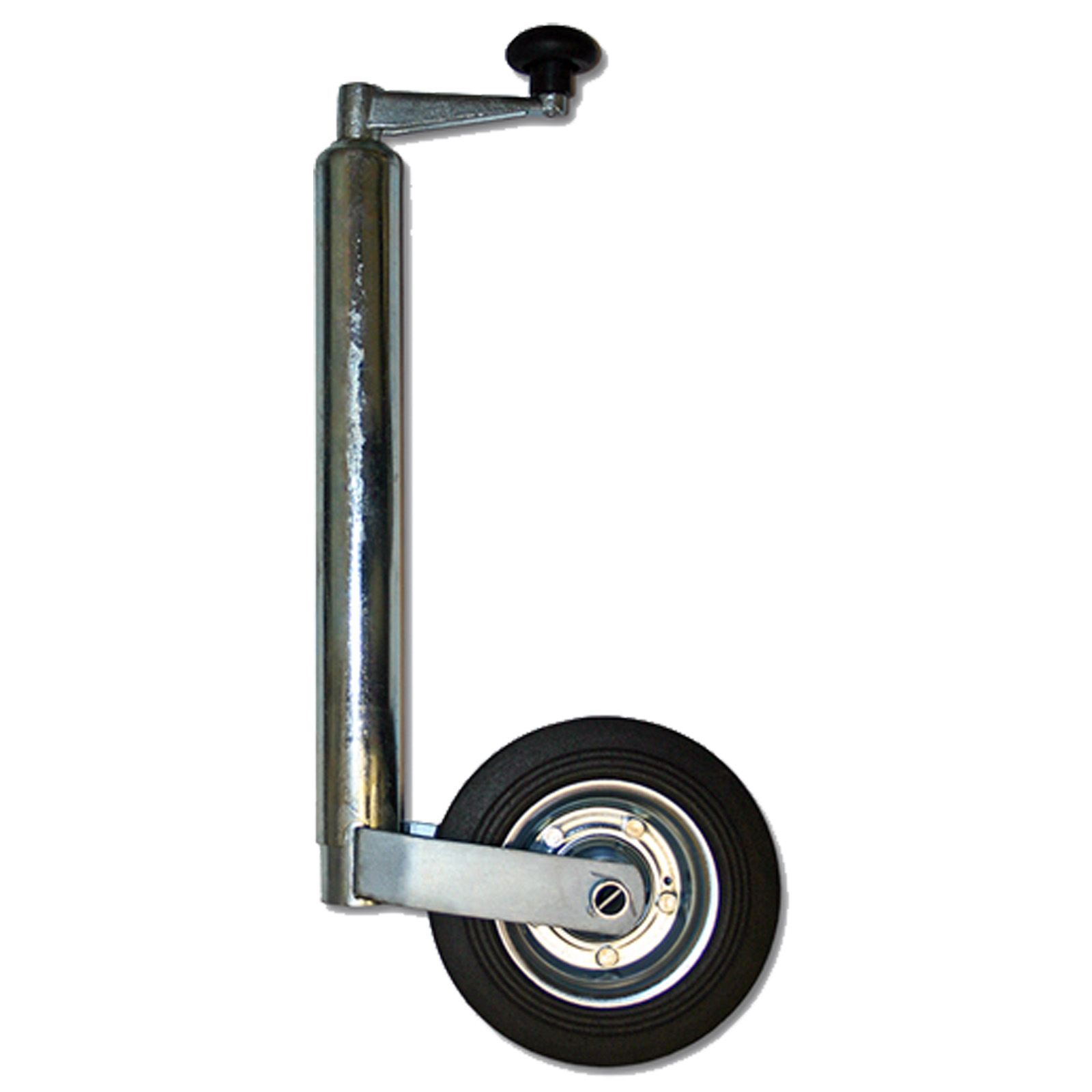
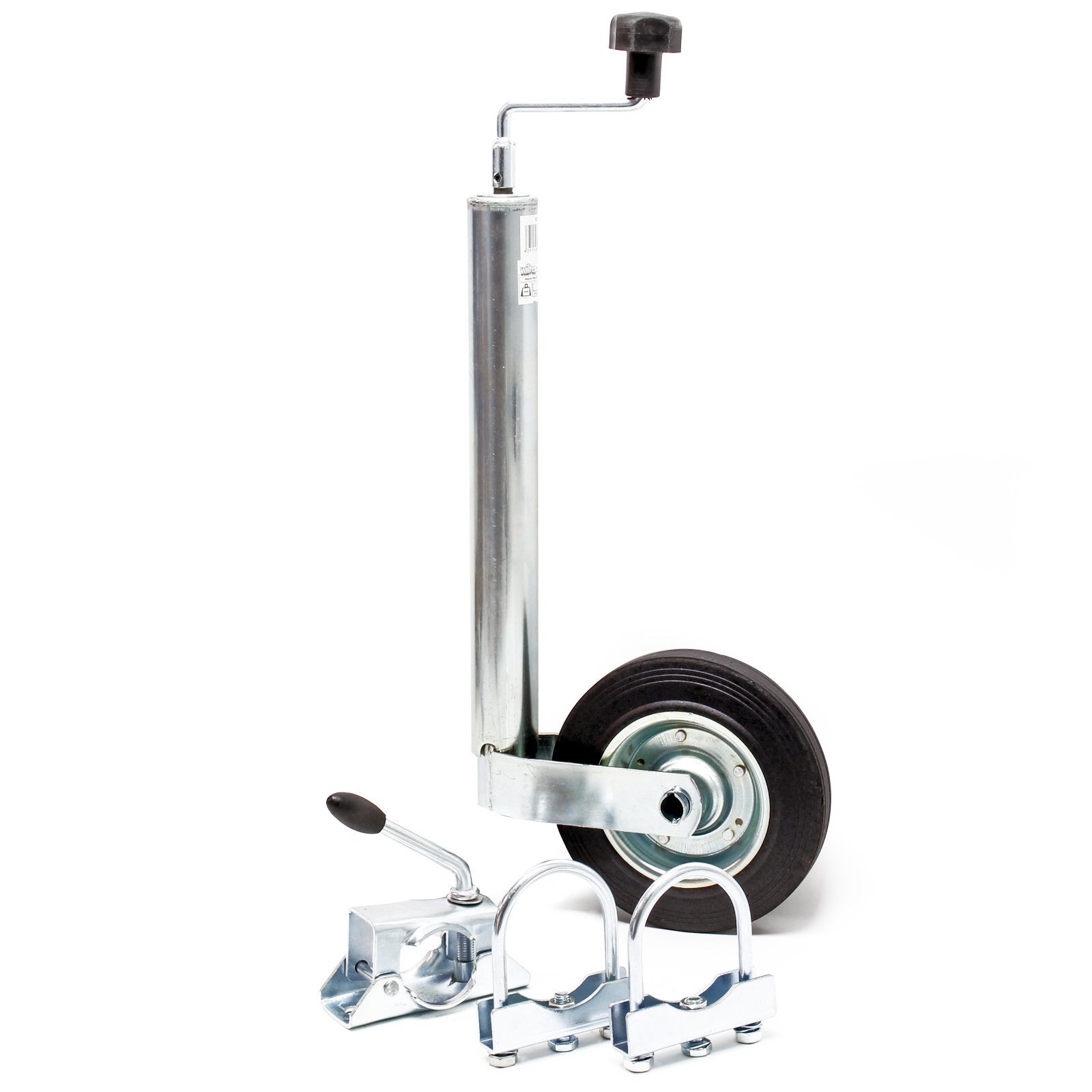
Support wheels and trailer jacks represent indispensable tools for anyone involved in transporting loads with trailers or caravans. These mechanical aids are crucial for ensuring stability, balance, and ease of handling both during loading operations and stationary periods. Whether it's about parking a caravan securely at a campsite or detaching a loaded trailer from a towing vehicle, the correct use of support stands or jockey wheels significantly enhances safety and comfort.
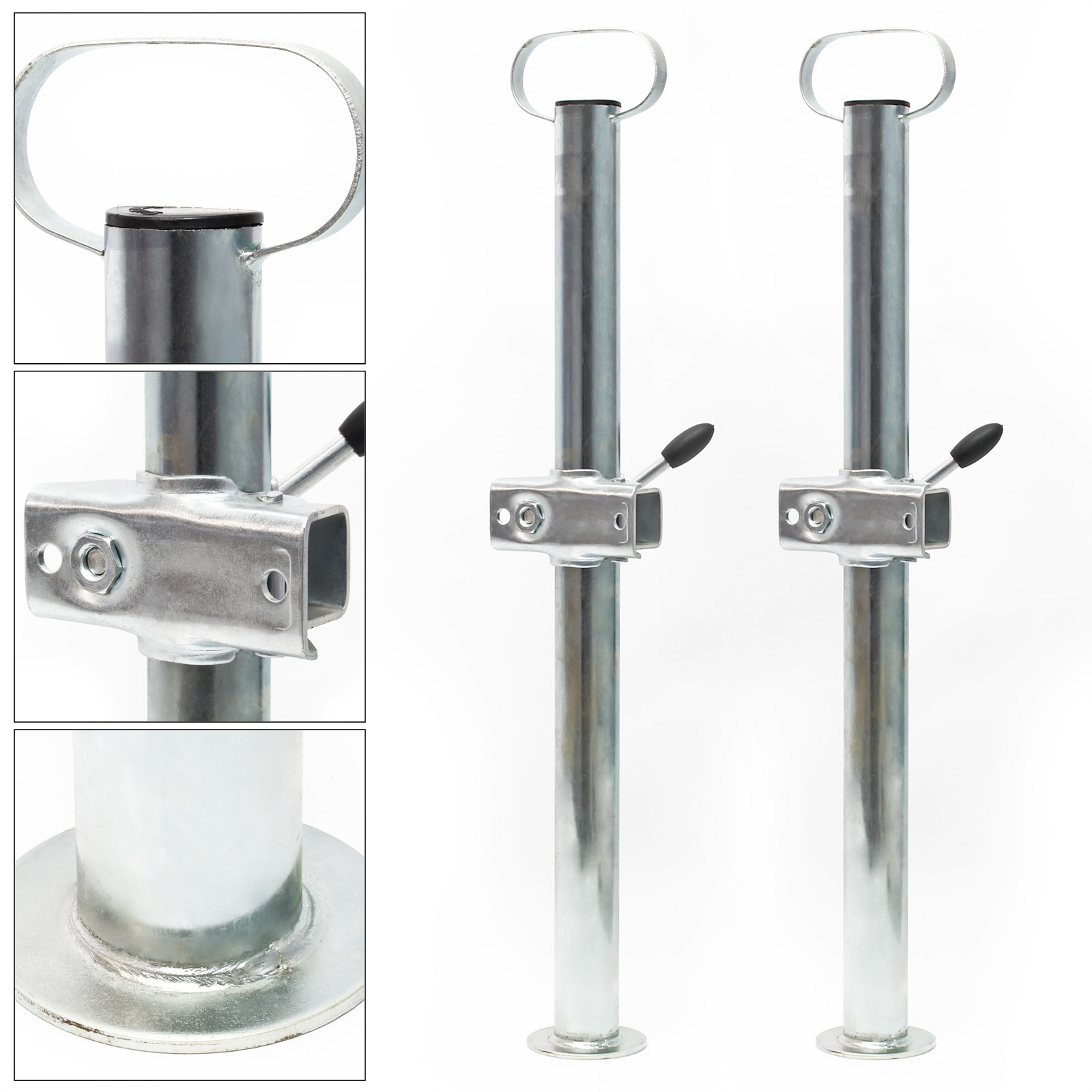
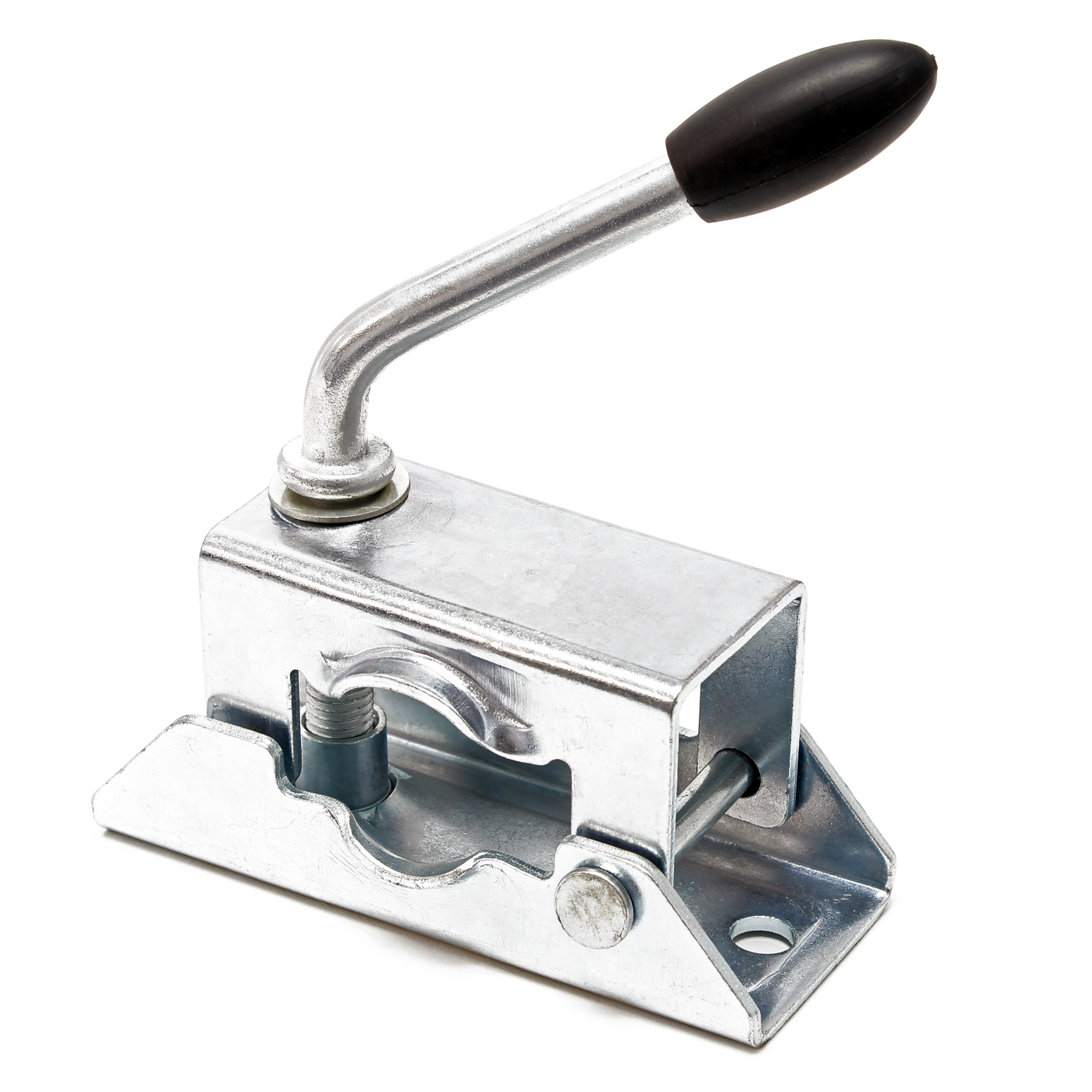
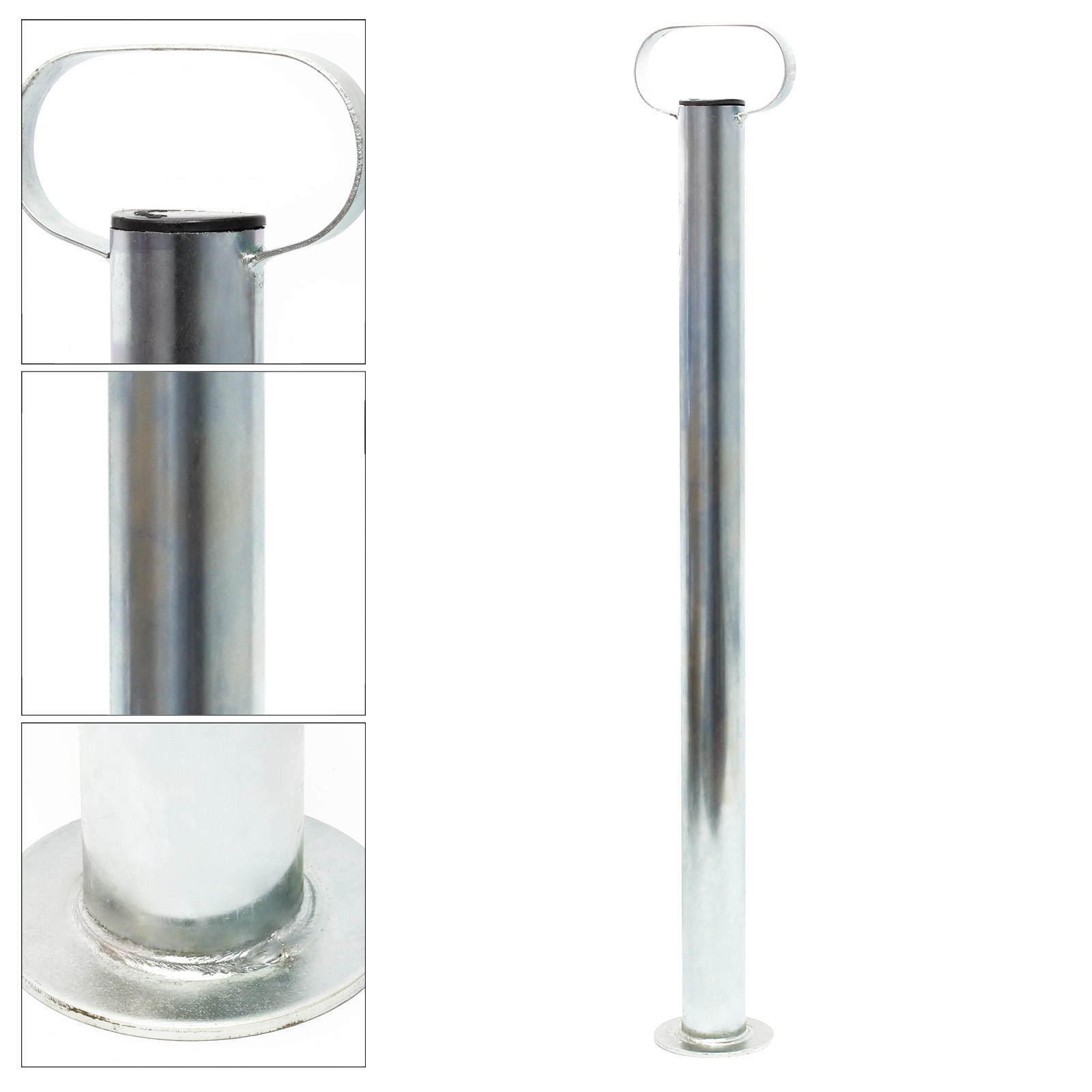
Trailer stands and support jacks are available in various forms, including height-adjustable props, jockey wheel docks, or fixed stabilisers. Each of these components fulfills a specific purpose, adapted to different trailer weights, environments, and frequency of use. Many car support stands or caravan stabilisers are built to withstand heavy-duty applications, suitable for commercial towing tasks or long-term use in private setups. Heavy duty trailer prop stands, for example, are designed to hold significant loads without risk of tipping or structural deformation.
Moreover, innovations in trailer handling equipment now include tools such as trailer dollies, which simplify manoeuvring without the use of a vehicle. These tools are particularly helpful for caravan owners who must navigate narrow storage spaces. Choosing the right equipment not only protects your trailer and its load but also contributes to overall road safety when towing. Understanding how and when to use these support elements is essential for all trailer users, from occasional hauliers to professionals.

Height-Adjustable Coupling for Easy Manoeuvring
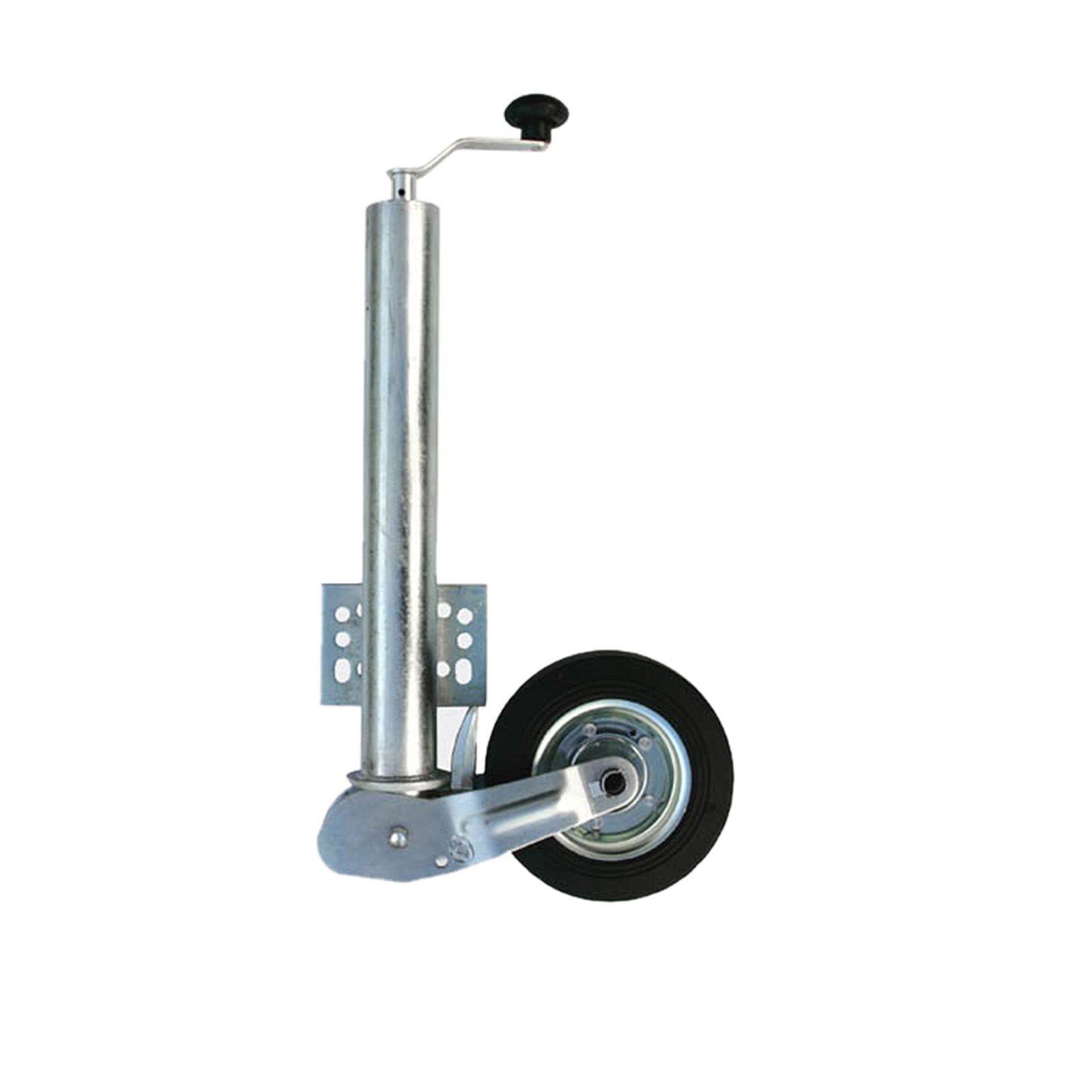
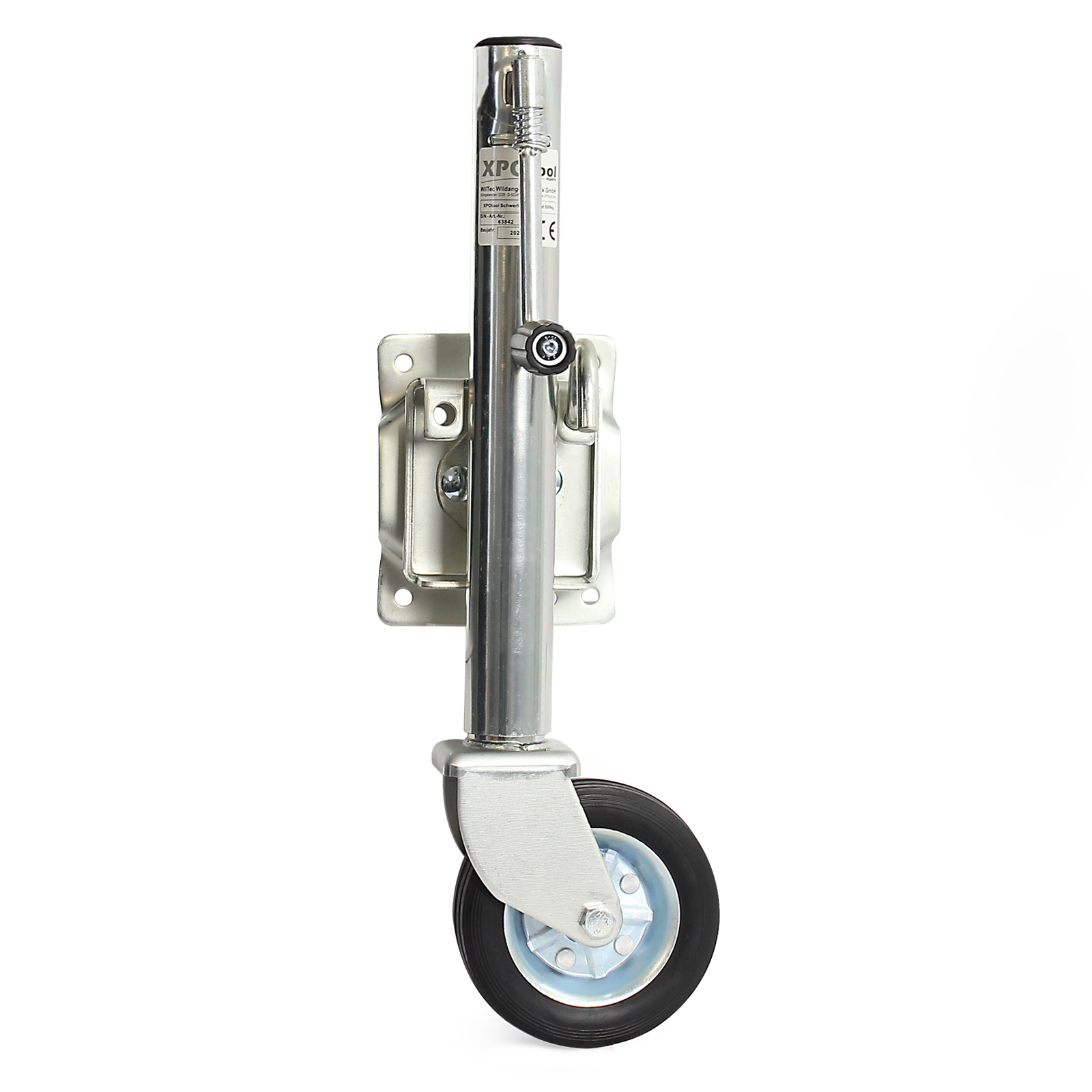
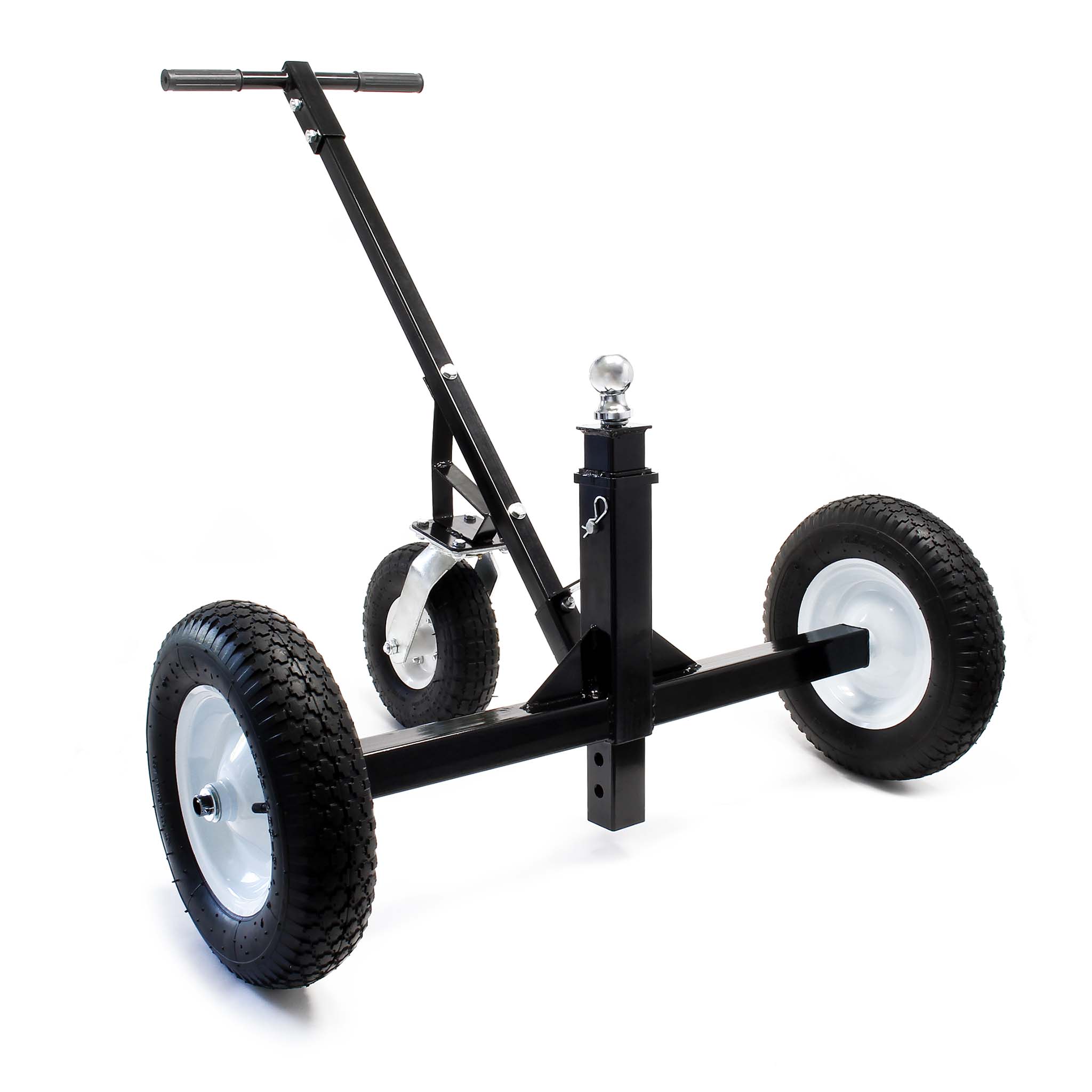
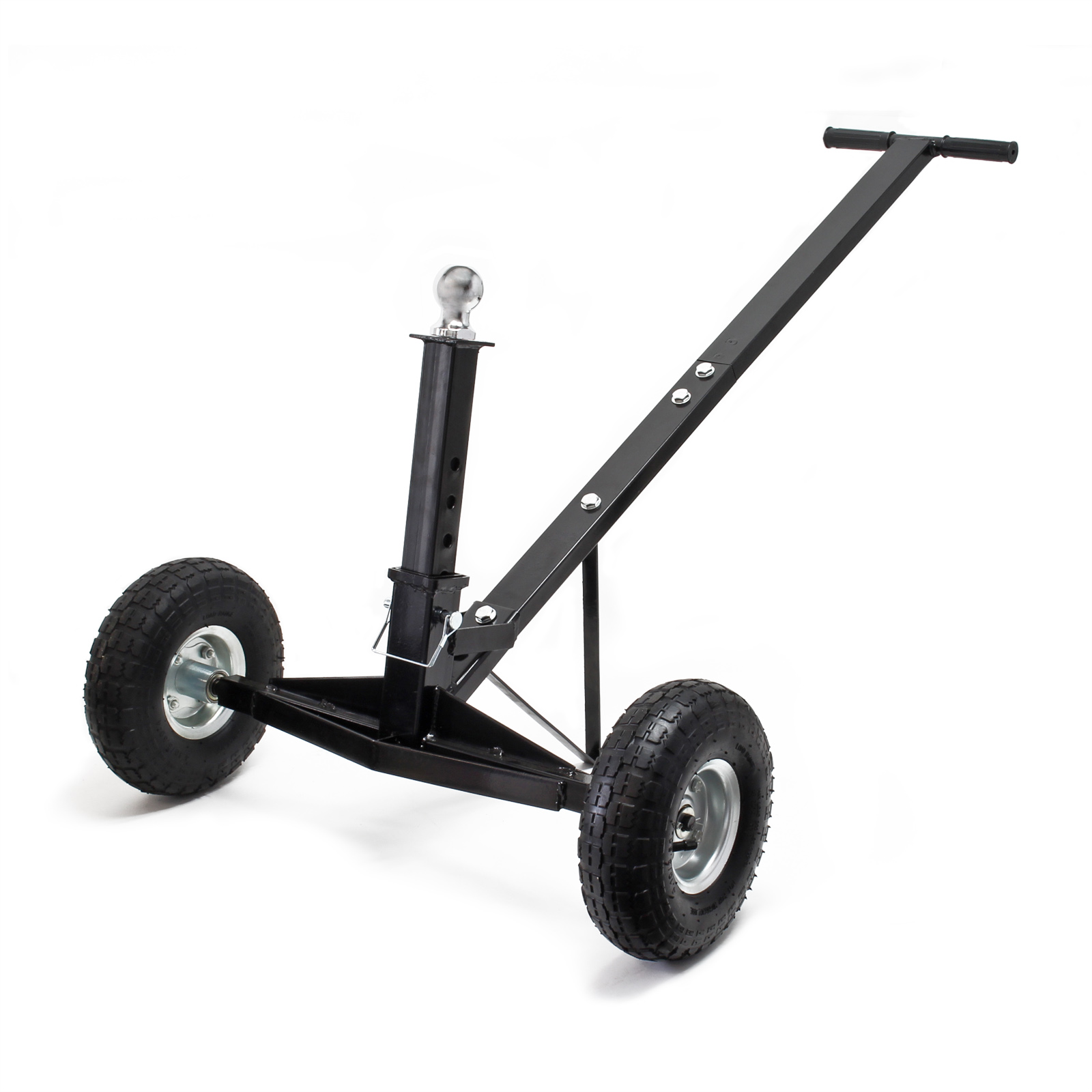
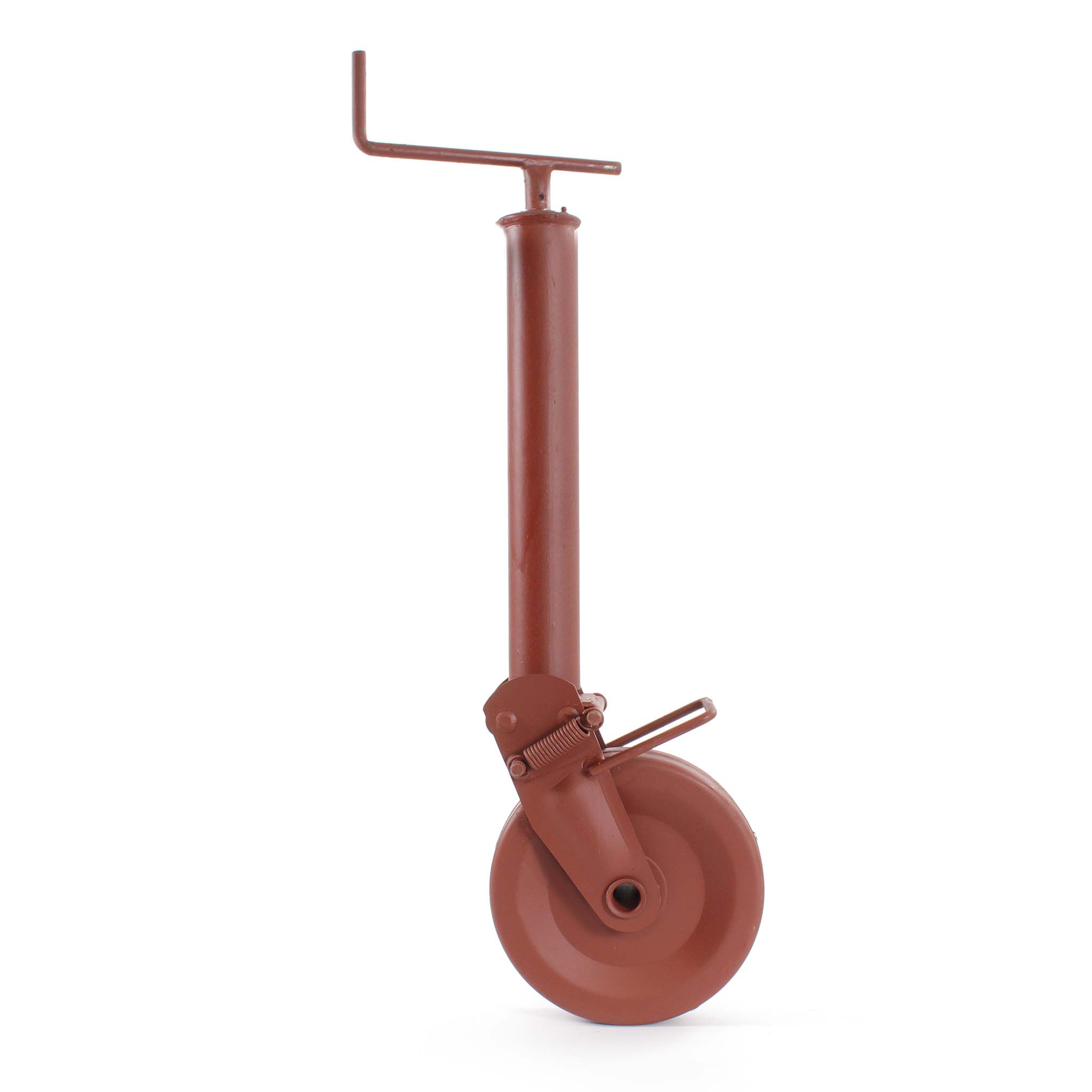
In this product category, one model stands out for its versatility and load-bearing capability: a trailer dolly designed for use with caravans and trailers, capable of handling up to 500 kg. This piece of equipment is invaluable for those who need to move trailers in tight spaces or without access to a towing vehicle. Its robust construction allows precise positioning, particularly in garages, yards, or driveways where precision is essential.
Equipped with a height-adjustable coupling ball, this trailer dolly is adaptable to different hitch heights. It can accommodate trailers of various sizes and weights, including loaded garden trailers, small boats, or mid-sized caravans. This adaptability makes it a practical tool for frequent users who manage different types of trailers. The coupling system ensures a secure connection between dolly and trailer, reducing the risk of sudden disconnection or imbalance.
The trailer dolly is also a popular solution in environments with uneven surfaces, thanks to its solid tyres and ergonomic design. Unlike fixed jacks or static trailer prop stands, it allows dynamic positioning while maintaining full control of the load. As such, it offers a reliable alternative to larger, motorised systems, with the added benefit of requiring no engine or fuel. Its ease of use and practical application in everyday trailer operations highlight the importance of having suitable support equipment readily available.
Support wheels and trailer jacks find applications in a wide variety of settings. In domestic use, they support leisure activities such as towing caravans for holidays or transporting sports equipment. For example, a caravan support stand or jockey wheel dock ensures your vehicle remains stable on soft ground during a camping trip. Likewise, car stands can be used for minor repairs or checks before setting off.
In commercial environments, trailer stabilisers and prop stands are essential for loading and unloading operations. A flatbed trailer carrying construction materials, for instance, must be stabilised before detaching it from the towing vehicle.
Heavy duty trailer prop stands offer the reliability and strength needed in such cases. These are typically seen on tipping trailers or utility trailers used in landscaping, farming, or light logistics.
Transport professionals also rely on support stands to maintain safety in their fleets. Trailer prop stands UK regulations often require secure parking during loading, especially when the driver leaves the vehicle. In storage environments, car support stands prevent tyre deformation and maintain the condition of the trailer over time. Overall, whether it's about stationary safety or mobile convenience, these tools play a vital role in maintaining trailer performance and user safety.
When should trailer stands be used?
Trailer stands are required whenever a trailer or caravan needs to remain stationary without being attached to a towing vehicle. Their primary role is to prevent tilting, rolling, or collapsing during loading, unloading, or storage. This is particularly relevant on uneven ground or in windy conditions where even small movements can result in damage or injury.
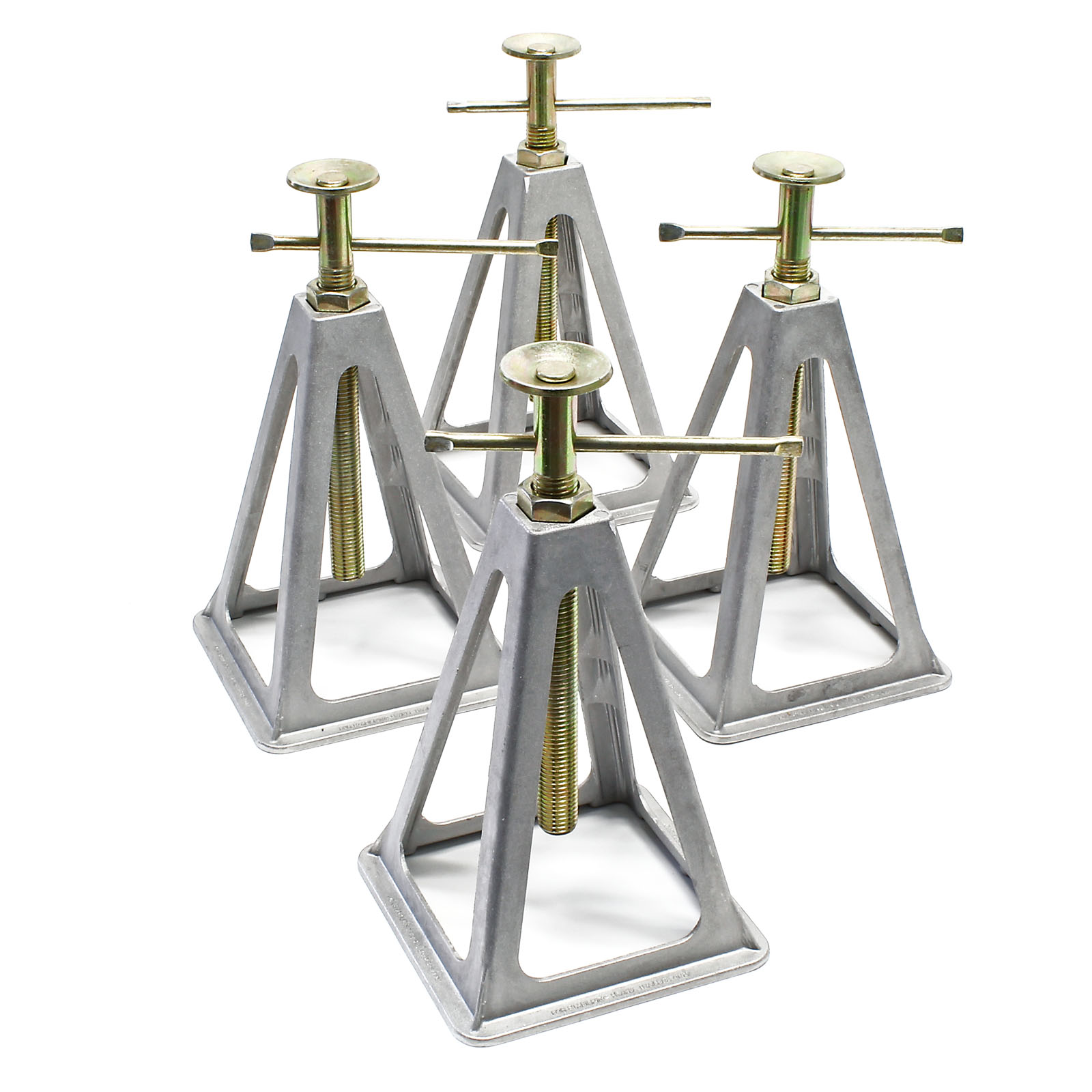
In addition to their use during transport interruptions, trailer stands are useful for long-term parking. Caravan support stands, for instance, relieve pressure from the wheels and suspension system, helping to preserve mechanical integrity. This is crucial during off-season storage when caravans remain unused for extended periods. Support stands also improve access to the trailer interior, making cleaning, maintenance, or repairs easier.
Moreover, regulations in some regions require trailers to be parked with stabilisers engaged for added security. This ensures the trailer does not shift unexpectedly due to external forces. In summary, trailer stands should be used during all non-towing periods where safety, stability, or load management are a concern.
Reliable Support for Tipping Trailers and High Loads
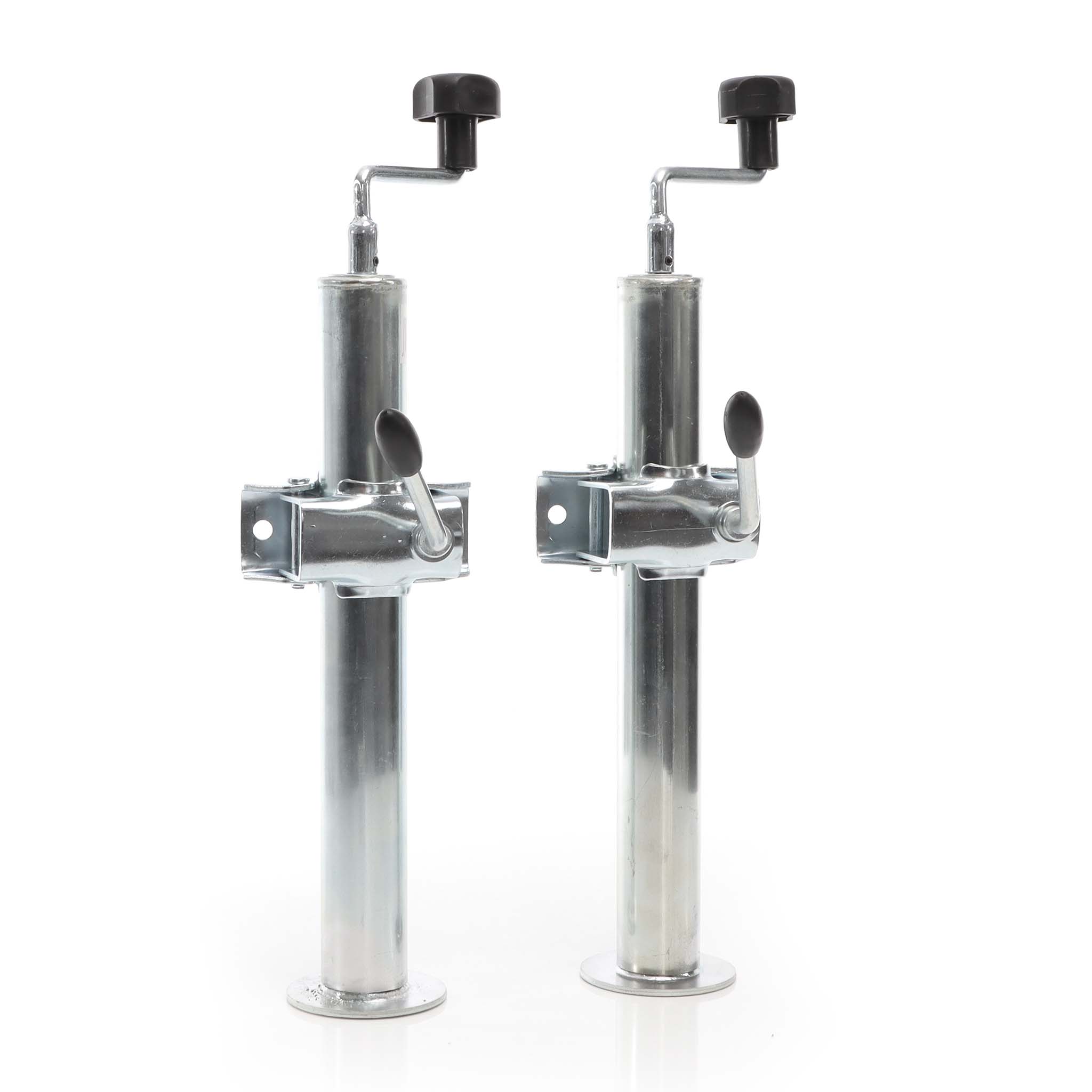
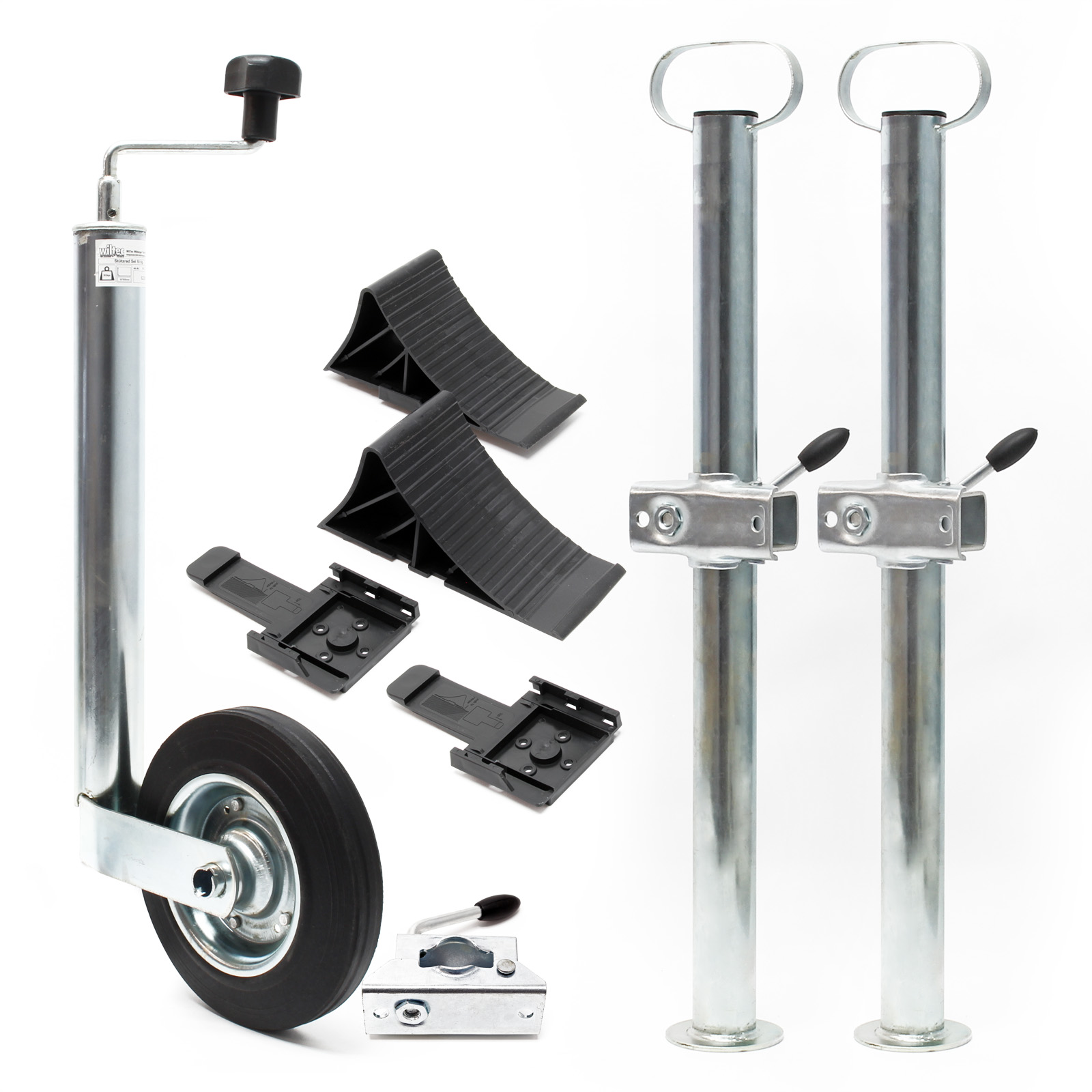
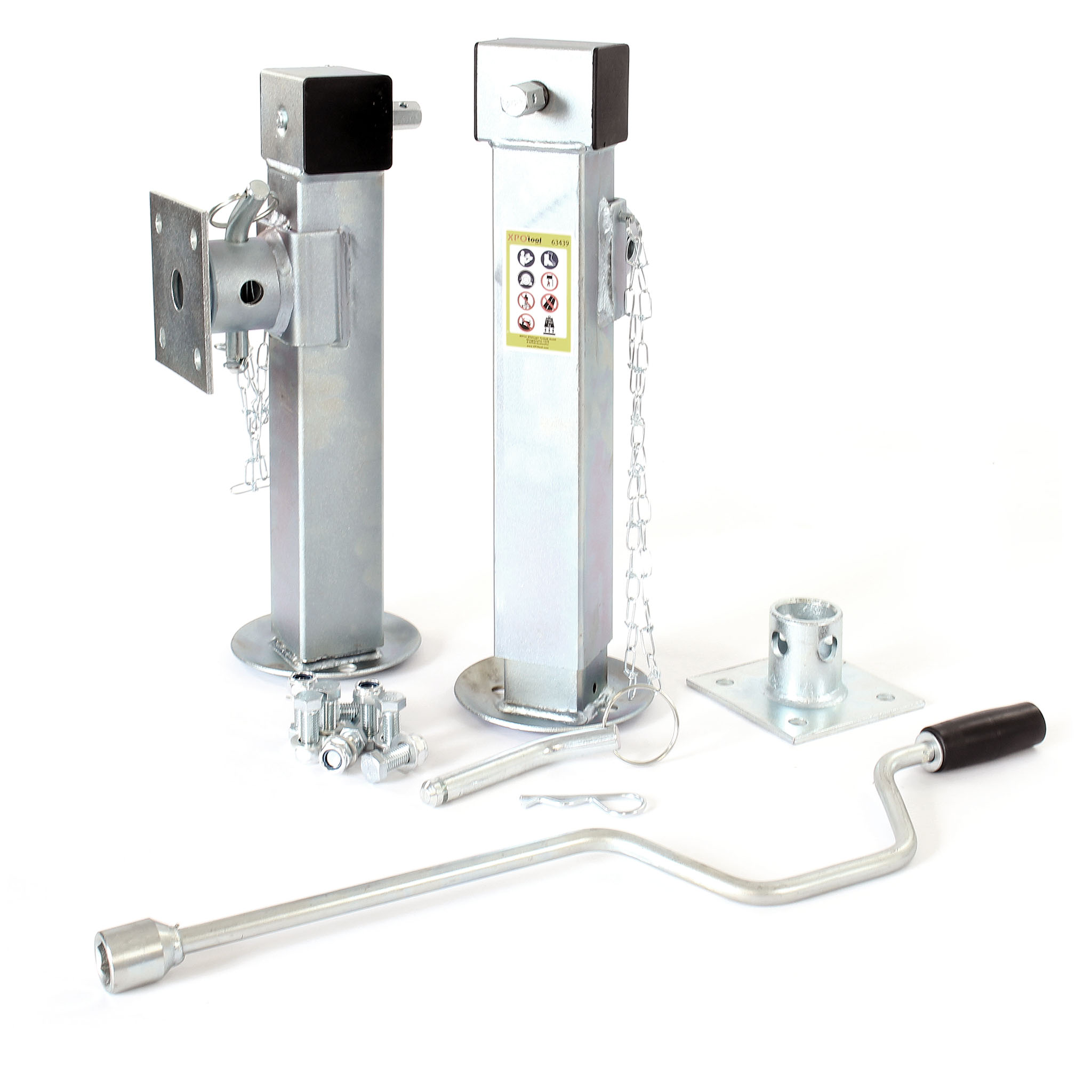
Another noteworthy product in this category is a set of adjustable support legs with an individual load capacity of 1350 kg. These stands are particularly suited for tipping trailers and are designed to deliver reliable performance in dynamic or high-pressure situations. The set typically includes two stabilising legs, both of which can be adapted to various heights to compensate for uneven terrain.
Thanks to their robust construction, these prop stands for trailers are often employed in construction or agricultural contexts. When a trailer is uncoupled on a sloping site, maintaining balance becomes critical. These support stands provide that necessary equilibrium, absorbing both vertical weight and lateral force. They can be mounted on various chassis types, and their folding mechanism allows for space-efficient storage when not in use.
Unlike fixed car stands, this adjustable set is engineered to operate under flexible load conditions. The manual adjustment feature ensures precise height control, which is essential for aligning trailers before tipping or loading. They offer practical benefits in scenarios where terrain is unpredictable or payloads vary between trips. These stabilisers are thus ideal for users seeking long-term durability and immediate operational readiness.
Why would you fit a stabiliser before towing a caravan?
Fitting a stabiliser before towing a caravan is a precautionary measure that significantly improves safety, handling, and ride comfort. A trailer stabiliser functions as a control device, limiting unwanted lateral movement or “sway” that can occur due to wind gusts, sudden steering corrections, or uneven road surfaces. Without a stabiliser, these forces may cause the caravan to fishtail, placing stress on the towing vehicle and potentially leading to dangerous loss of control.
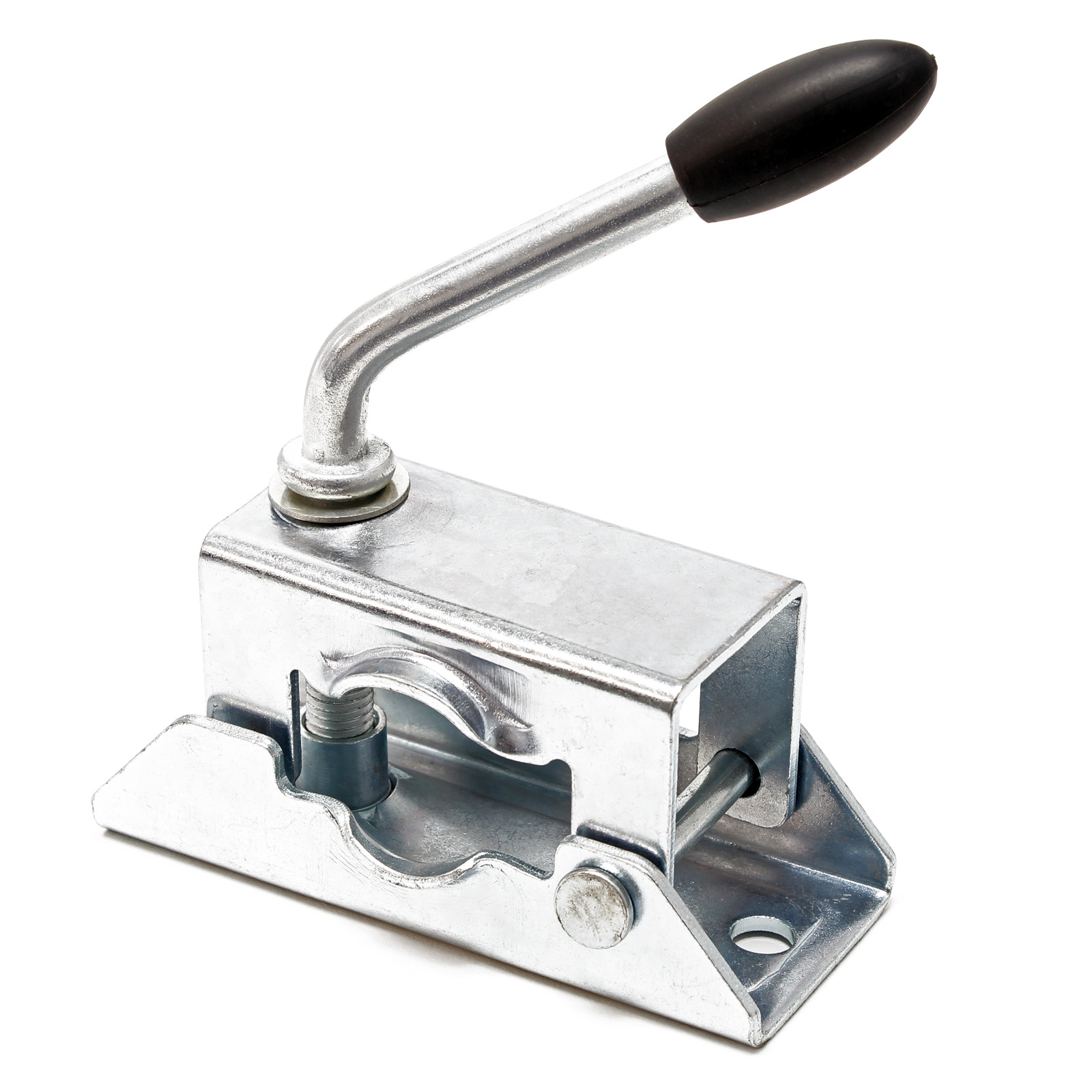
The stabiliser acts in combination with trailer stands and caravan support stands to maintain balance and structural alignment. Before setting off, the stabiliser is connected to the coupling system, usually close to the hitch, forming a rigid link that dampens oscillations. For longer caravans or high-sided trailers, the use of stabilisers is particularly important, as their larger surface area is more susceptible to aerodynamic forces.
Installing a stabiliser also reduces fatigue for the driver, as the towing setup tracks more predictably behind the vehicle. It complements the work of jockey wheel docks and car support stands by providing dynamic stability on the move. Moreover, when used alongside heavy duty trailer prop stands, it ensures that the caravan remains balanced both in motion and when parked. Ultimately, fitting a stabiliser before towing a caravan is not only recommended—it is essential for secure, controlled travel, particularly on motorways or during adverse weather conditions.

How to lubricate caravan stabiliser legs?
Regular lubrication is essential to ensure that stabiliser legs extend and retract smoothly. Begin by cleaning the legs with a dry cloth to remove dirt, dust, or residues. Once clean, apply a light, water-resistant grease or silicone-based lubricant to the threaded rods, joints, and pivot points. Be sure to operate the mechanism several times to distribute the lubricant evenly.
Avoid applying oil to brake surfaces or plastic elements, as these materials may degrade or lose effectiveness. Maintenance should be done at the start and end of each season, and more frequently if the caravan is used in sandy or wet environments. Proper lubrication prevents seizing and prolongs the lifespan of the support equipment.
Choosing the Right Size for Towing Cars
Selecting the correct trailer size is essential for safely transporting vehicles and ensuring proper use of trailer stands, car support stands, and stabilising equipment. The most suitable trailer dimensions depend largely on the size, weight, and wheelbase of the car you intend to haul. For compact cars, a trailer with a bed length of around 4 meters and a width of 1.8 meters may suffice. Mid-sized sedans often require trailers measuring approximately 4.5 to 5 meters in length, while larger vehicles such as SUVs and vans may need a trailer exceeding 5.5 meters, ideally fitted with heavy duty trailer prop stands and twin axles for stability.
It’s also important to factor in the trailer’s maximum permissible weight (Gross Vehicle Weight Rating – GVWR) and ensure it exceeds the car’s curb weight by an adequate margin. Using additional trailer stabilisers and caravan support stands can further enhance safety when loading, unloading, or parking. For proper weight distribution and towing performance, a Trailer Dolly or jockey wheel dock may be employed for fine adjustments. Choosing a trailer that is too small or lightweight risks unsafe transport and mechanical strain. Conversely, an oversized trailer can be harder to handle and less efficient. Therefore, careful measurement and a clear understanding of towing capacities are crucial when selecting a trailer for car hauling tasks.

Begin by parking the caravan on a level surface and securing it with wheel chocks. The trailer mate jack should be positioned under the frame close to the axle line, where structural strength is greatest. Ensure the jack's head aligns with the designated lifting point before proceeding.

Slowly crank the handle to lift the caravan. If using a hydraulic trailer mate jack, operate the pump steadily until the desired height is reached. Make sure the load is evenly distributed and that the caravan remains balanced throughout the lifting process.

Once raised, place a caravan support stand beneath the frame to maintain height during repairs or maintenance. Always lower the jack gradually to transfer weight safely. Remove the jack once stabilisers are locked into position. This ensures both stability and safety during stationary periods.
Final Thoughts on Trailer Support Solutions
Trailer support stands, dolly systems, jockey wheel docks, and stabilisers all contribute to secure, controlled trailer operations. Their primary roles include stability during parking, ease of manoeuvring, and overall safety while towing. Different products within the category offer tailored solutions, from adjustable prop stands for heavy-duty trailers to compact jacks for caravans.
Proper usage and maintenance not only extend the service life of these tools but also protect the trailer, its cargo, and its users. Whether you're preparing for a cross-country journey or storing a caravan over winter, having the right support equipment is essential. Choosing tools suited to your trailer type and conditions will ensure hassle-free towing and secure parking, every time.