






























































The Role of Cooking Grates in Outdoor Grilling
Cooking grates are indispensable components in outdoor grilling, offering a stable and efficient surface for heat transfer and food support. Found at the heart of every barbecue grill, these grates ensure that the heat from charcoal, gas, or electric sources is evenly distributed to the food. Whether one opts for stainless steel, porcelain-coated, or cast iron cooking grates, each type provides unique advantages for cooking results and maintenance. Among these, barbeque cooking grates made of cast iron stand out due to their superior heat retention and ability to sear food with rich, caramelized grill marks.
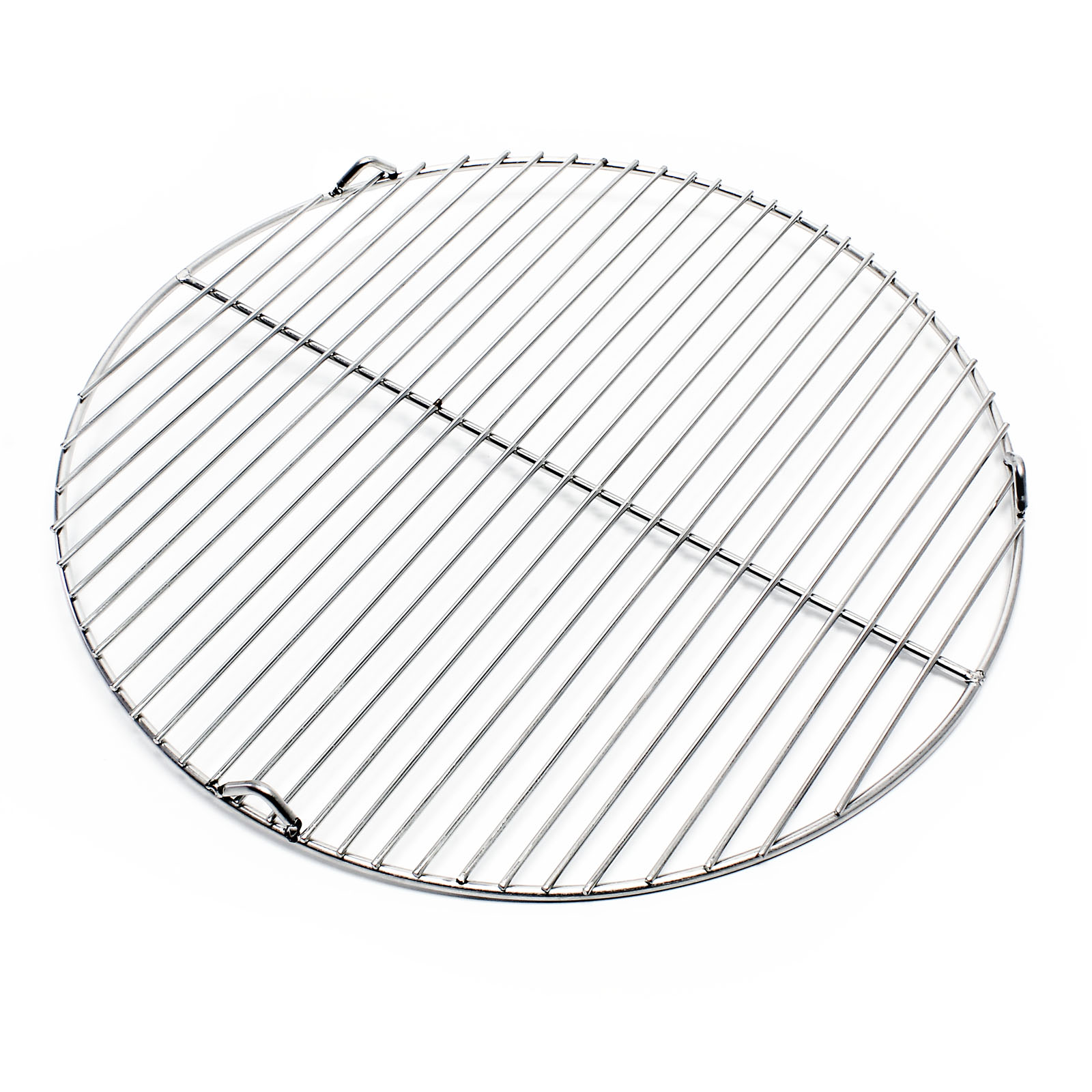
Choosing the right barbecue grate also means considering size, shape, and material. A grate that's too small may restrict cooking space, while an oversized one might be unstable or inefficient. Various models cater to specific grill designs such as round, rectangular, or hinged versions for easier access to coals. Additionally, cleaning and care play an important role in prolonging the life of cooking grates. Proper maintenance routines, such as seasoning cast iron grates and removing debris after each use, preserve both hygiene and performance.
Ultimately, cooking grates are not merely accessories but crucial tools for consistent and enjoyable grilling. They influence cooking times, texture, and even flavor profiles. Investing in quality grates tailored to your grill type and cooking preferences greatly enhances the barbecue experience, making it essential to understand the functions and benefits of each design.

Round Cast Iron Grates for Versatile Barbecue Cooking
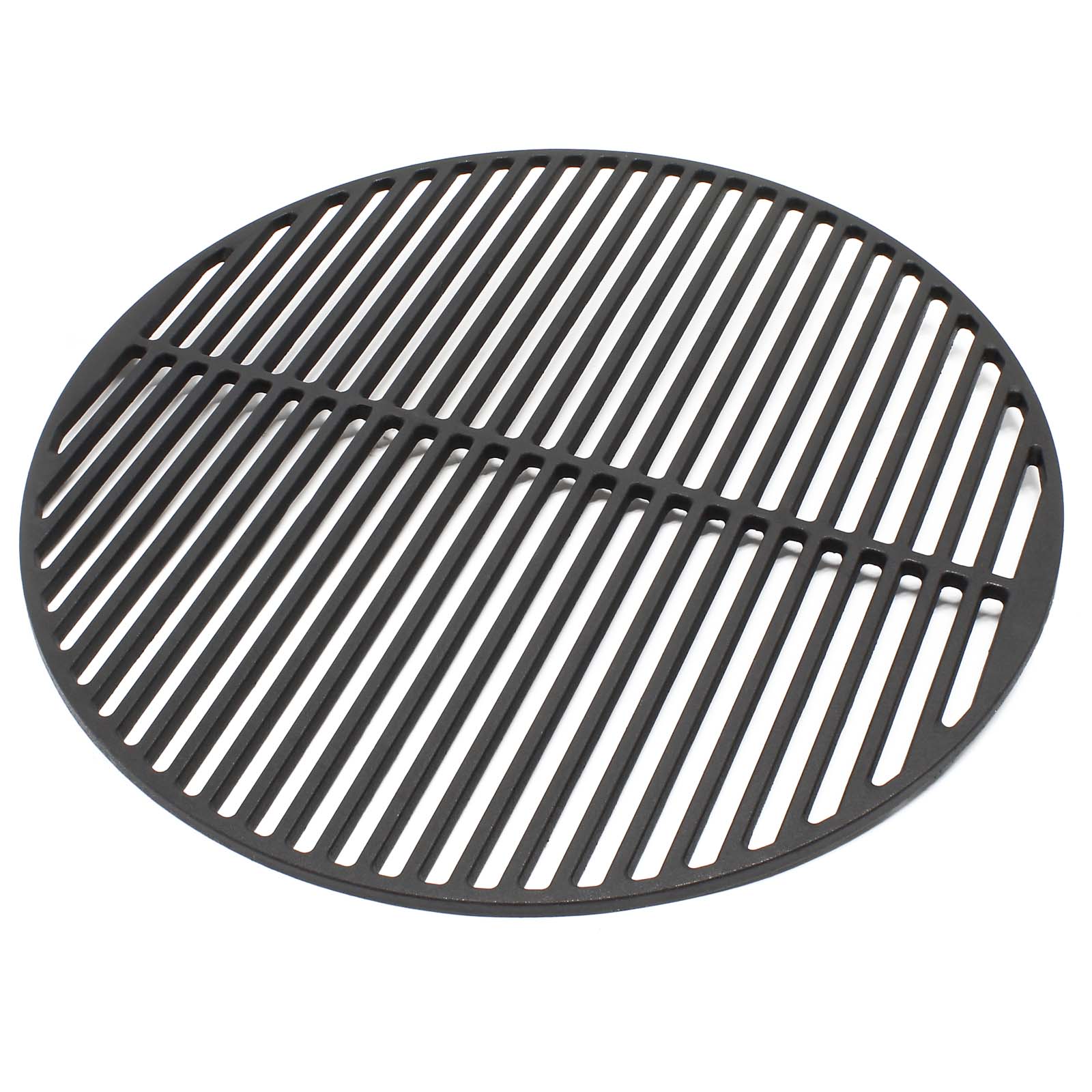
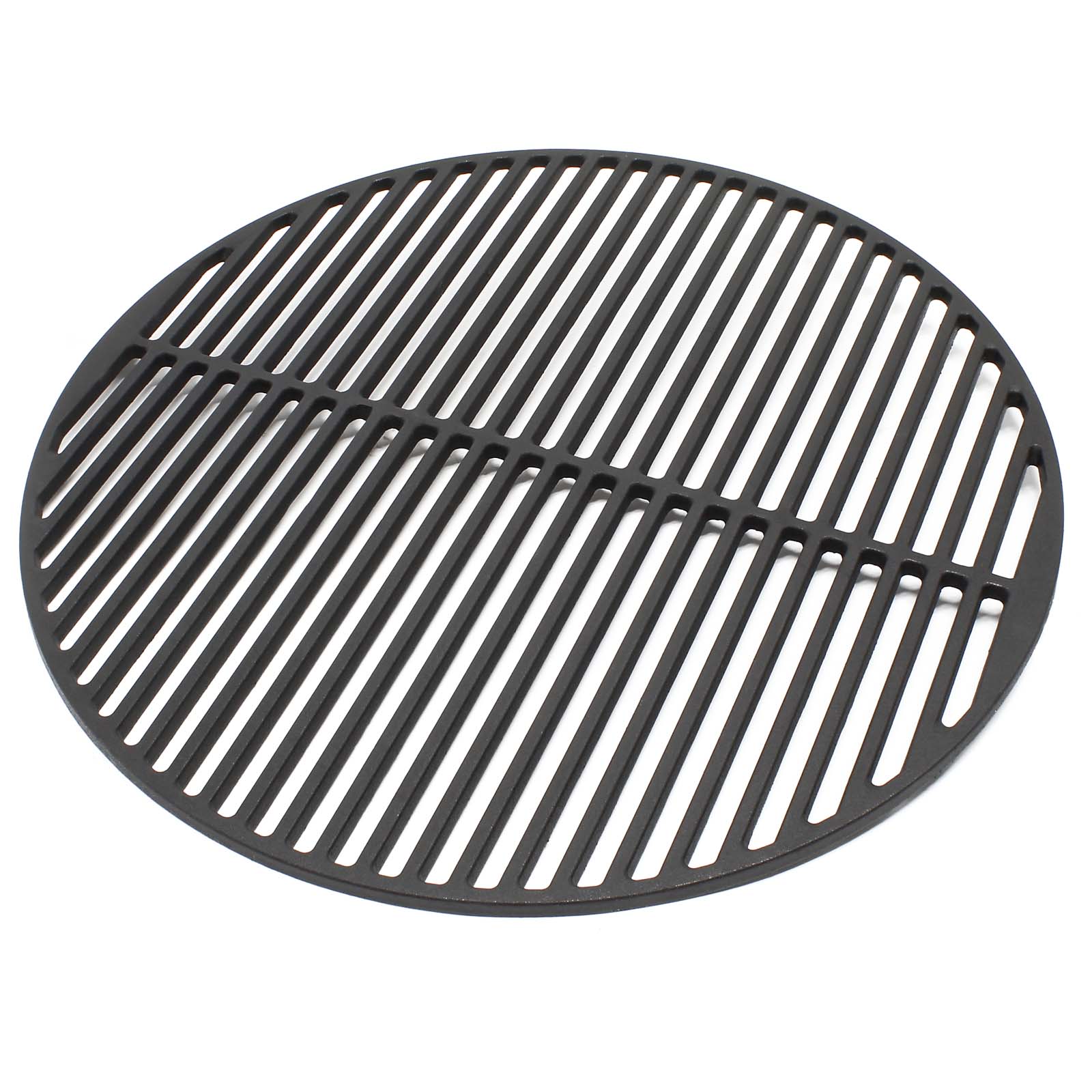
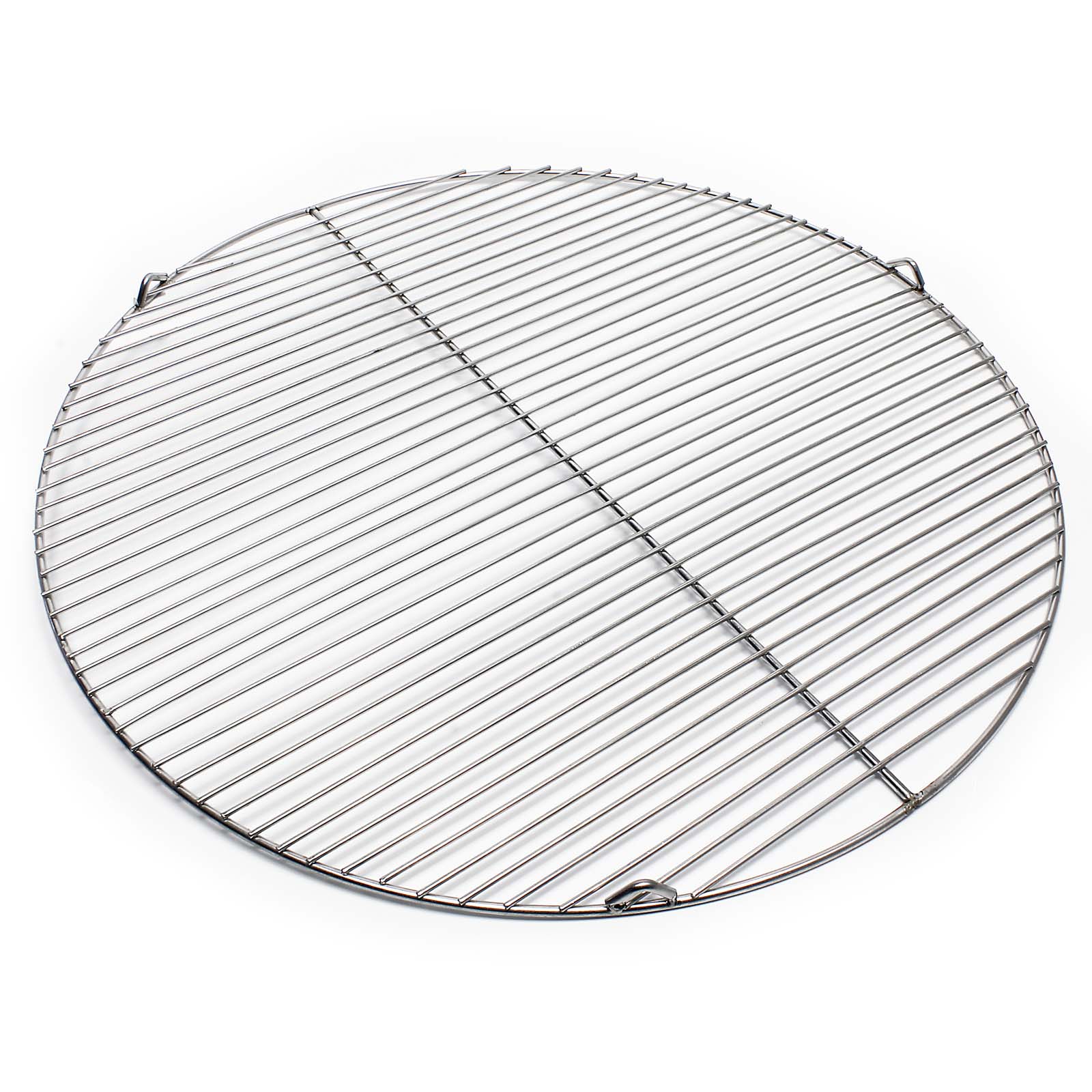
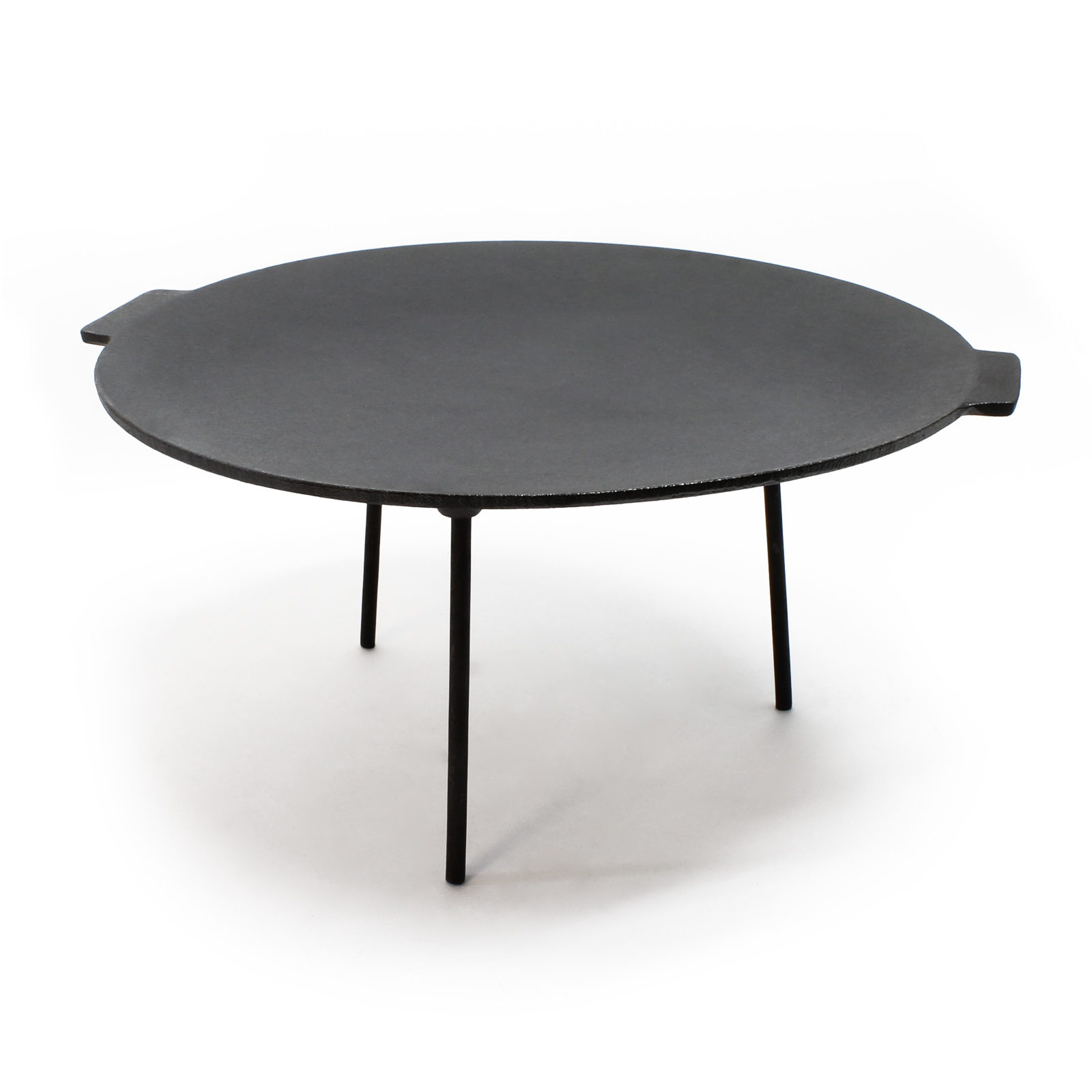
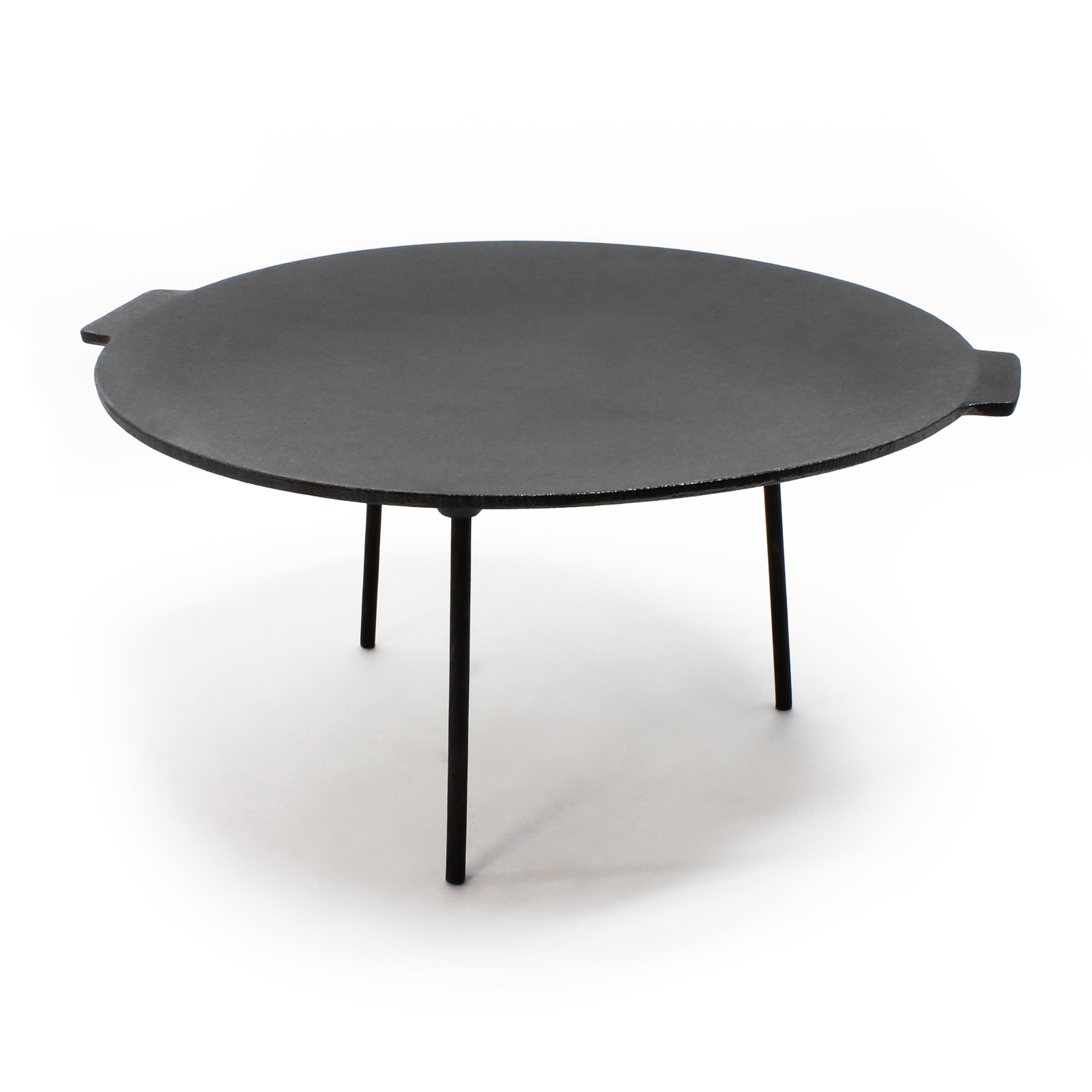
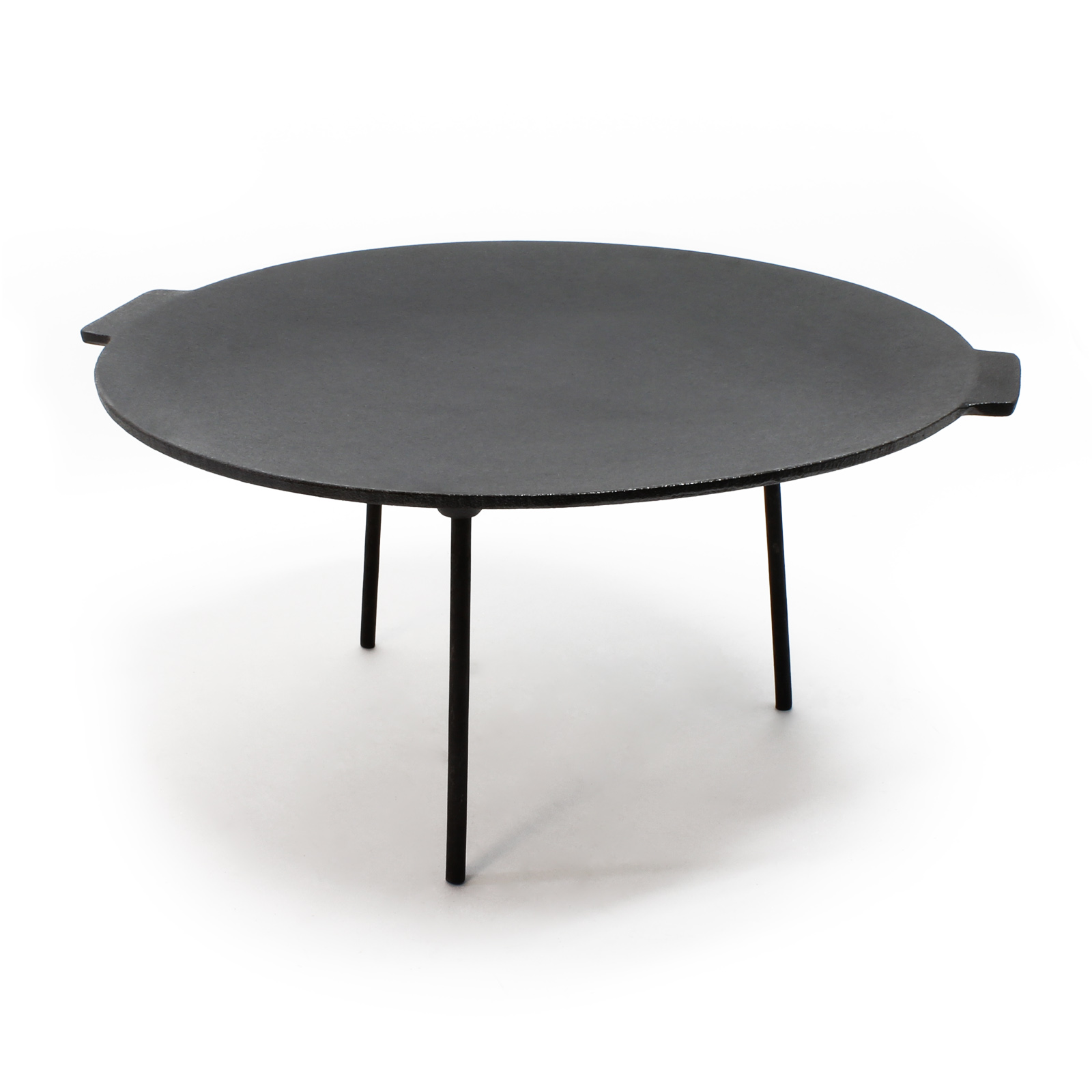
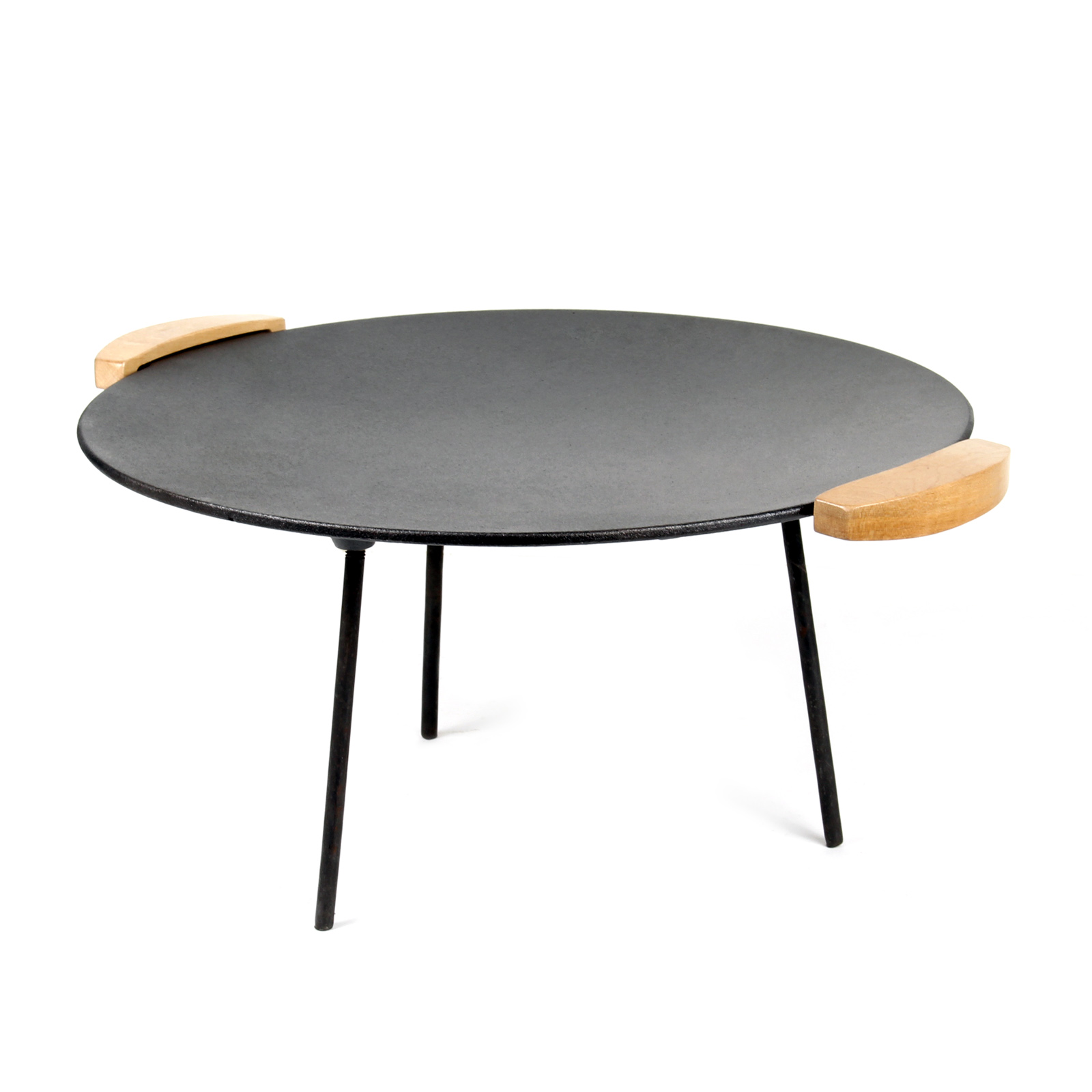
A popular and widely used product in the category is the round cast iron barbecue grate with a diameter of 45 cm. This grate is tailored for use with ball grills and round grill models, and is characterized by its dense, massive construction. Designed for long-lasting durability and exceptional thermal properties, this grate ensures even heat distribution, which is vital for consistent cooking results. The circular shape allows heat to radiate from the center outward, effectively minimizing cold spots and supporting an even cooking surface across the entire grill.
One of the standout features of this type of barbecue grill accessory is the quality of the searing it can deliver. The heavy-duty cast iron cooking grates retain heat exceptionally well, enabling them to reach high temperatures that are ideal for caramelizing meats and sealing in juices. In addition to enhancing flavor and texture, these grates are structurally robust, making them highly resistant to warping or damage caused by repeated use.
The round shape of the 45 cm grate makes it compatible with a wide range of round barbecue models, enhancing its versatility. Whether one is preparing steaks, burgers, or even grilled vegetables, this grate supports diverse cooking applications. Its design also facilitates easy removal and repositioning for cleaning or adding fuel. For grilling enthusiasts who value performance and reliability, this round barbecue grate offers a well-rounded solution tailored to frequent outdoor cooking sessions.
The use of cooking grates extends far beyond casual weekend grilling, finding relevance in various settings ranging from home patios to commercial catering setups. They are integral to barbecue grills of all types, including charcoal-fueled, gas-powered, and electric models. Grates function as the intermediary between the heat source and the food, ensuring consistent cooking temperatures and even heat transfer. This makes them indispensable for both direct and indirect grilling techniques.
In residential settings, barbeque cooking grates are commonly employed for preparing meats, fish, and vegetables. Homeowners value grates that provide versatility and ease of use, such as removable grates or those with integrated handles. Portable grills used in camping or tailgating scenarios often feature lightweight yet heat-resistant grates that offer sufficient cooking area while maintaining ease of transport.
In more professional environments, such as restaurants or outdoor event catering, high-performance cast iron cooking grates are preferred due to their durability and ability to withstand continuous high temperatures. These grates also enhance efficiency by maintaining steady temperatures over long periods, which is crucial during service-intensive situations. Additionally, specialized grates are used in smoker setups to enable slow cooking and flavor infusion.
Ultimately, cooking grates serve as versatile platforms that adapt to varied culinary practices and grill configurations. Their ability to meet diverse cooking needs makes them a vital component in any grilling context.
Does a Fire Burn Better on a Grate?
Yes, a fire generally burns better on a grate, and this principle applies across both open fireplaces and barbecue grill setups. The design of a grate elevates the fuel, whether it be wood or charcoal, allowing air to circulate freely underneath. This increased airflow contributes to a more efficient and consistent combustion process, which is critical for both heat output and fuel economy. When grilling, using a barbecue grate enables the heat to rise evenly through the spaces between the bars while allowing ash and smaller debris to fall through, preventing blockages that could dampen the fire. The structural elevation also aids in temperature control, an important aspect of barbecue cooking. A fire that burns efficiently produces a steady heat source, which is ideal for cooking various types of food. Additionally, fire grates contribute to safety by keeping fuel contained in a specific area, reducing the risk of flare-ups or errant sparks. This is particularly relevant for grilling environments, where control over the fire’s intensity can impact food quality. Whether in a traditional fire pit or a modern barbecue grill, the presence of a grate supports better burning conditions and enhances the overall cooking process.
Large Rectangular Cast Iron Grates for Expanded Cooking Surface
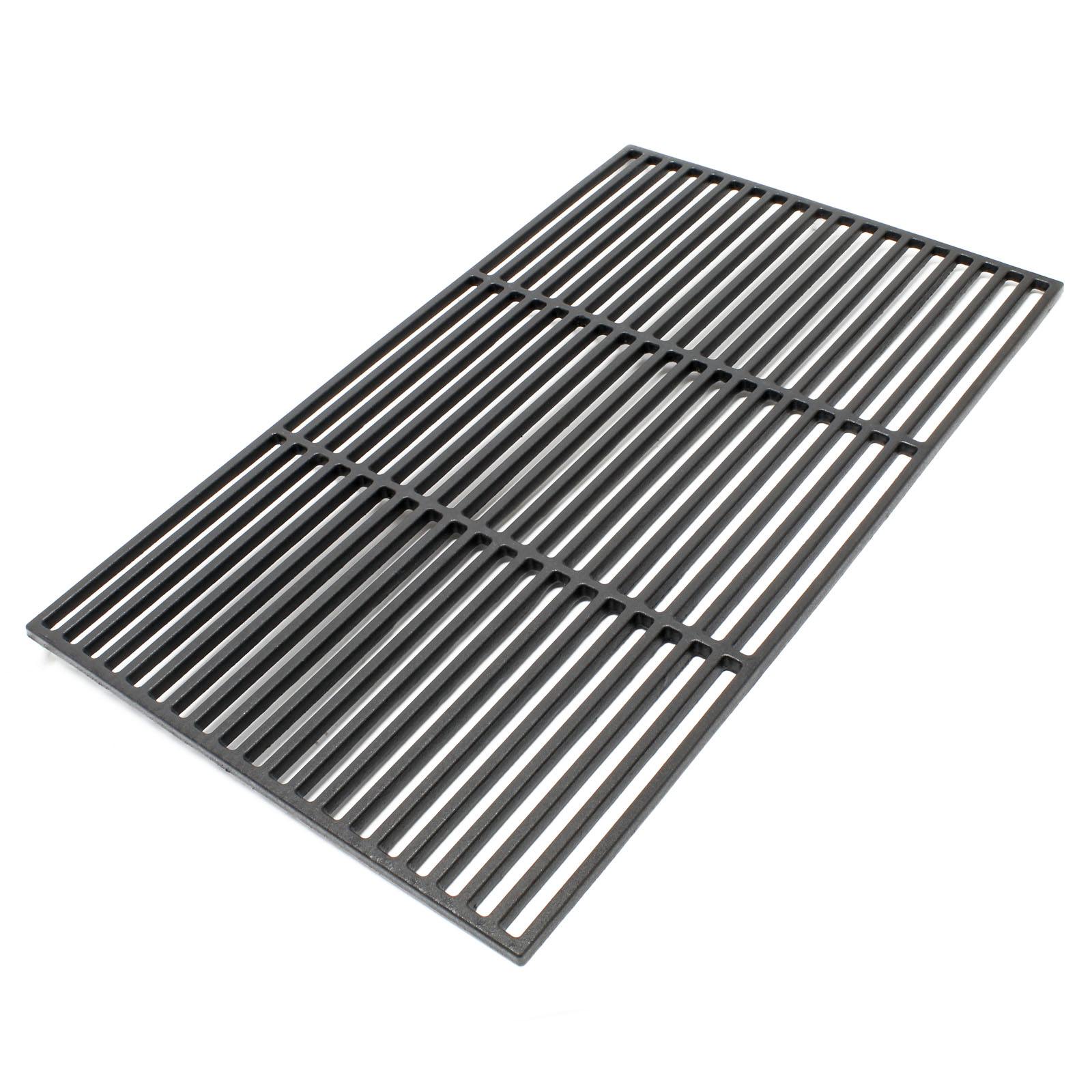
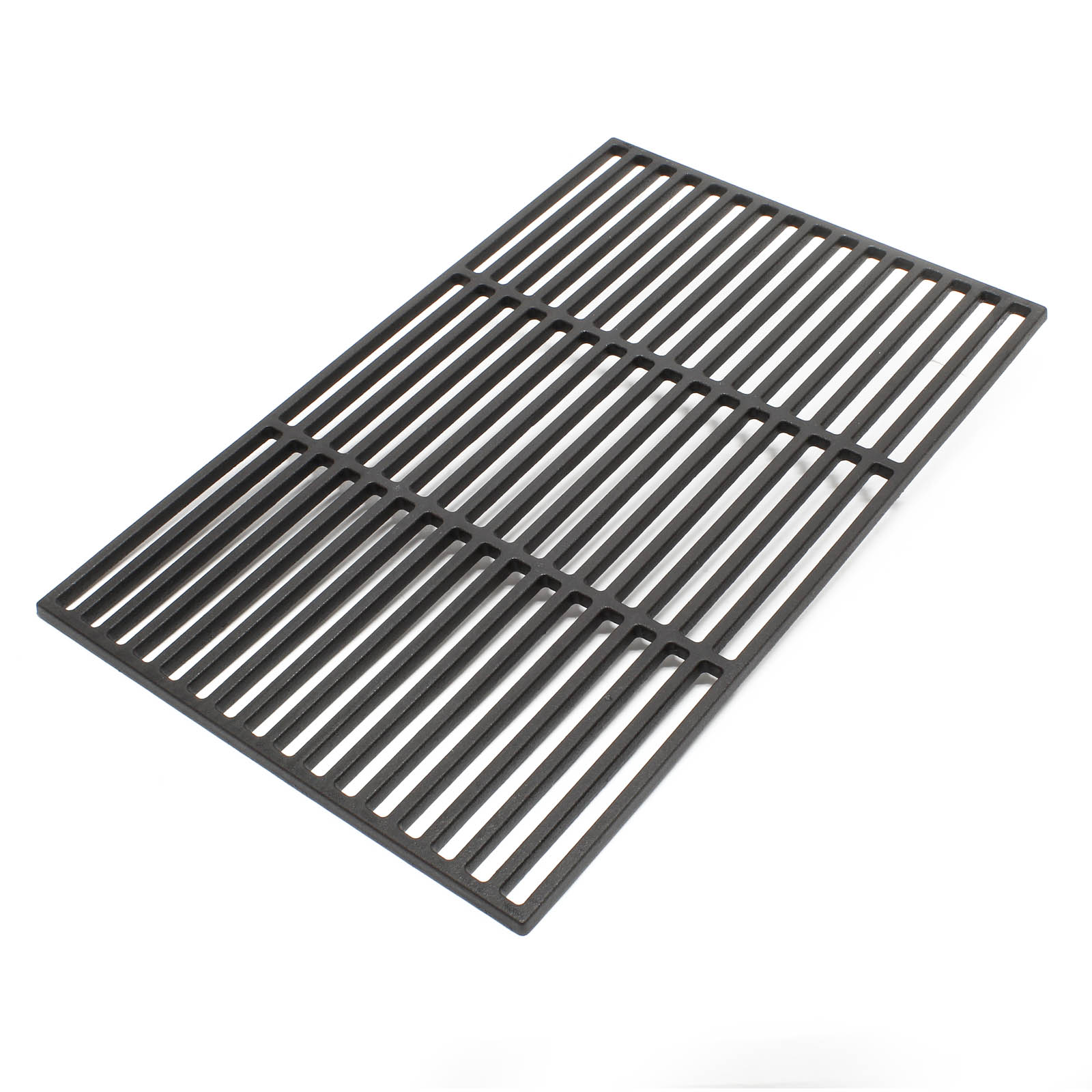
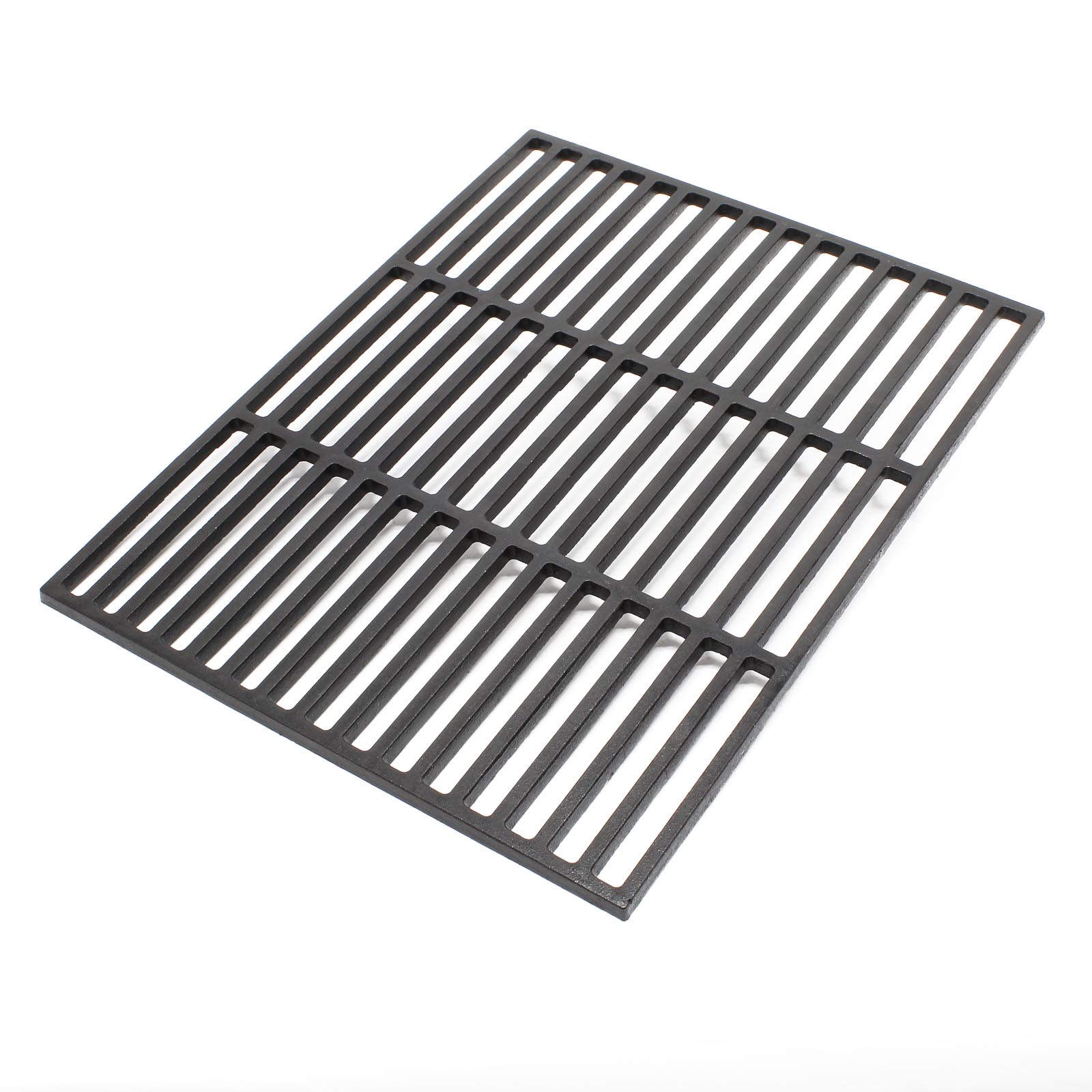
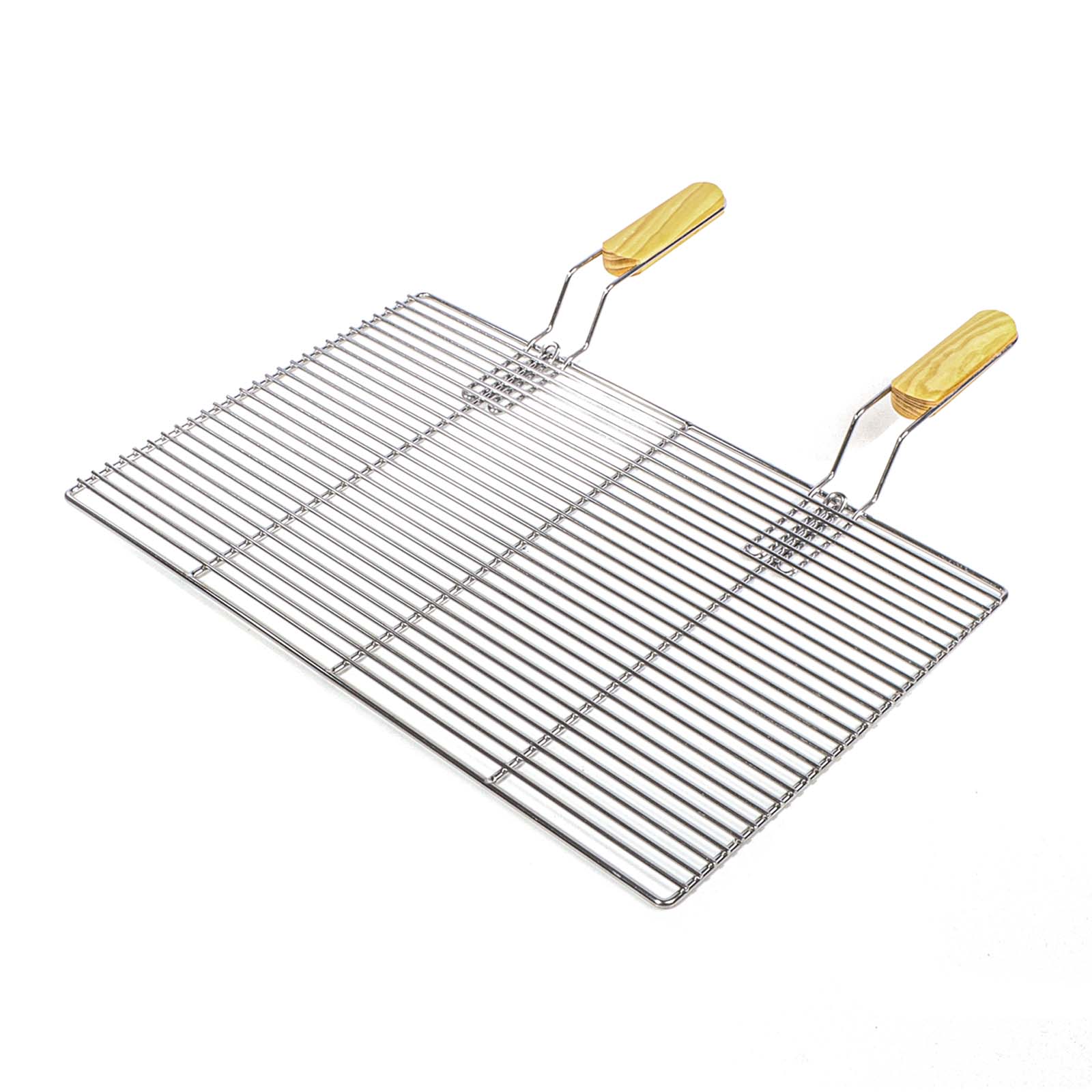
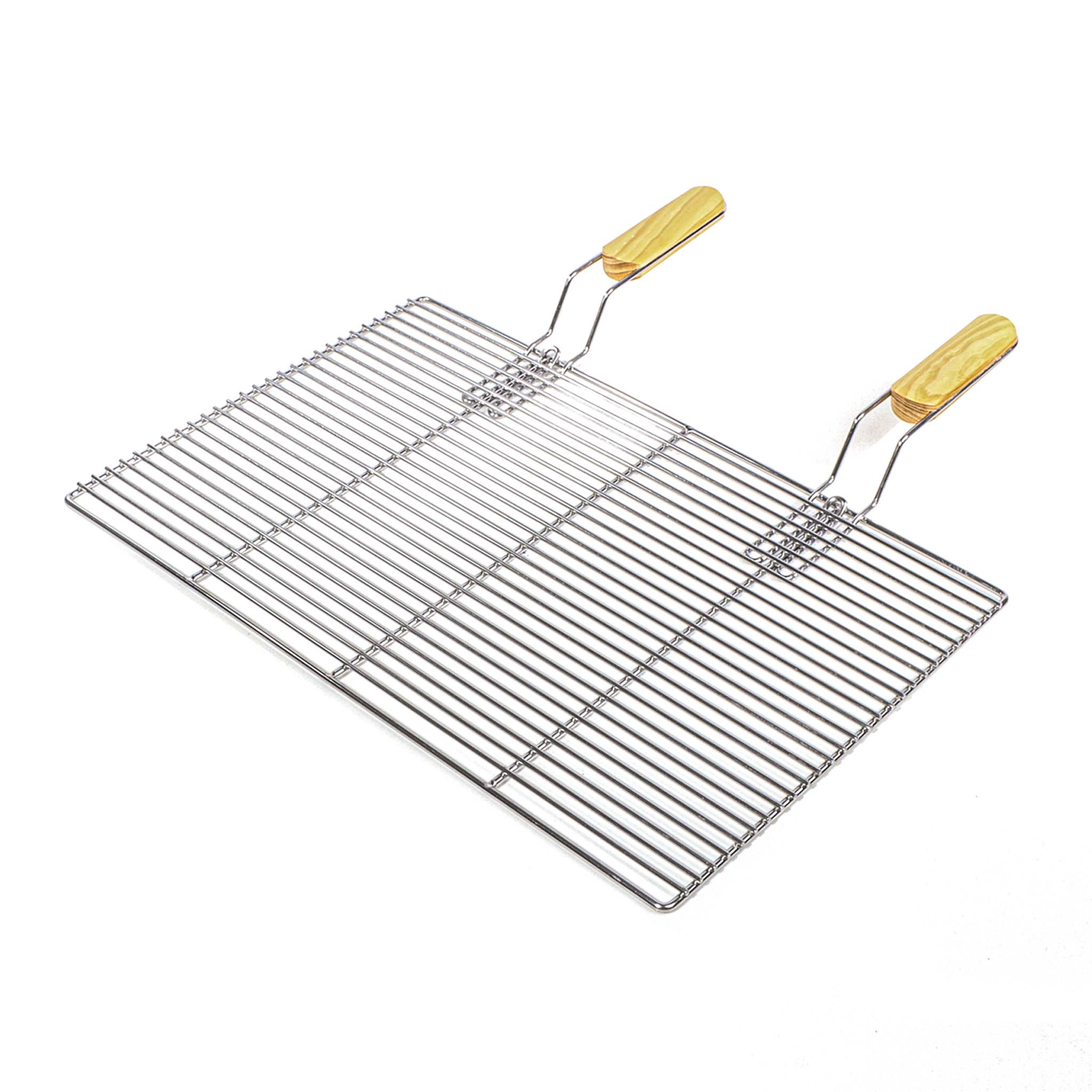
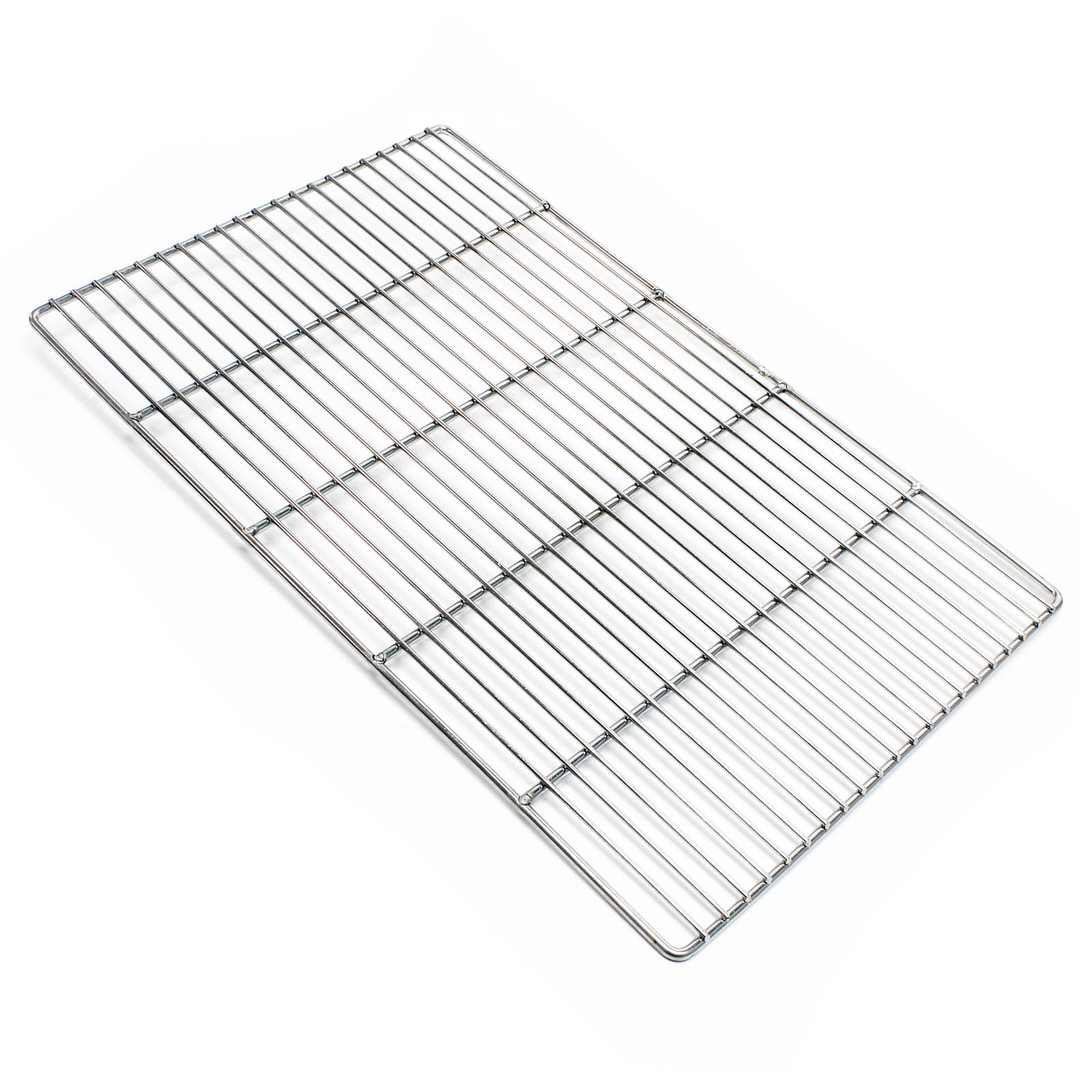
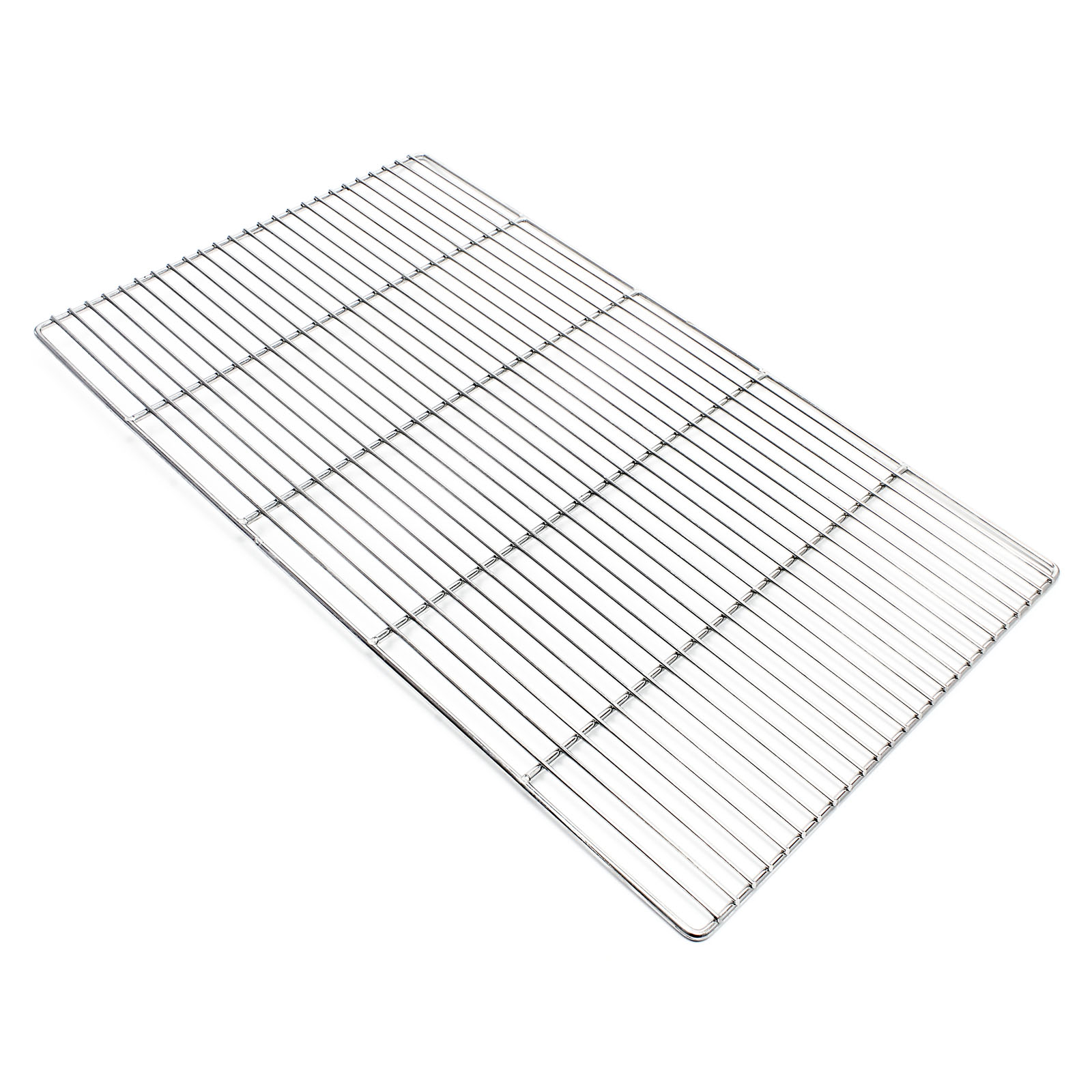
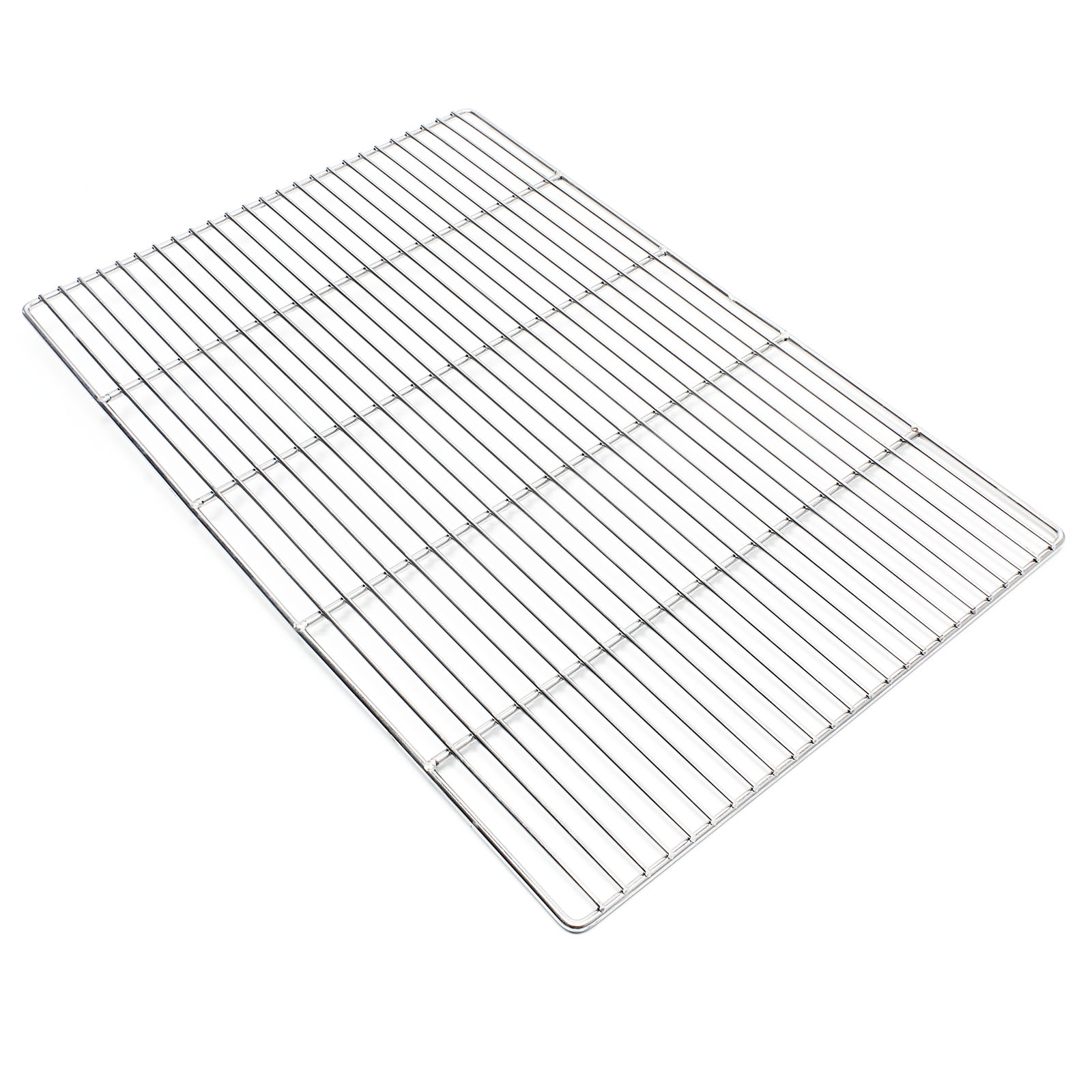
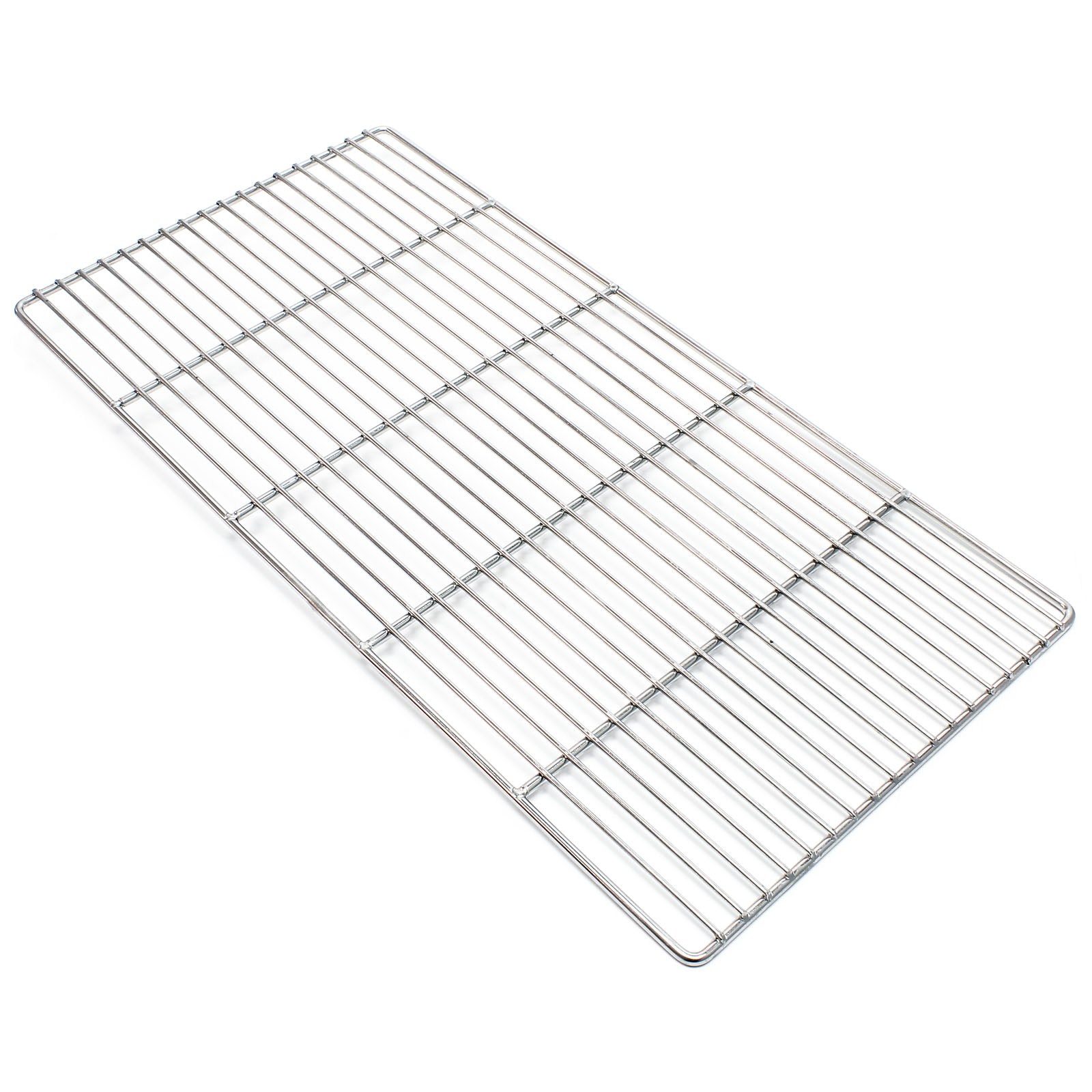
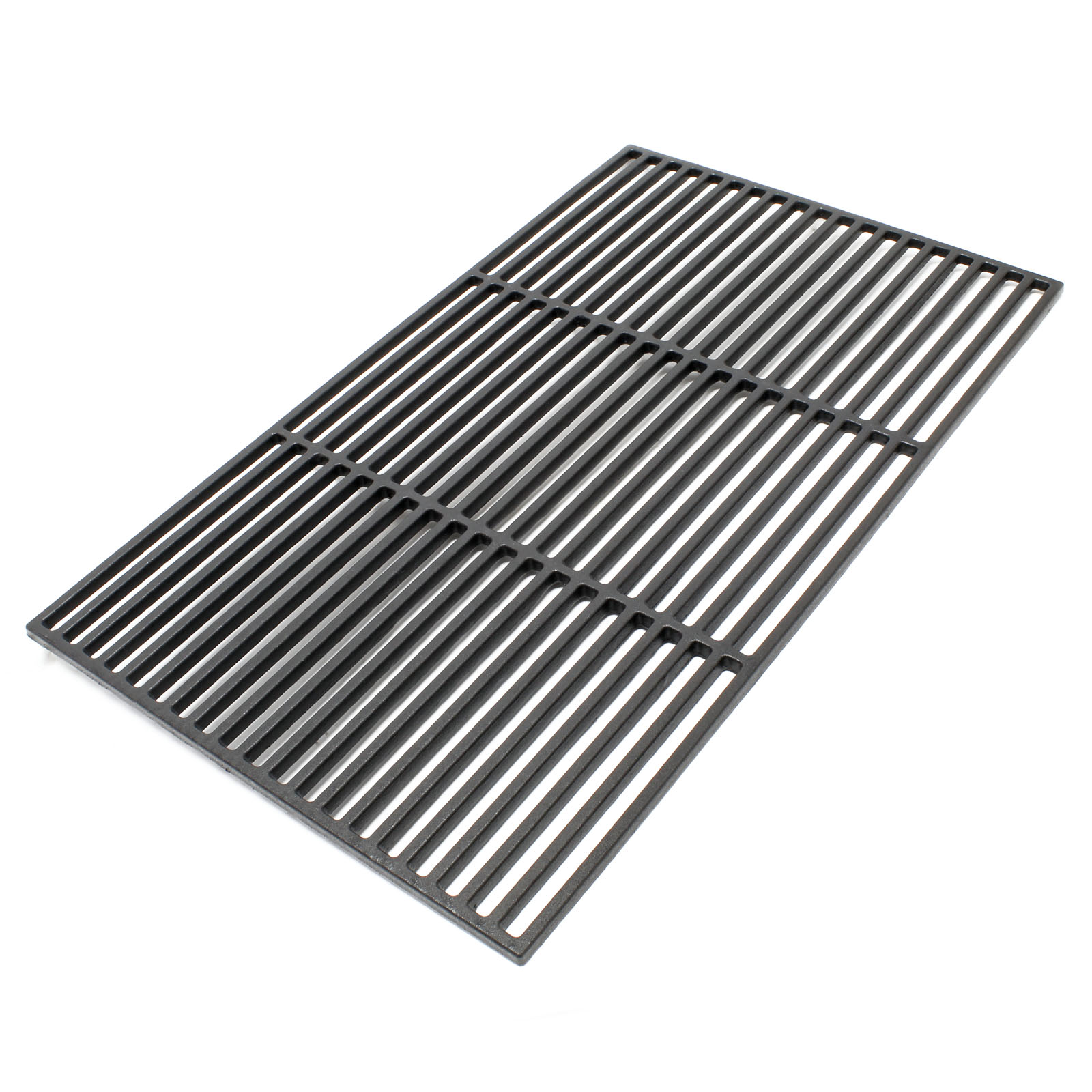
Among the broader selection of barbeque cooking grates, the rectangular cast iron grate measuring 60 x 40 cm stands out for its spacious dimensions and heavy-duty build. Designed to fit larger charcoal and gas grills, this grate accommodates higher food volumes, making it suitable for gatherings or meal prepping. Its size is particularly advantageous for cooking multiple items at once without overcrowding the cooking area.
Made from cast iron, this rectangular barbecue grill grate boasts excellent thermal performance. The material absorbs and distributes heat uniformly, ensuring that each section of the grate provides a consistent cooking environment. This helps in achieving even doneness across different food types, whether grilling thick steaks, delicate fish, or chopped vegetables. The robust construction of the grate also ensures resistance against deformation caused by repeated heating and cooling cycles.
The rectangular shape enhances usability, especially in multi-burner gas grills where separate heat zones are used. This design supports both direct and indirect cooking methods, allowing more precise temperature control. Additionally, the large surface area simplifies food arrangement and turning, improving grilling efficiency. As with other cast iron cooking grates, regular maintenance like seasoning and prompt cleaning prolongs the product’s life and keeps it performing optimally. This grate is a reliable option for grill users seeking durability, size, and cooking precision.
How Do I Know What Size Fire Grate I Need?
Selecting the right size fire grate requires matching the dimensions of the grate to the interior space of your barbecue grill or firebox. Begin by measuring the width and depth of the area where the grate will be placed. It’s essential to choose a grate that leaves a small clearance on all sides, generally about 2.5 to 5 cm, to allow for adequate airflow. A grate that fits too snugly can hinder circulation and negatively affect combustion efficiency.
For round cooking grates, the diameter should align closely with the grill's opening, allowing enough room for heat to rise around the edges while maintaining stability. Rectangular grates should match the grill’s base length and width as closely as possible, without obstructing vents or burners.
When in doubt, consult the manufacturer’s specifications for your grill model. Some brands also offer grate size guides based on grill type. Additionally, modular or adjustable grates provide flexibility if your grill’s dimensions do not match standard sizes. Choosing the correct size not only enhances safety but also ensures even cooking and fuel efficiency. Whether for a barbecue grate or a fireplace insert, a properly sized grate optimizes performance and ease of use.

How to Clean a Barbecue Grill Grate
Maintaining your barbecue grill by regularly cleaning the cooking grate is crucial for hygiene and performance. After grilling, allow the grate to cool slightly before beginning the cleaning process. Use a grill brush with stiff bristles to scrub off any remaining food particles or grease. For stainless steel or chrome-plated grates, a mixture of warm water and mild dish soap often suffices for routine cleaning.
For deeper cleaning, remove the grate from the grill and soak it in a solution of water and baking soda or vinegar. This helps to dissolve stubborn residues and neutralize odors. After soaking, scrub the surface with a scouring pad or sponge to eliminate any remaining debris. Rinse thoroughly and dry with a clean cloth to prevent rust.
In the case of cast iron cooking grates,avoid using soap, as it can strip the seasoning layer. Instead, clean with hot water and a brush, then dry immediately and apply a thin coat of oil to preserve the grate. This oiling process helps maintain the grate’s non-stick properties and rust resistance. Regular maintenance not only prolongs the life of your cooking grates but also contributes to better-tasting, evenly cooked food.
Are Cast Iron Grill Grates Worth It?
Cast iron cooking grates are often considered a worthwhile investment due to their durability and superior thermal performance. One of the main advantages is their ability to retain and distribute heat evenly, making them ideal for searing meats and achieving consistent cooking results. The heat-retention quality ensures that the surface stays hot even when food is added, reducing the chances of temperature fluctuations that can affect cooking.
In addition to performance, cast iron grates offer excellent longevity when properly maintained. With regular seasoning and protection against moisture, these grates can last for many years without significant wear. The ability to develop a natural non-stick surface over time also enhances usability, reducing the need for excessive oiling or scraping.
However, they do require more upkeep than stainless steel alternatives. Regular cleaning, drying, and oiling are necessary to prevent rust and preserve their surface. Despite this, many grilling enthusiasts find that the improved flavor and grill marks are worth the effort. For those who frequently use their barbecue grill, the benefits of cast iron grill grates often outweigh the additional maintenance. Their robustness and cooking quality make them a favored choice among both home cooks and professional chefs.
How to Clean Cast Iron Grates on a Grill
Cleaning cast iron cooking grates demands specific care to maintain their seasoning and prevent rust. Begin the cleaning process shortly after grilling, once the grates have cooled slightly but are still warm. Use a wire brush or grill scraper to remove any food residue or grease. Avoid using soap, as it can remove the seasoning that provides the grate with its non-stick qualities.
For more persistent debris, heat the barbecue grill again briefly to loosen particles, then scrub with the brush. Alternatively, use a paste of coarse salt and water to clean the surface. This abrasive method helps remove residue without damaging the seasoned layer. Once the cleaning is complete, rinse the grates with hot water and dry thoroughly with a cloth.
The final and crucial step is re-seasoning. Apply a thin coat of vegetable oil or food-safe fat to the surface while it is still warm. This oiling helps create a barrier against moisture and keeps the surface slick for future grilling. Store the grates in a dry place to avoid condensation. Regular and proper cleaning of cast iron grill grates ensures longevity and enhances the quality of your barbecue sessions.

The size of the fire grate is vital for optimal airflow and safe combustion. To find the right size, start by measuring the inner dimensions of your firebox or grill. For barbecue grills, leave a small margin around the grate to enable heat circulation. A gap of 2.5 cm on all sides is usually adequate. An oversized grate can obstruct air vents or limit lid closure, while an undersized one may be unstable and reduce usable cooking space.

Matching a barbecue grate to your grill requires more than just measuring length and width. Take note of the grill’s shape—round or rectangular—as this determines the grate’s configuration. For round grills, measure the internal diameter. For rectangular ones, note the longest and shortest sides. Be sure to compare your measurements with available product specifications. If your grill includes built-in holders, consider how they influence the usable area.

Choosing the correct fire grate size enhances cooking efficiency and reduces the risk of uneven heat zones. A properly sized cast iron cooking grate supports uniform heat distribution and stable placement of food. Custom-fit grates designed for specific grill models often provide the best results. Some grates are adjustable or come in modular pieces for flexible setups. Ensuring compatibility not only protects your grill but also improves cooking precision and safety.
Summary of Cooking Grates and Their Importance
Cooking grates are foundational components of any barbecue grill, serving as the interface between heat and food. Their design and material directly influence cooking outcomes, from flavor to texture. Cast iron cooking grates, in particular, are prized for their heat retention and durability, making them ideal for frequent grilling. Proper sizing ensures efficient airflow and safe operation, while routine maintenance enhances longevity and performance. Whether round or rectangular, compact or spacious, the right barbecue grate supports diverse cooking techniques and user needs. From searing steaks to slow-cooking vegetables, quality barbeque cooking grates elevate every grilling experience with reliability and consistency.