




























































Skip to main content Skip to search Skip to main navigation

Reliable Illumination for Every Trailer


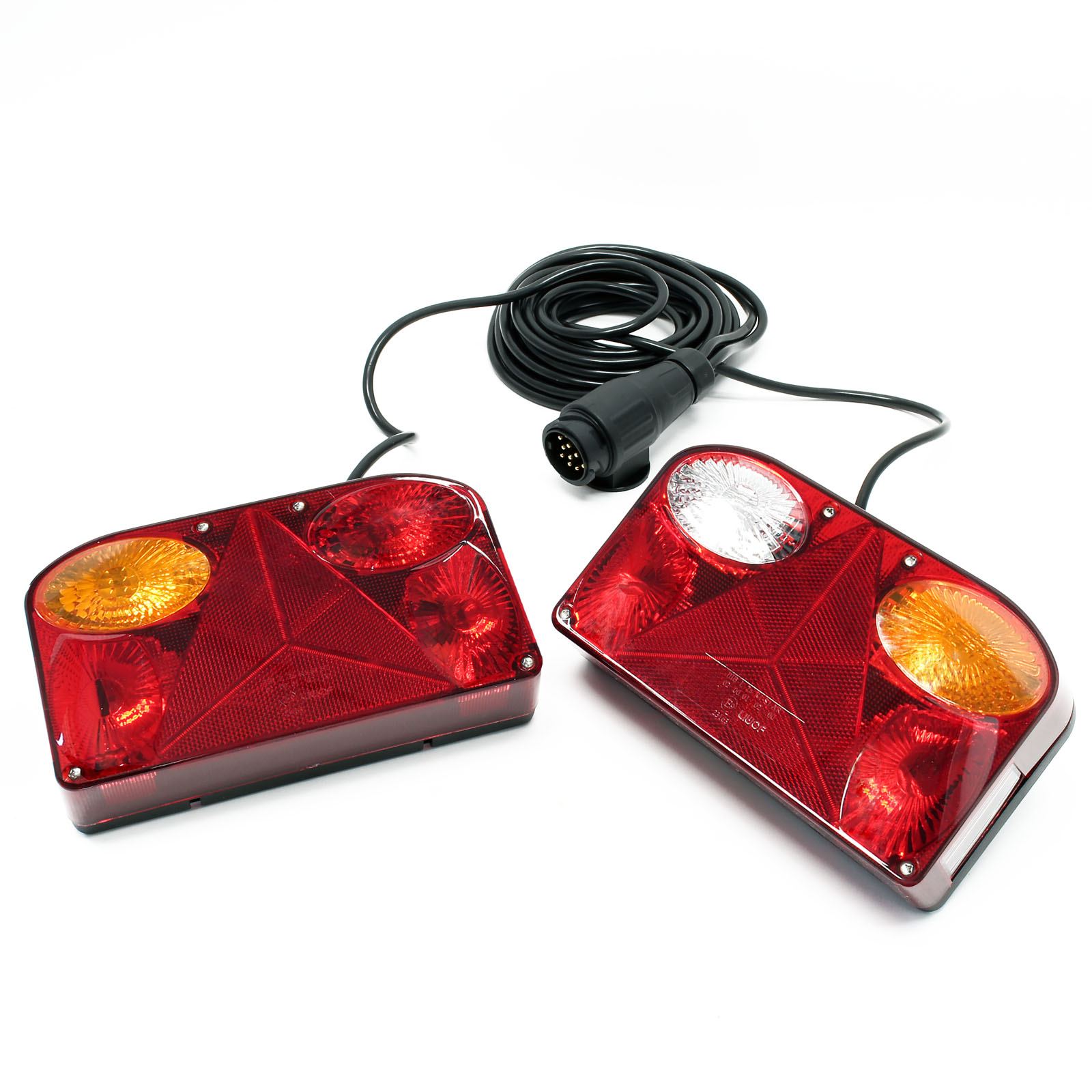
Trailer lights represent one of the most important safety components when towing, as they ensure that every signal from the towing vehicle is clearly transmitted to following traffic. Without functioning trailer lights, other drivers cannot see when a vehicle is braking, turning, or reversing, which significantly increases the risk of accidents. Modern trailer light kits are designed to meet strict safety standards, providing visibility in a wide range of driving conditions, from bright sunlight to heavy rain or dense fog.

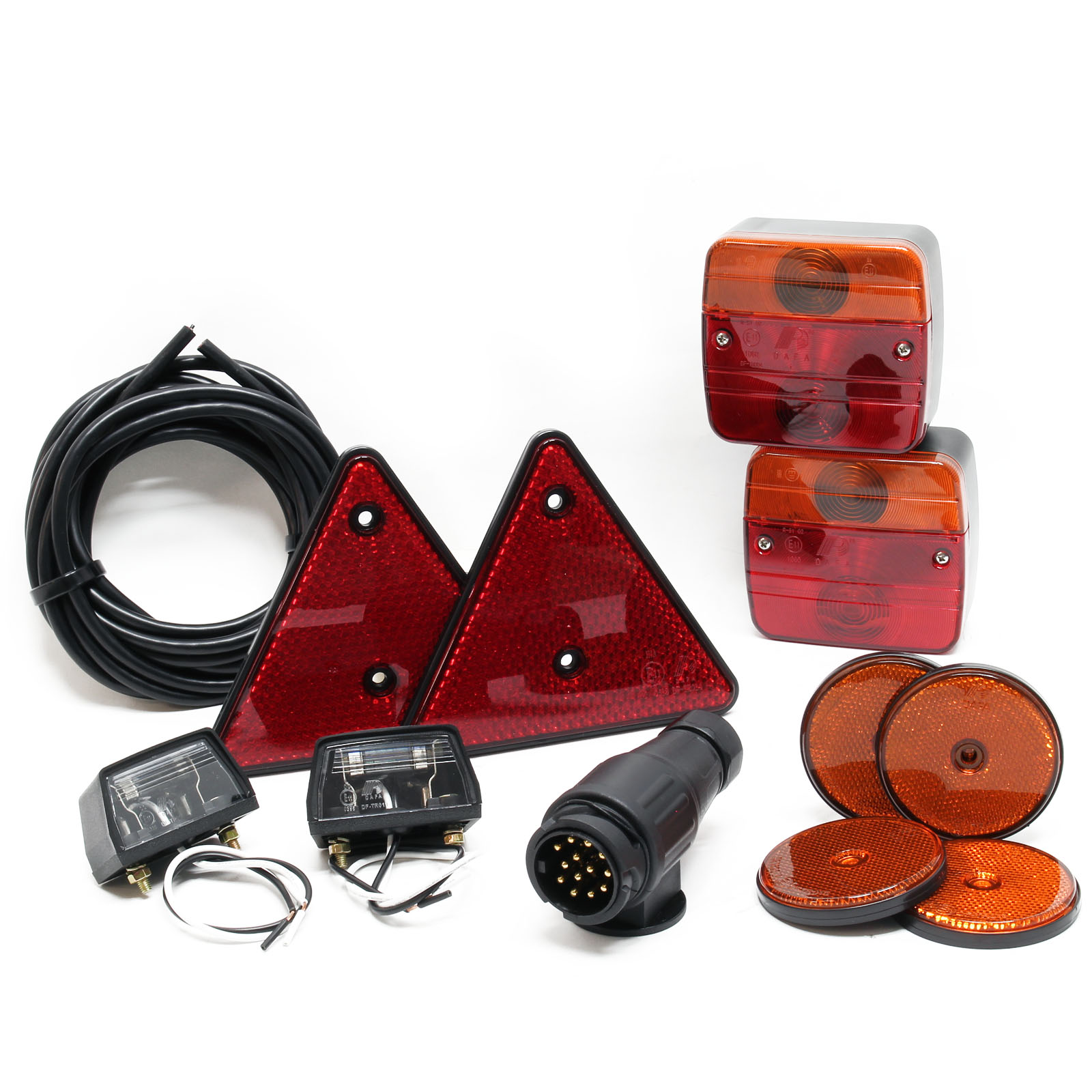
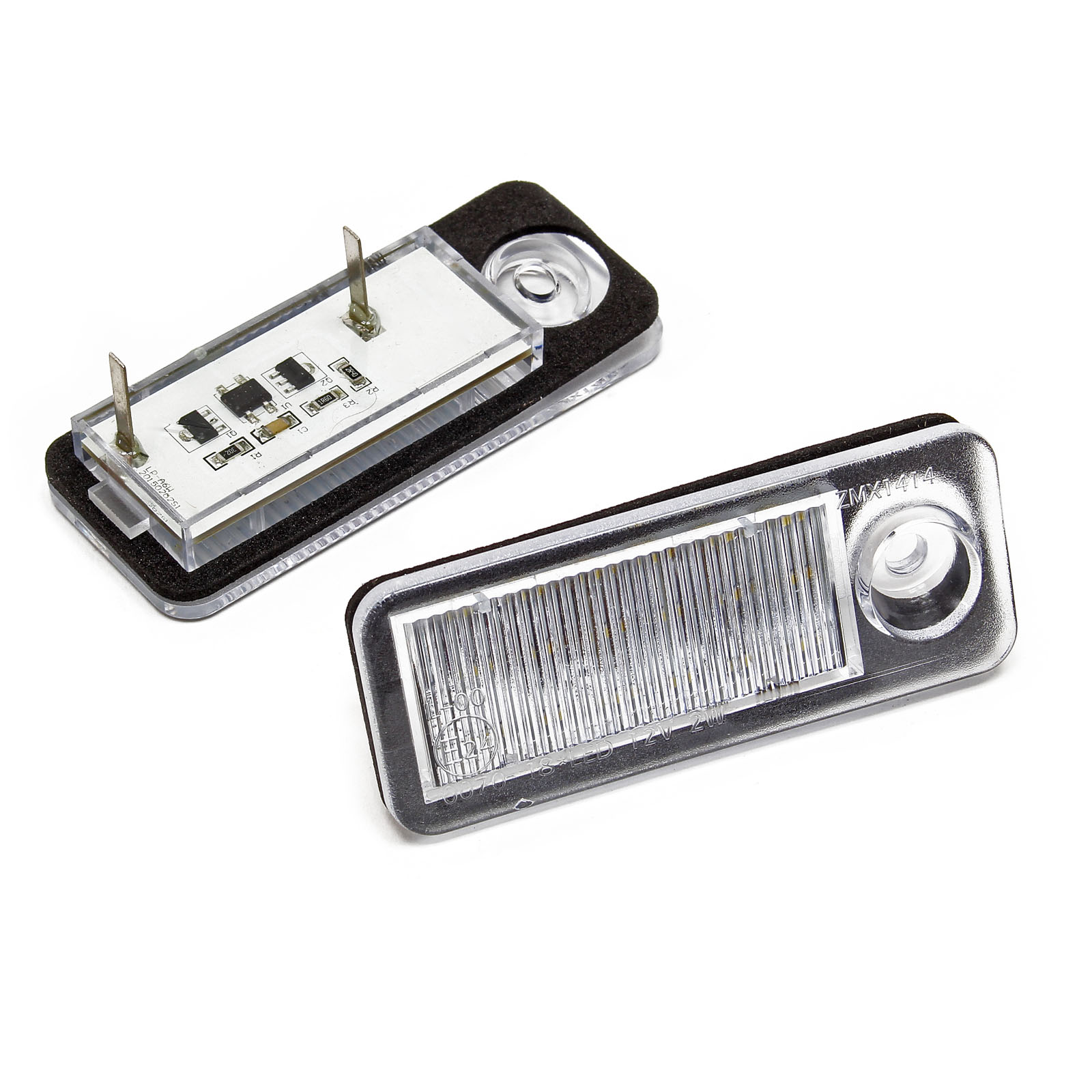
LED trailer lights in particular have become a preferred solution thanks to their brightness, energy efficiency, and long service life. Unlike older incandescent bulbs, they are resistant to vibration, better sealed against dust and water, and capable of lasting thousands of hours without replacement. A trailer light kit LED often includes everything necessary for immediate installation, ensuring simple and effective operation.

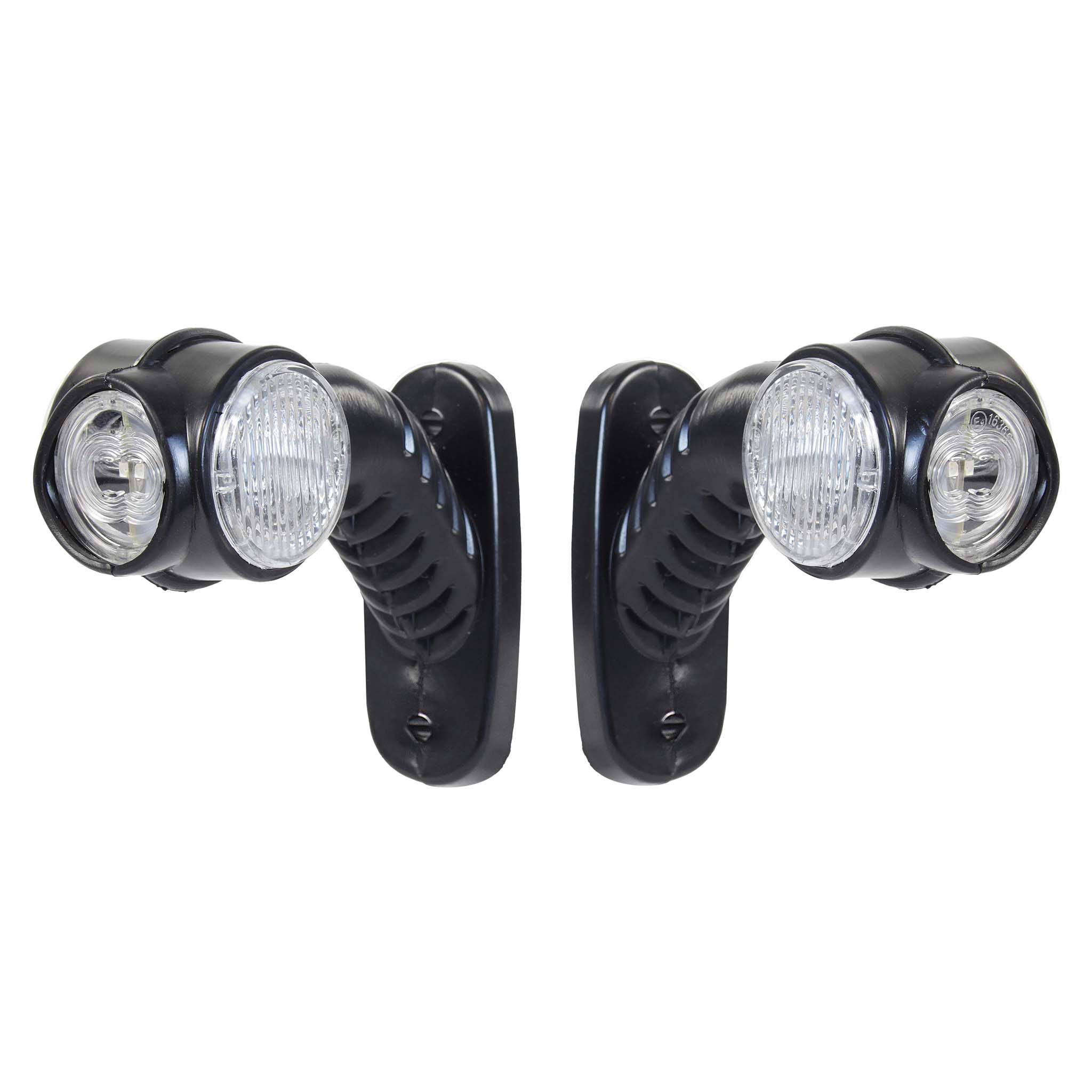
In addition to complete kits, specialized solutions such as trailer light boards or round LED side marker lights are available. A LED trailer light board provides full rear lighting in one compact unit, ideal for bike racks or trailers where standard lights are obscured. Side marker lights enhance lateral visibility, making long trailers safer at night. Together, these products guarantee that trailers remain visible, compliant, and secure on the road.

Trailer Lights

Compact Magnetic Lighting for Flexible Use

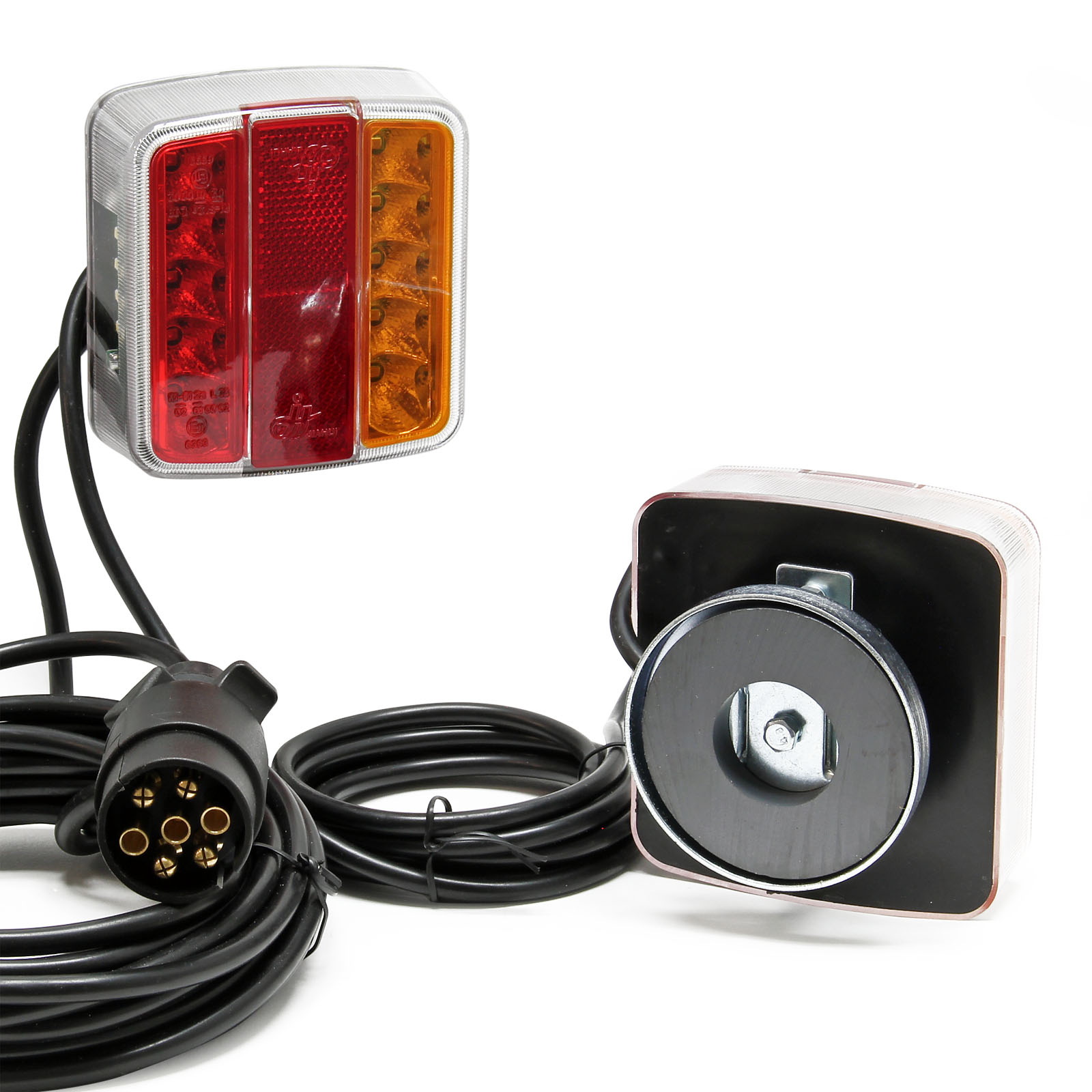
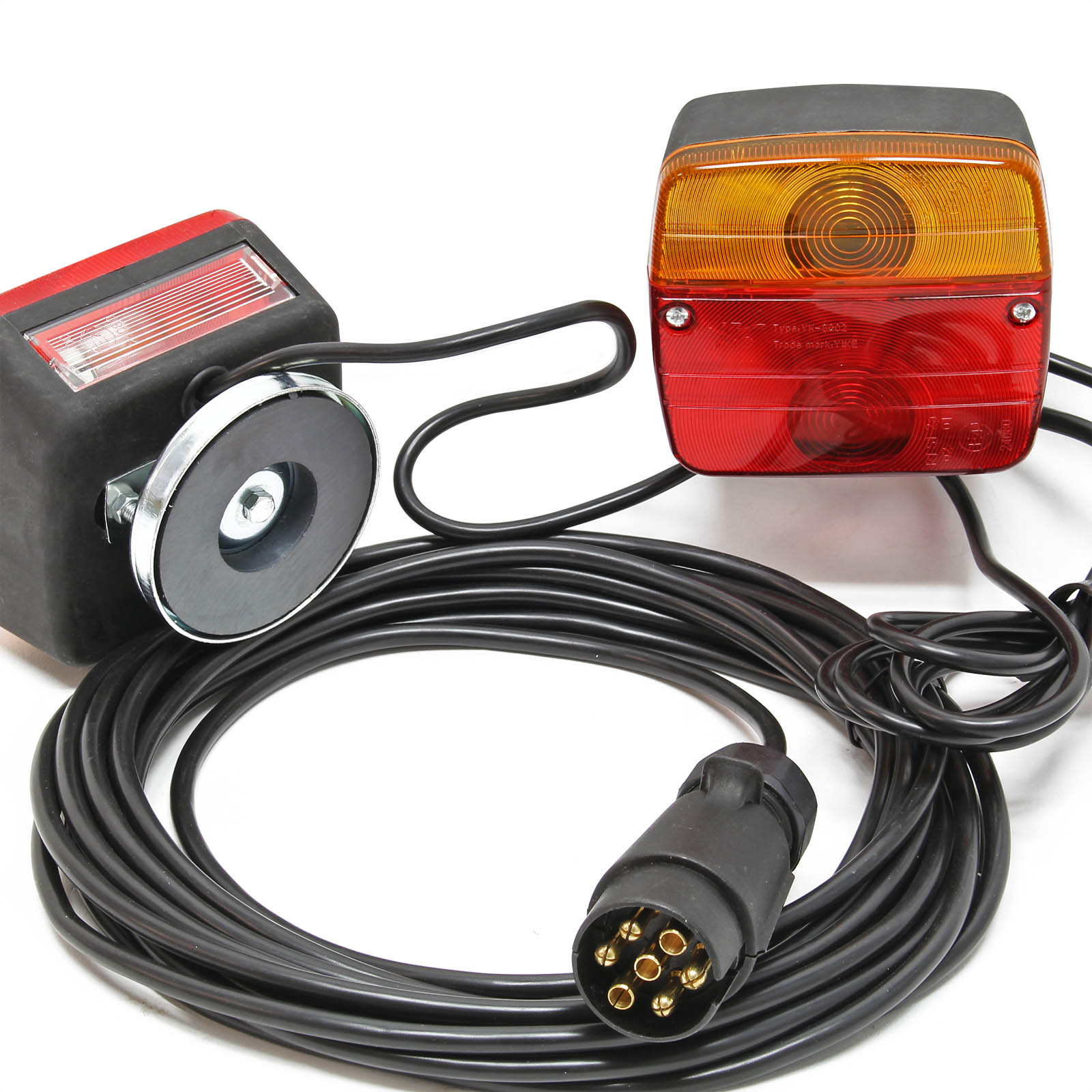
Among the many options, one of the most popular choices is the magnetic trailer lighting kit. This system combines a practical 7-pin trailer plug with a robust connecting cable, making the installation process straightforward. Thanks to its IP67 rating, the lights are resistant to both water and dust, making them highly reliable for use in challenging environments. The design is intended to fit a wide variety of trailers, including utility trailers, boat trailers, and agricultural equipment.

The ease of installation is a defining advantage, as the magnetic mounts allow the lights to be positioned and removed without permanent fixing. This flexibility makes the product highly adaptable for drivers who use different trailers or need a quick replacement option. In terms of durability, the sealed casing protects the internal components from corrosion and dirt, ensuring long service life.

With this kit, users gain confidence that their signals will remain clear and functional under diverse conditions.

Trailer Lights

Applications of Trailer Lighting in Everyday Transport

Trailer lights are indispensable across many areas of transportation, ensuring safety and compliance in different towing scenarios. On utility trailers, they provide essential rear and side visibility when moving equipment, building materials, or goods, making it clear to other drivers when the trailer is braking or turning. In agriculture, where tractors and machinery often need to use public roads, trailer lights are legally required to signal intentions and prevent accidents.

Boat trailers benefit particularly from LED trailer lights, as these units are sealed to resist water ingress when launching or retrieving boats. Their durability and waterproof design help maintain reliable function even in wet or humid environments.

Car bike racks often block the rear lights of the vehicle, which is why attaching a trailer light board becomes necessary. This ensures that indicators, brake lights, and rear lights remain visible, keeping cyclists and motorists safe.

Round LED side marker lights are another important solution, especially for larger or longer trailers. They improve side visibility in low light and while cornering, helping to prevent collisions at intersections or during lane changes. Altogether, trailer lighting provides a comprehensive safety network that adapts to the specific requirements of different trailers, enhancing security for drivers and other road users alike.

Are LED Trailer Lights Worth It?


LED trailer lights are considered one of the most effective upgrades for trailers, offering clear advantages over traditional incandescent lighting. Their main benefit lies in efficiency: LEDs consume less power while providing brighter and more consistent illumination, which reduces strain on the towing vehicle’s electrical system. This makes them especially useful for longer journeys or when several lights are operated simultaneously.

Durability is another strong point. LED trailer lights are constructed to resist vibration, shock, dust, and water, all of which are common challenges when towing. Many models are sealed with protective housings, making them suitable for use on boat trailers or in agricultural environments where exposure to moisture and dirt is inevitable. Their extended service life—often tens of thousands of hours—means fewer replacements, which translates into cost savings over time.

Safety also improves with LEDs. These lights illuminate faster than incandescent bulbs, giving following drivers a fraction of a second more to react to brake signals, a small but meaningful advantage in avoiding collisions. While LED lights generally require a slightly higher initial investment, their efficiency, longevity, and reliability make them a worthwhile choice for most trailer owners. In the long run, they combine practicality with safety, proving their value beyond doubt.

Trailer Lights

Trailer Light Board for Multiple Purposes

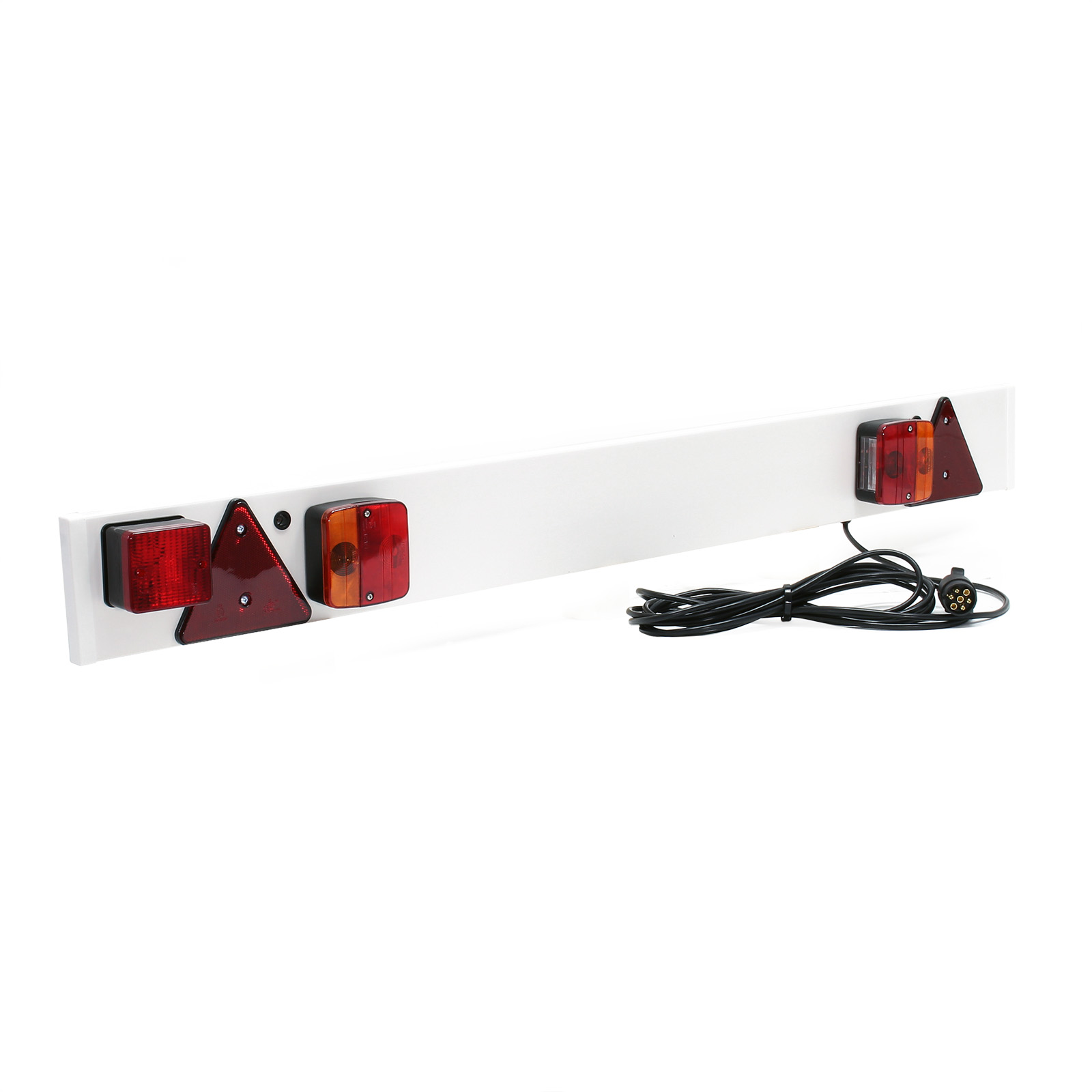
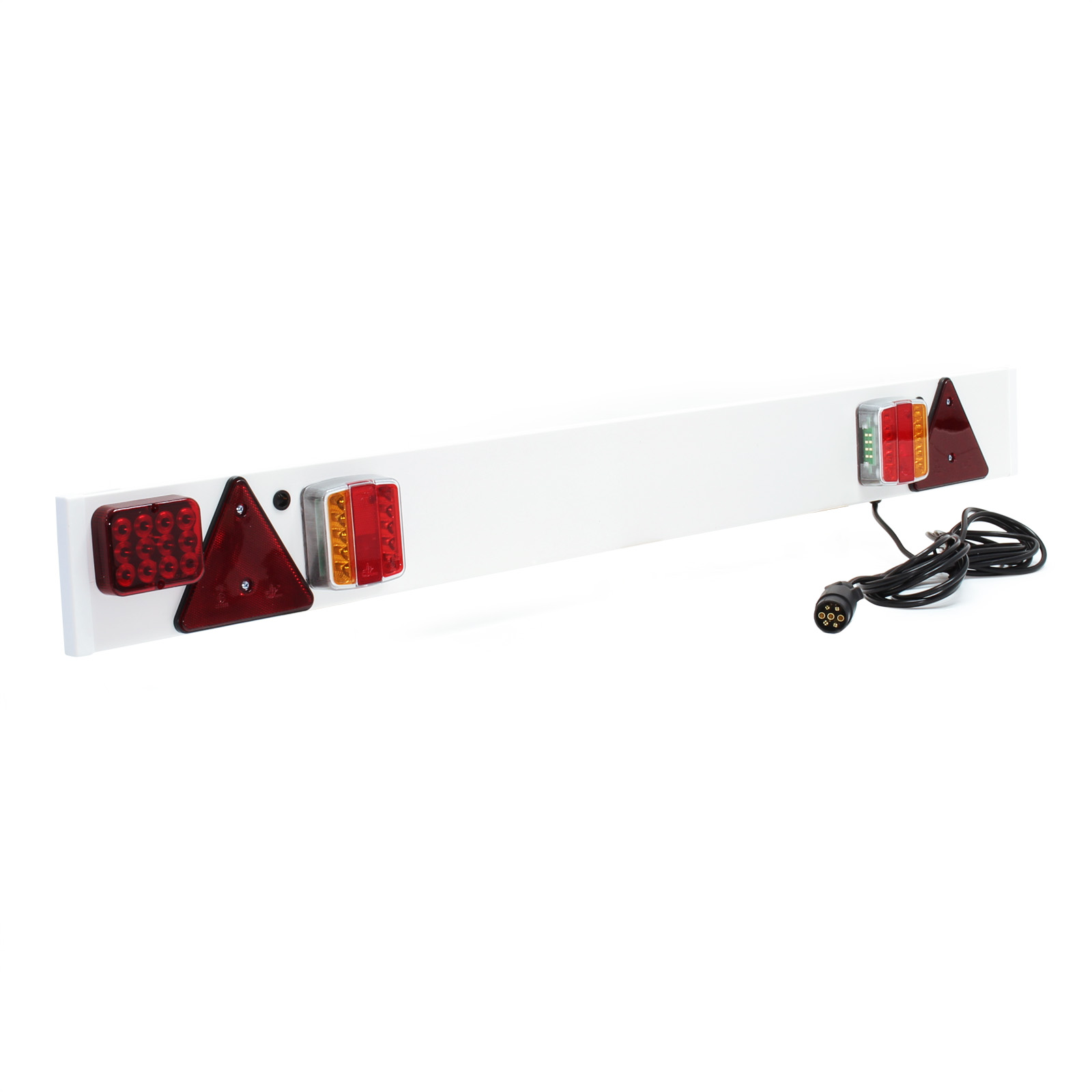
A practical solution for many drivers is the trailer light board. With a length of 137 cm, such boards are designed to provide a complete rear lighting system that includes brake lights, rear lights, and indicators. Equipped with a 7-pin plug, they are easy to connect to most vehicles, ensuring compatibility with standard wiring systems.

These boards are often used with car bike racks, where bicycles might obscure the view of rear lights, making an additional light board a legal requirement in many regions. The sealed and robust construction protects the lighting components from dust and moisture, providing reliability even during long journeys.

The portability of trailer light boards allows them to be attached and removed with ease, giving drivers flexibility when switching between different towing needs. Overall, they represent an all-in-one solution for those requiring full rear lighting on a trailer or transport accessory.

How to Wire a LED Light to a Trailer?


Wiring a LED trailer light kit requires a systematic approach. First, it is important to ensure compatibility with the towing vehicle’s connector, often a 7-pin plug. The wires need to be matched to their respective functions: tail lights, brake lights, indicators, and ground. Typically, a color-coded wiring system is used, simplifying the process.

Connections should be made securely using crimp connectors or soldered joints, followed by protective insulation with heat-shrink tubing to prevent moisture ingress. Grounding is essential for correct operation, so a solid connection to the trailer’s frame is required. Once the wiring is complete, testing each function ensures that the installation is correct. LED lights often require correct polarity, meaning attention must be paid to positive and negative terminals.

With careful preparation and proper tools, wiring a trailer LED light board can be completed efficiently, providing long-lasting and safe illumination.

How Does a Trailer Light Board Work?


A trailer light board functions as an external extension of a vehicle’s rear lighting system. It is commonly used when the standard rear lights of a car are obscured by a trailer load, a bike rack, or additional cargo. By connecting the board to the vehicle through a 7-pin plug, electrical signals from the car are transmitted directly to the board. Each wire within the plug corresponds to a specific function, such as brake lights, indicators, tail lights, or reversing lights, allowing the board to replicate the vehicle’s rear signals in real time.

The advantage of a LED trailer light board lies in its compact and all-in-one construction. Instead of installing individual lamps on the trailer, the board provides a complete set of lights in one unit, which can be mounted or fixed temporarily depending on the need. Many boards are designed with waterproof and dust-resistant housings to ensure reliable operation in rain, snow, or dusty environments.

Internally, LED technology ensures low power consumption and bright illumination, while the sturdy casing protects the electronics against vibration and impact. For the driver, the operation is seamless: once connected, the board activates automatically in sync with the vehicle, ensuring visibility and compliance with traffic regulations without requiring additional controls.

Trailer Lights

How to Tell if a LED Board is Bad?


Identifying whether a LED trailer light board is defective involves both visual inspection and functional testing. The first step is to connect the board to the towing vehicle and check whether all functions—tail lights, brake lights, indicators, and reversing lights—respond as expected. If one or more lights fail to activate, it may indicate an issue with the board, though wiring and plug connections should always be checked first.

A close inspection can reveal visible damage, such as cracks in the casing, water condensation inside the housing, or corroded connectors. Since LEDs require stable polarity, reversed wiring can also cause failures. Using a multimeter to measure voltage and continuity across the circuits provides a reliable method to determine whether the board is receiving current. If the board receives the correct voltage but still fails to light, the internal components are likely damaged.

Unlike incandescent bulbs, individual LEDs within a trailer light board cannot usually be replaced. This means that if the circuit or the light strip is faulty, the entire unit often needs replacement. Common causes of failure include water ingress, physical impact, or overvoltage. Regular testing before each journey ensures problems are identified early, helping maintain safety and compliance on the road.

Can I Use Any 12V Transformer for LED Lights?


Not every 12V transformer is suitable for powering LED trailer lights. Although LEDs are designed to operate at low voltage, they are sensitive to the type and stability of the current supplied. Traditional 12V transformers, often intended for halogen or incandescent bulbs, typically deliver unregulated voltage. This can lead to flickering, overheating, or premature failure of the LEDs. For that reason, using a dedicated LED driver or a regulated power supply is strongly recommended.

A proper LED transformer ensures a consistent flow of current, protecting the delicate circuits inside trailer light boards, round LED side marker lights, or complete trailer light kits. When selecting a transformer, the total power consumption of all connected lights must be calculated. The transformer’s rated output should exceed this value, preventing overload and guaranteeing safe operation. Attention must also be paid to polarity, as LEDs require correct positive and negative connections.

Using an unsuitable transformer may not only reduce performance but also create safety hazards, such as overheating cables or short circuits. Therefore, it is essential to choose a regulated 12V power source specifically designed for LED technology. By doing so, trailer LED lighting remains reliable, efficient, and long-lasting under demanding conditions.

How to Get LED Lights to Go Around Corners?

Summary of Trailer Lights


Trailer lights are essential for safe towing, providing communication between vehicles on the road. The category includes trailer light kits, LED trailer lights, trailer light boards, and round LED side marker lights. Each product type serves specific purposes, from general rear lighting to specialized applications such as bike racks or agricultural trailers.

LED lights offer clear benefits in durability, efficiency, and response time, while trailer light boards ensure visibility when rear lights are obstructed. Wiring requires attention to polarity, grounding, and secure connections, while proper power sources ensure reliability.

Common W-questions highlight practical concerns, from installation to maintenance and transformer compatibility. By understanding the functions and advantages of each lighting solution, drivers can select the right setup for their trailers, ensuring both safety and compliance with road regulations.